Crock Pot Veggie Lasagna
Crock Pot Veggie Lasagna is the cozy, hands off dinner I turn to when I want warm comfort without standing over the stove. The first time I layered this in a slow cooker I was skeptical, but as it cooked the kitchen filled with a gentle tomato and herb aroma that made the whole house feel like home. I love how the vegetables soften just enough to keep some texture, while the cheeses melt into ribbons between tender noodles.
Every family has that one dish that becomes shorthand for care, and for mine that became this lasagna. I remember carrying the bubbling pot to the table, the smell drawing everyone from different rooms. We ate slowly, talking about small things, and later I realized I had a new go to for busy evenings when I wanted something special with minimal fuss. I often change the vegetable mix depending on seasonality, and that flexibility keeps this recipe feeling fresh even after many repeats.
Recipe Snapshot
4 hr 10 mins
10 mins
240 mins
Hard
350 kcal
Italian
Gluten-Free, Keto
Dinner
Slow Cooker, Food Processor, Mixing Bowl
Why This Crock Pot Veggie Lasagna Works
Comfort without the babysitting
I really appreciate that Crock Pot Veggie Lasagna delivers real oven style results while I get on with life. You do not need to fuss with boiling noodles, broiling cheese, or checking on bubbling edges every few minutes. That hands off approach makes weeknight cooking so much easier, and I find it especially freeing when evenings are stacked with activities.
Layered textures from simple parts
The recipe balances creamy cheeses with a mix of chopped vegetables so every bite has contrast. The ricotta mix keeps things lush, the mozzarella cheese gives stringy pull, and the chopped vegetables add a fresh pop. I love how these simple players create a dish that feels indulgent but still wholesome.
Built for flexibility
I often swap which vegetables I use based on what the market offers, and the lasagna still sings. That adaptability means you can make it pantry friendly, and it also makes it easy to tailor to family preferences. For busy cooks, that ability to pivot is golden.
Slow cooked depth of flavor
Cooking this on low gives the pasta sauce and cheeses time to meld, producing a comforting, rounded tomato flavor that feels deeper than a quick bake. The slow method helps the herbs and cheeses meld into a unified flavor, which is why I prefer the crock pot for this one.
Feeds a crowd, but still homey
This dish scales well for company or a regular family meal. It makes a hearty main that pairs easily with simple sides, and because it stays warm in the crock pot, it is a great option for gatherings where people serve themselves. I often bring it to potlucks because it transports and holds so well.
What to Gather for Crock Pot Veggie Lasagna
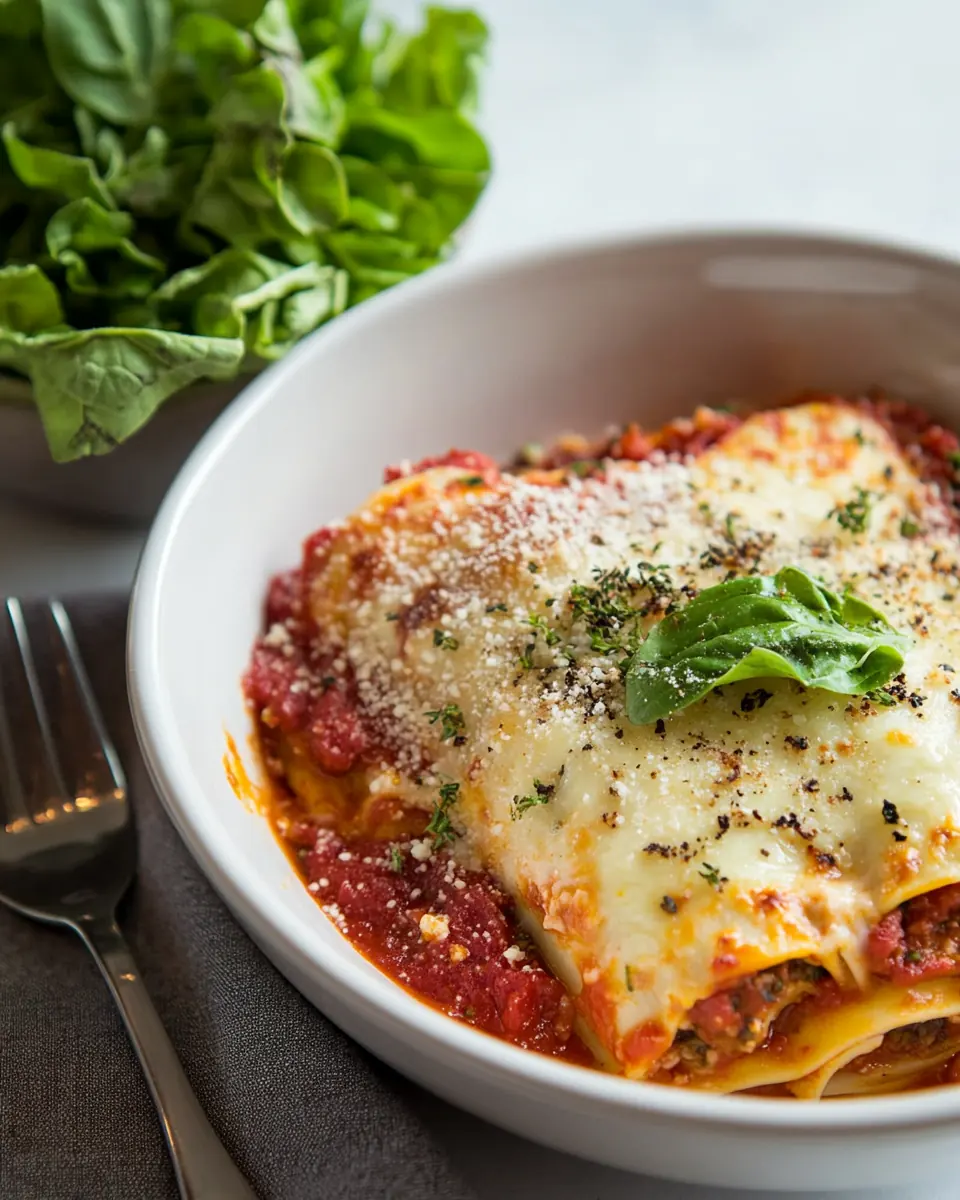
These ingredients are chosen to create a balanced, comforting lasagna that cooks gently in a crock pot. The key players are the vegetables for texture, the ricotta cheese and mozzarella cheese for creaminess, and the pasta sauce to tie everything together. Each ingredient has a role, either in building layers or in contributing moisture and flavor so the final dish is cohesive and satisfying.
- 2 cups vegetables, chopped (zucchini, broccoli, cauliflower, mushrooms and/or spinach are great options): Chopped into bite-sized pieces to provide texture, color, and nutritional variety; these vegetables add moisture and bulk while absorbing sauce flavors during slow cooking. Offer a mix like zucchini, broccoli, cauliflower, mushrooms, or spinach to balance sweetness, earthiness, and slight crunch depending on chosen vegetables. Ensure pieces are relatively uniform so they cook evenly in the crock pot alongside noodles and cheeses.
- 1 container ricotta cheese 15 ounce: Spoonable and creamy to create a rich, smooth layer that contrasts with noodles and vegetables; ricotta brings mild tang and moisture that helps bind the lasagna. Measure the 15-ounce container to maintain proper creaminess without thinning the layers, and gently fold into seasonings and egg to improve set and texture. Use full-fat ricotta for a richer mouthfeel or part-skim for a lighter version while still preserving structural integrity.
- 1/2 cup parmesan cheese, grated: Sprinkled and grated to impart a savory, nutty finish and enhance overall umami of the dish; parmesan contributes depth and a sharper flavor profile. Add measured amounts to the ricotta mixture and on top of layers to encourage browning and a slightly crisped finish where exposed to heat. Finely grate for even distribution so small amounts can flavor multiple layers without overwhelming delicate ingredients.
- 1 tablespoon dried Italian herbs: Dried and aromatic to season the cheese mixture and sauce layers, Italian herbs provide a classic Mediterranean profile with oregano, basil, thyme, and rosemary notes. Stir into ricotta or mix with sauce so the herbal flavors permeate through the lasagna as it slowly cooks. Use measured amounts to avoid overpowering fresh vegetable flavors while ensuring a recognizable Italian seasoning backbone.
- 1/2 teaspoon garlic powder: Powdered and savory to add concentrated garlic flavor without changing texture or introducing moisture; garlic powder disperses evenly through the cheese filling. Incorporate into the ricotta mixture or sprinkle into the sauce to boost aromatic depth during the long slow-cook process. Use sparingly to prevent a harsh, powdery bite and to complement fresh or dried herbs.
- 1 teaspoon kosher salt: Granular and saline to season the layers and enhance natural flavors of vegetables, cheeses, and sauce; kosher salt also helps proteins in the cheese meld properly with the egg. Dissolve or mix thoroughly into the ricotta-egg blend and taste the sauce beforehand to avoid oversalting. Adjust as needed, remembering the parmesan contributes additional saltiness when layered.
- 1 large egg: Beaten and binding to help the ricotta layer set and hold shape after slow cooking; a large egg adds protein structure for sliceable lasagna pieces. Whisk into the ricotta with cheeses and seasonings until smooth so the filling firms without becoming rubbery. Ensure the egg is evenly distributed to prevent pockets of uncooked egg and to improve overall cohesion.
- 1 jar pasta sauce 25 ounce jar: Saucy and flavorful to provide moisture, acidity, and a tomato-herb base that cooks into the noodles and vegetables; a 25-ounce jar supplies enough liquid to prevent dryness in the slow cooker. Spread a layer on the bottom, between layers, and on top to ensure even cooking and to infuse the lasagna with tangy tomato notes. Choose a sauce you enjoy since it will dominate the dish's overall flavor profile.
- 1 box lasagna noodles, uncooked: Uncooked and starchy to form the primary pasta layers that absorb sauce and soften during the slow-cooking process; use the box as specified and arrange noodles so they overlap for coverage. Position noodles in layers with sauce and fillings so they hydrate and cook through without boiling, taking advantage of the crock pot's gentle, moist heat. Break or overlap noodles as needed to fit the pot while maintaining even layers for slicing.
- 2 cups mozzarella cheese, grated: Grated and melty to create a golden, chewy top and gooey interior that unifies layers; mozzarella offers mild creaminess and excellent meltability. Sprinkle between layers and over the final top so it browns slightly and develops stretchy strands when served. Use full-milk mozzarella for optimal melt and texture, and distribute evenly to avoid concentrated pockets of cheese.
Cooking Method for Crock Pot Veggie Lasagna
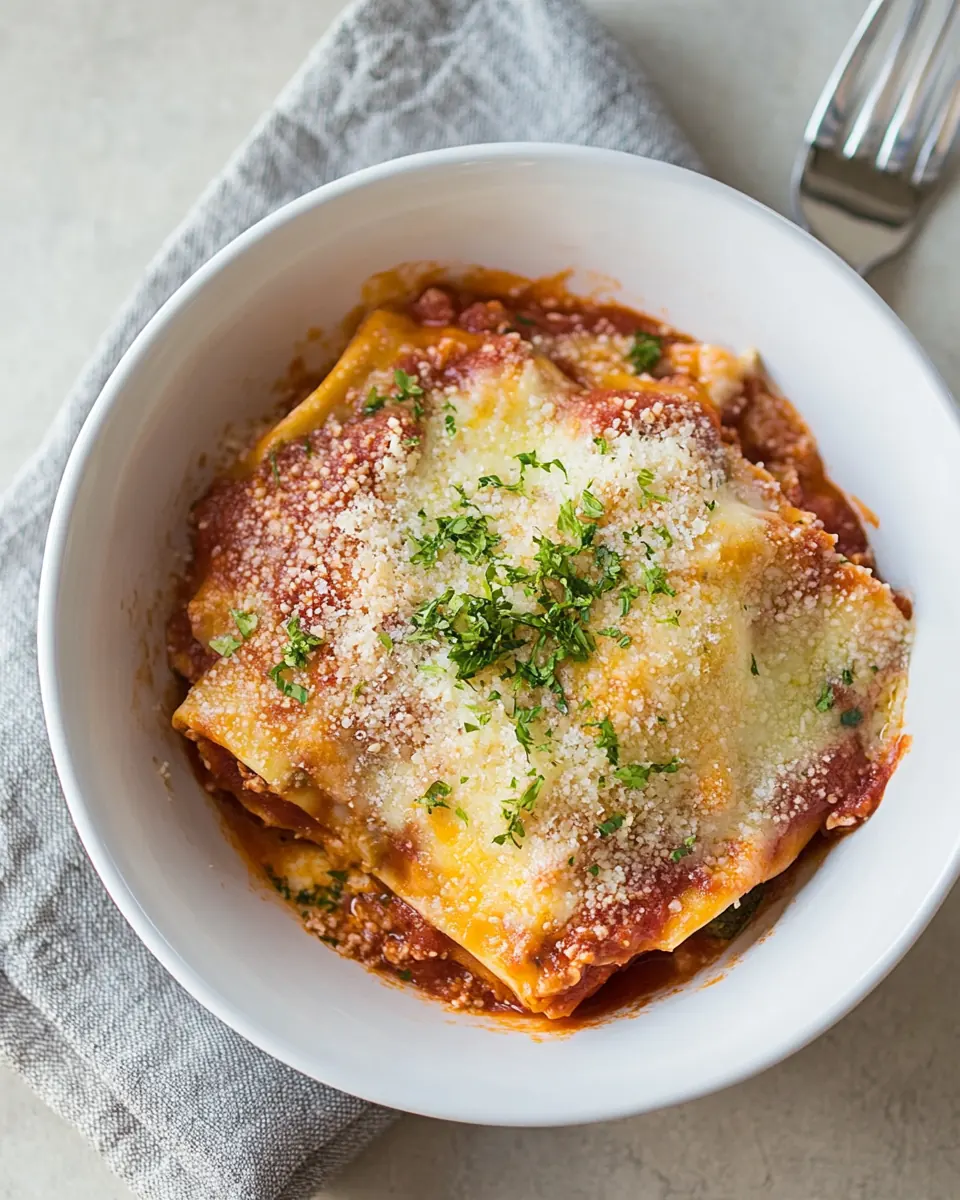
These directions were written to be reassuring and approachable, guiding you through each slow cooker layer with confidence. The sequence is straightforward, and if you follow sensory cues you will end up with a lasagna that is tender, saucy, and deeply flavored. Below I expand each step to describe what to look for, why it matters, and common pitfalls so you can get it right the first time.
- Place the vegetables in a food processor and pulse to roughly chop.: The first step should make the vegetables fragmented but not mushy, so you will hear short bursts as the blades catch and release the pieces, and see a mix of small chunks across different colors. This texture allows them to soften uniformly during the long cook while keeping pleasant bite. The aroma will be fresh and slightly vegetal, especially from mushrooms and zucchini. A common mistake is over processing into a puree, which robs the dish of texture, so pulse in short bursts and stop frequently to check the size of the pieces.
- Place the ricotta, parmesan cheese, herbs, garlic powder, salt and egg in a bowl and stir to combine.: When you mix the ricotta cheese with the parmesan cheese , seasonings, and egg , the texture becomes silky and slightly thick. Use a spoon to fold until the mixture is cohesive, you will notice an even pale cream color flecked with dried herb bits. This binding step matters because it helps the cheese layer set gently in the crock pot, giving you sliceable portions rather than a loose, soupy filling. A pitfall is under seasoning, which can leave layers tasting flat after long cooking, so be sure to taste a tiny bit of the mixture before adding the egg if you want to adjust salt.
- Pour half of the pasta sauce in the bottom of a crock pot.: Pouring a shallow layer of pasta sauce forms a moisture barrier that prevents the bottom noodles from sticking and burning. The sauce should spread across the surface in a glossy, even coat, and its tomato aroma will bloom immediately. This is important for even hydration of the noodles. A common mistake is skimping on the sauce which can lead to dry, undercooked noodles at the base, so be generous and ensure the surface is covered.
- Place a layer of noodles on top of the sauce, covering the entire surface, breaking the noodles to fit the pot.: Laying the lasagna noodles is tactile work, you will feel them conform as you break them to fit the pot, and visually they should overlap slightly to avoid gaps. The noodles should sit flat and form a uniform layer, which helps the layers above rest evenly. If you place them too sparsely the filling can leak through, and if they are folded thickly in spots you may end up with undercooked centers, so aim for a single even sheet with minor overlaps.
- Layer half of the ricotta mixture on top of the noodles, followed by 1 cup of the chopped vegetables and then one cup of mozzarella cheese.: After spreading the ricotta mixture the surface will look creamy and slightly lumpy from the cheese and herbs, then the vegetables add color and texture on top. Sprinkling the mozzarella cheese gives a soft white carpet that will melt into glossy strings as it cooks. This order locks moisture and flavor into each slice, creating balanced bites. A trap to avoid is piling too much filling in one spot which can cause uneven cooking, so distribute ingredients evenly across the layer.
- Repeat with another layer of noodles, followed by the remaining ricotta mixture and the chopped vegetables.: Repeating the layers builds height and ensures each mouthful has cheese, sauce, and vegetables . You will begin to see the structure form, and the pot will look satisfying and packed but not overflowing. This middle layering increases the lasagna's complexity of texture and keeps sauce and cheese present in every portion. Make sure you maintain even distribution so the final bake is consistent throughout, otherwise sections may be denser.
- Pour the remaining pasta sauce on top of the lasagna and top with the remaining cup of the grated cheese.: Topping with the rest of the pasta sauce locks in moisture and prevents the top noodles from drying. The final layer of mozzarella cheese will melt and create pockets of gooey cheese through the top, and its glossy finish is a good visual indicator that the dish is ready. Avoid using too little sauce here, because the top layer needs lubrication to soften properly during the long cook.
- Cook on low for 4 hours.: As the crock pot hums, the sauce will simmer gently and the aromas will deepen into a comforting tomato and herb bouquet. You will notice subdued bubbling and a soft sizzle as steam escapes; the cheeses will melt and marry with the sauce, and the lasagna noodles will hydrate to a tender texture. Cooking low for this duration helps develop flavor while preventing separation of the cheeses. A typical misstep is peeking too often, which drops heat and extends cooking time; resist lifting the lid unless necessary.
- Serve.: After cooking the top should look uniformly set with molten cheese, and the sides may pull slightly away from the crock pot. Let it rest briefly so the layers settle, then scoop or slice serving sized pieces. The aroma will be rich and tomato forward, and the inside should be tender but cohesive. A common error is trying to plate immediately, which can lead to collapsing layers, so allow a short rest for cleaner portions.
Recipe Tips about Crock Pot Veggie Lasagna
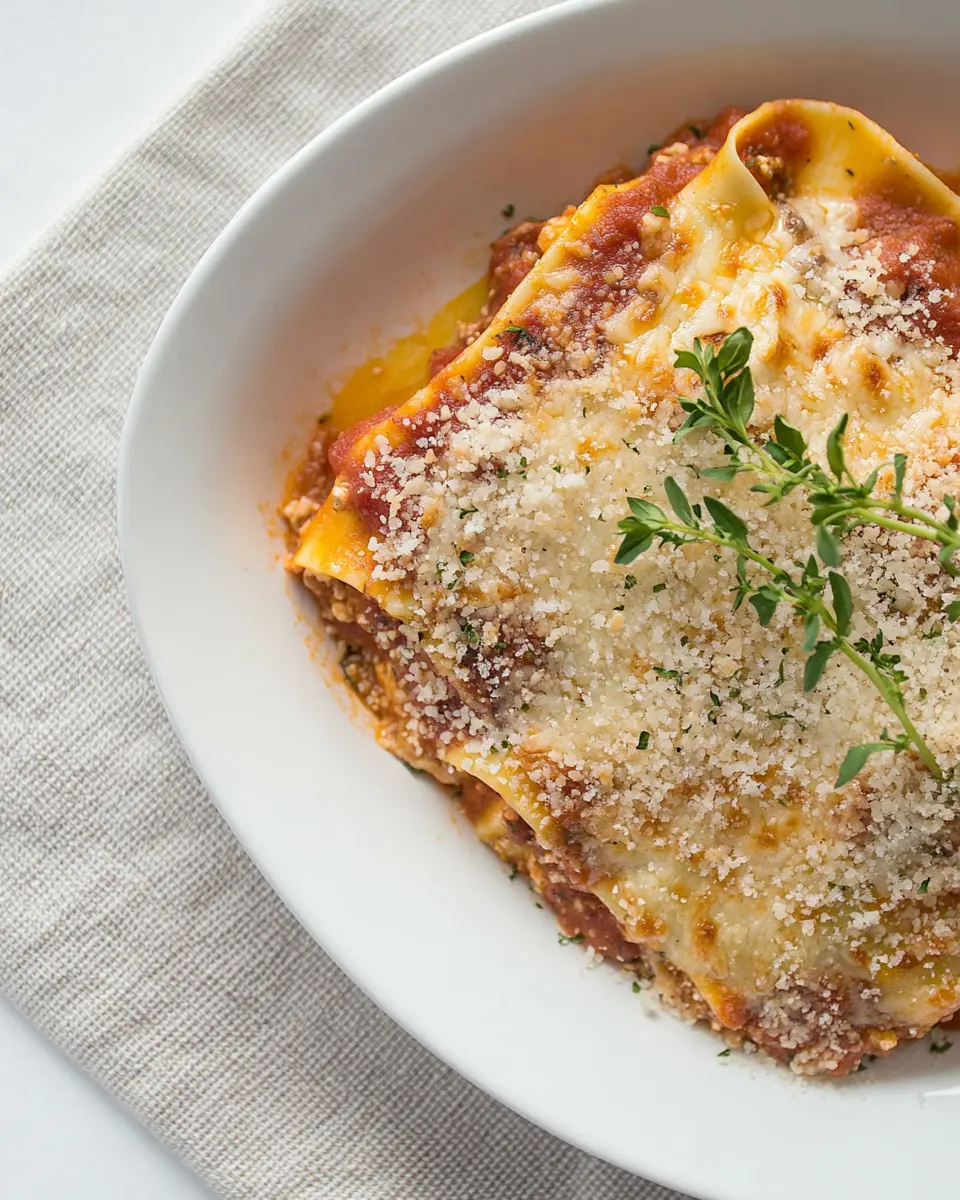
This recipe shines with a few small adjustments that make a big difference. Below are practical tips I have learned from many slow cooker lasagna attempts, each expanded into helpful guidance to improve texture, flavor, and ease. Follow these and you will avoid common pitfalls and get reliably delicious results.
- Prep vegetables uniformly, which reduces the chance of some pieces becoming mushy while others remain firm. Use a food processor in short pulses and check often so you retain pleasant texture. Vegetables with higher water content like zucchini should be pulsed less to avoid excess moisture pooling in the layers.
- Mix cheeses well before layering to ensure even melting and consistent flavor. Combine the ricotta cheese, grated parmesan cheese, and egg thoroughly so the binder is distributed. An even mixture prevents dense pockets of unmelted cheese and helps the filling set nicely.
- Use a full jar of sauce to guarantee enough moisture for hydrating the lasagna noodles. The crock pot relies on that sauce to tenderize the noodles over time, so err on the side of having slightly more rather than less. If your sauce seems thick, stir in a few tablespoons of water to help it spread.
- Layer with balance keeping each layer similar in thickness to ensure even cooking throughout. If one layer is overloaded the middle might stay dense while edges cook faster. Visual uniformity is a reliable cue that the lasagna will finish consistently.
- Allow a brief rest before serving so the lasagna firms up and slices more cleanly. Ten to fifteen minutes is often enough; it also gives time for flavors to settle. Serving immediately risks runny slices and less attractive plating, so patience yields better presentation.
Perfect Pairings for Crock Pot Veggie Lasagna
This lasagna pairs beautifully with simple sides and can suit a variety of occasions. Think about texture contrasts and freshness to complement the warm, cheesy main. The suggestions below cover casual weeknights to cozy seasonal gatherings and offer storage and serving ideas so you get the most from each batch.
- Fresh green salad with a light vinaigrette brings crispness and acidity that cuts through the richness of the lasagna. Try a mix of peppery greens and a citrus or red wine vinaigrette for balance.
- Garlic bread or crusty loaf is perfect for mopping up sauce and adds a crunchy counterpoint to the soft layers. Toast slices until golden so you get satisfying texture contrast.
- Roasted seasonal vegetables provide extra color and an earthy complement to the lasagna. Choose root vegetables in winter for a hearty accompaniment that echoes the roasted notes in the dish.
- Occasion suggestions such as weeknight family dinners, potlucks, or cozy winter gatherings work well, because the crock pot keeps the dish warm and ready for serving. It is also a reliable choice for Ramadan if you need a filling evening meal, offering ease and comfort after fasting.
- Storage tips store leftovers covered in the fridge for up to four days, or freeze portions in airtight containers for up to three months. Reheat gently in the oven to preserve texture, bringing pieces up to serving temperature slowly so the cheese remelts evenly.
FAQ
Conclusion
Crock Pot Veggie Lasagna shines because it combines comforting, layered lasagna flavors with the ease of slow cooking, resulting in tender noodles, melty cheese, and well melded vegetables. Give it a try the next time you need a hands off, crowd pleasing meal, and you may find it becomes a new family favorite. It warms the house with familiar aromas, and its forgiving nature makes it great for cooks wanting a comforting dish without fuss.
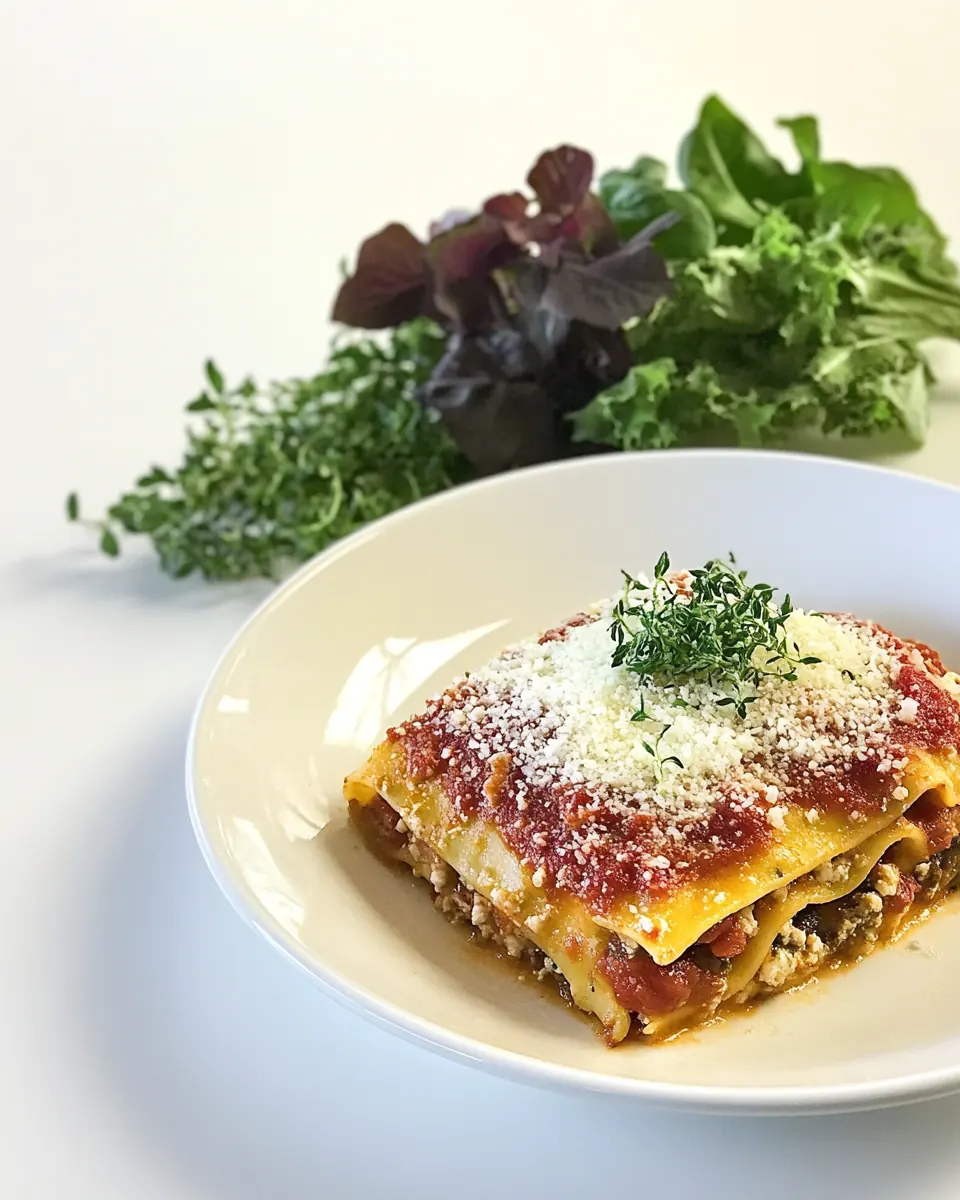
Crock Pot Veggie Lasagna
Ingredients
Equipment
Method
- Place the vegetables in a food processor and pulse to roughly chop.: The first step should make the vegetables fragmented but not mushy, so you will hear short bursts as the blades catch and release the pieces, and see a mix of small chunks across different colors. This texture allows them to soften uniformly during the long cook while keeping pleasant bite. The aroma will be fresh and slightly vegetal, especially from mushrooms and zucchini. A common mistake is over processing into a puree, which robs the dish of texture, so pulse in short bursts and stop frequently to check the size of the pieces.
- Place the ricotta, parmesan cheese, herbs, garlic powder, salt and egg in a bowl and stir to combine.: When you mix the ricotta cheese with the parmesan cheese , seasonings, and egg , the texture becomes silky and slightly thick. Use a spoon to fold until the mixture is cohesive, you will notice an even pale cream color flecked with dried herb bits. This binding step matters because it helps the cheese layer set gently in the crock pot, giving you sliceable portions rather than a loose, soupy filling. A pitfall is under seasoning, which can leave layers tasting flat after long cooking, so be sure to taste a tiny bit of the mixture before adding the egg if you want to adjust salt.
- Pour half of the pasta sauce in the bottom of a crock pot.: Pouring a shallow layer of pasta sauce forms a moisture barrier that prevents the bottom noodles from sticking and burning. The sauce should spread across the surface in a glossy, even coat, and its tomato aroma will bloom immediately. This is important for even hydration of the noodles. A common mistake is skimping on the sauce which can lead to dry, undercooked noodles at the base, so be generous and ensure the surface is covered.
- Place a layer of noodles on top of the sauce, covering the entire surface, breaking the noodles to fit the pot.: Laying the lasagna noodles is tactile work, you will feel them conform as you break them to fit the pot, and visually they should overlap slightly to avoid gaps. The noodles should sit flat and form a uniform layer, which helps the layers above rest evenly. If you place them too sparsely the filling can leak through, and if they are folded thickly in spots you may end up with undercooked centers, so aim for a single even sheet with minor overlaps.
- Layer half of the ricotta mixture on top of the noodles, followed by 1 cup of the chopped vegetables and then one cup of mozzarella cheese.: After spreading the ricotta mixture the surface will look creamy and slightly lumpy from the cheese and herbs, then the vegetables add color and texture on top. Sprinkling the mozzarella cheese gives a soft white carpet that will melt into glossy strings as it cooks. This order locks moisture and flavor into each slice, creating balanced bites. A trap to avoid is piling too much filling in one spot which can cause uneven cooking, so distribute ingredients evenly across the layer.
- Repeat with another layer of noodles, followed by the remaining ricotta mixture and the chopped vegetables.: Repeating the layers builds height and ensures each mouthful has cheese, sauce, and vegetables . You will begin to see the structure form, and the pot will look satisfying and packed but not overflowing. This middle layering increases the lasagna's complexity of texture and keeps sauce and cheese present in every portion. Make sure you maintain even distribution so the final bake is consistent throughout, otherwise sections may be denser.
- Pour the remaining pasta sauce on top of the lasagna and top with the remaining cup of the grated cheese.: Topping with the rest of the pasta sauce locks in moisture and prevents the top noodles from drying. The final layer of mozzarella cheese will melt and create pockets of gooey cheese through the top, and its glossy finish is a good visual indicator that the dish is ready. Avoid using too little sauce here, because the top layer needs lubrication to soften properly during the long cook.
- Cook on low for 4 hours.: As the crock pot hums, the sauce will simmer gently and the aromas will deepen into a comforting tomato and herb bouquet. You will notice subdued bubbling and a soft sizzle as steam escapes; the cheeses will melt and marry with the sauce, and the lasagna noodles will hydrate to a tender texture. Cooking low for this duration helps develop flavor while preventing separation of the cheeses. A typical misstep is peeking too often, which drops heat and extends cooking time; resist lifting the lid unless necessary.
- Serve.: After cooking the top should look uniformly set with molten cheese, and the sides may pull slightly away from the crock pot. Let it rest briefly so the layers settle, then scoop or slice serving sized pieces. The aroma will be rich and tomato forward, and the inside should be tender but cohesive. A common error is trying to plate immediately, which can lead to collapsing layers, so allow a short rest for cleaner portions.
Notes
- Prep vegetables uniformly, which reduces the chance of some pieces becoming mushy while others remain firm. Use a food processor in short pulses and check often so you retain pleasant texture. Vegetables with higher water content like zucchini should be pulsed less to avoid excess moisture pooling in the layers.
- Mix cheeses well before layering to ensure even melting and consistent flavor. Combine the ricotta cheese, grated parmesan cheese, and egg thoroughly so the binder is distributed. An even mixture prevents dense pockets of unmelted cheese and helps the filling set nicely.
- Use a full jar of sauce to guarantee enough moisture for hydrating the lasagna noodles. The crock pot relies on that sauce to tenderize the noodles over time, so err on the side of having slightly more rather than less. If your sauce seems thick, stir in a few tablespoons of water to help it spread.
- Layer with balance keeping each layer similar in thickness to ensure even cooking throughout. If one layer is overloaded the middle might stay dense while edges cook faster. Visual uniformity is a reliable cue that the lasagna will finish consistently.
- Allow a brief rest before serving so the lasagna firms up and slices more cleanly. Ten to fifteen minutes is often enough; it also gives time for flavors to settle. Serving immediately risks runny slices and less attractive plating, so patience yields better presentation.