Shrimp and Asparagus Skillet
Shrimp and Asparagus Skillet is one of those weeknight victories I keep returning to when the week gets away from me. The first time I made this dish I was juggling grocery bags, a tired brain, and a hungry friend who texted an ETA five minutes after I started cooking. I tossed together a few bright ingredients and ended up with something that tasted like effort and care, even though it came together lightning fast.
There is a comfort in quick food that smells like a little celebration, and this Shrimp and Asparagus Skillet does exactly that. The heat from the pan wakes up the garlic and shallots, the citrus brightens the shrimp, and the snap of the asparagus keeps everything from becoming mushy. I love that it looks like you spent hours on it, while really you spent a short, focused half hour at the stove. When friends drop by unexpectedly, I can usually salvage supper from the fridge and the pantry, and this skillet is my reliable rescue.
Recipe Snapshot
30 mins
20 mins
10 mins
Easy
350 kcal
American
Paleo, Whole30
Dinner
12 inch skillet
What Sets This Shrimp and Asparagus Skillet Apart
Fast and Fancy
I adore recipes that feel elegant without the fuss. With Shrimp and Asparagus Skillet you get a plate that looks restaurant worthy but is genuinely easy enough for a Tuesday night. The quick sear on the shrimp gives a slight char that reads like effort, while the bright lemon notes keep the flavors lively and fresh.
Balanced Textures
I pay attention to mouthfeel, and this skillet delivers. The tender, juicy bite of the shrimp paired with the crisp-tender asparagus creates a contrast that keeps every forkful interesting. The splash of olive oil ties textures together so nothing feels dry or heavy.
Seasonal and Bright
When spring arrives I especially want lighter meals, and this recipe leans into that season with fresh lemon and vibrant asparagus. It’s one of those dishes that celebrates short lived produce, so I make it often when the spears are at their best.
Minimal Ingredients, Maximum Impact
I love recipes that respect good ingredients. A few staples like extra virgin olive oil, garlic, and a bit of shallot bring out the best in the shrimp and asparagus. It’s proof that technique and timing often beat a long list of components.
Family Friendly and Flexible
This skillet adapts well to different appetites. I’ll serve it for a simple family dinner or a light lunch for company. It reheats nicely, and leftovers still taste fresh if you add a squeeze of lemon before serving. I value recipes that fit many roles, and this one does that effortlessly.
Shrimp and Asparagus Skillet Ingredients
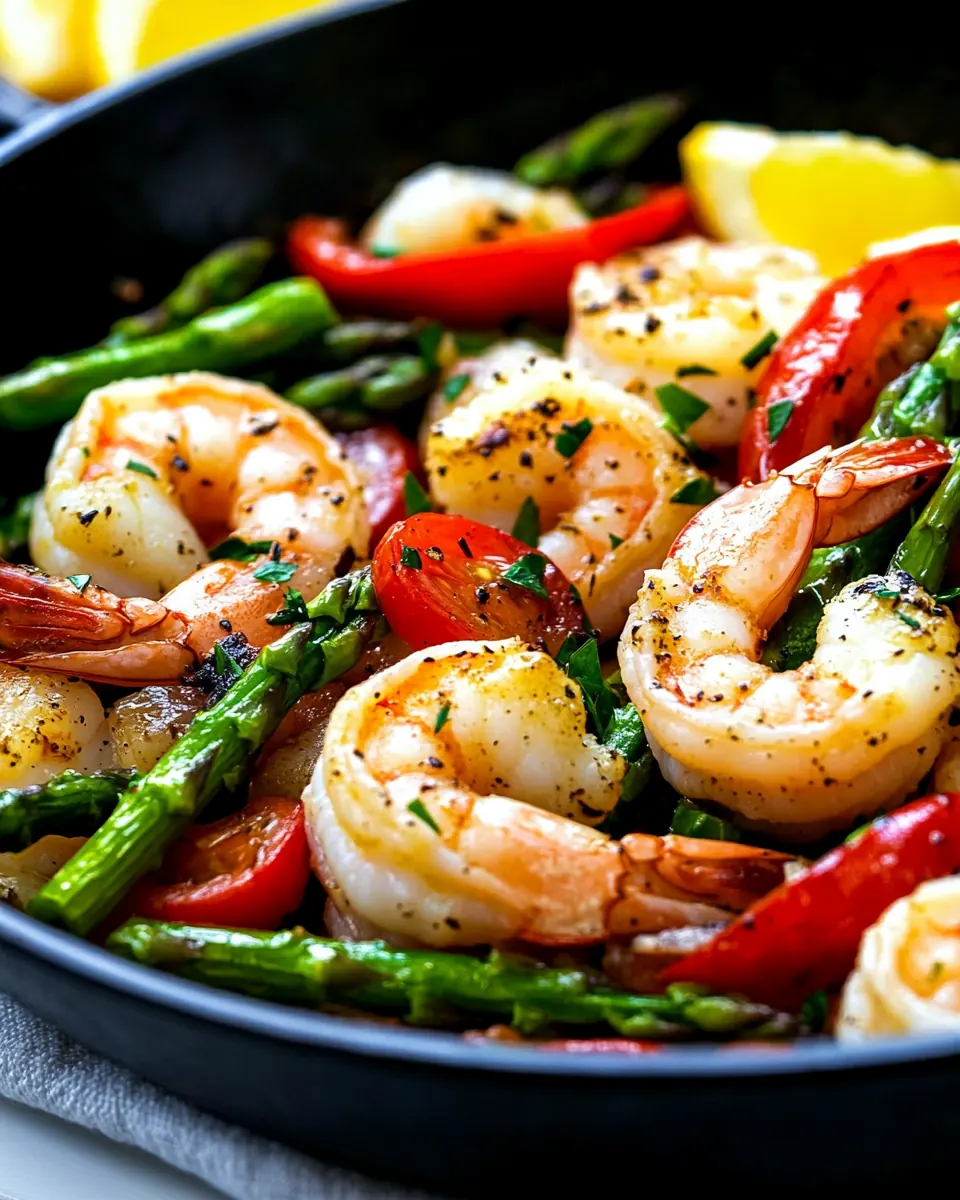
These ingredients are built around brightness and speed. The shrimp is the main protein, while the asparagus brings a fresh, vegetal snap. Aromatics like garlic and shallots provide a savory backbone, and lemon lifts the whole skillet so nothing tastes heavy. Olive oil carries the flavors and helps with quick searing, letting the natural juices shine through.
- 1 pound peeled and deveined shrimp about 16-20 shrimp: Provide tender, protein-rich shrimp that cook quickly and deliver a sweet, briny flavor; sauté briefly to avoid toughness and combine with asparagus for a balanced main component.
- 1/2 teaspoon salt: Season the dish and enhance natural flavors with a measured amount of salt; use evenly to bring out brightness in shrimp, vegetables, and tomatoes without overpowering.
- 1/4 teaspoon ground black pepper: Add subtle heat and depth with freshly ground black pepper; sprinkle lightly to complement citrus and garlic while providing a gentle background spice.
- 3 tablespoons extra virgin olive oil divided: Moisten and carry flavors with high-quality extra virgin olive oil; divide between cooking stages to sauté aromatics and finish the skillet with a silky richness.
- 1 tablespoon fresh lemon juice: Brighten and lift the overall profile using fresh lemon juice; squeeze over finished skillet to add acidic contrast that balances the oil and seafood.
- 1/2 teaspoon lemon zest: Concentrate citrus aroma with lemon zest; sprinkle during cooking for an intense lemon oil that complements shrimp and cuts through richness.
- 1 tablespoon minced garlic: Build foundational savory flavor using minced garlic; cook briefly to soften sharpness and infuse the oil for aromatic depth throughout the dish.
- 1/4 cup minced shallots: Introduce mild onion sweetness and complexity with minced shallots; sweat until translucent to add subtle savory-sweet notes without overpowering delicate shrimp.
- 1 bunch trimmed asparagus cut into 2-inch pieces: Provide fresh, crisp texture and green vegetal flavor with trimmed asparagus; cut into uniform 2-inch pieces for even cooking and pleasant bite.
- 1 cup halved cherry tomatoes: Contribute juicy sweetness and vibrant color with halved cherry tomatoes; toss in toward the end to release juices that mingle with pan sauce and balance acidity.
- lemon wedges for serving: Offer bright, finishing acidity and a decorative touch with lemon wedges; squeeze at serving time for adjustable tartness and fresh citrus aroma.
Step by Step Guide for Shrimp and Asparagus Skillet
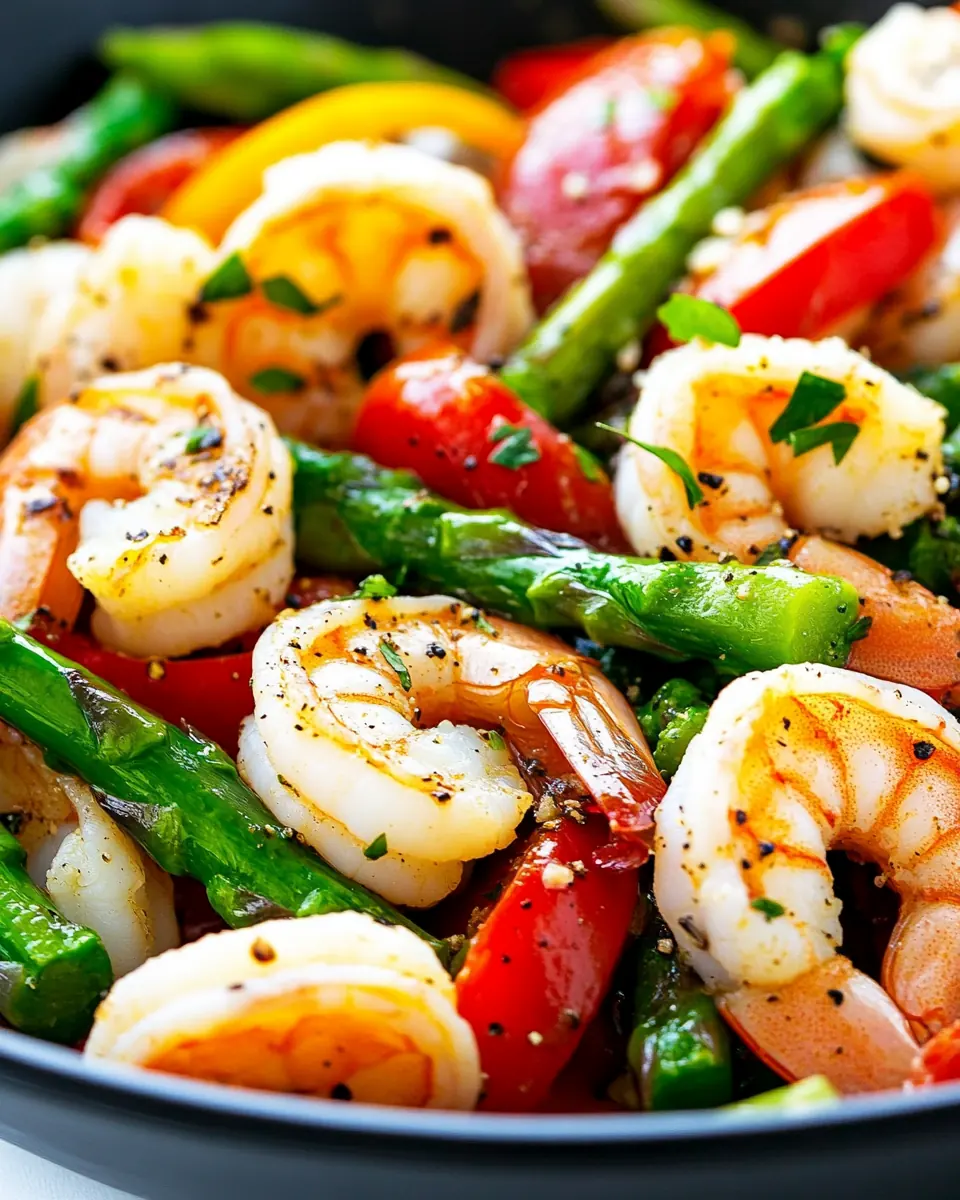
This skillet moves quickly, so I like to have everything prepped before the pan hits the heat. Read through the steps once, then follow them closely. The short cooking times are what keep the shrimp tender and the asparagus crisp, so timing and attention are your best friends here.
- In a medium bowl, combine 1 pound peeled and deveined shrimp, 1/2 teaspoon salt, 1/4 teaspoon ground black pepper, 1 tablespoon of the 3 tablespoons extra virgin olive oil, 1 tablespoon fresh lemon juice, 1/2 teaspoon lemon zest, and 1 tablespoon minced garlic.: The aroma of raw garlic mingling with citrus is immediate and bright, and when you toss the shrimp in this mixture you can almost smell how the lemon will lift the seafood. Marinating briefly lets the salt and acid begin to season the proteins without cooking them, enhancing the shrimp flesh so it stays juicy once seared. I always pat the shrimp dry before combining to prevent excess moisture, which can block browning. One mistake people make is marinating too long in acid, which firms the shrimp into a ceviche like texture rather than a tender, cooked bite.
- Heat a large 12-inch skillet over medium heat and add 1 tablespoon of the reserved 2 tablespoons olive oil. Once the oil is hot add 1/4 cup minced shallots to the skillet. Stir and cook until tender and fragrant, about 1 minute.: You will hear a soft sizzle as the shallots hit the oil and their scent will bloom quickly, turning sweeter and less sharp. Cooking them until just softened creates a savory foundation for the rest of the pan without caramelizing them into sweetness. Use medium heat so they release their aroma but do not burn, as burned shallots become bitter. A frequent error is cranking the heat and letting them scorch, which ruins the subtle layers you want beneath the shrimp .
- Add the shrimp in one even layer to the skillet. Cook for 2 minutes, not moving the shrimp. Flip shrimp over and cook until just cooked through, about 1 minute. Transfer to a clean plate.: When you lay the shrimp in the skillet you should immediately hear a crisp sizzle and see the edges start to turn opaque. Leaving them undisturbed for those initial minutes lets a golden sear form, adding texture and depth. Flip and finish briefly so the centers remain tender and slightly translucent at the core if small, or just opaque if larger. Listen for a popping, sizzling sound and watch for the flesh to curl modestly; that indicates doneness. Overcooking is the most common mistake here, which yields rubbery, dry shrimp .
- Add the remaining 1 tablespoon of olive oil to the skillet. Once hot, add 1 bunch trimmed asparagus cut into 2-inch pieces and cook until crisp-tender, about 3 to 4 minutes. Add 1 cup halved cherry tomatoes and cook for 1 minute.: The second addition of extra virgin olive oil refreshes the pan and ensures the asparagus seats in a hot surface for quick browning. You want a satisfying snap when you bite into the spears, and 3 to 4 minutes usually gets you there while keeping the bright green color. Adding the cherry tomatoes near the end releases a little of their juice, creating a light pan sauce that clings to the vegetables and the reserved shrimp . A misstep is cutting the asparagus unevenly, which causes some pieces to overcook while others stay tough.
- Add the shrimp back to the skillet and cook for about 1 minute, just until it's heated through. Season with salt and pepper to taste.: As the shrimp returns to the pan it reunites with the warm juices and aromatics, and that short reheating keeps them tender while allowing flavors to mingle. Stirring once or twice lets everything coat in the glossy oil and citrus, and tasting at this point helps you adjust seasoning. If you underseason, the dish will taste flat, but if you overdo the salt you cannot take it back, so add cautiously and taste as you go. A frequent oversight is overheating during this step, which risks turning the shrimp rubbery.
- Serve immediately with lemon wedges.: The final bright hit of lemon squeezed over the skillet just before serving elevates the whole plate, sharpening flavors and adding freshness. Presentation matters, and a few wedges on the side invite guests to customize acidity. Serve while the skillet is hot to preserve the texture contrasts between warm shrimp and crisp-tender asparagus . Letting it sit too long will soften the vegetables and dull the citrus notes, so get it to the table promptly.
Recipe Tips about Shrimp and Asparagus Skillet
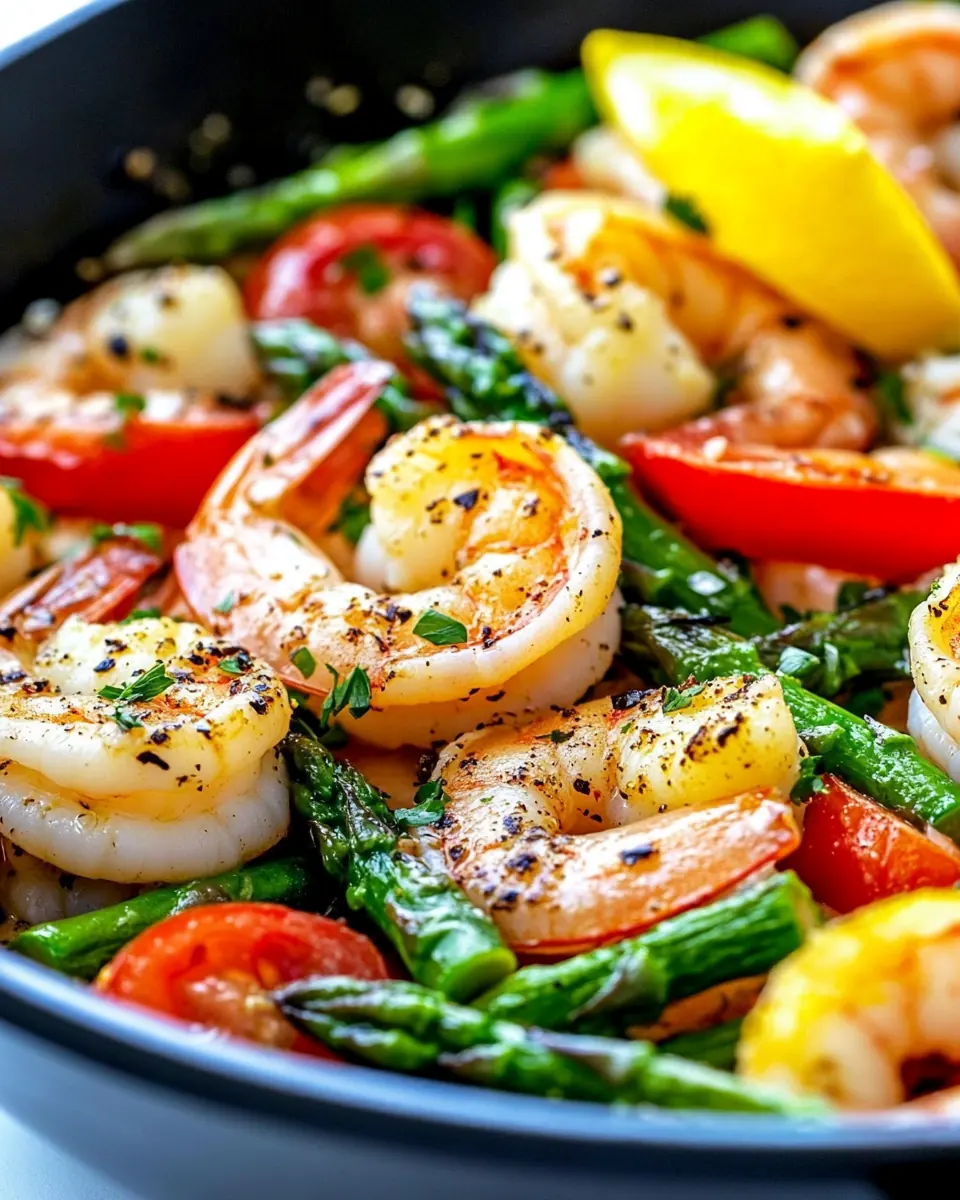
This skillet benefits from focused technique and small details that add up to big flavor. Below are hands on tips I use every time to ensure success, written as practical, actionable items you can apply while cooking.
- Prep Everything First: Have the shrimp, minced garlic, minced shallots, trimmed asparagus, halved cherry tomatoes, and lemon wedges ready before you heat the pan so you can move quickly and avoid overcooking.
- Dry the Shrimp: Pat the shrimp with paper towels to remove surface moisture; this helps the pan develop a golden sear rather than steam the seafood.
- Even Heat: Use a large 12 inch skillet so there is enough room to sear the shrimp in a single layer; overcrowding lowers the pan temperature and prevents browning.
- Gentle Aromatics: Cook the minced shallots on medium rather than high so they soften and sweeten without burning, which keeps the sauce bright and pleasant.
- Short Marinade: Toss the shrimp briefly with lemon and seasonings to flavor them, but avoid a prolonged acid marinade which firms the texture too much.
- Final Freshness: Add lemon wedges at the table so diners can adjust acidity; a little squeeze at the end revives the flavors if leftovers have mellowed.
What Complements This Shrimp and Asparagus Skillet
This skillet is versatile across meals and menus, pairing easily with simple sides and various occasions. It works well for light lunches, weeknight dinners, or celebratory spring gatherings. The colors and textures make it look special, while the quick cook time keeps it practical. Below I list serving ideas, storage notes, and seasonal pairings to help you plan the full meal.
- Simple Grain Base: Serve over steamed rice or couscous to make the dish more filling and to soak up the pan juices for a comforting plate.
- Green Salad: A crisp green salad with a light vinaigrette complements the warm skillet and adds a cooling contrast for balance.
- Weekend Brunch: Present this skillet alongside crusty bread and soft eggs for a leisurely brunch with friends or family.
- Spring Dinner Party: Use seasonal vegetables alongside the asparagus and serve family style so guests can help themselves.
- Storage Tips: Refrigerate leftovers in an airtight container for up to two days, and refresh with a squeeze of lemon when reheating to revive flavors.
- Occasion Ideas: Great for weeknight dinners, light lunches, and springtime gatherings where fresh produce is celebrated.
FAQ
Conclusion
What makes this recipe special is its combination of speedy technique and bright, layered flavors that taste more complex than the short cook time suggests. The seared shrimp, crisp asparagus, and citrus notes create a balanced plate that still feels light and satisfying. Give it a try the next time you want something quick but impressive, and you may find it becoming a regular in your weeknight rotation. It is the kind of dish that gets you to the table sooner without sacrificing flavor or presentation, and I hope it brings you the same easy joy it brings my family.
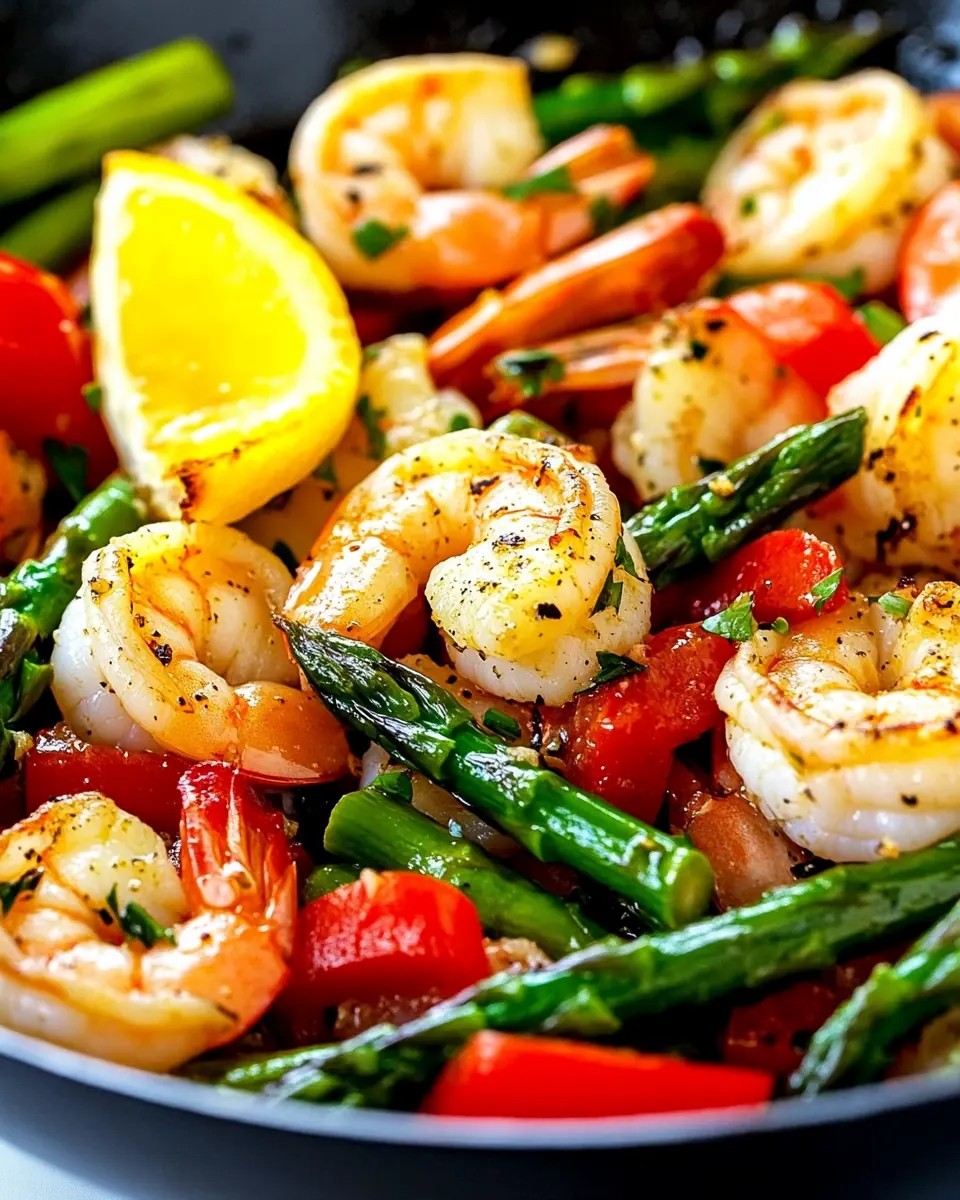
Shrimp and Asparagus Skillet
Ingredients
Equipment
Method
- In a medium bowl, combine 1 pound peeled and deveined shrimp, 1/2 teaspoon salt, 1/4 teaspoon ground black pepper, 1 tablespoon of the 3 tablespoons extra virgin olive oil, 1 tablespoon fresh lemon juice, 1/2 teaspoon lemon zest, and 1 tablespoon minced garlic.: The aroma of raw garlic mingling with citrus is immediate and bright, and when you toss the shrimp in this mixture you can almost smell how the lemon will lift the seafood. Marinating briefly lets the salt and acid begin to season the proteins without cooking them, enhancing the shrimp flesh so it stays juicy once seared. I always pat the shrimp dry before combining to prevent excess moisture, which can block browning. One mistake people make is marinating too long in acid, which firms the shrimp into a ceviche like texture rather than a tender, cooked bite.
- Heat a large 12-inch skillet over medium heat and add 1 tablespoon of the reserved 2 tablespoons olive oil. Once the oil is hot add 1/4 cup minced shallots to the skillet. Stir and cook until tender and fragrant, about 1 minute.: You will hear a soft sizzle as the shallots hit the oil and their scent will bloom quickly, turning sweeter and less sharp. Cooking them until just softened creates a savory foundation for the rest of the pan without caramelizing them into sweetness. Use medium heat so they release their aroma but do not burn, as burned shallots become bitter. A frequent error is cranking the heat and letting them scorch, which ruins the subtle layers you want beneath the shrimp .
- Add the shrimp in one even layer to the skillet. Cook for 2 minutes, not moving the shrimp. Flip shrimp over and cook until just cooked through, about 1 minute. Transfer to a clean plate.: When you lay the shrimp in the skillet you should immediately hear a crisp sizzle and see the edges start to turn opaque. Leaving them undisturbed for those initial minutes lets a golden sear form, adding texture and depth. Flip and finish briefly so the centers remain tender and slightly translucent at the core if small, or just opaque if larger. Listen for a popping, sizzling sound and watch for the flesh to curl modestly; that indicates doneness. Overcooking is the most common mistake here, which yields rubbery, dry shrimp .
- Add the remaining 1 tablespoon of olive oil to the skillet. Once hot, add 1 bunch trimmed asparagus cut into 2-inch pieces and cook until crisp-tender, about 3 to 4 minutes. Add 1 cup halved cherry tomatoes and cook for 1 minute.: The second addition of extra virgin olive oil refreshes the pan and ensures the asparagus seats in a hot surface for quick browning. You want a satisfying snap when you bite into the spears, and 3 to 4 minutes usually gets you there while keeping the bright green color. Adding the cherry tomatoes near the end releases a little of their juice, creating a light pan sauce that clings to the vegetables and the reserved shrimp . A misstep is cutting the asparagus unevenly, which causes some pieces to overcook while others stay tough.
- Add the shrimp back to the skillet and cook for about 1 minute, just until it's heated through. Season with salt and pepper to taste.: As the shrimp returns to the pan it reunites with the warm juices and aromatics, and that short reheating keeps them tender while allowing flavors to mingle. Stirring once or twice lets everything coat in the glossy oil and citrus, and tasting at this point helps you adjust seasoning. If you underseason, the dish will taste flat, but if you overdo the salt you cannot take it back, so add cautiously and taste as you go. A frequent oversight is overheating during this step, which risks turning the shrimp rubbery.
- Serve immediately with lemon wedges.: The final bright hit of lemon squeezed over the skillet just before serving elevates the whole plate, sharpening flavors and adding freshness. Presentation matters, and a few wedges on the side invite guests to customize acidity. Serve while the skillet is hot to preserve the texture contrasts between warm shrimp and crisp-tender asparagus . Letting it sit too long will soften the vegetables and dull the citrus notes, so get it to the table promptly.
Notes
- Prep Everything First: Have the shrimp, minced garlic, minced shallots, trimmed asparagus, halved cherry tomatoes, and lemon wedges ready before you heat the pan so you can move quickly and avoid overcooking.
- Dry the Shrimp: Pat the shrimp with paper towels to remove surface moisture; this helps the pan develop a golden sear rather than steam the seafood.
- Even Heat: Use a large 12 inch skillet so there is enough room to sear the shrimp in a single layer; overcrowding lowers the pan temperature and prevents browning.
- Gentle Aromatics: Cook the minced shallots on medium rather than high so they soften and sweeten without burning, which keeps the sauce bright and pleasant.
- Short Marinade: Toss the shrimp briefly with lemon and seasonings to flavor them, but avoid a prolonged acid marinade which firms the texture too much.
- Final Freshness: Add lemon wedges at the table so diners can adjust acidity; a little squeeze at the end revives the flavors if leftovers have mellowed.