Easy Lemon Bundt Cake
Easy Lemon Bundt Cake is the kind of dessert that makes my kitchen smell like sunshine, and it was the first cake I baked for a neighbor who had just moved in down the street. I remember carrying the warm bundt pan over on a cool spring morning, the glaze still pooling in the cake‘s crevices, and how her face lit up when she sliced into it. That moment taught me that simple, bright flavors can build community faster than any complicated showpiece.
Over the years I’ve returned to this recipe when I want something both dependable and a little fancy. The texture stays tender without being crumbly, and the double lemon hits in cake and glaze make every bite sing. Friends often ask for the secret, and I tell them it’s less about a hidden trick and more about respecting the ingredients and paying attention to small smells and visual cues while you bake. I love how straightforward this recipe is, and how it rewards patience with a crisp exterior and soft, lemony interior.
Recipe Snapshot
1 hr 15 mins
25 mins
50 mins
Medium
350 kcal
American
Gluten-Free, Low FODMAP
Desserts
Bundt pan, Electric mixer, Mixing bowls, Pastry brush
Why This Easy Lemon Bundt Cake Is So Good
Bright lemon flavor that never overwhelms
I really appreciate that Easy Lemon Bundt Cake balances tang and sweetness, so the lemon notes feel lively without being sharp. The combination of cake mix plus pudding adds a tender crumb, and the extra lemon juice and zest layer in fresh citrus aroma. I often pause when the cake first comes out of the oven to inhale, because that clean lemon scent immediately signals that the cake is ready to be glazed and served.
Quick to pull together, great for entertaining
I use this recipe when guests pop in with little notice. It comes together fast thanks to pantry friendly items, yet it looks like you spent hours. The bundt shape makes it visually striking, so you get a dessert that reads as special without a long list of steps. I value that combination when I want to strike a balance between effort and flair.
Comforting texture with a light crumb
The pudding mix in the batter creates a moist, reliably soft crumb that holds up well for a day or two. I always check for a slight springiness at the top before removing it from the pan, and that small test has saved me from an overly underbaked center more than once. The glaze soaks into the outer layer giving an almost syrupy kiss that keeps each slice tender.
Versatile for occasions and seasons
This cake effortlessly suits a casual coffee morning, a picnic, or even a springtime holiday gathering. I like to serve smaller slices with tea for an afternoon visit, and I have packed it for potlucks where it disappears fast. The brightness of lemon pairs well with light celebrations, and it transitions well from season to season.
Friendly for bakers of all levels
Whether you are newer to baking or confident in the kitchen, this recipe is forgiving. The batter is easy to mix and the visual cues, like a golden exterior and the aroma of citrus, guide you. I often remind readers to trust the simple tests: a gentle spring in the center, and a clean skewer when it comes out. Those checks are small but powerful ways to avoid common mistakes.
Recipe Ingredients for Easy Lemon Bundt Cake
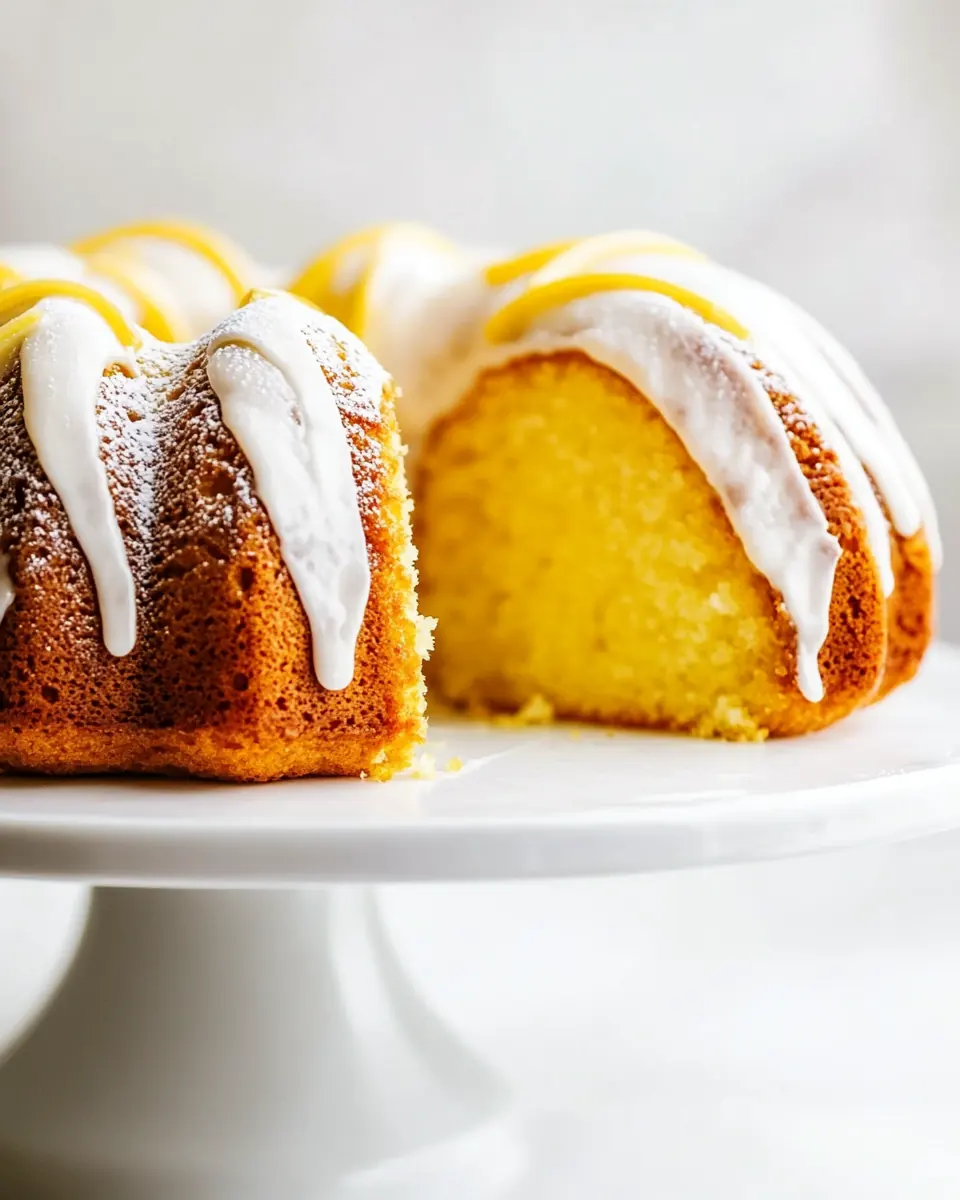
I think of these ingredients like a small ensemble where each player has a simple job. The boxed lemon cake mix and instant lemon pudding provide structure and a reliably tender crumb, while the sour cream and eggs give moisture and lift. The citrus elements, from lemon zest to lemon juice, bring brightness that keeps the cake lively. For the finishing touch, the butter based frosting with powdered sugar creates a creamy sheen that contrasts the cake‘s texture.
- 1 (13.25-ounce) box lemon cake mix: Provides a lemon-flavored cake base and dry structure that reacts with wet ingredients; contains leavening agents to help the bundt cake rise evenly. Adds bulk and primary texture, forming the main body of the dessert when combined with puddings, eggs, and fats.
- 1 (3.4 ounce) instant lemon pudding mix dry: Adds concentrated lemon flavor and additional thickening power to the batter; helps retain moisture and contributes to a slightly denser, tender crumb. Instant pudding mix enhances overall lemon intensity and boosts stability during baking.
- 1 cup sour cream: Contributes moisture and richness while promoting a tender, creamy crumb; its acidity slightly tenderizes gluten for a softer cake texture. Sour cream also balances the sweetness and deepens the cake’s mouthfeel without overpowering the lemon notes.
- 4 large eggs: Provides structure and lift by setting proteins during baking; eggs also emulsify fats and liquids for a smooth, cohesive batter. Adds richness and helps bind the cake ingredients together for an even crumb.
- 1/2 cup vegetable oil: Supplies necessary fat for tenderness and moistness while aiding in emulsification of the batter; vegetable oil keeps the cake soft and prevents dryness. Neutral flavor ensures lemon profiles remain prominent without adding other notes.
- 1 teaspoon lemon zest: Contributes concentrated citrus aroma and bright lemon perfume to enhance overall flavor perception; zest provides essential oils that carry intense lemon character. Small amount elevates freshness and complexity without adding bitterness.
- 4 tablespoons lemon juice: Adds fresh acidic lemon flavor and brightness to the batter; juice contributes liquid and enhances overall citrus balance. Fresh juice also interacts with leaveners and dairy to subtly influence texture and tang.
- 1/2 teaspoon lemon extract: Provides intensified lemon essence with a concentrated, sweet citrus aroma; extract amplifies lemon notes without adding acidity. Small quantity ensures consistent lemon flavor throughout the cake and glaze.
- 1/4 cup water: Adjusts batter consistency and hydration while aiding in dissolving dry ingredients; water also helps achieve the proper batter viscosity. Small amount prevents over-thick batter and ensures even mixing and baking.
- 1/3 cup lemon juice: Contributes additional fresh lemon juice for a glaze or syrup to soak the cake, enhancing moistness and bright citrus flavor. Adds tanginess that balances sweetness and intensifies the lemon profile when brushed over the cooled cake.
- 1/3 cup granulated sugar: Adds sweetness and helps create a simple syrup or glaze component to balance tart lemon juice; granulated sugar dissolves to provide shine and subtle texture. Used to adjust sweetness and mouthfeel of a finishing glaze.
- 3/4 cup softened butter: Provides richness, creaminess and buttery flavor to fillings or frostings; softened butter helps create a smooth, spreadable consistency. Adds satiety and depth to the glaze, complementing the cake’s lemon notes.
- 1 1/2 teaspoons lemon zest: Contributes concentrated lemon aroma and tiny bursts of citrus oils to the glaze; zest enhances fragrance and visual appeal. Small amount boosts freshness and brightens the overall lemon character of the finished dessert.
- 3 cups powdered sugar: Supplies bulk and sweetness for a smooth, thick glaze or icing that can be drizzled over the bundt cake; powdered sugar dissolves easily to create glossy finishes. Helps achieve desired consistency while taming tartness from lemon components.
- 1 tablespoon lemon juice: Adds sharp, fresh lemon flavor to a glaze or syrup, intensifying citrus tang while providing liquid for thinning. Small amount balances sweetness and lends a clean, zesty finish to the cake’s exterior.
- 1 tablespoon heavy cream: Contributes richness and a silky mouthfeel to glazes; heavy cream thins powdered sugar mixtures for a smooth pourable consistency. Adds a subtle dairy note that softens sweetness and improves shine.
- 1/2 teaspoon vanilla extract: Provides a warm, sweet-vanilla background note that rounds out bright citrus flavors in the glaze; vanilla extract deepens the overall flavor profile. Small quantity enhances complexity without overpowering the lemon.
- 1 teaspoon lemon extract: Offers concentrated lemon aroma to finish the glaze with a bold citrus punch; extract reinforces fresh lemon elements from juice and zest. Small dose ensures consistent lemon intensity across the icing.
Making This Easy Lemon Bundt Cake
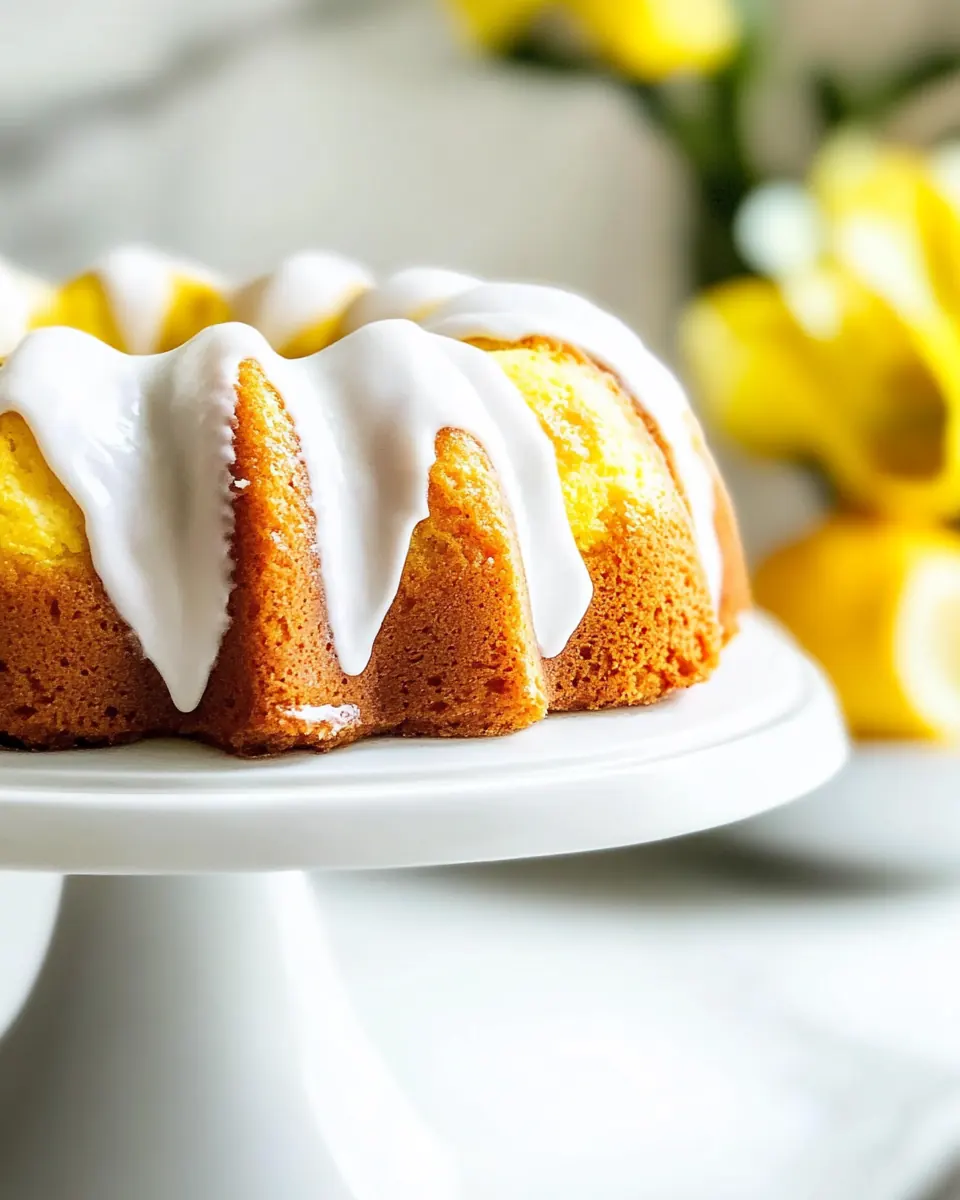
This recipe is straightforward but rewarding, and I like to move steadily through each stage so the cake and glaze develop the best texture and flavor. Keep your pans and mixing tools ready, and pay attention to the sensory signs I describe below so you can bake with confidence. I often play soft music while baking to keep the pace calm and precise.
- Preheat oven to 350 degrees Fahrenheit. Generously grease and lightly flour a nonstick bundt cake pan.: The warm oven smell is the first cue that baking has begun, and when the oven reaches 350 degrees Fahrenheit you will feel a subtle change in the kitchen air, a dry heat that promises rising and browning. Greasing and flouring the bundt pan prevents sticking, so I take care to coat every nook, using a pastry brush or paper towel to reach the center tube and curves. A common mistake is skimping here, which causes chunks to tear when unmolding, so be thorough. If the pan is cold or wet the batter will cling and ruin the pattern, so ensure the pan is dry before greasing. Visually, the pan should have a thin, even sheen; tactilely, it should feel smooth to the touch. The why is simple, the fat creates a barrier and the flour gives the batter something to release from when it expands and browns.
- Using an electric mixer, beat the 1 (13.25-ounce) box lemon cake mix, 1 (3.4 ounce) instant lemon pudding mix dry, 1 cup sour cream, 4 large eggs, 1/2 cup vegetable oil, 1 teaspoon lemon zest, 4 tablespoons lemon juice, 1/2 teaspoon lemon extract, and 1/4 cup water until just combined. Do not over-mix.: When the electric mixer hums, the batter should come together into a smooth, glossy mass without looking flat. You'll notice the aroma of lemon intensify as you mix, and the batter will fall from the beater in thick ribbons, which is the visual cue I watch for. Over-mixing develops gluten and leads to a tough crumb, so stop once streaks of flour disappear and the mixture is uniform. A common pitfall is mixing on too-high speed for too long, producing an airy batter that collapses during baking. The texture should be creamy and slightly dense, not runny, and you should still see small air pockets that promise a tender rise. I usually scrape the bowl once to ensure no dry pockets remain before stopping the mixer.
- Pour the mixture and spread evenly in the bundt cake pan. Bake for 45-50 minutes. Let the cake cool for 10 minutes and then invert the cake onto a cake stand or plate.: Pouring the batter evenly is about balance, and you will hear a soft plop as it settles into the pan's grooves. Gently tap the pan on the counter to release trapped air pockets, then slide it into the oven . As it bakes you will notice the top turning golden and the citrus scent becoming more pronounced, which are signs of proper caramelization. A toothpick inserted near the center should come out mostly clean with a few moist crumbs at about 45 minutes. Resist the urge to open the oven repeatedly, as this causes temperature swings that can sink the cake. After baking, letting it rest for 10 minutes stabilizes the interior so the cake can release from the pan without tearing. If you try to invert it too soon, the center may fall apart, so patience here preserves the shape and texture.
- In a small bowl whisk together 1/3 cup lemon juice and 1/3 cup granulated sugar. Brush this mixture generously over the cake being slow to allow it to soak in. Do this while it is still pretty warm and then let the cake cool completely before frosting.: When you brush the warm cake with the lemon sugar soak it will hiss faintly and the aroma intensifies, which signals absorption and flavor infusion. Work slowly so the liquid soaks into the crumb rather than running off, and use a pastry brush to reach into the bundt's ridges. The sugar helps the juice cling and creates a shiny, slightly crystallized surface once it sets. If you pour too quickly the liquid will pool and not penetrate, leaving the top wet and the interior unchanged, so patience ensures even moisture distribution. Allowing the cake to cool fully before frosting prevents the frosting from melting into uneven streaks, preserving the frosting's texture and look.
- In a large bowl, whisk the 3/4 cup softened butter with 1 1/2 teaspoons lemon zest on medium-high speed until very fluffy.: As you whip the softened butter with the zest, watch it lighten in color and become aerated, creating a pillowy base for the frosting. The scent will become intensely lemony as the oils from the zest release, and that fragrance is an early reward. Whipping incorporates air that gives your frosting a light mouthfeel, so take the time to reach that fluffy stage. A common error is using butter that is too cold or too warm; the ideal temperature is soft but still slightly cool to the touch. If the butter separates or looks oily, chill briefly and whip again to restore structure.
- Mix in 1 cup of the 3 cups powdered sugar, 1 tablespoon lemon juice, 1 tablespoon heavy cream, 1/2 teaspoon vanilla extract, and 1 teaspoon lemon extract. Add the remaining powdered sugar, then whisk mixture until very fluffy (about 5 minutes).: When you add the first portion of powdered sugar and liquids, the mixture becomes glossy and spreads more easily. The small addition of lemon juice and heavy cream balances the butter so the frosting is silky, while the extracts layer in flavor. Gradually adding the rest of the powdered sugar keeps the texture smooth and avoids a gritty frosting. Whipping for about five minutes builds volume and aeration, creating a frosting that holds its shape yet melts on the tongue. If you under-whip, the frosting will be dense and heavy; if you over-whip, it can become grainy, so aim for a light, airy consistency with visible soft peaks.
- Pipe or spread the frosting over the cake and enjoy!: When you apply the frosting, the contrast between the glossy buttercream and the cake's textured ridges makes it look finished and inviting. The frosting should feel silky under your spatula and leave clean edges if piping. Take note of how the frosting melts slightly at the edges as it meets the still-slightly-warm cake, which creates a pretty drip effect. One common mistake is applying frosting to a cake that is not fully cool, which leads to slipping or pooling; ensure the cake is completely cool for best results. Serve in thin slices to showcase the balance of sweet and tart in every forkful.
Tips and Variations
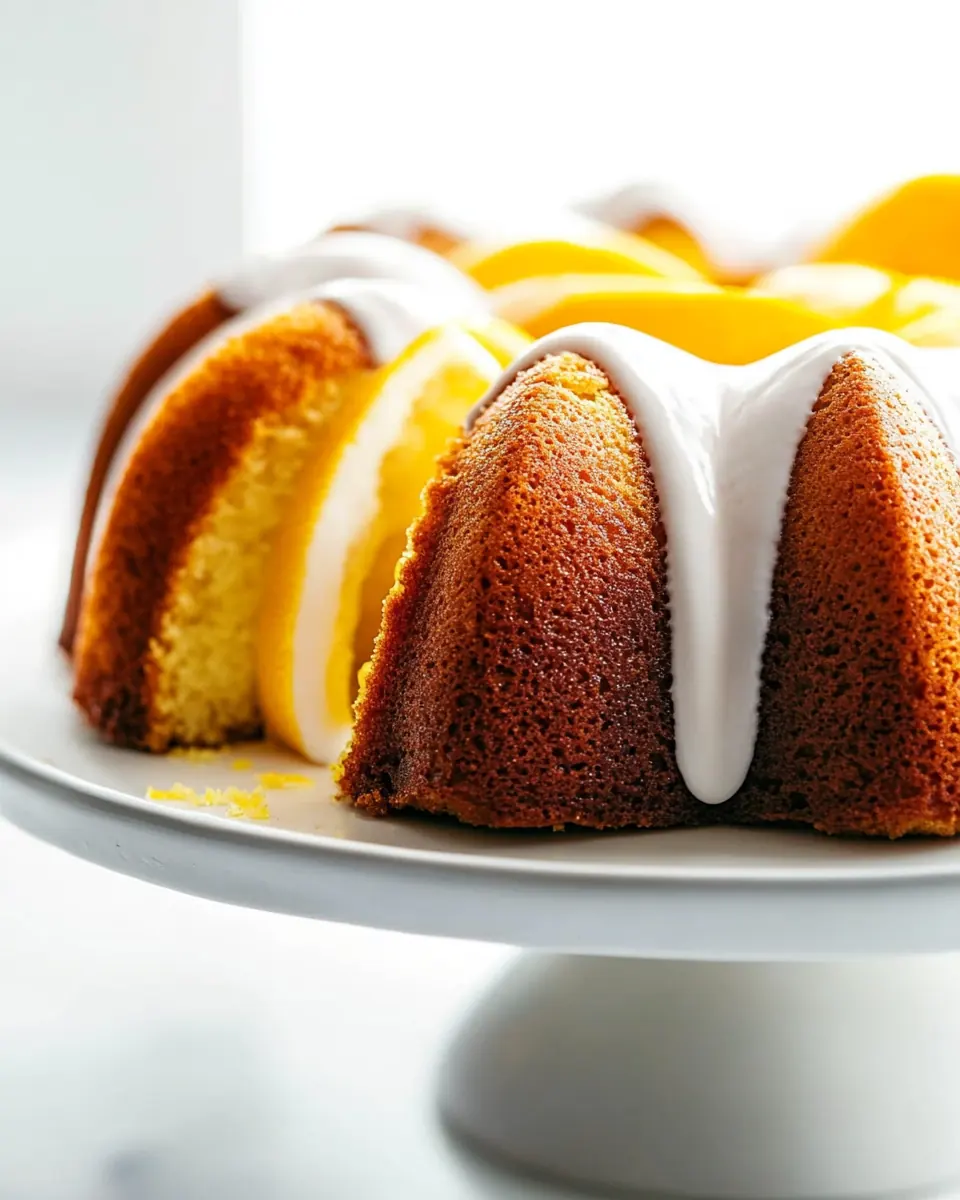
I like to keep a handful of reliable tips at hand when I bake this cake so it turns out the same way every time. Small technique notes make a big difference in texture and presentation. Below are practical, expanded tips to help you succeed and to add subtle variations when you want them.
- Use fresh lemon zest: Grate the zest right before mixing to capture the volatile oils that give the most aroma. Avoid the bitter white pith, and aim for fine, fragrant shreds that distribute evenly through the batter and frosting.
- Room temperature ingredients: Let your eggs and butter come to room temperature so they emulsify smoothly. Cold ingredients can lead to an uneven batter and dense crumb, while overly warm butter will make the frosting loose and greasy.
- Even pan filling: Fill the bundt pan evenly and tap gently to release air pockets. This prevents large holes in the cake and ensures uniform rise, giving you a nicer silhouette when unmolding.
- Test for doneness carefully: Use a skewer or toothpick inserted near the center; expect a few moist crumbs but no wet batter. If it looks wet, give it more time in the oven in small increments to avoid overbaking.
- Brush the soak slowly: Apply the lemon and sugar soak with a pastry brush, allowing the liquid to absorb rather than run off. This deepens flavor and adds moisture without creating a sticky surface.
- Chill frosting slightly for piping: If piping decorative details, refrigerate the frosting for 10 to 15 minutes to firm it slightly, then rewhip briefly before filling your piping bag for cleaner lines.
- Storage tips: Keep the cake in an airtight container at room temperature for up to two days, or refrigerate for longer storage. Bring to room temperature before serving to restore the best texture and flavor.
What Complements This Easy Lemon Bundt Cake
I find that this cake shines with light accompaniments and simple serving ideas that emphasize its citrus character. Think about occasions where a bright, not-too-sweet dessert fits the bill, and plan portions so each guest gets a delicate slice. Below are specific pairing ideas and serving suggestions to make it feel intentional and memorable.
- Tea time pairing: Serve thin slices with black tea or herbal blends. The tannins in tea balance the cake‘s sweetness, and the hot beverage brings out the lemon aroma.
- Brunch centerpiece: Place the cake on a platter with fresh fruit on the side such as berries or sliced citrus. This makes it perfect for a brunch spread without overwhelming the table.
- Casual afternoon: Pair with a scoop of plain cream or a dollop of lightly sweetened whipped cream. The cream softens the tart edges and complements the buttery frosting.
- Seasonal occasions: For spring gatherings, decorate with edible flowers or candied lemon slices for a festive touch. The cake‘s bright flavor suits spring holidays and light celebrations.
- Storage and make ahead: Bake a day ahead and store in an airtight container. If refrigerated, bring to room temperature for at least 30 minutes before serving to restore softness.
- Portion planning: Cut thin slices for large groups to stretch servings, or thicker slices for smaller, indulgent servings. The recipe yields approximately 12 servings, which fits well for small parties.
FAQ
Conclusion
This cake stands out because it blends convenience and fresh citrus flavor into a tender, crowd pleasing dessert. I encourage you to give it a try the next time you want a dessert that looks special without a lot of fuss, because the combination of cake mix, pudding, and a lemon soak yields a reliably moist texture and lively flavor. Enjoy the process, pay attention to the sensory cues while baking, and share a slice with someone who will appreciate a bright, homemade treat.
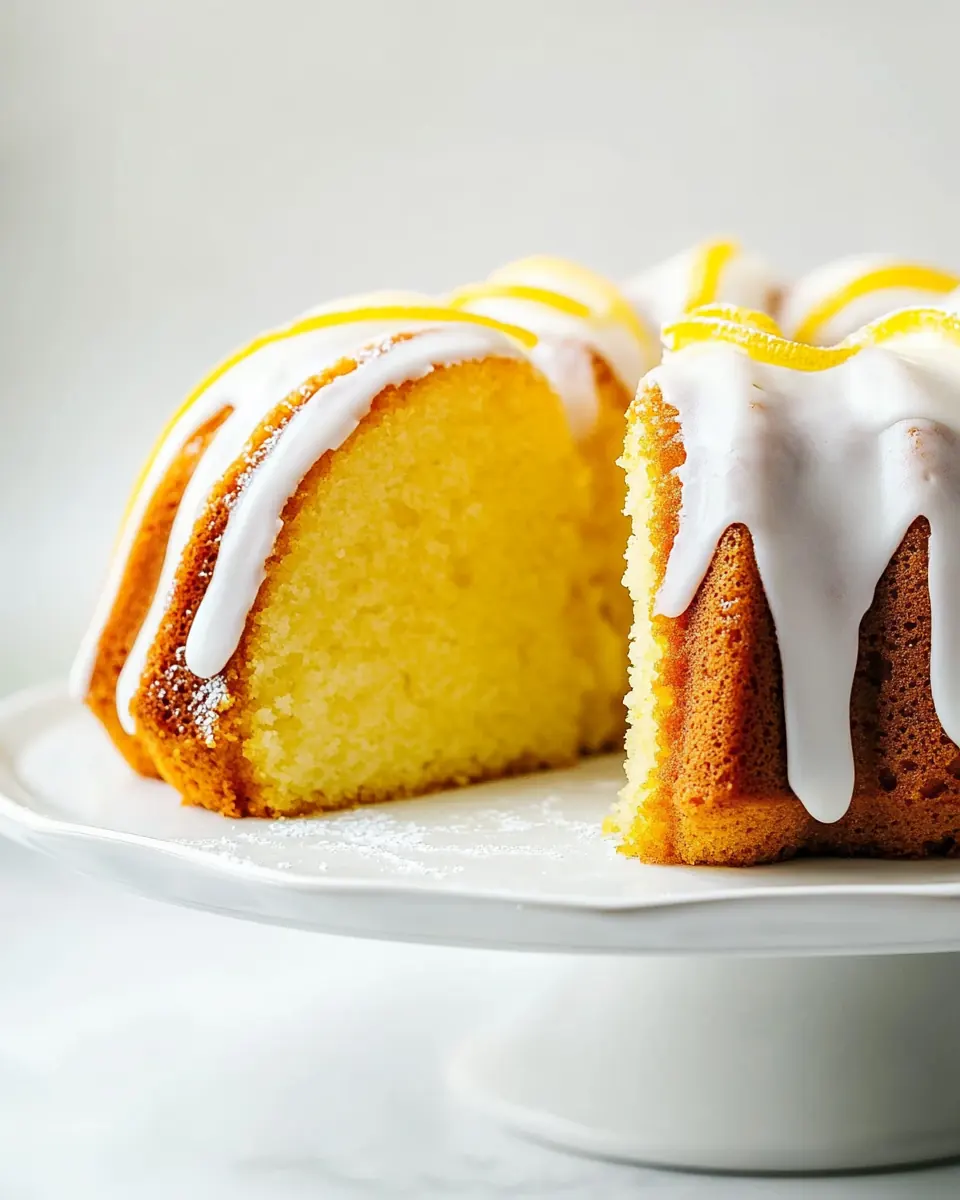
Easy Lemon Bundt Cake
Ingredients
Equipment
Method
- Preheat oven to 350 degrees Fahrenheit. Generously grease and lightly flour a nonstick bundt cake pan.: The warm oven smell is the first cue that baking has begun, and when the oven reaches 350 degrees Fahrenheit you will feel a subtle change in the kitchen air, a dry heat that promises rising and browning. Greasing and flouring the bundt pan prevents sticking, so I take care to coat every nook, using a pastry brush or paper towel to reach the center tube and curves. A common mistake is skimping here, which causes chunks to tear when unmolding, so be thorough. If the pan is cold or wet the batter will cling and ruin the pattern, so ensure the pan is dry before greasing. Visually, the pan should have a thin, even sheen; tactilely, it should feel smooth to the touch. The why is simple, the fat creates a barrier and the flour gives the batter something to release from when it expands and browns.
- Using an electric mixer, beat the 1 (13.25-ounce) box lemon cake mix, 1 (3.4 ounce) instant lemon pudding mix dry, 1 cup sour cream, 4 large eggs, 1/2 cup vegetable oil, 1 teaspoon lemon zest, 4 tablespoons lemon juice, 1/2 teaspoon lemon extract, and 1/4 cup water until just combined. Do not over-mix.: When the electric mixer hums, the batter should come together into a smooth, glossy mass without looking flat. You'll notice the aroma of lemon intensify as you mix, and the batter will fall from the beater in thick ribbons, which is the visual cue I watch for. Over-mixing develops gluten and leads to a tough crumb, so stop once streaks of flour disappear and the mixture is uniform. A common pitfall is mixing on too-high speed for too long, producing an airy batter that collapses during baking. The texture should be creamy and slightly dense, not runny, and you should still see small air pockets that promise a tender rise. I usually scrape the bowl once to ensure no dry pockets remain before stopping the mixer.
- Pour the mixture and spread evenly in the bundt cake pan. Bake for 45-50 minutes. Let the cake cool for 10 minutes and then invert the cake onto a cake stand or plate.: Pouring the batter evenly is about balance, and you will hear a soft plop as it settles into the pan's grooves. Gently tap the pan on the counter to release trapped air pockets, then slide it into the oven . As it bakes you will notice the top turning golden and the citrus scent becoming more pronounced, which are signs of proper caramelization. A toothpick inserted near the center should come out mostly clean with a few moist crumbs at about 45 minutes. Resist the urge to open the oven repeatedly, as this causes temperature swings that can sink the cake. After baking, letting it rest for 10 minutes stabilizes the interior so the cake can release from the pan without tearing. If you try to invert it too soon, the center may fall apart, so patience here preserves the shape and texture.
- In a small bowl whisk together 1/3 cup lemon juice and 1/3 cup granulated sugar. Brush this mixture generously over the cake being slow to allow it to soak in. Do this while it is still pretty warm and then let the cake cool completely before frosting.: When you brush the warm cake with the lemon sugar soak it will hiss faintly and the aroma intensifies, which signals absorption and flavor infusion. Work slowly so the liquid soaks into the crumb rather than running off, and use a pastry brush to reach into the bundt's ridges. The sugar helps the juice cling and creates a shiny, slightly crystallized surface once it sets. If you pour too quickly the liquid will pool and not penetrate, leaving the top wet and the interior unchanged, so patience ensures even moisture distribution. Allowing the cake to cool fully before frosting prevents the frosting from melting into uneven streaks, preserving the frosting's texture and look.
- In a large bowl, whisk the 3/4 cup softened butter with 1 1/2 teaspoons lemon zest on medium-high speed until very fluffy.: As you whip the softened butter with the zest, watch it lighten in color and become aerated, creating a pillowy base for the frosting. The scent will become intensely lemony as the oils from the zest release, and that fragrance is an early reward. Whipping incorporates air that gives your frosting a light mouthfeel, so take the time to reach that fluffy stage. A common error is using butter that is too cold or too warm; the ideal temperature is soft but still slightly cool to the touch. If the butter separates or looks oily, chill briefly and whip again to restore structure.
- Mix in 1 cup of the 3 cups powdered sugar, 1 tablespoon lemon juice, 1 tablespoon heavy cream, 1/2 teaspoon vanilla extract, and 1 teaspoon lemon extract. Add the remaining powdered sugar, then whisk mixture until very fluffy (about 5 minutes).: When you add the first portion of powdered sugar and liquids, the mixture becomes glossy and spreads more easily. The small addition of lemon juice and heavy cream balances the butter so the frosting is silky, while the extracts layer in flavor. Gradually adding the rest of the powdered sugar keeps the texture smooth and avoids a gritty frosting. Whipping for about five minutes builds volume and aeration, creating a frosting that holds its shape yet melts on the tongue. If you under-whip, the frosting will be dense and heavy; if you over-whip, it can become grainy, so aim for a light, airy consistency with visible soft peaks.
- Pipe or spread the frosting over the cake and enjoy!: When you apply the frosting, the contrast between the glossy buttercream and the cake's textured ridges makes it look finished and inviting. The frosting should feel silky under your spatula and leave clean edges if piping. Take note of how the frosting melts slightly at the edges as it meets the still-slightly-warm cake, which creates a pretty drip effect. One common mistake is applying frosting to a cake that is not fully cool, which leads to slipping or pooling; ensure the cake is completely cool for best results. Serve in thin slices to showcase the balance of sweet and tart in every forkful.
Notes
- Use fresh lemon zest: Grate the zest right before mixing to capture the volatile oils that give the most aroma. Avoid the bitter white pith, and aim for fine, fragrant shreds that distribute evenly through the batter and frosting.
- Room temperature ingredients: Let your eggs and butter come to room temperature so they emulsify smoothly. Cold ingredients can lead to an uneven batter and dense crumb, while overly warm butter will make the frosting loose and greasy.
- Even pan filling: Fill the bundt pan evenly and tap gently to release air pockets. This prevents large holes in the cake and ensures uniform rise, giving you a nicer silhouette when unmolding.
- Test for doneness carefully: Use a skewer or toothpick inserted near the center; expect a few moist crumbs but no wet batter. If it looks wet, give it more time in the oven in small increments to avoid overbaking.
- Brush the soak slowly: Apply the lemon and sugar soak with a pastry brush, allowing the liquid to absorb rather than run off. This deepens flavor and adds moisture without creating a sticky surface.
- Chill frosting slightly for piping: If piping decorative details, refrigerate the frosting for 10 to 15 minutes to firm it slightly, then rewhip briefly before filling your piping bag for cleaner lines.
- Storage tips: Keep the cake in an airtight container at room temperature for up to two days, or refrigerate for longer storage. Bring to room temperature before serving to restore the best texture and flavor.