Garlic Mashed Potatoes
Garlic Mashed Potatoes are the kind of dish I reach for whenever I want food that feels like a warm kitchen hug.
I remember the first time I roasted a whole bulb of garlic and folded it into silky potatoes; the house smelled cozy and oddly celebratory, as if something simple had quietly been upgraded. I was hosting a small Sunday supper, and between the laughter and the clinking of plates, this side stole little gasps from my guests. Each spoonful carried a soft, caramelized sweetness from the roasted garlic, balanced by the mellow, buttery texture of the potatoes.
Over the years I learned to treat this dish like an orchestra where every instrument matters. The extra virgin olive oil is the gentle conductor, adding silk and sheen, while a splash of reserved cooking liquid makes the texture sing. I also love the ritual of squeezing those tender roasted cloves out of their skins, mashing them into a fragrant paste, and then folding them in; it feels grounding, and it rewards patience. Guests always ask for the recipe, and it quickly became my go to when I want comfort food that still feels thoughtful.
Recipe Snapshot
1 hr 10 mins
10 mins
60 mins
Medium
210 kcal
American
Gluten-Free, Vegan
Side Dishes
Oven, Large pot, Foil, Chef’s knife, Potato masher or ricer, Rubber spatula
The Appeal of This Garlic Mashed Potatoes
Roasted flavor with gentle depth
I adore how roasting a whole bulb of garlic transforms sharpness into sweet, spreadable gold. This technique gives the potatoes a deep, rounded flavor that you cannot get from raw minced garlic. I often roast an extra bulb so I have a jar of that mellow paste for quick weeknight upgrades.
Silky texture without dairy
We use extra virgin olive oil and reserved cooking liquid to create an incredibly creamy mouthfeel, so the dish stays dairy optional. The result is rich and silky, with a lightness that keeps it from feeling heavy. I love that this approach makes the recipe flexible for guests with different preferences.
Comfort food that travels well
These Garlic Mashed Potatoes transport beautifully to potlucks or family dinners. They reheat evenly because the potatoes are mashed and the texture is stabilized by the cooking liquid. I recommend making the roasted garlic ahead of time to reduce day of stress.
Simple ingredients, big payoff
I appreciate that the ingredient list is short and honest. With the right potatoes and a head of roasted garlic, you get an elegant side without fuss. The few components allow each flavor to shine, and you can taste the care in every bite.
Adaptable to your table
This recipe is forgiving. You can adjust olive oil, salt, or reserved cooking liquid to tune creaminess and seasoning. I like to finish with a scattering of chopped chives or rosemary for a fresh herbal note, and that tiny flourish always earns compliments.
Ingredients You’ll Need for Garlic Mashed Potatoes
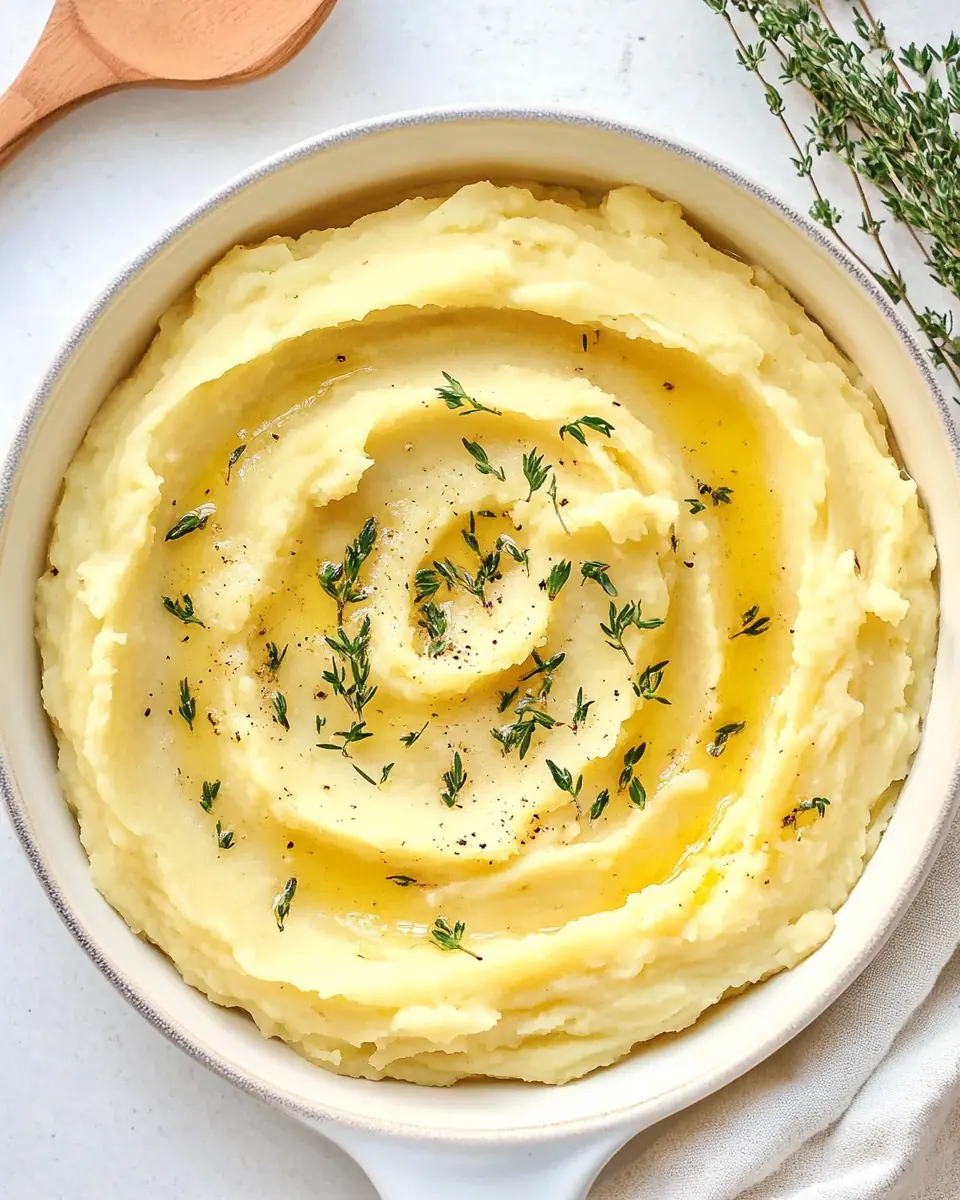
These ingredients are honest and purposeful, each playing a clear role in creating creamy, flavorful Garlic Mashed Potatoes. The potatoes provide body and starch for structure, the roasted garlic delivers mellowed savory sweetness, and the extra virgin olive oil adds silk and shine. Small touches like sea salt and freshly ground black pepper lift the flavors, while optional garnishes offer aroma and color.
- 1 whole garlic bulb: Roast and soften the cloves by cutting the top and drizzling oil before baking; use the tender garlic to infuse a sweet, mellow flavor into the potatoes. Allow to cool slightly, then squeeze or mash the roasted cloves to distribute a gentle, caramelized garlic aroma throughout the mash.
- Extra virgin olive oil, for drizzling: Drizzle extra virgin olive oil sparingly over the garlic bulb before roasting or over the finished potatoes to add fruity richness. Use as a finishing touch to enhance mouthfeel and carry flavors without overpowering the dish.
- Sea salt: Season generously with flaky sea salt during cooking and at the end to amplify natural potato sweetness and balance the roasted garlic's richness. Use small, even amounts to avoid oversalting and to elevate other flavors in the mash.
- 2 pounds Yukon gold or butterball potatoes, peeled: Boil the peeled Yukon Gold or Butterball potatoes until fork-tender to achieve a creamy, buttery texture when mashed. Choose these varieties for their naturally smooth, moist interior that creates a velvety consistency without becoming gluey.
- 2 teaspoons sea salt, divided: Season the cooking water and the mashed potatoes with the divided sea salt to ensure even seasoning throughout; add some to the boiling water and adjust more after mashing. Taste as you go to reach the desired salt balance without masking the garlic and olive oil.
- 1/3 cup extra-virgin olive oil: Emulsify into the hot mashed potatoes to create a silky, cohesive texture and to introduce a bright, peppery olive oil flavor. Warm the oil slightly before whisking it in for a glossy finish and improved integration with the potato starch.
- Freshly ground black pepper: Grind freshly to taste and sprinkle over the mash to provide a lively, slightly biting contrast that lifts the overall flavor profile. Use sparingly and taste as you add to avoid overpowering the gentle garlic and olive oil notes.
- Butter, for serving (optional): Melt or offer chilled on the side as an optional richness enhancer for those who prefer added creaminess; stirring a pat into hot potatoes creates a luxurious mouthfeel. Use unsalted butter if you want precise control over final seasoning.
- Chopped chives and/or rosemary, for sprinkling (optional): Garnish with chopped chives and/or rosemary to provide a burst of color, fresh herbal aroma, and an herbaceous counterpoint to the creamy potatoes. Sprinkle just before serving to retain bright flavor and a pleasant textural contrast.
Garlic Mashed Potatoes Instructions
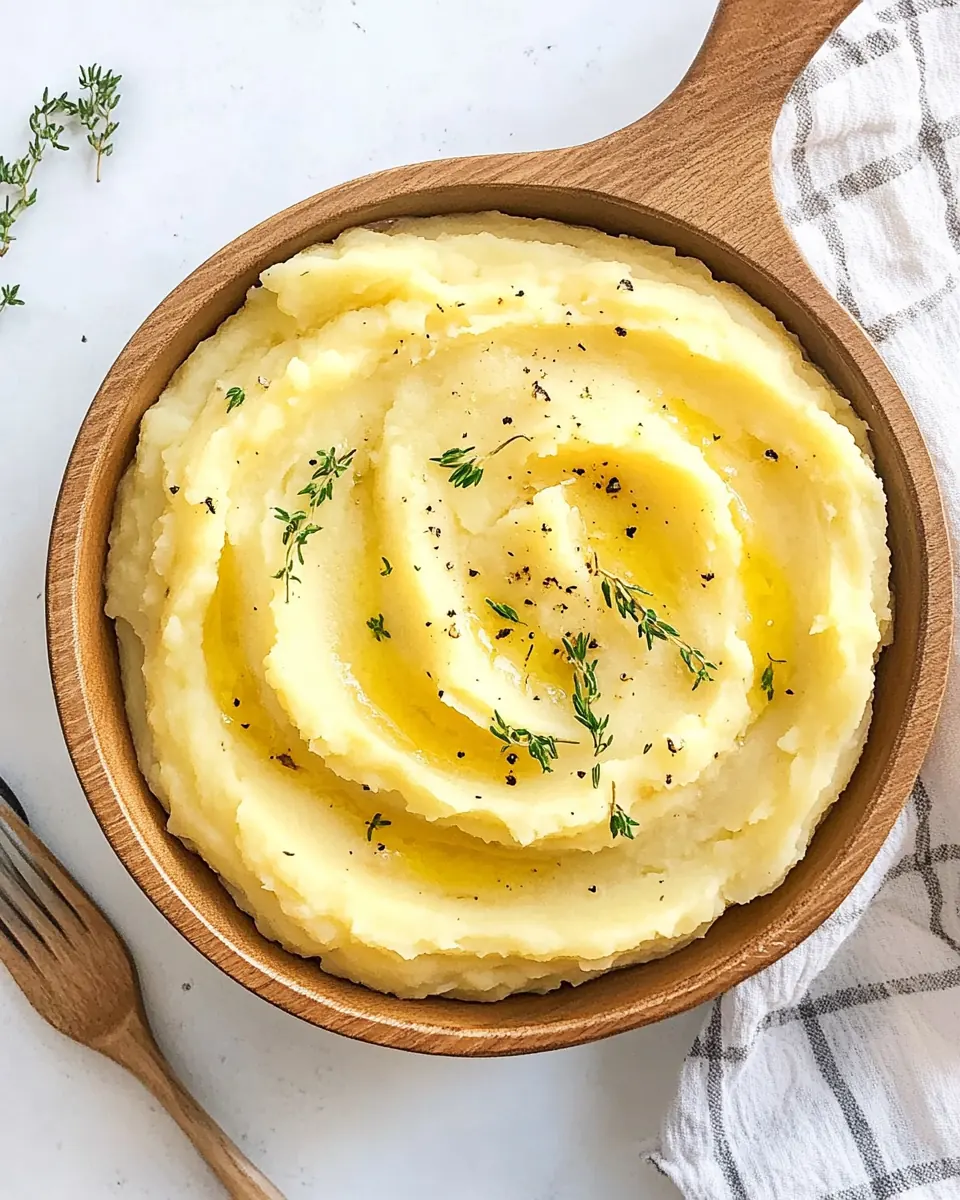
These instructions guide you from roasting the garlic to folding everything into pillowy potatoes. I write them to help you tune texture and flavor as you go, and to avoid common pitfalls that can leave the mash gummy or flat. Take your time with the roasting and the folding; those moments shape the final result.
- Preheat the oven to 350°F.: The warm, steady oven heat develops a deep, sweet roast in the garlic , producing soft cloves that smell nutty and browned. As the oven settles, you might notice a faint, toasty aroma start to fill the kitchen, a sign the environment is right for slow caramelization. I find using a middle rack gives even heat, avoiding overly browned tips. One mistake is cranking the oven higher to speed things along, which can char the cloves and create bitterness instead of the desired jammy sweetness. Keep the temperature steady, and expect a slow, aromatic transformation that rewards patience.
- Make the roasted garlic: Trim the top 1/4 inch off the top of the garlic bulb. Place cut-side up on a piece of foil, drizzle with olive oil, and sprinkle with salt. Wrap the garlic in the foil and roast for 40 to 60 minutes or until the cloves are deeply golden brown and tender. Remove from the oven and let cool slightly. Use the back of a chef’s knife or a small masher to mash the garlic into a paste before incorporating into the mashed potatoes. Set aside.: Trim the top 1/4 inch off the top of the garlic bulb. : Exposing the tops of the cloves lets the oil and heat coax sugars out as they brown, releasing a sweet, almost buttery scent. When you press the exposed cloves after roasting, they should yield like soft butter, and the aroma will be mellow and fragrant rather than sharp. A common slip is trimming too deep, which loosens cloves and makes them fall apart during wrapping; a modest trim is all you need. This small cut sets up the bulb to roast evenly and produce that creamy paste you will fold into the mash.
- Make the mashed potatoes: Place the potatoes and 1 teaspoon of salt in a large pot and fill with enough water to cover the potatoes by 1 inch. Bring to a boil and cook until fork tender, about 20 minutes. Drain, reserving 1 cup of the cooking liquid.: Place cut-side up on a piece of foil, drizzle with olive oil, and sprinkle with salt. : The sizzle you avoid here is intentional, you want gentle roasting not frying. The drizzle of extra virgin olive oil helps the cloves turn golden and tender while salt draws out moisture and amplifies flavor. As the bulb heats, you will notice a caramel scent building, and a little pooling of oil around the base, which is normal. Avoid adding too much oil, which can make the cloves greasy rather than lusciously soft. The careful balance of oil and salt yields that silky paste you will mash into the potatoes later.
- Use a ricer or a potato masher to mash the potatoes into a large bowl. Use a rubber spatula to fold in the roasted garlic, olive oil, 1/2 cup of the reserved cooking liquid, 1 teaspoon salt, and several pinches of pepper. Continue folding until creamy, adding up to 1/2 cup more cooking liquid if desired for creamier potatoes. Serve hot with butter, rosemary, and chives, if desired.: Wrap the garlic in the foil and roast for 40 to 60 minutes or until the cloves are deeply golden brown and tender. : During this slow roast, the kitchen gradually fills with a warm, savory perfume that signals success. The cloves should be deeply golden with no raw centers, and they will almost squeeze out of their skins when pressed. If you rush this step the cloves may remain astringent, so let the time do the work. A frequent error is removing the bulb too early, leaving gritty, underdeveloped flavor; patience here turns pungency into sweet, spreadable goodness.
- Make the roasted garlic: Remove from the oven and let cool slightly. : Cooling helps the roasted cloves firm just enough to handle, and the aroma will mellow into a comforting, roasted-sweet note. I usually let the bulb sit for ten to fifteen minutes so I can handle it without burning my fingers. If you mash while piping hot you may lose some control when incorporating it into the mash, so a brief cooldown is practical. Avoid waiting so long that the oil solidifies, just a short pause is ideal to handle the bulb safely.
- Make the roasted garlic: Use the back of a chef’s knife or a small masher to mash the garlic into a paste before incorporating into the mashed potatoes. : Transforming the cloves into a smooth paste ensures even distribution and an immediate hit of roasted savory-sweet in every forkful. When you press the cloves, watch for a glossy, spreadable texture and inhale that mellow, nutty aroma. If the paste seems dry, a tiny splash of the reserved cooking liquid or olive oil can loosen it. The worst misstep is leaving the cloves in large pieces, which can create uneven bursts of intensity instead of a harmonious flavor thread throughout the mash.
- Make the roasted garlic: Set aside. : Holding the paste aside until the potatoes are mashed prevents overmixing and allows you to taste and adjust seasoning before the final fold. This resting moment gives you clarity for balancing salt and pepper. If you add the paste too early while the potatoes are still steaming aggressively, the heat can mute some aromatic notes, so hold off until you are ready to assemble.
- Make the mashed potatoes: Place the potatoes and 1 teaspoon of salt in a large pot and fill with enough water to cover the potatoes by 1 inch. : Starting the potatoes in cold, salted water ensures even cooking and better seasoning throughout. As the pot warms, starchy scents will open up and small bubbles will begin to rise before a full boil, signaling steady heat. A typical mistake is adding potatoes to already boiling water, which can cook the exterior too quickly and leave the centers underdone. Cover with enough water so every piece cooks at the same rate and absorbs seasoning evenly.
- Make the mashed potatoes: Bring to a boil and cook until fork tender, about 20 minutes. : When the potatoes are done, a fork should slide in with minimal resistance and the edges will look slightly chalky rather than firm. The steaming, starchy scent intensifies as they soften. Overcooking will make the potatoes waterlogged and gluey, so test early by piercing the largest pieces. Drain promptly when tender to avoid sogginess, but reserve some cooking liquid for texture control in the mash.
- Make the mashed potatoes: Drain, reserving 1 cup of the cooking liquid. : That reserved liquid is gold, full of flavor and starch that helps create a silky, cohesive mash. As you drain, watch for a slightly cloudy appearance in the liquid, which indicates useful starch content. The mistake here is discarding it; without it you may need more oil to reach the same creaminess, which can alter balance. Keep that cup handy for gradual addition.
- Use a ricer or a potato masher to mash the potatoes into a large bowl.: The sound of a ricer whispers gentle comfort while the action produces fluffy, uniform pieces without overworking. A ricer creates the lightest texture, while a masher still gives a beautifully rustic creaminess. If you overmix with a hand mixer you risk developing gluey starch, so choose a gentle tool and stop once you have soft peaks and no lumps. The visual cue is a cloudlike mass ready to welcome the rest of the ingredients.
- Use a rubber spatula to fold in the roasted garlic, olive oil, 1/2 cup of the reserved cooking liquid, 1 teaspoon salt, and several pinches of pepper.: Folding brings the elements together with minimal air loss, ensuring the mash stays tender and silky. As you fold, you should see the mash smooth and glisten, and the aroma of roasted garlic will bloom into the bowl. Add the reserved liquid gradually so you can control consistency; adding too much at once can make it runny. A common oversight is underseasoning here, so taste and adjust as you go.
- Continue folding until creamy, adding up to 1/2 cup more cooking liquid if desired for creamier potatoes.: Keep folding until the texture is glossy and satiny, and the mash holds soft peaks when the spatula is lifted. The sound is quiet and the movement slow, and the smell will be a rich meld of roasted garlic and olive oil. Avoid overworking, which can result in a gummy feel. If you want a silkier finish, add liquid in small increments and stop when the mouthfeel is just right.
- Serve hot with butter, rosemary, and chives, if desired.: Serve immediately for the best texture and the most vibrant aroma, topped with a pat of butter if you like richness, and a sprinkle of chopped chives or rosemary for freshness and color. The first spoonful should release a warm waft of roasted garlic and herb, and the surface will glisten from the olive oil. If you must hold the dish, cover gently and rewarm low and slow to avoid drying. A frequent serving mistake is reheating at high heat, which can separate oils and dull flavors.
Variations to Try
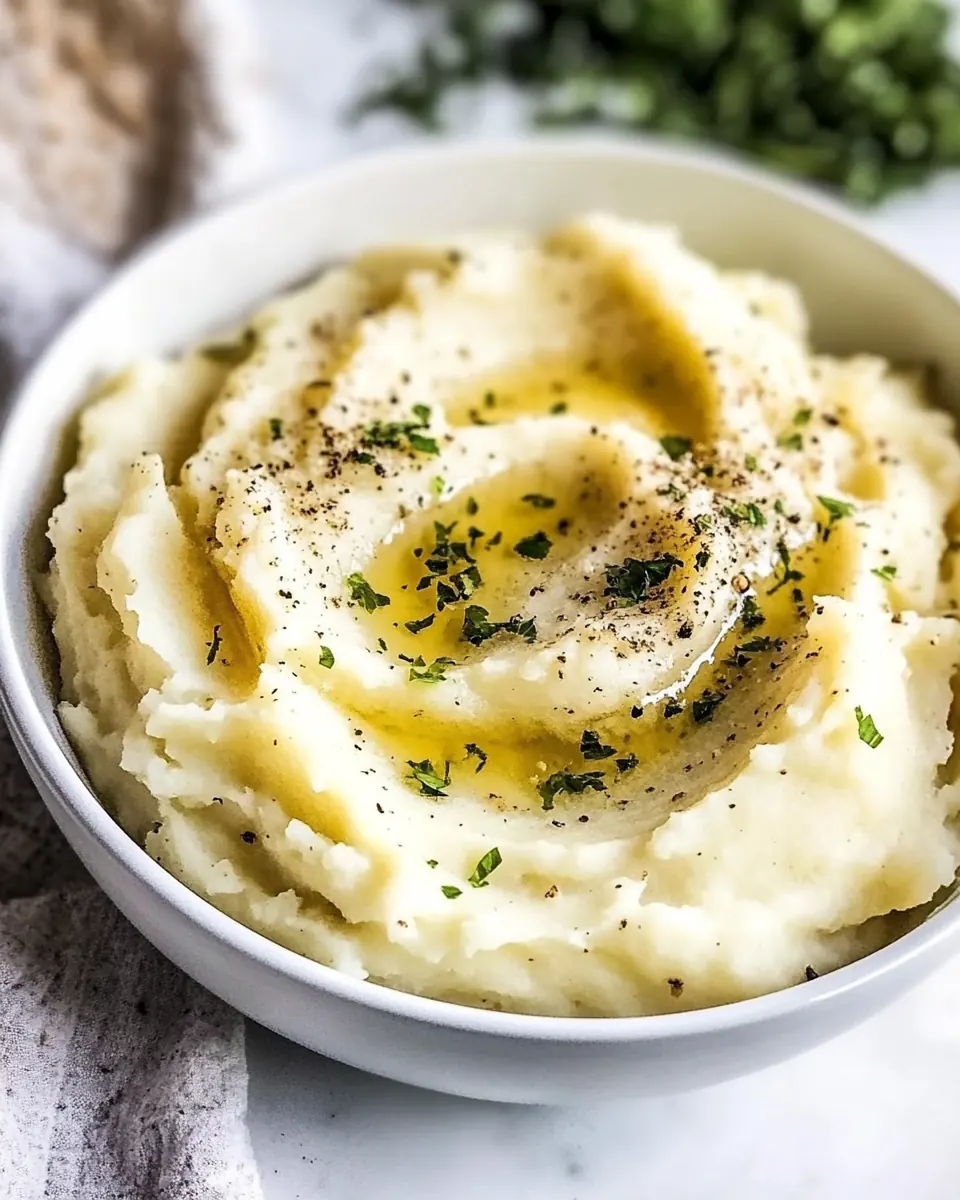
This section lists flexible ways to adapt Garlic Mashed Potatoes for different tastes and occasions. Each variation starts with a bolded lead so you can scan quickly, followed by details on when and why to use it. These are practical, tested ideas I return to again and again.
- Roasted garlic ahead: Prepare the roasted garlic up to three days in advance and refrigerate, this gives you a head start for busy entertaining and the flavor keeps beautifully when stored in an airtight container.
- Make it dairy free: Rely on extra virgin olive oil and reserved cooking liquid for richness, which keeps the texture silky without dairy while highlighting the roasted garlic note.
- Silky finish: Use a ricer for the smoothest texture, pushing the cooked potatoes through to avoid lumps and ensure the olive oil disperses evenly for a glossy result.
- Herb garnish: Scatter chopped chives or rosemary just before serving to add bright color and an aromatic lift that contrasts the mellow roasted garlic.
- Adjustable creaminess: Keep a little extra of the reserved cooking liquid on hand and add in tablespoons to dial creaminess, so you control the final consistency plate by plate.
- Make ahead and rewarm: If making ahead, hold the mash in a covered dish and rewarm gently in a low oven with a splash of reserved cooking liquid to restore the fresh texture.
Serving Suggestions
These serving ideas help you pair and present Garlic Mashed Potatoes elegantly for different meals and seasons. Below I share combinations, occasions, and storage pointers so the dish shines whether at a quiet supper or a festive table.
- Classic holiday side: Serve alongside roasted mains for a comforting holiday spread, where the mellow roasted garlic complements roasted vegetables and savory mains.
- Weeknight dinner pairing: Pair with simply prepared protein and a green vegetable for a balanced, easy weeknight meal that feels special without fuss.
- Potluck friendly: Transport in a warm insulated dish and reheat gently at the host, the mash holds texture well and is loved by crowds of varied tastes.
- Seasonal match: The warm, roasted profile suits fall gatherings particularly well, when earthy produce and cozy flavors are in focus.
- Storage tip: Refrigerate leftovers in an airtight container for up to three days, and rewarm slowly with a splash of reserved cooking liquid to refresh the texture before serving.
- Presentation idea: Top with a small pat of butter and a sprinkle of chopped chives or rosemary for color and a fragrant finishing touch that delights guests.
FAQ
Conclusion
These Garlic Mashed Potatoes stand out for their simple ingredients and deeply satisfying roasted garlic flavor. Once you taste the smooth, olive oil enriched mash with sweet, caramelized garlic threaded throughout, you will see why it becomes a fast favorite. I encourage you to give this recipe a try, roast the garlic slowly, and take pleasure in folding the components together. It is an approachable dish that elevates any meal with minimal fuss and maximum comfort.
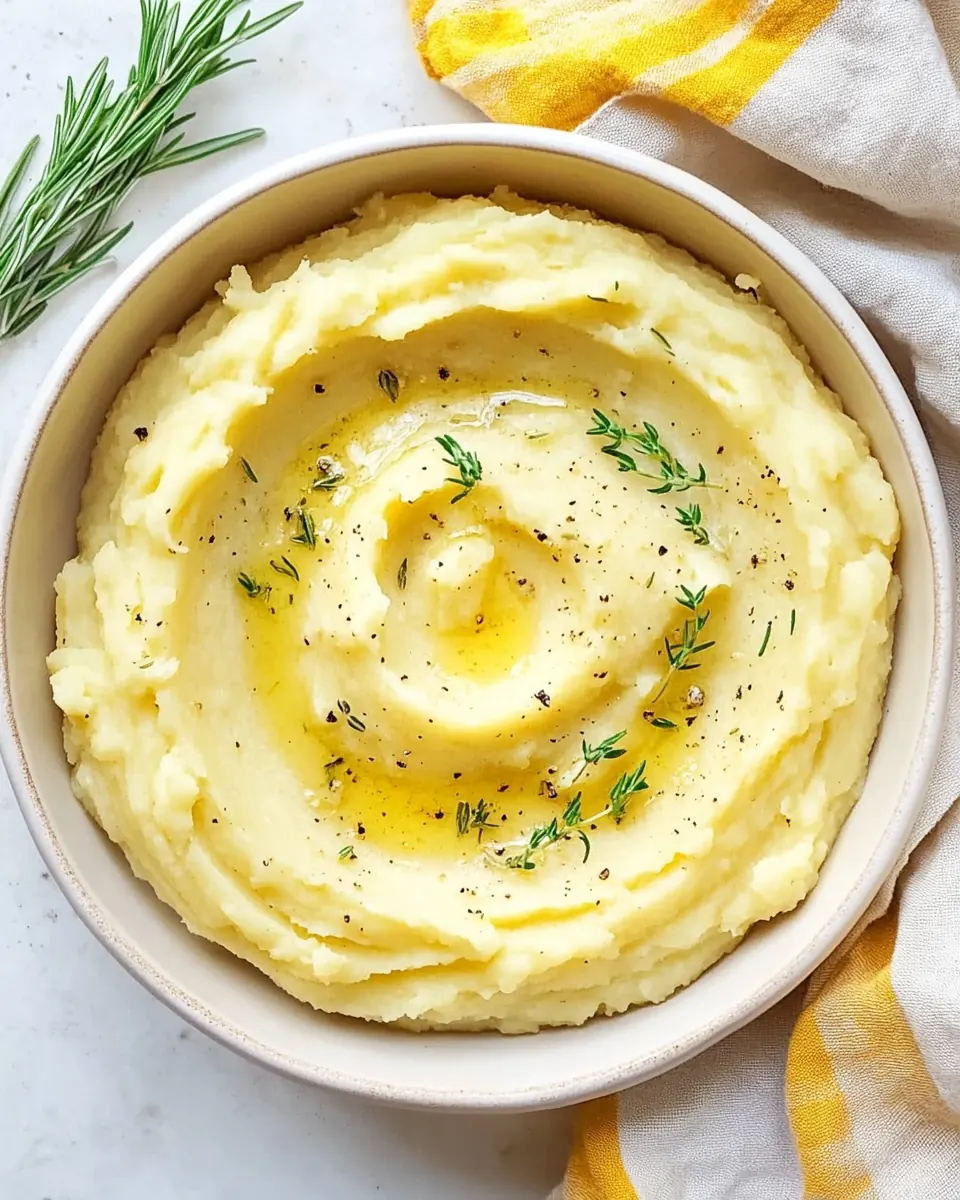
Garlic Mashed Potatoes
Ingredients
Equipment
Method
- Preheat the oven to 350°F.: The warm, steady oven heat develops a deep, sweet roast in the garlic , producing soft cloves that smell nutty and browned. As the oven settles, you might notice a faint, toasty aroma start to fill the kitchen, a sign the environment is right for slow caramelization. I find using a middle rack gives even heat, avoiding overly browned tips. One mistake is cranking the oven higher to speed things along, which can char the cloves and create bitterness instead of the desired jammy sweetness. Keep the temperature steady, and expect a slow, aromatic transformation that rewards patience.
- Make the roasted garlic: Trim the top 1/4 inch off the top of the garlic bulb. Place cut-side up on a piece of foil, drizzle with olive oil, and sprinkle with salt. Wrap the garlic in the foil and roast for 40 to 60 minutes or until the cloves are deeply golden brown and tender. Remove from the oven and let cool slightly. Use the back of a chef’s knife or a small masher to mash the garlic into a paste before incorporating into the mashed potatoes. Set aside.: Trim the top 1/4 inch off the top of the garlic bulb. : Exposing the tops of the cloves lets the oil and heat coax sugars out as they brown, releasing a sweet, almost buttery scent. When you press the exposed cloves after roasting, they should yield like soft butter, and the aroma will be mellow and fragrant rather than sharp. A common slip is trimming too deep, which loosens cloves and makes them fall apart during wrapping; a modest trim is all you need. This small cut sets up the bulb to roast evenly and produce that creamy paste you will fold into the mash.
- Make the mashed potatoes: Place the potatoes and 1 teaspoon of salt in a large pot and fill with enough water to cover the potatoes by 1 inch. Bring to a boil and cook until fork tender, about 20 minutes. Drain, reserving 1 cup of the cooking liquid.: Place cut-side up on a piece of foil, drizzle with olive oil, and sprinkle with salt. : The sizzle you avoid here is intentional, you want gentle roasting not frying. The drizzle of extra virgin olive oil helps the cloves turn golden and tender while salt draws out moisture and amplifies flavor. As the bulb heats, you will notice a caramel scent building, and a little pooling of oil around the base, which is normal. Avoid adding too much oil, which can make the cloves greasy rather than lusciously soft. The careful balance of oil and salt yields that silky paste you will mash into the potatoes later.
- Use a ricer or a potato masher to mash the potatoes into a large bowl. Use a rubber spatula to fold in the roasted garlic, olive oil, 1/2 cup of the reserved cooking liquid, 1 teaspoon salt, and several pinches of pepper. Continue folding until creamy, adding up to 1/2 cup more cooking liquid if desired for creamier potatoes. Serve hot with butter, rosemary, and chives, if desired.: Wrap the garlic in the foil and roast for 40 to 60 minutes or until the cloves are deeply golden brown and tender. : During this slow roast, the kitchen gradually fills with a warm, savory perfume that signals success. The cloves should be deeply golden with no raw centers, and they will almost squeeze out of their skins when pressed. If you rush this step the cloves may remain astringent, so let the time do the work. A frequent error is removing the bulb too early, leaving gritty, underdeveloped flavor; patience here turns pungency into sweet, spreadable goodness.
- Make the roasted garlic: Remove from the oven and let cool slightly. : Cooling helps the roasted cloves firm just enough to handle, and the aroma will mellow into a comforting, roasted-sweet note. I usually let the bulb sit for ten to fifteen minutes so I can handle it without burning my fingers. If you mash while piping hot you may lose some control when incorporating it into the mash, so a brief cooldown is practical. Avoid waiting so long that the oil solidifies, just a short pause is ideal to handle the bulb safely.
- Make the roasted garlic: Use the back of a chef’s knife or a small masher to mash the garlic into a paste before incorporating into the mashed potatoes. : Transforming the cloves into a smooth paste ensures even distribution and an immediate hit of roasted savory-sweet in every forkful. When you press the cloves, watch for a glossy, spreadable texture and inhale that mellow, nutty aroma. If the paste seems dry, a tiny splash of the reserved cooking liquid or olive oil can loosen it. The worst misstep is leaving the cloves in large pieces, which can create uneven bursts of intensity instead of a harmonious flavor thread throughout the mash.
- Make the roasted garlic: Set aside. : Holding the paste aside until the potatoes are mashed prevents overmixing and allows you to taste and adjust seasoning before the final fold. This resting moment gives you clarity for balancing salt and pepper. If you add the paste too early while the potatoes are still steaming aggressively, the heat can mute some aromatic notes, so hold off until you are ready to assemble.
- Make the mashed potatoes: Place the potatoes and 1 teaspoon of salt in a large pot and fill with enough water to cover the potatoes by 1 inch. : Starting the potatoes in cold, salted water ensures even cooking and better seasoning throughout. As the pot warms, starchy scents will open up and small bubbles will begin to rise before a full boil, signaling steady heat. A typical mistake is adding potatoes to already boiling water, which can cook the exterior too quickly and leave the centers underdone. Cover with enough water so every piece cooks at the same rate and absorbs seasoning evenly.
- Make the mashed potatoes: Bring to a boil and cook until fork tender, about 20 minutes. : When the potatoes are done, a fork should slide in with minimal resistance and the edges will look slightly chalky rather than firm. The steaming, starchy scent intensifies as they soften. Overcooking will make the potatoes waterlogged and gluey, so test early by piercing the largest pieces. Drain promptly when tender to avoid sogginess, but reserve some cooking liquid for texture control in the mash.
- Make the mashed potatoes: Drain, reserving 1 cup of the cooking liquid. : That reserved liquid is gold, full of flavor and starch that helps create a silky, cohesive mash. As you drain, watch for a slightly cloudy appearance in the liquid, which indicates useful starch content. The mistake here is discarding it; without it you may need more oil to reach the same creaminess, which can alter balance. Keep that cup handy for gradual addition.
- Use a ricer or a potato masher to mash the potatoes into a large bowl.: The sound of a ricer whispers gentle comfort while the action produces fluffy, uniform pieces without overworking. A ricer creates the lightest texture, while a masher still gives a beautifully rustic creaminess. If you overmix with a hand mixer you risk developing gluey starch, so choose a gentle tool and stop once you have soft peaks and no lumps. The visual cue is a cloudlike mass ready to welcome the rest of the ingredients.
- Use a rubber spatula to fold in the roasted garlic, olive oil, 1/2 cup of the reserved cooking liquid, 1 teaspoon salt, and several pinches of pepper.: Folding brings the elements together with minimal air loss, ensuring the mash stays tender and silky. As you fold, you should see the mash smooth and glisten, and the aroma of roasted garlic will bloom into the bowl. Add the reserved liquid gradually so you can control consistency; adding too much at once can make it runny. A common oversight is underseasoning here, so taste and adjust as you go.
- Continue folding until creamy, adding up to 1/2 cup more cooking liquid if desired for creamier potatoes.: Keep folding until the texture is glossy and satiny, and the mash holds soft peaks when the spatula is lifted. The sound is quiet and the movement slow, and the smell will be a rich meld of roasted garlic and olive oil. Avoid overworking, which can result in a gummy feel. If you want a silkier finish, add liquid in small increments and stop when the mouthfeel is just right.
- Serve hot with butter, rosemary, and chives, if desired.: Serve immediately for the best texture and the most vibrant aroma, topped with a pat of butter if you like richness, and a sprinkle of chopped chives or rosemary for freshness and color. The first spoonful should release a warm waft of roasted garlic and herb, and the surface will glisten from the olive oil. If you must hold the dish, cover gently and rewarm low and slow to avoid drying. A frequent serving mistake is reheating at high heat, which can separate oils and dull flavors.
Notes
- Roasted garlic ahead: Prepare the roasted garlic up to three days in advance and refrigerate, this gives you a head start for busy entertaining and the flavor keeps beautifully when stored in an airtight container.
- Make it dairy free: Rely on extra virgin olive oil and reserved cooking liquid for richness, which keeps the texture silky without dairy while highlighting the roasted garlic note.
- Silky finish: Use a ricer for the smoothest texture, pushing the cooked potatoes through to avoid lumps and ensure the olive oil disperses evenly for a glossy result.
- Herb garnish: Scatter chopped chives or rosemary just before serving to add bright color and an aromatic lift that contrasts the mellow roasted garlic.
- Adjustable creaminess: Keep a little extra of the reserved cooking liquid on hand and add in tablespoons to dial creaminess, so you control the final consistency plate by plate.
- Make ahead and rewarm: If making ahead, hold the mash in a covered dish and rewarm gently in a low oven with a splash of reserved cooking liquid to restore the fresh texture.