Easy Mushroom Miso Broth Soup
Easy Mushroom Miso Broth Soup has been a quiet weekday comfort in my rotation ever since I learned to coax deep flavor from a handful of simple pantry staples. I remember the first time I made it on a snowy evening, returning from a late grocery run, craving something warm yet light. That night taught me how the right balance of miso paste and a mix of mushrooms can feel both luxurious and homey at once.
I like to think of this bowl as the soup equivalent of a soft, worn sweater. When I want food that heals without weighing me down, I reach for the humble combo of dashi or a good vegetable stock, a spoonful of umami rich miso paste, and a scattering of bright green onions. Over the years I have tweaked times and textures so each element sings. The mushrooms stay slightly chewy, the broth stays silky, and the aromatics stay fresh.
There have been evenings when friends dropped by unexpectedly, and this soup came together so quickly it felt like magic. I love how it stretches, serving four without much fuss, and how it pairs with a simple salad or steamed rice if you want something heartier. Every spoonful carries an invitation to slow down, inhale, and enjoy a quiet, savory moment.
Recipe Snapshot
20 mins
10 mins
10 mins
Easy
150 kcal
Japanese
Vegan, Gluten-Free
Soups
Pan, Pot, Chopsticks
The Magic of This Easy Mushroom Miso Broth Soup
Pure, concentrated umami
One reason I keep returning to Easy Mushroom Miso Broth Soup is its unfussy umami profile. The marriage of miso paste and dashi or vegetable stock builds savory depth without heavy cream or long cooking. I find this makes the soup satisfying in a subtle way, the kind that leaves you content rather than stuffed.
Speed without compromise
I value recipes that respect a busy life. This soup is ready in about twenty minutes, yet it never tastes rushed. Sautéing the mushrooms first adds caramelized notes that a quicker method would miss. I can get a nourishing bowl on the table between meetings, and that convenience keeps me making it again and again.
Flexible and forgiving
You can riff on the mushrooms you have, and the recipe forgives small timing shifts. I often swap the proportions slightly depending on what looks best at the market. The soup still holds together because the backbone of miso paste and dashi keeps the flavors cohesive. I love recipes that allow for creativity without risking a flop.
Comfort that feels light
There are days when I want comfort food that won’t weigh me down. This broth delivers that gentle warmth while staying relatively light. The green onions at the end add a bright lift, cutting through the savory base and keeping each spoonful fresh. It’s a mood lifter after a long day.
Minimal ingredients, maximum payoff
Part of the appeal for me is how few items you need to make something special. A small pantry of peanut oil, miso paste, soy sauce, fresh mushrooms, and aromatics like garlic and ginger produces a bowl that tastes thoughtfully composed. That efficiency is a big win for weeknight cooking.
Ingredients You’ll Need for Easy Mushroom Miso Broth Soup
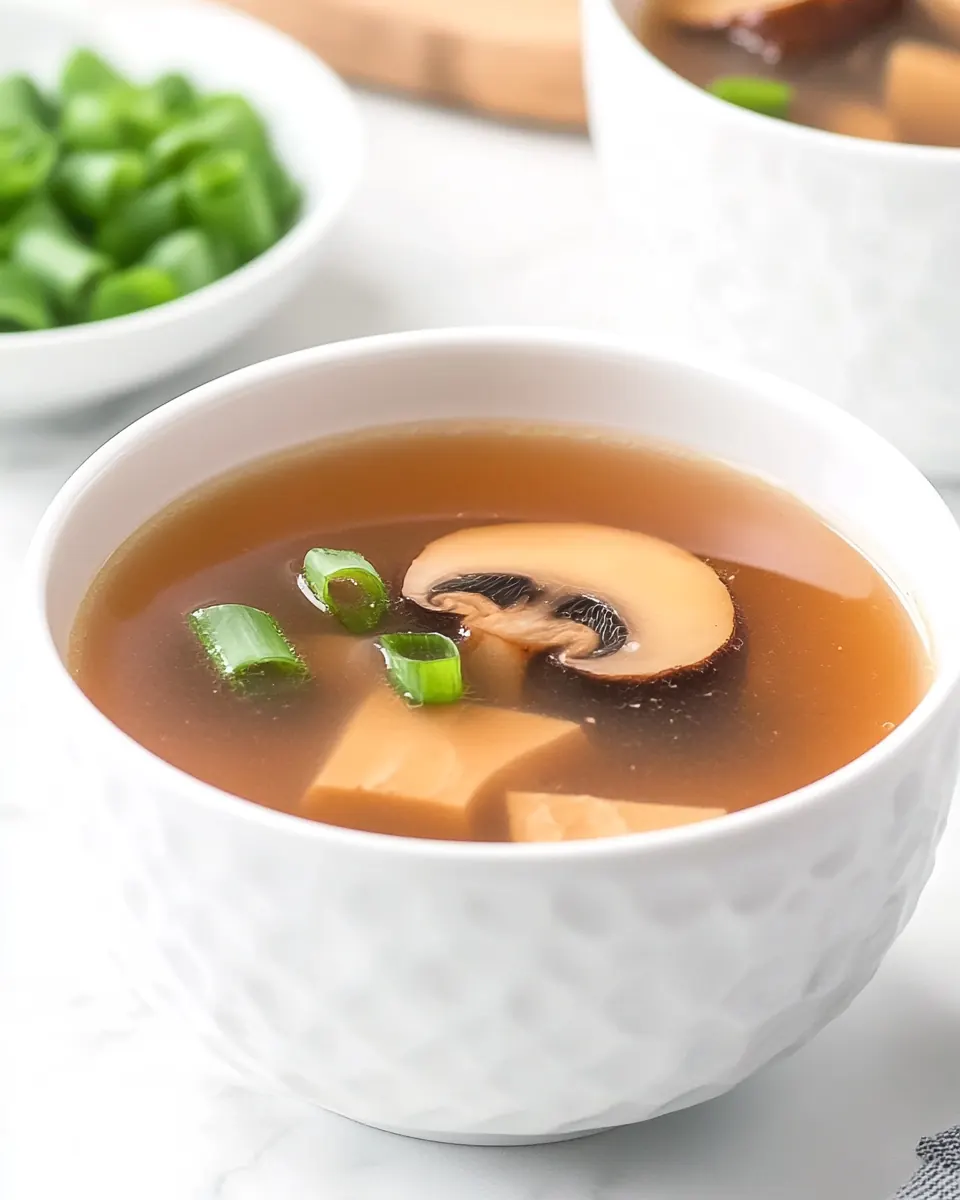
These ingredients work together to build a clear but deeply flavored broth. The mushrooms provide texture and earthy notes, while the dashi or vegetable stock forms a savory canvas. Miso paste finishes the bowl with umami and a touch of creaminess, and the small amounts of peanut oil, garlic, and ginger add warmth and aroma. I rely on the soy sauce for seasoning balance and the green onions for a bright finish.
- 1 tbsp peanut oil: Adds a nutty, aromatic base for sautéing and develops the initial flavor of the soup; heats quickly and helps brown mushrooms while carrying aromatics like garlic and ginger. Use moderate heat to avoid smoking and bitterness, preserving its flavor contribution to the broth.
- 250 grams mushrooms a mix of Shitake, oyster, shimeji: Provides a meaty, umami-rich texture and primary mushroom flavor body to the broth; a mix of shiitake, oyster, and shimeji offers varied textures and layered savory notes. Slice or tear to expose more surface area so they release juices and deepen the soup’s complexity.
- 1 clove garlic sliced: Imparts a sharp, pungent aromatic when sliced, giving the broth depth and a fresh garlic bite; softens during cooking and melds with miso and dashi. Add early when sautéing to infuse the oil and mushrooms, but avoid overcooking to prevent bitterness.
- 1 tsp ginger crushed: Contributes a warm, zesty backbone and bright lift to the soup when crushed; pairs well with garlic and enhances the savory miso profile. Add with aromatics at the start of cooking to release essential oils and freshness into the broth.
- 4 cups dashi or vegetable oil: Creates the savory, oceanic liquid foundation for the soup when using dashi, or a vegetarian base when using vegetable stock; carries dissolved miso and soy flavors throughout. Warm gently and avoid boiling once miso is added to preserve delicate flavors and beneficial enzymes.
- 4 tbsp miso paste: Adds concentrated salty, savory, and fermented umami that defines the soup’s character; dissolves into the warm broth to create depth and rounded taste. Whisk in off heat or low heat to prevent boiling, ensuring smooth integration without graininess.
- 2 tbsp soy sauce: Enhances saltiness and layered umami while providing a subtle savory soy note that balances the miso; adjust quantity to taste to avoid over-salting. Stir in towards the end of cooking to fine-tune seasoning and preserve its clean flavor.
- 1/4 cup green onions finely sliced: Offers a fresh, sharp finish and mild oniony crunch when finely sliced, brightening the rich miso and mushroom flavors; used as a garnish and subtle flavor enhancer. Scatter on top just before serving to add color, texture, and a bit of aromatic lift.
Preparation Steps for Easy Mushroom Miso Broth Soup
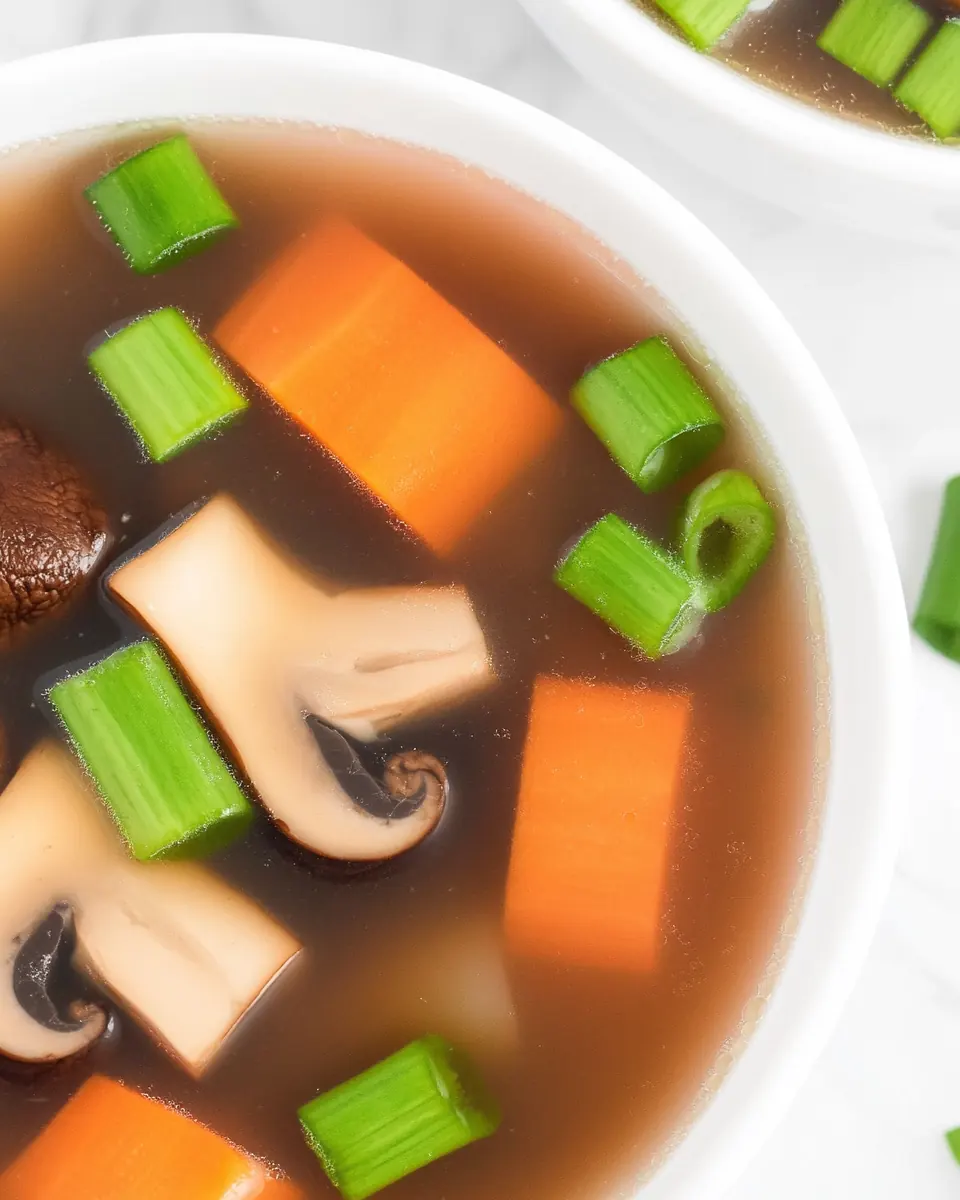
I like to approach the cooking with a relaxed confidence. The steps are straightforward, but small technique choices make a big difference in aroma and mouthfeel. Move deliberately through sautéing, simmering, and finishing to build layers of flavor.
- Add the peanut oil and mushrooms to a pan and sauté for 5 minutes until they are a little browned. Take the mushrooms out of the pot and set aside.: Warmth and scent arrive first, the pan hissing softly as the peanut oil meets the mushrooms . As you cook, listen for a steady sizzle that signals moisture is evaporating and browning is beginning. The mushrooms will give off a rich, savory steam, and small brown bits will cling to the pan, offering concentrated flavor. Visual cues include edges turning a deeper brown and the mushrooms shrinking slightly. Doing this step builds caramelized notes that the broth would otherwise lack, elevating the entire bowl. A common mistake is overcrowding the pan, which traps steam and prevents browning, so cook in batches if needed.
- Add the garlic and ginger and sauté for a few more minutes.: The moment you introduce the sliced garlic and crushed ginger , the kitchen fills with a warm, inviting perfume. The oil will ripple and carry the aromatics, making the flavors more integrated. You should see the garlic soften and become slightly translucent, not dark brown. This step releases essential oils that round out the broth, and skipping it will leave the soup flatter. Avoid high heat here, as burnt garlic tastes bitter and will dominate the bowl.
- Add the dashi and soy sauce to the pot. Place the lid onto the pot. Bring the pot to a boil, then turn it down and let it simmer for 3 minutes.: When the dashi or vegetable stock meets the aromatic base, the aroma becomes layered and savory. Bringing to a boil briefly extracts flavor from the aromatics, then reducing to a gentle simmer lets the components meld. You will see small bubbles around the edges rather than a rolling boil. This restrained simmer preserves delicate notes and prevents the broth from becoming cloudy. One pitfall is overboiling, which can flatten bright flavors and break down delicate amino acids in the dashi .
- Take the broth off the heat then add the miso and stir it in with two chopsticks. Add the mushrooms back in and toss in the green onions. Serve warm.: Cooling the pot slightly before adding miso paste is crucial, because high heat can degrade the complex flavors and beneficial qualities of the miso paste . When you stir it in with chopsticks, you will see the paste dissolve into the broth, creating a silky sheen. Reintroducing the sautéed mushrooms restores their texture and allows them to soak up the broth. The final scatter of green onions gives a fresh crunch and bright color. A common error is stirring miso into boiling liquid, which dulls its vibrancy and can introduce an off taste, so always temper the heat first.
Change It Up
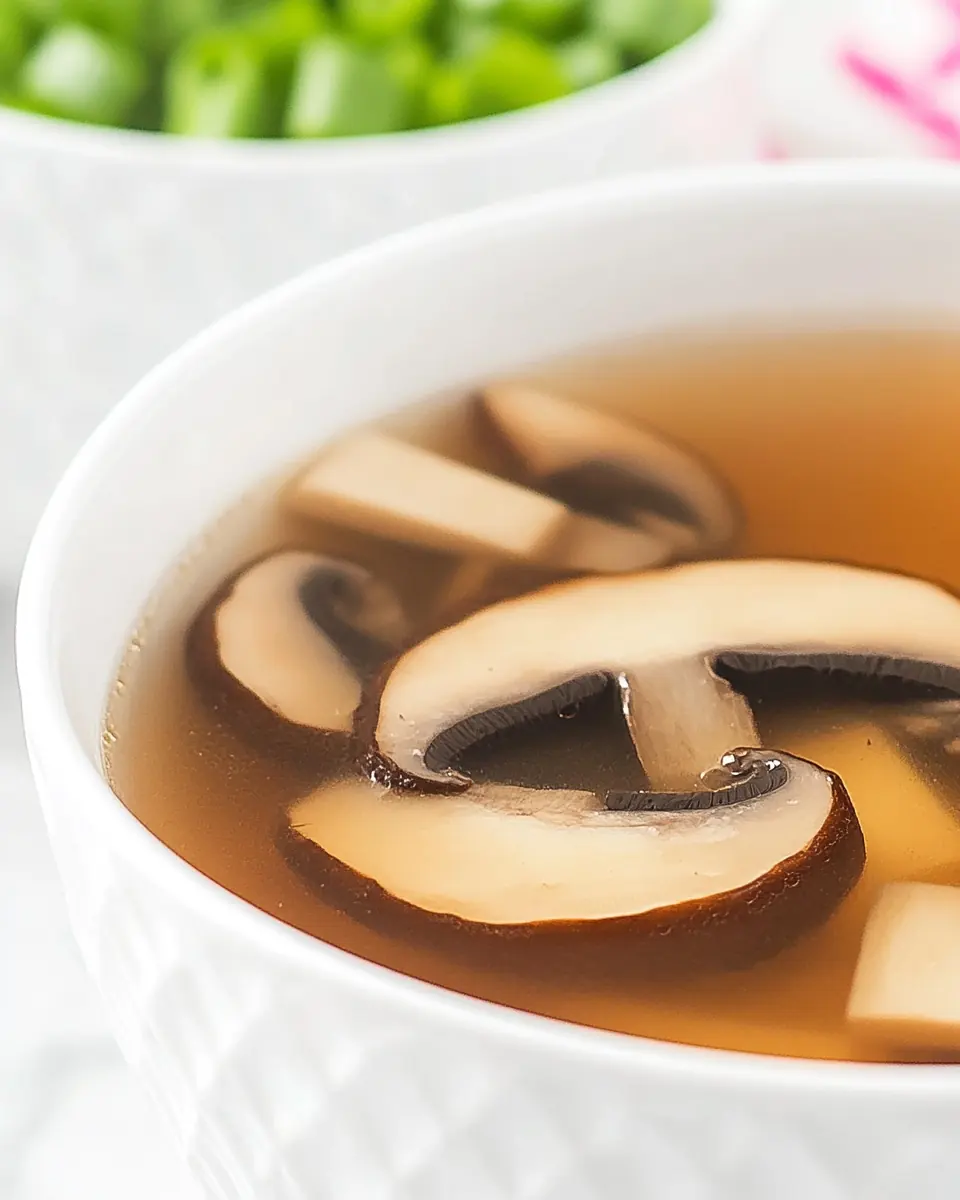
This soup is wonderfully adaptable, and a few simple swaps or small technique changes can shift the mood of the bowl. Below are practical ideas to customize texture, intensity, and presentation while staying true to the core flavors.
- Roast the mushrooms first: Try roasting the mushrooms in a hot oven to deepen their flavor even more, adding a smoky note while still keeping the broth clean.
- Use a mix of miso strengths: Combining white and red miso paste lets you control salt and depth; white is milder, red is bolder, mix to taste.
- Infuse the oil: Gently warming the peanut oil with a slice of garlic and a sliver of ginger before sautéing can boost aromatic foundation without extra steps.
- Finish with citrus: A tiny splash of citrus juice added at the end can brighten the bowl if you want a punch of acidity to lift the umami.
- Serve with toasted seeds: Toasted sesame seeds sprinkled on top add a nutty crunch that complements the soft mushrooms and silky broth.
- Make it heartier: Add a scoop of cooked rice or noodles to turn this into a more substantial meal while keeping the flavors balanced.
Serve This Easy Mushroom Miso Broth Soup With
This soup adapts to many occasions, from a quiet solo dinner to a shared starter. Below are serving ideas and pairing suggestions that highlight its versatility and seasonal appeal.
- Light green salad: Pair with a simple salad for a balanced weeknight meal, letting the bright greens contrast the warm, savory soup.
- Steamed rice or short grain rice: A bowl of warm rice served alongside or added into the soup turns it into a filling comfort dish for cold evenings.
- Small sides for a multi course meal: Use the soup as a starter for a dinner gathering, followed by a main vegetable or fish course, keeping the menu harmonious and not too heavy.
- Cozy solo dinners: When serving for one, present the bowl with a piece of crusty bread for dipping, making the meal feel indulgent yet uncomplicated.
- Winter evenings or light lunches: This soup is especially comforting in colder months, offering gentle warmth without excess richness, perfect for a midday break or early supper.
- Storage and reheating: Store leftover broth separately from any added rice or noodles, refrigerate in an airtight container for up to three days, and gently reheat on the stovetop to preserve the integrity of the miso paste.
FAQ
Conclusion
This soup stands out because it balances deep umami with lightness, delivering comfort without heaviness. I encourage you to try it when you need a fast, restorative meal that still feels thoughtful. The combination of sautéed mushrooms, aromatic garlic and ginger, and the gentle finish of miso creates a bowl that is both accessible and memorable, perfect for a weeknight dinner or a quiet lunch.
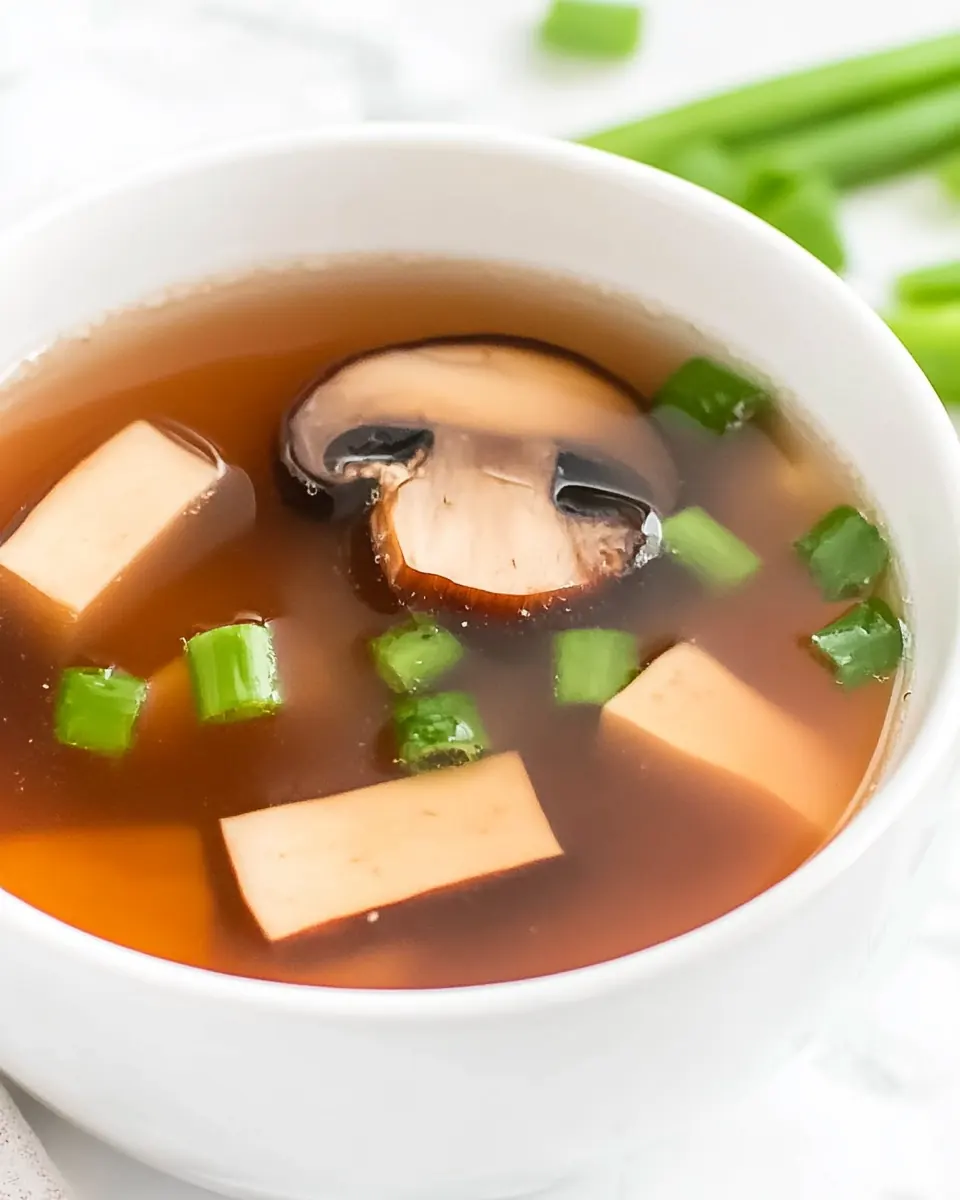
Easy Mushroom Miso Broth Soup
Ingredients
Equipment
Method
- Add the peanut oil and mushrooms to a pan and sauté for 5 minutes until they are a little browned. Take the mushrooms out of the pot and set aside.: Warmth and scent arrive first, the pan hissing softly as the peanut oil meets the mushrooms . As you cook, listen for a steady sizzle that signals moisture is evaporating and browning is beginning. The mushrooms will give off a rich, savory steam, and small brown bits will cling to the pan, offering concentrated flavor. Visual cues include edges turning a deeper brown and the mushrooms shrinking slightly. Doing this step builds caramelized notes that the broth would otherwise lack, elevating the entire bowl. A common mistake is overcrowding the pan, which traps steam and prevents browning, so cook in batches if needed.
- Add the garlic and ginger and sauté for a few more minutes.: The moment you introduce the sliced garlic and crushed ginger , the kitchen fills with a warm, inviting perfume. The oil will ripple and carry the aromatics, making the flavors more integrated. You should see the garlic soften and become slightly translucent, not dark brown. This step releases essential oils that round out the broth, and skipping it will leave the soup flatter. Avoid high heat here, as burnt garlic tastes bitter and will dominate the bowl.
- Add the dashi and soy sauce to the pot. Place the lid onto the pot. Bring the pot to a boil, then turn it down and let it simmer for 3 minutes.: When the dashi or vegetable stock meets the aromatic base, the aroma becomes layered and savory. Bringing to a boil briefly extracts flavor from the aromatics, then reducing to a gentle simmer lets the components meld. You will see small bubbles around the edges rather than a rolling boil. This restrained simmer preserves delicate notes and prevents the broth from becoming cloudy. One pitfall is overboiling, which can flatten bright flavors and break down delicate amino acids in the dashi .
- Take the broth off the heat then add the miso and stir it in with two chopsticks. Add the mushrooms back in and toss in the green onions. Serve warm.: Cooling the pot slightly before adding miso paste is crucial, because high heat can degrade the complex flavors and beneficial qualities of the miso paste . When you stir it in with chopsticks, you will see the paste dissolve into the broth, creating a silky sheen. Reintroducing the sautéed mushrooms restores their texture and allows them to soak up the broth. The final scatter of green onions gives a fresh crunch and bright color. A common error is stirring miso into boiling liquid, which dulls its vibrancy and can introduce an off taste, so always temper the heat first.
Notes
- Roast the mushrooms first: Try roasting the mushrooms in a hot oven to deepen their flavor even more, adding a smoky note while still keeping the broth clean.
- Use a mix of miso strengths: Combining white and red miso paste lets you control salt and depth; white is milder, red is bolder, mix to taste.
- Infuse the oil: Gently warming the peanut oil with a slice of garlic and a sliver of ginger before sautéing can boost aromatic foundation without extra steps.
- Finish with citrus: A tiny splash of citrus juice added at the end can brighten the bowl if you want a punch of acidity to lift the umami.
- Serve with toasted seeds: Toasted sesame seeds sprinkled on top add a nutty crunch that complements the soft mushrooms and silky broth.
- Make it heartier: Add a scoop of cooked rice or noodles to turn this into a more substantial meal while keeping the flavors balanced.