Peppermint Mocha Cookies
Peppermint Mocha Cookies have been a ritual in my kitchen every holiday season, a treat I reach for when evenings get chilly and the house begs for something warm, minty, and chocolatey. The first time I made these cookies I was trying to recreate a coffee shop moment at home, and the combination of cocoa powder, espresso powder, and a whisper of peppermint extract immediately transported me. They remind me of late night baking sessions, when the glow of the oven light and the scent of chocolate fill the room and conversation slows so everyone can savor the first bite.
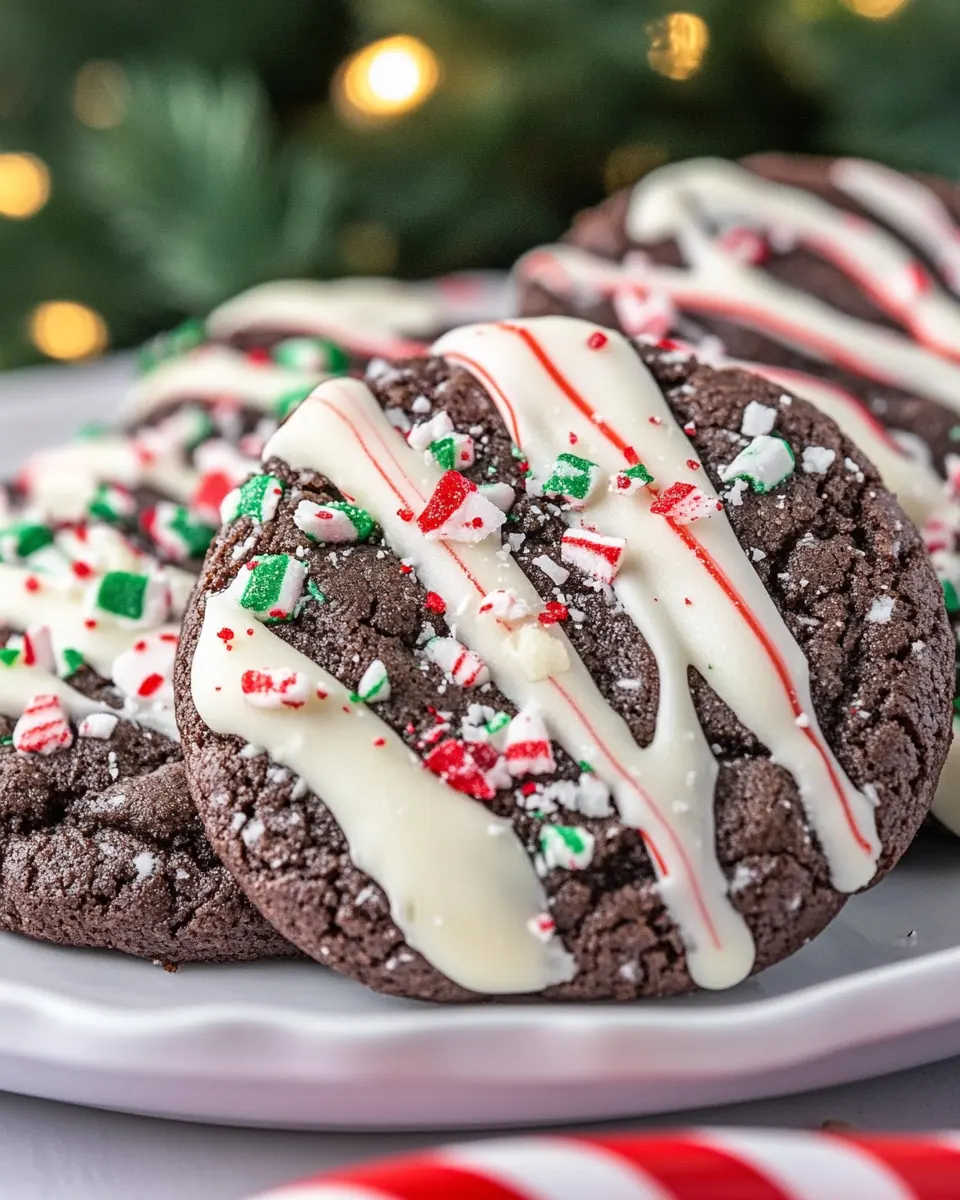
I learned early on that these are not fussy cookies, but they do reward attention. The dough feels indulgently dense and slightly sticky, promising chewy centers and crisp edges once baked. I love to dunk half of each cookie in melted semi-sweet chocolate and finish with crushed candy canes for crunch and a festive crunching sound that always draws smiles. Guests ask for the recipe every year, and I enjoy modifying little things, like melting the chocolate gently or folding the chopped white chocolate in just so, to keep the texture balanced and the mint flavor bright.
Recipe Snapshot
35 mins
25 mins
10 mins
Medium
150 kcal
American
Gluten-Free, Low FODMAP
Desserts
Stand mixer, Paddle attachment, Mixing bowls, Baking sheets, Parchment paper, Wire rack, Heatproof bowl, Medium pot, Silicon spatula, Measuring cups
Why This Peppermint Mocha Cookies Hits Different
Comforting holiday flavor in a cookie
I’ve always believed a memorable cookie carries a feeling as well as a flavor. These Peppermint Mocha Cookies combine rich cocoa powder with instant espresso powder, which gives a subtle roast note that makes the chocolate sing, while the peppermint extract lifts the profile so the cookies never feel heavy.
Textural contrast that keeps you coming back
What I love most is the play between chewy centers and slightly crisp edges, plus the silky melt of the dipped semi-sweet chocolate and the crunchy burst from crushed candy canes. Each bite moves through temperatures and textures in a way that feels indulgent but familiar.
Simple techniques, impressive results
We’re not doing complicated pastry tricks here. With a stand mixer or a handheld mixer, some attentive measuring, and gentle melting of chocolate over simmering water, you achieve bakery quality without a steep learning curve. I often tell friends that a small change like using Dutch-process cocoa powder makes the flavor deeper and more luxurious.
Flexible for gifting and gatherings
These cookies store nicely at room temperature for a couple of days, so they are perfect for making ahead for holiday gift boxes or cookie swaps. The visual of dark cookie halves dipped in glossy semi-sweet chocolate and dusted with peppermint feels festive and professional, even if you baked them in your pajamas.
Kid friendly and crowd pleasing
Children tend to gravitate to the candy cane topping while adults appreciate the layered chocolate and coffee notes. That wide appeal is one reason I always keep a batch in the freezer for unexpected guests, because they thaw beautifully and keep their texture.
Ingredients Required for Peppermint Mocha Cookies
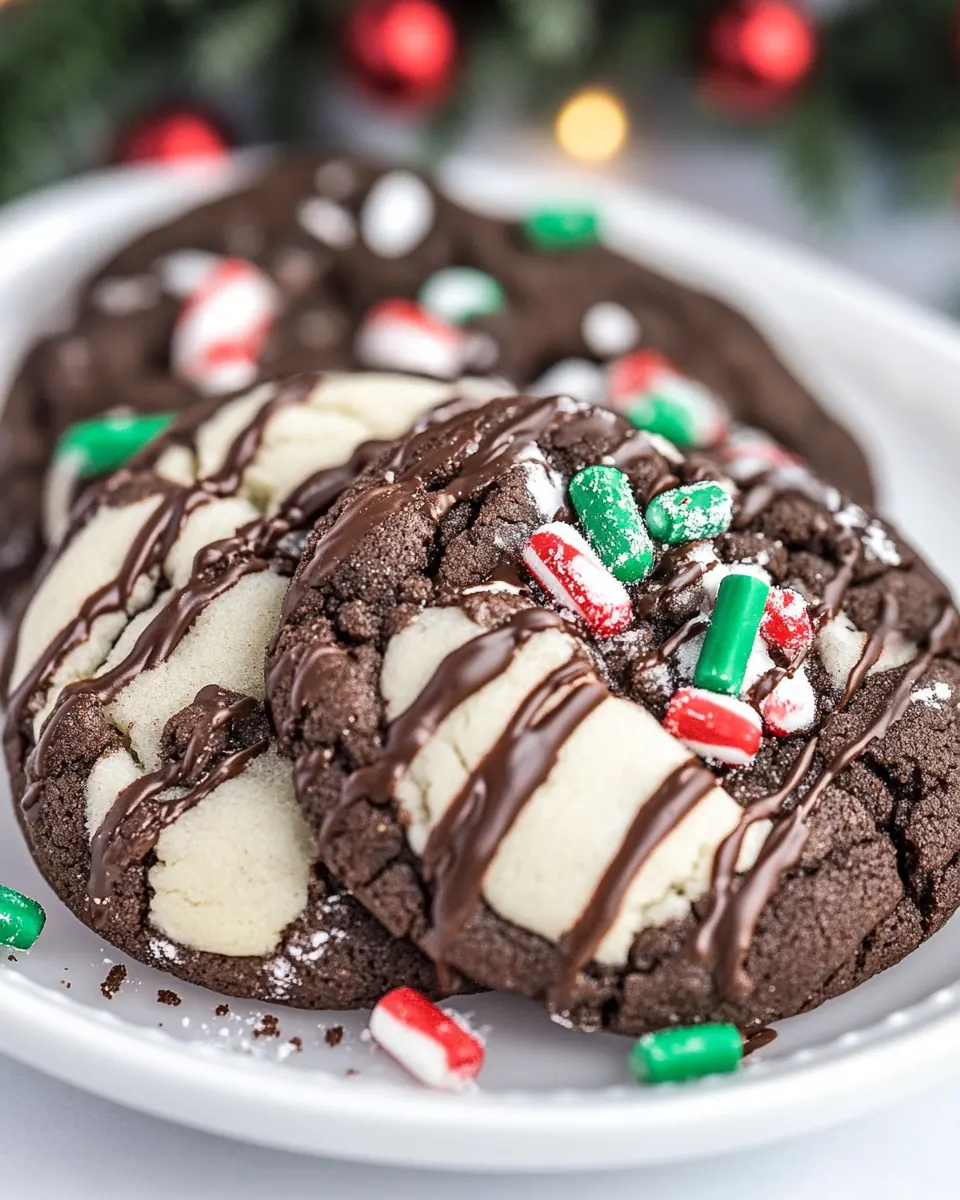
The philosophy behind these ingredients is simple, each one pulls weight in the final cookie. The dry elements build a deep chocolate backbone, the fats and sugars create chew and spread, while the extracts and chocolate layers give aromatic lift and textural contrast. Think of the key players as partners: the cocoa powder and semi-sweet chocolate provide chocolate intensity, the espresso powder enhances that chocolate without tasting like coffee, and the peppermint extract ties everything to a seasonal, refreshing finish.
- 3/4 cup Dutch-process cocoa powder: Provides deep chocolate flavor and smooth color while contributing to the cookie's fudgy texture; Dutch–process cocoa reacts less with leaveners and yields a mellow, less acidic chocolate note. Sifts easily into dry ingredients to prevent clumps and ensures even distribution for consistent flavor throughout the dough.
- 2 cups all-purpose flour: Creates the structural base of the cookies by supplying gluten and bulk; all-purpose flour balances tenderness with chewiness and helps the cookies hold their shape during baking. Measures precisely and is mixed with other dry components to form the dough matrix that captures fats and moisture.
- 2 teaspoons espresso powder: Delivers concentrated coffee and mocha notes that enhance the chocolate flavor without adding liquid; espresso powder intensifies depth and complexity in the cookie's profile. Dissolves into the batter to complement cocoa and balance sweetness with an underlying bitter nuance.
- 1 teaspoon baking powder: Provides gentle lift and helps cookies rise slightly for a tender crumb; baking powder lightens texture and counters density from cocoa and shortening. Activates during baking to create tiny air pockets, improving overall mouthfeel and preventing overly compact cookies.
- 1/2 teaspoons salt: Balances flavor and enhances other ingredients while controlling fermentation and protein interactions; salt sharpens sweetness and rounds out chocolate and peppermint notes. Small amounts improve dough structure and bring forward the cookie's overall taste.
- 1 cup Crisco® All-Vegetable Shortening (1 baking stick): Supplies fat for tender, short texture and contributes to spreading control; Crisco® vegetable shortening yields a soft, cakey crumb and long shelf life compared with butter. Creams with sugar to incorporate air, leading to a consistent, tender bite and stable dough at room temperature.
- 1 and 3/4 cups light brown sugar, packed: Adds moisture, chewiness, and a rich caramel-like sweetness while aiding in browning; packed light brown sugar contributes molasses flavor that complements chocolate and peppermint. Combines with fat to create creamed structure that affects spread and texture of the baked cookies.
- 2 large eggs, at room temperature: Provides moisture, structure, and binding while contributing to leavening and richness; large eggs emulsify fats and liquids for a cohesive dough. Room–temperature eggs blend more evenly, ensuring uniform texture and a tender crumb in the finished cookies.
- 1 teaspoon peppermint extract: Delivers a clear, bright peppermint flavor that characterizes the cookie's seasonal profile; peppermint extract adds strong mint aroma without extra liquid. Measured sparingly to avoid overpowering, it harmonizes with chocolate and candy cane pieces for a refreshing finish.
- 2 tablespoons whole milk: Adjusts dough consistency and adds slight richness to balance solids; whole milk thins batter just enough for proper mixing and tenderness. Contributes minor proteins and fats that improve mouthfeel and help dissolve dry ingredients for an even dough.
- 3.5 ounces semi-sweet chocolate, roughly chopped, melted, and slightly cooled: Introduces intense semi–sweet chocolate pockets and a fudgy richness when folded into the dough; melted and slightly cooled chocolate integrates smoothly for decadent bites. Rough chopping before melting speeds melting and helps achieve uniform texture while adding concentrated chocolate flavor.
- 8 ounces white chocolate, finely chopped: Provides creamy sweetness and visual contrast with white chocolate chunks throughout the cookie; finely chopped white chocolate melts in pockets for buttery, sweet bursts. Disperses through the dough to create textural variety and a sweet counterpoint to dark chocolate and peppermint.
- 4 full-size candy canes, finely chopped: Adds crunchy, minty texture and festive flavor when finely chopped and folded into dough; whole candy canes deliver bright peppermint crystals and visual interest. Sprinkled throughout, they create crunchy bursts and reinforce the peppermint mocha theme with every bite.
Directions for Peppermint Mocha Cookies
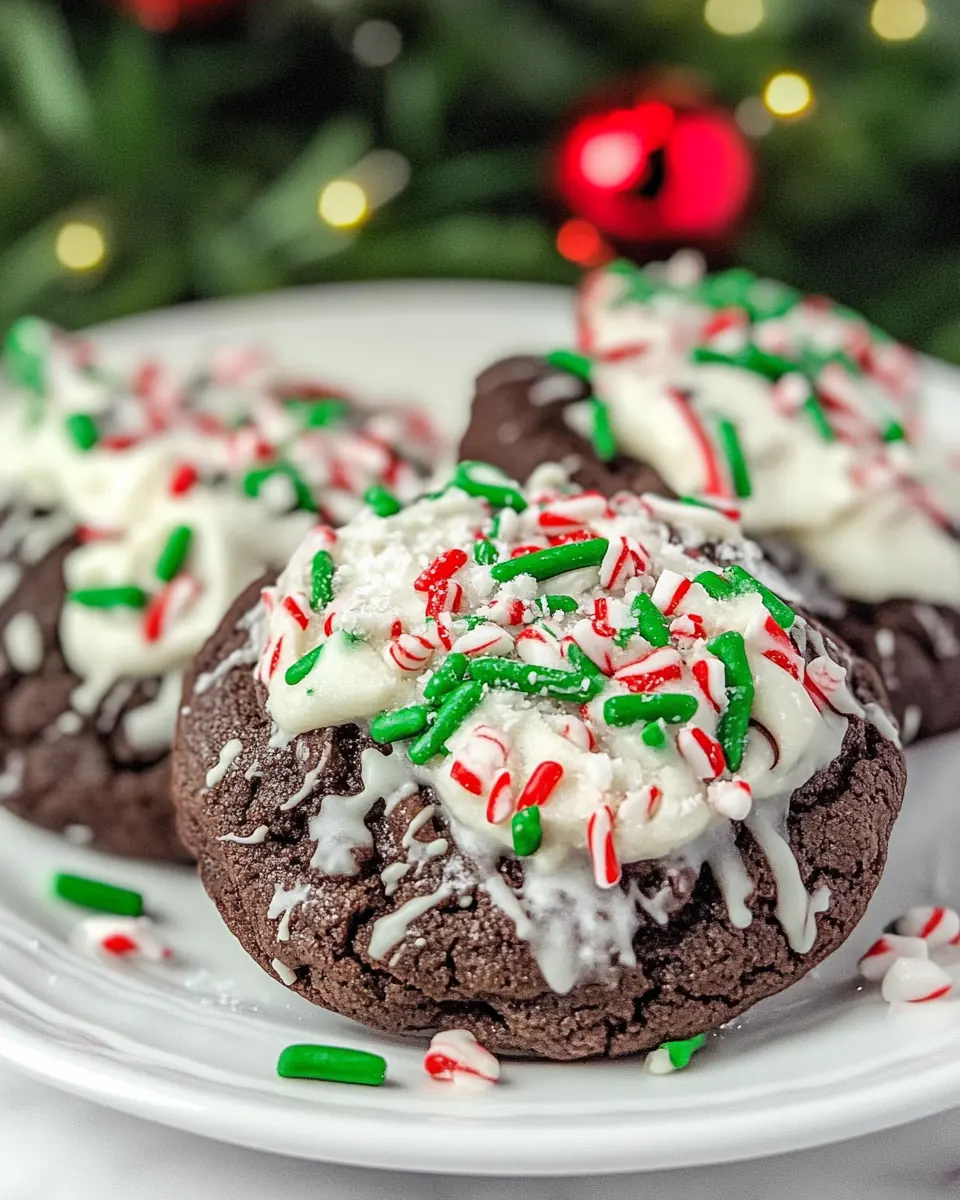
These directions walk you through the recipe with a friendly, conversational voice so you feel confident from mixing bowl to cooling rack. I like to prep my pans and ingredients before starting so the process flows smoothly and I can savor the chocolatey aromas as the cookies bake.
- Preheat oven to 350 degrees (F). Line two large baking sheets with parchment paper and set them aside.: The warm oven smell and the sight of parchment-lined trays always kickstart my baking mood, and ensuring the oven is at exactly 350 degrees F gives consistent rise and set. You should hear the faint hum of the oven coming up to temperature, and the air should feel steady rather than fluctuating, which signals even heat. This matters because cookies baked at an incorrect temperature will spread too much or not set at the edges. A common mistake is not letting the oven fully preheat, leading to uneven texture; wait until the indicator shows full temperature before baking.
- In a medium mixing bowl, whisk together the cocoa powder, flour, espresso powder, baking powder, and salt until well combined. Set aside.: As you sift and whisk, you should notice the dry mix take on a uniform color and texture, the cocoa powder blending into the flour so there are no streaks. This step ensures even distribution of leavening and espresso so each cookie tastes consistent. The dry aroma will be chocolaty with a roasted hint from the espresso powder . If you skip thorough whisking, pockets of baking powder can create odd bumps in the cookies, so take the extra minute to combine well.
- In the bowl of a stand mixer fitted with the paddle attachment, or in a large bowl using a handheld electric mixer, combine the shortening and brown sugar and beat on medium-high speed until light and fluffy, about 3 minutes, scraping down the sides of the bowl as needed. Beat in the eggs, peppermint extract, and milk. Reduce the mixer speed to low and gradually beat in the flour, mixing just until combined. Finally, beat in the chocolate until just combined.: When you cream the shortening with light brown sugar , watch as the mixture becomes paler and slightly aerated, which helps create tender cookies. After adding the eggs , peppermint extract , and milk , the batter will smell faintly minty and sweet. Lowering the mixer to add the dry mix prevents overworking the gluten in the flour , which keeps the cookies tender. Fold in the melted semi–sweet chocolate last so it streaks into the dough and adds pockets of rich flavor. A frequent error is overmixing once the flour is added, which creates dense cookies; stop as soon as the ingredients are integrated.
- Scoop level 1/4 cupfuls of the batter onto the prepared baking sheets, leaving 2 inches between for spreading. The batter will be very sticky, so don't try to handle it with your hands.: Using a 1/4 cup scoop gives generous, bakery style cookies that bake into rounded, slightly domed shapes. The batter's stickiness means it will spread less if you refrigerate briefly, but spacing them about 2 inches allows for natural spreading without merging. Expect the raw dough to be glossy from the chocolate and slightly dense to the touch. Attempting to pat or shape sticky dough by hand can compress air pockets and affect texture, so resist the urge to manipulate them manually.
- Bake, one tray at a time, for 9 to 10 minutes, or until the cookies are set at the edges and slightly puffed. Place the baking pan on a wire rack and allow the cookies to cool completely; about 30 minutes.: While baking you will notice the smell deepen into a warm, chocolate perfume. The edges should look set and slightly firm, while the centers remain just soft to the touch, signaling a chewy interior once cooled. Removing one tray at a time helps maintain even oven temperature for each batch. A common pitfall is overbaking; cookies continue to set as they cool, so err on the shorter end to preserve chewiness.
- Fill a medium pot one-third full with water and bring it to a low simmer over medium heat. Place a heatproof bowl that will fit on top of the pan snugly, but will not touch the simmering water, on top of the pan. Reduce the heat to low and add the chopped chocolate into the bowl over the pot. Heat until the chocolate is completely melted, stirring occasionally with a silicon spatula. Once the chocolate is completely melted, carefully remove the bowl from the heat and pour it into a liquid measuring cup.: Melting the semi–sweet chocolate in a double boiler yields a glossy, smooth texture ideal for dipping. You'll see the chocolate transform from opaque to a shiny, pourable liquid, and the aroma will be richer and less grainy than microwaved chocolate. Keep the water at a gentle simmer to prevent steam from seizing the chocolate. A common error is letting water splash into the bowl; even a small amount of moisture will seize the chocolate into a grainy paste, so be cautious when stirring and removing the bowl.
- Dip one half of each cookie in the melted chocolate, then place it back on the parchment paper lined baking sheet and sprinkle with crushed candy canes. Set aside and allow the chocolate to set, about 1 hour.: As you dip, the glossy chocolate should coat neatly, creating a smooth, reflective surface that contrasts with the cookie's matte crumb. Sprinkling crushed candy canes immediately gives them something to adhere to and introduces a bright, crunchy element. The temperature of the chocolate matters; if it is too hot it may melt the cookie surface, and if it is too cool it will clump. Allowing cookies to set on parchment prevents sticking and keeps the bottoms tidy. Avoid stacking cookies until the chocolate is fully firm, or the decorations will smear.
- Store cookies in an airtight container, at room temperature, for up to 2 days.: Once the chocolate has set, the cookies can be stacked in a single layer or separated with parchment to retain the peppermint crunch. At room temperature they keep their intended texture for a couple of days, after which the candy canes may soften and the cookies can lose their freshly baked snap. If you want to keep them longer, freezing is an option, but be mindful that the peppermint topping can become sticky when thawed if exposed to humidity. The most common mistake is storing them in a warm place, which will soften the chocolate and reduce the crunch.
Tips for Success
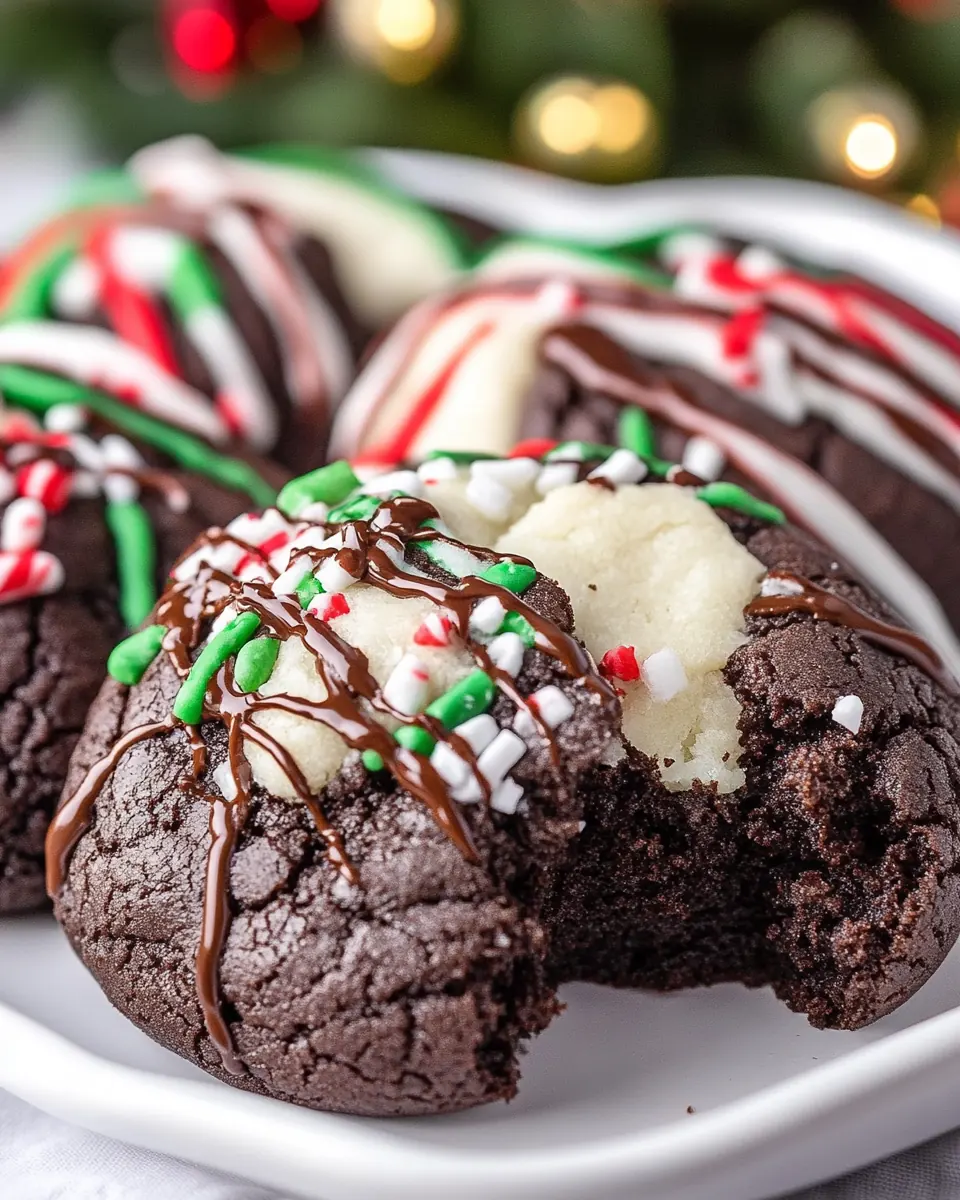
These tips are based on my kitchen trials and will help you get consistent, bakery quality Peppermint Mocha Cookies. Follow them to avoid common pitfalls and to enhance texture, flavor, and presentation.
- Measure flour properly by spooning it into the measuring cup and leveling with a knife to avoid dense cookies from too much flour.
- Cream shortening and brown sugar thoroughly for about 3 minutes so the mixture becomes light and aerated, which contributes to tender texture.
- Do not overmix after adding flour since overworking the dough develops gluten and yields tougher cookies; mix just until combined.
- Use room temperature eggs so they incorporate smoothly into the batter, preventing clumping and ensuring even texture.
- Melt chocolate over low heat and remove from the pot when still warm to the touch to avoid burning and preserve gloss when dipping.
- Space cookies appropriately on the baking sheet, leaving about 2 inches to allow for spreading without merging into one another.
- Cool fully before storing and keep in an airtight container at room temperature for up to 2 days to maintain texture and crunch.
What Complements This Peppermint Mocha Cookies
These serving ideas will help you decide when and how to enjoy Peppermint Mocha Cookies, whether for a festive gathering, a cozy night in, or packaged gifts. I like to think about contrasts and occasions when pairing, so the combinations enhance the cookie without overpowering it.
- Afternoon cocoa pairing: Serve with a warm cup of cocoa or a peppermint hot chocolate for an indulgent afternoon treat, ideal for cold winter afternoons and cozy gatherings.
- Holiday cookie box: Arrange cookies in a decorative tin layered with parchment for gifting during Christmas parties or cookie exchanges, making a beautiful, shareable present.
- Dessert platter: Mix with other lightly flavored cookies on a dessert board, using the peppermint mocha cookies as the bold centerpiece to balance simpler butter cookies.
- Storage tips: Store in an airtight container at room temperature for up to two days, or freeze in a single layer and transfer to a sealed bag for longer keeping; thaw at room temperature before serving.
- Occasion suggestions: Perfect for holiday gatherings, cookie swaps, winter brunches, or after-dinner treats when you want a sweet minty finish that feels celebratory.
- Presentation idea: Place on a slate board with sprigs of fresh evergreen or a scattering of whole candy canes for a festive visual that invites guests to dig in.
FAQ
Conclusion
These Peppermint Mocha Cookies stand out because they balance rich chocolate, subtle espresso depth, and refreshing peppermint into a single, festive cookie that looks as good as it tastes. Give them a try for a holiday gathering or a cozy night in; they are forgiving to make and impressive to serve. I hope you enjoy the ritual of baking, dipping, and sharing these cookies with friends and family, and that they become a warm tradition in your home as they are in mine.
Peppermint Mocha Cookies
Ingredients
Equipment
Method
- Preheat oven to 350 degrees (F). Line two large baking sheets with parchment paper and set them aside.: The warm oven smell and the sight of parchment-lined trays always kickstart my baking mood, and ensuring the oven is at exactly 350 degrees F gives consistent rise and set. You should hear the faint hum of the oven coming up to temperature, and the air should feel steady rather than fluctuating, which signals even heat. This matters because cookies baked at an incorrect temperature will spread too much or not set at the edges. A common mistake is not letting the oven fully preheat, leading to uneven texture; wait until the indicator shows full temperature before baking.
- In a medium mixing bowl, whisk together the cocoa powder, flour, espresso powder, baking powder, and salt until well combined. Set aside.: As you sift and whisk, you should notice the dry mix take on a uniform color and texture, the cocoa powder blending into the flour so there are no streaks. This step ensures even distribution of leavening and espresso so each cookie tastes consistent. The dry aroma will be chocolaty with a roasted hint from the espresso powder . If you skip thorough whisking, pockets of baking powder can create odd bumps in the cookies, so take the extra minute to combine well.
- In the bowl of a stand mixer fitted with the paddle attachment, or in a large bowl using a handheld electric mixer, combine the shortening and brown sugar and beat on medium-high speed until light and fluffy, about 3 minutes, scraping down the sides of the bowl as needed. Beat in the eggs, peppermint extract, and milk. Reduce the mixer speed to low and gradually beat in the flour, mixing just until combined. Finally, beat in the chocolate until just combined.: When you cream the shortening with light brown sugar , watch as the mixture becomes paler and slightly aerated, which helps create tender cookies. After adding the eggs , peppermint extract , and milk , the batter will smell faintly minty and sweet. Lowering the mixer to add the dry mix prevents overworking the gluten in the flour , which keeps the cookies tender. Fold in the melted semi-sweet chocolate last so it streaks into the dough and adds pockets of rich flavor. A frequent error is overmixing once the flour is added, which creates dense cookies; stop as soon as the ingredients are integrated.
- Scoop level 1/4 cupfuls of the batter onto the prepared baking sheets, leaving 2 inches between for spreading. The batter will be very sticky, so don't try to handle it with your hands.: Using a 1/4 cup scoop gives generous, bakery style cookies that bake into rounded, slightly domed shapes. The batter's stickiness means it will spread less if you refrigerate briefly, but spacing them about 2 inches allows for natural spreading without merging. Expect the raw dough to be glossy from the chocolate and slightly dense to the touch. Attempting to pat or shape sticky dough by hand can compress air pockets and affect texture, so resist the urge to manipulate them manually.
- Bake, one tray at a time, for 9 to 10 minutes, or until the cookies are set at the edges and slightly puffed. Place the baking pan on a wire rack and allow the cookies to cool completely; about 30 minutes.: While baking you will notice the smell deepen into a warm, chocolate perfume. The edges should look set and slightly firm, while the centers remain just soft to the touch, signaling a chewy interior once cooled. Removing one tray at a time helps maintain even oven temperature for each batch. A common pitfall is overbaking; cookies continue to set as they cool, so err on the shorter end to preserve chewiness.
- Fill a medium pot one-third full with water and bring it to a low simmer over medium heat. Place a heatproof bowl that will fit on top of the pan snugly, but will not touch the simmering water, on top of the pan. Reduce the heat to low and add the chopped chocolate into the bowl over the pot. Heat until the chocolate is completely melted, stirring occasionally with a silicon spatula. Once the chocolate is completely melted, carefully remove the bowl from the heat and pour it into a liquid measuring cup.: Melting the semi-sweet chocolate in a double boiler yields a glossy, smooth texture ideal for dipping. You'll see the chocolate transform from opaque to a shiny, pourable liquid, and the aroma will be richer and less grainy than microwaved chocolate. Keep the water at a gentle simmer to prevent steam from seizing the chocolate. A common error is letting water splash into the bowl; even a small amount of moisture will seize the chocolate into a grainy paste, so be cautious when stirring and removing the bowl.
- Dip one half of each cookie in the melted chocolate, then place it back on the parchment paper lined baking sheet and sprinkle with crushed candy canes. Set aside and allow the chocolate to set, about 1 hour.: As you dip, the glossy chocolate should coat neatly, creating a smooth, reflective surface that contrasts with the cookie's matte crumb. Sprinkling crushed candy canes immediately gives them something to adhere to and introduces a bright, crunchy element. The temperature of the chocolate matters; if it is too hot it may melt the cookie surface, and if it is too cool it will clump. Allowing cookies to set on parchment prevents sticking and keeps the bottoms tidy. Avoid stacking cookies until the chocolate is fully firm, or the decorations will smear.
- Store cookies in an airtight container, at room temperature, for up to 2 days.: Once the chocolate has set, the cookies can be stacked in a single layer or separated with parchment to retain the peppermint crunch. At room temperature they keep their intended texture for a couple of days, after which the candy canes may soften and the cookies can lose their freshly baked snap. If you want to keep them longer, freezing is an option, but be mindful that the peppermint topping can become sticky when thawed if exposed to humidity. The most common mistake is storing them in a warm place, which will soften the chocolate and reduce the crunch.
Notes
- Measure flour properly by spooning it into the measuring cup and leveling with a knife to avoid dense cookies from too much flour.
- Cream shortening and brown sugar thoroughly for about 3 minutes so the mixture becomes light and aerated, which contributes to tender texture.
- Do not overmix after adding flour since overworking the dough develops gluten and yields tougher cookies; mix just until combined.
- Use room temperature eggs so they incorporate smoothly into the batter, preventing clumping and ensuring even texture.
- Melt chocolate over low heat and remove from the pot when still warm to the touch to avoid burning and preserve gloss when dipping.
- Space cookies appropriately on the baking sheet, leaving about 2 inches to allow for spreading without merging into one another.
- Cool fully before storing and keep in an airtight container at room temperature for up to 2 days to maintain texture and crunch.