Easy No Knead Buttery Parmesan and Sour Cream Bread
Easy No Knead Buttery Parmesan and Sour Cream Bread showed up in my life during a week when I wanted something comforting, simple, and reliably delicious with minimal fuss. I remember juggling a busy morning and craving warm, pull apart slices that felt indulgent yet homey. I pulled ingredients I already had on the counter, and within an hour the kitchen smelled of toasty cheese and melted butter. That little loaf felt like a quiet celebration of pantry staples coming together.
There is a particular joy in recipes that do heavy lifting for you, and Easy No Knead Buttery Parmesan and Sour Cream Bread fits that bill perfectly. I loved how the texture leaned tender and slightly crumbly, with a golden top that begged to be torn apart. Each bite combined the salty tang of Parmesan cheese with a creamy richness from the sour cream, and the melted butter beneath created a slightly crisp, buttery base that made every slice feel decadent.
Recipe Snapshot
29 mins
5 mins
24 mins
Medium
200 kcal
American
Gluten-Free, Low FODMAP
Side Dishes
8×8 baking pan, Aluminum foil, Mixing bowls, Whisk, Spatula
The Beauty of This Easy No Knead Buttery Parmesan and Sour Cream Bread
Comfort without Work
I adore recipes that give maximum comfort for minimal effort. With Easy No Knead Buttery Parmesan and Sour Cream Bread you skip the labor of kneading and still get a satisfying, homemade loaf. I find that freeing when my day is full.
Rich Flavor from Few Ingredients
This bread leans on a handful of star players like Parmesan cheese, sour cream, and butter. They bring layered savory, creamy, and slightly tangy notes, which together create a complex profile that tastes like you spent hours, even though you did not.
Flexible and Forgiving
I love how forgiving the batter is. If it gets a touch too thick, a splash more milk adjusts the texture. If it pools with melted butter in the pan, drizzle it back for richness. That kind of flexibility means fewer disasters and more successes for home cooks.
Fast and Crowd Friendly
This loaf bakes quickly and scales well. When I need a simple addition to a brunch spread, I can double the batch or make it the day ahead and rewarm. It pairs well with spreads and dips, which makes entertaining low stress.
Textural Contrast
The combination of a golden, slightly domed top and a moist, tender interior gives satisfying contrasts in each bite. The scored pieces make sharing easy, so you get neat slices that still look homemade and inviting.
Ingredients Required for Easy No Knead Buttery Parmesan and Sour Cream Bread
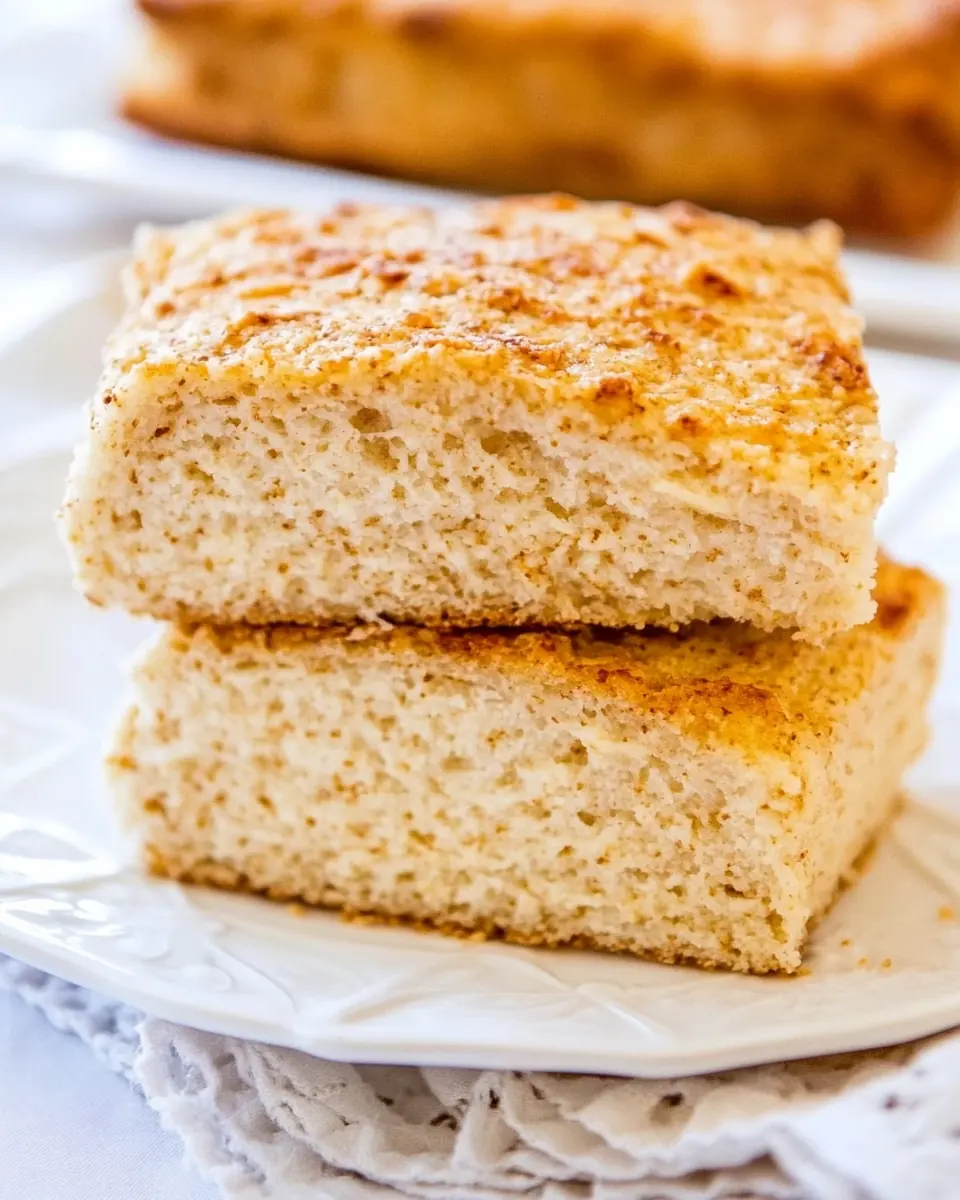
These ingredients are honest and straightforward. I think of them as a small orchestra where each part has a clear role. The all purpose flour creates structure, the Parmesan cheese brings umami and salt, the sour cream adds tenderness and tang, and the butter provides a rich mouthfeel and crisp base. The seasoning and baking powder help flavor and lift, while milk hydrates the mix just enough to create a dense but tender crumb.
- 1/2 cup unsalted butter, melted: Melted provides rich fat and moisture to the dough, yielding a tender crumb and buttery flavor; helps distribute flavor evenly and aids browning during baking.
- 1 1/2 cups all-purpose flour: All-purpose flour supplies the bulk of structure and develops light gluten when mixed, giving the loaf body and chew; sifting or gentle mixing prevents overwork in a no-knead method.
- 1/2 cup Parmesan cheese, grated (or a Parmesan-Romano blend; extra sharp cheddar or similar may be substituted): Grated contributes savory umami and salty depth, enhancing overall flavor and creating pockets of melted cheese within the bread; can influence salt balance depending on blend used.
- 2 tablespoons all-purpose seasoning blend, Mrs. Dash, 21 Salute, Grillmates, etc.: Seasoning blend delivers a concentrated mix of herbs and spices to build aromatic complexity, complementing the cheese and butter; adds layered savory notes without extra prep.
- 1 heaping tablespoon baking powder: Baking powder acts as the chemical leavening agent to help the dough rise without kneading, producing lift and a tender interior; freshness is important for optimal rise.
- 1/2 teaspoons salt, and to taste (consider if your seasoning blend includes salt; and saltiness level of your cheese) (optional): Optional salt adjusts seasoning level and balances flavors, particularly if the cheese or seasoning blend lacks or contributes salt; should be added to taste to avoid oversalting.
- 1 cup milk, plus 1/4 cup or as needed (I used unsweetened almond milk): Milk supplies liquid that hydrates dry ingredients, aids gluten formation, and contributes to a soft crumb and browning from lactose; extra 1/4 cup allows adjustment for dough consistency.
- 1/2 cups sour cream, thick Greek yogurt may be substituted: Sour cream adds acidity, moisture, and richness for a tender, slightly tangy crumb while contributing fat and structure similar to yogurt; thick texture helps create a moist loaf.
Step by Step Guide for Easy No Knead Buttery Parmesan and Sour Cream Bread
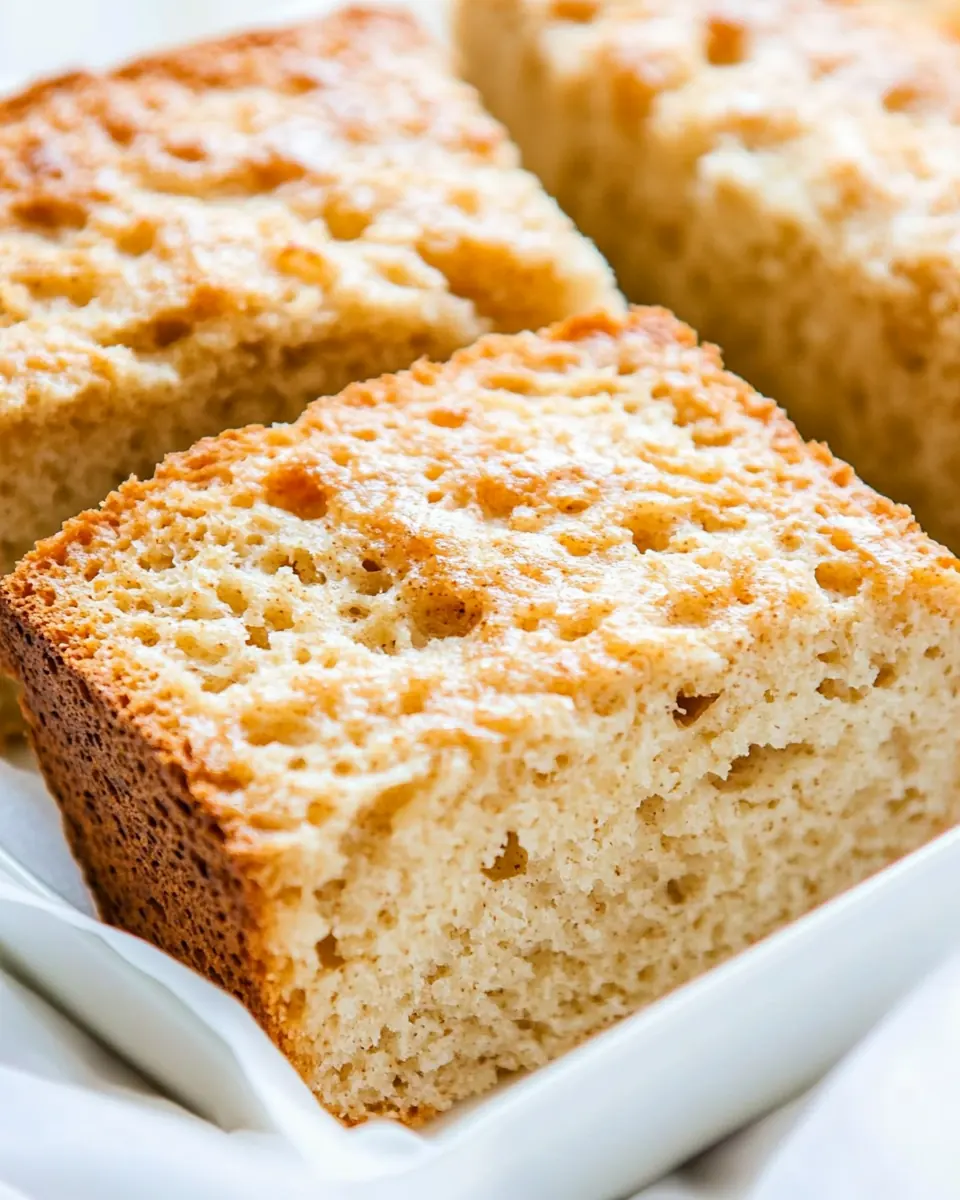
This recipe is approachable and straightforward, so I keep directions conversational and encouraging. I walk you through each movement in the kitchen so you know what to listen for, what aromas to expect, and how to avoid small missteps that can change the outcome.
- Preheat oven to 425 F. Line an 8×8 baking pan with aluminum foil, spray with cooking spray; set aside.: As the oven comes up to heat you will notice the kitchen warming and a faint hum from the oven cycle, which primes the pan and encourages immediate lift in the dough when it hits the hot environment. A properly preheated oven is crucial for achieving a domed top and golden crust, because it activates the baking powder quickly and seals the exterior. Common mistake to avoid, do not skip preheating or place batter in a cool oven, as this can lead to dense, under risen bread. Also, line your 8×8 pan with foil and spray it, ensuring easy removal and preventing sticking.
- In a small microwave-safe bowl, melt the butter, about 1 minute. Pour butter into prepared pan; set aside.: The melted butter will soften and release a warm, nutty aroma as the milk solids brown very slightly, signaling readiness. Pouring warm butter into the pan creates an even coating that crisps during baking. Why this matters, the fat at the base helps create a golden bottom and adds moisture. Troubleshooting tip, if your butter is too hot it could slightly loosen the batter when poured over, so let it cool briefly before adding batter to avoid overly runny edges.
- In a large bowl, combine flour, cheese, seasoning blend, baking powder, optional salt, and whisk to combine; set aside.: When the pan holds the shiny pool of butter , you will see a glossy surface that helps the batter slide and bake evenly. The visual cue is an even layer coating the pan bottom. This step matters because it ensures the loaf picks up rich flavor and a crisp bottom. Common misstep, pouring melted butter into a cold pan can cool and congeal it prematurely, so use a room temperature or preheated pan for best spread.
- In a medium bowl, whisk together 1 cup milk and sour cream until smooth.: As you whisk these dry elements together, you will see a consistent, pale mixture flecked with grated Parmesan cheese and seasoning. Proper distribution is important so the baking powder and seasoning are evenly spread, which leads to uniform rise and flavor. A common mistake is uneven whisking, causing pockets of baking powder or clumps of cheese; take a moment to thoroughly combine for the best bake.
- Pour wet mixture over dry, folding to incorporate. Batter will be very thick, and dense, with lumps. If your batter is so thick it resembles paste, add up to 1/4 cup milk, or as necessary, to thin it out.: As you whisk, the mixture becomes glossy and smooth with a slightly tangy aroma from the sour cream . This slurry hydrates the dry mix and adds tenderness. The reason this step matters is it ensures the dairy is lump free, so dry ingredients incorporate easily. If you see stubborn lumps, whisk a bit longer or use a small whisk to break them up; lumps can cause uneven texture in the finished loaf.
- Carefully turn batter out into pan, right on top of the melted butter. Smooth batter lightly with a spatula and push it into the corners. If some of the butter sloshes up and covers the batter, it’s okay.: You will notice the batter is dense and lumpy as the liquids meet the dry mix, releasing a rich scent from the Parmesan cheese and butter . Folding is gentler than stirring and preserves tenderness, because over working would develop gluten and lead to a tougher crumb. If the batter is paste like and resists movement, add up to 1/4 cup additional milk to reach a thick but scoopable consistency. A common issue here is over folding, which tightens the texture; fold just until combined.
- With a knife, score the batter into 9 pieces (3 horizontal slices, 3 vertical slices); be careful not to slice too deeply and rip the foil. Scoring the batter makes post-baking slicing easier.: As you transfer the thick batter, it may plop and push aside the melted butter , creating pockets. Use a spatula to smooth it lightly and press into corners, creating even thickness. The hot butter beneath will baste the bottom as it bakes, producing a crisp, flavored base. Avoid pressing too vigorously which can create uneven edges; gentle smoothing is all you need.
- Bake for about 22 to 24 minutes, or until bread is set, domed, golden, and a toothpick inserted in the center comes out clean. Allow bread to cool in pan for about 5 minutes before slicing and serving. If any butter pooled in bottom of pan, drizzle it over the top. Serve with butter, cream cheese, olive oil or your favorite dip. Bread is best fresh, but will keep airtight for up to 4 days or in the freezer for up to 3 months.: The surface will look slightly rough and lumpy but even overall, and you may notice small peaks that will brown. Pushing into corners ensures even bake and tidy slices after scoring. This matters because uneven batter thickness leads to overdone edges or underbaked centers. Common mistake, over smoothing which compacts the batter and can reduce tenderness.
- With a knife, score the batter into 9 pieces: Scoring creates visual guides and helps post bake slicing, and you will see shallow grooves on the surface that do not cut through the foil. Light scoring prevents tearing the foil and keeps slices neat. This technique makes sharing easier. If you cut too deeply into the foil you risk messy slices and uneven baking, so aim for shallow lines just through the batter surface.
- Bake for about 22 to 24 minutes, or until bread is set, domed, golden, and a toothpick inserted in the center comes out clean: During baking you will smell the Parmesan cheese toasting and notice a warm, golden dome rising in the pan, which signals proper lift from the baking powder . The crust will develop a golden hue and edges may pull slightly from the foil. This step is essential for structure, as underbaking leaves a gummy interior. A common error is relying solely on time; always check for the toothpick test and that the top is domed and golden before removing.
- Allow bread to cool in pan for about 5 minutes before slicing and serving: Cooling lets steam redistribute, which prevents the crumb from collapsing and makes slicing cleaner. After five minutes, the loaf will still be warm and fragrant with melted butter aromas, and any pooled butter can be drizzled over the top for added richness. Cutting too soon often leads to a crumb that tears and crumbles, so patience here improves presentation and texture.
- If any butter pooled in bottom of pan, drizzle it over the top: The glossy pool can be spooned back for a shiny, indulgent finish that enhances mouthfeel and flavor. This small touch deepens the buttery notes and makes each piece extra inviting. A mistake to avoid is discarding the butter, which contains concentrated flavor you do not want to waste.
- Serve with butter, cream cheese, olive oil or your favorite dip: Warm slices pair beautifully with spreads that echo the bread s savory profile. The crumb will be tender and slightly dense, and adding a creamy topping creates pleasant contrast. One pitfall, over topping can mask the bread s flavor, so add light accompaniments that let the Parmesan cheese and sour cream shine.
- Bread is best fresh, but will keep airtight for up to 4 days or in the freezer for up to 3 months: Stored properly, the loaf retains moisture and flavor. When freezing, wrap tightly to avoid freezer burn. Rewarm slices gently; high heat can dry them out. Avoid repeated reheating which dries the crumb and dulls the cheese notes.
Pro Tips and Tweaks
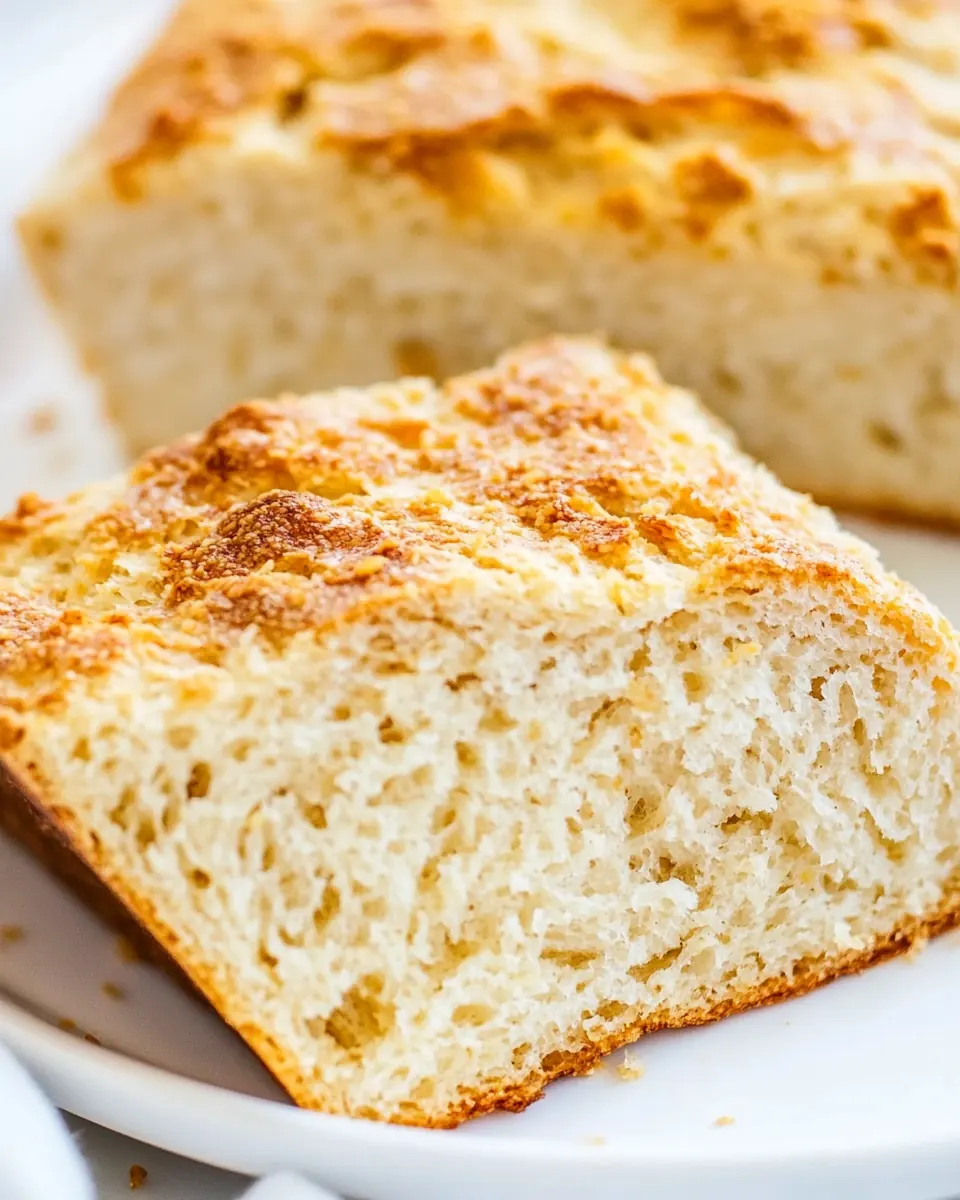
I like to share small adjustments that make this loaf even more reliable and delicious. These tips focus on timing, texture, and flavor balance so you feel confident every bake.
- Use fresh baking powder, because it ensures the loaf rises properly; test it periodically if it s been in your pantry a while.
- Grate your own Parmesan, because pre grated cheese often contains anti caking agents that impact melt and texture; fresh grating gives better flavor and a silkier melt.
- Adjust milk as needed, because humidity and flour brand affect absorption; add the extra 1/4 cup slowly to reach a thick but scoopable batter.
- Line the pan with foil, because it makes removing the loaf effortless and keeps the edges tidy when slicing.
- Score shallowly, because shallow cuts guide slicing without tearing the foil or collapsing the loaf.
Great Combinations for Easy No Knead Buttery Parmesan and Sour Cream Bread
This bread is versatile and pairs beautifully across meals and occasions. Below are ways I like to serve it, with practical storage tips and seasonal ideas that make it a go to for brunch or a cozy weeknight.
- Brunch spread, serve warm slices alongside scrambled eggs and a light salad for a comforting weekend morning that feels special without much effort.
- Appetizer board, include sliced bread on a board with mild cheeses and olives, it s great for casual gatherings and lets guests nibble and chat.
- Soup companion, pair with a bowl of vegetable or tomato based soup for dipping, the bread s buttery base soaks up broth beautifully.
- Make ahead and freeze, wrap slices tightly and freeze up to three months, then rewarm in the oven to refresh texture and flavor for busy days.
- Holiday side, bring it to family meals as an easy, crowd pleasing alternative to rolls; it complements roasted vegetables and heavier mains.
- Storage tip, keep in an airtight container at room temperature for up to four days to maintain freshness and tenderness.
FAQ
Conclusion
This loaf stands out for its ease and the rich, layered flavors that come from a handful of pantry ingredients. It s a reliable, comforting option when you want something special without a lot of effort. Give it a try the next time you want warm, cheesy bread that pulls apart and invites sharing, you might find it becomes a new staple in your rotation.
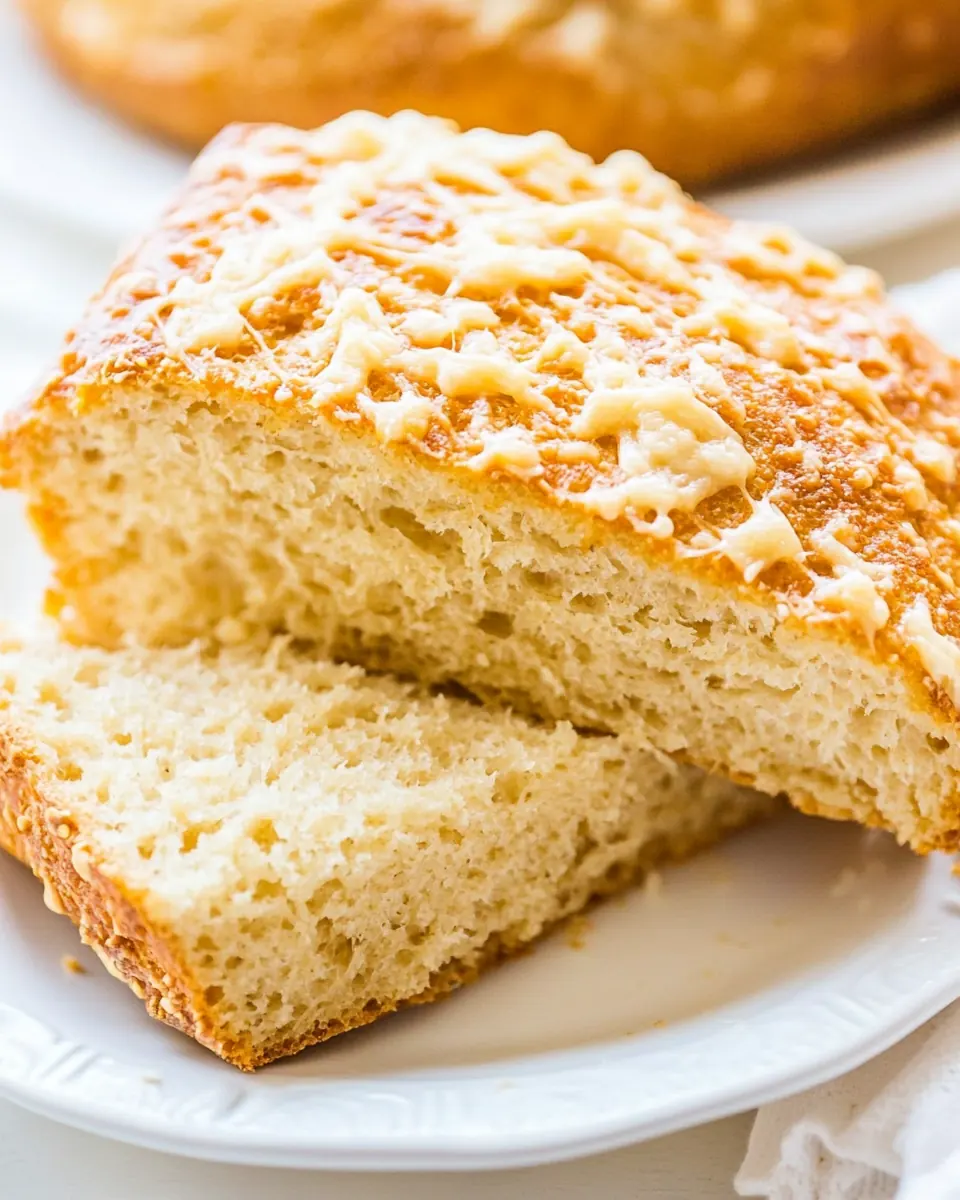
Easy No Knead Buttery Parmesan and Sour Cream Bread
Ingredients
Equipment
Method
- Preheat oven to 425 F. Line an 8×8 baking pan with aluminum foil, spray with cooking spray; set aside.: As the oven comes up to heat you will notice the kitchen warming and a faint hum from the oven cycle, which primes the pan and encourages immediate lift in the dough when it hits the hot environment. A properly preheated oven is crucial for achieving a domed top and golden crust, because it activates the baking powder quickly and seals the exterior. Common mistake to avoid, do not skip preheating or place batter in a cool oven, as this can lead to dense, under risen bread. Also, line your 8x8 pan with foil and spray it, ensuring easy removal and preventing sticking.
- In a small microwave-safe bowl, melt the butter, about 1 minute. Pour butter into prepared pan; set aside.: The melted butter will soften and release a warm, nutty aroma as the milk solids brown very slightly, signaling readiness. Pouring warm butter into the pan creates an even coating that crisps during baking. Why this matters, the fat at the base helps create a golden bottom and adds moisture. Troubleshooting tip, if your butter is too hot it could slightly loosen the batter when poured over, so let it cool briefly before adding batter to avoid overly runny edges.
- In a large bowl, combine flour, cheese, seasoning blend, baking powder, optional salt, and whisk to combine; set aside.: When the pan holds the shiny pool of butter , you will see a glossy surface that helps the batter slide and bake evenly. The visual cue is an even layer coating the pan bottom. This step matters because it ensures the loaf picks up rich flavor and a crisp bottom. Common misstep, pouring melted butter into a cold pan can cool and congeal it prematurely, so use a room temperature or preheated pan for best spread.
- In a medium bowl, whisk together 1 cup milk and sour cream until smooth.: As you whisk these dry elements together, you will see a consistent, pale mixture flecked with grated Parmesan cheese and seasoning. Proper distribution is important so the baking powder and seasoning are evenly spread, which leads to uniform rise and flavor. A common mistake is uneven whisking, causing pockets of baking powder or clumps of cheese; take a moment to thoroughly combine for the best bake.
- Pour wet mixture over dry, folding to incorporate. Batter will be very thick, and dense, with lumps. If your batter is so thick it resembles paste, add up to 1/4 cup milk, or as necessary, to thin it out.: As you whisk, the mixture becomes glossy and smooth with a slightly tangy aroma from the sour cream . This slurry hydrates the dry mix and adds tenderness. The reason this step matters is it ensures the dairy is lump free, so dry ingredients incorporate easily. If you see stubborn lumps, whisk a bit longer or use a small whisk to break them up; lumps can cause uneven texture in the finished loaf.
- Carefully turn batter out into pan, right on top of the melted butter. Smooth batter lightly with a spatula and push it into the corners. If some of the butter sloshes up and covers the batter, it’s okay.: You will notice the batter is dense and lumpy as the liquids meet the dry mix, releasing a rich scent from the Parmesan cheese and butter . Folding is gentler than stirring and preserves tenderness, because over working would develop gluten and lead to a tougher crumb. If the batter is paste like and resists movement, add up to 1/4 cup additional milk to reach a thick but scoopable consistency. A common issue here is over folding, which tightens the texture; fold just until combined.
- With a knife, score the batter into 9 pieces (3 horizontal slices, 3 vertical slices); be careful not to slice too deeply and rip the foil. Scoring the batter makes post-baking slicing easier.: As you transfer the thick batter, it may plop and push aside the melted butter , creating pockets. Use a spatula to smooth it lightly and press into corners, creating even thickness. The hot butter beneath will baste the bottom as it bakes, producing a crisp, flavored base. Avoid pressing too vigorously which can create uneven edges; gentle smoothing is all you need.
- Bake for about 22 to 24 minutes, or until bread is set, domed, golden, and a toothpick inserted in the center comes out clean. Allow bread to cool in pan for about 5 minutes before slicing and serving. If any butter pooled in bottom of pan, drizzle it over the top. Serve with butter, cream cheese, olive oil or your favorite dip. Bread is best fresh, but will keep airtight for up to 4 days or in the freezer for up to 3 months.: The surface will look slightly rough and lumpy but even overall, and you may notice small peaks that will brown. Pushing into corners ensures even bake and tidy slices after scoring. This matters because uneven batter thickness leads to overdone edges or underbaked centers. Common mistake, over smoothing which compacts the batter and can reduce tenderness.
- With a knife, score the batter into 9 pieces: Scoring creates visual guides and helps post bake slicing, and you will see shallow grooves on the surface that do not cut through the foil. Light scoring prevents tearing the foil and keeps slices neat. This technique makes sharing easier. If you cut too deeply into the foil you risk messy slices and uneven baking, so aim for shallow lines just through the batter surface.
- Bake for about 22 to 24 minutes, or until bread is set, domed, golden, and a toothpick inserted in the center comes out clean: During baking you will smell the Parmesan cheese toasting and notice a warm, golden dome rising in the pan, which signals proper lift from the baking powder . The crust will develop a golden hue and edges may pull slightly from the foil. This step is essential for structure, as underbaking leaves a gummy interior. A common error is relying solely on time; always check for the toothpick test and that the top is domed and golden before removing.
- Allow bread to cool in pan for about 5 minutes before slicing and serving: Cooling lets steam redistribute, which prevents the crumb from collapsing and makes slicing cleaner. After five minutes, the loaf will still be warm and fragrant with melted butter aromas, and any pooled butter can be drizzled over the top for added richness. Cutting too soon often leads to a crumb that tears and crumbles, so patience here improves presentation and texture.
- If any butter pooled in bottom of pan, drizzle it over the top: The glossy pool can be spooned back for a shiny, indulgent finish that enhances mouthfeel and flavor. This small touch deepens the buttery notes and makes each piece extra inviting. A mistake to avoid is discarding the butter, which contains concentrated flavor you do not want to waste.
- Serve with butter, cream cheese, olive oil or your favorite dip: Warm slices pair beautifully with spreads that echo the bread s savory profile. The crumb will be tender and slightly dense, and adding a creamy topping creates pleasant contrast. One pitfall, over topping can mask the bread s flavor, so add light accompaniments that let the Parmesan cheese and sour cream shine.
- Bread is best fresh, but will keep airtight for up to 4 days or in the freezer for up to 3 months: Stored properly, the loaf retains moisture and flavor. When freezing, wrap tightly to avoid freezer burn. Rewarm slices gently; high heat can dry them out. Avoid repeated reheating which dries the crumb and dulls the cheese notes.
Notes
- Use fresh baking powder, because it ensures the loaf rises properly; test it periodically if it s been in your pantry a while.
- Grate your own Parmesan, because pre grated cheese often contains anti caking agents that impact melt and texture; fresh grating gives better flavor and a silkier melt.
- Adjust milk as needed, because humidity and flour brand affect absorption; add the extra 1/4 cup slowly to reach a thick but scoopable batter.
- Line the pan with foil, because it makes removing the loaf effortless and keeps the edges tidy when slicing.
- Score shallowly, because shallow cuts guide slicing without tearing the foil or collapsing the loaf.