Preheat oven to 425 F. Line an 8×8 baking pan with aluminum foil, spray with cooking spray; set aside.: As the oven comes up to heat you will notice the kitchen warming and a faint hum from the oven cycle, which primes the pan and encourages immediate lift in the dough when it hits the hot environment. A properly preheated oven is crucial for achieving a domed top and golden crust, because it activates the baking powder quickly and seals the exterior. Common mistake to avoid, do not skip preheating or place batter in a cool oven, as this can lead to dense, under risen bread. Also, line your 8x8 pan with foil and spray it, ensuring easy removal and preventing sticking.
In a small microwave-safe bowl, melt the butter, about 1 minute. Pour butter into prepared pan; set aside.: The melted butter will soften and release a warm, nutty aroma as the milk solids brown very slightly, signaling readiness. Pouring warm butter into the pan creates an even coating that crisps during baking. Why this matters, the fat at the base helps create a golden bottom and adds moisture. Troubleshooting tip, if your butter is too hot it could slightly loosen the batter when poured over, so let it cool briefly before adding batter to avoid overly runny edges.
In a large bowl, combine flour, cheese, seasoning blend, baking powder, optional salt, and whisk to combine; set aside.: When the pan holds the shiny pool of butter , you will see a glossy surface that helps the batter slide and bake evenly. The visual cue is an even layer coating the pan bottom. This step matters because it ensures the loaf picks up rich flavor and a crisp bottom. Common misstep, pouring melted butter into a cold pan can cool and congeal it prematurely, so use a room temperature or preheated pan for best spread.
In a medium bowl, whisk together 1 cup milk and sour cream until smooth.: As you whisk these dry elements together, you will see a consistent, pale mixture flecked with grated Parmesan cheese and seasoning. Proper distribution is important so the baking powder and seasoning are evenly spread, which leads to uniform rise and flavor. A common mistake is uneven whisking, causing pockets of baking powder or clumps of cheese; take a moment to thoroughly combine for the best bake.
Pour wet mixture over dry, folding to incorporate. Batter will be very thick, and dense, with lumps. If your batter is so thick it resembles paste, add up to 1/4 cup milk, or as necessary, to thin it out.: As you whisk, the mixture becomes glossy and smooth with a slightly tangy aroma from the sour cream . This slurry hydrates the dry mix and adds tenderness. The reason this step matters is it ensures the dairy is lump free, so dry ingredients incorporate easily. If you see stubborn lumps, whisk a bit longer or use a small whisk to break them up; lumps can cause uneven texture in the finished loaf.
Carefully turn batter out into pan, right on top of the melted butter. Smooth batter lightly with a spatula and push it into the corners. If some of the butter sloshes up and covers the batter, it’s okay.: You will notice the batter is dense and lumpy as the liquids meet the dry mix, releasing a rich scent from the Parmesan cheese and butter . Folding is gentler than stirring and preserves tenderness, because over working would develop gluten and lead to a tougher crumb. If the batter is paste like and resists movement, add up to 1/4 cup additional milk to reach a thick but scoopable consistency. A common issue here is over folding, which tightens the texture; fold just until combined.
With a knife, score the batter into 9 pieces (3 horizontal slices, 3 vertical slices); be careful not to slice too deeply and rip the foil. Scoring the batter makes post-baking slicing easier.: As you transfer the thick batter, it may plop and push aside the melted butter , creating pockets. Use a spatula to smooth it lightly and press into corners, creating even thickness. The hot butter beneath will baste the bottom as it bakes, producing a crisp, flavored base. Avoid pressing too vigorously which can create uneven edges; gentle smoothing is all you need.
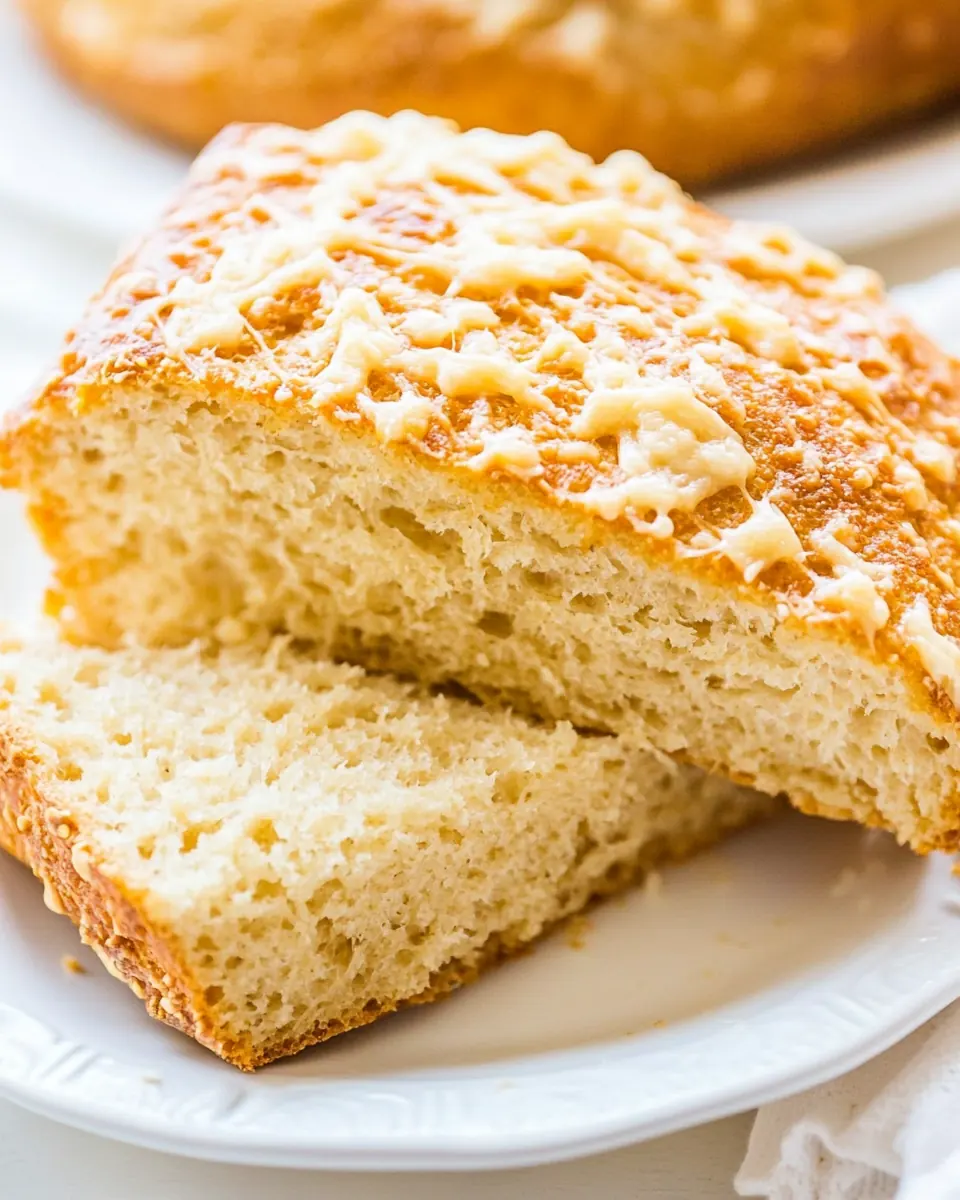
Bake for about 22 to 24 minutes, or until bread is set, domed, golden, and a toothpick inserted in the center comes out clean. Allow bread to cool in pan for about 5 minutes before slicing and serving. If any butter pooled in bottom of pan, drizzle it over the top. Serve with butter, cream cheese, olive oil or your favorite dip. Bread is best fresh, but will keep airtight for up to 4 days or in the freezer for up to 3 months.: The surface will look slightly rough and lumpy but even overall, and you may notice small peaks that will brown. Pushing into corners ensures even bake and tidy slices after scoring. This matters because uneven batter thickness leads to overdone edges or underbaked centers. Common mistake, over smoothing which compacts the batter and can reduce tenderness.
With a knife, score the batter into 9 pieces: Scoring creates visual guides and helps post bake slicing, and you will see shallow grooves on the surface that do not cut through the foil. Light scoring prevents tearing the foil and keeps slices neat. This technique makes sharing easier. If you cut too deeply into the foil you risk messy slices and uneven baking, so aim for shallow lines just through the batter surface.
Bake for about 22 to 24 minutes, or until bread is set, domed, golden, and a toothpick inserted in the center comes out clean: During baking you will smell the Parmesan cheese toasting and notice a warm, golden dome rising in the pan, which signals proper lift from the baking powder . The crust will develop a golden hue and edges may pull slightly from the foil. This step is essential for structure, as underbaking leaves a gummy interior. A common error is relying solely on time; always check for the toothpick test and that the top is domed and golden before removing.
Allow bread to cool in pan for about 5 minutes before slicing and serving: Cooling lets steam redistribute, which prevents the crumb from collapsing and makes slicing cleaner. After five minutes, the loaf will still be warm and fragrant with melted butter aromas, and any pooled butter can be drizzled over the top for added richness. Cutting too soon often leads to a crumb that tears and crumbles, so patience here improves presentation and texture.
If any butter pooled in bottom of pan, drizzle it over the top: The glossy pool can be spooned back for a shiny, indulgent finish that enhances mouthfeel and flavor. This small touch deepens the buttery notes and makes each piece extra inviting. A mistake to avoid is discarding the butter, which contains concentrated flavor you do not want to waste.
Serve with butter, cream cheese, olive oil or your favorite dip: Warm slices pair beautifully with spreads that echo the bread s savory profile. The crumb will be tender and slightly dense, and adding a creamy topping creates pleasant contrast. One pitfall, over topping can mask the bread s flavor, so add light accompaniments that let the Parmesan cheese and sour cream shine.
Bread is best fresh, but will keep airtight for up to 4 days or in the freezer for up to 3 months: Stored properly, the loaf retains moisture and flavor. When freezing, wrap tightly to avoid freezer burn. Rewarm slices gently; high heat can dry them out. Avoid repeated reheating which dries the crumb and dulls the cheese notes.