Eggless Chocolate Cupcakes
Eggless Chocolate Cupcakes arrived in my life on a rainy afternoon when a neighbor knocked with a box of desserts and a confession about being out of eggs. I laughed and insisted I could improvise, because I always keep a few pantry tricks up my sleeve. That first batch taught me how forgiving batter can be when you focus on balance, and how a simple swap can still yield deep chocolate flavor and tender crumb.
Over the years I have tweaked this version until it feels like a small ritual, one I turn to when I want something comforting but not complicated. I remember stirring warm coffee into the batter one evening, and how the kitchen filled with a rich, almost caramel note that made the whole house slow down. Friends who tasted these were surprised they were eggless, and that is the kind of kitchen magic I love: honest ingredients making something unexpectedly wonderful.
Recipe Snapshot
60 mins
40 mins
20 mins
Medium
200 kcal
American
Gluten-Free, Low FODMAP
Desserts
mixing bowls, whisk, cupcake pan, ice cream scoop, saucepan, mixer, wire rack, pastry bag
The Appeal of This Eggless Chocolate Cupcakes
They are reliably tender and moist
I love that Eggless Chocolate Cupcakes stay soft for days when stored properly. The combination of olive oil and sweetened condensed milk replaces what eggs usually do, and the result is a texture that feels plush on the tongue, without being gummy. When I test recipes I pay attention to crumb structure, and this one holds together without collapsing, which means it travels well to picnics or potlucks.
The flavor is surprisingly complex
Using warm coffee in the batter deepens the chocolate notes, and the semi sweet chocolate chips folded into the frosting base add pockets of molten chocolate that sing when you bite in. I shy away from overt sweetness, so the interplay between granulated sugar and cocoa feels balanced, creating a multi dimensional chocolate profile that keeps you reaching for one more bite.
Simple pantry ingredients, big payoff
What thrills me is that these cupcakes ask for no exotic items. The staples listed are ones I usually have on the shelf, so they are a perfect last minute dessert. The recipe scales easily, and I often double it when I know company is coming. There is real comfort in being able to bake something impressive with ingredients you do not have to hunt down.
Frosting that feels luxurious without fuss
The cooked chocolate and egg yolk based topping, finished into whipped butter, gives a ganache like richness that feels indulgent. I find the technique of tempering and cooling before whipping crucial, because it ensures a stable, silky frosting that pipes beautifully. When I was learning this method I made the mistake of adding warm chocolate to cold butter, and it split; that taught me patience matters in small but meaningful ways.
Adaptable and crowd friendly
Finally, these Eggless Chocolate Cupcakes are versatile. I have served them at birthdays, casual tea times, and holiday gatherings. They photograph well, which is not irrelevant if you love sharing on social media, and they feed a crowd without requiring a long time at the stove. For me, a recipe that is both reliable and loved by others is a keeper, and these cupcakes have earned a permanent spot in my rotation.
Ingredients You’ll Need for Eggless Chocolate Cupcakes
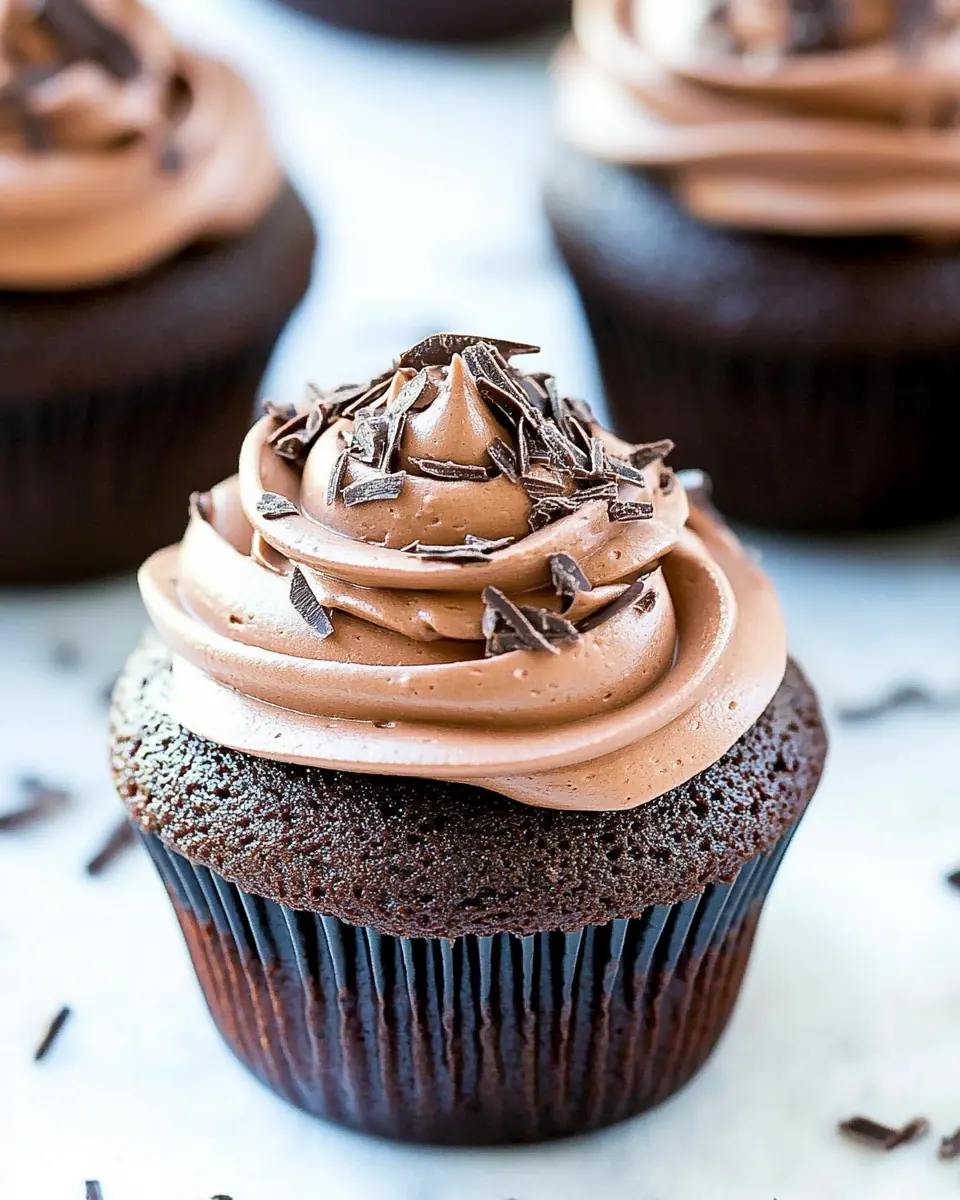
I believe a great cupcake starts with a short list of trustworthy players. These ingredients work together to build structure, moisture, and layered chocolate flavor. The dry elements provide the frame, the liquids and fats supply tenderness and mouthfeel, and a few targeted extras boost chocolate depth so each bite feels intentionally crafted.
- 1 1/2 cups all-purpose flour: Provide structure and bulk to the batter, forming the base of the cupcakes; sift to avoid lumps and ensure even texture. Combine with dry ingredients to create gluten networks that trap air for lightness while remaining tender when not overmixed. Measure accurately to maintain proper ratio with liquids and leaveners for consistent rise and crumb.
- 1/4 cup unsweetened cocoa powder: Add deep chocolate flavor and slightly dry richness to the batter while intensifying the cocoa profile; sift with flour to prevent clumps. Contribute color and a subtle bitter note that balances sweetness, enhancing overall chocolate perception. Use unsweetened cocoa to control sugar levels and allow other sweeteners to shine.
- 1 cup granulated sugar: Sweeten the cupcakes and assist with moisture retention, helping provide tenderness and caramelized flavor during baking. Dissolve into wet ingredients to ensure even sweetness throughout the batter and promote browning of the crumb. Adjust level carefully since it affects texture, structure, and perceived sweetness of the final cake.
- 1 tsp baking soda: Leaven the batter by releasing carbon dioxide when activated by acid and moisture, helping cupcakes rise and become light. Help neutralize acidic components and work in concert with vinegar or other acidic ingredients to produce lift. Use the correct amount to avoid soapy or metallic off-flavors while ensuring proper volume.
- 1/2 tsp salt: Enhance overall flavor balance by subtly amplifying sweetness and reducing bitterness, while also strengthening gluten formation slightly. Assist in controlling yeast or chemical reactions by moderating pH in the batter, contributing to proper rise and color. Measure sparingly to avoid overly salty taste that would dominate the cake.
- 1 cup warm coffee: Provide liquid, warmth, and additional depth of flavor; warm coffee intensifies chocolate notes through flavor synergy with cocoa. Thin the batter to the proper consistency for even mixing and help dissolve sugar, speeding chemical leavening reactions. Use at the right temperature to marry ingredients without cooking sensitive components prematurely.
- 1 tbsp white distilled vinegar: React with baking soda to produce carbon dioxide, aiding leavening and contributing to a tender crumb in the eggless recipe. Add mild acidity that balances the batter and enhances flavor complexity without adding sweetness. Measure precisely to ensure consistent texture and avoid excess tang.
- 2 tsp vanilla extract: Contribute aromatic sweetness and enhance the overall flavor profile by complementing chocolate and masking any acidic edges. Add a rounded, warm fragrance that layers with other flavors and helps create perceived richness. Use pure extract for the cleanest, most consistent result.
- 1/3 cup olive oil, not extra virgin: Provide tenderizing fat and help create a moist, rich crumb while allowing for a smooth batter; use light olive oil to avoid intense fruity flavors. Contribute to moistness and extend shelf life by coating flour proteins, reducing gluten toughness. Pour at room temperature to blend smoothly with other wet ingredients for uniform texture.
- 2 sticks of butter or 1 cup, must be at room temperature: Contribute rich, creamy fat and help create emulsion, structure, and flavor depth in the cupcakes; room–temperature butter creams evenly with sugar. Provide tenderness, mouthfeel, and aid in leavening by trapping air when creamed, while also promoting golden color during baking. Use specified amount to balance fat ratio and ensure proper crumb and richness.
- 1/3 cup sweetened condensed milk: Add concentrated sweetness and silky body, contributing to moistness and chew while providing a subtle caramel note. Help reduce overall water activity and enhance shelf stability, improving texture and richness in the final cupcakes. Incorporate smoothly into the wet mixture for uniform sweetness and creaminess.
- 3 egg yolks: Supply richness, emulsification, and binding without the whites, concentrating yolk fat and lecithin to improve texture and mouthfeel. Intensify color and provide a custard-like silkiness that increases tenderness and richness in the crumb. Beat in gently to distribute fat and ensure smooth incorporation into batter.
- 1/4 cup water: Adjust batter consistency and provide additional hydration for proper mixing and leavening reactions; helps achieve desired batter viscosity. Facilitate dissolution of dry ingredients and mild steam generation during baking for lift and moist crumb. Use measured amounts to maintain balance between wet and dry components.
- 1/3 cup semi-sweet chocolate chips: Introduce pockets of melted chocolate flavor and varied texture, enhancing overall chocolate intensity and offering pleasant bites in the cupcake. Soften and partially melt during baking, creating streaks of chocolate and added richness without overpowering the batter. Fold in near the end to preserve chip shape and distribution.
Preparation Steps for Eggless Chocolate Cupcakes
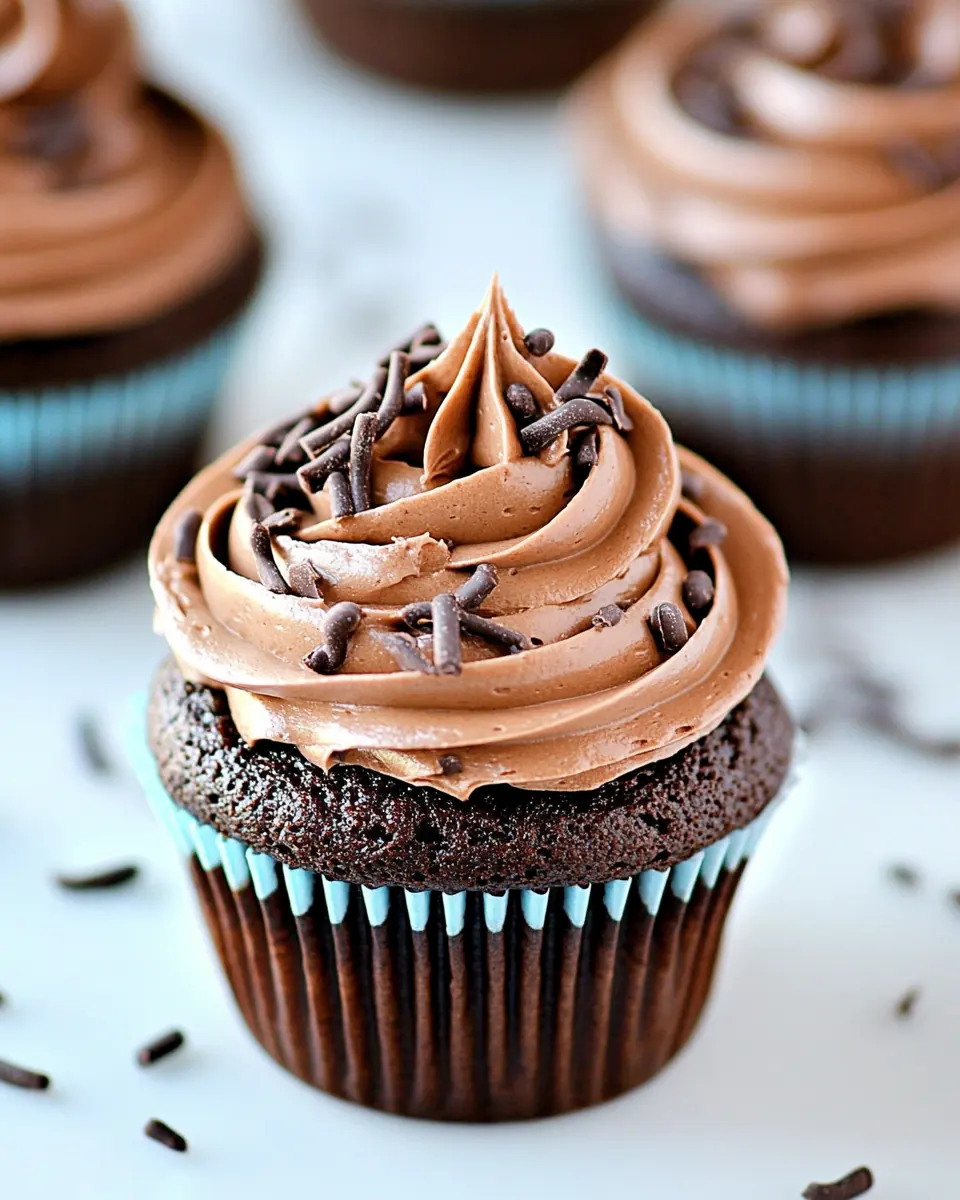
These steps walk you through the batter, baking, and finishing the frosting. I like to work with mise en place so everything is within reach, and I encourage you to read each step fully before starting so you feel confident. The goal is textured cupcakes with a silky, chocolate frosting.
- In a large bowl whisk together 1 1/2 cups flour, 1/4 cup cocoa powder, 1 cup sugar, 1 tsp baking soda and 1/2 tsp salt.: The moment you start combining the dry ingredients you'll notice the chocolate powder releasing its scent, a dusty cocoa note that promises depth. Mixing these thoroughly ensures the leavening is evenly distributed so each cupcake rises uniformly, and sifting or whisking breaks up any clumps of cocoa which can otherwise create dry pockets. A good sensory cue here is the uniform color and the absence of streaks when you scoop some into a bowl. Avoid over whisking into a frothy stage, because that can incorporate air that collapses later, leaving uneven domes; gentle, even strokes are best.
- In a separate bowl, mix together 1 cup coffee, 1 tbsp vinegar, 2 tsp vanilla extract and 1/3 cup olive oil.: As you stir the warm coffee with the vinegar and olive oil , the aroma shifts from bitter roast to an inviting blend of toasted notes and a subtle tang. The vinegar reacts with the baking soda to create tiny bubbles that help lift the cupcakes, while the oil contributes to a moist, tender crumb. The mixture should look cohesive, with the oil dispersed rather than floating in a separate layer; if it separates, whisk a bit longer. A typical mistake is using coffee that is too hot, which can affect other ingredients later, so aim for warm, not steaming.
- Whisk the wet ingredients into the dry ingredients just until they come together.: When you fold the wet into the dry you will feel the batter thicken and the scent of chocolate and coffee deepen, signaling that flavors are marrying. Use a folding motion to avoid over developing gluten, which would make the cupcakes tough. The correct texture is a smooth, slightly thick batter that pours slowly from the spoon, with no large lumps of dry flour. If you overmix, you will notice a gluey sheen and denser texture after baking, so stop when just combined for the lightest crumb.
- Use an ice cream scoop to pour batter into your lined cupcake pan; they should be about 2/3 full. Bake 18-20 minutes on the center rack or until a toothpick comes out clean. Let cool in the pan 5 minutes and remove to cool on a rack.: As the cupcakes bake the kitchen fills with roasted chocolate and coffee perfume, and you should see the edges pull slightly away from the liners when they are done. A toothpick inserted into the center should come out with a few moist crumbs, not raw batter, which is the best indicator of doneness. Allowing them to cool briefly in the pan helps them set so they do not tear when removed, but leaving them too long can trap steam and make bottoms soggy, so transfer to a rack after five minutes for even cooling.
- In a small saucepan, whisk together 3 reserved egg yolks, 1/4 cup water, and 1/3 cup condensed milk.: This mixture will become the heart of your frosting, and as you whisk it begins to gain sheen and cohesion. Keep the heat low at first to allow the yolks to warm gradually, which prevents curdling; the texture should feel silkier as the sugars dissolve and the mixture loosens. A good check is to feel the saucepan's base for gentle warmth rather than a rapid simmer. Rushing this step with high heat risks scrambled yolks and a grainy finish, so patience and steady whisking are essential.
- Start heating the pan over low heat and gradually increase the heat until it’s just letting off steam but not boiling. Whisk constantly until your mixture is the consistency of raw condensed milk. Remove the mixture from heat and immediately stir in 2 oz chocolate, whisking until smooth. Let your mixture cool off to room temperature.: As the mixture thickens you will notice it cling more to the whisk and develop a glossy look, signaling it is concentrating. Stirring constantly prevents hot spots and gives you a uniform texture; when it reaches a syrupy thickness similar to condensed milk you can remove it from heat. Adding the chocolate off the heat and whisking makes a velvety emulsion; if you add chocolate while the pan is too hot you can scorch it, resulting in graininess. Cooling to room temperature ensures you do not melt the butter later when combining, which would create a loose frosting.
- In a separate bowl, beat butter on high speed for 5 minutes. Once chocolate is cooled to room temp, add it to the butter and beat together for an extra 3 minutes.: Whipping the butter aerates it into a pale, fluffy base that gives the frosting lift. When you fold in the cooled chocolate mixture you should hear a softer, silkier sound from the mixer and see a glossy, smooth frosting forming; the color will deepen to a uniform chocolate hue. The sensory cue is a light, airy texture that still holds shape on the beaters. If your butter was too warm the frosting will be loose, and if too cold it will clump, so room temperature is crucial to avoid separation or a grainy finish.
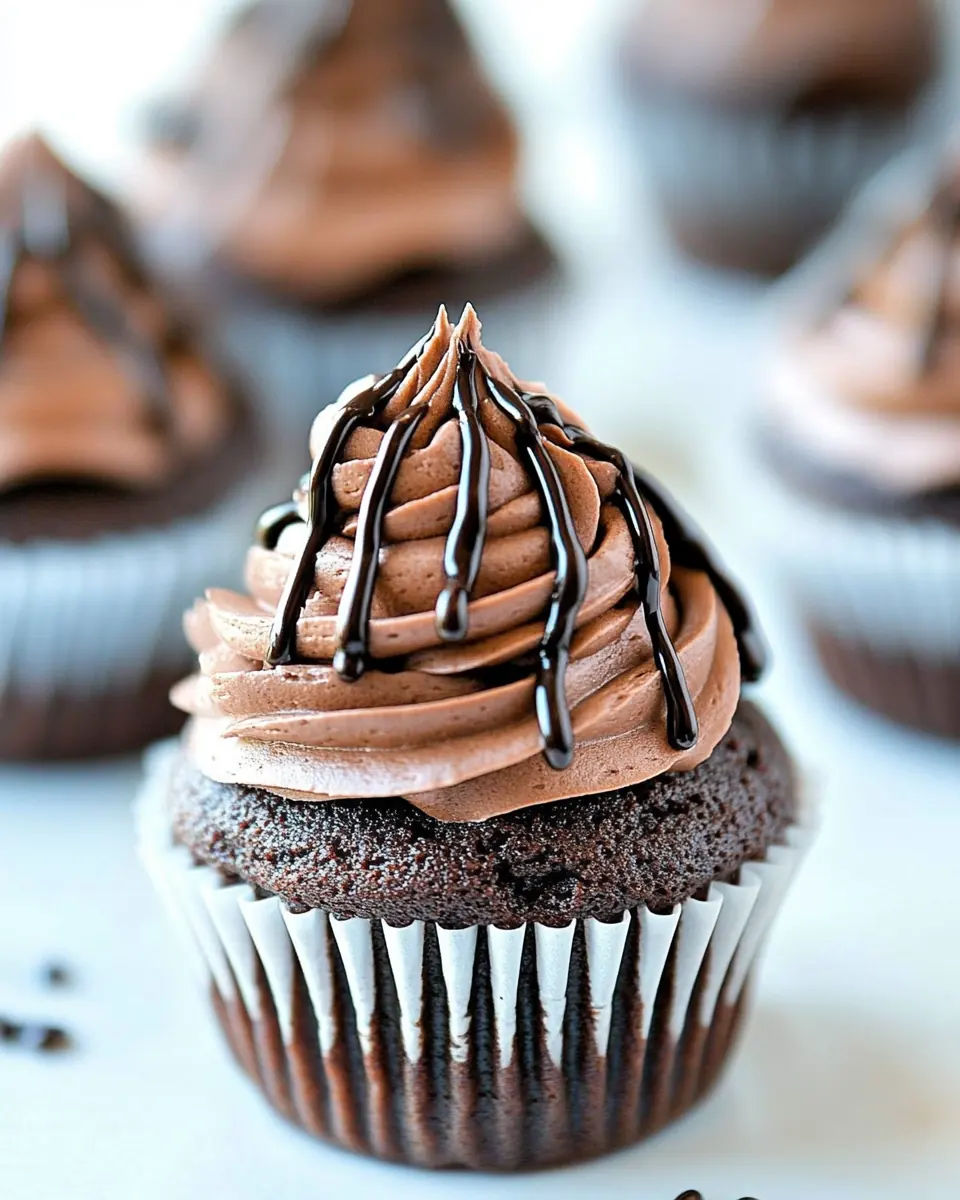
- Pipe the frosting onto your cupcakes with whatever frosting tip your heart desires.: As you pipe, watch the frosting hold crisp edges and a satin shine, which signals a stable emulsion. The piping motion should feel smooth and controlled, producing attractive swirls that keep their form. If the frosting slides or collapses, refrigerate briefly to firm it up before continuing. A common misstep is overfilling the pastry bag which makes piping awkward, so fill it about two thirds full for best control.
Helpful Hints
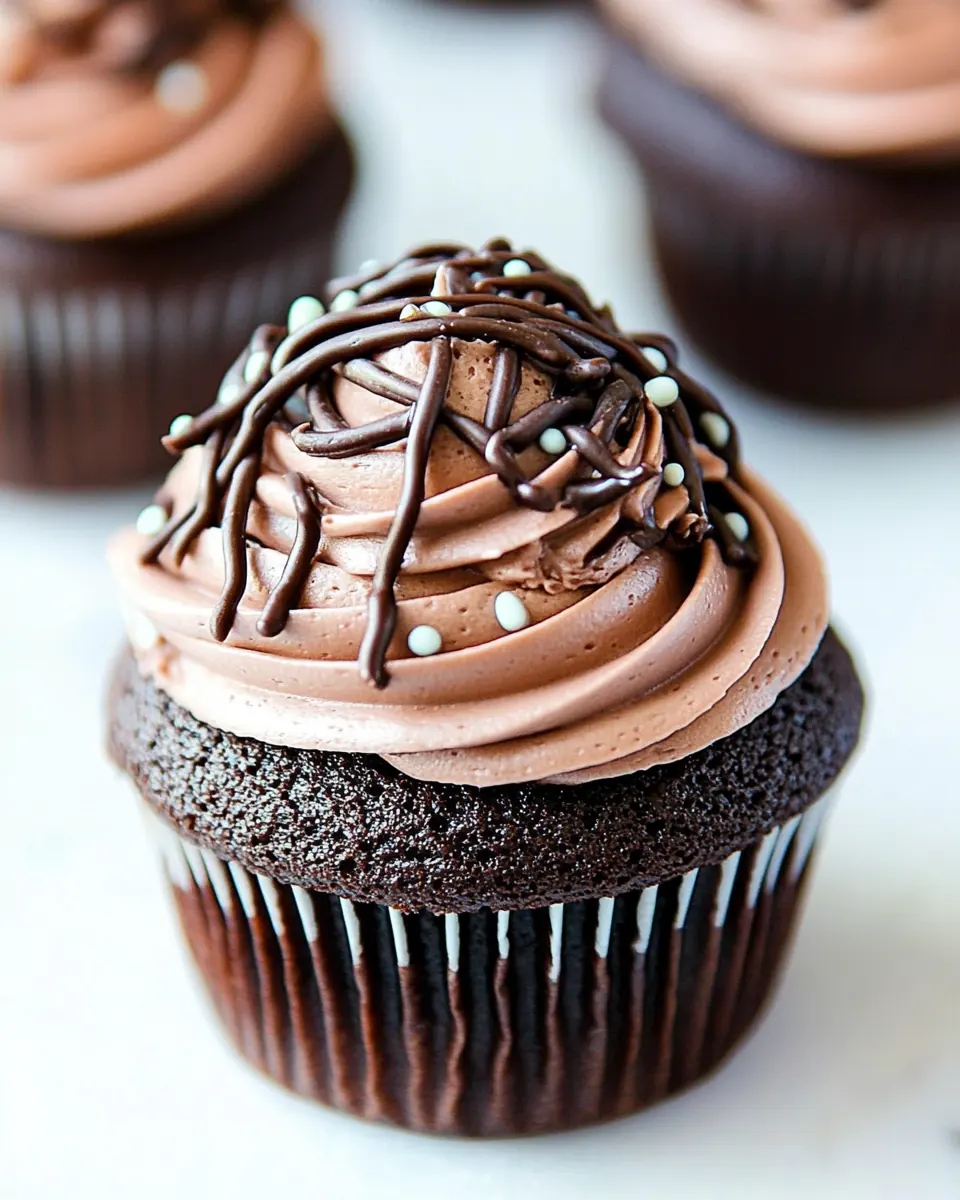
I like to think of tips as tiny course corrections that make the difference between good and memorable baking. These pointers expand on common questions and real world adjustments that I use every time I make these cupcakes.
- Room temperature ingredients: Ensure your butter and cooked chocolate mixture are at similar temperatures before combining to avoid a split frosting, which is hard to fix after the fact.
- Gentle folding: Fold the wet into the dry batter gently to keep a tender crumb; vigorous mixing develops gluten and yields tougher cupcakes.
- Fresh leavening: Baking soda loses potency over time, so if your cupcakes are not rising properly check that your leavening is fresh.
- Proper cooling: Transfer cupcakes to a wire rack after five minutes out of the oven to prevent soggy bottoms from trapped steam in the pan.
- Test for doneness: Use the toothpick test and look for a few moist crumbs rather than a dry center; pulling them too soon leads to gummy texture.
- Keep cupcakes covered: Store in an airtight container at room temperature up to two days to retain softness, or refrigerate the frosted cupcakes if your kitchen is warm.
Pairing Suggestions for Eggless Chocolate Cupcakes
These cupcakes work well across a range of occasions and pairings, from casual coffees to celebratory desserts. Below are thoughtful serving ideas and storage notes to help you showcase them depending on the event.
- Casual afternoon treat: Serve a couple of Eggless Chocolate Cupcakes with a small espresso or black coffee to echo the coffee notes in the batter.
- Birthday or celebration: Arrange a dozen on a platter with varied frosting tips for visual interest, and include a small bowl of extra semi sweet chocolate chips on the side for guests who want more chocolate.
- Gift idea: Pack cupcakes in a shallow box with parchment layers, and include a card noting they are eggless so hosts with dietary needs will appreciate the detail.
- Storage for event prep: Bake the cupcakes a day ahead and store unfrosted in an airtight container; frost them the day of serving for the freshest texture.
- Seasonal pairing: In cooler months serve with a spiced hot beverage that complements the cocoa, while in warm weather a chilled milk or simple fruit plate balances richness.
- Occasion suggestions: These cupcakes suit family gatherings, Ramadan if you need a sweet that can be prepared ahead, school events, or potlucks where portability matters.
FAQ
Conclusion
These Eggless Chocolate Cupcakes stand out because they turn pantry staples into a reliably moist and chocolate forward treat. I encourage you to give them a try, especially when you need a simple dessert that still feels thoughtful and special. Baking is part experimentation and part ritual, and recipes like this one reward a bit of patience and care. Share a batch with friends or keep them all to yourself, either way you get a comforting, chocolatey moment that is easy to accomplish and hard to forget.
Eggless Chocolate Cupcakes
Ingredients
Equipment
Method
- In a large bowl whisk together 1 1/2 cups flour, 1/4 cup cocoa powder, 1 cup sugar, 1 tsp baking soda and 1/2 tsp salt.: The moment you start combining the dry ingredients you'll notice the chocolate powder releasing its scent, a dusty cocoa note that promises depth. Mixing these thoroughly ensures the leavening is evenly distributed so each cupcake rises uniformly, and sifting or whisking breaks up any clumps of cocoa which can otherwise create dry pockets. A good sensory cue here is the uniform color and the absence of streaks when you scoop some into a bowl. Avoid over whisking into a frothy stage, because that can incorporate air that collapses later, leaving uneven domes; gentle, even strokes are best.
- In a separate bowl, mix together 1 cup coffee, 1 tbsp vinegar, 2 tsp vanilla extract and 1/3 cup olive oil.: As you stir the warm coffee with the vinegar and olive oil , the aroma shifts from bitter roast to an inviting blend of toasted notes and a subtle tang. The vinegar reacts with the baking soda to create tiny bubbles that help lift the cupcakes, while the oil contributes to a moist, tender crumb. The mixture should look cohesive, with the oil dispersed rather than floating in a separate layer; if it separates, whisk a bit longer. A typical mistake is using coffee that is too hot, which can affect other ingredients later, so aim for warm, not steaming.
- Whisk the wet ingredients into the dry ingredients just until they come together.: When you fold the wet into the dry you will feel the batter thicken and the scent of chocolate and coffee deepen, signaling that flavors are marrying. Use a folding motion to avoid over developing gluten, which would make the cupcakes tough. The correct texture is a smooth, slightly thick batter that pours slowly from the spoon, with no large lumps of dry flour. If you overmix, you will notice a gluey sheen and denser texture after baking, so stop when just combined for the lightest crumb.
- Use an ice cream scoop to pour batter into your lined cupcake pan; they should be about 2/3 full. Bake 18-20 minutes on the center rack or until a toothpick comes out clean. Let cool in the pan 5 minutes and remove to cool on a rack.: As the cupcakes bake the kitchen fills with roasted chocolate and coffee perfume, and you should see the edges pull slightly away from the liners when they are done. A toothpick inserted into the center should come out with a few moist crumbs, not raw batter, which is the best indicator of doneness. Allowing them to cool briefly in the pan helps them set so they do not tear when removed, but leaving them too long can trap steam and make bottoms soggy, so transfer to a rack after five minutes for even cooling.
- In a small saucepan, whisk together 3 reserved egg yolks, 1/4 cup water, and 1/3 cup condensed milk.: This mixture will become the heart of your frosting, and as you whisk it begins to gain sheen and cohesion. Keep the heat low at first to allow the yolks to warm gradually, which prevents curdling; the texture should feel silkier as the sugars dissolve and the mixture loosens. A good check is to feel the saucepan's base for gentle warmth rather than a rapid simmer. Rushing this step with high heat risks scrambled yolks and a grainy finish, so patience and steady whisking are essential.
- Start heating the pan over low heat and gradually increase the heat until it’s just letting off steam but not boiling. Whisk constantly until your mixture is the consistency of raw condensed milk. Remove the mixture from heat and immediately stir in 2 oz chocolate, whisking until smooth. Let your mixture cool off to room temperature.: As the mixture thickens you will notice it cling more to the whisk and develop a glossy look, signaling it is concentrating. Stirring constantly prevents hot spots and gives you a uniform texture; when it reaches a syrupy thickness similar to condensed milk you can remove it from heat. Adding the chocolate off the heat and whisking makes a velvety emulsion; if you add chocolate while the pan is too hot you can scorch it, resulting in graininess. Cooling to room temperature ensures you do not melt the butter later when combining, which would create a loose frosting.
- In a separate bowl, beat butter on high speed for 5 minutes. Once chocolate is cooled to room temp, add it to the butter and beat together for an extra 3 minutes.: Whipping the butter aerates it into a pale, fluffy base that gives the frosting lift. When you fold in the cooled chocolate mixture you should hear a softer, silkier sound from the mixer and see a glossy, smooth frosting forming; the color will deepen to a uniform chocolate hue. The sensory cue is a light, airy texture that still holds shape on the beaters. If your butter was too warm the frosting will be loose, and if too cold it will clump, so room temperature is crucial to avoid separation or a grainy finish.
- Pipe the frosting onto your cupcakes with whatever frosting tip your heart desires.: As you pipe, watch the frosting hold crisp edges and a satin shine, which signals a stable emulsion. The piping motion should feel smooth and controlled, producing attractive swirls that keep their form. If the frosting slides or collapses, refrigerate briefly to firm it up before continuing. A common misstep is overfilling the pastry bag which makes piping awkward, so fill it about two thirds full for best control.
Notes
- Room temperature ingredients: Ensure your butter and cooked chocolate mixture are at similar temperatures before combining to avoid a split frosting, which is hard to fix after the fact.
- Gentle folding: Fold the wet into the dry batter gently to keep a tender crumb; vigorous mixing develops gluten and yields tougher cupcakes.
- Fresh leavening: Baking soda loses potency over time, so if your cupcakes are not rising properly check that your leavening is fresh.
- Proper cooling: Transfer cupcakes to a wire rack after five minutes out of the oven to prevent soggy bottoms from trapped steam in the pan.
- Test for doneness: Use the toothpick test and look for a few moist crumbs rather than a dry center; pulling them too soon leads to gummy texture.
- Keep cupcakes covered: Store in an airtight container at room temperature up to two days to retain softness, or refrigerate the frosted cupcakes if your kitchen is warm.