Gingerbread Cheesecake
Gingerbread Cheesecake has always been the centerpiece of my holiday table, a mashup of nostalgic spice and creamy comfort that everyone asks for seconds of. The first time I made this, I remember the warm molasses scent filling the kitchen while my kids argued over who would lick the mixing bowl. That memory still makes me smile, because this recipe somehow balances bold warming spices with a velvety, melt in your mouth texture.
Over the years I tweaked a few details to make the texture reliably smooth, and to get that crust perfectly set without crumbling. There is something very homey about pressing the crumbs into the pan and hearing the little crackle as the butter warms them through. I like to brew a pot of tea and sit nearby while the cheesecake bakes, listening for the faint hush of the oven and checking for that telltale gentle jiggle that means it is almost done.
Recipe Snapshot
2 hr 15 mins
45 mins
90 mins
Hard
350 kcal
American
Gluten-Free, Low FODMAP
Desserts
Stand mixer, Paddle attachment, 9 inch springform pan, Roasting pan or deep baking sheet, Mixing bowl
Why You’ll Love This Gingerbread Cheesecake
Comforting seasonal flavors
I love how Gingerbread Cheesecake takes classic holiday spices and uses them in a way that feels familiar but elevated. The molasses, cinnamon, and cloves give you that instant warm hug we crave in the fall, while the creamy filling keeps each bite rich and indulgent.
Reliable, show stopping texture
We worked on the technique so the texture remains silky and avoids cracking. The water bath and slow oven cool down are small steps that make a huge difference. I always feel confident bringing this to a gathering because it slices clean and looks elegant.
Versatile serving options
You can dress it up for a fancy dinner or keep it simple for cozy family nights. I often top it with a light dusting, or let the spices stand alone. The flavors pair with many accompaniments without overpowering them, so it is great for versatile menus.
Make ahead friendly
One of my favorite reasons to love this recipe is that it benefits from chilling. I usually make it a day ahead, which means less stress on the day of the event and a flavor that deepens as it rests. It travels well too, which is handy for potlucks.
Accessible ingredients and technique
Even though it feels special, the ingredient list is straightforward and the steps are clear. If you follow the timing suggestions and the gentle mixing cues, you will get consistent results. I find that sharing those little tips with friends helps them succeed the first time too.
Recipe Ingredients for Gingerbread Cheesecake
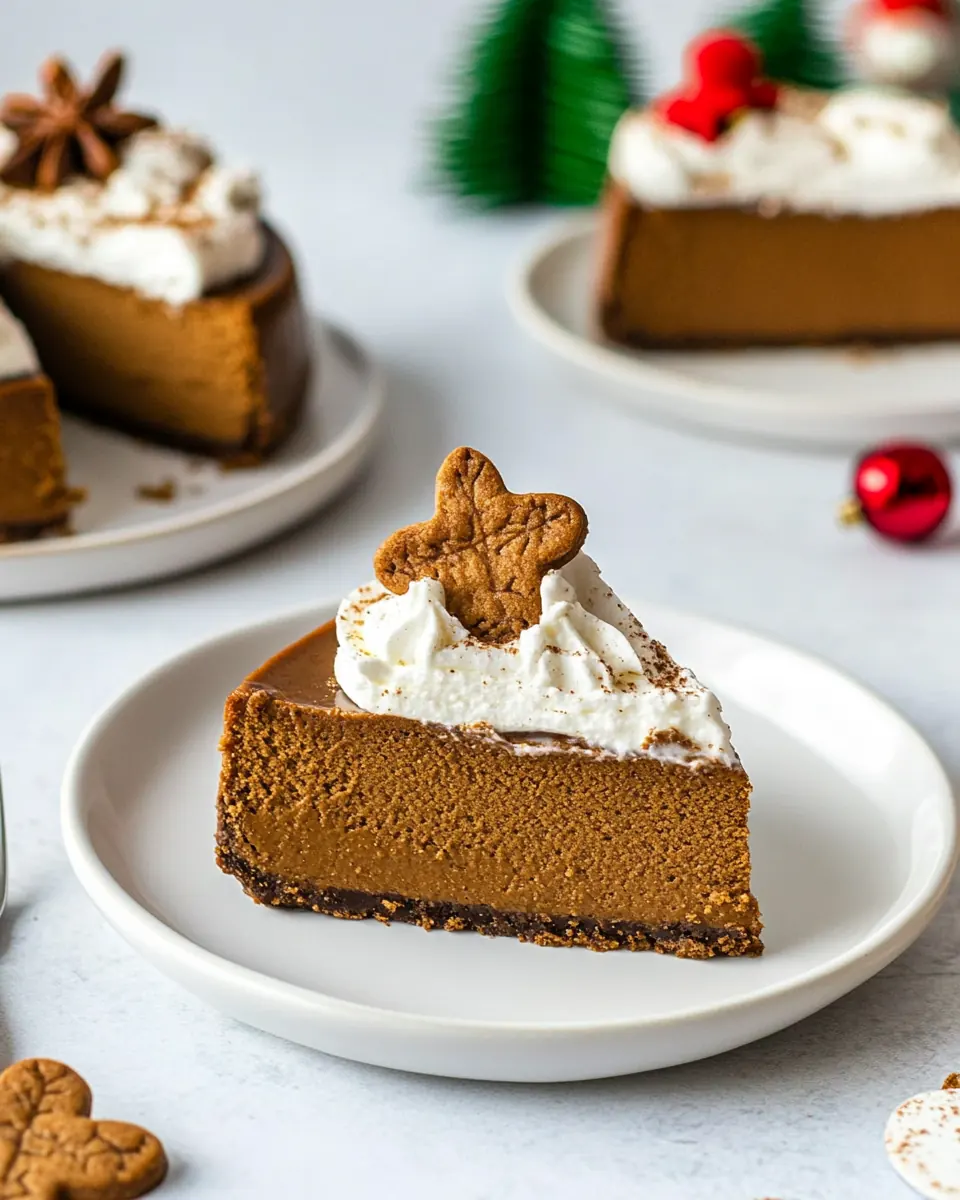
These ingredients come together to deliver a balanced, warmly spiced dessert. The crust provides a buttery, slightly crunchy foundation, while the filling is the showpiece, luxuriously smooth and spiced just right. The key players are the crumb base, the rich cream cheese, and the bold molasses and spice blend that define the personality of this cake. Each component supports the others, resulting in a cohesive final bite.
- 1 1/2 cup graham cracker crumbs about 12 crackers: Provide a crisp, buttery base texture and structural support for the cheesecake; press firmly into the pan to form an even crust. Add subtle sweetness and toasty flavor that complements the spiced filling for balance.
- 1/4 cups sugar: Contribute sweetness and help balance the spices and tang from the filling; dissolve into the crust mixture for consistent sweetness. Also aids in caramelization of the crust during baking for a pleasant color.
- 1/2 teaspoon ground nutmeg: Add warm, earthy aromatic notes that reinforce the gingerbread profile; sprinkle into the crust or filling to distribute spice uniformly. Offer a subtle warmth that pairs well with cinnamon and cloves without overpowering other flavors.
- 1/2 teaspoon ground ginger: Bring bright, peppery warmth and characteristic gingerbread flavor; include in both crust and filling to intensify the theme. Activate the molasses and spices, creating the signature zing of gingerbread cheesecake.
- 1/4 cup unsalted butter melted: Provide moisture and richness to bind the crumbs into a cohesive crust; melt and mix thoroughly with dry crust ingredients. Impart a smooth, buttery mouthfeel and help the crust hold shape when sliced.
- 1/4 teaspoons salt: Enhance and balance sweetness while accentuating other flavors; mix into the crust to bring out the spice notes. Help with dough cohesion and flavor depth when combined with butter and sugar.
- 2 pounds cream cheese room temperature (32 ounces): Deliver the creamy, tangy foundation of the cheesecake filling and supply structure when baked; beat until smooth and lump-free for best texture. Provide richness and body that carries the spices and sweeteners throughout the dessert.
- 4 ounces sour cream: Add tangy creaminess to lighten the filling and improve texture; fold in gently for a silky consistency. Contribute slight acidity that balances richness from the cream cheese and enhances overall flavor.
- 1 cup sugar: Provide primary sweetness for the filling and help with browning during baking; dissolve into the cream cheese mixture for even sweetness. Balance the spiciness of the gingerbread elements and round out the flavor profile.
- 5 eggs: Supply structure, richness, and stability to the cheesecake; incorporate eggs one at a time for a smooth, custardy texture. Contribute to setting the filling and creating a tender, sliceable final product when baked properly.
- 1/3 cup molasses: Deliver deep, molasses-rich sweetness and classic gingerbread flavor; whisk into the filling to infuse warm, slightly bitter-sweet notes. Work with spices to create the distinctive color and complexity of gingerbread cheesecake.
- 1 tablespoon ground ginger: Intensify the ginger flavor and reinforce the gingerbread character; measure carefully to avoid overpowering the filling. Pair with the molasses and cinnamon to create a layered, spicy profile.
- 2 teaspoons cinnamon: Add warm, sweet spice and aromatic depth that complements the ginger and molasses; blend into the filling for even distribution. Support the overall spice blend while keeping the flavor rounded and familiar.
- 1 teaspoon nutmeg: Contribute nutty, sweet-earthy warmth and aromatic complexity to the filling; stir in with other spices for a balanced profile. Help accentuate molasses and ginger while maintaining harmony among flavors.
- 1 teaspoon ground cloves: Provide sharp, pungent warmth and a slightly sweet-bitter undertone to the filling; use sparingly to avoid overwhelming the palate. Add depth and traditional holiday spice character when combined with cinnamon and nutmeg.
- 2 tablespoons vanilla: Impart floral, sweet vanilla aromatics and enhance sweetness perception; stir into the filling at the end to preserve its fragrance. Round out and unify the flavors, making the cheesecake taste cohesive and aromatic.
Putting Together Gingerbread Cheesecake
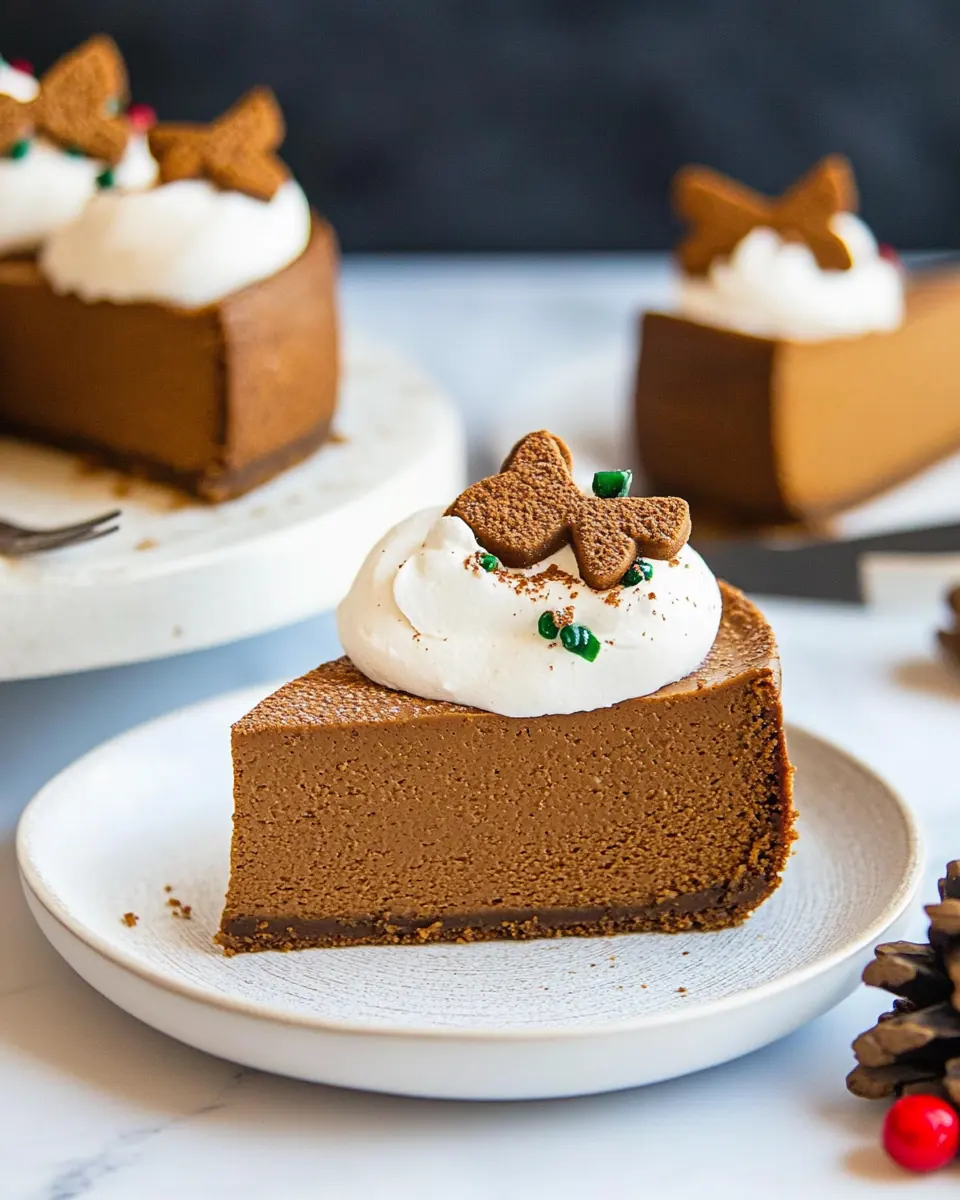
Bringing this cheesecake together is a gentle, deliberate process. I like to take my time, moving from crust to filling with calm and attention, so the batter remains smooth and the baked texture is just right. The steps below reflect the exact sequence I use to avoid surprises and get consistent results.
- Preheat oven to 325° fahrenheit. Prepare your springform pan by spraying with cooking spray, placing a parchment round on the bottom then spraying the top of the parchment with cooking spray.: The warm citrus free scent of the oven waking up is the first hint the kitchen is coming alive. You will notice the air become steadily warmer, and that even preheating creates a reliable environment so your cake bakes evenly. I set the rack to the lower third now to reserve the center for the water bath and ensure gentle convection. A common problem is placing the pan too high, which can brown the top too quickly. Check that your springform is clean and that the parchment is flat, because any folds can leave an imprint on the crust edge.
- Mix graham cracker crumbs, sugar, melted butter, and seasonings together. This should resemble damp sand.: As you stir, the mixture will clump slightly and release a sweet toasted aroma from the melted butter . The texture is key, you want it cohesive but not wet. Use the back of a spoon to press some between your fingers and if it holds together you are good. Overly oily crumbs mean too much butter; add a touch more crumbs to correct it. Mixing well ensures even spice distribution so every bite has balance.
- Pour your crumb mixture into the prepared springform pan and press evenly into the pan. You can use the bottom of a flat glass or a flat measuring cup to really press it in well and get a nice, even crust.: The sound of pressing is satisfying, a soft compacting that signals the crust is forming. Aim for uniform thickness so edges and center bake at the same rate. I press firmly to create adhesion without compacting to rock hard. If you press unevenly you may have thick spots that bake differently and affect slicing. A smooth, level surface helps the filling set evenly on top.
- Bake for 10 minutes.: During this brief bake the crust toasts and the butter bonds the crumbs together, releasing a warm, nutty note. You will see a slightly deeper color and smell a toasty aroma. This step stabilizes the base so it does not become soggy under the filling. Avoid overbaking which can make the crust brittle and dry; ten minutes gives structure without hardness.
- Allow to cool completely.: After the crust comes out, the kitchen fills with a gentle toasted scent. Cooling prevents steam from creating a soggy interface with the filling. I let it rest until it is close to room temperature before adding filling, because warm crumbs can break the emulsion in the batter. A common slip is rushing this step, which can lead to a watery band between crust and filling.
- Add your softened cream cheese to the mixing bowl of your stand mixer and beat with a paddle at medium-high speed for about 1 minute. Scrape down the sides and bottom of the bowl and beat for a few seconds more.: The initial beat loosens the cream cheese and transforms it into a smooth, airy base. You will notice the color lighten and the texture soften. Scraping prevents hidden pockets of cold cheese that cause lumps. Overbeating at this stage will incorporate too much air, which can cause cracking during baking. Aim for smoothness, not whip.
- Add sugar and sour cream and mix at medium-low speed until just combined. Scrape the bowl again and mix for 10 seconds.: The sugar dissolves into the looser cheese while the sour cream injects a gentle tang and silkiness. The batter will become glossy and slightly looser. Mixing slowly controls aeration, keeping the cake dense and creamy. If you go too fast you may trap air, leading to bubbles and cracks later. A quick scrape ensures uniform texture.
- Add eggs and beat on low speed until combined, about 30 seconds to 1 minute. Scrape the bowl again.: When you add the eggs the batter will mellow and gain structure. Stirring low prevents overwhipping, which can create an overly fluffy texture and then collapse. The sound changes from thudding to smooth, and the batter will flow more readily. Watch for color uniformity to know the eggs are integrated. Overmixing is the typical mistake here and it affects the finished density.
- Add molasses, seasonings, and vanilla, beat until just combined. At this point your batter should be smooth and fairly runny.: Once the molasses blends in, a rich, aromatic scent blooms, and the batter takes on a darker hue. This is where the gingerbread identity really appears. The batter should feel fluid enough to pour, which helps it settle without air pockets. If it seems lumpy, stop and scrape, because lumps become baked pockets. Too vigorous mixing can also dull the molasses aroma, so fold gently.
- Prep the pan for baking.: Getting the pan ready is a quiet, focused task that sets you up for success. Wrapping the springform with foil prevents water from the bath from seeping in, and positioning it in a deep pan helps create even heat. Check for secure foil coverage and that the pan sits level in the roasting pan. A loose wrap is the main risk, which can allow water intrusion and ruin the cake, so take a moment to seal it well.
- Using 18 inch heavy duty aluminum foil, wrap the outside of your springform pan with 4 sheets of foil. You can use regular foil, but it may take a couple more sheets to ensure the water does not get into your pan.: The tactile task of wrapping is unglamorous but critical, you will feel each fold as it seals. The foil keeps the batter dry and the crust intact. Heavy duty foil is sturdier and more reliable against leaks. If you skimp on layers you risk water seeping in, causing a soggy edge and potentially ruining the cake.
- Place your wrapped pan in a deep roasting pan. You can alternatively use a baking sheet, so long as the sides are about 2 inches deep.: Setting the pan into a larger vessel feels like tucking it into a warm bath. The depth matters because you will add water to create a gentle, moist heat environment. This evenness prevents extreme temperature swings. A shallow pan risks splashing water into the springform if it is bumped while moving, so choose a properly deep pan.
- Add your cheesecake batter to the springform pan.: Pouring in the batter releases a rich, spiced aroma and the surface will settle smoothly. The batter should spread on its own; if it pools, tap the pan gently to level it. Visual smoothness indicates good incorporation. If you see streaks of unmixed cheese, stop and scrape the bowl to avoid pockets. Avoid banging the pan hard, which can create air bubbles that leave holes.
- Using very hot water, add water to the baking sheet until there is about 1 1/2 inch of water around the springform pan. On a rack in the lower 3 rd of the oven, carefully move your pan into the oven.: As the steam rises it envelopes the cheesecake, producing a tender, crack resistant surface. You will hear the quiet hiss of hot water settling, and the moist heat makes the edge set more gently. Be cautious when carrying the pan so water does not slosh. Too much water can extend baking time, while too little reduces the protective effect.
- Bake for 1-1 1/2 hours. After about an hour of baking, check the cheesecake’s consistency. A slight jiggle of the pan (while still in the oven) should tell you if it’s ready or needs more time. The cheesecake should be jiggly, but not liquid. If it seems very liquidy still, give it 15 more minutes and check it again.: During baking the top will gradually set and the center will retain a gentle wobble. You may detect a very faint caramelizing scent as sugars concentrate. The jiggle test is sensory and reliable, letting you feel resistance without being firm. Opening the oven too often changes temperatures; limit checks to avoid creating cracks. If you misjudge and underbake, you can return it for additional brief intervals.
- Once the cheesecake is firm, yet jiggly, turn the oven off but leave the cheesecake in the oven for another hour or so, until the oven has cooled down. Resist the temptation to open the oven during this time! The purpose of this step is to allow the cheesecake to cool slowly as the oven cools. Doing this will prevent it from cracking, as one of the biggest reasons cheesecakes crack is the drastic temperature change going from the hot oven into the much cooler kitchen.: This slow cool down is a quiet magic trick; the residual heat finishes setting the center gently. The kitchen remains warm and the cake settles without stress. Opening the door upsets the thermal balance, so I set a timer and walk away. If you crack the oven you risk top fractures and an uneven texture, so patience is the necessary ingredient here.
- Once the oven and the cheesecake are cooled, remove from the oven and carefully remove the foil lining the pan.: The cake will feel significantly firmer, and the aroma will have mellowed into a comforting spice note. Carefully peel away the foil to avoid water marks or tearing the crust. Use a steady hand so the crust edge remains intact. Rushing can cause the foil to catch and pull a portion of the crust free.
- Chill in the fridge for at least 6 hours.: Chilling is where the flavors knit together and the texture fully stabilizes. The filling firms to a sliceable, creamy consistency and the spice notes meld with the cream cheese . I usually leave it overnight for best texture. Skipping sufficient chill time often leads to a runny slice, so give it the hours it needs.
- Before serving, run a knife around the edge of the pan to ensure an easy release when the springform is removed.: This small motion separates the cake cleanly from the pan, and you will hear a faint slide as the knife moves. It prevents dragging and helps you lift the ring without tearing. If you skip this step the top or sides can cling and break when the ring comes off.
- Top with desired toppings and enjoy!: The final moment is joyful, adding any finishing touch you like and serving slices that showcase the smooth interior and spiced profile. The first bite will be creamy and spiced, with the crunch of the crust beneath. Keep slices chilled until service for best texture. Leaving them out too long makes the filling soften excessively.
Ways to Adapt This Recipe
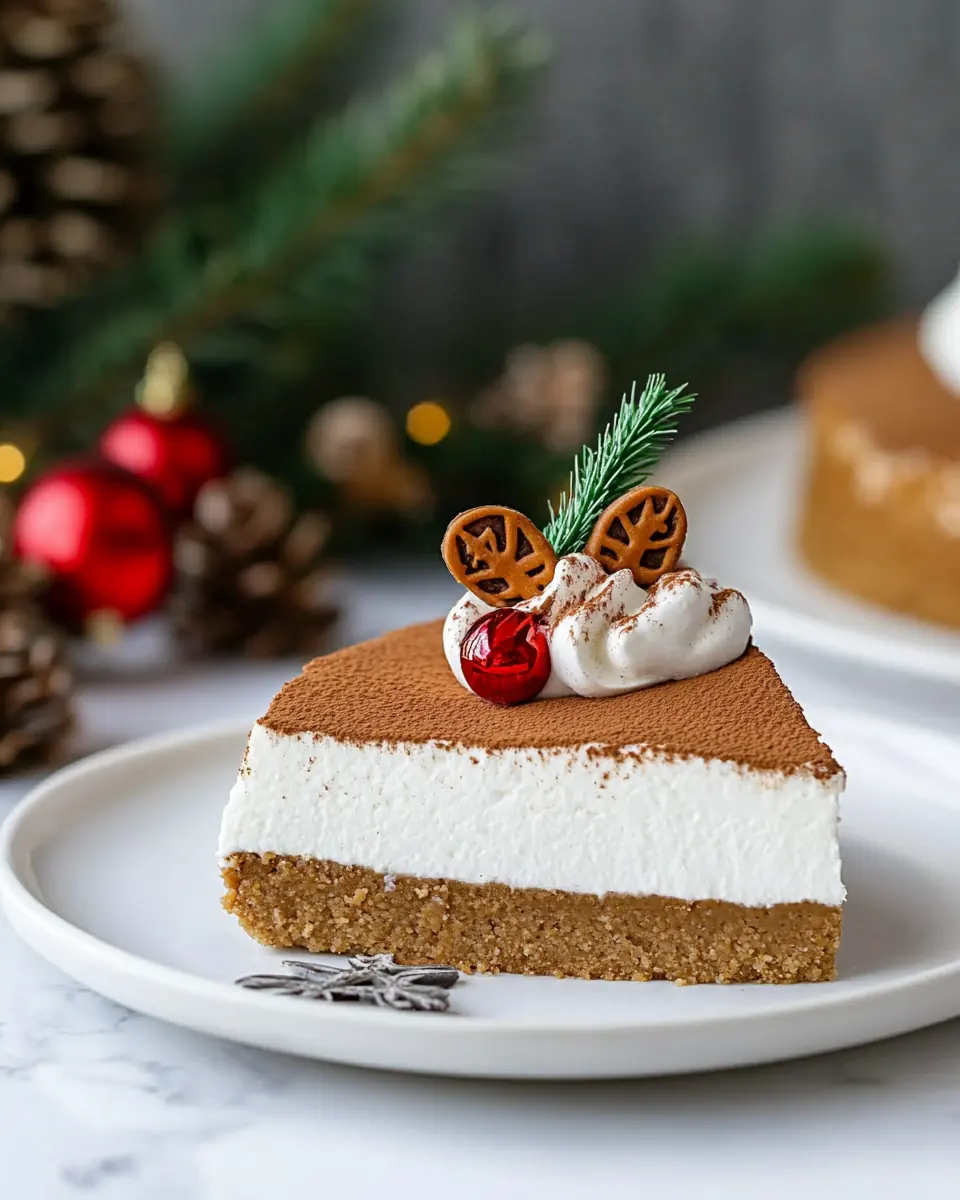
This section offers practical, friendly adaptations so you can make the Gingerbread Cheesecake match your occasion. Some tweaks are simple swaps, others are technique notes to adjust texture or spice intensity. Use these ideas to make the dessert your own, while preserving the core creamy and spiced identity.
- Reduce spice intensity: If you prefer a milder profile, cut the additional tablespoon of ground ginger to one teaspoon; this keeps the gingerbread character but makes it gentler for sensitive palates.
- Firm up the filling: For a denser slice, chill the batter briefly in the fridge before baking to reduce air; this yields a tighter, more sliceable texture without changing the flavor.
- Make it ahead: I recommend making the cheesecake a day in advance and chilling overnight; flavors meld and slicing is cleaner, which reduces last minute stress for gatherings.
- Crust adjustments: If you want a slightly crunchier base, brown the melted butter before mixing with crumbs for a nuttier, deeper crust aroma and firmer texture.
- Water bath caution: Use very hot water when filling the roasting pan and move carefully; steady hands prevent splashes that could seep into the pan and ruin the cake.
- Spice swap for nuance: For a slightly more citrusy brightness, add a very small pinch of grated orange zest to the filling; it lifts the spices without changing the gingerbread core.
What to Pair With Gingerbread Cheesecake
This section walks through pairing ideas, occasions, and storage tips to present the Gingerbread Cheesecake beautifully. Whether you serve it at a holiday dinner or a cozy family gathering, these suggestions help you choose complementary elements that highlight its warm spices and creamy texture.
- Simple garnish: A light dusting of powdered sugar or a drizzle of warm caramel highlights the spices without overwhelming them, great for casual family dessert service.
- Fresh fruit: Serve with poached pears or a compote of warmed apples to echo the fall spices, adding bright acidity and a contrasting texture that balances the creamy filling.
- Beverage pairings: A warm spiced tea or a cup of strong coffee complements the molasses and spices; choose non alcoholic warm drinks to mirror the cozy profile.
- Holiday centerpiece: For Christmas or fall gatherings, present the cheesecake on a platter with a few seasonal accents, making it the visual and flavor focal point of your dessert table.
- Serving style: Serve chilled slices with a small dollop of whipped cream or a spoonful of sour cream sweetened lightly, both of which add a fresh counterpoint to the richness.
- Storage tips: Wrap the cake tightly and keep refrigerated for up to five days, or freeze individual slices for up to one month; thaw gently in the fridge for best texture.
- Occasion fit: This cheesecake works well for holiday dinners, family potlucks, and special weekday celebrations where you want an indulgent, spiced dessert that travels and stores well.
FAQ
Conclusion
This Gingerbread Cheesecake stands out for its combination of warm molasses spices and a luxuriously creamy filling that feels both festive and comforting. It is a dessert that rewards patience, especially with the water bath and slow cool down that prevent cracking and promote a silky texture. I encourage you to try it for a holiday meal or special family gathering, because it slices beautifully, travels well, and gathers compliments from the first bite. Share it chilled, enjoy the layered spice notes, and take pleasure in the relaxed prep that makes the final presentation feel effortless.
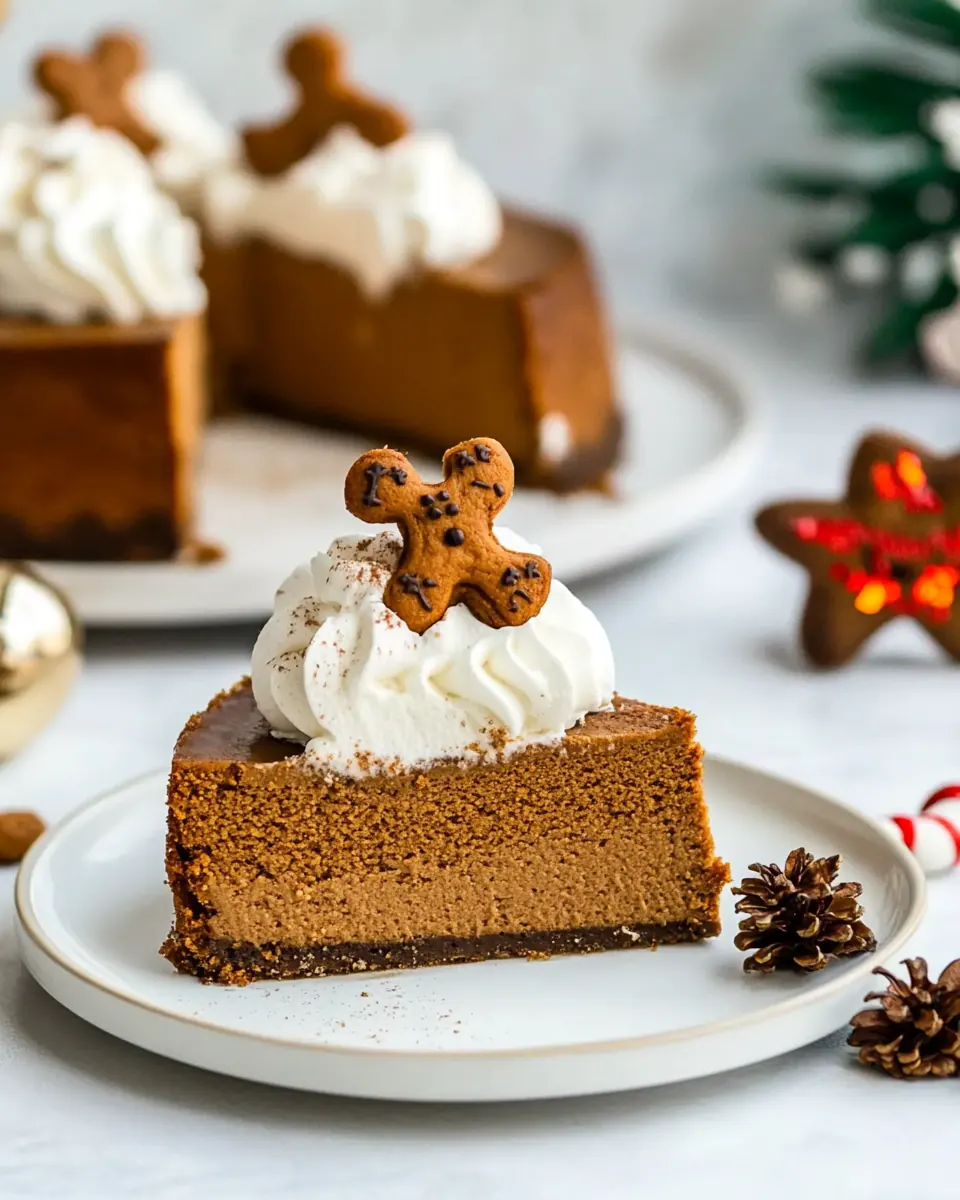
Gingerbread Cheesecake
Ingredients
Equipment
Method
- Preheat oven to 325° fahrenheit. Prepare your springform pan by spraying with cooking spray, placing a parchment round on the bottom then spraying the top of the parchment with cooking spray.: The warm citrus free scent of the oven waking up is the first hint the kitchen is coming alive. You will notice the air become steadily warmer, and that even preheating creates a reliable environment so your cake bakes evenly. I set the rack to the lower third now to reserve the center for the water bath and ensure gentle convection. A common problem is placing the pan too high, which can brown the top too quickly. Check that your springform is clean and that the parchment is flat, because any folds can leave an imprint on the crust edge.
- Mix graham cracker crumbs, sugar, melted butter, and seasonings together. This should resemble damp sand.: As you stir, the mixture will clump slightly and release a sweet toasted aroma from the melted butter . The texture is key, you want it cohesive but not wet. Use the back of a spoon to press some between your fingers and if it holds together you are good. Overly oily crumbs mean too much butter; add a touch more crumbs to correct it. Mixing well ensures even spice distribution so every bite has balance.
- Pour your crumb mixture into the prepared springform pan and press evenly into the pan. You can use the bottom of a flat glass or a flat measuring cup to really press it in well and get a nice, even crust.: The sound of pressing is satisfying, a soft compacting that signals the crust is forming. Aim for uniform thickness so edges and center bake at the same rate. I press firmly to create adhesion without compacting to rock hard. If you press unevenly you may have thick spots that bake differently and affect slicing. A smooth, level surface helps the filling set evenly on top.
- Bake for 10 minutes.: During this brief bake the crust toasts and the butter bonds the crumbs together, releasing a warm, nutty note. You will see a slightly deeper color and smell a toasty aroma. This step stabilizes the base so it does not become soggy under the filling. Avoid overbaking which can make the crust brittle and dry; ten minutes gives structure without hardness.
- Allow to cool completely.: After the crust comes out, the kitchen fills with a gentle toasted scent. Cooling prevents steam from creating a soggy interface with the filling. I let it rest until it is close to room temperature before adding filling, because warm crumbs can break the emulsion in the batter. A common slip is rushing this step, which can lead to a watery band between crust and filling.
- Add your softened cream cheese to the mixing bowl of your stand mixer and beat with a paddle at medium-high speed for about 1 minute. Scrape down the sides and bottom of the bowl and beat for a few seconds more.: The initial beat loosens the cream cheese and transforms it into a smooth, airy base. You will notice the color lighten and the texture soften. Scraping prevents hidden pockets of cold cheese that cause lumps. Overbeating at this stage will incorporate too much air, which can cause cracking during baking. Aim for smoothness, not whip.
- Add sugar and sour cream and mix at medium-low speed until just combined. Scrape the bowl again and mix for 10 seconds.: The sugar dissolves into the looser cheese while the sour cream injects a gentle tang and silkiness. The batter will become glossy and slightly looser. Mixing slowly controls aeration, keeping the cake dense and creamy. If you go too fast you may trap air, leading to bubbles and cracks later. A quick scrape ensures uniform texture.
- Add eggs and beat on low speed until combined, about 30 seconds to 1 minute. Scrape the bowl again.: When you add the eggs the batter will mellow and gain structure. Stirring low prevents overwhipping, which can create an overly fluffy texture and then collapse. The sound changes from thudding to smooth, and the batter will flow more readily. Watch for color uniformity to know the eggs are integrated. Overmixing is the typical mistake here and it affects the finished density.
- Add molasses, seasonings, and vanilla, beat until just combined. At this point your batter should be smooth and fairly runny.: Once the molasses blends in, a rich, aromatic scent blooms, and the batter takes on a darker hue. This is where the gingerbread identity really appears. The batter should feel fluid enough to pour, which helps it settle without air pockets. If it seems lumpy, stop and scrape, because lumps become baked pockets. Too vigorous mixing can also dull the molasses aroma, so fold gently.
- Prep the pan for baking.: Getting the pan ready is a quiet, focused task that sets you up for success. Wrapping the springform with foil prevents water from the bath from seeping in, and positioning it in a deep pan helps create even heat. Check for secure foil coverage and that the pan sits level in the roasting pan. A loose wrap is the main risk, which can allow water intrusion and ruin the cake, so take a moment to seal it well.
- Using 18 inch heavy duty aluminum foil, wrap the outside of your springform pan with 4 sheets of foil. You can use regular foil, but it may take a couple more sheets to ensure the water does not get into your pan.: The tactile task of wrapping is unglamorous but critical, you will feel each fold as it seals. The foil keeps the batter dry and the crust intact. Heavy duty foil is sturdier and more reliable against leaks. If you skimp on layers you risk water seeping in, causing a soggy edge and potentially ruining the cake.
- Place your wrapped pan in a deep roasting pan. You can alternatively use a baking sheet, so long as the sides are about 2 inches deep.: Setting the pan into a larger vessel feels like tucking it into a warm bath. The depth matters because you will add water to create a gentle, moist heat environment. This evenness prevents extreme temperature swings. A shallow pan risks splashing water into the springform if it is bumped while moving, so choose a properly deep pan.
- Add your cheesecake batter to the springform pan.: Pouring in the batter releases a rich, spiced aroma and the surface will settle smoothly. The batter should spread on its own; if it pools, tap the pan gently to level it. Visual smoothness indicates good incorporation. If you see streaks of unmixed cheese, stop and scrape the bowl to avoid pockets. Avoid banging the pan hard, which can create air bubbles that leave holes.
- Using very hot water, add water to the baking sheet until there is about 1 1/2 inch of water around the springform pan. On a rack in the lower 3 rd of the oven, carefully move your pan into the oven.: As the steam rises it envelopes the cheesecake, producing a tender, crack resistant surface. You will hear the quiet hiss of hot water settling, and the moist heat makes the edge set more gently. Be cautious when carrying the pan so water does not slosh. Too much water can extend baking time, while too little reduces the protective effect.
- Bake for 1-1 1/2 hours. After about an hour of baking, check the cheesecake’s consistency. A slight jiggle of the pan (while still in the oven) should tell you if it’s ready or needs more time. The cheesecake should be jiggly, but not liquid. If it seems very liquidy still, give it 15 more minutes and check it again.: During baking the top will gradually set and the center will retain a gentle wobble. You may detect a very faint caramelizing scent as sugars concentrate. The jiggle test is sensory and reliable, letting you feel resistance without being firm. Opening the oven too often changes temperatures; limit checks to avoid creating cracks. If you misjudge and underbake, you can return it for additional brief intervals.
- Once the cheesecake is firm, yet jiggly, turn the oven off but leave the cheesecake in the oven for another hour or so, until the oven has cooled down. Resist the temptation to open the oven during this time! The purpose of this step is to allow the cheesecake to cool slowly as the oven cools. Doing this will prevent it from cracking, as one of the biggest reasons cheesecakes crack is the drastic temperature change going from the hot oven into the much cooler kitchen.: This slow cool down is a quiet magic trick; the residual heat finishes setting the center gently. The kitchen remains warm and the cake settles without stress. Opening the door upsets the thermal balance, so I set a timer and walk away. If you crack the oven you risk top fractures and an uneven texture, so patience is the necessary ingredient here.
- Once the oven and the cheesecake are cooled, remove from the oven and carefully remove the foil lining the pan.: The cake will feel significantly firmer, and the aroma will have mellowed into a comforting spice note. Carefully peel away the foil to avoid water marks or tearing the crust. Use a steady hand so the crust edge remains intact. Rushing can cause the foil to catch and pull a portion of the crust free.
- Chill in the fridge for at least 6 hours.: Chilling is where the flavors knit together and the texture fully stabilizes. The filling firms to a sliceable, creamy consistency and the spice notes meld with the cream cheese . I usually leave it overnight for best texture. Skipping sufficient chill time often leads to a runny slice, so give it the hours it needs.
- Before serving, run a knife around the edge of the pan to ensure an easy release when the springform is removed.: This small motion separates the cake cleanly from the pan, and you will hear a faint slide as the knife moves. It prevents dragging and helps you lift the ring without tearing. If you skip this step the top or sides can cling and break when the ring comes off.
- Top with desired toppings and enjoy!: The final moment is joyful, adding any finishing touch you like and serving slices that showcase the smooth interior and spiced profile. The first bite will be creamy and spiced, with the crunch of the crust beneath. Keep slices chilled until service for best texture. Leaving them out too long makes the filling soften excessively.
Notes
- Reduce spice intensity: If you prefer a milder profile, cut the additional tablespoon of ground ginger to one teaspoon; this keeps the gingerbread character but makes it gentler for sensitive palates.
- Firm up the filling: For a denser slice, chill the batter briefly in the fridge before baking to reduce air; this yields a tighter, more sliceable texture without changing the flavor.
- Make it ahead: I recommend making the cheesecake a day in advance and chilling overnight; flavors meld and slicing is cleaner, which reduces last minute stress for gatherings.
- Crust adjustments: If you want a slightly crunchier base, brown the melted butter before mixing with crumbs for a nuttier, deeper crust aroma and firmer texture.
- Water bath caution: Use very hot water when filling the roasting pan and move carefully; steady hands prevent splashes that could seep into the pan and ruin the cake.
- Spice swap for nuance: For a slightly more citrusy brightness, add a very small pinch of grated orange zest to the filling; it lifts the spices without changing the gingerbread core.