Healthy Flourless Double Chocolate Sweet Potato Bread
Healthy Flourless Double Chocolate Sweet Potato Bread is the kind of loaf I reach for when I want something indulgent that still feels wholesome. The first time I tried this loaf, I was surprised by how decadently chocolatey it tasted despite being flourless, and how the sweet potato kept the crumb moist and tender. I remember pulling a warm slice from the pan, the chocolate chips glossy and slightly melted, and thinking that desserts do not always need to be complicated to be memorable.
Over the years I have experimented with many ways to make a better chocolate quick bread, and this version has become a favorite for weekday mornings and cozy afternoons alike. I often bake it the night before a weekend hike, trusting that the texture holds up and the flavor deepens with time. Friends who taste it never guess it is flourless, and that reaction always makes me smile.
There is a small ritual I follow when making this loaf, from measuring the quick oats before blending them into a flour, to testing the center with a trusty digital thermometer. Those little steps yield a reliable bake and a confident host. Whether you slice it for a brunch spread or toast a piece for a midnight snack, this loaf sings with chocolate and warm spice.
Recipe Snapshot
1 hr 10 mins
15 mins
55 mins
Medium
250 kcal
American
Gluten-Free, Low FODMAP
Desserts
Loaf Pan, Parchment Paper, Digital Thermometer
The Beauty of This Healthy Flourless Double Chocolate Sweet Potato Bread
It is naturally comforting and nutrient dense
I love that Healthy Flourless Double Chocolate Sweet Potato Bread gives you a rich, chocolate forward experience while leaning on whole food ingredients. The sweet potato adds moisture and natural sweetness, so you can rely less on added sugars and still enjoy a satisfying bite. This makes it a recipe I feel good serving to people I care about.
Flourless but still familiar
As someone who bakes often, I appreciate how the blended quick oats mimic the structure of traditional flour without needing wheat. The crumb is tender, slightly dense, and pleasantly chewy, which makes each slice feel substantial. It is a great option when you want to avoid flour yet crave the texture of a classic loaf.
Versatile and forgiving
I find this loaf remarkably forgiving. The recipe accommodates slight variations in mash moisture and mixing techniques, and it still turns out well. That ease makes it my go to when I have a golden baked sweet potato and want something quick and impressive to serve.
Flavor layering from simple elements
The combination of cocoa powder, warm pumpkin pie spice, and melty chocolate chips creates layers of flavor that feel luxurious without fuss. A touch of sea salt raises the chocolate profile so each bite balances sweet and savory notes. I always find the contrast makes the loaf moreish.
Great for make ahead and gifts
This loaf keeps well and actually benefits from a little rest. I often prepare it a day ahead, and the flavors knit together beautifully overnight. It also travels well, so I pack it for picnics or bring it as a simple, thoughtful food gift.
Essential Ingredients for Healthy Flourless Double Chocolate Sweet Potato Bread
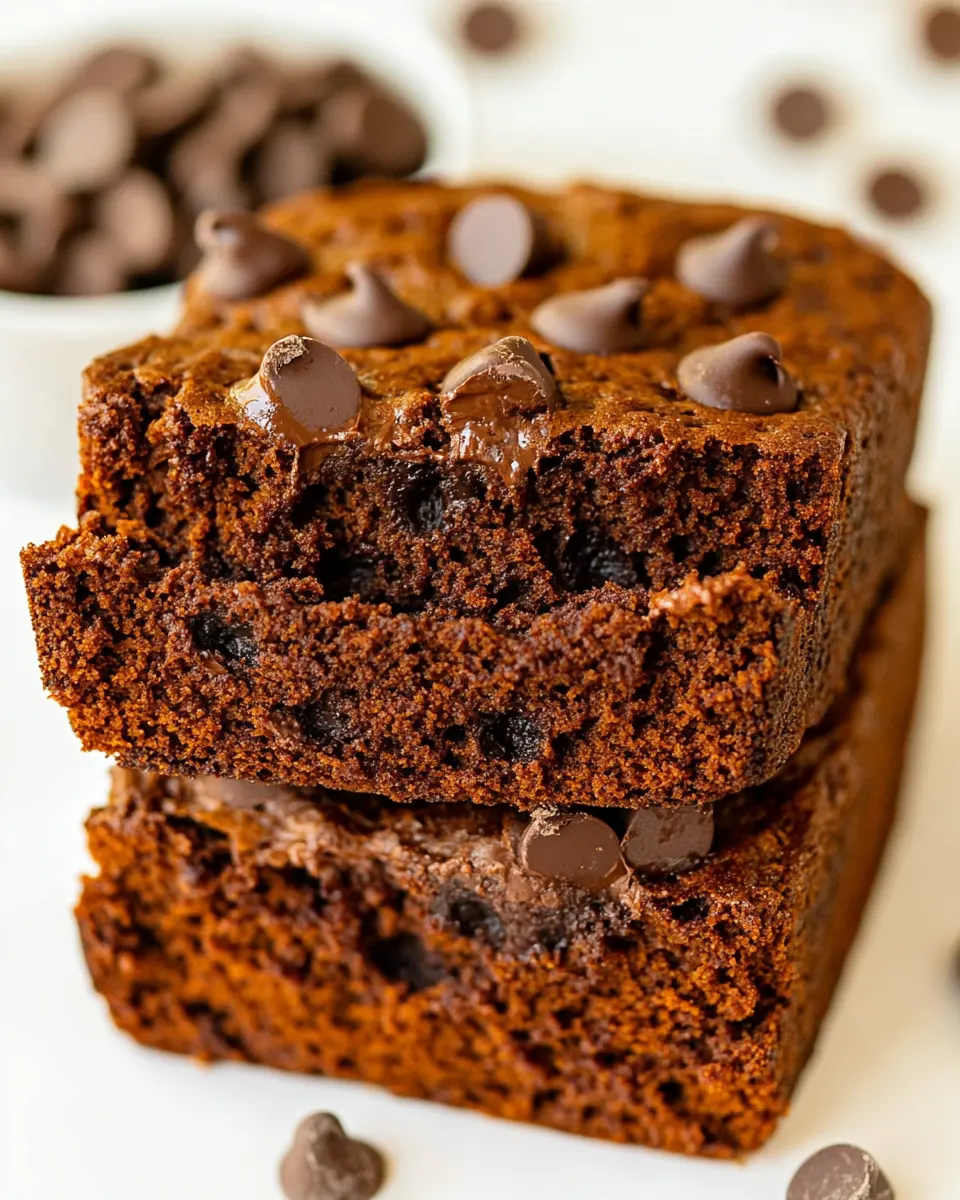
The philosophy behind these ingredients is straightforward: use whole food elements that contribute structure, moisture, and flavor. The quick oats become the backbone once blended into a flour, providing texture and binding power. The sweet potato supplies moisture and natural sweetness, while the cocoa powder and chocolate chips deliver chocolate intensity. Small players like baking powder and sea salt do heavy lifting to ensure lift and balance.
- 1 3/4 cups quick oats: Provide bulk and structure by acting as the base flour substitute; grind or pulse if needed for a finer texture and to help bind the batter. Contribute fiber and subtle nutty flavor while absorbing moisture from wet ingredients to create a cohesive loaf. Toast lightly before blending to amplify aroma and deepen the bread’s overall taste.
- 1/2 cup cocoa powder: Add deep chocolate flavor and color while enhancing the bread’s overall richness without adding gluten; whisk with oats to distribute evenly. Balance bitterness with sweeteners and pair well with spices for a complex chocolate profile. Sift or mix thoroughly to avoid lumps and ensure a smooth batter.
- 2 tsp pumpkin pie spice: Bring warm, aromatic spice notes to complement the chocolate and sweet potato; use to add cinnamon, nutmeg, and ginger layers. Enhance perceived sweetness so less sugar is needed and provide a cozy fall-inspired aroma. Adjust slightly to taste if a milder or stronger spice presence is preferred.
- 2 tsp baking powder: Act as the leavening agent to help the loaf rise and achieve a tender crumb; combine thoroughly with dry ingredients for even distribution. React with wet components to create gas bubbles that lighten the dense oat and sweet potato batter. Ensure freshness for reliable rising performance.
- 3/4 tsp sea salt: Supply mineral balance and enhance flavor by cutting slight bitterness and highlighting sweetness; help round out flavors for a more savory-sweet profile. Assist in regulating yeast and chemical reactions subtly and sharpen overall taste contrasts. Measure precisely to avoid over-salting the delicate sweet bread.
- 3 large eggs: Provide moisture, structure, and binding through proteins that set during baking to stabilize the loaf. Contribute richness and help emulsify fats and liquids, producing a tender crumb and improved mouthfeel. Beat lightly for aeration or mix gently to avoid overworking the batter.
- 1 cup mashed sweet potato: Deliver natural sweetness, moisture, and dense body while keeping the loaf tender and slightly creamy; offers vitamins and color that enhance appearance. Add fiber and earthy flavor that complements cocoa and spices, while reducing need for additional fats. Mash smoothly to integrate evenly for consistent texture.
- 2/3 cup avocado oil: Contribute healthy fats that tenderize the crumb and carry fat-soluble flavors for a moist, rich loaf; avocado oil adds a neutral taste and soft texture. Help create an emulsion with eggs and syrup for uniform batter consistency and extended freshness. Use measured amounts to prevent greasiness while ensuring moistness.
- 1/2 cup pure maple syrup: Add natural sweetness and a mild maple flavor while providing moisture and aiding browning for a caramelized crust. Act as a liquid sweetener that blends well with spices and cocoa, allowing reduced refined sugar usage. Adjust quantity for desired sweetness and overall calorie considerations.
- 2 tsp pure vanilla extract (optional): Enhance and round flavors by adding a sweet, floral vanilla note that lifts chocolate and sweet potato elements; optional for those preferring a purer profile. Work as a flavor amplifier that deepens aromatic complexity even in small amounts. Stir in with wet ingredients for even distribution.
- 1/2 to 1 cup chocolate chips: Introduce concentrated pockets of melted chocolate for texture contrast, added richness, and indulgence throughout the loaf. Provide bursts of sweetness and a pleasing chew that complements the dense, moist bread while balancing bitter cocoa. Fold in gently to avoid sinking and to maintain even distribution.
How to Prepare Healthy Flourless Double Chocolate Sweet Potato Bread
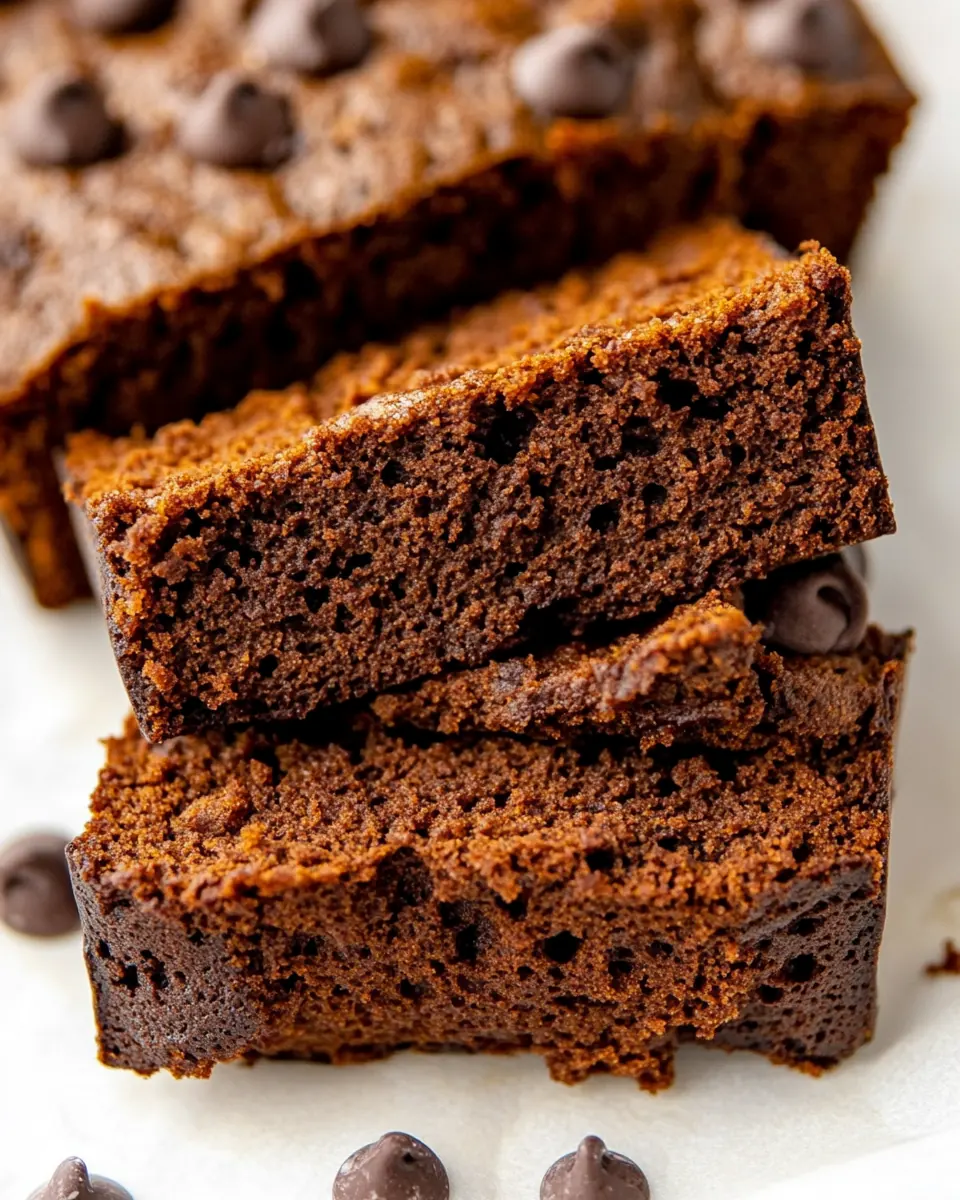
I approach the steps with calm and a checklist mentality, so the process feels enjoyable rather than rushed. The directions that follow are expanded into patient, sensory rich guidance so you can bake with confidence and end up with a glossy, tender loaf.
- Cook the sweet potato using your preferred method. The fastest way is to microwave it. To do so, poke holes in your sweet potato using a fork and wrap it in a wet paper towel. Place it on a large plate. Microwave it for 5 minutes per side, or until very tender (about 10-15 minutes total). Allow the sweet potato to cool to room temperature. To expedite this process, refrigerate the potato after cooking it. You can cook the sweet potato up to 4 days ahead of time.: The cooked sweet potato should smell earthy and sweet, and when pierced with a fork the flesh will slide apart easily, indicating tenderness. Microwaving in a damp paper towel steams the potato quickly, trapping moisture so the mash is creamy rather than dry. A common misstep is undercooking which leaves firm strands and a gritty texture, so test by squeezing gently with tongs before cooling; if it still resists, microwave in 1 to 2 minute increments. Cooling slightly will let the interior settle so it mixes smoothly with the other wet ingredients. If you prefer oven roasting you will notice caramelized edges and a deeper sweetness, which is lovely but takes more time.
- Remove the peel from the sweet potato and mash the flesh using a fork or a potato masher. We need 1 cup of mashed sweet potato.: The mash should be velvety and free of large lumps, with a vivid orange hue and a sweet aroma. Use a fork or masher and press through gently until smooth; a small amount of texture is fine, but large chunks will interrupt the loaf's crumb. If your mash seems watery, drain excess moisture by letting it sit in a fine sieve briefly, because too much liquid can turn the batter runny and extend the bake time. One mistake is measuring before mashing; always measure the mash after peeling and mashing to ensure accurate moisture balance.
- Preheat the oven to 350 degrees Fahrenheit and line a 9” x 5” loaf pan with parchment paper.: As the oven warms you will sense a rising heat and the oven light will glow warmly, signaling readiness. Lining the pan ensures easy removal and preserves the loaf's crust. Make sure the oven has reached temperature before baking, as placing the loaf in a cooler oven can cause uneven rise and dense center. Avoid skipping the parchment as sticking can tear the loaf when you try to lift it out.
- Transfer the oats, cocoa powder, pumpkin pie spice, baking powder, and sea salt (the dry ingredients) to a high-powered blender and blend at a low speed until the oats form a flour, about 60 seconds.: The blender will hum and the aroma of cocoa and spice will rise as the quick oats turn into a fine, pale powder. A smooth oat flour ensures a consistent crumb and prevents gritty bits in the loaf. Pulse at low speed first to break down larger pieces, then increase briefly to finish. A common error is overblending, which can heat the oats slightly; keep bursts short to avoid warming that might affect the texture of the batter when combined with the wet ingredients.
- Mix the mashed sweet potato, avocado oil, pure maple syrup, and vanilla extract in a large bowl.: As you whisk, the mixture will take on a glossy sheen and a fragrant maple aroma, while the avocado oil creates a silkier texture. The mixture should be homogenous, with no streaks of oil separating. If you see separation, whisk energetically to emulsify before adding dry ingredients. A pitfall here is using overly cold eggs with the wet mix which can cause slight curdling when combined; bringing eggs to room temperature helps with integration.
- Transfer the flour mixture into the large mixing bowl with the wet ingredients and stir well until all of the ingredients are combined. Mix in the chocolate chips.: When you fold in the blended oat flour and cocoa powder , the batter will thicken and darken to a rich chocolate color, and you will hear the soft scrape of the spoon against the bowl as the ingredients come together. Stir until no dry streaks remain, then fold in the chocolate chips so they are evenly distributed. Over mixing can develop the oats and make the loaf tough, so stop once combined. If the batter looks unusually stiff, a tablespoon of milk or water can smooth it, but this is rarely necessary.
- Pour batter into the prepared loaf pan and spread it into an even layer. If you’d like, top the batter with extra chocolate chips. Cover the bread pan with aluminum foil and bake on the center rack of the preheated oven for 50-60 minutes, or until the bread is cooked through. Insert a digital thermometer into the center of the bread to check its internal temperature. It is fully baked if it is 190 degrees Fahrenheit or higher.: As the loaf bakes, the kitchen will fill with chocolate and spice fragrances, and the top will set with occasional glossy pools where chips have melted. Covering with foil prevents the top from browning too quickly while the center finishes baking. Start checking toward the lower end of the time window to avoid overbaking which dries the crumb; insert a digital thermometer to confirm is 190 degrees Fahrenheit or higher in the center. A frequent mistake is removing the foil too early which can lead to a crust that cracks dramatically, so keep it covered until the majority of the bake is complete.
- Allow the bread to cool to room temperature before slicing and serving. I like warming up a slice with butter on top for the ultimate treat.: The probe will slide smoothly and the reading should remain steady; when it registers 190 degrees Fahrenheit the interior will be set and not jiggly. This temperature target avoids an underbaked, gummy center. If the thermometer reads lower, return the loaf to the oven in five minute increments and recheck. Avoid relying solely on skewer tests for dense, flourless loaves; a skewer can come out with moist crumbs yet the center remains underdone.
- Allow the bread to cool to room temperature before slicing and serving.: Cooling lets the crumb stabilize and the melted chocolate chips set slightly, creating clean slices with an even texture. The loaf will emit a warm, chocolatey aroma as it cools, and pressing the top gently should yield a slight spring back. Cutting too soon can cause the loaf to crumble and lose moisture, so patience pays off. For the most appealing presentation, let it cool on a wire rack; this prevents a soggy bottom from residual steam trapped under the pan.
Recipe Variations about Healthy Flourless Double Chocolate Sweet Potato Bread
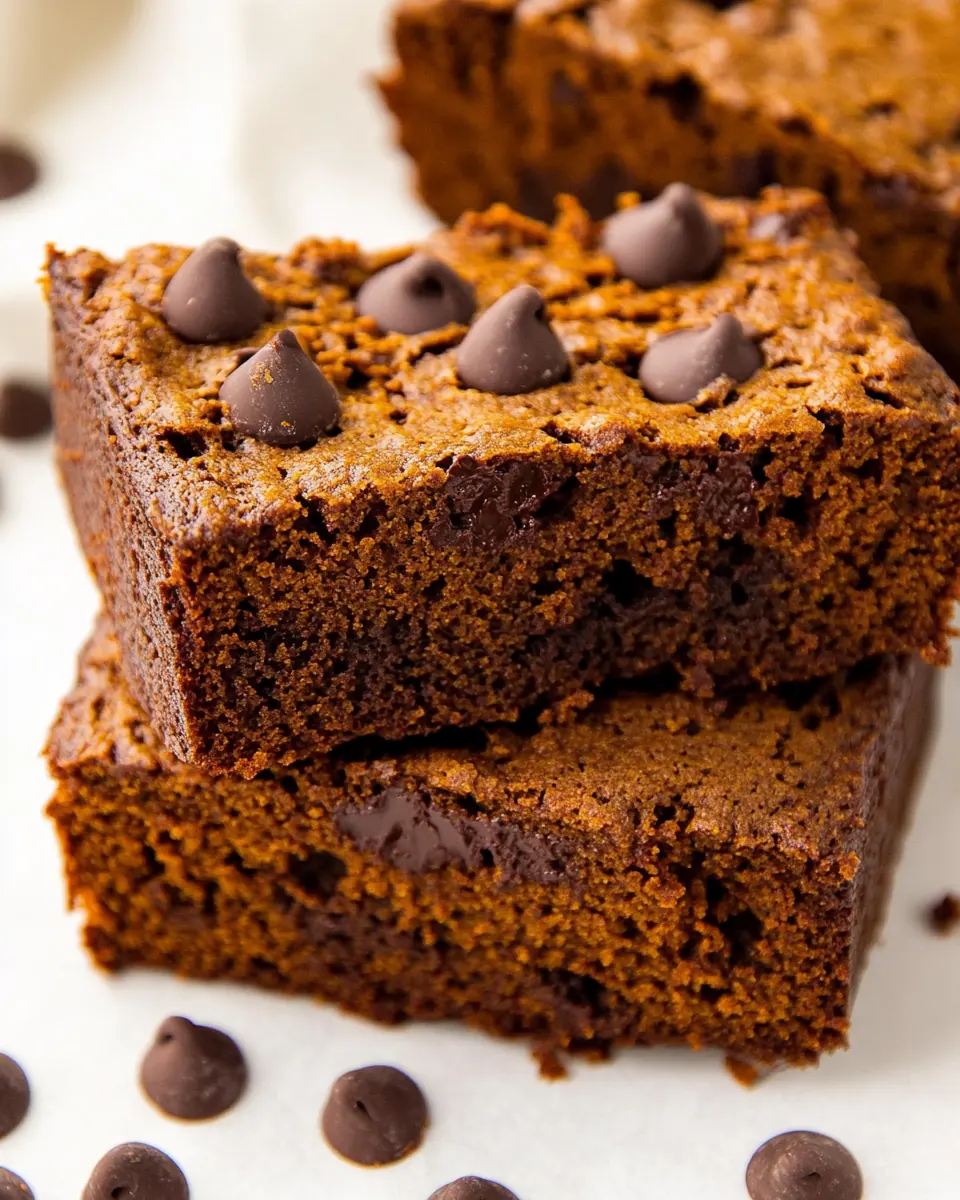
This section offers ways to make the loaf your own while keeping the core technique intact. Each tip begins with a bold phrase to highlight the idea, followed by practical details to guide you through a successful variation.
- Swap or add spices: Introduce a small pinch of ground cinnamon or cardamom for a different aromatic profile, but keep the total spice volume similar so it does not overpower the chocolate base.
- Adjust the chocolate chip ratio: Use half bittersweet and half semisweet chips for a more complex chocolate experience, balancing sweetness and depth to match your preference.
- Make it nutty: Stir in a few tablespoons of finely chopped toasted nuts for crunch, folding them in gently so they do not sink to the bottom of the loaf during baking.
- Portion into muffins: Spoon batter into lined muffin tins and reduce bake time; this creates portable treats and shortens baking for smaller batches, but watch the oven closely as they will finish earlier.
- Storing and freezing: Wrap cooled slices tightly and refrigerate up to five days, or freeze individual slices wrapped in parchment and foil for up to three months for easy thawing and reheating.
Serving Suggestions
This loaf is versatile, fitting into casual breakfasts, cozy afternoons, and friendly gatherings. Below are detailed serving ideas and storage practices presented in list form so you can pick the approach that suits your occasion.
- Breakfast pairing: Serve warm slices with a smear of butter or a dollop of yogurt for a morning treat that pairs well with coffee or tea.
- Brunch spread: Present slices alongside fresh fruit and a cheese board for contrast; the loaf’s chocolate notes complement tart berries and creamy spreads.
- Snack or dessert: Offer slightly warmed slices topped with extra chocolate chips or a dusting of cocoa for an easy dessert option that feels indulgent without fuss.
- Occasions: This loaf suits casual gatherings, potlucks, or holiday mornings in fall when the warm spice and sweet potato feel seasonal and comforting.
- Storage tips: Keep the loaf wrapped at room temperature for two days, refrigerate up to five days, or freeze slices individually for longer storage and quick reheating.
- Serving temperature: Slightly warm for gooey chips, or at room temperature for firmer slices, depending on preference and occasion.
FAQ
Conclusion
This recipe shines because it delivers a richly chocolate loaf that relies on whole ingredients like mashed sweet potato and blended oats for structure and moisture. The balance of cocoa, warm spice, and melty chocolate chips creates a comforting, slightly indulgent loaf that feels both nourishing and satisfying. I encourage you to give it a try, whether for a special breakfast, a simple dessert, or a shareable treat. The process is straightforward, the results are reliably delicious, and it often becomes a beloved staple in my baking rotation.
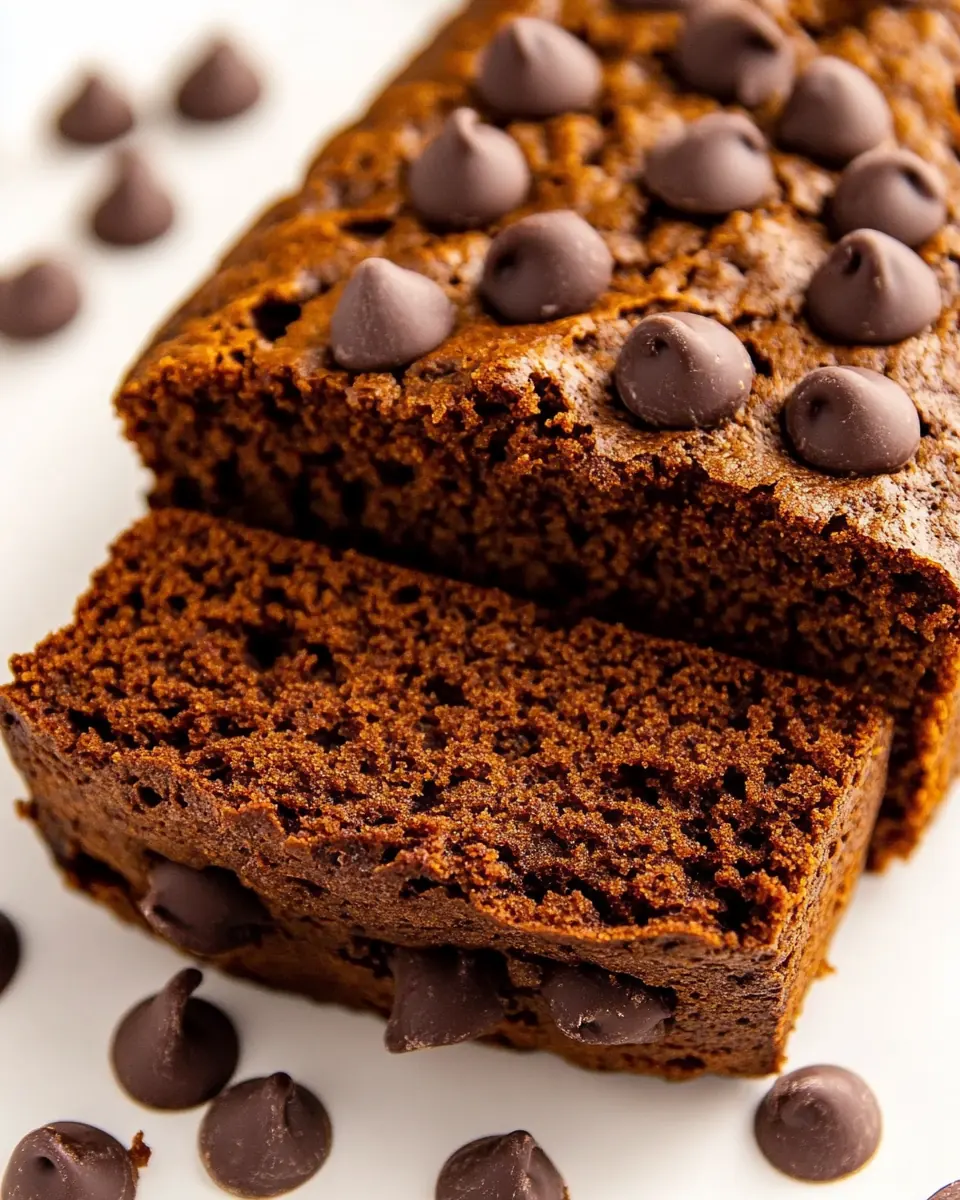
Healthy Flourless Double Chocolate Sweet Potato Bread
Ingredients
Equipment
Method
- Cook the sweet potato using your preferred method. The fastest way is to microwave it. To do so, poke holes in your sweet potato using a fork and wrap it in a wet paper towel. Place it on a large plate. Microwave it for 5 minutes per side, or until very tender (about 10-15 minutes total). Allow the sweet potato to cool to room temperature. To expedite this process, refrigerate the potato after cooking it. You can cook the sweet potato up to 4 days ahead of time.: The cooked sweet potato should smell earthy and sweet, and when pierced with a fork the flesh will slide apart easily, indicating tenderness. Microwaving in a damp paper towel steams the potato quickly, trapping moisture so the mash is creamy rather than dry. A common misstep is undercooking which leaves firm strands and a gritty texture, so test by squeezing gently with tongs before cooling; if it still resists, microwave in 1 to 2 minute increments. Cooling slightly will let the interior settle so it mixes smoothly with the other wet ingredients. If you prefer oven roasting you will notice caramelized edges and a deeper sweetness, which is lovely but takes more time.
- Remove the peel from the sweet potato and mash the flesh using a fork or a potato masher. We need 1 cup of mashed sweet potato.: The mash should be velvety and free of large lumps, with a vivid orange hue and a sweet aroma. Use a fork or masher and press through gently until smooth; a small amount of texture is fine, but large chunks will interrupt the loaf's crumb. If your mash seems watery, drain excess moisture by letting it sit in a fine sieve briefly, because too much liquid can turn the batter runny and extend the bake time. One mistake is measuring before mashing; always measure the mash after peeling and mashing to ensure accurate moisture balance.
- Preheat the oven to 350 degrees Fahrenheit and line a 9” x 5” loaf pan with parchment paper.: As the oven warms you will sense a rising heat and the oven light will glow warmly, signaling readiness. Lining the pan ensures easy removal and preserves the loaf's crust. Make sure the oven has reached temperature before baking, as placing the loaf in a cooler oven can cause uneven rise and dense center. Avoid skipping the parchment as sticking can tear the loaf when you try to lift it out.
- Transfer the oats, cocoa powder, pumpkin pie spice, baking powder, and sea salt (the dry ingredients) to a high-powered blender and blend at a low speed until the oats form a flour, about 60 seconds.: The blender will hum and the aroma of cocoa and spice will rise as the quick oats turn into a fine, pale powder. A smooth oat flour ensures a consistent crumb and prevents gritty bits in the loaf. Pulse at low speed first to break down larger pieces, then increase briefly to finish. A common error is overblending, which can heat the oats slightly; keep bursts short to avoid warming that might affect the texture of the batter when combined with the wet ingredients.
- Mix the mashed sweet potato, avocado oil, pure maple syrup, and vanilla extract in a large bowl.: As you whisk, the mixture will take on a glossy sheen and a fragrant maple aroma, while the avocado oil creates a silkier texture. The mixture should be homogenous, with no streaks of oil separating. If you see separation, whisk energetically to emulsify before adding dry ingredients. A pitfall here is using overly cold eggs with the wet mix which can cause slight curdling when combined; bringing eggs to room temperature helps with integration.
- Transfer the flour mixture into the large mixing bowl with the wet ingredients and stir well until all of the ingredients are combined. Mix in the chocolate chips.: When you fold in the blended oat flour and cocoa powder , the batter will thicken and darken to a rich chocolate color, and you will hear the soft scrape of the spoon against the bowl as the ingredients come together. Stir until no dry streaks remain, then fold in the chocolate chips so they are evenly distributed. Over mixing can develop the oats and make the loaf tough, so stop once combined. If the batter looks unusually stiff, a tablespoon of milk or water can smooth it, but this is rarely necessary.
- Pour batter into the prepared loaf pan and spread it into an even layer. If you’d like, top the batter with extra chocolate chips. Cover the bread pan with aluminum foil and bake on the center rack of the preheated oven for 50-60 minutes, or until the bread is cooked through. Insert a digital thermometer into the center of the bread to check its internal temperature. It is fully baked if it is 190 degrees Fahrenheit or higher.: As the loaf bakes, the kitchen will fill with chocolate and spice fragrances, and the top will set with occasional glossy pools where chips have melted. Covering with foil prevents the top from browning too quickly while the center finishes baking. Start checking toward the lower end of the time window to avoid overbaking which dries the crumb; insert a digital thermometer to confirm is 190 degrees Fahrenheit or higher in the center. A frequent mistake is removing the foil too early which can lead to a crust that cracks dramatically, so keep it covered until the majority of the bake is complete.
- Allow the bread to cool to room temperature before slicing and serving. I like warming up a slice with butter on top for the ultimate treat.: The probe will slide smoothly and the reading should remain steady; when it registers 190 degrees Fahrenheit the interior will be set and not jiggly. This temperature target avoids an underbaked, gummy center. If the thermometer reads lower, return the loaf to the oven in five minute increments and recheck. Avoid relying solely on skewer tests for dense, flourless loaves; a skewer can come out with moist crumbs yet the center remains underdone.
- Allow the bread to cool to room temperature before slicing and serving.: Cooling lets the crumb stabilize and the melted chocolate chips set slightly, creating clean slices with an even texture. The loaf will emit a warm, chocolatey aroma as it cools, and pressing the top gently should yield a slight spring back. Cutting too soon can cause the loaf to crumble and lose moisture, so patience pays off. For the most appealing presentation, let it cool on a wire rack; this prevents a soggy bottom from residual steam trapped under the pan.
Notes
- Swap or add spices: Introduce a small pinch of ground cinnamon or cardamom for a different aromatic profile, but keep the total spice volume similar so it does not overpower the chocolate base.
- Adjust the chocolate chip ratio: Use half bittersweet and half semisweet chips for a more complex chocolate experience, balancing sweetness and depth to match your preference.
- Make it nutty: Stir in a few tablespoons of finely chopped toasted nuts for crunch, folding them in gently so they do not sink to the bottom of the loaf during baking.
- Portion into muffins: Spoon batter into lined muffin tins and reduce bake time; this creates portable treats and shortens baking for smaller batches, but watch the oven closely as they will finish earlier.
- Storing and freezing: Wrap cooled slices tightly and refrigerate up to five days, or freeze individual slices wrapped in parchment and foil for up to three months for easy thawing and reheating.