Homemade Apple Pie Filling Recipe
Homemade Apple Pie Filling Recipe has been my secret for turning a basket of crisp apples into a jar of warmth that keeps on giving. The first time I made this, I was racing the end of apple season, and I remember standing over the stove while the kitchen filled with the scent of cinnamon and caramelizing fruit. I felt instantly calmer, like I was bottling up autumn to pull out on a rushed weeknight or a cozy Sunday afternoon.
That batch taught me to trust simple, honest ingredients. As the apples softened, I kept nudging the pan, listening for tiny pops and watching the juice transform into a glossy, spoonable sauce. I scribbled notes on a napkin and tasted along the way, learning when the apples were tender enough but still held a gentle bite. Over the years I have tweaked the balance of sweetness and spice to suit family breakfasts, last minute tarts, and snack-time toast.
Recipe Snapshot
17 mins
10 mins
7 mins
Easy
150 kcal
American
Gluten-Free, Vegan
Desserts
Saucepan, Mixing bowl, Wooden spoon
The Charm of This Homemade Apple Pie Filling Recipe
Comforting, concentrated apple flavor
I love how Homemade Apple Pie Filling Recipe captures the pure essence of baked apples without needing a full pie. The fruit steams and softens, while the sugars and a touch of cinnamon coax out deep, rounded notes. I often make a double batch because the concentrated flavor is perfect spooned over yogurt or stirred into oatmeal.
Fast and forgiving technique
We can have this ready in a short time, which is why I reach for it on busy mornings. The method is forgiving, so if you busy yourself and the apples take an extra minute, they still finish beautifully. I appreciate recipes that let you step away briefly without disaster.
Versatile pantry hero
This filling transforms into so many dishes, so I treat it like pantry gold. It fits into sweet breakfasts, simple desserts, or as a component for holiday recipes. I keep jars in the fridge and feel clever when I pull a jar out to elevate a meal at the last minute.
Simple, approachable ingredients
I like that the ingredient list is straightforward, letting the apples be the star. Each element plays a clear role, and I enjoy teaching friends how a small amount of cornstarch gives a silky texture, while butter adds a round mouthfeel that feels luxurious without fuss.
Great for batch cooking and gifting
I’ve given jars of this as gifts and watched faces light up. It keeps well and freezes beautifully, so making a larger pot is practical. When I prep several jars, I savor the feeling of having something homemade ready to go for breakfasts, parties, or unexpected guests.
Homemade Apple Pie Filling Recipe Shopping List
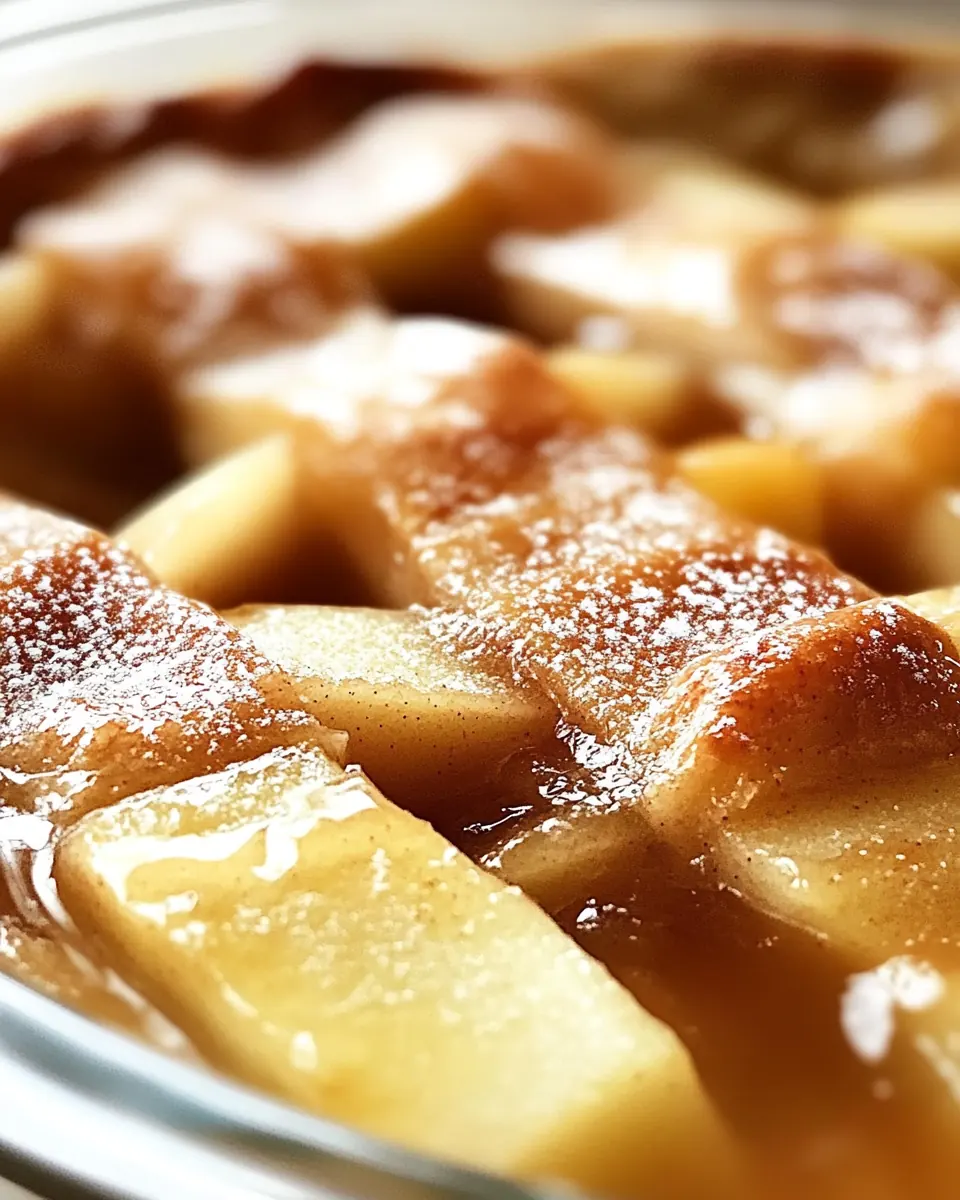
I cook with a philosophy that simple, quality ingredients make the result sing. For Homemade Apple Pie Filling Recipe the apples are the lead, while the sugar and cinnamon enhance natural sweetness and warmth. Tiny amounts of butter, water, and cornstarch help craft a glossy, clingy filling that holds together when you spoon it into pastries or jars. These are cooperative players, each doing a precise job so the texture and flavor are balanced.
- 4 medium (728 g) apples, Granny Smith, Braeburn, Honeycrisp or a Combination: Provide tartness and structure, contributing firm texture and bright flavor; peel and core then slice evenly to ensure uniform cooking and consistent filling thickness.
- 1/3 cup (66 g) sugar, granulated: Add sweetness and help balance apple acidity while aiding caramelization during cooking; measure carefully to avoid overly sweet filling and dissolve into the fruit juices for even distribution.
- 4 tablespoons (57 g) water: Contribute moisture to prevent sticking and help dissolve sugar and cornstarch, creating a cohesive syrup; add gradually and simmer to reduce and concentrate flavors.
- 2 tablespoons (28 g) butter: Introduce richness and a silky mouthfeel while enhancing buttery flavor in the filling; stir in near the end of cooking so it melts and integrates without separating.
- 1 tablespoon (8 g) ground cinnamon: Deliver warm, aromatic spice and depth that complements apple sweetness; sprinkle evenly and taste as you go to achieve a balanced spice profile without overpowering.
- 1 tablespoon (7 g) cornstarch: Thicken the cooking juices into a glossy filling by absorbing liquid and stabilizing the sauce; whisk with a little cold water first to prevent lumps, then add to boiling juices to activate thickening.
Directions for Homemade Apple Pie Filling Recipe
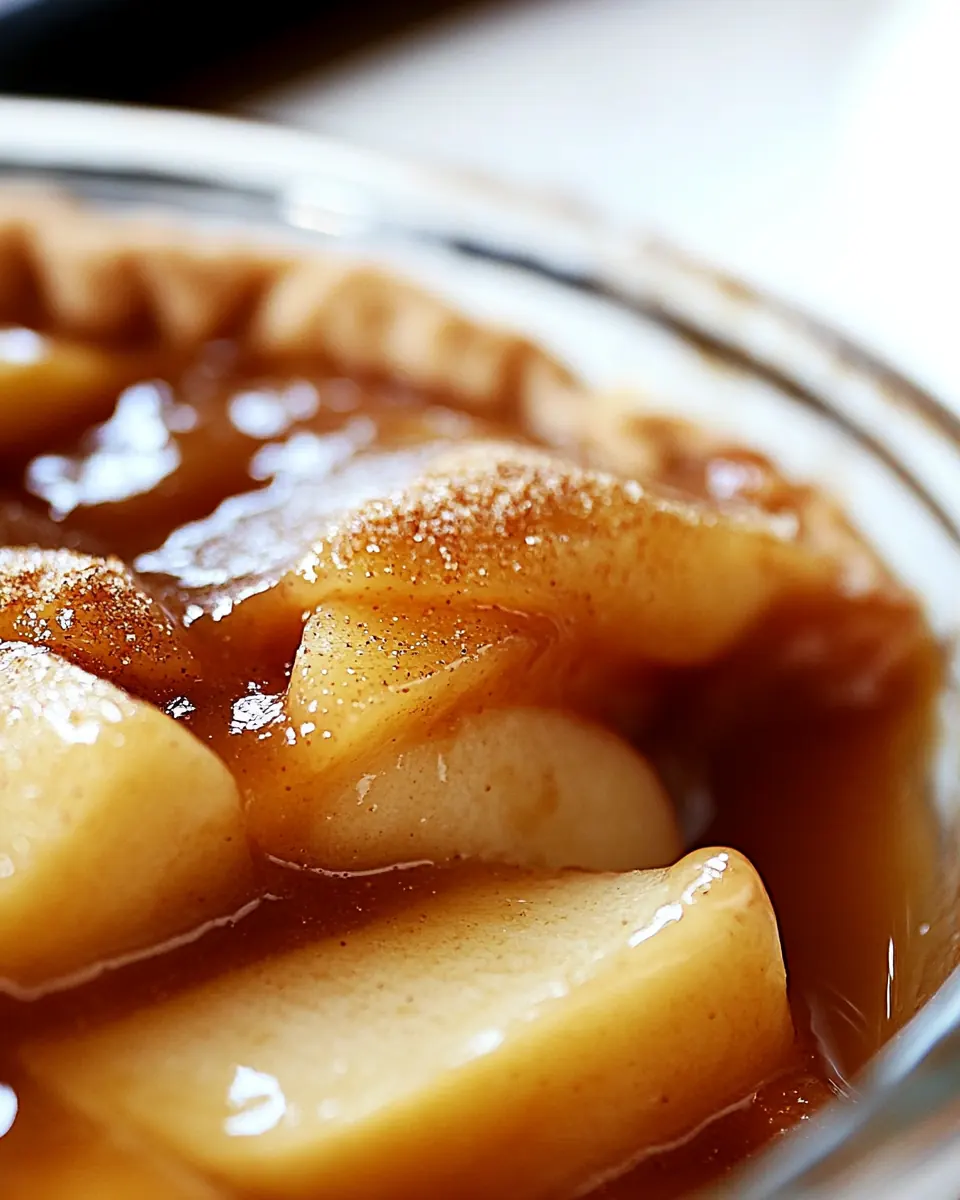
I like to approach the cooking steps as a conversation with the pan. Listen for the apples as they soften, watch the syrup come together, and trust your senses. Below are the cleaned steps, rewritten into immersive, sensory-rich guidance so you know what to expect at each stage.
- Peel and slice the apples into 1/4-inch slices.: When you peel and slice the apples, you will notice a crisp, fresh scent that hints at their variety. The act of cutting into the fruit releases a bright, green apple aroma if you used Granny Smith, or a sweeter perfume with Honeycrisp. Your knife should glide through each apple, producing uniform 1/4 inch slices so they cook evenly. Aim for consistent thickness to avoid some pieces becoming mushy while others remain too firm. One common mistake is rushing and leaving uneven slices, which leads to uneven texture. Keep your fingers safe with a steady grip, and if the apples are very juicy, blot them lightly to avoid a watery filling.
- Melt the butter and the ground cinnamon over medium heat. Add the apples, sugar, and 3 tablespoons water. Cover the pan and cook until the apples are slightly tender, about 5 minutes.: As the butter melts, it will foam slightly and release a nutty, creamy scent that fills the pan. Adding the cinnamon to the warm butter lets the spice bloom, which deepens its aroma and prevents raw, powdery pockets. Stir gently until the mixture becomes fragrant, watching for the butter to lose its foam and become glossy, a visual cue that it is ready. Avoid heating too high, because browned butter will change the intended flavor profile. If you overheat, the cinnamon can become bitter, so keep the heat steady and controlled.
- Whisk together 1 tablespoon water and 1 tablespoon cornstarch. Stir into the pan with the apple mixture until thickened. If a thinner consistency is desired, stir in more water until the filling reaches your desired consistency. Allow the pie filling to cook and bubble for 1 minute. The apples should be soft and the filling thickened.: Once the butter is aromatic, adding the apple slices will produce a soft sizzling sound as the fruit meets the warm fat. Sprinkle the sugar evenly so it dissolves into the pan and begin by pouring in 3 tablespoons of the water . The water helps create steam, which gently softens the apples and draws out juices that will combine with the sugar to form a syrup. Stir to coat the apples, noticing how the mixture starts to shimmer as juices are released. A frequent error is adding too much water up front, which can thin the sauce; start with the smaller amount and adjust later if needed.
- Cover the pan and cook until the apples are slightly tender, about 5 minutes: With the pan covered, steam will trap heat and soften the apples uniformly. After about 5 minutes, lift the lid and check for tenderness by piercing a slice with a fork; it should give but retain its shape. You will see the apples glossy and the syrup slightly thickened. The aroma will be a lovely mix of cooked fruit and toasted spice. Avoid overcooking, which leads to mushy apples and a loss of distinct texture. If some pieces are done earlier, reduce the heat and finish slowly so the batch stays cohesive.
- Whisk together 1 tablespoon water and 1 tablespoon cornstarch: Combine the cornstarch with a tablespoon of water until completely smooth to make a slurry. This step ensures the cornstarch disperses evenly and prevents lumps that would cloud the sauce. The slurry should be glossy and free of specks. A typical pitfall is adding dry cornstarch directly, which yields grainy clumps. Keep whisking until silky, and have it ready to add so you can thicken the filling quickly.
- Stir into the pan with the apple mixture until thickened: Pour the smooth slurry into the bubbling apples while stirring; the filling will change texture within seconds, shifting from a loose syrup to a syrup that clings to the fruit. You'll notice the sound of tiny bubbles shift to a quieter simmer as the mixture thickens. Keep stirring to avoid hotspots and to ensure uniform thickening. If the filling becomes too thick, add a splash of water and stir until you reach your desired consistency. A common mistake is not stirring after adding the slurry, which can cause uneven thickening or localized gel pockets.
- If a thinner consistency is desired stir in more water until the filling reaches your desired consistency: Adjusting texture is a sensory exercise, feel the weight of the sauce on a spoon and watch how it coats the fruit. Adding small amounts of water and tasting along the way keeps the balance intact. The right consistency should cling without pooling excessively, making it easy to spoon into a crust or jar. Be cautious not to overwater, which dilutes flavor and leaves the filling runny. If it becomes too thin, a brief return to heat with a tiny bit more cornstarch slurry will recover it.
- Allow the pie filling to cook and bubble for 1 minute: Let the mixture come to a gentle, rolling bubble for about 1 minute to fully activate the thickener and meld the flavors. During this time, the aroma will intensify and the sauce will shine. The apples should be soft yet retain some structure, and the filling should cling to the slices in a glossy coating. Avoid overboiling, which can break down the fruit and dull the flavor. Once the minute is up, remove from heat and let the residual warmth settle, because carryover will slightly change the texture as it cools.
- The apples should be soft and the filling thickened: At the finish, use visual and tactile cues to confirm success. The apples will appear translucent at the edges and slightly matte on cut surfaces, while the filling will hold shape when scooped. The scent should be warmly spiced and inviting. If pieces are overly firm, return to low heat for another short interval. A final mistake to watch for is underseasoning, so taste carefully and adjust a pinch of salt if your palate calls for more balance, though do not add ingredients outside the list.
Recipe Variations about Homemade Apple Pie Filling Recipe
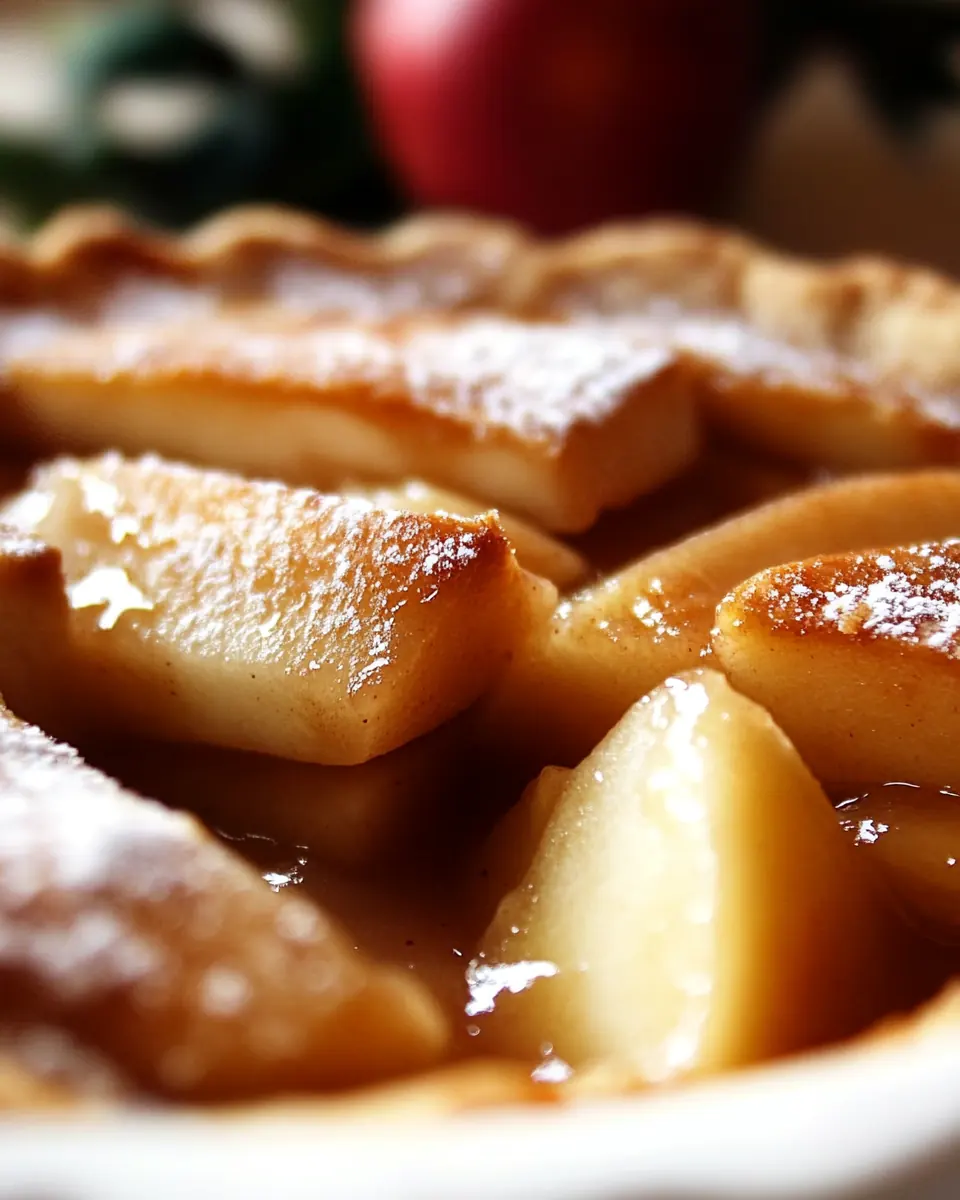
I like to think of variations as gentle nudges rather than drastic reinventions. Below are expanded practical ideas and notes drawn from the recipe notes that work well in real kitchens, whether you are adjusting for gluten free needs or aiming for different flavor profiles.
- Gluten Free option Use certified gluten free ingredients, and the recipe remains the same because this filling is naturally free of gluten once you verify your thickeners and sugar are certified.
- Brown sugar swap Replace the granulated sugar with brown sugar to introduce molasses notes, which produce a deeper, caramel like flavor that pairs beautifully with baked goods and toast.
- Spice swap Substitute apple pie spice or pumpkin pie spice for the cinnamon to add complexity and a warmer spice profile suitable for autumn desserts.
- Freezing guidance Allow the filling to cool completely, then place it in freezer safe airtight containers for up to three months. Thaw overnight in the refrigerator before using.
- Refrigeration tip Store cooled filling in a jar with a tight lid in the refrigerator for up to four days, making it easy to spoon onto breakfasts or desserts all week.
Serving Suggestions
This filling is incredibly flexible, so serving ideas range from rustic breakfasts to elegant desserts. It pairs well with flaky crusts, warm breads, or simple yogurt. Below are detailed serving options and storage advice to help you use every jar creatively.
- Classic pie Spoon the filling into a prepared pie crust, cover with a top crust or lattice, and bake until the crust is golden. The filling’s glossy texture helps it set nicely while the apples stay defined.
- Tart or galette Use the filling in an open tart or free form galette for a rustic presentation. The concentrated flavor makes each slice feel indulgent.
- Breakfast topper Warm a spoonful and serve over pancakes, waffles, or oatmeal for an autumnal breakfast with bright, spiced fruit.
- Yogurt or ice cream Spoon chilled or warm filling over plain yogurt or vanilla ice cream to create contrast between creamy dairy and spiced fruit.
- Snack on toast Spread on toast or a biscuit for a quick, satisfying snack; a smear of the filling lifts simple breads into something special.
- Storage advice Keep opened jars refrigerated up to four days, or freeze portions for up to three months. Thaw frozen portions overnight in the refrigerator before reheating gently on the stovetop.
- Occasions Ideal for fall gatherings, Thanksgiving sides, weeknight desserts, and as a thoughtful homemade gift during the holiday season.
FAQ
Conclusion
This recipe stands out because it captures bright apple flavor, warm spice, and spoonable texture with very little fuss. I encourage you to try making Homemade Apple Pie Filling Recipe because it elevates simple breakfasts and simplifies dessert prep, while also making a lovely homemade gift. It is a small batch of autumn in a jar that rewards patience and tastes like care.
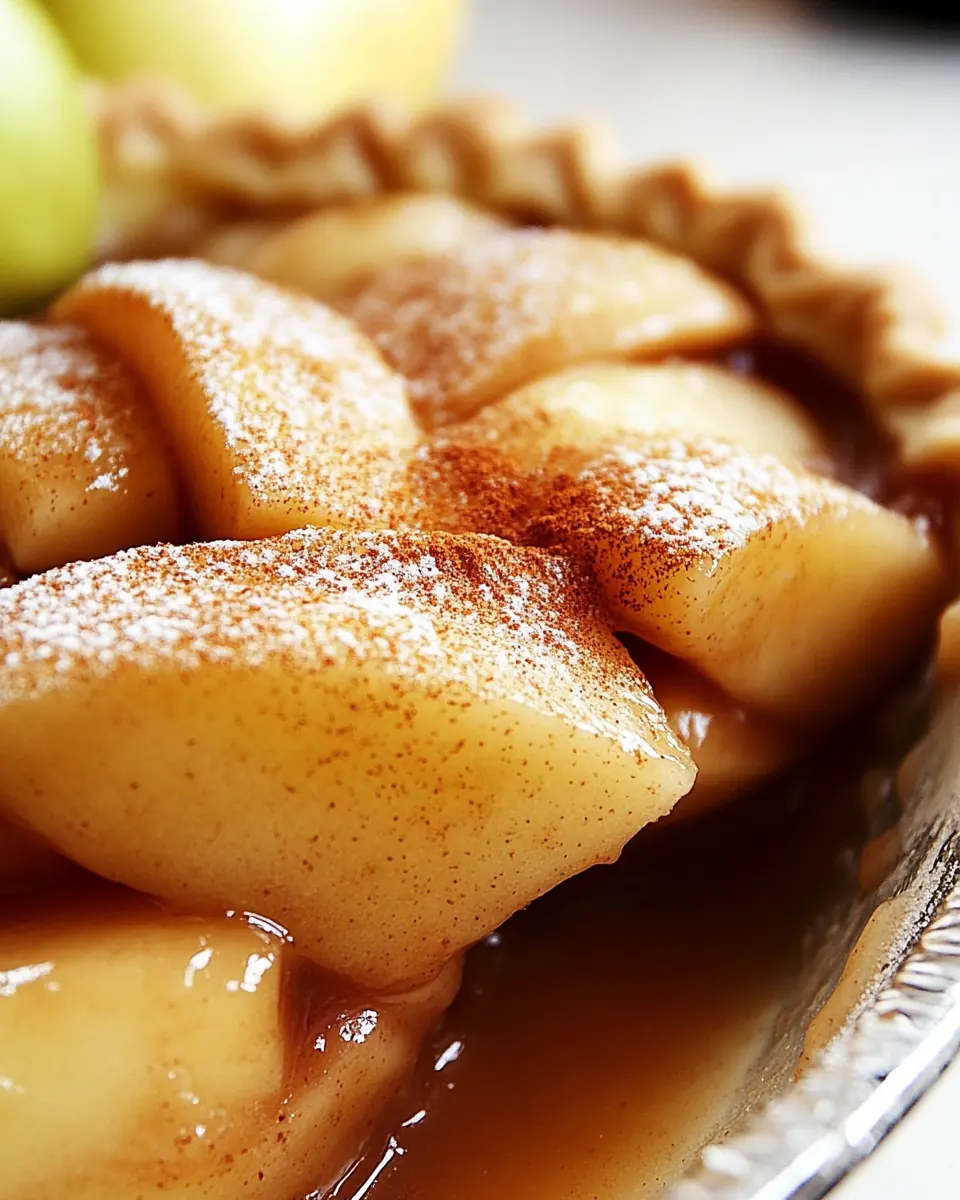
Homemade Apple Pie Filling Recipe
Ingredients
Equipment
Method
- Peel and slice the apples into 1/4-inch slices.: When you peel and slice the apples, you will notice a crisp, fresh scent that hints at their variety. The act of cutting into the fruit releases a bright, green apple aroma if you used Granny Smith, or a sweeter perfume with Honeycrisp. Your knife should glide through each apple, producing uniform 1/4 inch slices so they cook evenly. Aim for consistent thickness to avoid some pieces becoming mushy while others remain too firm. One common mistake is rushing and leaving uneven slices, which leads to uneven texture. Keep your fingers safe with a steady grip, and if the apples are very juicy, blot them lightly to avoid a watery filling.
- Melt the butter and the ground cinnamon over medium heat. Add the apples, sugar, and 3 tablespoons water. Cover the pan and cook until the apples are slightly tender, about 5 minutes.: As the butter melts, it will foam slightly and release a nutty, creamy scent that fills the pan. Adding the cinnamon to the warm butter lets the spice bloom, which deepens its aroma and prevents raw, powdery pockets. Stir gently until the mixture becomes fragrant, watching for the butter to lose its foam and become glossy, a visual cue that it is ready. Avoid heating too high, because browned butter will change the intended flavor profile. If you overheat, the cinnamon can become bitter, so keep the heat steady and controlled.
- Whisk together 1 tablespoon water and 1 tablespoon cornstarch. Stir into the pan with the apple mixture until thickened. If a thinner consistency is desired, stir in more water until the filling reaches your desired consistency. Allow the pie filling to cook and bubble for 1 minute. The apples should be soft and the filling thickened.: Once the butter is aromatic, adding the apple slices will produce a soft sizzling sound as the fruit meets the warm fat. Sprinkle the sugar evenly so it dissolves into the pan and begin by pouring in 3 tablespoons of the water . The water helps create steam, which gently softens the apples and draws out juices that will combine with the sugar to form a syrup. Stir to coat the apples, noticing how the mixture starts to shimmer as juices are released. A frequent error is adding too much water up front, which can thin the sauce; start with the smaller amount and adjust later if needed.
- Cover the pan and cook until the apples are slightly tender, about 5 minutes: With the pan covered, steam will trap heat and soften the apples uniformly. After about 5 minutes, lift the lid and check for tenderness by piercing a slice with a fork; it should give but retain its shape. You will see the apples glossy and the syrup slightly thickened. The aroma will be a lovely mix of cooked fruit and toasted spice. Avoid overcooking, which leads to mushy apples and a loss of distinct texture. If some pieces are done earlier, reduce the heat and finish slowly so the batch stays cohesive.
- Whisk together 1 tablespoon water and 1 tablespoon cornstarch: Combine the cornstarch with a tablespoon of water until completely smooth to make a slurry. This step ensures the cornstarch disperses evenly and prevents lumps that would cloud the sauce. The slurry should be glossy and free of specks. A typical pitfall is adding dry cornstarch directly, which yields grainy clumps. Keep whisking until silky, and have it ready to add so you can thicken the filling quickly.
- Stir into the pan with the apple mixture until thickened: Pour the smooth slurry into the bubbling apples while stirring; the filling will change texture within seconds, shifting from a loose syrup to a syrup that clings to the fruit. You'll notice the sound of tiny bubbles shift to a quieter simmer as the mixture thickens. Keep stirring to avoid hotspots and to ensure uniform thickening. If the filling becomes too thick, add a splash of water and stir until you reach your desired consistency. A common mistake is not stirring after adding the slurry, which can cause uneven thickening or localized gel pockets.
- If a thinner consistency is desired stir in more water until the filling reaches your desired consistency: Adjusting texture is a sensory exercise, feel the weight of the sauce on a spoon and watch how it coats the fruit. Adding small amounts of water and tasting along the way keeps the balance intact. The right consistency should cling without pooling excessively, making it easy to spoon into a crust or jar. Be cautious not to overwater, which dilutes flavor and leaves the filling runny. If it becomes too thin, a brief return to heat with a tiny bit more cornstarch slurry will recover it.
- Allow the pie filling to cook and bubble for 1 minute: Let the mixture come to a gentle, rolling bubble for about 1 minute to fully activate the thickener and meld the flavors. During this time, the aroma will intensify and the sauce will shine. The apples should be soft yet retain some structure, and the filling should cling to the slices in a glossy coating. Avoid overboiling, which can break down the fruit and dull the flavor. Once the minute is up, remove from heat and let the residual warmth settle, because carryover will slightly change the texture as it cools.
- The apples should be soft and the filling thickened: At the finish, use visual and tactile cues to confirm success. The apples will appear translucent at the edges and slightly matte on cut surfaces, while the filling will hold shape when scooped. The scent should be warmly spiced and inviting. If pieces are overly firm, return to low heat for another short interval. A final mistake to watch for is underseasoning, so taste carefully and adjust a pinch of salt if your palate calls for more balance, though do not add ingredients outside the list.
Notes
- Gluten Free option Use certified gluten free ingredients, and the recipe remains the same because this filling is naturally free of gluten once you verify your thickeners and sugar are certified.
- Brown sugar swap Replace the granulated sugar with brown sugar to introduce molasses notes, which produce a deeper, caramel like flavor that pairs beautifully with baked goods and toast.
- Spice swap Substitute apple pie spice or pumpkin pie spice for the cinnamon to add complexity and a warmer spice profile suitable for autumn desserts.
- Freezing guidance Allow the filling to cool completely, then place it in freezer safe airtight containers for up to three months. Thaw overnight in the refrigerator before using.
- Refrigeration tip Store cooled filling in a jar with a tight lid in the refrigerator for up to four days, making it easy to spoon onto breakfasts or desserts all week.