Carrot Cake Pancakes
Carrot Cake Pancakes came into my life on a slow Saturday morning when I wanted the tender warmth of cake but the quick comfort of pancakes. I remember grating a stubbornly large carrot while coffee steamed beside me, thinking about how breakfast can be a tiny celebration. That first skillet batch surprised me with a soft crumb flecked with cinnamon and nutmeg, and I was hooked.
I love how these pancakes blur the line between breakfast and dessert, they feel like a cozy hug with a drizzle of syrup and a slice of banana on the side. I often make a double batch when friends drop by, because they disappear almost immediately. The texture is rounded out by the canned crushed pineapple and a touch of olive oil, which keeps each cake tender and bright. When you flip a pancake and see a golden edge forming, you know you are getting close to something special. Tiny specks of cinnamon perfume the batter and that aroma alone is reason enough to start cooking.
Recipe Snapshot
25 mins
10 mins
15 mins
Easy
320 kcal
American
Gluten-Free, Vegan
Breakfast
Mixing bowl, Skillet, Grater, Measuring cups
Why This Carrot Cake Pancakes Works
Wholesome Comfort Food
I find these pancakes so satisfying because they combine the nostalgia of carrot cake with the casual ease of a griddle breakfast. The grated carrot and banana add a natural sweetness and moisture that keep every bite tender, without relying on heavy fats.
Flavor Layers That Sing
There are multiple layers of flavor here, from warm cinnamon and earthy nutmeg to bright, juicy notes from the crushed pineapple. I love that each forkful offers a new little surprise, and the maple syrup ties everything together with a glossy finish.
Fast Enough for Weekends and Guests
Because the batter comes together quickly and cooks in minutes, these pancakes are great for relaxed mornings or impromptu brunches. I can mix and cook while chatting and have a stack ready before people even realize they are hungry.
Flexible and Friendly
These pancakes welcome small swaps and personal touches. I often use what I have on hand, and they still come out delicious. The technique is forgiving, and that allows me to focus on the sensory parts of cooking, like listening for the light bubbling that signals readiness to flip.
Kid Approved, Adult Approved
The natural sweetness from banana and canned crushed pineapple makes these a hit with kids, while the warm spices keep adults reaching for seconds. I love seeing everyone at the table smiling and trading tips about the perfect syrup ratio.
What You’ll Need for Carrot Cake Pancakes
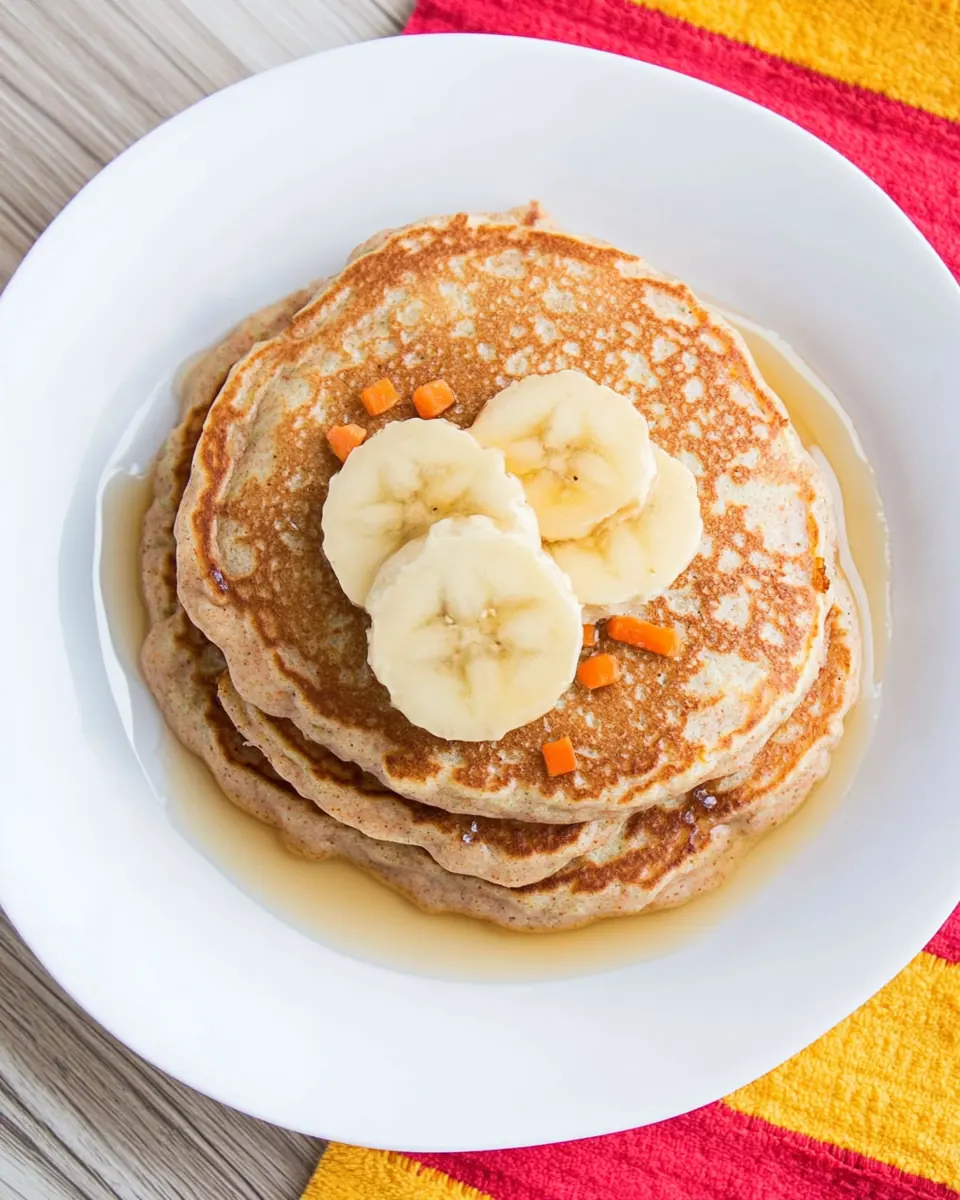
These ingredients are intentionally simple, yet they balance each other to create tender, deeply flavored pancakes. The dry ingredients build structure, the wet ingredients provide moisture and lift, and the fresh additions bring texture and brightness. The key players are the flour, which gives the pancakes body, the milk for creaminess, and the shredded carrot and crushed pineapple for moisture and sweetness.
- 1 1/4 cup flour, all-purpose: Provide structure and bulk to the batter, forming the base of the pancakes; combine with leavening to create a tender crumb and absorb liquids for proper consistency.
- 2 teaspoon baking powder: Leaven the pancakes by releasing carbon dioxide during cooking; incorporate with dry ingredients to lighten the texture and help achieve fluffy stacks.
- 1/4 teaspoons salt: Enhance overall flavor balance and control sweetness; contribute to gluten development regulation and strengthen leavening action when mixed with other dry ingredients.
- 1 teaspoon cinnamon: Add warm, aromatic spice that complements carrots and bananas; sprinkle into the dry mix to impart depth and a classic carrot cake flavor profile.
- 1/4 teaspoon nutmeg: Contribute subtle warm spiciness and complexity; use sparingly to avoid overpowering other spices while rounding out the cake-like flavor.
- 4 tablespoon brown sugar: Sweeten and deepen flavor with molasses notes; help retain moisture in the pancakes and promote a caramelized, slightly chewy edge when cooked.
- 1 1/4 cup milk: Moisten and hydrate the dry ingredients to form batter; provide tenderness and richness while helping dissolved sugar and leaveners activate.
- 1 teaspoon vanilla extract: Introduce a sweet, floral note that enhances the overall flavor; blend into wet ingredients to elevate and unify the pancake batter’s taste.
- 2 medium carrot: Add natural sweetness, moisture, and texture with finely grated carrot; contribute to visual appeal, nutrients, and a classic carrot cake character.
- 1/4 cup crushed pineapple, canned in own juice: Introduce juicy sweetness and slight acidity to keep pancakes moist; add tiny fruit pieces and acidity that brighten and balance the batter.
- 2 tablespoon olive oil: Provide fat for tenderness and a soft mouthfeel while reducing stickiness; use as a neutral-flavored oil to help cook and moisten the pancakes.
- 3 tablespoon butter, unsalted: Add rich dairy fat for flavor and smoothness; melt and mix into batter to contribute luxurious mouthfeel and help browning during cooking.
- 1/4 cup maple syrup, pure: Supply natural sweetness and a distinctive amber flavor; drizzle into batter or on finished pancakes to reinforce the pancake’s carrot cake profile.
- 2 medium banana: Bring additional natural sweetness, moisture, and banana flavor; mash and fold into the batter to enhance texture and act as a natural binder.
How to Prepare Carrot Cake Pancakes
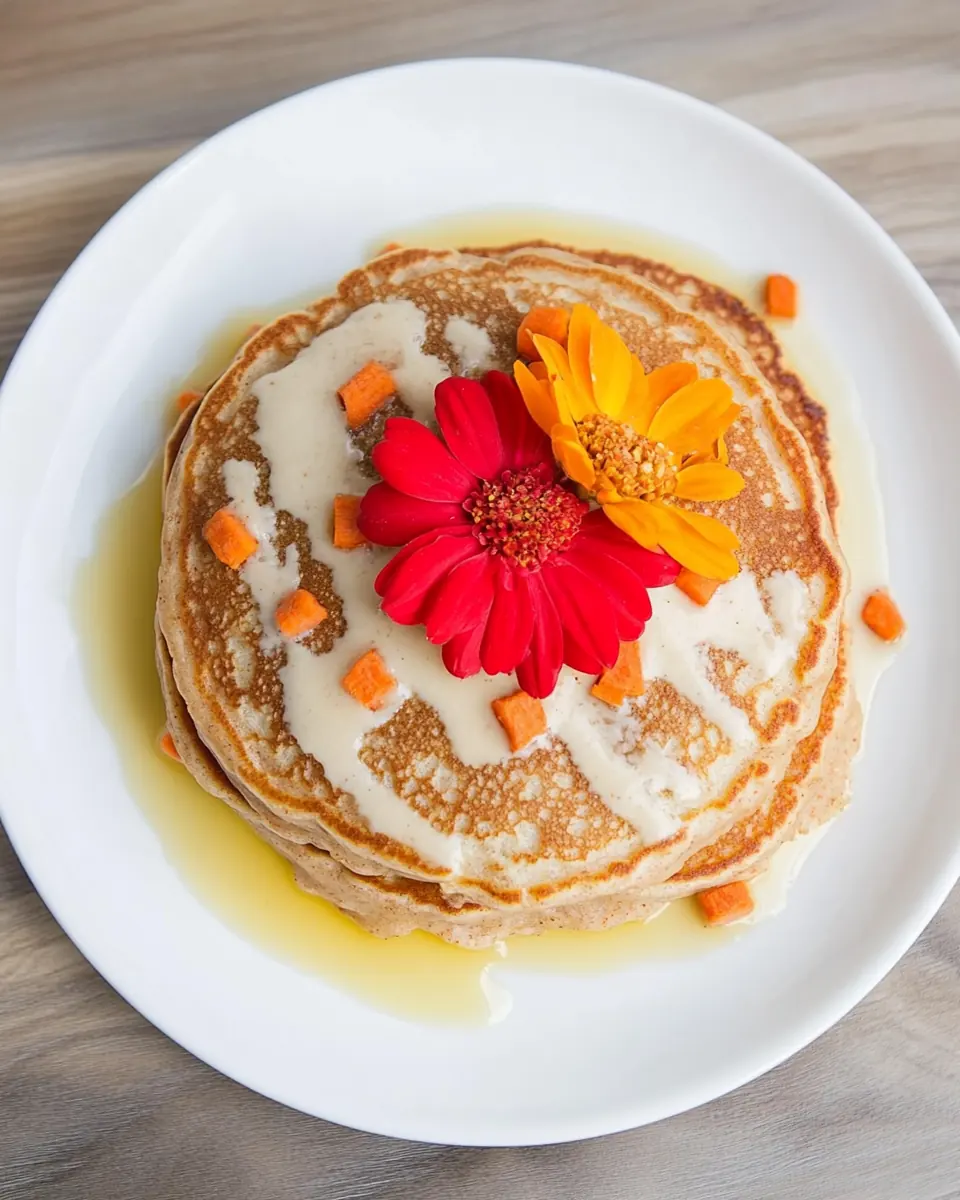
These directions are approachable and rewarding, I like to cook while paying attention to sensory cues like aroma and sizzle. Read through once, then follow step by step for the best results. Keep your skillet handy and listen for the gentle bubbling that tells you when to flip.
- In a mixing bowl, combine flour, baking powder, salt, cinnamon, nutmeg, and brown sugar.: The dry mixture should smell faintly spiced and warm when the cinnamon and nutmeg are evenly distributed. When you sift or whisk these ingredients together, you eliminate pockets of leavening or spices, which ensures even rise and consistent flavor. Pay attention to texture, the flour should feel light and free of lumps. A common mistake is adding wet ingredients too soon, which can lead to uneven distribution and pockets of baking powder that cause big air holes or a metallic taste.
- In a separate bowl, whisk together the milk and vanilla. Peel and grate carrots then add to the milk, along with the crushed pineapple (drained), oil, and 1 tablespoon of melted butter. Mix well.: As you whisk the milk and vanilla , the surface will become glossy and slightly fragrant, signaling readiness. When you fold in the grated carrot and drained crushed pineapple , notice the batter gaining flecks of orange and little pockets of fruit, this texture helps the pancakes remain moist. The melted butter and olive oil create silkiness and help with browning on the griddle. Avoid over mixing at this stage to prevent a dense final texture, and be sure the canned crushed pineapple is well drained to prevent a soupy batter.
- Gradually add dry ingredients to the wet, stirring until just combined.: At this point the batter will transition from glossy and loose to slightly thick with visible specks of spice and bits of carrot . Stir gently until you see no large streaks of flour , small lumps are fine and will disappear during cooking, which helps keep pancakes tender. Over mixing is the most common misstep here, it develops gluten and yields a tougher bite. If the batter seems too thick, a tablespoon of extra milk will loosen it without sacrificing structure.
- Spray a large skillet with cooking spray and heat over medium. Pour batter by 1/4 cup fulls and cook until bubbly. Flip and cook for an additional 1-2 minutes until both sides are golden. Continue until all batter has been used.: When your skillet reaches the right temperature, it will give a soft hiss as batter hits the surface, and small bubbles will form across the top within a minute or two. That bubbling is the key visual cue that the interior is setting and the bottom is forming a golden crust. The scent will shift from raw batter to toasty and spiced, with hints of cinnamon . Too hot a pan will cook the exterior too quickly, leaving raw centers, while too cool a pan will make the pancakes pale and flat.
- Top with remaining butter and maple syrup. Serve sliced bananas on the side.: When you flip, the underside should be a deep, even golden brown with slight caramelization from the brown sugar . The second side cooks faster, so listen for a gentler sizzle and watch for that same golden color to appear. The aroma will become richer and more complex, with the nutmeg and cinnamon coming forward. Avoid flipping repeatedly, that encourages deflation and an uneven finish.
- Top with remaining butter and maple syrup serve sliced bananas on the side: The final touch of melted butter and a drizzle of pure maple syrup adds gloss and a pleasant sticky sweetness, which highlights the spices and fruit. The sliced banana offers contrast in texture and temperature, staying cool against the warm pancake stack. A common error is pouring syrup too early, which can make pancakes soggy, so wait until plating to preserve the crisp edges and tender interior.
Helpful Notes about Carrot Cake Pancakes
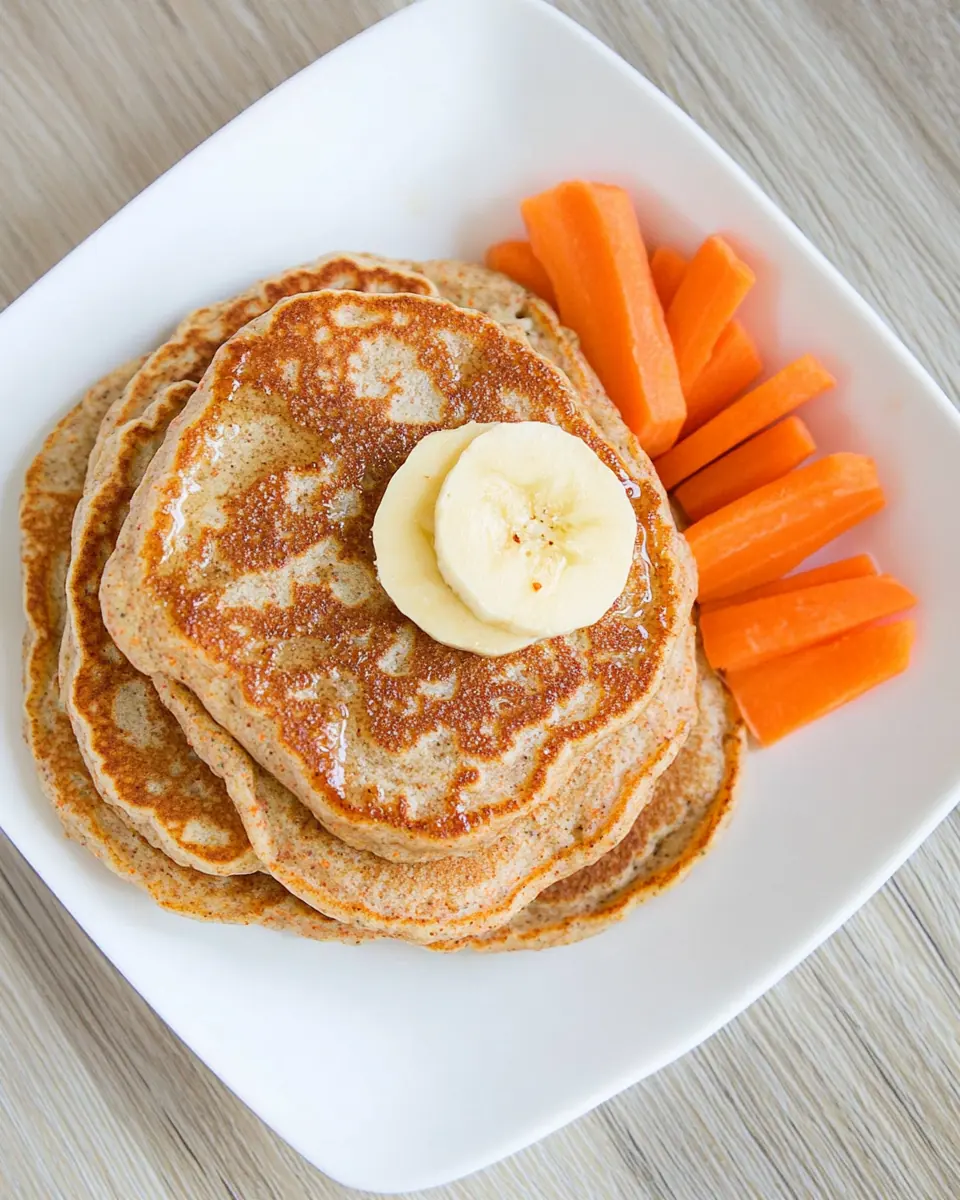
These notes gather practical advice I use every time I make this dish. They focus on timing, texture, and small adjustments that yield consistent results.
- Measure flour properly by spooning it into the cup and leveling, to avoid dense pancakes from packed flour.
- Keep an eye on pan temperature, medium heat gives a golden crust without overcooking the interior, too hot will burn the exterior.
- Drain pineapple well to prevent a runny batter, use a fine mesh sieve and press lightly to remove excess juice.
- Grate carrots finely, large shreds create uneven pockets and make flipping harder, fine grate distributes moisture evenly.
- Finish with butter and syrup at plating so the pancakes stay pleasantly textured and not soggy from early syruping.
What Complements This Carrot Cake Pancakes
These serving ideas emphasize balance and occasion, from casual breakfasts to festive brunches. Think about contrasts in texture and temperature when you plate, and choose accompaniments that enhance the warm spices and fruity notes.
- Fresh fruit: Serve with sliced banana as suggested, or add berries for brightness and a tart counterpoint to the sweet batter.
- Extra syrup and butter: Offer pure maple syrup and a small dish of softened butter so guests can tailor sweetness and richness.
- Yogurt on the side: A dollop of plain yogurt provides creamy acidity that balances the spices and sweet elements.
- Brunch occasions: These pancakes are perfect for weekend brunches or holiday mornings in spring when local produce is fresh and light flavors are welcome.
- Storage tips: Cool completely before refrigerating in an airtight container for up to two days, reheat gently in a skillet to refresh the exterior crispness.
- Seasonal pairings: In spring, pair with citrus fruits or a light herbal tea to compliment the warm spices without overwhelming them.
FAQ
Conclusion
What makes this recipe special is its ability to feel both indulgent and approachable, combining warm spices, tender carrot, and bright fruit in an easy skillet format. I encourage you to try these pancakes because they deliver a layered, comforting breakfast that is surprisingly simple to pull together. Serve them when you want to treat yourself or impress friends without fuss, and notice how the small details, like grated carrot and a drizzle of pure maple syrup, elevate the experience. Enjoy the process and savor each warm, spiced bite.
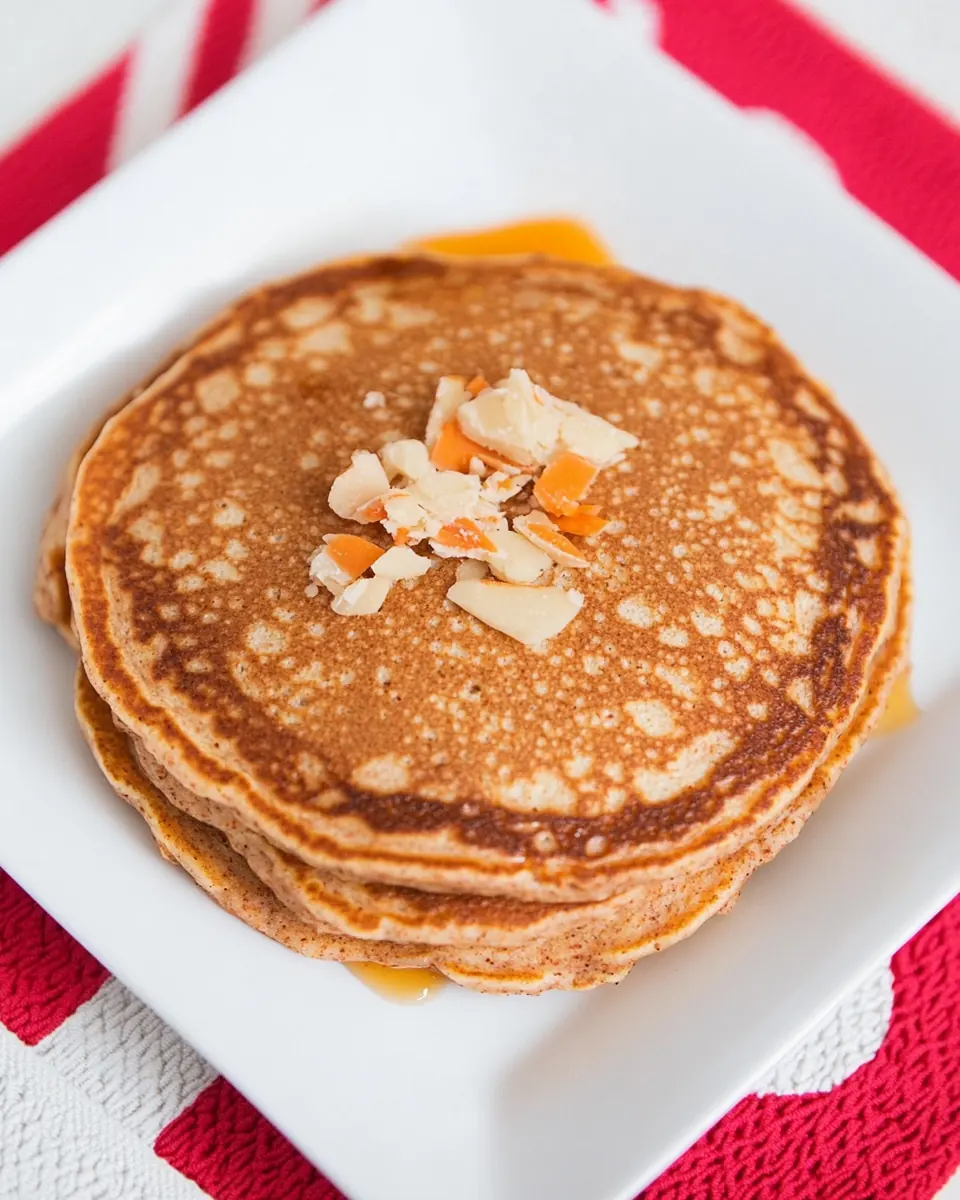
Carrot Cake Pancakes
Ingredients
Equipment
Method
- In a mixing bowl, combine flour, baking powder, salt, cinnamon, nutmeg, and brown sugar.: The dry mixture should smell faintly spiced and warm when the cinnamon and nutmeg are evenly distributed. When you sift or whisk these ingredients together, you eliminate pockets of leavening or spices, which ensures even rise and consistent flavor. Pay attention to texture, the flour should feel light and free of lumps. A common mistake is adding wet ingredients too soon, which can lead to uneven distribution and pockets of baking powder that cause big air holes or a metallic taste.
- In a separate bowl, whisk together the milk and vanilla. Peel and grate carrots then add to the milk, along with the crushed pineapple (drained), oil, and 1 tablespoon of melted butter. Mix well.: As you whisk the milk and vanilla , the surface will become glossy and slightly fragrant, signaling readiness. When you fold in the grated carrot and drained crushed pineapple , notice the batter gaining flecks of orange and little pockets of fruit, this texture helps the pancakes remain moist. The melted butter and olive oil create silkiness and help with browning on the griddle. Avoid over mixing at this stage to prevent a dense final texture, and be sure the canned crushed pineapple is well drained to prevent a soupy batter.
- Gradually add dry ingredients to the wet, stirring until just combined.: At this point the batter will transition from glossy and loose to slightly thick with visible specks of spice and bits of carrot . Stir gently until you see no large streaks of flour , small lumps are fine and will disappear during cooking, which helps keep pancakes tender. Over mixing is the most common misstep here, it develops gluten and yields a tougher bite. If the batter seems too thick, a tablespoon of extra milk will loosen it without sacrificing structure.
- Spray a large skillet with cooking spray and heat over medium. Pour batter by 1/4 cup fulls and cook until bubbly. Flip and cook for an additional 1-2 minutes until both sides are golden. Continue until all batter has been used.: When your skillet reaches the right temperature, it will give a soft hiss as batter hits the surface, and small bubbles will form across the top within a minute or two. That bubbling is the key visual cue that the interior is setting and the bottom is forming a golden crust. The scent will shift from raw batter to toasty and spiced, with hints of cinnamon . Too hot a pan will cook the exterior too quickly, leaving raw centers, while too cool a pan will make the pancakes pale and flat.
- Top with remaining butter and maple syrup. Serve sliced bananas on the side.: When you flip, the underside should be a deep, even golden brown with slight caramelization from the brown sugar . The second side cooks faster, so listen for a gentler sizzle and watch for that same golden color to appear. The aroma will become richer and more complex, with the nutmeg and cinnamon coming forward. Avoid flipping repeatedly, that encourages deflation and an uneven finish.
- Top with remaining butter and maple syrup serve sliced bananas on the side: The final touch of melted butter and a drizzle of pure maple syrup adds gloss and a pleasant sticky sweetness, which highlights the spices and fruit. The sliced banana offers contrast in texture and temperature, staying cool against the warm pancake stack. A common error is pouring syrup too early, which can make pancakes soggy, so wait until plating to preserve the crisp edges and tender interior.
Notes
- Measure flour properly by spooning it into the cup and leveling, to avoid dense pancakes from packed flour.
- Keep an eye on pan temperature, medium heat gives a golden crust without overcooking the interior, too hot will burn the exterior.
- Drain pineapple well to prevent a runny batter, use a fine mesh sieve and press lightly to remove excess juice.
- Grate carrots finely, large shreds create uneven pockets and make flipping harder, fine grate distributes moisture evenly.
- Finish with butter and syrup at plating so the pancakes stay pleasantly textured and not soggy from early syruping.