How to Make Oat Milk
How to Make Oat Milk started for me on a sleepy Saturday morning when I realized the supermarket shelves were out of my favorite store brand, and I did not want to buy a carton full of unfamiliar additives. I had a jar of old fashioned oats and iced water on hand, and the idea felt liberating, simple, and doable with very little fuss. I still remember the first time I poured that pale, creamy liquid into my coffee, the aroma of toasted oats lifting the ordinary cup into something gentle and comforting.
There is a quiet satisfaction in making your own, because every step feels intentional. I enjoyed the rhythm of measuring the oats, securing the lid on my high powered blender, and listening to the hum as the mixture whirred into a smooth emulsion. Little experiments followed, where I adjusted the sweetness and added a splash of pure vanilla extract to nudge the flavor in a more dessert like direction for weekend pancakes.
Over time I learned small habits that improved the texture and kept the milk smooth and non slimy. I use iced water, strain carefully through a fine mesh sieve, and always taste before deciding whether to add a touch more maple. These small moves make a big difference, and they transformed a convenience item into a ritual I actually enjoy.
Recipe Snapshot
10 mins
10 mins
0 mins
Easy
120 kcal
American
Vegan, Gluten-Free
Breakfast
Kitchen Scale(optional), High Powered Blender, Fine Mesh Sieve
The Appeal of This How to Make Oat Milk
Consistency you control
I love that How to Make Oat Milk lets you decide how creamy or light you want the final product. By changing the ratio of oats to ice water, you can make a milk that is lush and creamy for coffee, or thin and refreshing for smoothies. This control means you never have to wonder about hidden thickeners or stabilizers, because you choose that mouthfeel yourself.
Pure, simple ingredients
One of the biggest reasons I keep coming back to this recipe is the ingredient list. With just oats, ice water, a pinch of kosher salt, a little pure maple syrup, and pure vanilla extract you get a nuanced flavor profile. Each element plays a clear role, the salt lifts the sweetness, the maple syrup adds depth, and the vanilla extract lends warmth without overpowering the natural grain notes of the oats.
Budget friendly and sustainable
Making How to Make Oat Milk at home saves money and reduces packaging waste. For the cost of a small bag of oats you can make several liters of milk, and the leftover pulp can be repurposed in baking or oatmeal, so nothing goes to waste. I appreciate that doing this is kinder to both my wallet and the planet.
Fast and forgiving
This recipe is forgiving for busy mornings. The process takes only a few minutes of active time, and even if you overblend a touch or choose slightly different ratios, you still end up with a pleasant, drinkable milk. That flexibility makes it a go to when I need a quick, homemade alternative.
Customizable flavor
I like to tweak sweetness and aroma. The measured splash of pure maple syrup and the small amount of pure vanilla extract are easy to adjust to personal taste, and they give this homemade milk a subtle, bakery like quality without artificial notes. For those who prefer unsweetened versions, you can omit the sweetener entirely and still have a lovely, slightly nutty base.
How to Make Oat Milk Shopping List
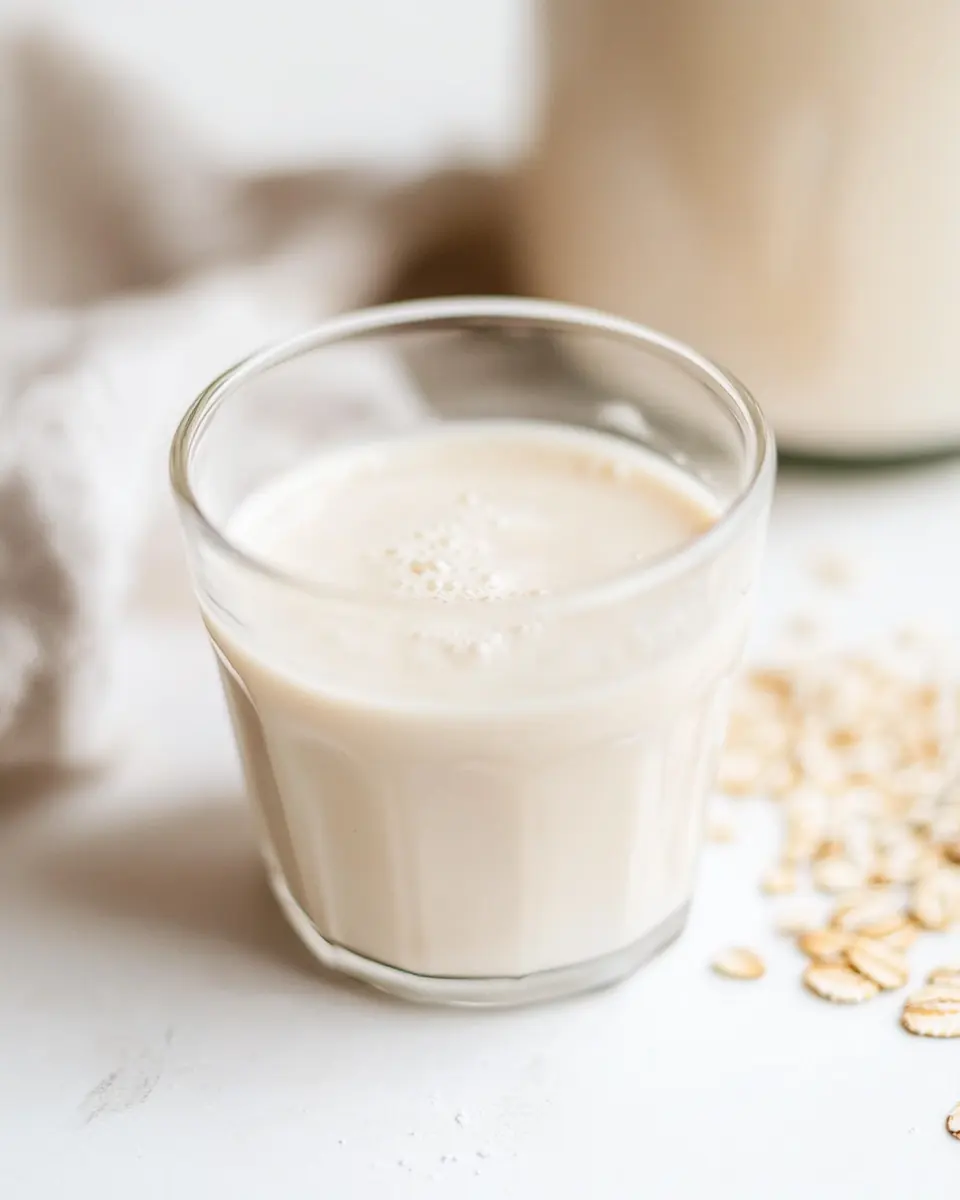
These ingredients are intentionally minimal, designed to work together to yield a silky, lightly sweet oat milk. The oats provide body and the grain forward flavor, while the ice water controls dilution and mouthfeel. The pinch of kosher salt heightens the overall taste, and the small amounts of pure maple syrup and pure vanilla extract are optional flavor boosters that round out the profile.
- 2 cups old-fashioned oats 200 grams: Combine and soak to soften oat kernels and help release starches that thicken the milk; blending them yields a creamy base while preventing sliminess depends on proper soaking time and quick processing.
- 6 cups ice water 1,362 grams: Chill and dilute to control consistency and temperature for blending; using ice water keeps the mixture cool, helps prevent over-extraction of oatiness, and produces a refreshing, smooth texture.
- 1/8 teaspoon kosher salt: Season lightly to enhance overall flavor balance and reduce any blandness; kosher salt elevates sweetness perception and rounds out the final taste without making it salty when used sparingly.
- 2 tablespoons pure maple syrup 39 grams, plus more to taste: Sweeten naturally to add body and pleasant sweetness while complementing the oat flavor; pure maple syrup dissolves easily, contributes subtle caramel notes, and can be adjusted to taste for desired sweetness.
- 1 teaspoon pure vanilla extract 4 grams, plus more to taste: Flavor subtly to impart warm aromatic notes and round out sweetness; pure vanilla extract enhances perceived richness and complements maple syrup for a well-balanced oat milk profile.
How to Prepare How to Make Oat Milk
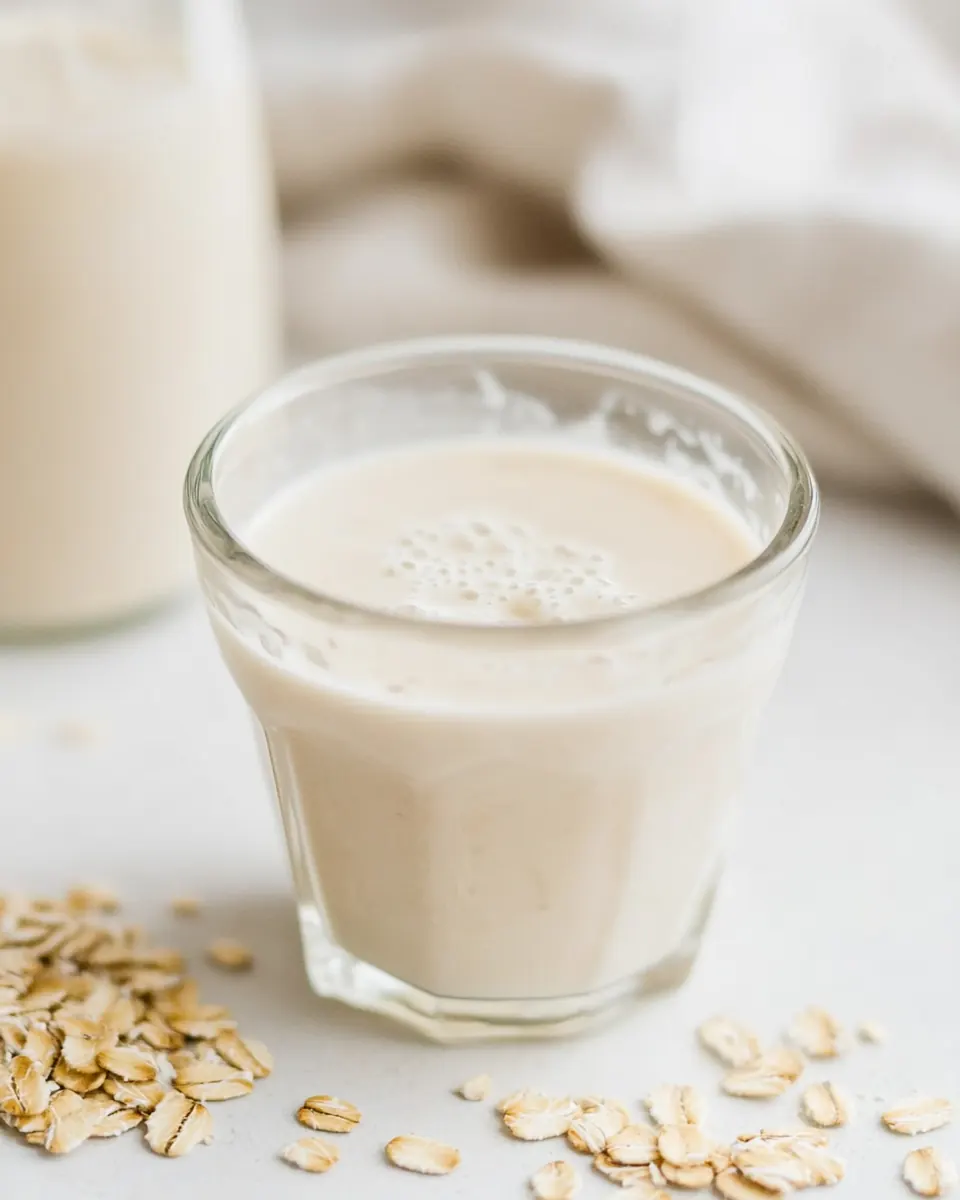
Below I expand the short directions into detailed, sensory rich steps so you can replicate the exact texture I aim for. Read each step slowly and notice the smells and textures as you go, because those clues will tell you when you are on track.
- Place the oats, ice water, and salt in a large blender. Blend for 30 seconds.: As you add the oats , listen for the dry, rustling sound that tells you the flakes are loose and airy. Pour the ice water slowly so the oats hydrate evenly instead of clumping together. The coldness of the water will make the mixture feel icy to the touch and help the blender stay cool as it runs. Adding the kosher salt at this stage ensures it dissolves and disperses evenly, preventing pockets of under seasoned milk later. A common mistake is using warm or room temperature water which can increase starch activation, leading to a slimy texture. If your blender is small, blend in batches to avoid overworking the motor.
- Add the maple syrup and vanilla (if using) and blend again for 10-15 seconds to incorporate.: When you start the blender, notice the sound change from a coarse grind to a steady hum within the first few seconds, which means the oats are breaking down. After about thirty seconds, stop and check the mixture for uniformity, subtle foaming, and a pale beige color. You should see no large flakes, but the liquid will still contain suspended fine particles. The 30 second window keeps the oats from releasing too much starch, which would make the milk gummy. Over blending is the most frequent error here, so resist the urge to keep going beyond the recommended time.
- Strain the milk through a fine mesh sieve or cheesecloth into a large bowl. Discard the pulp and strain the milk through the sieve again, into a large mason jar or pitcher.: When you pour in the pure maple syrup and the pure vanilla extract , take a moment to inhale the aroma, which will be noticeably sweeter and warmer. A quick 10 to 15 second pulse is enough to distribute these flavorings without thinning the mixture further. This brief blending keeps the emulsion intact while ensuring the sweeteners dissolve and the scent marries with the grain notes. The main pitfall is blending too long, which can wake up excess starch and alter the mouthfeel.
- Use immediately or seal the container and refrigerate for up to 5 days.: As you pour, you will see a pale stream separate from the larger bits of pulp. The act of straining clarifies the liquid, making it silky and visually appealing. Press gently with a spoon against the sieve to coax more liquid through, but avoid squeezing hard if you want to prevent extracting too much cloudy starch. The leftover pulp will look damp and crumbly. A frequent mistake is using a wide mesh which lets too many particles through, producing a grainier texture. For a cleaner result, follow the sieve with a second strain into your final container.
- Discard the pulp and strain the milk through the sieve again, into a large mason jar or pitcher: After an initial pass, giving the milk a second strain refines the texture further and removes lingering fines. Pour slowly and watch the milk settle in the container, its color should be uniform and slightly opaque. If you notice a chalky or cloudy residue, it is a sign you either blended too long or used the wrong oat type. A double strain produces a smoother mouthfeel and a visually pleasing pour, ideal for coffee or cereal. Do not rinse the milk through the pulp to extract every last drop, as that will invite excess starch into your jar.
- Use immediately or seal the container and refrigerate for up to 5 days: Freshly made oat milk tastes brightest right away, with the aroma of oats and a clean finish. When chilled, the flavors integrate and the body softens slightly, which I often prefer for sipping. Store in a sealed mason jar to keep odors out of the milk, and always shake gently before each use because natural separation can occur. Watch for off smells or a sour tang, which indicate spoilage beyond the expected shelf life. The most common issue is keeping it longer than recommended, so label with the make date to avoid surprises.
Helpful Notes about How to Make Oat Milk
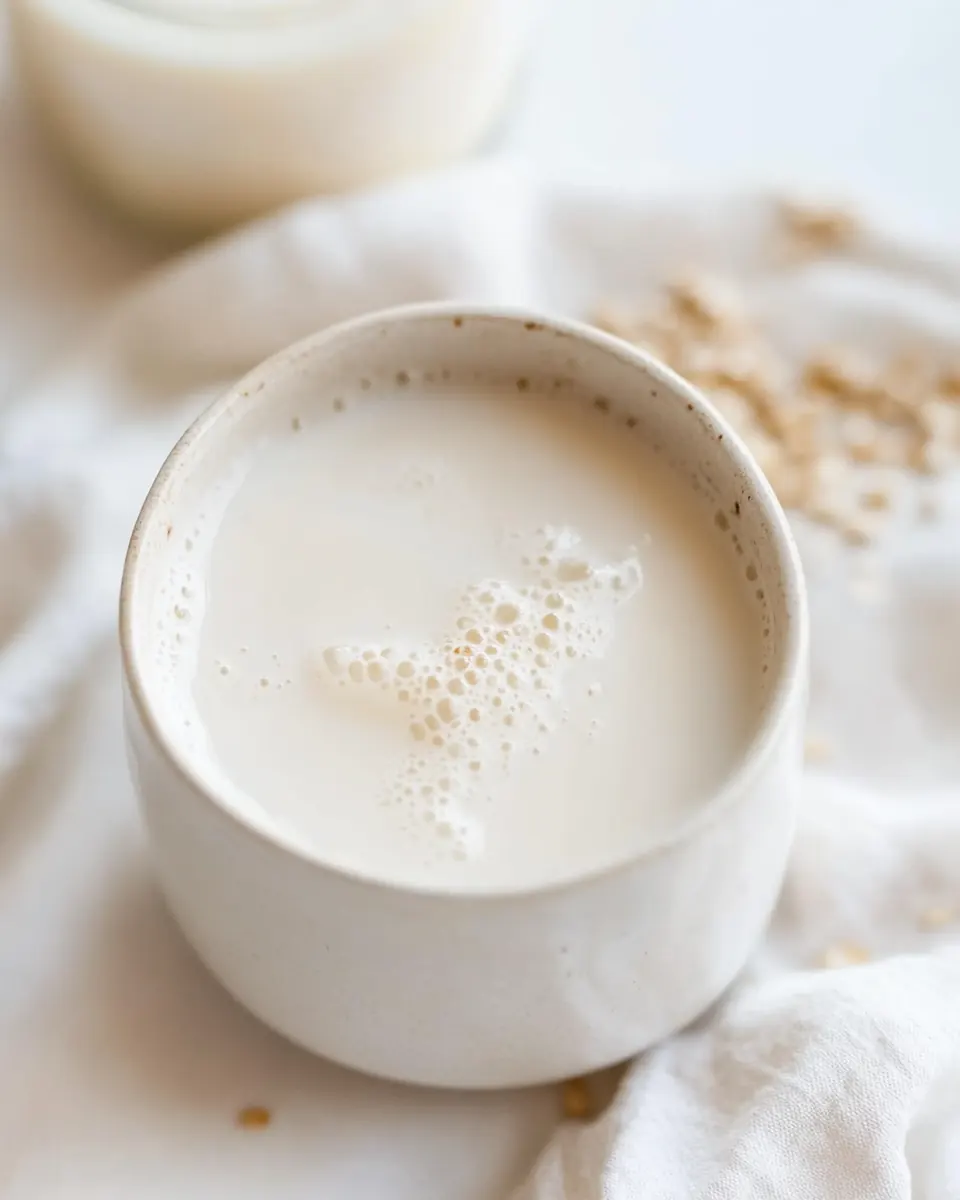
Here are some practical notes and expanded tips I rely on each time I make this milk. These are based on repeated trials and small adjustments that improve texture, flavor, and storage.
- Choose the right oats Rolled, old fashioned oats give the best texture and flavor; avoid instant oats which often produce a slimy result.
- Keep it cold Using ice water prevents heat buildup in the blender and reduces the release of excess starch, keeping the milk smooth.
- Sweeten sparingly Start with the recommended two tablespoons of pure maple syrup and adjust after tasting, because small changes have a big impact.
- Strain thoroughly A fine mesh sieve followed by a second strain yields the creamiest, least gritty milk and looks more professional when poured.
- Repurpose the pulp Although not included as an ingredient here, I often bake the leftover pulp into cookies or stir it into porridge to avoid waste.
- Label and date Always mark the jar with the preparation date so you know to use the milk within the recommended five days.
Serving Suggestions
Homemade oat milk is versatile, and these serving ideas will help you enjoy it across different meals and occasions.
- For coffee and lattes Froth chilled oat milk gently and use it to create creamy lattes where the subtle oat flavor complements espresso without overpowering it.
- With cereal and granola Pour cold oat milk over breakfast bowls for a naturally sweet, slightly nutty base that pairs well with crunchy toppings.
- In smoothies Use oat milk as the liquid in fruit or green smoothies for a creamier texture than water, and a milder taste than nut milks.
- Baking companion Substitute oat milk for dairy in quick breads, pancakes, or muffins to add a gentle oat note and moist crumb.
- For special occasions Serve chilled oat milk during brunch gatherings alongside pancakes and waffles for a crowd friendly dairy free option.
- Storage and travel Keep in a sealed jar in the refrigerator up to five days, and transport in a thermal container for outings if needed.
- Seasonal pairing In cooler months, a dash of cinnamon or extra maple makes the milk feel cozy; in summer, use it chilled right from the fridge to keep beverages bright.
FAQ
Conclusion
This oat milk recipe stands out because it transforms simple pantry staples into a smooth, versatile dairy free milk with minimal fuss. Give it a try and you will likely find it fresher and more customizable than any store bought option, with an easy process that fits weekday mornings or relaxed weekends. I encourage you to experiment with sweetness and storage methods to find the balance you love; the ingredients are forgiving, and the result is endlessly useful. Enjoy the small ritual of making your own milk, and relish how such a tiny effort elevates your daily coffee, cereal, and baking.
How to Make Oat Milk
Ingredients
Equipment
Method
- Place the oats, ice water, and salt in a large blender. Blend for 30 seconds.: As you add the oats , listen for the dry, rustling sound that tells you the flakes are loose and airy. Pour the ice water slowly so the oats hydrate evenly instead of clumping together. The coldness of the water will make the mixture feel icy to the touch and help the blender stay cool as it runs. Adding the kosher salt at this stage ensures it dissolves and disperses evenly, preventing pockets of under seasoned milk later. A common mistake is using warm or room temperature water which can increase starch activation, leading to a slimy texture. If your blender is small, blend in batches to avoid overworking the motor.
- Add the maple syrup and vanilla (if using) and blend again for 10-15 seconds to incorporate.: When you start the blender, notice the sound change from a coarse grind to a steady hum within the first few seconds, which means the oats are breaking down. After about thirty seconds, stop and check the mixture for uniformity, subtle foaming, and a pale beige color. You should see no large flakes, but the liquid will still contain suspended fine particles. The 30 second window keeps the oats from releasing too much starch, which would make the milk gummy. Over blending is the most frequent error here, so resist the urge to keep going beyond the recommended time.
- Strain the milk through a fine mesh sieve or cheesecloth into a large bowl. Discard the pulp and strain the milk through the sieve again, into a large mason jar or pitcher.: When you pour in the pure maple syrup and the pure vanilla extract , take a moment to inhale the aroma, which will be noticeably sweeter and warmer. A quick 10 to 15 second pulse is enough to distribute these flavorings without thinning the mixture further. This brief blending keeps the emulsion intact while ensuring the sweeteners dissolve and the scent marries with the grain notes. The main pitfall is blending too long, which can wake up excess starch and alter the mouthfeel.
- Use immediately or seal the container and refrigerate for up to 5 days.: As you pour, you will see a pale stream separate from the larger bits of pulp. The act of straining clarifies the liquid, making it silky and visually appealing. Press gently with a spoon against the sieve to coax more liquid through, but avoid squeezing hard if you want to prevent extracting too much cloudy starch. The leftover pulp will look damp and crumbly. A frequent mistake is using a wide mesh which lets too many particles through, producing a grainier texture. For a cleaner result, follow the sieve with a second strain into your final container.
- Discard the pulp and strain the milk through the sieve again, into a large mason jar or pitcher: After an initial pass, giving the milk a second strain refines the texture further and removes lingering fines. Pour slowly and watch the milk settle in the container, its color should be uniform and slightly opaque. If you notice a chalky or cloudy residue, it is a sign you either blended too long or used the wrong oat type. A double strain produces a smoother mouthfeel and a visually pleasing pour, ideal for coffee or cereal. Do not rinse the milk through the pulp to extract every last drop, as that will invite excess starch into your jar.
- Use immediately or seal the container and refrigerate for up to 5 days: Freshly made oat milk tastes brightest right away, with the aroma of oats and a clean finish. When chilled, the flavors integrate and the body softens slightly, which I often prefer for sipping. Store in a sealed mason jar to keep odors out of the milk, and always shake gently before each use because natural separation can occur. Watch for off smells or a sour tang, which indicate spoilage beyond the expected shelf life. The most common issue is keeping it longer than recommended, so label with the make date to avoid surprises.
Notes
- Choose the right oats Rolled, old fashioned oats give the best texture and flavor; avoid instant oats which often produce a slimy result.
- Keep it cold Using ice water prevents heat buildup in the blender and reduces the release of excess starch, keeping the milk smooth.
- Sweeten sparingly Start with the recommended two tablespoons of pure maple syrup and adjust after tasting, because small changes have a big impact.
- Strain thoroughly A fine mesh sieve followed by a second strain yields the creamiest, least gritty milk and looks more professional when poured.
- Repurpose the pulp Although not included as an ingredient here, I often bake the leftover pulp into cookies or stir it into porridge to avoid waste.
- Label and date Always mark the jar with the preparation date so you know to use the milk within the recommended five days.