Instant Pot Artichokes
Instant Pot Artichokes are one of those recipes I return to when I want something simple yet impressive on the table.
I first learned to cook artichokes from a neighbor who handed me a steaming basket and a patient smile, insisting that the trick was in the prep more than the pressure cooking itself. I remember fumbling with the stem and feeling oddly proud the first time I peeled away the fuzzy choke without ripping half the leaves. That small victory convinced me that these globe shaped vegetables deserved more attention than they usually get.
Over time I adapted the method for the Instant Pot Artichokes because I love how the pressure cooker concentrates flavor and softens the heart without turning the leaves to mush. The aroma of bright citrus and warm, steamed artichokes fills my kitchen in minutes, and guests always comment on how elegant they look, even though they require only modest effort. When I serve them, I like to chat with people as they pull the tender leaves, dip them, and discover the meaty heart beneath. That interactive aspect makes these a favorite for casual dinners and small gatherings alike.
Recipe Snapshot
30 mins
10 mins
20 mins
Easy
70 kcal
Mediterranean
Vegan, Gluten-Free
Side Dishes
Instant Pot, Sharp knife, Kitchen shears
What You’ll Enjoy About This Instant Pot Artichokes
They are fast and reliable
I love that Instant Pot Artichokes turn a vegetable that can feel fussy into a quick, dependable side. Using the Instant Pot shortens steaming time dramatically, so you get tender leaves and a creamy heart without babysitting a pot on the stove.
Minimal ingredients, maximal payoff
With only a couple of pantry items and the artichokes themselves, the flavor is pure and direct. The simplicity lets the natural nuttiness of the artichoke shine, and a little lemon brightens everything up, creating layers of freshness even with very few components.
Great for sharing and presentation
These look beautiful on a platter, and serving them is interactive which I find brings people together. Pulling the leaves and scraping off the tender flesh creates a leisurely pace at the table, making the dish perfect for relaxed lunches or light dinners.
Flexible and forgiving
I appreciate how forgiving this method is. Slight variations in size or brief differences in pressure times rarely ruin the result. If I undercook slightly, a few extra minutes of natural release or a short additional pressure cycle finishes the job without incident.
Healthy and seasonal
As a spring ingredient, artichokes feel seasonal and wholesome. They bring fiber and a meaty texture without heavy fats, so they pair well with so many sides and dietary preferences while still feeling special.
Essential Ingredients for Instant Pot Artichokes
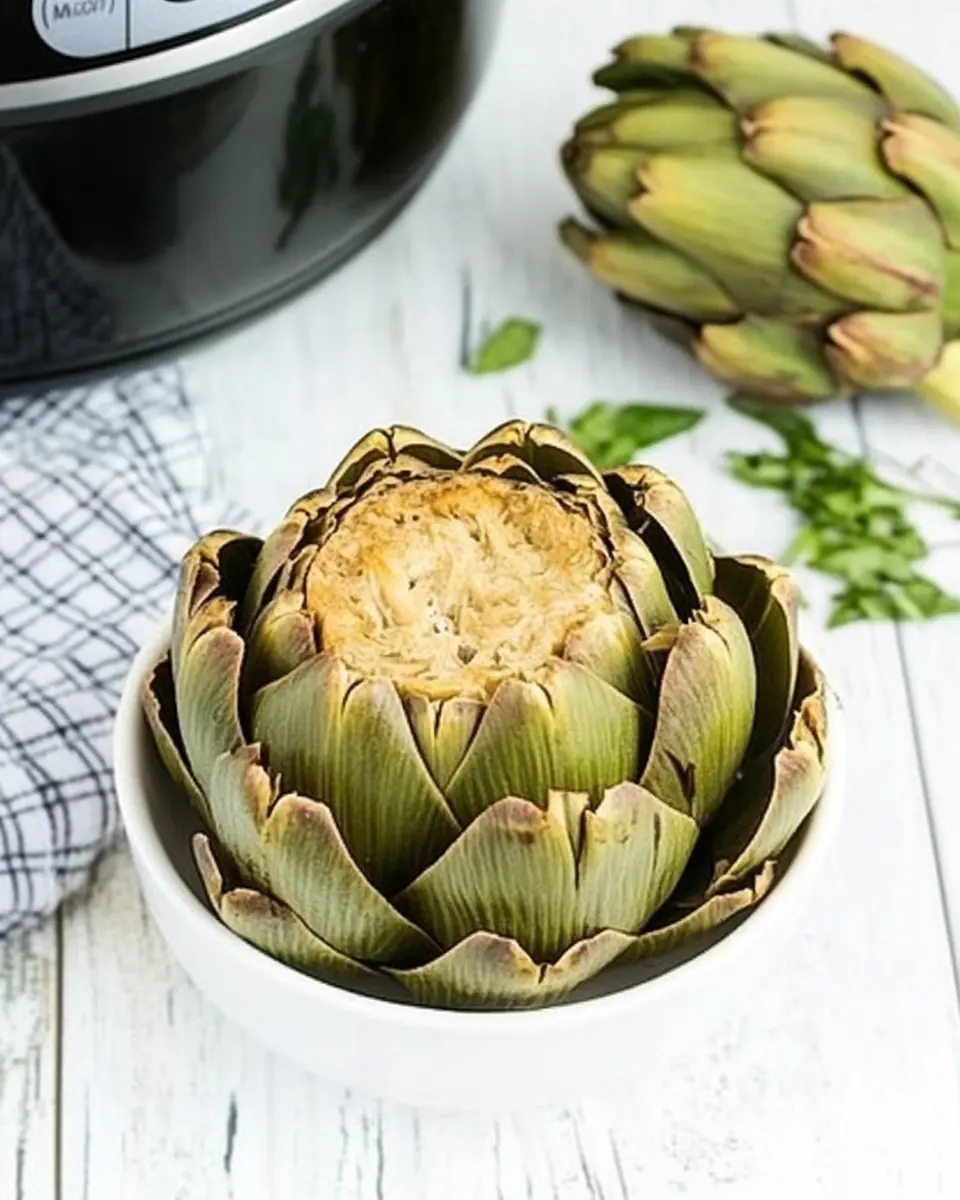
I approach ingredients as a small cast of characters that each play a clear role. The artichokes are the lead, water provides the steam and gentle cooking environment, and citrus lifts the flavor. Optional aromatics like shallots can add subtle savory notes without overshadowing the vegetal sweetness. Together they deliver a simple, balanced profile that rewards careful trimming and steaming.
- 2 medium-sized artichokes: Steam to tenderize the artichokes, creating a soft heart and pull-apart leaves; seasoning and serving are easier when fully cooked. Use medium–sized artichokes for even cooking in the Instant Pot and to fit the trivet comfortably.
- 1 cup water (2 cups for stovetop pressure cooker): Provide the necessary steam for pressure cooking to build and maintain pressure quickly; adjust quantity to 2 cups when using a stovetop pressure cooker to compensate for different evaporation and heat dynamics. Ensure water is fresh to avoid off-flavors during steaming.
- 1 2 T fresh lemon juice () (optional): Brighten the cooked artichokes with a subtle citrus tang that prevents browning and complements the vegetable’s mild flavor; use 1–2 tablespoons to taste and add to the steaming water or drizzle after cooking. Consider it optional when preferring a cleaner, less acidic presentation.
- 1/2 tsp . dried lemon zest or 1-2 tsp. fresh lemon zest (, I don't use this much any more) (optional): Enhance aroma and impart a gentle lemon peel bitterness when using dried or fresh zest; the smaller amount keeps the citrus note subtle without overpowering the artichoke. Use fresh zest for a brighter, more aromatic result or dried zest for convenience.
- 1 tsp . dried shallots or 2 tsp. minced fresh shallots (, I don't use this much any more) (optional): Add a mild sweet-onion complexity and savory depth when using dried or minced fresh shallots; the small quantity subtly rounds out the flavor without becoming dominant. Rehydrate dried shallots in the steaming liquid if using to release their flavor.
Making Instant Pot Artichokes
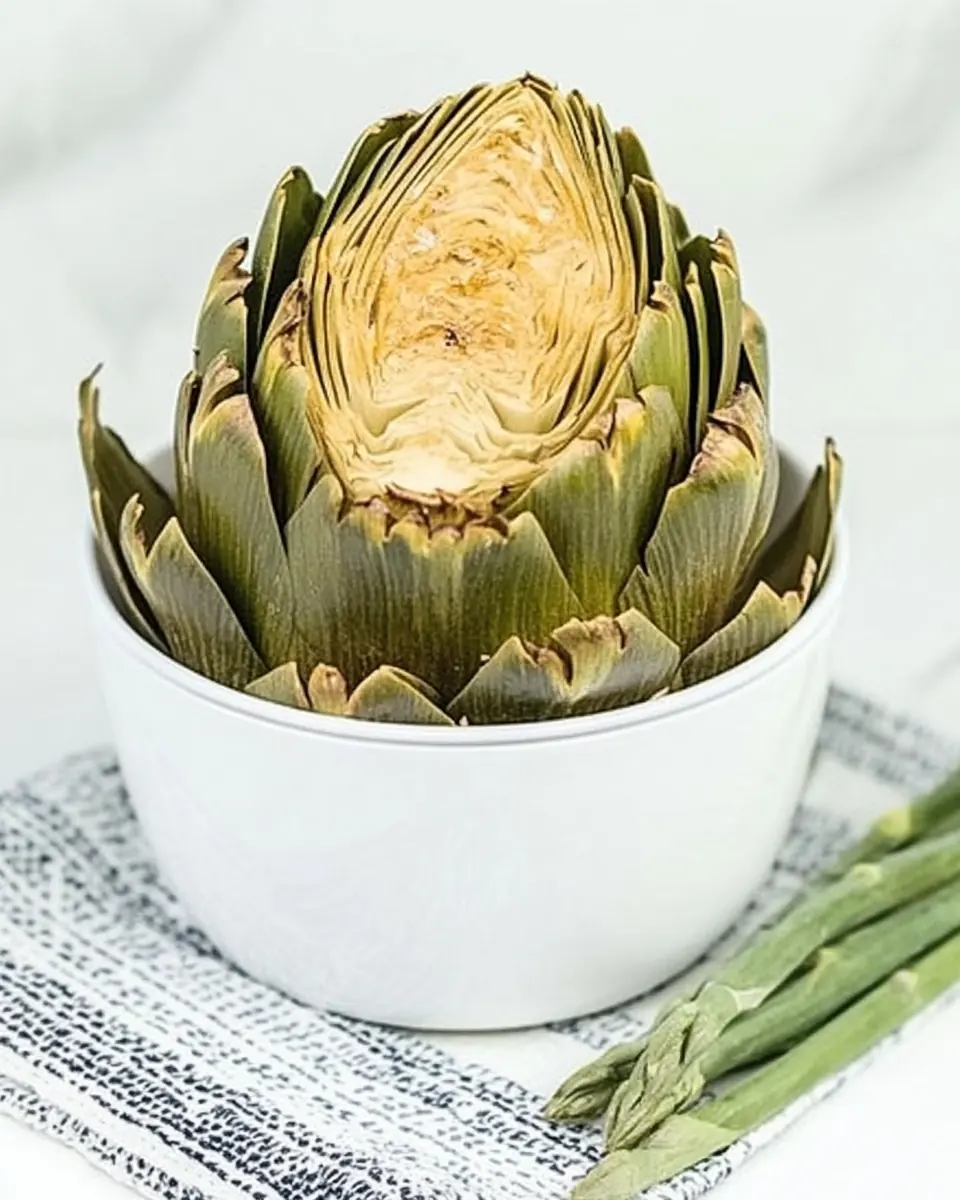
This is where patient trimming meets the Instant Pot’s speed. I find that a little prep yields the best texture, and then the pressure cooker does the heavy lifting. Below are the cleaned directions expanded into vivid, sensory rich guidance so you know exactly what to expect at each stage.
- Trim the discolored end of the artichoke stem, then cut off the very lowest leaves and peel the stem if needed.: The scent of fresh artichokes becomes more pronounced as you trim, releasing a faint green, slightly nutty aroma. As you slice away the discolored end and strip the lowest leaves, you'll feel the dense, fibrous texture shift under your knife, and the artichoke will begin to look tidier and more uniform. This step matters because it removes tough, woody sections that would otherwise remain chewy after steaming, ensuring a uniformly tender experience. A common mistake is rushing and leaving too much of the discolored portion, which leaves unpleasant texture when you bite into the stem. Take a moment to inspect each artichoke, trimming until the cut reveals fresh pale green flesh. The visual cue you want is the absence of brown or dry spots and a clean, even stem that will sit flush in the pot. Use a sharp knife so cuts are clean, and if the stem is especially thick, peel the outer layer to reveal the tender core beneath.
- After the stem is trimmed and peeled, cut the artichoke and the stem in half. Use a small sharp knife to make a deep cut under the fuzzy choke on each half. Grab the very inside leaves, and pull out, taking the choke with it. Try to leave as much of the leaves as you can while removing all the choke.: When you halve the artichoke , a fresh citrus note often wafts up if you have lemon nearby, and the interior reveals the fuzzy choke that needs removal. Cutting the stem in half exposes more surface area to steam, which helps the heat penetrate and soften the heart more quickly. The reason for halving is practical, it lets you access the choke for removal and ensures thorough, even cooking so the heart becomes delectably tender. A common slip is making uneven cuts which leads to inconsistent cooking, so aim for halves that look balanced. The knife should slide with a satisfying give if the artichoke is fresh, and the exposed flesh will be pale and moist rather than dry. Keep your fingers clear of the blade and set the halves face up on the cutting board so you can easily reach the choke.
- Lately I like to use kitchen shears and cut off the sharp ends; your choice on that.: As you slide the knife beneath the choke, you may notice a faint dusty texture where the choke sits, and removing it opens the heart up visually, revealing that creamy core. This deep cut is crucial to free the inedible hairs without gouging out too much of the tender meat. The risk here is cutting too shallowly and leaving fibers behind, which will be unpleasant when eating. Aim for confidence in your slicing, and you will feel the knife hit a firmer base beneath the choke, that is your cue to stop. The sound is subtle, a soft slicing rather than a scrape, and the tactile feedback will guide you. Clean the knife between halves if the choke catches, to maintain clean cuts.
- Grab the very inside leaves, and pull out, taking the choke with it: Pulling the inner leaves away should feel a little sticky as the choke comes free, and you may see a pale, furry mass detach from the heart. This tactile removal is satisfying and crucial, because any remaining choke will be unpleasantly fibrous when you eat. I like to wear a kitchen towel for grip if the leaves are damp. One common error is tugging too hard and removing chunks of heart, which wastes the best part of the artichoke . Instead, use small, deliberate tugs so you remove the choke cleanly while leaving the heart intact and pristine. Once the choke is out, the heart will look smooth and slightly glossy, ready to steam to a melt in the mouth texture.
- Try to leave as much of the leaves as you can while removing all the choke: Keeping the outer leaves preserves the artichoke's structure and provides that enjoyable leaf pulling experience during eating. You should be able to see the layered formation remain intact while the center is cleared, and the contrast between the slightly firm outer leaves and the succulent heart is what makes the dish satisfying. Avoid over trimming which can reduce the size of the edible portion, a mistake I made many times early on. Visual balance is the goal, so step back and ensure each half still looks like an artichoke, not a hollow shell. The finished halves will steam into tender, pull apart leaves that yield tasty morsels, and preserving them maintains both appearance and texture in service.
- Lately I like to use kitchen shears and cut off the sharp ends; your choice on that: Snipping the tips with shears softens the eating experience, and you will notice less scratching against teeth while dining. The action is quick, and there's a clean shredding sound as the sharp points come away, which I find oddly satisfying. This small cosmetic step makes the presentation neater and is kinder for guests who prefer not to wrestle with prickly leaf edges. A caveat is that over trimming may remove too much of the leaf length, diminishing the tactile fun of pulling leaves. If you skip this, the artichokes are still delicious, so treat it as a preference rather than a requirement. The visual cue for completion is neat, blunted leaf tips across each half.
Recipe Notes about Instant Pot Artichokes
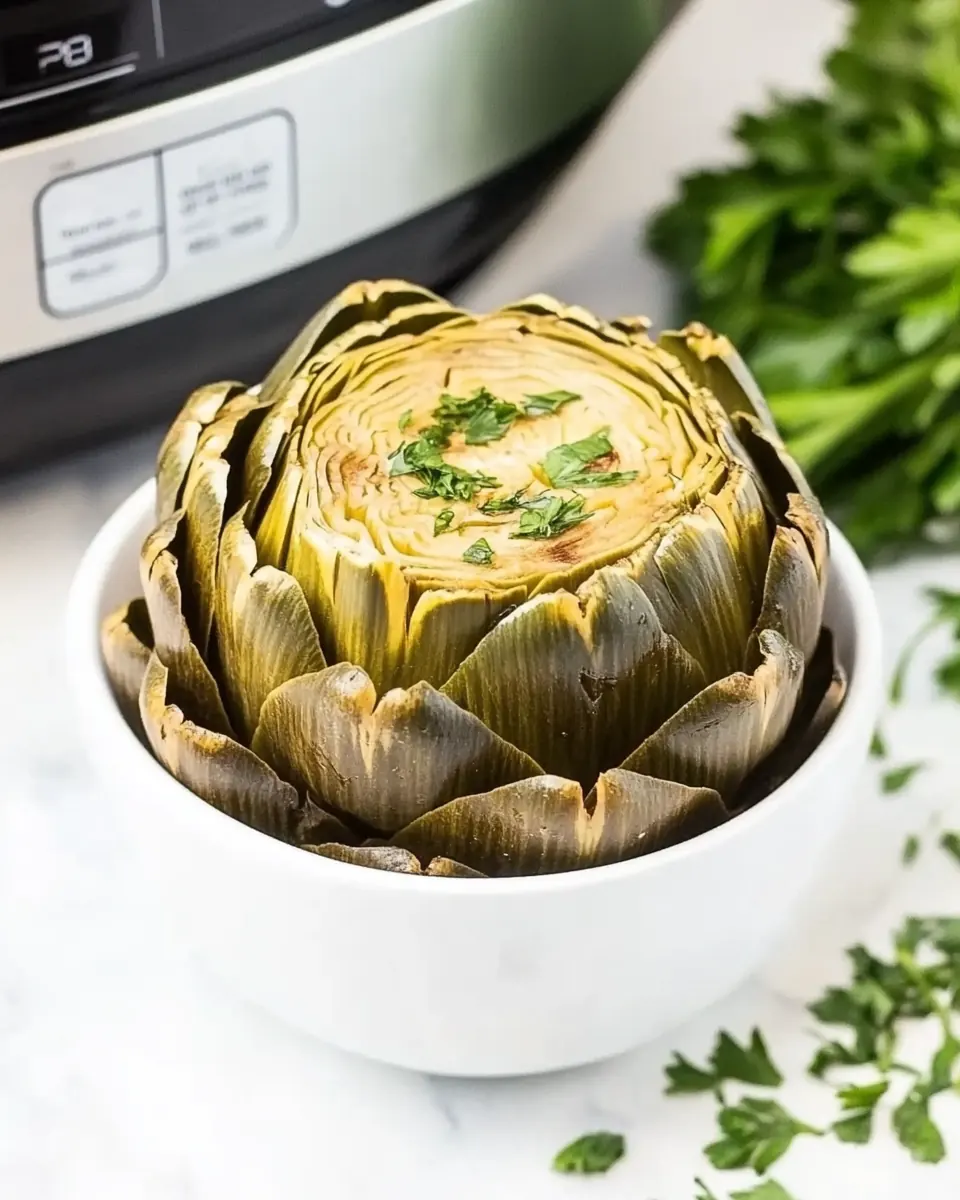
These notes collect practical adjustments and serving ideas I reach for most often. They are based on small experiments I did over several seasons so you can avoid the learning curve and enjoy consistent results every time.
- Adjust steam time based on size: If your artichokes are larger than medium, add a few extra minutes in the Instant Pot and allow a natural release to finish tenderizing the heart.
- Cutting technique matters: Use a sharp knife and steady pressure when halving and removing the choke to prevent tearing the heart and to keep the halves neat for presentation.
- Flavor additions are optional: The lemon juice and zest or a little shallot add nuance, but you can skip them if you prefer the pure taste of steamed artichokes.
- Stovetop alternative: If using a stovetop pressure cooker, increase the water to 2 cups and watch the pot, as heat transfer differs slightly from electric models.
- Serving temperature: Serve warm but not piping hot so diners can handle leaves and savor the texture without burning fingers.
Great Combinations for Instant Pot Artichokes
Serving Instant Pot Artichokes can be simple or a little festive depending on the occasion. Below I outline practical pairings, seasonal contexts, and storage notes to help you plan whether this is a light lunch, a side for dinner, or part of a spring spread.
- Casual lunch pairing: Plate the artichokes with a crusty bread and a simple dipping sauce, letting the interactive nature of pulling leaves create a relaxed meal atmosphere.
- Light dinner side: These work well beside a roasted vegetable board, where the tender hearts provide a contrast to firmer roots or braised greens.
- Spring entertaining: Because they are seasonal, serve them at a spring gathering with bright salads and citrusy dressings to accentuate the fresh flavors.
- Ramadan or special occasions: Offer them as part of a shared starter selection, where guests can nibble and converse before main courses are served.
- Storage guidance: Keep leftover steamed artichokes chilled in an airtight container for up to three days, and reheat gently to preserve texture, or serve cold as part of a composed salad.
- Seasonal pairings: In spring, pair with peas and asparagus; in cooler months, combine with roasted root vegetables for a heartier plate.
FAQ
Conclusion
Instant Pot Artichokes shine because they turn a once fiddly vegetable into a quick, elegant dish with minimal effort. The pressure cooker brings out the heart s creamy texture while preserving the pull apart pleasure of the leaves. Give this method a try on a relaxed weekend or for a casual dinner party, and you might be surprised how often you reach for artichokes again. They make a memorable starter or side that feels both nostalgic and fresh, and I hope you enjoy the ritual of preparing and sharing them.
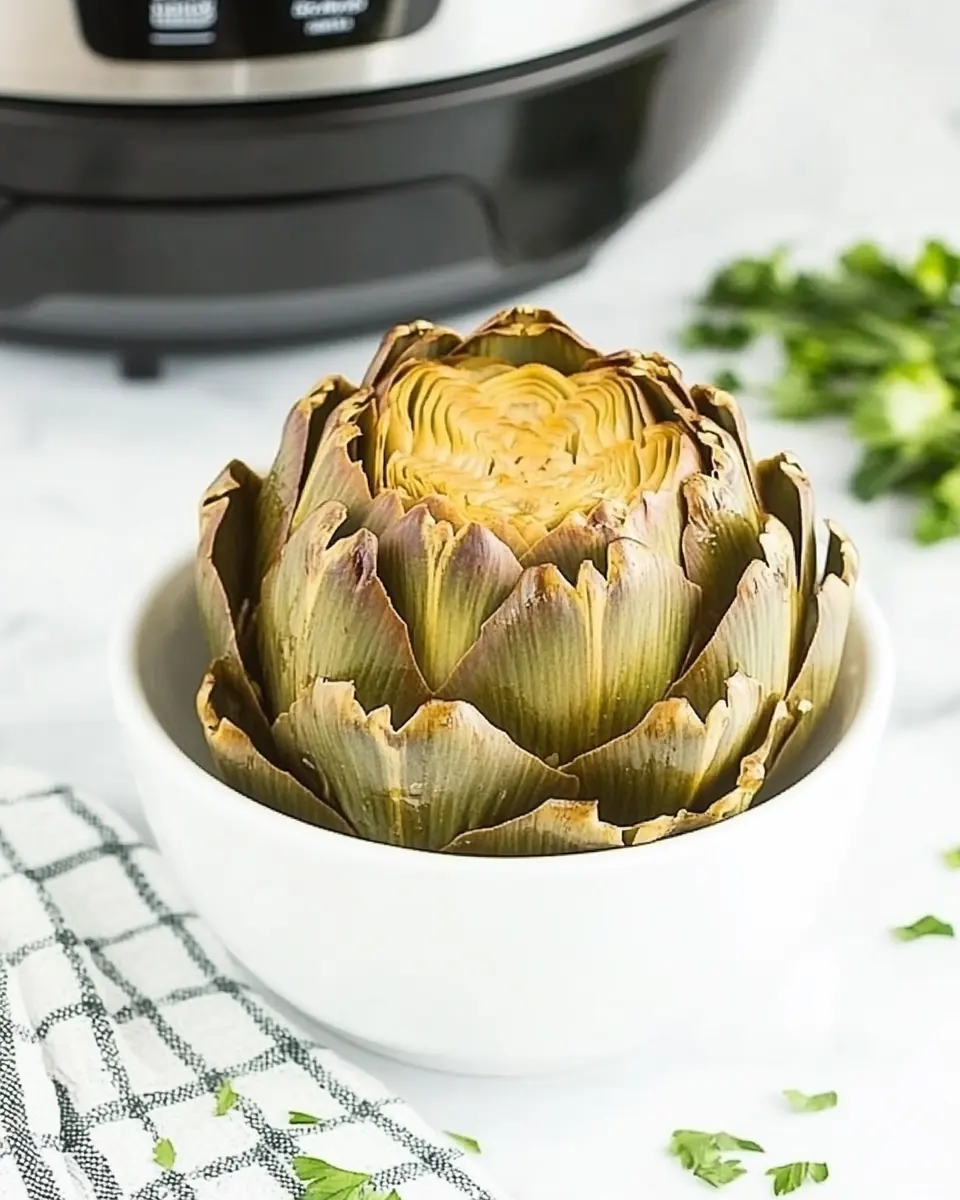
Instant Pot Artichokes
Ingredients
Equipment
Method
- Trim the discolored end of the artichoke stem, then cut off the very lowest leaves and peel the stem if needed.: The scent of fresh artichokes becomes more pronounced as you trim, releasing a faint green, slightly nutty aroma. As you slice away the discolored end and strip the lowest leaves, you'll feel the dense, fibrous texture shift under your knife, and the artichoke will begin to look tidier and more uniform. This step matters because it removes tough, woody sections that would otherwise remain chewy after steaming, ensuring a uniformly tender experience. A common mistake is rushing and leaving too much of the discolored portion, which leaves unpleasant texture when you bite into the stem. Take a moment to inspect each artichoke, trimming until the cut reveals fresh pale green flesh. The visual cue you want is the absence of brown or dry spots and a clean, even stem that will sit flush in the pot. Use a sharp knife so cuts are clean, and if the stem is especially thick, peel the outer layer to reveal the tender core beneath.
- After the stem is trimmed and peeled, cut the artichoke and the stem in half. Use a small sharp knife to make a deep cut under the fuzzy choke on each half. Grab the very inside leaves, and pull out, taking the choke with it. Try to leave as much of the leaves as you can while removing all the choke.: When you halve the artichoke , a fresh citrus note often wafts up if you have lemon nearby, and the interior reveals the fuzzy choke that needs removal. Cutting the stem in half exposes more surface area to steam, which helps the heat penetrate and soften the heart more quickly. The reason for halving is practical, it lets you access the choke for removal and ensures thorough, even cooking so the heart becomes delectably tender. A common slip is making uneven cuts which leads to inconsistent cooking, so aim for halves that look balanced. The knife should slide with a satisfying give if the artichoke is fresh, and the exposed flesh will be pale and moist rather than dry. Keep your fingers clear of the blade and set the halves face up on the cutting board so you can easily reach the choke.
- Lately I like to use kitchen shears and cut off the sharp ends; your choice on that.: As you slide the knife beneath the choke, you may notice a faint dusty texture where the choke sits, and removing it opens the heart up visually, revealing that creamy core. This deep cut is crucial to free the inedible hairs without gouging out too much of the tender meat. The risk here is cutting too shallowly and leaving fibers behind, which will be unpleasant when eating. Aim for confidence in your slicing, and you will feel the knife hit a firmer base beneath the choke, that is your cue to stop. The sound is subtle, a soft slicing rather than a scrape, and the tactile feedback will guide you. Clean the knife between halves if the choke catches, to maintain clean cuts.
- Grab the very inside leaves, and pull out, taking the choke with it: Pulling the inner leaves away should feel a little sticky as the choke comes free, and you may see a pale, furry mass detach from the heart. This tactile removal is satisfying and crucial, because any remaining choke will be unpleasantly fibrous when you eat. I like to wear a kitchen towel for grip if the leaves are damp. One common error is tugging too hard and removing chunks of heart, which wastes the best part of the artichoke . Instead, use small, deliberate tugs so you remove the choke cleanly while leaving the heart intact and pristine. Once the choke is out, the heart will look smooth and slightly glossy, ready to steam to a melt in the mouth texture.
- Try to leave as much of the leaves as you can while removing all the choke: Keeping the outer leaves preserves the artichoke's structure and provides that enjoyable leaf pulling experience during eating. You should be able to see the layered formation remain intact while the center is cleared, and the contrast between the slightly firm outer leaves and the succulent heart is what makes the dish satisfying. Avoid over trimming which can reduce the size of the edible portion, a mistake I made many times early on. Visual balance is the goal, so step back and ensure each half still looks like an artichoke, not a hollow shell. The finished halves will steam into tender, pull apart leaves that yield tasty morsels, and preserving them maintains both appearance and texture in service.
- Lately I like to use kitchen shears and cut off the sharp ends; your choice on that: Snipping the tips with shears softens the eating experience, and you will notice less scratching against teeth while dining. The action is quick, and there's a clean shredding sound as the sharp points come away, which I find oddly satisfying. This small cosmetic step makes the presentation neater and is kinder for guests who prefer not to wrestle with prickly leaf edges. A caveat is that over trimming may remove too much of the leaf length, diminishing the tactile fun of pulling leaves. If you skip this, the artichokes are still delicious, so treat it as a preference rather than a requirement. The visual cue for completion is neat, blunted leaf tips across each half.
Notes
- Adjust steam time based on size: If your artichokes are larger than medium, add a few extra minutes in the Instant Pot and allow a natural release to finish tenderizing the heart.
- Cutting technique matters: Use a sharp knife and steady pressure when halving and removing the choke to prevent tearing the heart and to keep the halves neat for presentation.
- Flavor additions are optional: The lemon juice and zest or a little shallot add nuance, but you can skip them if you prefer the pure taste of steamed artichokes.
- Stovetop alternative: If using a stovetop pressure cooker, increase the water to 2 cups and watch the pot, as heat transfer differs slightly from electric models.
- Serving temperature: Serve warm but not piping hot so diners can handle leaves and savor the texture without burning fingers.