Mashed Potatoes
Mashed Potatoes have been my go to comfort food since childhood, the bowl that always meant home and warmth after a long day. I remember standing on a stool at my grandmother’s kitchen counter, watching as she quartered the potatoes and hummed under her breath. That first steam warmed my hands and my attention, and I loved how simple ingredients could turn into something so soothing. Over the years I adjusted small details, learned the little tricks about drying the potatoes and warming the milk, and each change made the dish feel more personal.
When I make Mashed Potatoes now, I think about texture first, then flavor. I want the potatoes to be creamy without becoming gummy, and I want the butter and warm milk to fold in like a soft blanket. I often make them for gatherings because they appeal to everyone, yet they still feel like a quiet, indulgent side when it is just family around the table. There is a comfort in stirring and tasting, and I always find a story to tell while I mash.
Over time I discovered a rhythm that works: salt in the boiling water to season from the inside out, a brief rest after draining to let steam carry away excess moisture, and a gentle mash that yields pillowy texture. These small moments define the difference between ordinary and truly memorable Mashed Potatoes. I hope this recipe carries some of that warmth to your kitchen, whether you are feeding a crowd or making a single bowl to savor.
Recipe Snapshot
40 mins
15 mins
25 mins
Easy
250 kcal
American
Gluten-Free, Low FODMAP
Side Dishes
Pot, Strainer, Potato masher
Why This Mashed Potatoes Is So Good
Pure, familiar comfort
I love how Mashed Potatoes tap into nostalgia, they are uncomplicated yet instantly satisfying. The simple chemistry of starch and fat creates that creamy mouthfeel I crave, and every forkful feels like a little reward.
Few ingredients, big payoff
With just a few pantry staples, this recipe delivers deep, rounded flavor. The focus on technique means you get exceptional results without a long ingredient list, which I appreciate on busy nights.
Texture control makes all the difference
We get to control the texture, from slightly rustic to ultra creamy. By draining and letting the potatoes steam off, then mashing gently with warm milk and melted butter, you avoid a gummy outcome and create something cloud like.
Adaptable for any meal
These potatoes pair with weeknight roasts or celebratory dinners, they are dependable and crowd friendly. I often double the batch because they reheat beautifully when stored properly, making leftovers a joy instead of a chore.
Reliable technique for consistent results
I trust this method because it removes guesswork. Timing the boil, using warm dairy, and tasting at the end all contribute to a dependable dish you can make again and again with confidence.
Ingredients Required for Mashed Potatoes
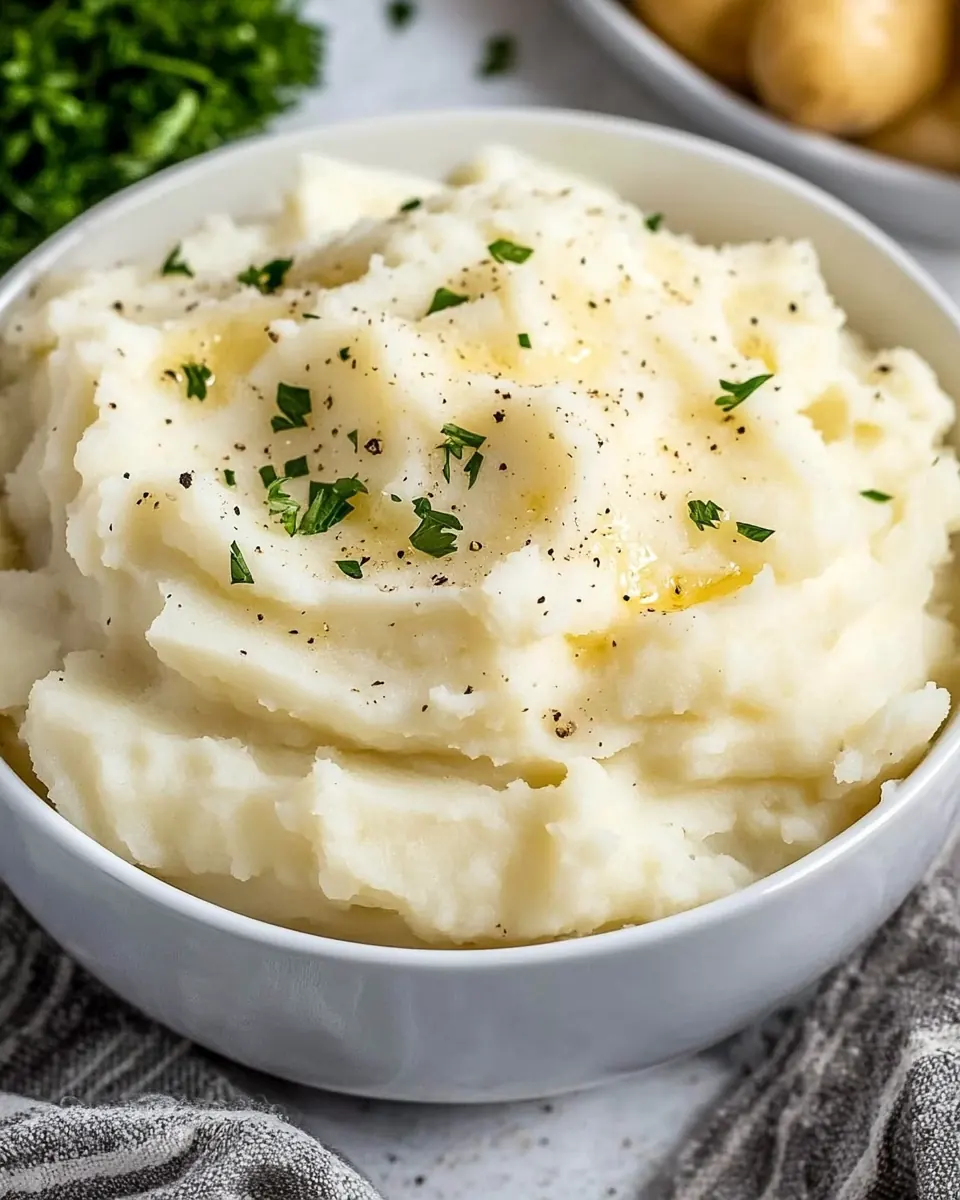
These ingredients are the backbone of a creamy batch of Mashed Potatoes. The philosophy here is minimalism, each item plays a clear role: the potatoes give structure and starch, the salt seasons from within, the butter adds richness, the milk brings silkiness, and the aromatics balance. Together they create a comforting texture and flavor that feels both familiar and elevated.
- 4 lb s. Russet Potatoes, peeled and quartered: Peel and quarter to ensure even cooking; provides the starchy base and creamy texture once boiled and mashed. Choose russets for their high starch content, which yields fluffy mashed potatoes. Handle gently to avoid bruising and brown spots.
- 1 1/2 tsp salt, divided: Season generously during cooking and adjust at the end; contributes flavor and helps enhance the potatoes' natural taste. Divide as indicated so some seasons the boiling water and some seasons the finished mash for balanced saltiness.
- 6 tbsp . butter, melted: Melt fully before adding to the potatoes to incorporate smoothly and add rich, savory fat. Binds with starch to create a silky mouthfeel and improves overall richness and flavor depth.
- 1 1/2 cups whole milk, heated till warm: Warm before adding to the potatoes to prevent cooling the mash and to help absorb liquid evenly. Contributes creaminess and dilutes the butter for a smooth, spreadable texture when mixed in.
- 1 tsp garlic powder: Sprinkle in to add a subtle, savory garlic note without introducing moisture or texture changes. Provides consistent, shelf-stable garlic flavor that complements the potato's mild profile.
- 1/4 tsp black pepper: Season lightly to finish and add a mild, sharp heat that accents the other flavors. Grind fresh if possible to maximize aroma and to balance the dish's richness.
How to Cook Mashed Potatoes
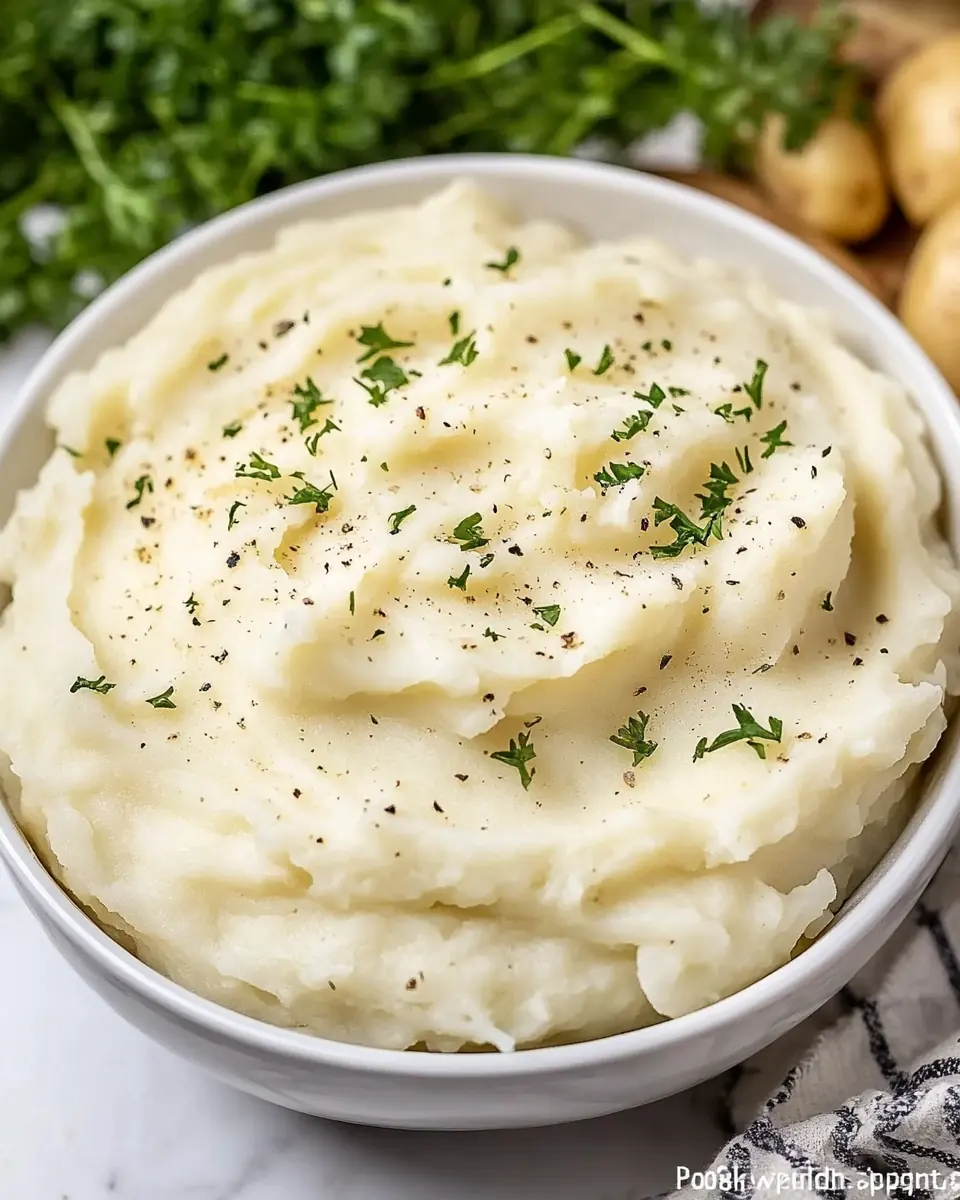
These instructions guide you through a thoughtful process that prioritizes texture and flavor. Take your time at each step, listen and smell for cues, and you will end up with light, creamy potatoes that are anything but ordinary. I walk you through sensory checks and common pitfalls so you can gain confidence.
- Place peeled and quartered (make sure they’re all about the same size) potatoes in a pot and fill with cool water till it reaches the top of the potatoes. Add 3/4 tsp salt and bring pot to a boil.: Listen for the faint chatter as the water warms, and notice how the evenly cut pieces sit in the pot like little islands. Starting in cool water allows the potatoes to heat through evenly, preventing the outer edges from overcooking while the centers remain firm, which would produce uneven texture. A common mistake is dropping potatoes into already boiling water, which can make the outsides break down too quickly. Watch the pot as it comes to a steady boil, the sound will shift from an anxious hiss to a rolling boil, and that is when you can start timing for doneness. If the water boils too aggressively, lower the heat slightly to maintain a steady active boil without splashing the pot.
- Cook potatoes just until they’re fork tender, should take about 15 minutes once it reaches a boil. Drain the potatoes in a strainer for a few minutes to really remove water, then add back to the hot pot and let sit for another few minutes to get all the moisture out.: You will know they are fork tender when a fork slides through a piece with virtually no resistance and the edges begin to fray, that is the moment to pull them from heat. Draining and allowing steam to escape in the strainer tightens the surface and helps evaporate excess water, which would otherwise dilute the flavor and create a watery mash. Returning the potatoes to the hot pot and letting them sit is an essential drying step; you might hear a faint hiss as trapped steam leaves, and you will see a slight matte finish return to the potatoes, a good visual cue that they are ready. A frequent error is rushing this step, which leaves extra moisture and leads to gluey results, so be patient and give them those few extra minutes.
- To the potatoes add the melted butter and warm milk. Use a potato masher to mash the potatoes until the milk and butter have been absorbed and potatoes are creamy. Don’t mash or mix too long or they can turn gummy in texture.: As you pour the warm milk and melted butter, notice the steam that curls upward and the way the liquids sink into the potato pieces, softening them. Using a potato masher gives you tactile control, allowing you to stop when you reach the desired creaminess; the rhythm of mashing should feel even and gentle, not frantic. Overworking activates excess starch, which is why you must stop once the mixture looks smooth and cohesive, not gluey and stringy. Trust the texture under your masher, and if you see a sheen rather than a matte creaminess, pause and let the potatoes rest briefly. One trap to avoid is using a blender or food processor which can quickly overdevelop starch and ruin the texture.
- Season with the remaining salt, garlic powder and black pepper and stir. Taste and add more seasonings if desired.: After the potato base is smooth, add the reserved salt, then sprinkle in the garlic powder and black pepper while stirring to distribute them evenly; the aroma should become warmer and more layered. Tasting is essential, the potatoes will often need a small adjustment to hit the right balance, and this is your moment to refine the seasoning. If the flavor feels flat, a tiny pinch more salt can bring the dish to life; if it seems heavy, a light sprinkling of additional black pepper can add brightness. A common oversight is under seasoning; remember that starchy foods often need more salt than you expect to truly shine. Finish by stirring gently to avoid overmixing, and serve while warm.
Pro Tips and Tweaks
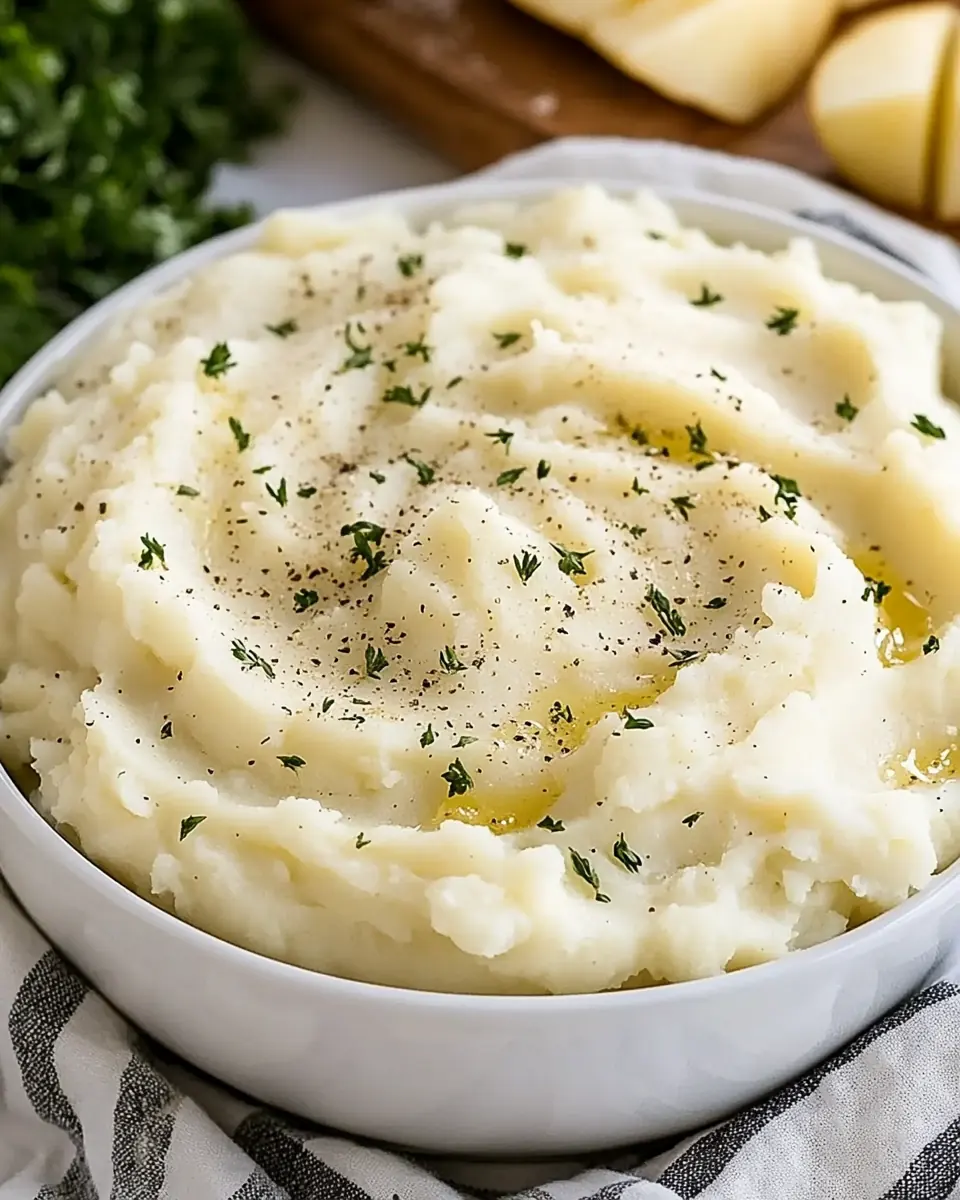
I like to keep a few reliable tweaks in my back pocket to adapt Mashed Potatoes for different meals and moods. The following list highlights practical tips that focus on texture, flavor balance, and presentation so you can make perfect potatoes every time.
- Warm your dairy first — Heating the milk before adding prevents temperature shock, which helps the potatoes absorb the liquid more evenly and keeps the texture silky.
- Dry the potatoes well — After draining, letting the potatoes steam off in the hot pot removes surface moisture that would otherwise thin the mash and mute flavors.
- Measure salt in stages — Season the boiling water and reserve some salt to finish, this layers the seasoning so the flavor is balanced throughout.
- Mash by hand for control — A potato masher gives you tactile feedback so you can stop exactly when the texture is right, avoiding the gummy result of high speed mixing.
- Serve immediately — Mashed potatoes are best warm, so plan to serve shortly after finishing, use a warm bowl to keep them from cooling too quickly.
How to Enjoy Mashed Potatoes
These potatoes work beautifully in many settings, from quiet family dinners to larger celebrations. Below are detailed serving ideas, pairings, and storage advice that help you make the most of your batch.
- Classic dinner side — Pair the Mashed Potatoes with roasted meats and roasted vegetables for a balanced plate, they soak up gravies and pan sauces exceptionally well.
- Comfort bowl — Serve a generous scoop with a pat of melted butter on top and a grind of black pepper for a simple, cozy meal on its own.
- Holiday centerpiece — For special occasions like winter gatherings, present the potatoes in a warmed serving dish, top with melted butter and chopped parsley for a festive look.
- Make ahead and reheat — Store cooled potatoes in an airtight container for up to 3 days, reheat gently with a splash of warm milk to restore creaminess, stirring occasionally to avoid scorching.
- Seasonal pairings — In colder months, pair with braised greens or roasted root vegetables to create a hearty, warming plate that complements the potatoes’ richness.
FAQ
Conclusion
Mashed Potatoes stand out for their comforting texture and timeless appeal. The combination of warm milk, melted butter, and properly cooked Russet potatoes creates a creamy, reliable side that complements many meals. Give this recipe a try, and focus on the small technique points about drying the potatoes and warming the dairy. You might find this version becomes your new default whenever you want something familiar, satisfying, and effortless to prepare.
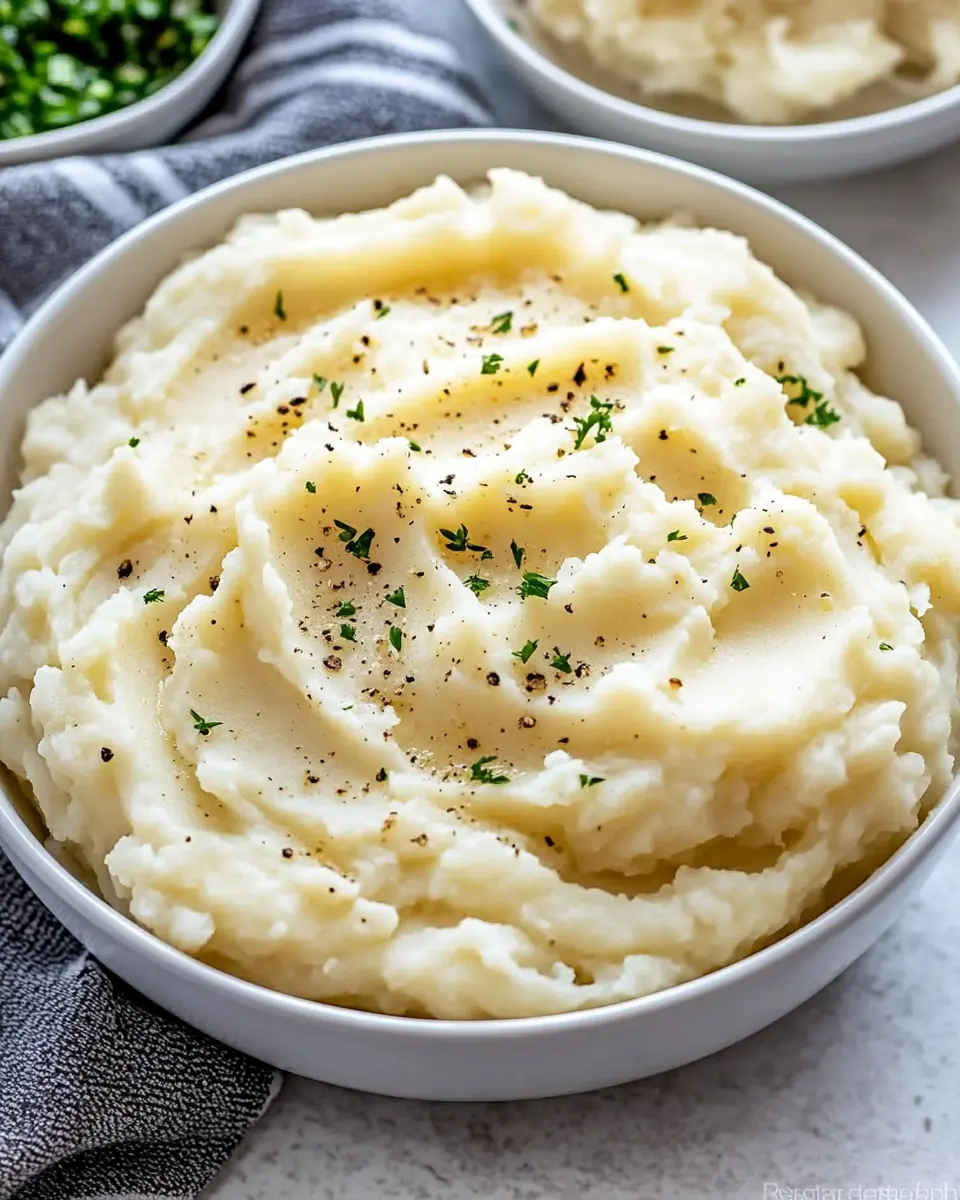
Mashed Potatoes
Ingredients
Equipment
Method
- Place peeled and quartered (make sure they’re all about the same size) potatoes in a pot and fill with cool water till it reaches the top of the potatoes. Add 3/4 tsp salt and bring pot to a boil.: Listen for the faint chatter as the water warms, and notice how the evenly cut pieces sit in the pot like little islands. Starting in cool water allows the potatoes to heat through evenly, preventing the outer edges from overcooking while the centers remain firm, which would produce uneven texture. A common mistake is dropping potatoes into already boiling water, which can make the outsides break down too quickly. Watch the pot as it comes to a steady boil, the sound will shift from an anxious hiss to a rolling boil, and that is when you can start timing for doneness. If the water boils too aggressively, lower the heat slightly to maintain a steady active boil without splashing the pot.
- Cook potatoes just until they’re fork tender, should take about 15 minutes once it reaches a boil. Drain the potatoes in a strainer for a few minutes to really remove water, then add back to the hot pot and let sit for another few minutes to get all the moisture out.: You will know they are fork tender when a fork slides through a piece with virtually no resistance and the edges begin to fray, that is the moment to pull them from heat. Draining and allowing steam to escape in the strainer tightens the surface and helps evaporate excess water, which would otherwise dilute the flavor and create a watery mash. Returning the potatoes to the hot pot and letting them sit is an essential drying step; you might hear a faint hiss as trapped steam leaves, and you will see a slight matte finish return to the potatoes, a good visual cue that they are ready. A frequent error is rushing this step, which leaves extra moisture and leads to gluey results, so be patient and give them those few extra minutes.
- To the potatoes add the melted butter and warm milk. Use a potato masher to mash the potatoes until the milk and butter have been absorbed and potatoes are creamy. Don’t mash or mix too long or they can turn gummy in texture.: As you pour the warm milk and melted butter, notice the steam that curls upward and the way the liquids sink into the potato pieces, softening them. Using a potato masher gives you tactile control, allowing you to stop when you reach the desired creaminess; the rhythm of mashing should feel even and gentle, not frantic. Overworking activates excess starch, which is why you must stop once the mixture looks smooth and cohesive, not gluey and stringy. Trust the texture under your masher, and if you see a sheen rather than a matte creaminess, pause and let the potatoes rest briefly. One trap to avoid is using a blender or food processor which can quickly overdevelop starch and ruin the texture.
- Season with the remaining salt, garlic powder and black pepper and stir. Taste and add more seasonings if desired.: After the potato base is smooth, add the reserved salt, then sprinkle in the garlic powder and black pepper while stirring to distribute them evenly; the aroma should become warmer and more layered. Tasting is essential, the potatoes will often need a small adjustment to hit the right balance, and this is your moment to refine the seasoning. If the flavor feels flat, a tiny pinch more salt can bring the dish to life; if it seems heavy, a light sprinkling of additional black pepper can add brightness. A common oversight is under seasoning; remember that starchy foods often need more salt than you expect to truly shine. Finish by stirring gently to avoid overmixing, and serve while warm.
Notes
- Warm your dairy first — Heating the milk before adding prevents temperature shock, which helps the potatoes absorb the liquid more evenly and keeps the texture silky.
- Dry the potatoes well — After draining, letting the potatoes steam off in the hot pot removes surface moisture that would otherwise thin the mash and mute flavors.
- Measure salt in stages — Season the boiling water and reserve some salt to finish, this layers the seasoning so the flavor is balanced throughout.
- Mash by hand for control — A potato masher gives you tactile feedback so you can stop exactly when the texture is right, avoiding the gummy result of high speed mixing.
- Serve immediately — Mashed potatoes are best warm, so plan to serve shortly after finishing, use a warm bowl to keep them from cooling too quickly.