Keto Pad Thai
Keto Pad Thai has been my weekday lifesaver when I want the tangy, savory notes of classic pad thai without the carbs that usually come with it.
Years ago I stumbled into a tiny noodle shop that served a version of pad thai that felt light yet deeply satisfying, and I kept chasing that balance at home. Over time I learned to swap components, test textures, and coax bold flavors from modest ingredients. This version, Keto Pad Thai, grew out of those experiments. I love how the noodles soak up the spicy sweet sauce, while the crisp bean sprouts and toasted peanuts provide a bright contrast.
When I make Keto Pad Thai for friends, they always comment on how the dish tastes complete, not like a low carb imitation. The secret is layering flavors slowly, tasting as you go, and not being afraid to add acid at the end for brightness. I want you to feel confident about getting big flavors with fewer carbs, so I walk you through my exact approach. You will notice small choices that elevate the dish, from how you handle the noodles to the timing of the eggs. Each choice matters, and I share what I learned through trial and error.
Recipe Snapshot
12 mins
2 mins
10 mins
Easy
350 kcal
Thai
Keto, Gluten-Free
Dinner
Large bowl, Non stick pan, Small bowl, Whisk
The Charm of This Keto Pad Thai
Bold flavor without the carbs
I love that Keto Pad Thai delivers the tangy, savory, and slightly sweet profile we all crave, but without the heavy carb load. The sauce uses concentrated salty and sweet components, so a little goes a long way. When I taste as I build, I can dial in bright, balanced flavors that remind me of street food stalls, yet keep the dish light.
A satisfying textural contrast
The contrast in textures is what keeps me coming back. Chewy shirataki noodles absorb sauce in their own way, but the crunchy bean sprouts and toasted peanuts give each bite life. I always aim for a balance where nothing is mushy, and that requires attention to timing while stir frying.
Flexible enough for different eaters
I appreciate how adaptable Keto Pad Thai is. Whether you keep the shredded chicken for protein or lean on extra tofu for a vegetarian plate, the base flavor system supports both. I often swap proteins depending on what I have, and the sauce holds up through each change.
Quick and weeknight friendly
One of the reasons I make this recipe so often is how fast it comes together. With a little prep, the entire recipe finishes in a flash on a busy night. I value recipes that reward a small upfront effort with reliable, tasty results, and this one fits the bill.
Kid friendly and crowd pleasing
I find that the balance of sweet, salty, and nutty notes usually wins over picky eaters. The elements are familiar, yet the dish feels special. I like serving it for casual dinners when I want something that feels homemade and slightly exotic at the same time.
Ingredients Required for Keto Pad Thai
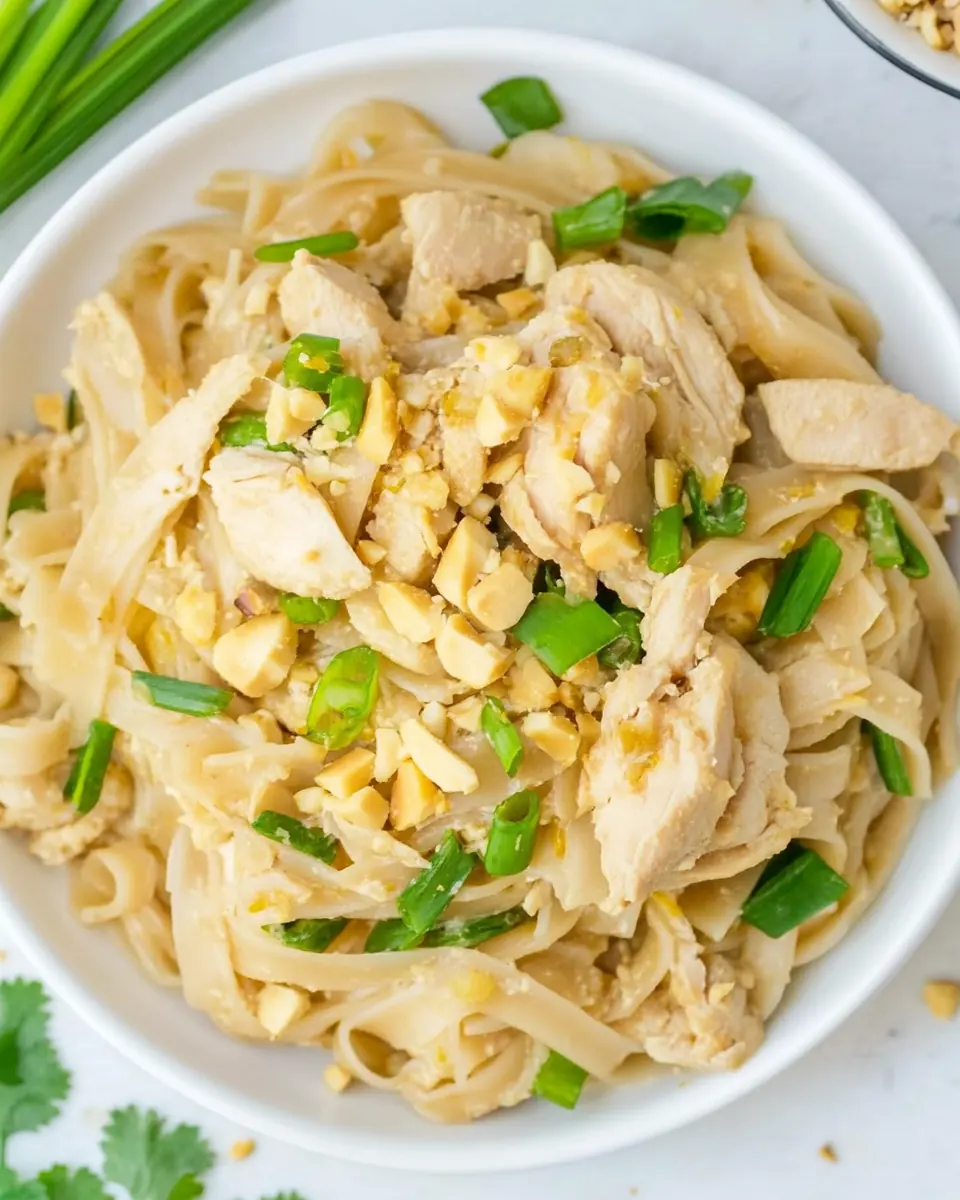
These ingredients form a well tuned system designed to recreate pad thai character while keeping it low carb. The shirataki noodles provide the body, while the sauce concentrates salty and sweet notes. Proteins like chicken and tofu bring savory depth, and garnishes such as peanuts and green onions add crunch and freshness.
- 1 package Shirataki noodles 14 ounces: Rinse and drain thoroughly to remove packing liquid and reduce odor; adds a noodle-like texture that soaks up sauce well. Gently pat dry and optionally dry-roast to improve chewiness and help them absorb flavors from the pad Thai sauce.
- 1 tablespoon oil: Heat to provide a cooking medium and help brown proteins and aromatics, contributing a savory mouthfeel. Use neutral oil to prevent overpowering flavors while ensuring even sautéing of onion, garlic, and chicken pieces.
- 1/2 large onion chopped: Chop finely to release natural sweetness and add body to the stir-fry; browns slightly to build savory depth. Sauté until softened to create a flavorful base that balances the dish’s salty, tangy, and sweet elements.
- 2 cloves garlic minced: Mince to unleash pungent, aromatic oils that infuse the oil and other ingredients with savory depth. Add early in cooking to bloom its flavor and help season the chicken and tofu evenly throughout the dish.
- 1/2 pound chicken thighs chopped into bite sized pieces: Cut into bite–sized pieces to ensure quick, even cooking and tender texture; supplies the dish with protein and rich flavor. Sear until just cooked through to develop caramelized edges that enhance overall taste and mouthfeel.
- 2 large eggs: Whisk and scramble to add silkiness, extra protein, and a touch of richness that binds ingredients. Cook briefly and fold into the noodles for traditional pad Thai texture and added moisture.
- 1 1/2 cups bean sprouts: Rinse and add near the end of cooking to retain crispness and a fresh, slightly sweet crunch. Toss in last minute to preserve their delicate texture and provide contrast to the warm noodles and proteins.
- 1/4 block firm tofu chopped into small pieces, 100 grams: Cube into small pieces to provide a tender, mild-flavored protein and pleasant textural contrast, especially in vegetarian bites. Lightly fry or sauté to brown edges so it holds shape and absorbs the pad Thai sauce.
- 3 stalks green onions * See notes: Slice thinly and use both the white and green parts to contribute mild oniony aroma and bright color; adds freshness and garnish. Sprinkle over the finished dish to introduce a crisp, slightly sharp contrast to the rich sauce.
- 3 tablespoons peanuts chopped: Chop coarsely to provide crunchy texture and a nutty, slightly oily finish that complements the savory sauce. Scatter on top at the end to add contrast in texture and enhance the traditional pad Thai flavor profile.
- 2 tablespoons sugar free ketchup: Use sparingly as a tangy, ketchup-like component without added sugars to contribute tomato-like acidity and balance sweetness. Mix into the sauce to build a familiar pad Thai base while keeping the recipe keto-friendly.
- 3 tablespoons brown sugar substitute: Dissolve to provide caramel-like sweetness without sugar; balances salty and tangy elements of the sauce. Stir into the sauce mixture until fully incorporated to achieve the characteristic sweet-savory pad Thai flavor while maintaining low carbs.
- 2 tablespoons fish sauce: Measure to contribute umami depth and savory saltiness that enhances the fish and meat flavors; acts as a salty backbone for the sauce. Add to taste and mix with soy sauce and sweetener to create the sauce’s complex salty profile.
- 2 tablespoons soy sauce: Pour in to deliver savory, umami-rich seasoning and deepen the overall flavor; provides a salty balance to the sweetness and acidity. Combine with fish sauce and sweeteners to form the classic savory-salty layer of pad Thai sauce.
How to Assemble Keto Pad Thai
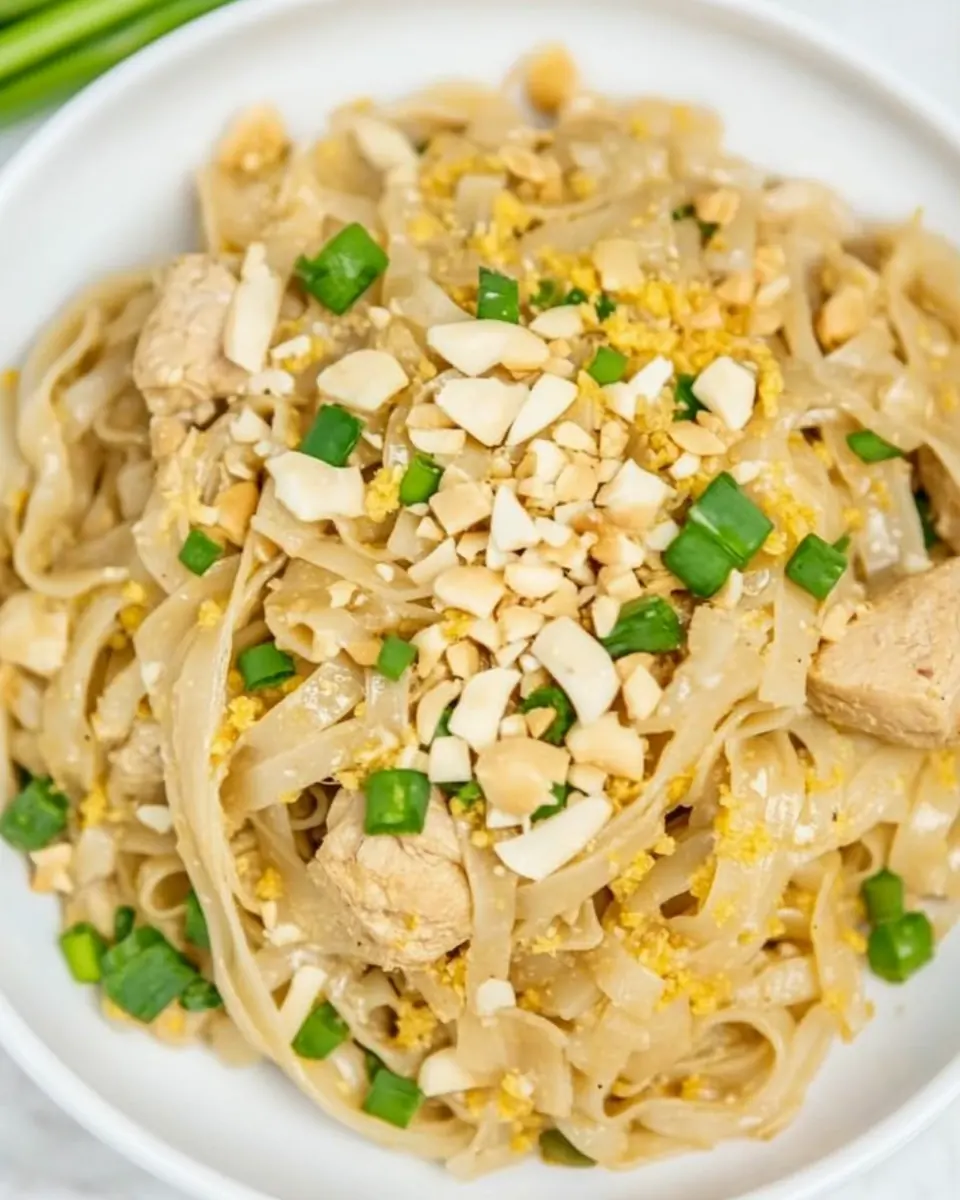
This recipe comes together quickly, so organization is crucial. Have everything prepped before you start frying, and keep tasting as you go. The instructions below expand each original direction into thorough, sensory forward steps so you know when you have it right.
- In a large bowl, add your shirataki noodles and cover with boiling water. Let it sit for 5 minutes, before draining. Set it aside.: You will notice a faint, neutral aroma as the hot water relaxes the noodles, and the steam will help remove any packaging scent. After five minutes the texture firms slightly, ready to absorb sauce. Press or shake off excess water to avoid diluting the stir fry, and pat them dry if needed. A common mistake is skipping the boil, which leaves a rubbery texture and lingering odor. Visually, they should look glossy and separated, not clumped together.
- In a small bowl, whisk together the pad thai sauce ingredients.: As you whisk the 2 tablespoons fish sauce , 2 tablespoons soy sauce , 3 tablespoons brown sugar substitute , and 2 tablespoons sugar free ketchup , aromas will combine into a savory sweet perfume. The sauce should be smooth and slightly viscous, not gritty. Tasting a tiny bit helps you balance salty and sweet, and adjusting here prevents the need to fix the entire pan later. A pitfall is making the sauce too salty, so taste before adding to the main pan.
- In a non-stick pan, add the oil and place it over medium heat. Once hot, add the onion and garlic and fry for 1-2 minutes. Add the chicken and cook until no longer pink.: As the oil heats, it will shimmer and carry the crushed scent of garlic and the sweetening edge of softened onion . You should hear an energetic sizzle when the chicken hits the pan, and the surface will gain a golden tint as it sears. Cooking until no longer pink ensures safety and builds flavor through browning, which adds complexity. Avoid crowding the pan, since that leads to steaming instead of searing, producing pale, unappealing pieces.
- Push the chicken to one side and add the eggs. Whisk into the chicken. Add the bean sprouts, tofu, and green onion stems. Add the noodles and mix well, until combined.: The sizzling eggs will set quickly, offering a soft curd that mingles with the browned chicken . When you add the crisp bean sprouts and browned tofu , you should hear a fresh snap, and the pan will smell nutty and savory. Folding in the drained shirakaki noodles allows them to pick up the pan juices. Mixing thoroughly distributes textures and ensures each strand is coated. A common error is overmixing the eggs into dryness, so stop when they are tender and integrated.
- Add the sauce over the top of everything and mix together, until the sauce covers the noodles and protein.: Pouring the sauce releases a concentrated aroma, and as it heats it will cling to the noodles and protein, creating a glossy finish. Stirring until the sauce is evenly distributed allows flavors to harmonize, and you should see the noodles take on a consistent color. If the pan looks too wet, cook briefly to reduce the sauce; if too dry, add a splash of water. Overheating can evaporate too much liquid, leaving the dish sticky instead of silky.
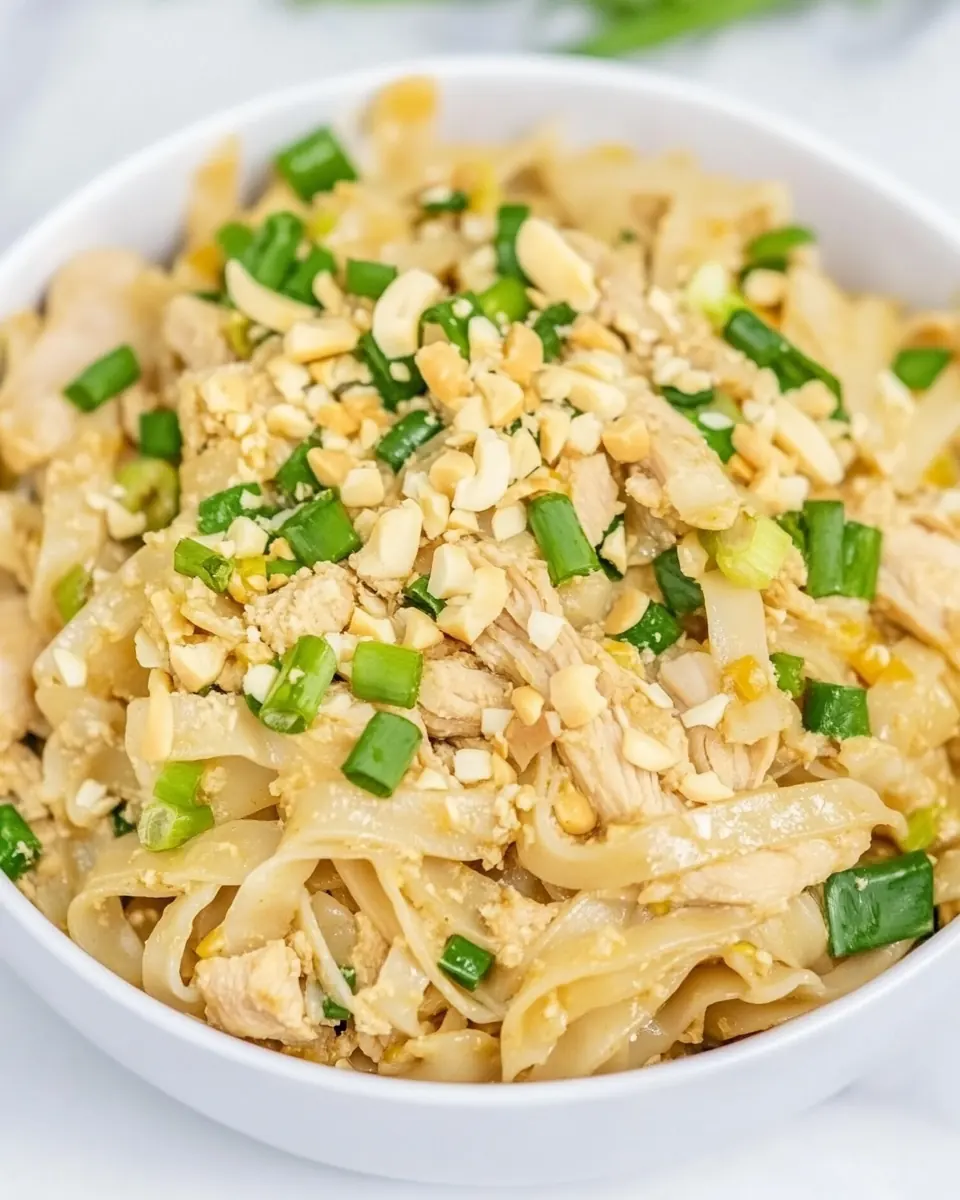
- Remove the pad thai from heat and serve with sliced green onions and chopped peanuts.: Once off heat, the residual warmth will mellow the flavors and keep textures intact. Scatter the sliced green onions and chopped peanuts for bright color and crunch, and the first bite should present a mix of silky noodles, soft protein, and crisp garnishes. Serving immediately preserves the contrast; letting it sit will soften the sprouts and lose the fresh bite. A typical mistake is delaying plating, which makes the dish soggy and less dynamic.
Variations to Try
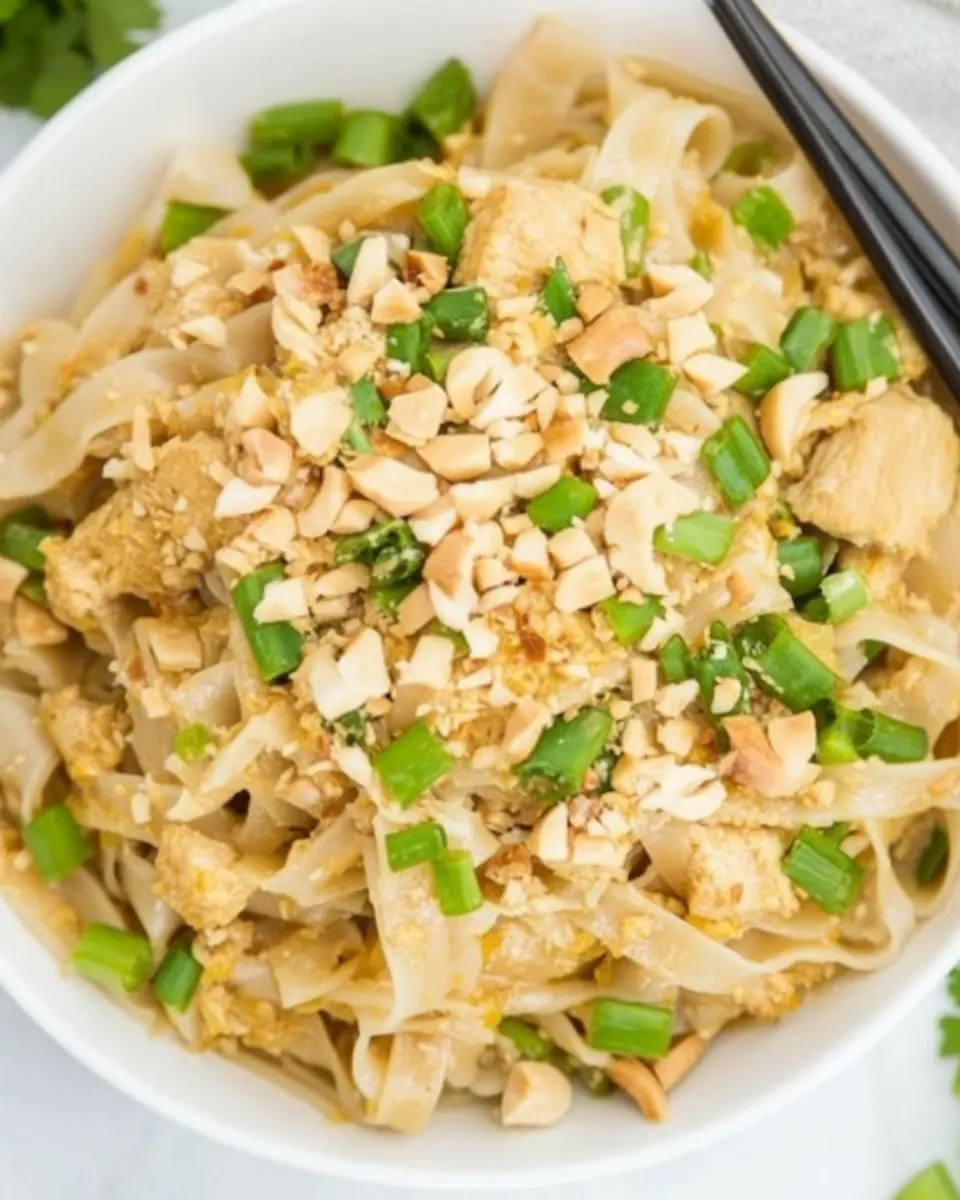
These variations help you tailor Keto Pad Thai to your preferences and pantry. Each tip explains how and why a change works, so you can experiment confidently.
- Vegetarian swap Use the note suggestion to omit the chicken and double the tofu for extra protein, ensuring the texture remains satisfying.
- Gluten free option Replace the soy sauce with tamari if you need a gluten free version, this keeps the savory backbone intact without wheat.
- Alternate proteins Try shrimp or sliced beef if you want a different flavor profile, making sure to adjust cook times so each protein is perfectly done.
- Extra vegetables Stir fry thinly sliced cabbage or zucchini early in the process to add fiber and color, tossing them with the onion so they soften slightly.
- Nut free Omit the peanuts and use toasted seeds for crunch if you need a nut free alternative, maintaining texture without changing the sauce.
Pairing Suggestions for Keto Pad Thai
Keto Pad Thai shines with simple sides and fresh elements that complement its bold flavors. Pairing thoughtfully enhances the meal for different occasions, from a weeknight dinner to a casual gathering.
- Light green salad A crisp salad with a citrusy dressing offers a bright foil to the savory noodles, keeping the overall meal feeling fresh and balanced.
- Steamed greens Quick steamed bok choy or spinach adds a warm, slightly bitter counterpoint that pairs well with the sauce‘s sweetness.
- Extra crunch Serve a small bowl of extra chopped peanuts and sliced green onions on the side so guests can personalize texture and punch.
- Occasion suggestion For a relaxed weeknight, serve alone as a main course; for a small dinner party, offer it family style with bowls of garnishes so everyone customizes their plate.
- Storage tips Refrigerate leftovers in an airtight container for up to two days, reheating gently on the stovetop to preserve texture and avoid limp sprouts.
- Seasonal pairings In warmer months, emphasize fresh herb garnishes like cilantro, while in cooler months add a side of sautéed greens for comfort.
FAQ
Conclusion
This recipe captures what makes pad thai beloved, while keeping it low carb and weeknight friendly. I hope you feel encouraged to try Keto Pad Thai because it proves bold flavor does not require heavy carbs, and small technique choices make a big difference. Give it a go, taste as you cook, and make the dish your own. I love hearing how readers tweak the protein or garnishes, so come back and share your version.
Keto Pad Thai
Ingredients
Equipment
Method
- In a large bowl, add your shirataki noodles and cover with boiling water. Let it sit for 5 minutes, before draining. Set it aside.: You will notice a faint, neutral aroma as the hot water relaxes the noodles, and the steam will help remove any packaging scent. After five minutes the texture firms slightly, ready to absorb sauce. Press or shake off excess water to avoid diluting the stir fry, and pat them dry if needed. A common mistake is skipping the boil, which leaves a rubbery texture and lingering odor. Visually, they should look glossy and separated, not clumped together.
- In a small bowl, whisk together the pad thai sauce ingredients.: As you whisk the 2 tablespoons fish sauce , 2 tablespoons soy sauce , 3 tablespoons brown sugar substitute , and 2 tablespoons sugar free ketchup , aromas will combine into a savory sweet perfume. The sauce should be smooth and slightly viscous, not gritty. Tasting a tiny bit helps you balance salty and sweet, and adjusting here prevents the need to fix the entire pan later. A pitfall is making the sauce too salty, so taste before adding to the main pan.
- In a non-stick pan, add the oil and place it over medium heat. Once hot, add the onion and garlic and fry for 1-2 minutes. Add the chicken and cook until no longer pink.: As the oil heats, it will shimmer and carry the crushed scent of garlic and the sweetening edge of softened onion . You should hear an energetic sizzle when the chicken hits the pan, and the surface will gain a golden tint as it sears. Cooking until no longer pink ensures safety and builds flavor through browning, which adds complexity. Avoid crowding the pan, since that leads to steaming instead of searing, producing pale, unappealing pieces.
- Push the chicken to one side and add the eggs. Whisk into the chicken. Add the bean sprouts, tofu, and green onion stems. Add the noodles and mix well, until combined.: The sizzling eggs will set quickly, offering a soft curd that mingles with the browned chicken . When you add the crisp bean sprouts and browned tofu , you should hear a fresh snap, and the pan will smell nutty and savory. Folding in the drained shirakaki noodles allows them to pick up the pan juices. Mixing thoroughly distributes textures and ensures each strand is coated. A common error is overmixing the eggs into dryness, so stop when they are tender and integrated.
- Add the sauce over the top of everything and mix together, until the sauce covers the noodles and protein.: Pouring the sauce releases a concentrated aroma, and as it heats it will cling to the noodles and protein, creating a glossy finish. Stirring until the sauce is evenly distributed allows flavors to harmonize, and you should see the noodles take on a consistent color. If the pan looks too wet, cook briefly to reduce the sauce; if too dry, add a splash of water. Overheating can evaporate too much liquid, leaving the dish sticky instead of silky.
- Remove the pad thai from heat and serve with sliced green onions and chopped peanuts.: Once off heat, the residual warmth will mellow the flavors and keep textures intact. Scatter the sliced green onions and chopped peanuts for bright color and crunch, and the first bite should present a mix of silky noodles, soft protein, and crisp garnishes. Serving immediately preserves the contrast; letting it sit will soften the sprouts and lose the fresh bite. A typical mistake is delaying plating, which makes the dish soggy and less dynamic.
Notes
- Vegetarian swap Use the note suggestion to omit the chicken and double the tofu for extra protein, ensuring the texture remains satisfying.
- Gluten free option Replace the soy sauce with tamari if you need a gluten free version, this keeps the savory backbone intact without wheat.
- Alternate proteins Try shrimp or sliced beef if you want a different flavor profile, making sure to adjust cook times so each protein is perfectly done.
- Extra vegetables Stir fry thinly sliced cabbage or zucchini early in the process to add fiber and color, tossing them with the onion so they soften slightly.
- Nut free Omit the peanuts and use toasted seeds for crunch if you need a nut free alternative, maintaining texture without changing the sauce.