Lemon Cheesecake Mousse
Lemon Cheesecake Mousse started as a sunny experiment on my kitchen counter the afternoon I wanted something light yet indulgent for guests who love citrus and cream.
I remember pulling out a jar of lemon curd and a tub of softened cream cheese, thinking I could turn them into something airy and bright. The first bite was an honest surprise, a cloudlike texture that still tasted like classic cheesecake, thanks to the tang of lemon and the soft richness of cream cheese. I had meant to make a small dessert, yet the recipe scaled perfectly when friends asked for seconds.
Over time I refined the technique so the texture is reliably smooth, and I learned how to coax the best body from whipped heavy cream and a gentle dose of gelatin. Now, this is the dessert I bring when I want to impress without fuss. It looks composed, but it comes together quickly, and it keeps beautifully in the fridge until the moment we sit down to savor it. If you enjoy subtle tartness married to velvety cream, this is the sort of treat that becomes a regular in your repertoire.
Recipe Snapshot
31 mins
30 mins
1 mins
Medium
300 kcal
American
Gluten-Free, Low FODMAP
Desserts
Mixing bowls, Hand mixer, Measuring spoons, Microwave or small saucepan, Spatula, Dessert cups
What You’ll Enjoy About This Lemon Cheesecake Mousse
Light but Luxurious Texture
I adore how Lemon Cheesecake Mousse manages to feel like a decadent cheesecake while remaining feather light. The whipped heavy cream gives lift, while the stabilized gelatin adds just enough structure so each spoonful holds a silky, airy profile. You get richness without leaden weight, perfect after a big meal.
Bright, Layered Lemon Flavor
The pairing of bright lemon juice and a jar of lemon curd creates layered citrus notes. I love that the curd brings sweet depth and glossy texture, while the fresh lemon juice gives that immediate pop of tartness. Together, they make each bite lively and balanced, never cloying.
Easy Prep, Impressive Result
This dessert feels fancy, yet it is straightforward to assemble. I appreciate recipes where a small technique change transforms the end result, and here, blooming and briefly dissolving the gelatin makes all the difference. It’s an uncomplicated method that yields a showstopper.
Versatile Presentation
I often serve this in individual dessert cups or pipe it into pretty glasses for gatherings. The graham cracker base provides a familiar crunchy contrast to the mousse, and garnishes like blueberries or a mint sprig finish the plate with color and freshness. It adapts well to occasions from casual brunches to celebratory dinners.
Reliable Make Ahead
One of my favorite reasons to make Lemon Cheesecake Mousse is how well it keeps. You can assemble it a few hours or up to a day before serving, which frees me to focus on other dishes. The texture remains stable and the flavors marry beautifully in the fridge.
What’s In This Lemon Cheesecake Mousse
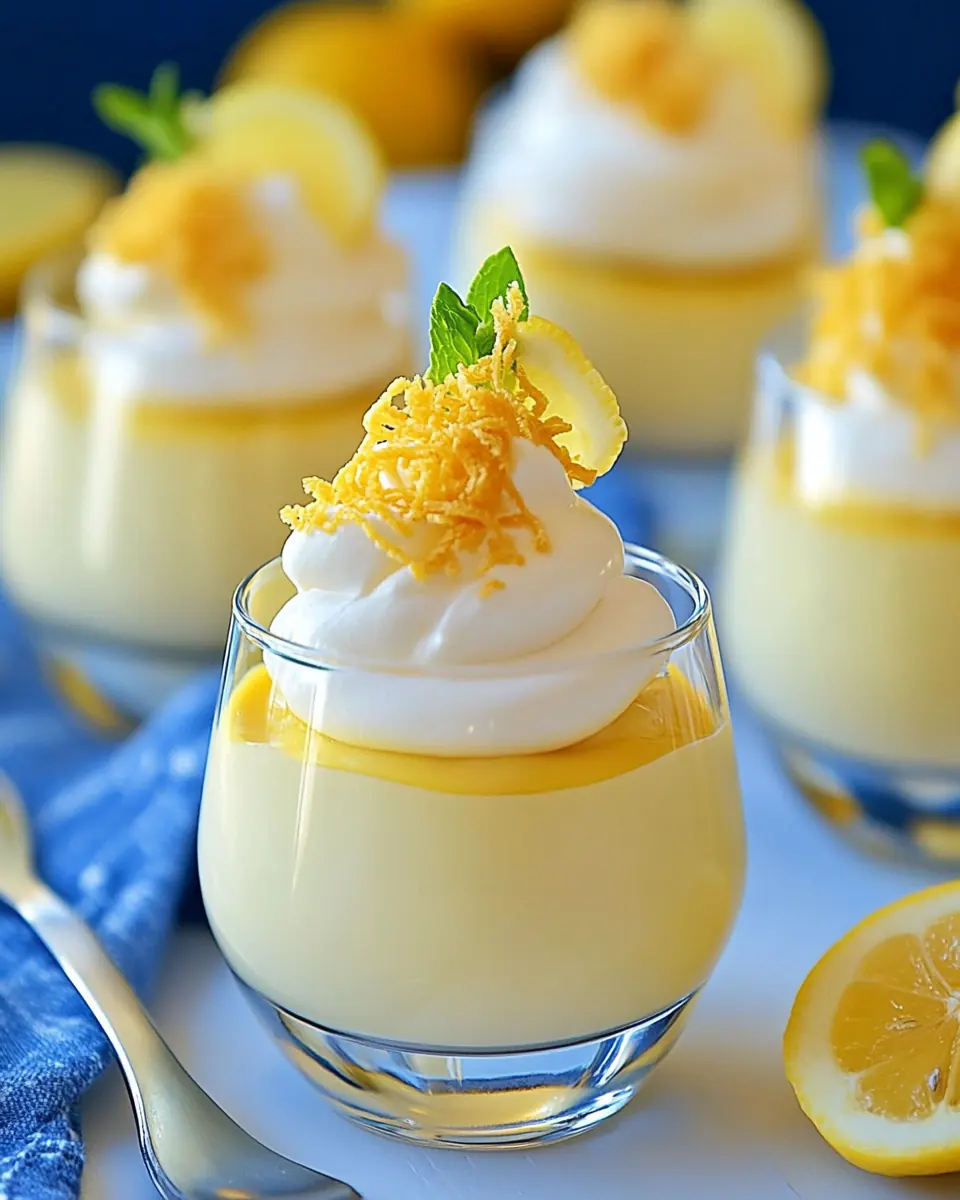
The ingredient list for Lemon Cheesecake Mousse is built around a few key players that harmonize for taste and texture. The crunchy graham crackers form a simple base, while cream cheese and heavy cream create the silky body. Lemon curd and fresh lemon juice bring bright citrus notes, and a touch of gelatin stabilizes the airy mousse. Each element has a clear purpose so the dessert feels polished without being complicated.
- 3/4 cup crushed graham crackers (6 full sheets): Crushed to create the base and provide a crunchy, slightly sweet foundation for the mousse; press into serving glasses or a pan to form a compact crust that supports the filling. Enhances texture contrast between creamy mousse and crumbly base, and absorbs some moisture to prevent sogginess. Use finely crushed sheets for best cohesion and uniform appearance.
- 2 tbsp (26 g) granulated sugar: Measured to sweeten the crust and balance the tartness of lemon; dissolves into the crumbs to help bind them when combined with melted butter. Adds a touch of caramelized flavor and moderates the overall sweetness of the dessert.
- 3 tbsp (42 g) salted butter, melted: Melted to moisten the graham crackers and act as the binding fat for the crust; integrates with sugar and crumbs to form a cohesive, sliceable base. Contributes richness and helps the crust set firmly when chilled.
- 2 1/2 tbsp fresh lemon juice: Squeezed to provide fresh acidity and bright citrus flavor that defines the cheesecake mousse; balances richness of cream cheese and cream while lending authentic lemon character. Adjust quantity slightly for desired tartness.
- 1 1/2 tbsp water: Added to hydrate gelatin and dilute concentrated lemon juice slightly; helps bloom the gelatin and contributes small amount of moisture for proper setting. Neutral in flavor but important for texture.
- 1 1/2 tsp unflavored gelatin powder: Bloomed and dissolved to set the mousse, creating a slightly firm yet airy structure that holds the layers together; ensures the filling stabilizes when chilled. Use proper blooming technique to avoid lumps and achieve smooth texture.
- 1 1/2 cup s (355 ml) heavy cream: Whipped to soft peaks to incorporate air and create a light, airy mousse texture that contrasts with the dense cream cheese. Provides body and creaminess while carrying flavor and structure in the final dessert.
- 1 cup (110 g) powdered sugar, divided: Sifted into dairy components to sweeten and stabilize the mousse while smoothing texture; a portion may be used in the crust or whipped cream and the rest folded into the filling. Prevents graininess and enhances overall sweetness.
- Yellow food coloring () (optional): Added sparingly for visual enhancement and to intensify a sunny hue; optional coloring does not affect flavor but improves presentation. Use only a drop or two to reach desired shade without altering taste.
- 12 oz (340 g) cream cheese, softened: Softened to room temperature to ensure smooth incorporation into the filling and to provide tangy richness characteristic of cheesecake; whipped with sugar and lemon curd for creamy structure. Contributes body, tang, and a dense, velvety mouthfeel.
- 1 (10 oz) jar lemon curd (tested with Dickenson's): Spoonable lemon curd folded into the cream cheese mixture to deliver concentrated lemon flavor, sweetness, and glossy sheen; supplies both taste and moisture to the mousse. Choose a high-quality curd for consistent texture and flavor.
- Sweetened whipped cream, lemon wedges, blueberries and mint for garnish () (optional): Used as optional garnishes to finish and brighten the dessert visually and flavor-wise; whipped cream adds extra creaminess, lemon wedges amplify citrus aroma, blueberries contribute color and freshness, and mint lends herbal contrast. Arrange thoughtfully to complement, not overpower, the mousse.
How to Assemble Lemon Cheesecake Mousse

Assembling Lemon Cheesecake Mousse is a series of small, intentional steps that transform simple ingredients into a light, elegant dessert. I’ll walk you through each action and its sensory cues so you know you are on the right track.
- In a mixing bowl whisk together graham cracker crumbs and sugar. Pour in butter and stir until evenly moistened. Divide mixture among 8 – 10 dessert cups and lightly press into an even layer, set aside.: Warm butter releases a toasty aroma that brings out the graham crackers scent, and the mixture should feel uniformly damp but not sloppy. Use the back of a spoon to press the crumbs until they hold together in a thin, even layer, listen for a faint pressing sound and watch the surface for uniform compactness. This step matters because it creates a stable base with texture contrast, and if you overpress you will get a dense crust that lacks the desired crunch. Avoid adding too much butter, which makes the crumbs greasy, and don’t skip pressing, or the mousse will slip when served.
- Pour lemon juice and water into a small bowl. Sprinkle gelatin evenly over top, let rest 5 minutes. Meanwhile, whip heavy cream in a medium mixing bowl until soft peaks form.: When you sprinkle the gelatin over the liquid, it will look powdery at first, then hydrate into a spongy film after resting. You should notice the granules swell and the surface become slightly jellied. This blooming ensures the gelatin dissolves fully later, preventing gritty lumps. The common mistake is skipping the rest time, which leads to uneven dissolution and textural graininess, so be patient for the full five minutes.
- Add in 1/3 cup of the powdered sugar, tint with yellow food coloring if desired and whip until stiff (but not lumpy) peaks form (shake cream from beaters, no need to clean).: As you whip the heavy cream , you will hear a change in the mixer’s sound and watch glossy ribbons form when the beaters are lifted. Soft peaks will hold gently then fall, and the cream will smell fresh and milky. Stop at this point if you plan to sweeten and fold in more; overwhipping will cause separation and grainy texture. A big pitfall is continuing past soft peaks, so check frequently.
- In a separate large mixing bowl whip cream cheese until smooth and fluffy. Mix lemon curd and remaining 2/3 cup powdered sugar into cream cheese mixture.: Adding powdered sugar at the soft peak stage sweetens and stabilizes the cream. As you whip to stiff peaks, the cream will become thicker and hold its shape, with a smooth sheen. If you see small curdled bits, stop and gently bring it back together with a few slow pulses, because overwhipping creates butter. The texture should be firm but pillowy, never dry.
- Heat rested gelatin mixture in the microwave on high power for 30 seconds. Whisk for 1 minute to thoroughly dissolve gelatin, then let cool 3 minutes (no longer or it may start to set then you could end up with little lumps in the mousse).: Whipping the room temperature cream cheese releases a soft, tangy aroma and transforms the block into a silky base. Adding lemon curd and the remaining powdered sugar yields a glossy, slightly ribboned mixture that tastes bright and creamy. If the cream cheese is cold you will see lumps and the texture will be uneven, so always ensure it is properly softened. A common error is rushing and leaving small bits; scrape the bowl well to avoid this.
- While mixing cream cheese mixture with hand mixer, slowly pour in gelatin mixture then blend until thoroughly combined.: When you warm the bloomed gelatin , it will become clear and slightly glossy; whisking dissolves any remaining granules. After whisking you should see a smooth liquid that smells faintly of lemon juice and nothing grainy. Cooling for three minutes prevents it from shocking the dairy but keeps it fluid; let it cool longer and it may start to congeal, forming stringy bits in the mousse. The biggest mistake is overheating, which can weaken setting power or create bubbles, so stick to the short burst and quick whisk.
- Gently fold 1/3 of the whipped cream mixture into the cream cheese mixture to lighten, then add remaining whipped cream and gently fold until combined.: As you stream in the warm gelatin, the cream cheese mixture will relax and become glossier, and the mixture should feel silkier under the beaters. This integration is critical for even setting without icy pockets. Pour slowly to avoid creating hot spots that can cause the curd to separate, and if you see any small lumps, pause and whisk at low speed until smooth. A common slip is rushing the pour, which can compromise consistency.
- Spoon or pipe mixture into dessert cups over graham cracker layer. Cover and refrigerate 2 hours (or up to 1 day ahead if desired) to set. Garnish as desired. Serve cold.: Folding in small portions of the whipped heavy cream creates a light, aerated texture. You should use a spatula and watch for ribbons of cream integrating into the filling, with a soft rustling sound as you turn the bowl. This step preserves the air you created; vigorous mixing will collapse the mousse and make it dense. Take care not to overfold, and stop when the mixtures are uniformly streak free.
- Spoon or pipe mixture into dessert cups over graham cracker layer. Cover and refrigerate 2 hours (or up to 1 day ahead if desired) to set. Garnish as desired. Serve cold: As you portion the mousse over the crisp base, it will feel pillowy and hold shape nicely. Covering and chilling allows the gelatin to finish setting, resulting in a clean spoonful that releases smoothly. Set for at least two hours for optimal texture; under chilling yields a looser mousse. When ready to serve, garnish for contrast and serve well chilled for the best mouthfeel.
Make It Your Own
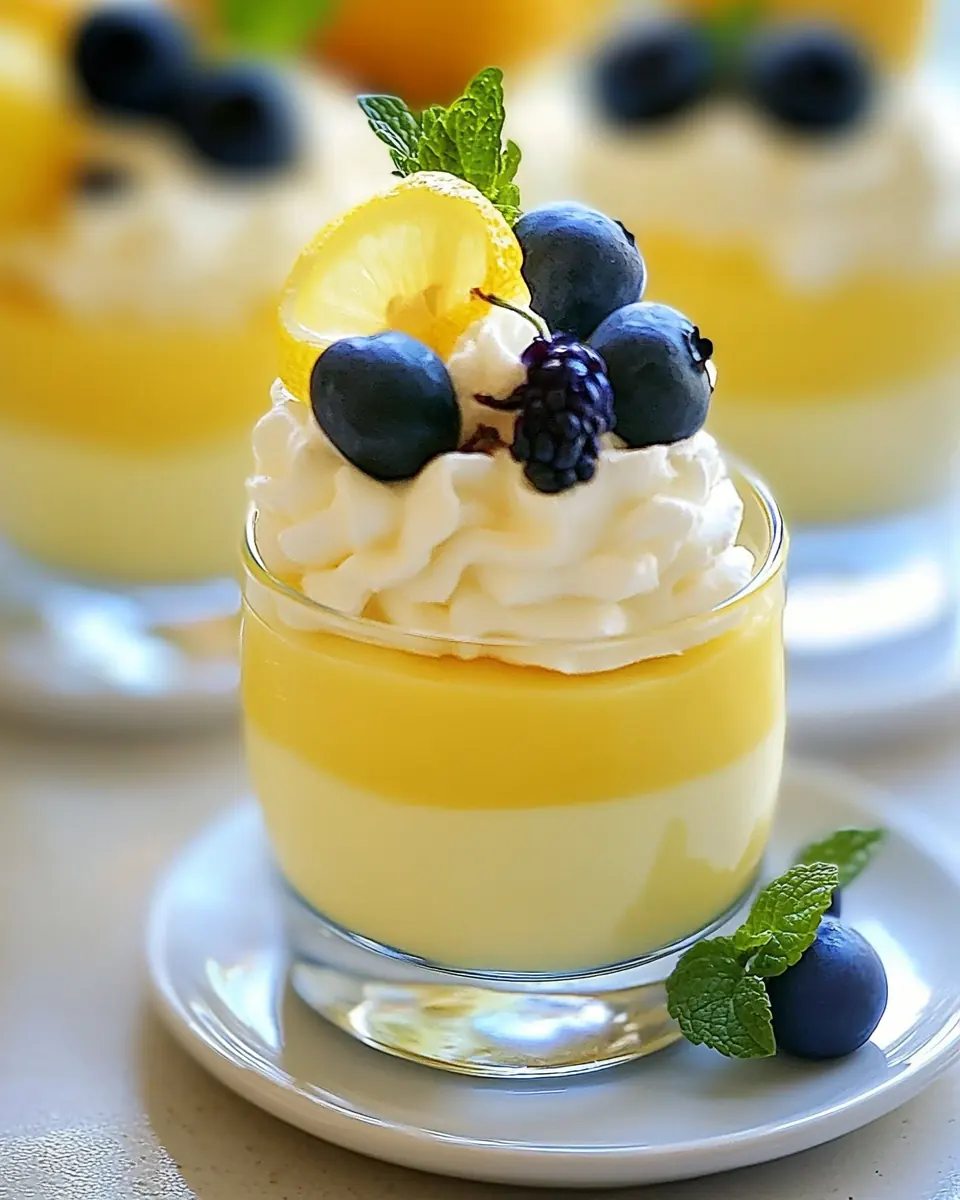
This section gives ideas to personalize Lemon Cheesecake Mousse without changing the core formula. Small swaps and presentation choices can give you seasonal or occasion based variety while keeping the texture and flavor balance intact.
- Garnish creatively: Consider adding a few blueberries or a light dusting of powdered sugar on top for a pop of color and contrast, which makes individual servings feel festive.
- Adjust sweetness: Tweak the division of powdered sugar if you prefer a more tart profile, but keep the total close to maintain mousse stability and mouthfeel.
- Make ahead advantage: Assemble up to one day in advance and keep covered in the fridge so flavors meld and the texture sets perfectly, freeing you up on the event day.
- Use fresh lemon juice: Fresh lemon juice brightens the flavor dramatically, so squeeze lemons for the best citrus note rather than relying on bottled juice.
- Gentle folding technique: Use a large spatula and lift from the bottom while rotating the bowl, which preserves the whipped cream’s air and yields the lightest mousse.
What to Serve Alongside Lemon Cheesecake Mousse
Lemon Cheesecake Mousse pairs well with simple, fresh accompaniments and is perfect for both casual gatherings and special occasions. I like serving it after a rich main course to cleanse the palate, or as part of a dessert trio for a celebratory table. The textures and flavors of the sides should complement, not compete, so think light and bright additions.
- Fresh berries: A small bowl of blueberries or raspberries provides juicy tartness that complements the mousse’s creamy body and adds a refreshing contrast.
- Shortbread or biscotti: Crisp cookies alongside the mousse offer a crunchy dipping option and make the dessert feel more interactive for guests.
- Light tea or coffee: Pairing with a mild tea or a lightly brewed coffee balances sweetness and enhances the citrus notes, perfect for a relaxed brunch or afternoon gathering.
- Seasonal occasions: This dessert shines in spring menus and festive tables where citrus is in season, and it works beautifully for Ramadan if served after iftar as a light, soothing finish.
- Storage tips: Keep assembled cups covered in the fridge for up to one day. For longer storage, keep the mousse and crust separate and assemble the day of serving for optimal texture.
FAQ
Conclusion
Lemon Cheesecake Mousse stands out for its airy texture and bright citrus flavor, offering the indulgence of cheesecake in a light, spoonable form. Give it a try the next time you want an elegant dessert that feels special without requiring hours in the kitchen. Serve it chilled in pretty cups, add a few fresh berries for contrast, and enjoy the way a simple combination of ingredients can make a memorable finish to any meal.
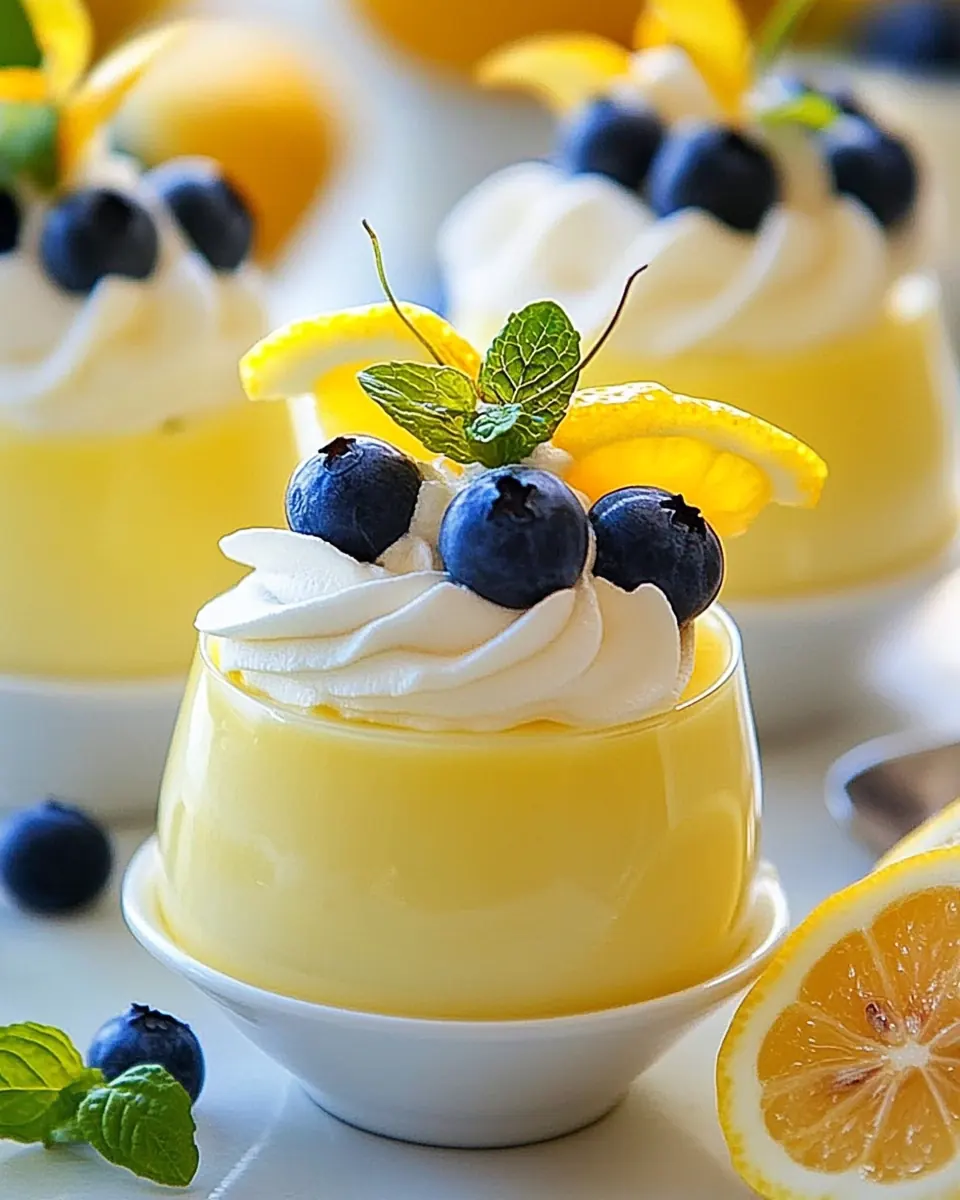
Lemon Cheesecake Mousse
Ingredients
Equipment
Method
- In a mixing bowl whisk together graham cracker crumbs and sugar. Pour in butter and stir until evenly moistened. Divide mixture among 8 - 10 dessert cups and lightly press into an even layer, set aside.: Warm butter releases a toasty aroma that brings out the graham crackers scent, and the mixture should feel uniformly damp but not sloppy. Use the back of a spoon to press the crumbs until they hold together in a thin, even layer, listen for a faint pressing sound and watch the surface for uniform compactness. This step matters because it creates a stable base with texture contrast, and if you overpress you will get a dense crust that lacks the desired crunch. Avoid adding too much butter, which makes the crumbs greasy, and don’t skip pressing, or the mousse will slip when served.
- Pour lemon juice and water into a small bowl. Sprinkle gelatin evenly over top, let rest 5 minutes. Meanwhile, whip heavy cream in a medium mixing bowl until soft peaks form.: When you sprinkle the gelatin over the liquid, it will look powdery at first, then hydrate into a spongy film after resting. You should notice the granules swell and the surface become slightly jellied. This blooming ensures the gelatin dissolves fully later, preventing gritty lumps. The common mistake is skipping the rest time, which leads to uneven dissolution and textural graininess, so be patient for the full five minutes.
- Add in 1/3 cup of the powdered sugar, tint with yellow food coloring if desired and whip until stiff (but not lumpy) peaks form (shake cream from beaters, no need to clean).: As you whip the heavy cream , you will hear a change in the mixer’s sound and watch glossy ribbons form when the beaters are lifted. Soft peaks will hold gently then fall, and the cream will smell fresh and milky. Stop at this point if you plan to sweeten and fold in more; overwhipping will cause separation and grainy texture. A big pitfall is continuing past soft peaks, so check frequently.
- In a separate large mixing bowl whip cream cheese until smooth and fluffy. Mix lemon curd and remaining 2/3 cup powdered sugar into cream cheese mixture.: Adding powdered sugar at the soft peak stage sweetens and stabilizes the cream. As you whip to stiff peaks, the cream will become thicker and hold its shape, with a smooth sheen. If you see small curdled bits, stop and gently bring it back together with a few slow pulses, because overwhipping creates butter. The texture should be firm but pillowy, never dry.
- Heat rested gelatin mixture in the microwave on high power for 30 seconds. Whisk for 1 minute to thoroughly dissolve gelatin, then let cool 3 minutes (no longer or it may start to set then you could end up with little lumps in the mousse).: Whipping the room temperature cream cheese releases a soft, tangy aroma and transforms the block into a silky base. Adding lemon curd and the remaining powdered sugar yields a glossy, slightly ribboned mixture that tastes bright and creamy. If the cream cheese is cold you will see lumps and the texture will be uneven, so always ensure it is properly softened. A common error is rushing and leaving small bits; scrape the bowl well to avoid this.
- While mixing cream cheese mixture with hand mixer, slowly pour in gelatin mixture then blend until thoroughly combined.: When you warm the bloomed gelatin , it will become clear and slightly glossy; whisking dissolves any remaining granules. After whisking you should see a smooth liquid that smells faintly of lemon juice and nothing grainy. Cooling for three minutes prevents it from shocking the dairy but keeps it fluid; let it cool longer and it may start to congeal, forming stringy bits in the mousse. The biggest mistake is overheating, which can weaken setting power or create bubbles, so stick to the short burst and quick whisk.
- Gently fold 1/3 of the whipped cream mixture into the cream cheese mixture to lighten, then add remaining whipped cream and gently fold until combined.: As you stream in the warm gelatin, the cream cheese mixture will relax and become glossier, and the mixture should feel silkier under the beaters. This integration is critical for even setting without icy pockets. Pour slowly to avoid creating hot spots that can cause the curd to separate, and if you see any small lumps, pause and whisk at low speed until smooth. A common slip is rushing the pour, which can compromise consistency.
- Spoon or pipe mixture into dessert cups over graham cracker layer. Cover and refrigerate 2 hours (or up to 1 day ahead if desired) to set. Garnish as desired. Serve cold.: Folding in small portions of the whipped heavy cream creates a light, aerated texture. You should use a spatula and watch for ribbons of cream integrating into the filling, with a soft rustling sound as you turn the bowl. This step preserves the air you created; vigorous mixing will collapse the mousse and make it dense. Take care not to overfold, and stop when the mixtures are uniformly streak free.
- Spoon or pipe mixture into dessert cups over graham cracker layer. Cover and refrigerate 2 hours (or up to 1 day ahead if desired) to set. Garnish as desired. Serve cold: As you portion the mousse over the crisp base, it will feel pillowy and hold shape nicely. Covering and chilling allows the gelatin to finish setting, resulting in a clean spoonful that releases smoothly. Set for at least two hours for optimal texture; under chilling yields a looser mousse. When ready to serve, garnish for contrast and serve well chilled for the best mouthfeel.
Notes
- Garnish creatively: Consider adding a few blueberries or a light dusting of powdered sugar on top for a pop of color and contrast, which makes individual servings feel festive.
- Adjust sweetness: Tweak the division of powdered sugar if you prefer a more tart profile, but keep the total close to maintain mousse stability and mouthfeel.
- Make ahead advantage: Assemble up to one day in advance and keep covered in the fridge so flavors meld and the texture sets perfectly, freeing you up on the event day.
- Use fresh lemon juice: Fresh lemon juice brightens the flavor dramatically, so squeeze lemons for the best citrus note rather than relying on bottled juice.
- Gentle folding technique: Use a large spatula and lift from the bottom while rotating the bowl, which preserves the whipped cream’s air and yields the lightest mousse.