Lemon Rice
Lemon Rice is the kind of simple comfort food that sneaks into my weeknight rotation and never quite leaves. The first time I made Lemon Rice, I was trying to stretch pantry staples into a bright side dish after a long day, and the way the citrus cut through the savory broth felt like sunshine on a plate. I remember stirring a pot while the kitchen filled with warm, herbaceous steam, and thinking how a few pantry swaps could turn the same idea into something entirely new.
Over the years I’ve tuned this version to be reliably flavorful, using a modest ratio of rice to broth so the grains stay fluffy, not gummy. I often make a double batch on busy nights, because Lemon Rice keeps beautifully and transforms into a quick lunch the next day. When guests pop by unexpectedly, it makes an effortless accompaniment to roasted vegetables or a simple salad. I like that it feels elevated without being fussy, bright without being sharp, and cozy without being heavy.
Recipe Snapshot
25 mins
5 mins
20 mins
Easy
250 kcal
American
Gluten-Free, Low FODMAP
Side Dishes
Heavy bottomed pot
What’s Great About This Lemon Rice
Bright but Balanced Flavor
I love how Lemon Rice manages to be lively and comforting at once. The citrus from the lemon juice brings lift, while the savory broth grounds every bite. That contrast is what keeps me coming back to this recipe when I want something that pairs easily across many mains.
Fast and Dependable
One reason I use this dish on hectic nights is its speed. With only a few minutes of active work, you get a dependable side that does the heavy lifting while other components come together. This reliability makes it a kitchen mainstay for weeknight dinners and casual gatherings alike.
Herb Forward Versatility
I appreciate that Lemon Rice welcomes herbs freely. Parsley, basil, cilantro, and dill each bring a different personality. I often tweak the herb mix depending on what is freshest, and that small change can shift it from Mediterranean leaning to something more bright and herbaceous.
Ingredient Economy
There is a real joy in coaxing flavor from minimal ingredients. Using quality chicken broth and fresh lemon juice gives a depth that feels luxurious despite the simplicity. This makes it an excellent recipe when you want big flavor without a long shopping list.
Make Ahead and Multiuse
I frequently make a pot in advance because Lemon Rice keeps well and becomes a versatile base. Use it as a side, fold in cooked vegetables for a quick main, or pack it for lunch. Its adaptability makes it a recipe I trust for planning and improvisation alike.
What to Gather for Lemon Rice
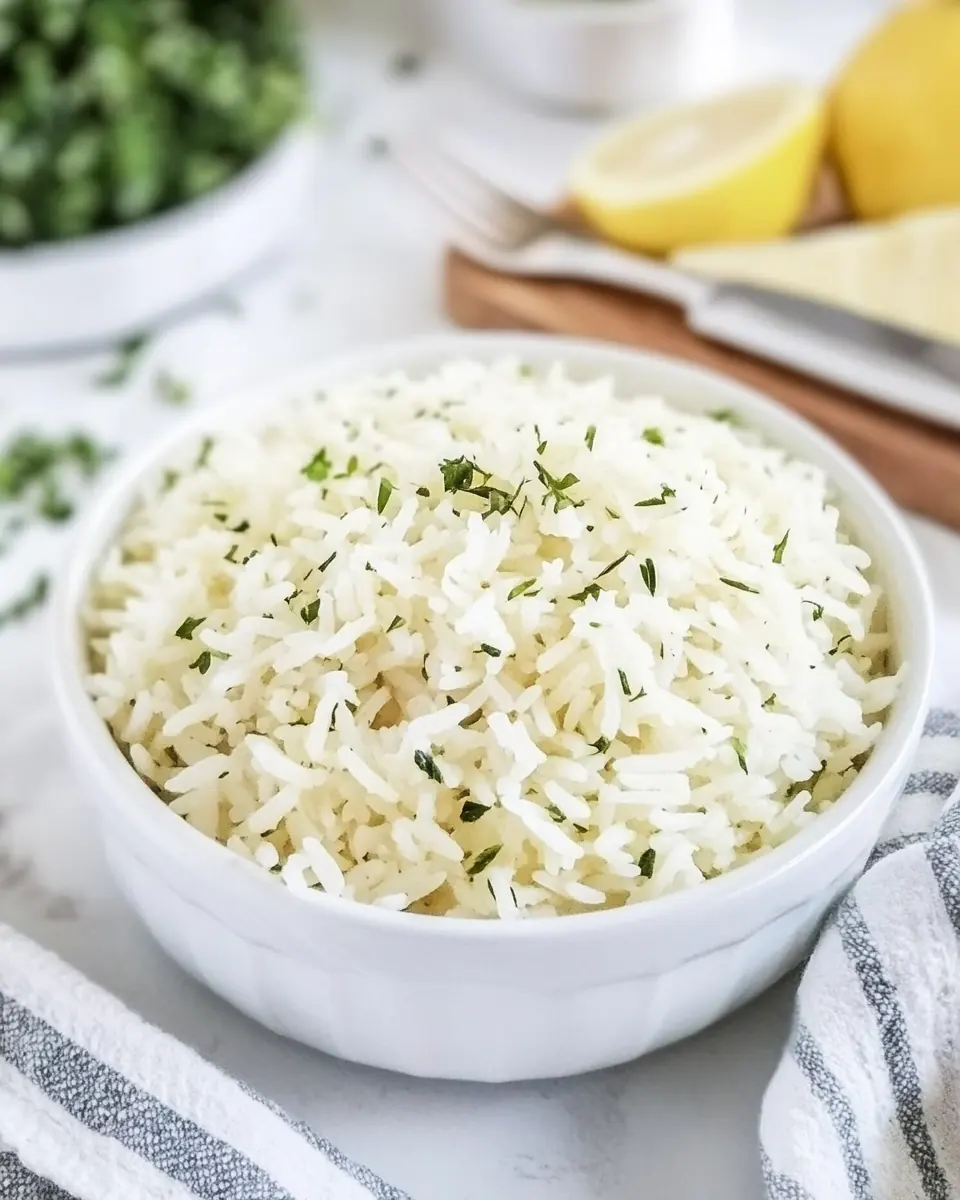
The philosophy behind these ingredients is straightforward: a handful of well chosen players create a brightness and body that feels greater than the sum of its parts. Long grain white rice provides separate, fluffy grains. Chicken broth adds savory depth. Olive oil brings silk and sheen, while lemon juice supplies acid to balance. The finishing herbs—parsley, basil, cilantro, and dill—add fresh aromatic notes that keep the dish lively.
- 1 cup long grain white rice: Provides a neutral, starchy base that soaks up flavors and gives the dish body; rinse before cooking to remove excess starch for fluffier rice. Cooks in seasoned liquid to become tender and slightly separate, forming the foundation of the lemon rice.
- 1.5 cups chicken broth, see note: Adds savory depth and seasoning so the rice absorbs rich, well-rounded flavor while cooking; choose low-sodium or adjust salt to taste. Warms through the rice and helps achieve proper texture and doneness without needing excess water.
- 1 tablespoon olive oil: Contributes fat for gentle sautéing and a subtle fruitiness that helps carry other flavors; heat briefly before adding rice or aromatics to bloom flavor. Helps prevent sticking and lends a light, silky mouthfeel to the finished dish.
- 2 tablespoons fresh lemon juice: Provides bright acidity and citrus aroma that lifts the dish and balances richness; add toward the end to preserve freshness and volatile oils. Penetrates the rice to give a lively, tangy backbone that defines lemon rice.
- salt, to taste, I use about 1/2 teaspoon: Enhances overall seasoning and balances flavors; measure carefully to avoid over-salting and adjust after tasting. Promotes taste contrast so the lemon and herbs pop without the dish tasting flat.
- 2 tablespoons finely chopped parsley: Adds fresh, grassy notes and a mild herbaceousness that complements lemon; stir in at the end to retain color and aroma. Contributes a pleasant visual contrast and subtle earthiness to each bite.
- 2 tablespoons finely chopped basil: Provides a sweet, peppery herbal element that adds complexity and pairs well with citrus; chop finely so it distributes evenly. Brings a Mediterranean flair and aromatic lift to the rice.
- 2 tablespoons finely chopped cilantro: Imparts bright, citrusy, slightly spicy flavor that enhances freshness and complexity; use sparingly if unfamiliar with its potency. Helps brighten the dish and adds a distinct, clean herbaceous layer.
- 2 tablespoons finely chopped dill: Delivers a clean, anise-like, and slightly grassy aroma that pairs beautifully with lemon; add finely chopped to maintain texture. Rounds out the herbal profile and lends a delicate, refreshing finish.
Preparation Steps for Lemon Rice

These steps are straightforward, but I like to walk through them slowly to make sure your rice comes out just right. Think of this as a gentle, sensory-driven process where small cues tell you what to do next. Follow the sequence and pay attention to aroma, texture, and visual signals.
- Bring the chicken broth to boil in a heavy bottomed pot.: You will notice the broth begin to steam and emit a savory aroma, signaling it is ready to accept the rice. Using a heavy bottomed pot helps distribute heat evenly, preventing hot spots that cause sticking. A common mistake is to add cold broth or rice, which can lengthen cooking and produce uneven texture. If the broth begins to foam excessively, lower the heat slightly to keep a gentle rolling boil.
- Once boiling, add the rice, cover, and reduce heat to low. Let simmer for 15-20 minutes or until the rice is tender.: As the rice cooks, you will see the grains swell and the surface change from translucent to opaque. Reducing to low heat keeps a gentle simmer that cooks the rice through without breaking the grains apart. Stirring during this phase can release starch and create a gluey texture, so resist the urge to lift the lid. If you find the liquid evaporating too quickly, your heat may be too high, which can undercook the centers while overcooking the bottoms.
- Remove from heat and immediately stir in olive oil and lemon juice. Salt the rice to taste, then last, stir in the freshly chopped parsley. Let sit 5 minutes.: When you remove the pot from heat, steam will continue to finish the rice, and this residual heat helps the olive oil and lemon juice disperse evenly. You should smell the citrus brightening the savory notes right away. Salt slowly; if you oversalt, the flavor will be hard to correct. Folding in the parsley last preserves its fresh color and aroma. Letting the rice rest for 5 minutes allows flavors to marry and the texture to relax into a perfect, tender bite.
- Let sit 5 minutes.: During this resting phase, the steam redistributes within the pot and the grains firm slightly, yielding a fluffy mouthfeel. You might hear a soft settling sound as moisture moves. Avoid uncovering too early, because checking constantly can release steam and cool the rice unevenly. A typical error is impatience, which often leads to clumpy rice rather than the airy texture you want.
- Serve warm. Enjoy!: Serving while warm accentuates the aroma of the herbs and the brightness of the lemon. The rice should glisten slightly from the olive oil , and each grain should feel distinct on the fork. If it has cooled, a brief gentle reheat with a splash of water will revive the texture. Overheating in a microwave can dry it out, so reheat gently with steam where possible.
Expert Tips about Lemon Rice
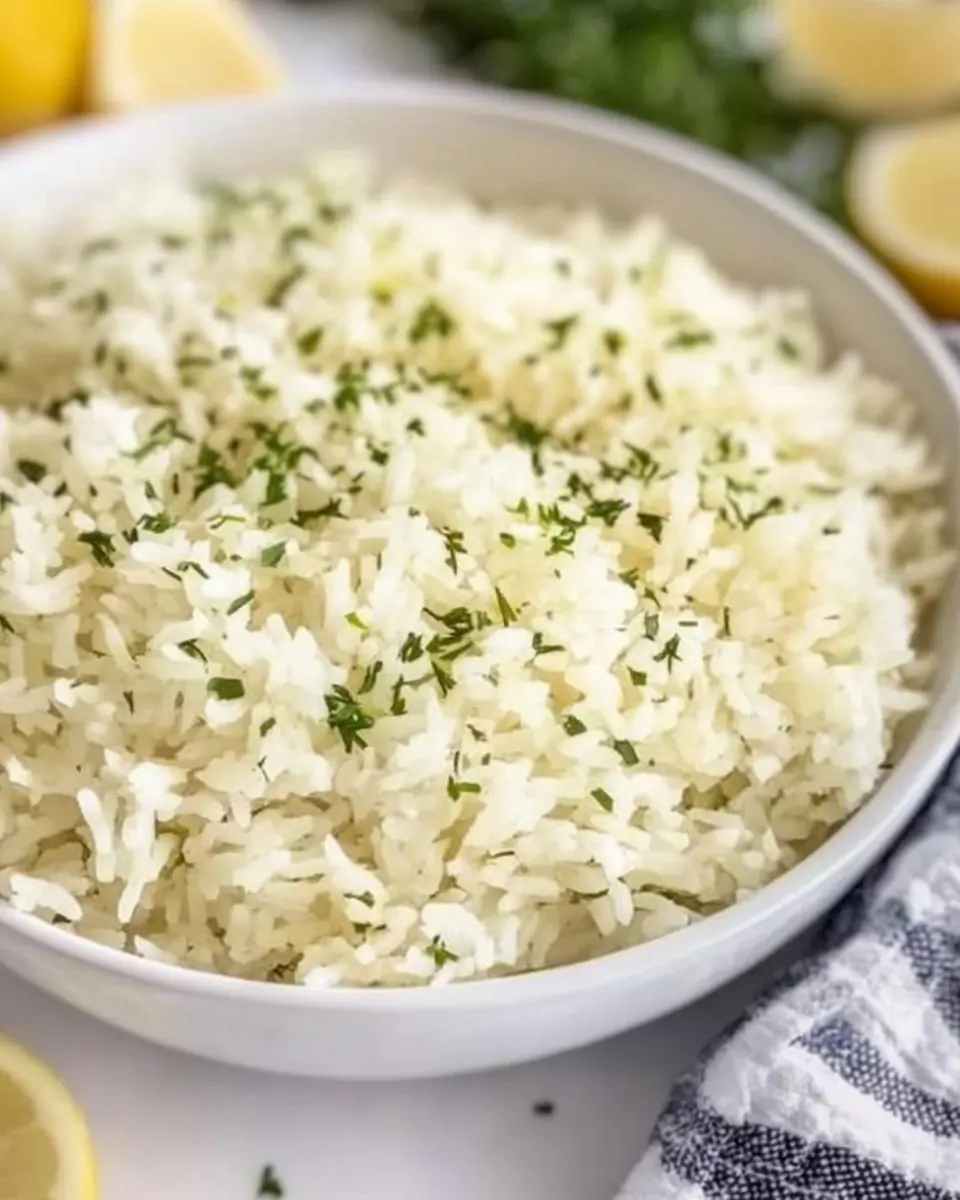
I like to collect a handful of practical tips that help this dish shine, and these are the ones I go back to most often. They focus on timing, texture, and flavor balance so your Lemon Rice is consistently excellent.
- Heat the broth first. Warming the chicken broth before adding the rice reduces the time to reach a steady simmer, which helps the rice cook evenly without becoming mushy.
- Rinse the rice. A quick rinse removes excess starch from the long grain white rice, resulting in looser, more separate grains once cooked, which is ideal for a light side dish.
- Add lemon at the end. Fresh lemon juice loses its bright top note if cooked too long, so stir it in right after removing the pot from heat to preserve its clean flavor.
- Use fresh herbs. Finely chopped fresh parsley, basil, cilantro, or dill provide crisp aromatic bursts, so add them at the finish rather than during simmering.
- Rest the rice. Letting the pot sit covered for 5 minutes helps the steam redistribute and yields a perfectly tender, fluffy texture without extra effort.
Side Dish Ideas for Lemon Rice
This rice is flexible and pairs with many meals, so I like to think in terms of contrasts and seasons when planning what to serve alongside it. It is light enough for spring, but satisfying enough for a cozy dinner. Below are ways I serve it and when I turn to each option.
- Grilled or roasted vegetables: Serve the warm Lemon Rice alongside roasted carrots, zucchini, or asparagus for a fresh spring plate that highlights the herbs and brightness in the rice.
- Simple protein: Pair with roasted or poached fish for a light dinner; the citrus notes in the rice complement delicate seafood beautifully.
- Vegetarian bowls: Build a bowl with the warm rice, steamed greens, and a drizzle of extra olive oil for a quick lunch or meatless dinner that feels complete.
- Occasions and timing: This dish works for casual weeknight dinners, brunch additions, and during Ramadan as a gentle, palatable accompaniment to richer mains due to its bright and cleansing flavors.
- Storage tips: Cool to room temperature, then refrigerate in an airtight container for up to three days. Reheat gently with a splash of water or broth to restore moisture without overcooking.
- Seasonal pairings: In spring, emphasize the fresh herb mix; in cooler months, use heartier herbs and serve with warm roasted root vegetables for a comforting contrast.
FAQ
Conclusion
What makes this Lemon Rice special is its perfect balance of bright acidity, savory depth, and fresh herb aroma. It is quick to prepare, forgiving to cook, and versatile enough to pair with a wide range of mains, from roasted vegetables to simple proteins. I encourage you to try it on a busy weeknight or make a double batch for easy lunches, because a small pot of this rice can transform many meals. Enjoy the bright, comforting simplicity and the way a few thoughtful ingredients can create a satisfying, memorable side.
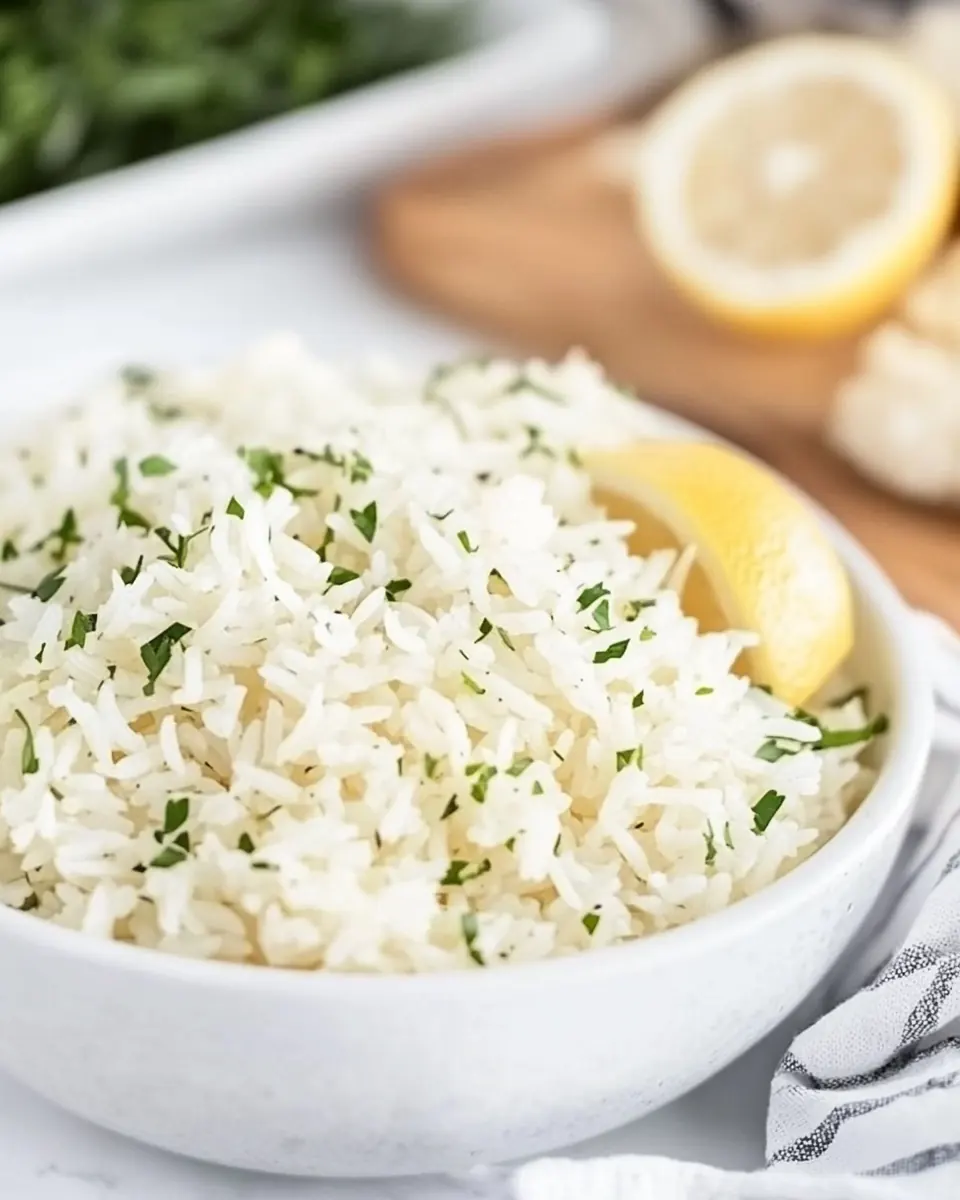
Lemon Rice
Ingredients
Equipment
Method
- Bring the chicken broth to boil in a heavy bottomed pot.: You will notice the broth begin to steam and emit a savory aroma, signaling it is ready to accept the rice. Using a heavy bottomed pot helps distribute heat evenly, preventing hot spots that cause sticking. A common mistake is to add cold broth or rice, which can lengthen cooking and produce uneven texture. If the broth begins to foam excessively, lower the heat slightly to keep a gentle rolling boil.
- Once boiling, add the rice, cover, and reduce heat to low. Let simmer for 15-20 minutes or until the rice is tender.: As the rice cooks, you will see the grains swell and the surface change from translucent to opaque. Reducing to low heat keeps a gentle simmer that cooks the rice through without breaking the grains apart. Stirring during this phase can release starch and create a gluey texture, so resist the urge to lift the lid. If you find the liquid evaporating too quickly, your heat may be too high, which can undercook the centers while overcooking the bottoms.
- Remove from heat and immediately stir in olive oil and lemon juice. Salt the rice to taste, then last, stir in the freshly chopped parsley. Let sit 5 minutes.: When you remove the pot from heat, steam will continue to finish the rice, and this residual heat helps the olive oil and lemon juice disperse evenly. You should smell the citrus brightening the savory notes right away. Salt slowly; if you oversalt, the flavor will be hard to correct. Folding in the parsley last preserves its fresh color and aroma. Letting the rice rest for 5 minutes allows flavors to marry and the texture to relax into a perfect, tender bite.
- Let sit 5 minutes.: During this resting phase, the steam redistributes within the pot and the grains firm slightly, yielding a fluffy mouthfeel. You might hear a soft settling sound as moisture moves. Avoid uncovering too early, because checking constantly can release steam and cool the rice unevenly. A typical error is impatience, which often leads to clumpy rice rather than the airy texture you want.
- Serve warm. Enjoy!: Serving while warm accentuates the aroma of the herbs and the brightness of the lemon. The rice should glisten slightly from the olive oil , and each grain should feel distinct on the fork. If it has cooled, a brief gentle reheat with a splash of water will revive the texture. Overheating in a microwave can dry it out, so reheat gently with steam where possible.
Notes
- Heat the broth first. Warming the chicken broth before adding the rice reduces the time to reach a steady simmer, which helps the rice cook evenly without becoming mushy.
- Rinse the rice. A quick rinse removes excess starch from the long grain white rice, resulting in looser, more separate grains once cooked, which is ideal for a light side dish.
- Add lemon at the end. Fresh lemon juice loses its bright top note if cooked too long, so stir it in right after removing the pot from heat to preserve its clean flavor.
- Use fresh herbs. Finely chopped fresh parsley, basil, cilantro, or dill provide crisp aromatic bursts, so add them at the finish rather than during simmering.
- Rest the rice. Letting the pot sit covered for 5 minutes helps the steam redistribute and yields a perfectly tender, fluffy texture without extra effort.