Lightened Up Blueberry Scones
Lightened Up Blueberry Scones are one of those treats I reach for when I want something that feels indulgent but actually leaves me lighter at the end of the morning. The first time I made these I was juggling a sleepy weekday breakfast while trying to get out the door, and these scones somehow delivered comfort without the heavy, leaden aftertaste of traditional versions. I remember pulling the tray from the oven, the kitchen filling with a warm, slightly sweet aroma, and feeling accomplished for starting the day with something homemade.
Since then, these scones have become my go to for easy brunches and last minute guests. I like how the texture is tender rather than dense, and how the bright pop of blueberries cuts through the gentle sweetness. I often split the batch with neighbors or tuck a couple into my tote for a hike, and they travel well without losing their delicate crumb. Over time I tweaked mixing and handling so the scones stay light, and I want to share those small habits that make a big difference.
Recipe Snapshot
30 mins
10 mins
20 mins
Medium
180 kcal
American
Gluten-Free, Low FODMAP
Breakfast
Large bowl, Medium bowl, Cheese grater, Baking sheet, Parchment paper
What’s Great About This Lightened Up Blueberry Scones
Light but satisfying
I love that Lightened Up Blueberry Scones give the satisfaction of a bakery scone without weighing you down. The balance of flour and a modest amount of sugar keeps them tender, and the method encourages a flakier texture rather than a dense biscuit. I often reach for these when I want something that pairs well with coffee, yet won’t spoil an appetite for the rest of the day.
Bright, seasonal fruit
The blueberries are a star here. They add bursts of juicy acidity that lift the whole pastry and make every bite interesting. I prefer fresh blueberries in spring, when they are at their peak, but the recipe still works fine with previously frozen berries if you thaw them first. The fruit keeps the scones from feeling one note, and it gives a natural sweetness that reduces the need for extra sugar.
Simple, forgiving technique
I like recipes that do not demand perfection, and these scones fit that approach. Grating the frozen butter into the dry mix is a small trick that speeds the process and helps create pockets of fat that turn into tender flakes during baking. You do not need a pastry cutter or special tools, and the method is forgiving if you stop as soon as the dough comes together.
Quick to make
From bowl to oven, these scones are a fast project. They are perfect for mornings when you want something homemade but do not have a long block of prep time. The short resting and baking windows mean you can be enjoying warm scones within a half hour, which is ideal when friends drop by unannounced.
Versatile and crowd friendly
These scones work for a quiet breakfast, a casual brunch spread, or to pack for a picnic. The flavor profile is familiar and friendly, so guests tend to love them even if they are not used to lighter baked goods. I also appreciate that the simple ingredient list is pantry friendly, which makes it easy to whip up a batch on short notice.
Lightened Up Blueberry Scones Shopping List
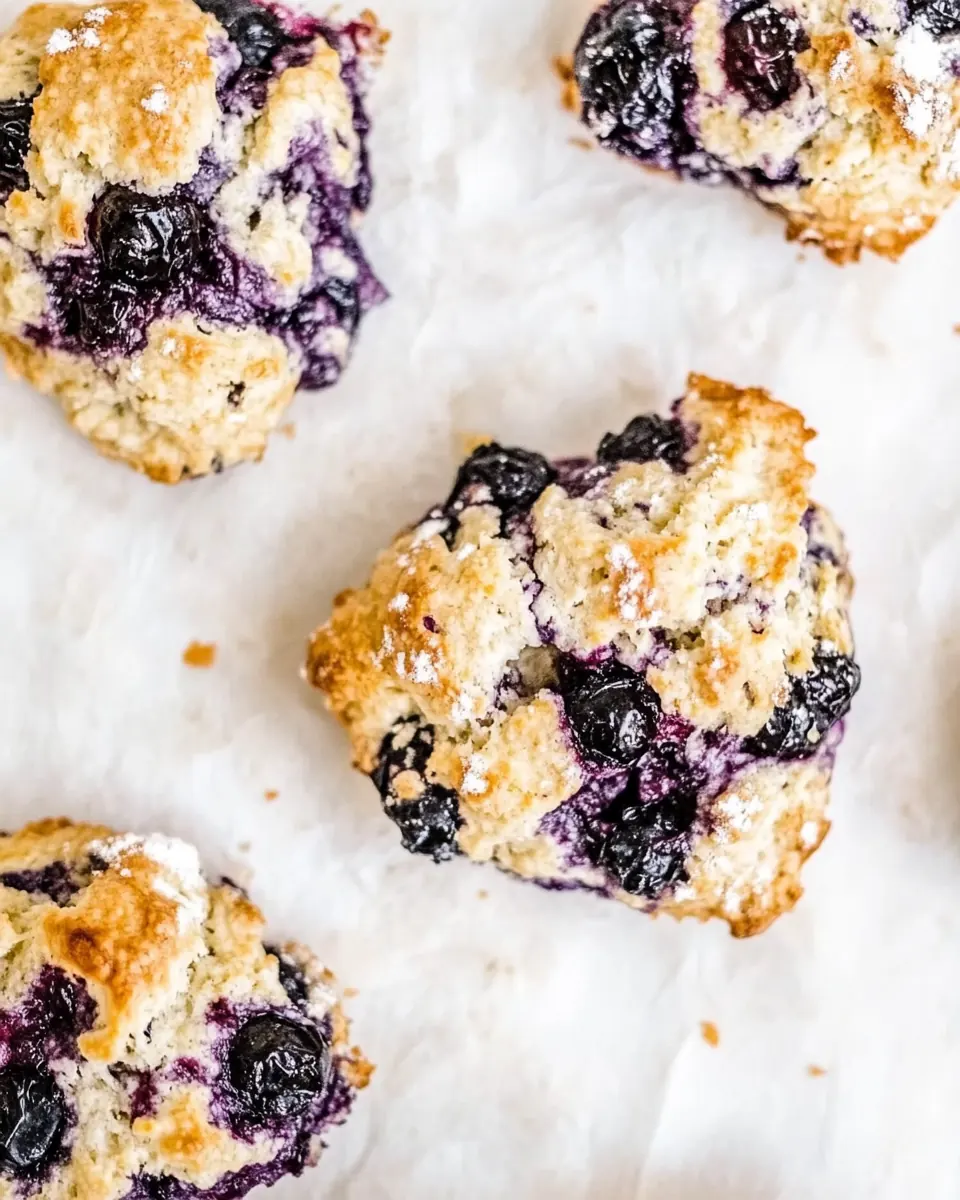
These ingredients are chosen to create a tender, lightly sweet scone with bright fruit notes. I focus on a balance of dry and wet components so the results are flaky rather than dense. The key players are the base flour for structure, the small amount of sugar for sweetness, the leavening agents to puff the dough, frozen butter for flaky layers, and the liquid components for tenderness and flavor. Each item has a role in the final texture and taste.
- 2 cups unbleached flour: Measure accurately to provide the structure and bulk of the scones; unbleached flour yields a tender crumb and better flavor than bleached flour. Sift or whisk before mixing to remove lumps and evenly incorporate leavening agents for consistent rise.
- 1/4 cups sugar: Add sweetness and help with browning; sugar balances tartness from blueberries and enhances flavor complexity. Adjust slightly if you prefer less sweetness, but keep enough to aid in creating a golden crust.
- 1/4 tsp salt: Provide savory balance and enhance overall flavor; salt strengthens gluten and elevates other ingredients' taste. Dissolve evenly into dry mixture to avoid pockets of uneven seasoning.
- 1/2 tsp baking soda: Act as a mild leavening contributor and help neutralize acids; baking soda works with buttermilk to produce lift and tenderness. Measure precisely to prevent soapy or metallic aftertastes.
- 1 tbsp baking powder: Create primary leavening to give scones lightness and rise; baking powder releases carbon dioxide during baking for a fluffy texture. Ensure freshness for optimal potency and combine thoroughly with dry ingredients.
- 1/4 cup frozen butter, half stick: Introduce fat for flakiness and richness while remaining chilled; frozen butter cut into the dough creates steam pockets that form layers. Keep cold until baking to maximize flakiness and prevent greasy texture.
- 3/4 cup 1% buttermilk: Provide acidity and moisture that react with baking soda for tender scones; 1% buttermilk gives a lighter profile while still contributing tang and hydration. Stir gently into wet ingredients to avoid overworking the dough.
- 1 large egg: Bind ingredients together and add lift and richness; a large egg contributes structure and a soft crumb. Beat lightly before adding to ensure even distribution through the batter.
- 1 tsp vanilla: Add aromatic sweetness and deepen overall flavor; vanilla enhances the perception of other flavors without overpowering. Use pure vanilla for best results and mix into wet ingredients for even flavor.
- 1 cup fresh blueberries, if frozen, thaw first: Contribute fruity flavor, bursts of juiciness, and visual appeal; fresh blueberries provide texture contrast and natural sweetness. Gently fold in last to avoid crushing, and thaw frozen berries fully to prevent excess moisture.
Preparation Steps for Lightened Up Blueberry Scones
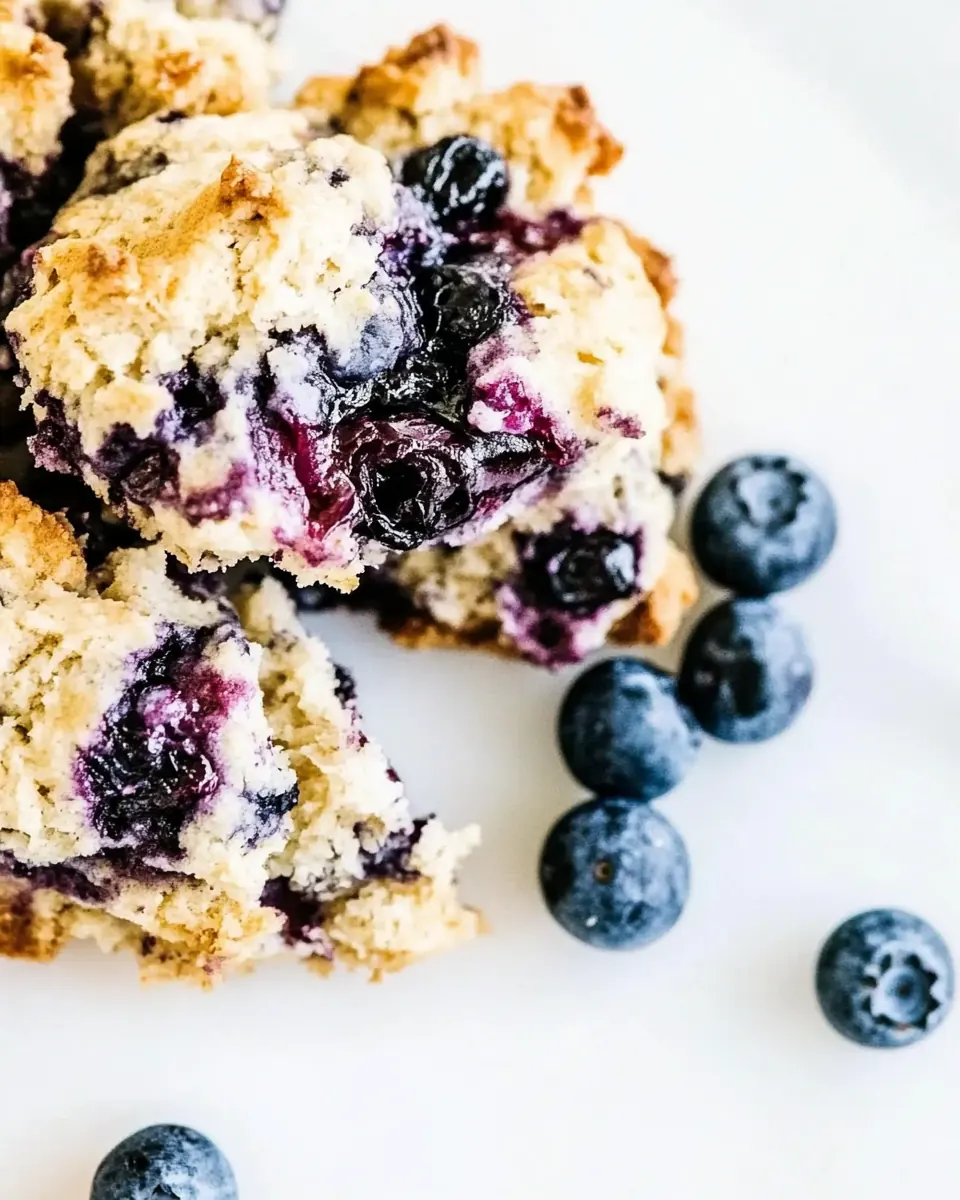
These directions are straightforward but each action affects the final texture, so I walk you through sensory cues and small fixes. Take your time with the cold butter step and the light folding, because those choices determine whether the scones will be tender and flaky. Read each step fully before you begin, and keep ingredients chilled until needed.
- Preheat the oven to 400 F°.: As you heat the oven, notice the warm dry smell that signals readiness, and the consistent oven environment encourages even rise and browning. The specified temperature ensures the outer edges set quickly while the interior still expands to create a tender crumb. A common error is skipping preheating which leads to uneven baking and under risen scones. If your oven runs hot or cold, use an oven thermometer to confirm accuracy so you do not end up with overly browned exteriors and undercooked centers.
- In a large bowl, mix all the dry ingredients.: You will feel the texture change as you whisk together the flour , sugar , salt , baking soda , and baking powder , creating a uniform pale mixture. Whisking evenly distributes the leaveners so the scones rise consistently, and it prevents pockets of salt or baking powder from creating unpleasant bites. A typical mistake is not mixing thoroughly which results in uneven texture and flavor. Be sure you can no longer see streaks of any one ingredient before proceeding.
- Using the large holes of a cheese grater, grate the frozen butter into the flour. Mix well with flour.: When you grate the very cold butter , it breaks into small, coarse ribbons that blend into the dry mixture. You should hear a soft scraping sound and see tiny flakes of butter scattered, which are the pockets that melt during baking to form flaky layers. If the butter softens while you work, pop the bowl in the fridge briefly; warm butter will dissolve into the mix and produce dense scones. Avoid rubbing the butter into the flour with your fingers, as body heat will soften it too much.
- In a medium bowl, mix the buttermilk, egg and vanilla.: As you whisk the buttermilk , egg , and vanilla , the mixture should smooth into a slightly viscous, pale liquid that smells faintly tangy and sweet. This wet mix hydrates the dry ingredients and adds richness, while the acidity helps react with leaveners for lift. If the liquid is too cold, it can tighten the dough; if it is warm, the butter pockets may soften prematurely. Aim for cool but not chilled ingredients to keep structure consistent.
- Using a fork, slowly stir in the wet ingredients to the dry ingredients, until all the mixture is moistened.: As the wet components incorporate, the dough will begin to come together in rough clumps, with streaks of flour disappearing. You want a shaggy, slightly sticky dough rather than a smooth batter. The tactile cue is important, you should feel cohesion without elasticity. Overmixing at this stage activates gluten and yields tough scones, so stop as soon as the flour is hydrated. If the mixture seems dry, add a splash more buttermilk , one teaspoon at a time.
- Do not over work the dough. Fold in the blueberries.: After the dough forms, you should fold in the blueberries gently so you keep their shape and avoid releasing too much color. A light touch preserves the pockets of fruit and keeps the dough tender because excessive folding develops gluten. The sound of dough folding is soft and the surface should remain slightly bumpy, not smooth. A frequent slip is pressing or kneading like bread dough, which creates compact, heavy scones, so handle the mixture minimally.
- Line a baking sheet with a silpat or parchment paper. Drop large spoonfuls onto the cookie sheet (to avoid tough scones, do not press or compact).: As you fold, you will see the vibrant blue specks distribute through the dough, creating contrasts of pale dough and jewel like fruit. Folding keeps the blueberries intact and prevents crushing them which would bleed juice into the dough. If you notice a few berries breaking, that is okay, but try to keep most whole for texture. Overhandling here causes a uniform purple dough and a loss of juicy bursts.
- Bake in the center rack 18 minutes. Remove and let them cool about 5 minutes before eating.: Lining the sheet keeps the bottoms from sticking and helps promote even browning, and the parchment will brown slightly under the scones giving a pleasant finish. When dropping the dough, use large spoonfuls and avoid compacting them; the loose mound allows steam to expand and creates a tender interior. Pressing or shaping into tight rounds risks producing dense centers. Make sure there is space between mounds so heat circulates and edges crisp.
- Drop large spoonfuls onto the cookie sheet (to avoid tough scones, do not press or compact): As you drop spoonfuls, watch for slight domes forming rather than flat discs, which is a visual cue that the dough retained air pockets for lift. The surface should look slightly uneven and dry to the touch, not wet or glossy. If the dough seems too loose and spreads, chill it briefly to firm the butter again. A common mistake is compacting the dough to make perfect shapes, which compresses air and makes scones heavy.
- Bake in the center rack 18 minutes: While baking you will notice the tops turning a gentle golden shade and the kitchen will fill with a warm, slightly sweet aroma. The oven set to the center rack gives even heat so the bottoms cook through without burning. The scones are done when a toothpick shows small moist crumbs but no raw dough. Avoid opening the oven frequently which can change the temperature and affect the rise. After removing them, let them cool about 5 minutes before eating so they set and are easier to handle.
Substitutions and Tips
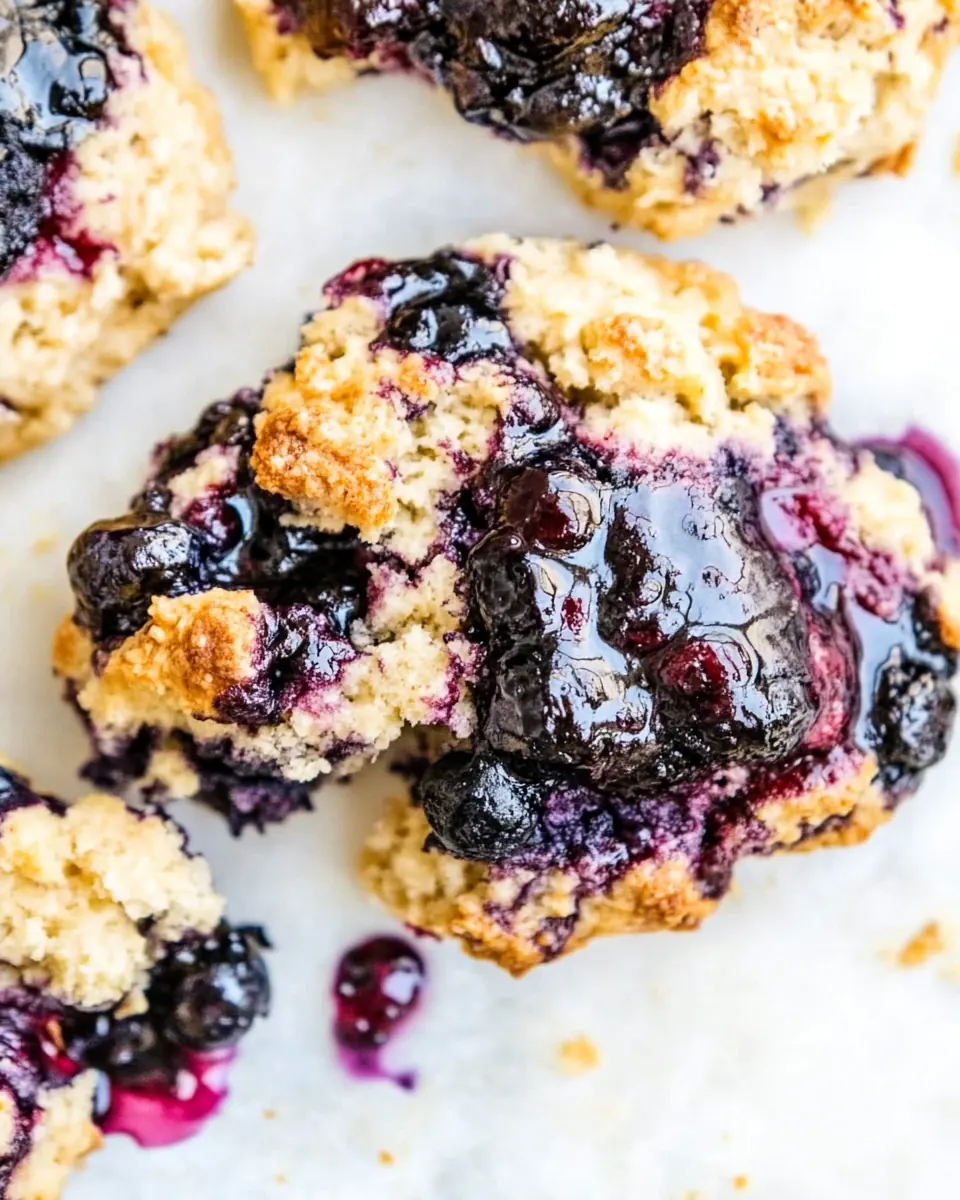
Here are practical ideas to adapt the recipe, troubleshoot common issues, and get the most consistent results. I expand each note into an actionable tip so you can choose what fits your pantry and schedule.
- Chilled butter technique Grate the frozen butter with the large holes of a cheese grater and work quickly to keep it cold. If the butter starts to soften, return the bowl to the fridge for a few minutes. This preserves the small butter pockets that create flakiness during baking.
- Fresh versus frozen blueberries If using frozen blueberries, thaw and drain them thoroughly and pat dry before folding into the dough to avoid excess moisture which can make scones soggy. Tossing berries in a teaspoon of flour can also help prevent bleeding into the dough.
- Adjusting sweetness If you prefer less sweetness, reduce the sugar slightly by a tablespoon or two, keeping in mind that the fruit provides natural sweetness. Conversely, for a sweeter finish, sprinkle a touch of sugar on top before baking to create a subtle crunch.
- Oven calibration Use an oven thermometer to verify that 400 F° is accurate for your oven, since oven temperatures can vary. This ensures proper browning and interior bake without overcooking the edges.
- Cooling and storage Let the scones cool about 5 minutes on the sheet, then transfer to a rack to prevent sogginess. Store in an airtight container at room temperature for up to two days, or freeze individually and rewarm gently in a 325 F° oven.
What to Pair With Lightened Up Blueberry Scones
These scones are versatile and pair beautifully with a range of accompaniments for brunch, snack time, or light gatherings. I suggest options that highlight the scones without overpowering their delicate texture and bright fruit notes.
- Warm beverage Serve with a hot cup of coffee or tea to complement the gentle sweetness of the scones. The warmth enhances the aroma and creates a cozy pairing.
- Light spreads Offer plain cream or a mild fruit jam so guests can add a touch of richness or extra fruit, keeping the scones as the centerpiece.
- Yogurt and fruit A bowl of plain or lightly sweetened yogurt with sliced seasonal fruit makes for a balanced brunch plate alongside the scones.
- Casual gatherings These work well for weekend brunches or potlucks where guests can grab a scone and chat, since they are easy to serve and travel well.
- Storage tips Store at room temperature for short term enjoyment, or freeze in a sealed bag for longer storage; reheat gently to restore texture.
- Seasonal pairing In spring serve with fresh berries or a light salad; in cooler months add a warm spread or spiced compote for contrast.
FAQ
Conclusion
These Lightened Up Blueberry Scones are special because they deliver a tender, flaky texture with bright bursts of fruit while staying lighter than traditional versions. They are quick to prepare, forgiving in technique, and perfect for spring mornings or casual brunches. I hope you give them a try and enjoy how approachable they are; once you master the cold butter trick and gentle folding, they become a reliable favorite. Share a batch with friends or keep them for a satisfying solo treat, either way they are a welcome fresh baked moment in the day.

Lightened Up Blueberry Scones
Ingredients
Equipment
Method
- Preheat the oven to 400 F°.: As you heat the oven, notice the warm dry smell that signals readiness, and the consistent oven environment encourages even rise and browning. The specified temperature ensures the outer edges set quickly while the interior still expands to create a tender crumb. A common error is skipping preheating which leads to uneven baking and under risen scones. If your oven runs hot or cold, use an oven thermometer to confirm accuracy so you do not end up with overly browned exteriors and undercooked centers.
- In a large bowl, mix all the dry ingredients.: You will feel the texture change as you whisk together the flour , sugar , salt , baking soda , and baking powder , creating a uniform pale mixture. Whisking evenly distributes the leaveners so the scones rise consistently, and it prevents pockets of salt or baking powder from creating unpleasant bites. A typical mistake is not mixing thoroughly which results in uneven texture and flavor. Be sure you can no longer see streaks of any one ingredient before proceeding.
- Using the large holes of a cheese grater, grate the frozen butter into the flour. Mix well with flour.: When you grate the very cold butter , it breaks into small, coarse ribbons that blend into the dry mixture. You should hear a soft scraping sound and see tiny flakes of butter scattered, which are the pockets that melt during baking to form flaky layers. If the butter softens while you work, pop the bowl in the fridge briefly; warm butter will dissolve into the mix and produce dense scones. Avoid rubbing the butter into the flour with your fingers, as body heat will soften it too much.
- In a medium bowl, mix the buttermilk, egg and vanilla.: As you whisk the buttermilk , egg , and vanilla , the mixture should smooth into a slightly viscous, pale liquid that smells faintly tangy and sweet. This wet mix hydrates the dry ingredients and adds richness, while the acidity helps react with leaveners for lift. If the liquid is too cold, it can tighten the dough; if it is warm, the butter pockets may soften prematurely. Aim for cool but not chilled ingredients to keep structure consistent.
- Using a fork, slowly stir in the wet ingredients to the dry ingredients, until all the mixture is moistened.: As the wet components incorporate, the dough will begin to come together in rough clumps, with streaks of flour disappearing. You want a shaggy, slightly sticky dough rather than a smooth batter. The tactile cue is important, you should feel cohesion without elasticity. Overmixing at this stage activates gluten and yields tough scones, so stop as soon as the flour is hydrated. If the mixture seems dry, add a splash more buttermilk , one teaspoon at a time.
- Do not over work the dough. Fold in the blueberries.: After the dough forms, you should fold in the blueberries gently so you keep their shape and avoid releasing too much color. A light touch preserves the pockets of fruit and keeps the dough tender because excessive folding develops gluten. The sound of dough folding is soft and the surface should remain slightly bumpy, not smooth. A frequent slip is pressing or kneading like bread dough, which creates compact, heavy scones, so handle the mixture minimally.
- Line a baking sheet with a silpat or parchment paper. Drop large spoonfuls onto the cookie sheet (to avoid tough scones, do not press or compact).: As you fold, you will see the vibrant blue specks distribute through the dough, creating contrasts of pale dough and jewel like fruit. Folding keeps the blueberries intact and prevents crushing them which would bleed juice into the dough. If you notice a few berries breaking, that is okay, but try to keep most whole for texture. Overhandling here causes a uniform purple dough and a loss of juicy bursts.
- Bake in the center rack 18 minutes. Remove and let them cool about 5 minutes before eating.: Lining the sheet keeps the bottoms from sticking and helps promote even browning, and the parchment will brown slightly under the scones giving a pleasant finish. When dropping the dough, use large spoonfuls and avoid compacting them; the loose mound allows steam to expand and creates a tender interior. Pressing or shaping into tight rounds risks producing dense centers. Make sure there is space between mounds so heat circulates and edges crisp.
- Drop large spoonfuls onto the cookie sheet (to avoid tough scones, do not press or compact): As you drop spoonfuls, watch for slight domes forming rather than flat discs, which is a visual cue that the dough retained air pockets for lift. The surface should look slightly uneven and dry to the touch, not wet or glossy. If the dough seems too loose and spreads, chill it briefly to firm the butter again. A common mistake is compacting the dough to make perfect shapes, which compresses air and makes scones heavy.
- Bake in the center rack 18 minutes: While baking you will notice the tops turning a gentle golden shade and the kitchen will fill with a warm, slightly sweet aroma. The oven set to the center rack gives even heat so the bottoms cook through without burning. The scones are done when a toothpick shows small moist crumbs but no raw dough. Avoid opening the oven frequently which can change the temperature and affect the rise. After removing them, let them cool about 5 minutes before eating so they set and are easier to handle.
Notes
- Chilled butter technique Grate the frozen butter with the large holes of a cheese grater and work quickly to keep it cold. If the butter starts to soften, return the bowl to the fridge for a few minutes. This preserves the small butter pockets that create flakiness during baking.
- Fresh versus frozen blueberries If using frozen blueberries, thaw and drain them thoroughly and pat dry before folding into the dough to avoid excess moisture which can make scones soggy. Tossing berries in a teaspoon of flour can also help prevent bleeding into the dough.
- Adjusting sweetness If you prefer less sweetness, reduce the sugar slightly by a tablespoon or two, keeping in mind that the fruit provides natural sweetness. Conversely, for a sweeter finish, sprinkle a touch of sugar on top before baking to create a subtle crunch.
- Oven calibration Use an oven thermometer to verify that 400 F° is accurate for your oven, since oven temperatures can vary. This ensures proper browning and interior bake without overcooking the edges.
- Cooling and storage Let the scones cool about 5 minutes on the sheet, then transfer to a rack to prevent sogginess. Store in an airtight container at room temperature for up to two days, or freeze individually and rewarm gently in a 325 F° oven.