Chicken Chili with Corn
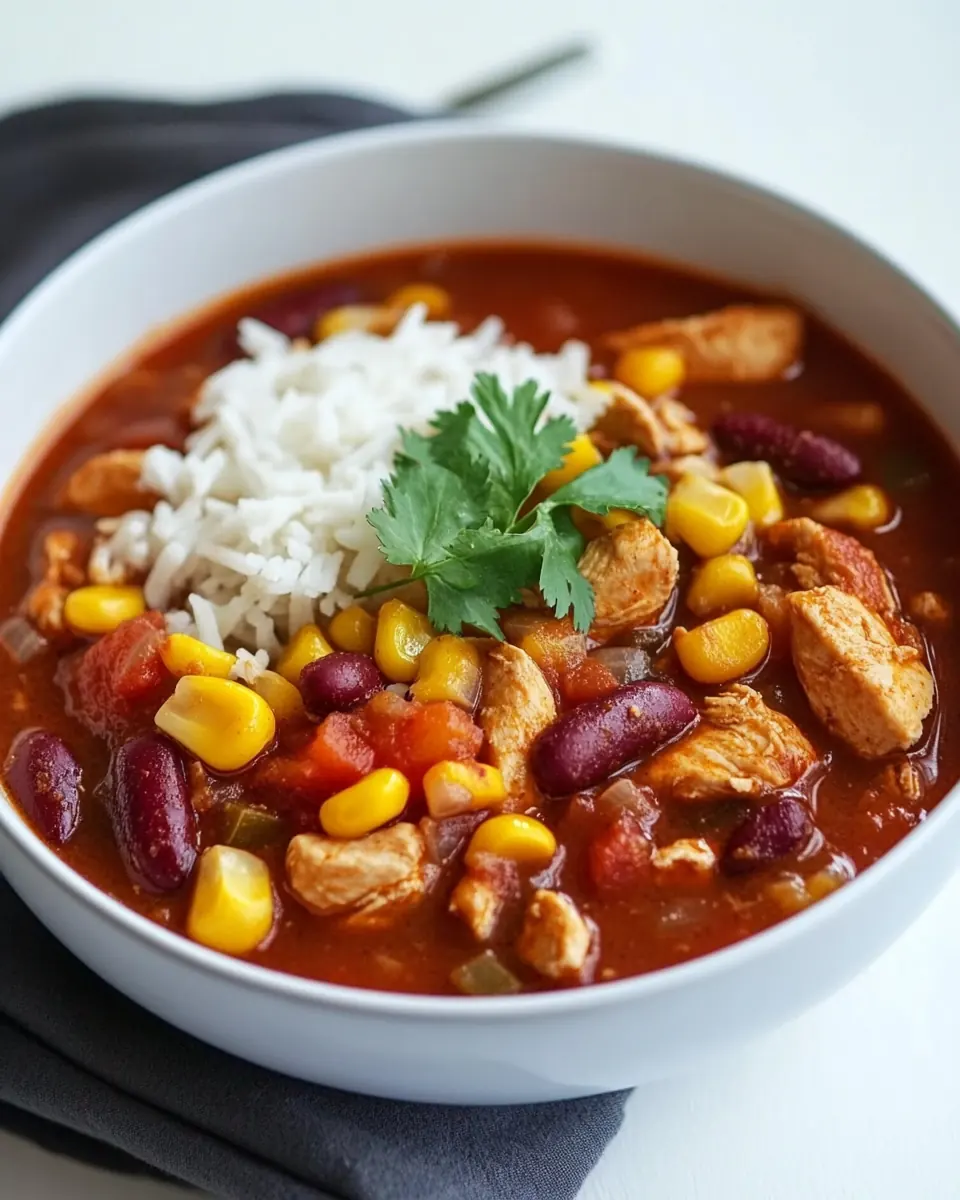
Chicken Chili with Corn is the kind of bowl I reach for when the weather insists on staying gray and my kitchen needs to wrap me in warmth. I remember the first time I made this, a blustery winter afternoon when I had a crate of vegetables and a craving for something both hearty and bright. The mix of tender chicken and sweet corn cut through the chill and made the whole house smell like home. I kept fussing with the seasoning until it felt right, leaning on smoky paprika and a pinch of cajun seasoning to give the broth personality.
Since then I’ve adapted the recipe on the fly, stretching it across weeknight dinners and lazy weekend lunches. The texture balance makes me happiest, with soft chunks of carrots and parsnips alongside the pop of sweet corn and the creaminess that comes when the canned tomato pulp melds with the spices. When friends come over, I always serve it with a scoop of fluffy rice and an extra tin of warm beans nearby, because everyone likes to customize their bowl. You’ll find this recipe forgiving, bold, and quietly comforting, and that combination is why it became a staple in my rotation.
Recipe Snapshot
60 mins
20 mins
40 mins
Medium
450 kcal
Mexican
Gluten-Free, Paleo
Dinner
Large pot or Dutch oven, Cutting board, Chef’s knife, Wooden spoon
What’s Great About This Chicken Chili with Corn
Comforting but not heavy
I love how Chicken Chili with Corn manages to feel indulgent without being leaden. The dish uses lean chicken and lots of vegetables, so you get a full, satisfying meal that still leaves you ready for dessert if you want one. The broth is rich, but not greasy, which is exactly what I look for on a cold evening.
Flexible for the weeknight hustle
One of the main reasons I keep making this is how adaptable it is. You can dice everything ahead, stash it in the fridge, and finish the pot in under an hour. It’s a true easy weeknight dinner that still feels like you put in effort. I often double the batch and freeze half for nights when I need dinner pronto.
Layered, bright flavors
The seasoning combo of paprika and cajun seasoning gives the chili depth while the canned tomato pulp brings acidity to lift it all. The corn adds a natural sweetness that contrasts beautifully with the smoky notes. I find each spoonful hits multiple flavor points, which keeps every bite interesting.
Textural variety
Text is everything to me, and this chili has it in spades. Soft, shredded-style chicken meets tender root vegetables, plump red beans, and the gentle bite of zucchini. That contrast between creamy broth and firmer vegetable pieces makes it a crowd pleaser.
Easy to personalize
I adore recipes that welcome improvisation. Chicken Chili with Corn can be amped up with more spices, calmed with extra tomato pulp, or bulked up with additional pots of rice for a bigger gathering. It’s forgiving and encourages you to make the bowl your own.
Essential Ingredients for Chicken Chili with Corn
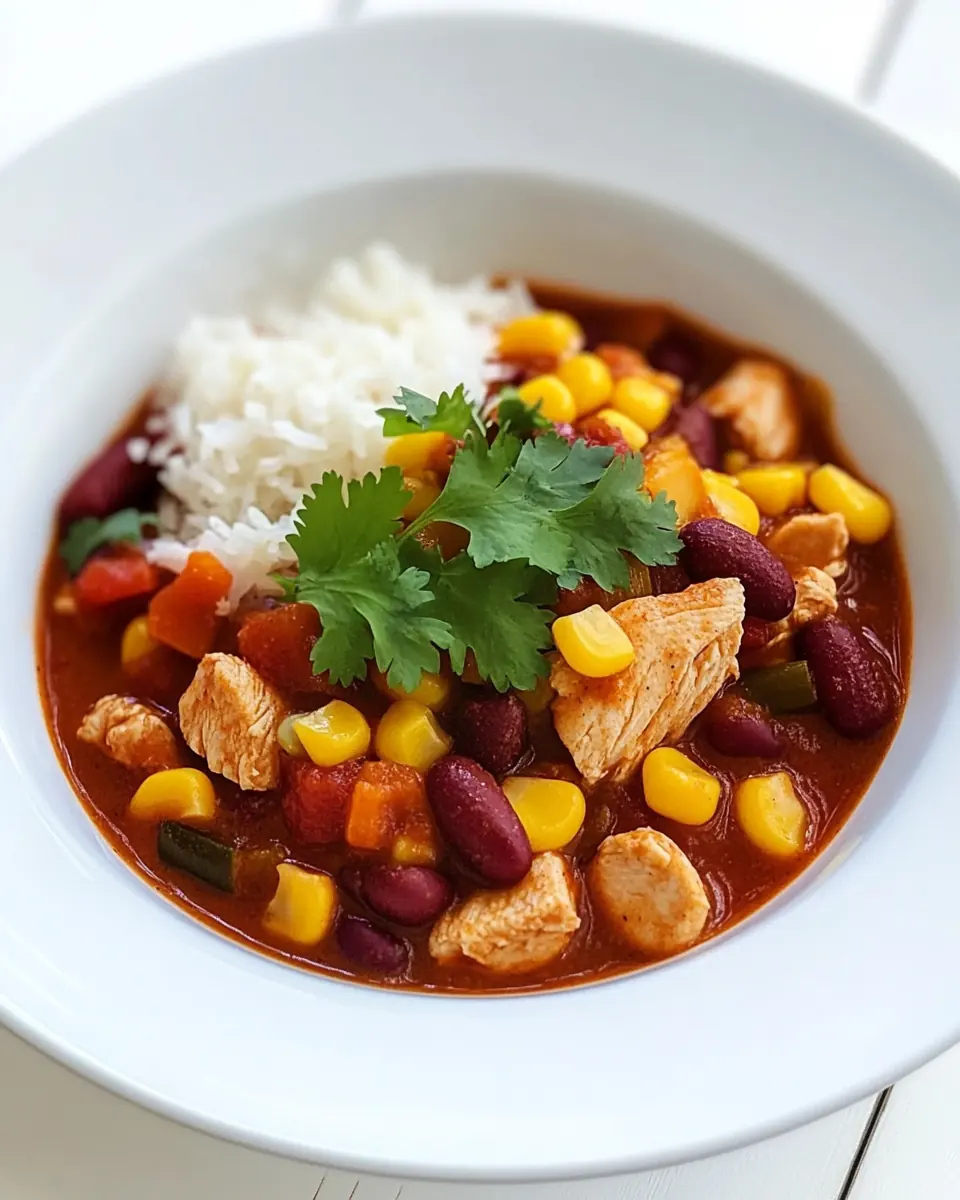
The philosophy behind these ingredients is simple, I favor building a base of aromatics, layering in tender proteins, then finishing with bright, textural players. The vegetables provide sweetness and body, the canned items give consistent acidity and creaminess, and the seasonings pull everything together. These are the key players that keep the chili balanced and comforting without being complicated.
- 1.2 kg chicken breast: Provide diced lean protein that cooks quickly and soaks up chili flavors; use boneless chicken breast trimmed of fat and cut into bite-sized pieces. Add early in the cooking process to simmer gently until tender, ensuring moist texture without overcooking. Combine with spices and tomato pulp to create a hearty, protein-rich base for the chili.
- 1 onion: Offer aromatic sweetness and savory depth when finely chopped; sauté until translucent to build the chili's flavor foundation. Release natural sugars that balance acidity from tomatoes and spices. Contribute to the overall mouthfeel and complexity of the dish when caramelized lightly.
- 3 carrots: Contribute natural sweetness, body, and slight earthiness when peeled and diced; add with other root vegetables to thicken and enrich the chili. Provide pleasant texture contrast and nutrients like beta-carotene, enhancing color and flavor. Help absorb spices and liquids for a balanced, hearty stew.
- 2 parsnips: Lend sweet, earthy notes and firm texture when peeled and chopped; simmer with carrots to mellow their flavor and integrate into the chili. Add hearty substance and a subtle nutty undertone that complements the chicken and beans. Help thicken the sauce as their starches break down during cooking.
- 1 red pepper: Bring bright, slightly sweet and peppery flavor when seeded and diced; stir in near the middle of cooking for a fresh, colorful element. Provide crunchy texture if added late or softened sweetness if simmered longer. Enhance visual appeal and add a hint of natural acidity to balance richness.
- 1 small zucchini: Impart mild, slightly sweet and watery flesh when diced; add to contribute subtle freshness and tender texture. Cook briefly to avoid becoming mushy, or simmer longer to release moisture and meld with the sauce. Complement peppers and zucchini for a rounded vegetable profile.
- salt: Season to taste and enhance all other flavors; sprinkle gradually and taste as you go to avoid over-salting. Help bring out natural sweetness and balance acidity in the tomato-based chili. Use sparingly if canned ingredients already contain sodium.
- pepper: Provide basic heat and subtle sharpness when freshly ground; add a pinch at a time and adjust to preference. Balance flavors and lift the overall profile of the chili without masking other seasonings. Use alongside paprika and Cajun seasoning for layered spiciness.
- paprika: Contribute smoky warmth and gentle color; add according to desired smokiness and adjust with other spices. Enhance savory depth and complement the chicken and beans, creating a more robust chili flavor. Use sweet or smoked paprika depending on preferred profile.
- cajun seasoning: Add bold, spiced complexity and a touch of heat; sprinkle moderately to introduce Southern-inspired seasoning notes. Combine with paprika and pepper to create a layered, aromatic spice blend. Use to boost savory, peppery characteristics without overwhelming the dish.
- 2 cans tomato pulp: Supply rich tomato body and acidity to form the chili's sauce; pour in canned tomato pulp and simmer to meld with spices and vegetables. Help create a thick, cohesive base that binds ingredients and contributes to moisture for the rice if served alongside. Use to control consistency and tang of the chili.
- 1 tbsp olive oil: Provide cooking fat for sautéing vegetables and searing chicken; heat gently to prevent burning and release aromatics. Add a tablespoon at the start to help carry fat-soluble flavors and create a glossy finish on ingredients. Use quality olive oil for subtle fruitiness and a healthier fat option.
- 200 g sweet corn: Add sweet crunch and bursts of juiciness; stir in canned or frozen sweet corn toward the end of cooking to preserve texture. Contribute natural sugars that offset savory and spicy elements, enhancing overall balance. Provide color contrast and pleasant kernels throughout the chili.
- 2 cans red beans: Introduce creamy texture, protein, and fiber when rinsed and drained; add canned red beans to bulk up the chili. Simmer to allow flavors to penetrate the beans and to thicken the sauce through starch release. Offer a hearty vegetarian-friendly component that complements the chicken.
- 400 g rice: Serve as a starchy side that soaks up chili juices and provides sustained energy; cook rice according to package instructions to pair with the chili. Offer a neutral, comforting backdrop that balances the spicy and acidic elements of the dish. Keep separate or serve under the chili to absorb flavors without becoming mushy.
The Method for Chicken Chili with Corn
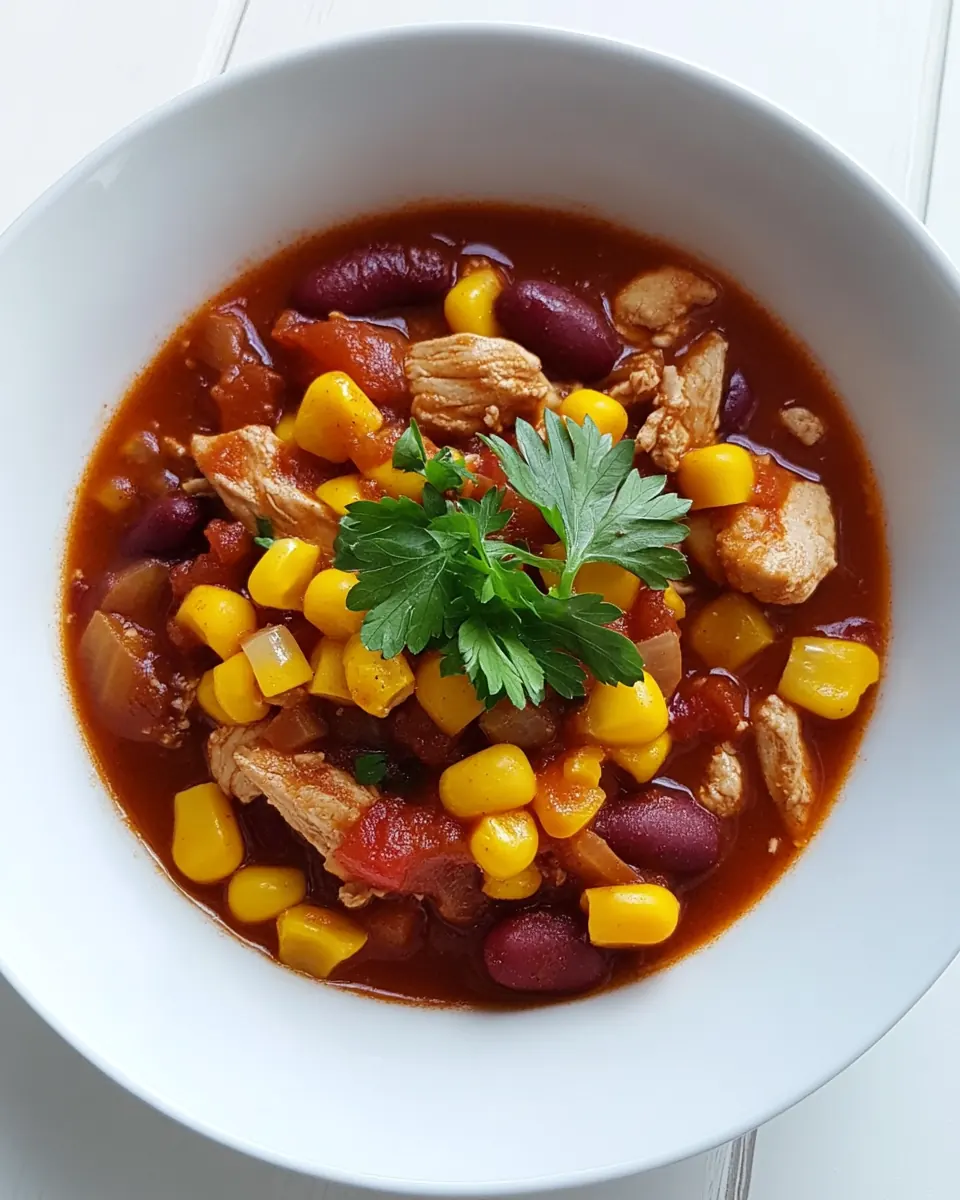
I like to approach the cooking as a rhythm, starting with aromatics, building flavors, then simmering gently until everything sings together. This method keeps the chicken tender and the vegetables distinct, while the canned elements thicken into a satisfying sauce. Follow these steps and trust your senses, smelling and watching as the pot transforms.
- Finely chop the onion, and cut the carrots and parsnips into 1-2 cm (1/2 – 3/4 of an inch) pieces and cook them together with the onion.: The aroma of softened onion and the faint caramel notes from the edges of the carrots and parsnips signal that you are developing the base. You should hear a gentle sizzle as the vegetables hit the hot pan and see translucency in the onion , with the root vegetables becoming tender at the edges. This stage is crucial because it releases sugars that round out the final broth. If the vegetables brown too quickly you likely have the heat too high, so lower the temperature and stir more often to prevent burning. A common mistake is skipping this step or rushing it, which yields a flat tasting sauce.
- While the vegetables are cooking, dice the chicken breast, zucchini and bell pepper and add to the pot to cook.: As you add the diced chicken , listen for the fresh sear, a slight pop and sizzle, which means the meat is beginning to develop color and flavor. The visual cue is that pieces start turning opaque and edges take on a pale golden tint. Adding the zucchini and red pepper at this point allows them to warm through and absorb the spices without disintegrating. I like to toss everything so the oil coats each piece, ensuring even cooking. A typical error is overcrowding the pot, which leads to steaming instead of searing, so work in batches if needed.
- When the chicken begins to brown, add the Cajun seasoning, paprika, salt and pepper and simmer for 1-2 minutes, then add the canned tomatoes. Cook over low heat for about 10-15 minutes, then add the canned red beans (beans and liquid) and corn.: You will smell the spices blooming immediately, releasing deep, smoky, and peppery aromatics that lift the pot. The surface of the liquid should shimmer as flavors meld. Those short simmering minutes toast the spices lightly, making them more complex, before the canned tomato pulp brings acidity and body. Visually, the pot starts to take on a reddish hue and the steam becomes fragrant with spice. Avoid adding spices to a cold pan, because they will not bloom and your chili will taste flat.
- Simmer until the chili reaches the right consistency.: A gentle simmer is key here, you want small bubbles breaking at the surface and a slow reduction that thickens the sauce. During this period the flavors knit together, and the texture of the chicken becomes tender as it absorbs the tomato and spice notes. When you add the red beans and sweet corn , keep some of the bean liquid to maintain a luscious consistency. The beans will plump slightly and the corn will add bright pops against the savory base. Stir carefully to avoid breaking the beans, and if the pot looks too thin you can let it reduce a little longer.
- You can add chili peppers if you like it hot and also whatever herbs you like.: Keep a watchful eye on simmering, you are aiming for a sauce that clings slightly to a spoon but still flows easily. The aroma should be rich and rounded, with the sweetness of corn and the depth of tomato pulp in harmony. Taste and adjust the seasoning late in the cook, because salt and pepper will change as the liquid reduces. A common misstep is overcooking, which can make the chicken dry or cause vegetables to fall apart, so remove the pot from heat once you have the desired body.
- You can add chili peppers if you like it hot and also whatever herbs you like: Adding fresh chilis or herbs at the end brightens the bowl and customizes heat level for your guests. The smell of fresh herbs or sliced peppers is immediate and lively, making the dish feel fresh even after a long simmer. This is where you tune the final personality of the chili, so add sparingly and taste as you go. Avoid adding excessive raw heat early in the cook, because it can overpower the nuanced flavors developed earlier.
Variations to Try
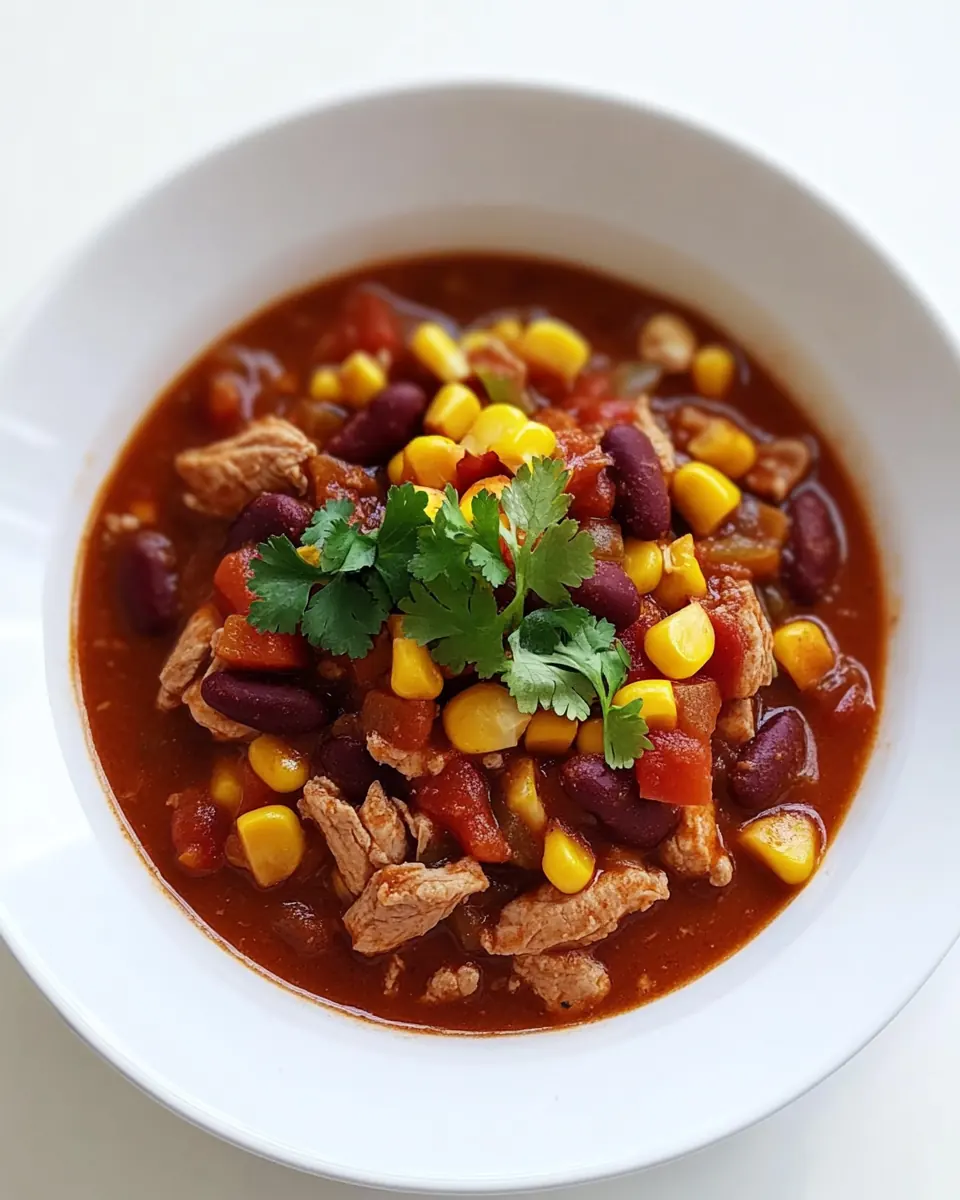
There are many ways to nudge this recipe toward different flavor profiles, depending on what you have on hand. Below are helpful variations and tweaks I use to keep the dish fresh and exciting.
- Smoky boost Add a touch more paprika and a smoky paprika if you want deeper charred notes without extra heat.
- Mild and aromatic Reduce the amount of cajun seasoning and add more onion and a little extra simmer time for a gentler profile.
- Hearty beans forward Increase the number of red beans for a thicker, creamier texture that stretches the meal for extra guests.
- Veggie forward Add more chopped carrots and parsnips to highlight natural sweetness and create more substantial bites.
- Bright finish Stir in fresh herbs at the end for a lift, focusing on light, fresh notes that cut through the richness.
What to Serve With Chicken Chili with Corn
This chili is versatile when it comes to pairings, and the right accompaniments can elevate the bowl dramatically. Below I outline serving ideas, occasion matches, and practical storage tips, all in list form so you can pick and choose.
- Classic bed Serve the chili over a scoop of warm rice to absorb the sauce and turn it into a filling main course for dinner.
- Family style Offer extra canned red beans and bowls of sweet corn on the side so guests can customize their portions.
- Comfort occasions This recipe is perfect for cold weekday nights or weekend gatherings, especially during winter when you want a cozy, one pot meal.
- Meal prep Divide into single serving containers and refrigerate for up to three days, the flavors continue to meld and taste even better on day two.
- Freezer friendly Cool completely, then freeze in airtight containers for up to three months; thaw overnight and reheat gently on the stove.
- Serving size tips Pair with a simple green salad to balance the richness, and offer extra rice for heartier appetites.
- Festive meal For casual holiday dinners or family gatherings, place a big pot on the table and let everyone build their bowls, which keeps things relaxed and social.
FAQ
Conclusion
What makes this recipe special is its balance of cozy, savory depth and bright, textural contrasts, all centered on tender chicken and sweet corn. I encourage you to give it a try on a cool evening, and to experiment with the spice levels and serving styles to make it your own. It’s an easy, reliable bowl that rewards a little attention and adapts well to leftovers, so it will likely become one of those go to meals you reach for again and again.
Chicken Chili with Corn
Ingredients
Equipment
Method
- Finely chop the onion, and cut the carrots and parsnips into 1-2 cm (1/2 – 3/4 of an inch) pieces and cook them together with the onion.: The aroma of softened onion and the faint caramel notes from the edges of the carrots and parsnips signal that you are developing the base. You should hear a gentle sizzle as the vegetables hit the hot pan and see translucency in the onion , with the root vegetables becoming tender at the edges. This stage is crucial because it releases sugars that round out the final broth. If the vegetables brown too quickly you likely have the heat too high, so lower the temperature and stir more often to prevent burning. A common mistake is skipping this step or rushing it, which yields a flat tasting sauce.
- While the vegetables are cooking, dice the chicken breast, zucchini and bell pepper and add to the pot to cook.: As you add the diced chicken , listen for the fresh sear, a slight pop and sizzle, which means the meat is beginning to develop color and flavor. The visual cue is that pieces start turning opaque and edges take on a pale golden tint. Adding the zucchini and red pepper at this point allows them to warm through and absorb the spices without disintegrating. I like to toss everything so the oil coats each piece, ensuring even cooking. A typical error is overcrowding the pot, which leads to steaming instead of searing, so work in batches if needed.
- When the chicken begins to brown, add the Cajun seasoning, paprika, salt and pepper and simmer for 1-2 minutes, then add the canned tomatoes. Cook over low heat for about 10-15 minutes, then add the canned red beans (beans and liquid) and corn.: You will smell the spices blooming immediately, releasing deep, smoky, and peppery aromatics that lift the pot. The surface of the liquid should shimmer as flavors meld. Those short simmering minutes toast the spices lightly, making them more complex, before the canned tomato pulp brings acidity and body. Visually, the pot starts to take on a reddish hue and the steam becomes fragrant with spice. Avoid adding spices to a cold pan, because they will not bloom and your chili will taste flat.
- Simmer until the chili reaches the right consistency.: A gentle simmer is key here, you want small bubbles breaking at the surface and a slow reduction that thickens the sauce. During this period the flavors knit together, and the texture of the chicken becomes tender as it absorbs the tomato and spice notes. When you add the red beans and sweet corn , keep some of the bean liquid to maintain a luscious consistency. The beans will plump slightly and the corn will add bright pops against the savory base. Stir carefully to avoid breaking the beans, and if the pot looks too thin you can let it reduce a little longer.
- You can add chili peppers if you like it hot and also whatever herbs you like.: Keep a watchful eye on simmering, you are aiming for a sauce that clings slightly to a spoon but still flows easily. The aroma should be rich and rounded, with the sweetness of corn and the depth of tomato pulp in harmony. Taste and adjust the seasoning late in the cook, because salt and pepper will change as the liquid reduces. A common misstep is overcooking, which can make the chicken dry or cause vegetables to fall apart, so remove the pot from heat once you have the desired body.
- You can add chili peppers if you like it hot and also whatever herbs you like: Adding fresh chilis or herbs at the end brightens the bowl and customizes heat level for your guests. The smell of fresh herbs or sliced peppers is immediate and lively, making the dish feel fresh even after a long simmer. This is where you tune the final personality of the chili, so add sparingly and taste as you go. Avoid adding excessive raw heat early in the cook, because it can overpower the nuanced flavors developed earlier.
Notes
- Smoky boost Add a touch more paprika and a smoky paprika if you want deeper charred notes without extra heat.
- Mild and aromatic Reduce the amount of cajun seasoning and add more onion and a little extra simmer time for a gentler profile.
- Hearty beans forward Increase the number of red beans for a thicker, creamier texture that stretches the meal for extra guests.
- Veggie forward Add more chopped carrots and parsnips to highlight natural sweetness and create more substantial bites.
- Bright finish Stir in fresh herbs at the end for a lift, focusing on light, fresh notes that cut through the richness.