Lobster Bisque
Lobster Bisque has been my go to when I want to make a meal feel like a small celebration, and the first spoonful always takes me back to a windy winter evening when a simmering pot filled the house with buttered shell aroma.
I remember the day I learned how patient cooking becomes its own reward, stirring a pot while talking to a friend on the phone and watching the colors change from raw to golden, layer by layer. That night I learned why taking time with simple steps elevates a dish, and why I keep returning to this recipe whenever I want to impress without stress. The balance of silky texture and briny lobster notes gives this soup a comforting heft while still feeling elegant, and I love how familiar kitchen sounds and smells make the experience feel intimate.
Over time I adapted little rituals around the recipe, like using reserved butter from cooking the lobster and wiping the pot with a paper towel to salvage every fond bit. Those small choices translate into deep flavor, and you will notice how the finished bowl tastes like it was made with intention. If you enjoy hands on cooking that rewards you with deep, layered flavor, this is a recipe you’ll come back to again and again.
Recipe Snapshot
1 hr 40 mins
60 mins
40 mins
Medium
400 kcal
American
Gluten-Free, Low FODMAP
Soups
Large pot, Immersion blender, Ladle
Why You’ll Love This Lobster Bisque
Rich yet restrained mouthfeel
I love that Lobster Bisque can be both indulgent and gentle; the cream brings silk while the stock keeps it marine and bright. When I first developed this version I focused on texture, so each spoonful glides across the palate without feeling heavy, and that balance keeps people asking for seconds.
Deep seafood flavor without fuss
We use lobster stock to anchor the soup, and that lets the lobster meat sing. You do not need exotic ingredients to get an authentic taste, just a good stock and the patience to coax flavors out of the vegetables. I find this method produces a bisque that tastes like it spent hours on the stove, even when the hands on time is manageable.
Comfort with an elevated finish
There is something about a bowl of Lobster Bisque that reads special occasion, yet it is simple enough for a midweek dinner. I often serve it when friends arrive unexpectedly, because it looks impressive and comes together predictably. The butter poached lobster chunks on top make the presentation feel fancy, and they also add both texture and a buttery richness that contrasts beautifully with the velvety base.
Technique driven results
This recipe rewards careful technique, like slowly softening the mirepoix and toasting the flour. I appreciate recipes that teach you why steps matter, so you can replicate success. Once you know how the roux builds body and how gentle simmering deepens flavor, every future batch will improve.
Flexible and forgiving
I frequently adjust the cream amount depending on mood, and that flexibility makes the recipe reliable. If you want a lighter bowl, use less cream, if you crave decadence, add the full amount. The recipe also tolerates small substitutions for the meat, which is handy when sourcing fresh lobster is challenging.
Everything You Need for Lobster Bisque

These ingredients are chosen to create a balanced, shell forward soup. The aromatics build a savory foundation, the flour develops body, the stock supplies concentrated seafood flavor, and the cream and lobster meat finish the bowl with silk and substance. Each item plays a clear role, so the final bisque tastes cohesive and richly layered.
- 4 tablespoons Butter from the buttered lobster, or salted butter, herb butter: Melted and flavorful, provides rich fat and a silky base that carries the lobster taste; can be from buttered lobster, salted butter, or herb butter to add depth and seasoning, and should be warmed gently to avoid browning while sautéing aromatics.
- 1 onion diced: Chopped finely to build a sweet, savory aromatic foundation; softens when sweated and releases moisture and flavor, helping to balance the bisque’s richness and integrate other vegetables smoothly.
- 1 cup celery diced: Diced into small pieces to contribute subtle vegetal sweetness and crunchy texture that mellows during cooking; helps create body when cooked down and puréed, and adds a fresh herbal note complementary to shellfish.
- 1 cup carrots diced: Chopped and cooked until tender to add natural sweetness and color; carmelizes slightly to deepen flavor complexity and blends into the bisque for a smooth, cohesive texture after blending.
- 3 garlic cloves minced: Minced to release pungent, aromatic oils that brighten and lift the soup; added early in the cooking process to infuse the fat and vegetables, then cooked briefly to remove raw sharpness without losing aroma.
- 2 oregano and thyme stalks: Used whole as stalks to infuse aromatic herbal notes during simmering; tied or kept intact for easy removal, oregano and thyme stalks impart earthiness and classic Mediterranean herb character to the stock.
- 2 tablespoons Flour all purpose: Sprinkled and stirred into the roux to thicken the soup; all-purpose flour combines with butter to form a base that adds body and a velvety mouthfeel once cooked and incorporated into the liquid.
- 1/3 cup crushed tomatoes or 1 cup fresh, minced: Added crushed or fresh and minced to contribute bright acidity and umami that balances richness; blends smoothly into the bisque to add tomato depth and helps round flavors when simmered and reduced.
- 4 cups lobster stock: Poured in as the flavorful liquid backbone that carries seafood essence; lobster stock provides concentrated shellfish flavor, deglazes the pot, and forms the primary cooking medium for developing the bisque.
- 1/2 1 cup cream 18% or 35% or half n half: Swirled in near the end to enrich and smooth the texture while adding creaminess; chosen percentage influences mouthfeel and fat content, creating a luxurious finish when gently warmed but not boiled.
- 1 teaspoons salt and pepper: Sprinkled to season the soup and enhance all flavors; salt and pepper should be adjusted to taste during cooking and again before serving to ensure balanced seasoning throughout the bisque.
- 2 cups Lobster Meat cooked in butter or in the oven: Folded in after cooking as tender chunks that deliver concentrated lobster flavor and pleasing texture; cooked in butter or oven-roasted earlier for additional richness and then added to the finished soup for bites of seafood.
- lemon wedges for serving: Served alongside to provide a bright acidic contrast that cuts through richness; lemon wedges allow diners to add a fresh, tangy finish that lifts and balances the bisque flavors.
Recipe Directions for Lobster Bisque

This recipe is about layering flavor slowly, and focusing on sensory cues will help you achieve a silky, balanced bisque. Work methodically through each step, paying attention to color, aroma, and texture, and your patience will pay off.
- Start with the mirepoix. We add a good dab of our flavored butter as a base and then we sauté the diced onions, carrots and celery.: The air will fill with a warm, vegetal scent as you melt the Butter and add the softened onion , carrots , and celery , their edges turning translucent and then a gentle gold, which signals the sugars are releasing and building complexity; you should hear a low sizzling that calms as moisture leaves the vegetables, and if the pan sizzles too loudly the heat is too high, so lower it to prevent burning and ensure the mirepoix becomes tender rather than charred.
- You don't want to ever rush this process! A good bisque or any soup as a matter of fact needs enough time for the mirepoix to cook until soft and golden. This is how you develop a rich taste to any recipe.: As the vegetables cook, the scent will evolve from sharp to sweet and nutty, and that slow transformation creates a deep base; the visual cue is soft, slightly caramelized edges on the onion and carrot , and the texture should be yielding when pressed with a spoon, if they still feel raw, keep cooking gently, because rushing here leaves raw vegetal notes in the broth.
- When ready you'll add in the garlic and sauté that for just a minute or so. Be careful not to let it burn or turn golden. You need a fragrant opaque garlic, not a golden one.: Garlic should bloom briefly and give off a fragrant, aromatic steam without browning, producing a gentle perfume that enhances the base; if you let it brown it turns bitter, so stir constantly and pull it off heat sooner rather than later to preserve a mellow garlic flavor.
- Now you'll add in the flour to begin thickening the soup, or making the roux.: Once the flour hits the fat and vegetables, it will clump then smooth out, and you should cook it while stirring until it smells toasty and no longer floury to the nose, a process that builds body; undercooked flour will leave a raw taste, so be patient and watch for a faint toasty color change as your visual guide.
- Again this step should not be rushed. You need the flour to be slightly toasted, so cook it for 2 minutes or so. This also removes any raw flour taste from your lobster bisque. Feel free to add a teaspoon or two of extra butter here to achieve a nice toasted flour base if the mixture feels too dry.: During the roux phase the aroma shifts to a warm, biscuit like scent and the texture becomes satin; stirring continuously prevents hot spots and ensures even cooking, and if the mixture seems dry, a little extra Butter will bring it together, but if you add too much you risk thinning the roux, so add sparingly and keep stirring until it is evenly toasted.
- Now add in the tomatoes and cook some more. Allow the tomatoes to release their juices (if using fresh, and allow the juice to evaporate if using fresh or canned. You'll have a paste looking like that when you're ready for the next step.: The tomatoes will release juice and their scent will brighten the pot, and as the liquid reduces you will see the mixture thicken into a paste with concentrated tomato aroma; allow this evaporation so the tomato integrates rather than diluting the bisque, and if the mixture splatters, lower the heat and stir to prevent burning the paste.
- Next step is to add the lobster stock.: When the lobster stock joins the pot, it will lift the tomato paste and roux into a cohesive broth, and you should bring this to a gentle boil where steam carries a robust shell scent; watch for tiny bubbles at the surface as the signal to lower heat to a simmer, because a rolling boil will break down delicate flavors and can make the soup cloudy.
- The lobster stock will infuse your soup with so much flavor and taste. Bring the mixture to a boil and then drop the heat to medium low. Cover the pot and let your bisque simmer for all the flavors to blend in.: As the pot simmers, aromas deepen and the broth becomes savory and layered, the edges of the pot showing small, steady bubbles that indicate a gentle infusion; simmer covered to retain heat and let flavors marry, and avoid a vigorous boil which can evaporate too much liquid and concentrate saltiness.
- 30 minutes later and your bisque looks ready to blend. While you can use a high speed heat proof blender, we prefer a good old immersion blender for this.: At this stage the vegetables will be fully collapsed and aromatic, and the broth should smell rich and marine with a hint of sweetness from the carrots; use a long spoon to check texture, and if any vegetable pieces still have structure, continue simmering briefly, because under softened vegetables will produce a slightly grainy mouthfeel after blending.
- Just blend the soup until nice and silky. You'll notice the color will change into a light orange tone as all the ingredients blend together, and the bisque will feel so silky already.: Blending transforms the mixture into a luminous, velvety texture and the color will lighten into a warm orange, with the sound shifting to a steady hum if you use an immersion blender; work until completely smooth while watching for splatters, and if you get air pockets or foam, let the soup rest a moment before blending again to avoid over aeration which can change texture.
- At that point you're ready to serve or you can add in that splash of table cream as we did. Cream adds an impeccably silky smooth and rich finish to the soup.: Adding the cream softens edges and gives a satin sheen, and you will notice the aroma mellow and the mouthfeel become richer; add slowly and warm the soup gently after stirring, because sudden high heat can cause the cream to separate, so stabilize on low heat if you finish on the stove.
- And now you're ready to plate!: The clean, silky surface of the bisque invites garnishes, and when ladled into bowls it should coat the spoon with a slow, clingy ribbon; if the soup looks too thin, a brief reduction over low heat will thicken it, but avoid boiling which can alter the texture.
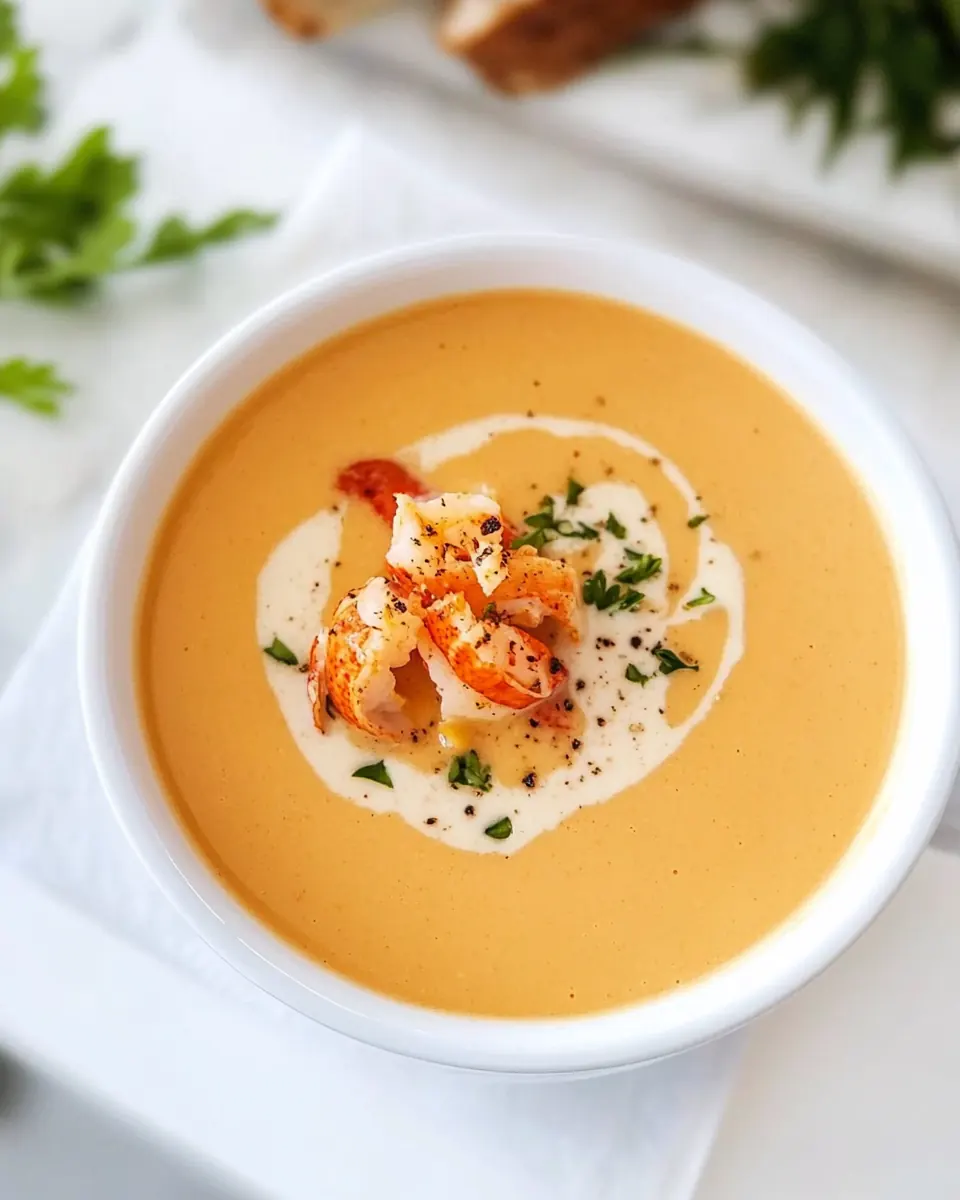
- We love to plate our lobster bisque by topping it with plenty and plenty of butter poached lobster chunks.: The tender Lobster Meat should be warm and buttery, offering a contrast in texture and a sweet, oceanic burst with each bite, and if the lobster pieces feel rubbery you likely overcooked them earlier, so warm gently to retain tenderness.
- Finish and garnish with some fresh oregano, a splash of cracked black pepper and a lemon slice or lemon wedge.: Bright herb and citrus notes cut richness and amplify the seafood flavors, and the final pepper crack adds a lively edge on the tongue; avoid adding too much acid too early, as it can mask subtle butter and shell flavors, so finish at plating for best balance.
Substitutions and Tips

These tips will help you nail the texture and flavor of your Lobster Bisque, whether you are working with fresh lobster or a reliable stock. Small technique choices make big flavor differences, so treat each tip as a tiny habit that improves the result.
- Use cold water lobster when possible for superior flavor and firmer meat, it will yield a cleaner taste than warm water or lower grade options, though frozen or other sources can still make a tasty bisque when cooked carefully.
- Do not rush the mirepoix, let the onion, carrot, and celery soften fully and gain a touch of color to release natural sugars and build a savory foundation for the soup.
- Toast the flour thoroughly in the butter to eliminate raw starch notes, stirring constantly for about two minutes until you smell a light, nutty fragrance which signals readiness for liquid.
- Make your own lobster stock using shells and aromatics, it takes about 30 to 40 minutes and yields a concentrated base that transforms the bisque far more than store bought alternatives.
- Adjust cream to taste, use between one half and one cup depending on how rich you want the final bowl to be, adding it at the end keeps the texture silky and avoids separation.
- Store leftovers properly by refrigerating in an airtight container for up to three days, and reheat gently on medium low adding cream at the end to refresh the texture.
Best Served With
Lobster Bisque shines when paired with bright, textural companions that cut its richness and add crunch. The right sides and serving approach transform this soup from an appetizer to a memorable meal.
- Garlic bread or crusty bread: A crisp slice provides a satisfying contrast in texture, perfect for dipping and balancing the bisque’s silk.
- Light green salad: A salad with a tangy vinaigrette offers a refreshing counterpoint, keeping the meal bright and balanced for lunch or dinner occasions.
- Special occasions: Serve this during cold season meals or holiday dinners for an elevated starter that still feels cozy and welcoming.
- Storage tips: Refrigerate leftovers without cream for best freezing results, freeze airtight for up to three months and add cream when reheating to restore velvety texture.
- Seasonal pairings: In winter, pair with roasted root vegetables or a hearty bread, while in milder months a citrusy salad helps lighten the menu.
- Serving style: Ladle warm bisque into preheated bowls and top with warm butter poached lobster chunks and a lemon wedge for brightness, finishing with cracked pepper and herbs.
FAQ
Conclusion
Lobster Bisque is special because it combines simple, thoughtful technique with ingredients that deliver luxurious flavor and texture. The careful mirepoix, toasted flour roux, and concentrated lobster stock create a soup that feels both comforting and elevated. Give it a try when you want a dish that impresses without being complicated, and enjoy the ritual of building flavor step by step. Once you taste that velvety finish and buttery lobster bites, you will understand why this recipe becomes a favorite for cold evenings and special gatherings alike.
Lobster Bisque
Ingredients
Equipment
Method
- Start with the mirepoix. We add a good dab of our flavored butter as a base and then we sauté the diced onions, carrots and celery.: The air will fill with a warm, vegetal scent as you melt the Butter and add the softened onion , carrots , and celery , their edges turning translucent and then a gentle gold, which signals the sugars are releasing and building complexity; you should hear a low sizzling that calms as moisture leaves the vegetables, and if the pan sizzles too loudly the heat is too high, so lower it to prevent burning and ensure the mirepoix becomes tender rather than charred.
- You don't want to ever rush this process! A good bisque or any soup as a matter of fact needs enough time for the mirepoix to cook until soft and golden. This is how you develop a rich taste to any recipe.: As the vegetables cook, the scent will evolve from sharp to sweet and nutty, and that slow transformation creates a deep base; the visual cue is soft, slightly caramelized edges on the onion and carrot , and the texture should be yielding when pressed with a spoon, if they still feel raw, keep cooking gently, because rushing here leaves raw vegetal notes in the broth.
- When ready you'll add in the garlic and sauté that for just a minute or so. Be careful not to let it burn or turn golden. You need a fragrant opaque garlic, not a golden one.: Garlic should bloom briefly and give off a fragrant, aromatic steam without browning, producing a gentle perfume that enhances the base; if you let it brown it turns bitter, so stir constantly and pull it off heat sooner rather than later to preserve a mellow garlic flavor.
- Now you'll add in the flour to begin thickening the soup, or making the roux.: Once the flour hits the fat and vegetables, it will clump then smooth out, and you should cook it while stirring until it smells toasty and no longer floury to the nose, a process that builds body; undercooked flour will leave a raw taste, so be patient and watch for a faint toasty color change as your visual guide.
- Again this step should not be rushed. You need the flour to be slightly toasted, so cook it for 2 minutes or so. This also removes any raw flour taste from your lobster bisque. Feel free to add a teaspoon or two of extra butter here to achieve a nice toasted flour base if the mixture feels too dry.: During the roux phase the aroma shifts to a warm, biscuit like scent and the texture becomes satin; stirring continuously prevents hot spots and ensures even cooking, and if the mixture seems dry, a little extra Butter will bring it together, but if you add too much you risk thinning the roux, so add sparingly and keep stirring until it is evenly toasted.
- Now add in the tomatoes and cook some more. Allow the tomatoes to release their juices (if using fresh, and allow the juice to evaporate if using fresh or canned. You'll have a paste looking like that when you're ready for the next step.: The tomatoes will release juice and their scent will brighten the pot, and as the liquid reduces you will see the mixture thicken into a paste with concentrated tomato aroma; allow this evaporation so the tomato integrates rather than diluting the bisque, and if the mixture splatters, lower the heat and stir to prevent burning the paste.
- Next step is to add the lobster stock.: When the lobster stock joins the pot, it will lift the tomato paste and roux into a cohesive broth, and you should bring this to a gentle boil where steam carries a robust shell scent; watch for tiny bubbles at the surface as the signal to lower heat to a simmer, because a rolling boil will break down delicate flavors and can make the soup cloudy.
- The lobster stock will infuse your soup with so much flavor and taste. Bring the mixture to a boil and then drop the heat to medium low. Cover the pot and let your bisque simmer for all the flavors to blend in.: As the pot simmers, aromas deepen and the broth becomes savory and layered, the edges of the pot showing small, steady bubbles that indicate a gentle infusion; simmer covered to retain heat and let flavors marry, and avoid a vigorous boil which can evaporate too much liquid and concentrate saltiness.
- 30 minutes later and your bisque looks ready to blend. While you can use a high speed heat proof blender, we prefer a good old immersion blender for this.: At this stage the vegetables will be fully collapsed and aromatic, and the broth should smell rich and marine with a hint of sweetness from the carrots; use a long spoon to check texture, and if any vegetable pieces still have structure, continue simmering briefly, because under softened vegetables will produce a slightly grainy mouthfeel after blending.
- Just blend the soup until nice and silky. You'll notice the color will change into a light orange tone as all the ingredients blend together, and the bisque will feel so silky already.: Blending transforms the mixture into a luminous, velvety texture and the color will lighten into a warm orange, with the sound shifting to a steady hum if you use an immersion blender; work until completely smooth while watching for splatters, and if you get air pockets or foam, let the soup rest a moment before blending again to avoid over aeration which can change texture.
- At that point you're ready to serve or you can add in that splash of table cream as we did. Cream adds an impeccably silky smooth and rich finish to the soup.: Adding the cream softens edges and gives a satin sheen, and you will notice the aroma mellow and the mouthfeel become richer; add slowly and warm the soup gently after stirring, because sudden high heat can cause the cream to separate, so stabilize on low heat if you finish on the stove.
- And now you're ready to plate!: The clean, silky surface of the bisque invites garnishes, and when ladled into bowls it should coat the spoon with a slow, clingy ribbon; if the soup looks too thin, a brief reduction over low heat will thicken it, but avoid boiling which can alter the texture.
- We love to plate our lobster bisque by topping it with plenty and plenty of butter poached lobster chunks.: The tender Lobster Meat should be warm and buttery, offering a contrast in texture and a sweet, oceanic burst with each bite, and if the lobster pieces feel rubbery you likely overcooked them earlier, so warm gently to retain tenderness.
- Finish and garnish with some fresh oregano, a splash of cracked black pepper and a lemon slice or lemon wedge.: Bright herb and citrus notes cut richness and amplify the seafood flavors, and the final pepper crack adds a lively edge on the tongue; avoid adding too much acid too early, as it can mask subtle butter and shell flavors, so finish at plating for best balance.
Notes
- Use cold water lobster when possible for superior flavor and firmer meat, it will yield a cleaner taste than warm water or lower grade options, though frozen or other sources can still make a tasty bisque when cooked carefully.
- Do not rush the mirepoix, let the onion, carrot, and celery soften fully and gain a touch of color to release natural sugars and build a savory foundation for the soup.
- Toast the flour thoroughly in the butter to eliminate raw starch notes, stirring constantly for about two minutes until you smell a light, nutty fragrance which signals readiness for liquid.
- Make your own lobster stock using shells and aromatics, it takes about 30 to 40 minutes and yields a concentrated base that transforms the bisque far more than store bought alternatives.
- Adjust cream to taste, use between one half and one cup depending on how rich you want the final bowl to be, adding it at the end keeps the texture silky and avoids separation.
- Store leftovers properly by refrigerating in an airtight container for up to three days, and reheat gently on medium low adding cream at the end to refresh the texture.