Mango Salsa
Mango Salsa has been a summer staple in my kitchen since I first tasted a bright, chunky spoonful at a neighborhood picnic.
That initial encounter stuck with me because the combination of ripe fruit and a little heat felt like a tiny celebration in every bite. Over the years I started tweaking the balance, learning how a squeeze of citrus lifts the whole mix, and how a modest pinch of salt makes the flavors snap into place. Friends began asking for the recipe after potlucks, and I loved how simple it was to scale up or down depending on the crowd.
I tend to keep a bowl of this on hand when mangoes are at their peak, because it is one of those things that brightens sandwiches, chips, and grilled vegetables with no fuss. Sometimes I make it in minutes between meetings, and other times I assemble it slowly while listening to music, tasting as I go. The texture, when diced just right, is satisfying in the mouth, and the color is a conversation starter on any table. It is also one of the rare recipes that feels festive but is genuinely weeknight friendly, so I reach for it when I want to impress without sweating the details.
Recipe Snapshot
5 mins
5 mins
0 mins
Easy
120 kcal
Mexican
Paleo, Vegan
Appetizers
Mixing bowl, Chef’s knife, Cutting board, Citrus juicer
Why This Mango Salsa Shines
Vivid fresh flavor
I love how Mango Salsa bursts with natural sweetness from the mango, and how that sweetness is lifted by the bright acid of lime juice. Every spoonful reads like a tiny fruit salad, but with savory anchors that keep it balanced. When fruit is at its ripest, you get a silky mouthfeel that makes this salsa feel luxurious even though it is super easy to make.
Endless versatility
We often use this salsa as a topping, a dip, or a salad component. The base ingredients let you pair it with grilled fish, toss it onto tacos, or serve it with chips, and it feels right in all those roles. Because the template is flexible, you can adapt it to what you have, while keeping the core personality intact.
Quick to assemble
I value recipes that respect my time, and this one does exactly that. With a handful of straightforward steps and minimal chopping, Mango Salsa comes together in minutes. That speed makes it ideal for last minute plans, and for weeknights when you want something fresh, not fussy.
Showcase for seasonal fruit
Summer mangoes are the real star here, and this salsa is an honest way to celebrate them. The simplicity lets the fruit shine, while supporting players like red onion and cilantro add textural contrast and herbal lift. When mango is in season, this is my go to for making the most of it.
Friendly for many diets
Because the ingredients list is short and primarily plant based, Mango Salsa fits easily into many eating styles. It feels light, bright, and nourishing, and it stores well for a few days so you can enjoy it across meals without worry.
Ingredients for Mango Salsa
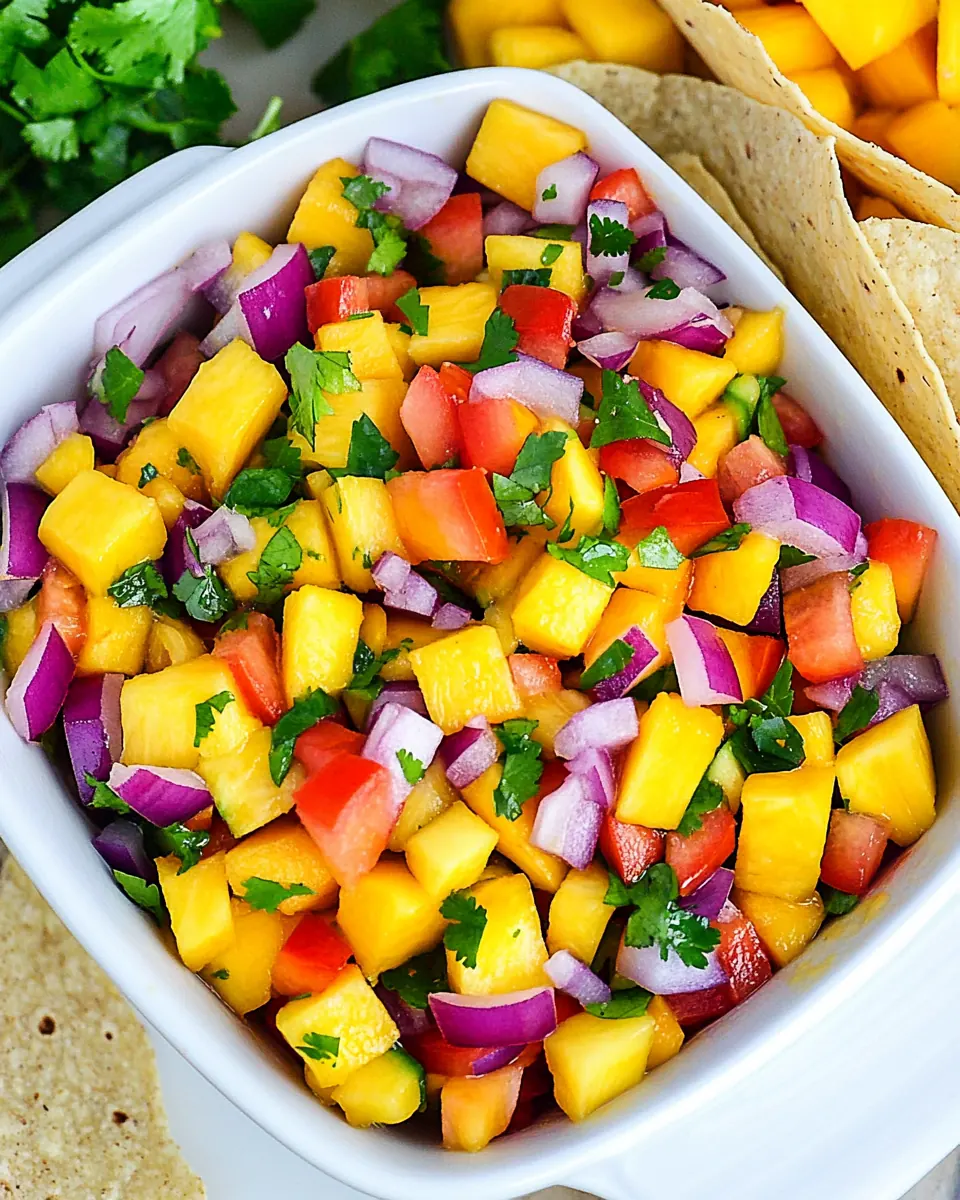
This ingredient list is intentionally lean, letting each element contribute a distinct role. The mango provides body and sweetness, the red onion adds bite and crunch, and the cilantro brings a fresh herbal top note. The lime juice ties everything together, while the optional touches like jalapeno and bell pepper offer heat and color when you want them.
- 2 mangoes, peeled and diced: Provide sweet, tropical flavor and juicy flesh that forms the salsa's base; peel and dice into uniform pieces to ensure even texture and vibrant presentation. Combine with acidic and spicy components to balance sweetness and allow the mango to mellow the heat. Choose ripe but firm mangoes to avoid mushiness and maintain structural integrity in the mixture.
- 1/2 cup diced red onion: Add sharp, pungent bite that contrasts the mango's sweetness; finely dice to distribute flavor without overpowering each bite. Use red onion for its milder, slightly sweet profile compared with white varieties. Rinse briefly if a milder onion flavor is desired, then drain to prevent excess moisture.
- 1/2 cup chopped cilantro, omit if desired: Contribute fresh, herbaceous brightness and aromatic lift; chop leaves and tender stems finely for even dispersal throughout the salsa. Omit if preferred, but note that cilantro elevates the overall freshness and ties together citrus and heat elements. Store any leftovers with cilantro added shortly before serving to maintain its vibrant color.
- juice of 1 lime: Provide bright acidity and citrus aroma that balances sweetness and enhances overall flavor; squeeze fresh lime juice directly over the mixture for best results. Adjust amount to taste to avoid overpowering the delicate mango flavor. Lime juice also helps prevent discoloration and melds ingredients together.
- pinch salt (optional): Enhance and round out flavors by elevating taste perception and controlling sweetness; add a small pinch and taste before adding more. Use sparingly so salt complements rather than dominates; it also helps intensify other flavors in the salsa. Consider using fine salt for quick dissolution and even seasoning.
- 1/4 cup diced jalapeno (optional): Introduce controlled heat and green chile flavor when finely diced; remove seeds and ribs to reduce spice if a milder salsa is preferred. Add gradually and taste to achieve desired spiciness that complements mango and lime. Keep optional to accommodate varying heat tolerances among eaters.
- 1/2 of a bell pepper (optional): Provide crunchy texture and mild sweet-pepper flavor when diced; include half a bell pepper for added color and bulk if desired. Choose a color (red, yellow, or orange) that enhances visual appeal and mellow sweetness, and remove seeds and membranes before dicing. Add sparingly to avoid overwhelming the mango's flavor profile.
Mango Salsa Instructions
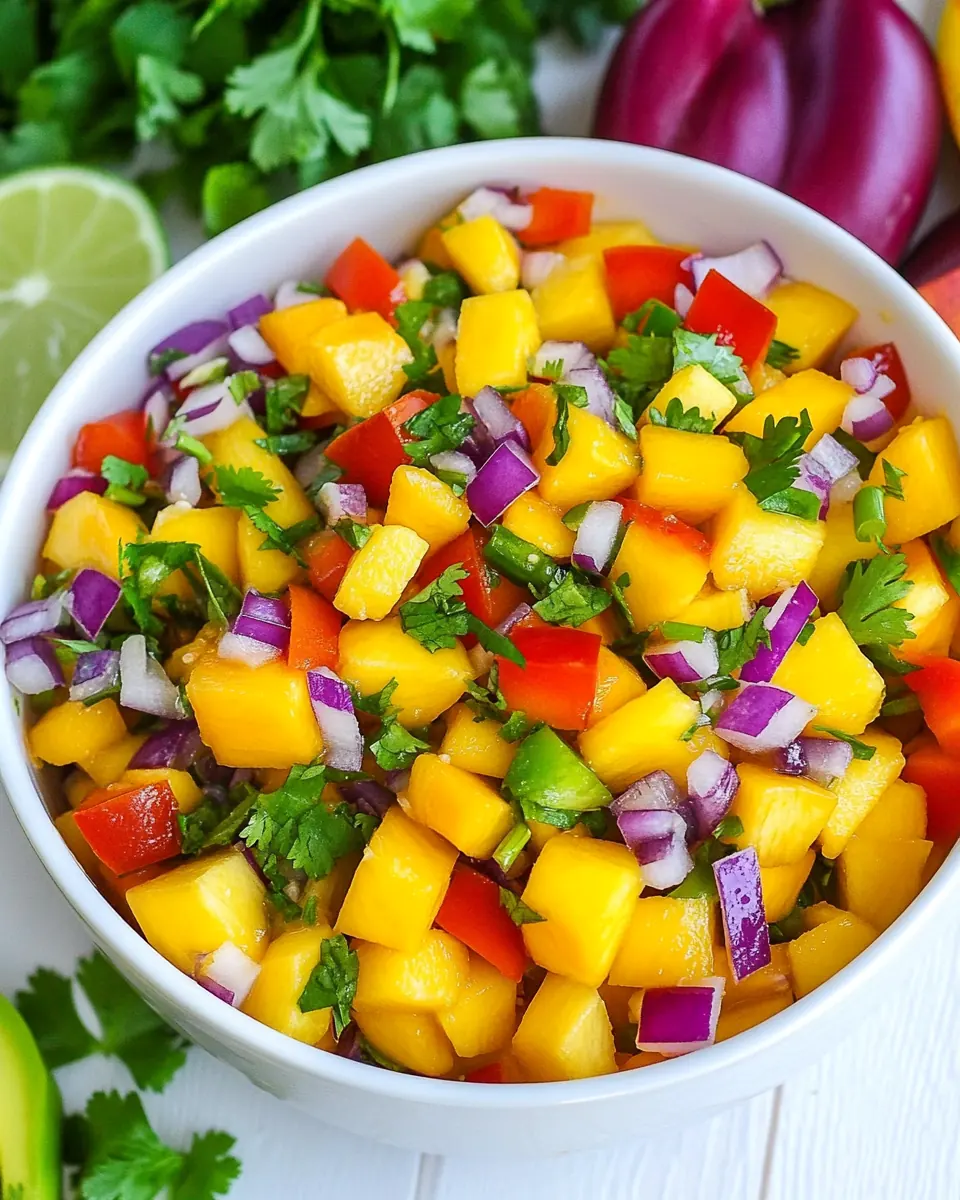
This salsa is forgiving, so the instructions are relaxed yet purposeful. Follow the guidance below to reach the best balance of texture, acid, and seasoning, and I will point out a few helpful checks along the way so you can trust your senses.
- Feel free to stir in any of the ingredient suggestions listed earlier in this post. The recipe is great for using up whatever fruit or veggies you have on hand. To make the salsa, simply stir all ingredients together. Serve either cold or hot, and refrigerate leftovers in a covered container for up to four days. If you try it, be sure to rate the recipe below!: The moment you mix in optional bits like the jalapeno or bell pepper you will notice new aromas rising from the bowl, and these additions change the salsa character more than you might expect. Sensory cues are crucial here, pay attention to the way heat from peppers opens the nose and how bell pepper adds a fresh vegetal crunch. Why this matters, is that each optional ingredient should enhance, not compete with, the sweetness of the mango . A troubleshooting tip is to add optional ingredients incrementally and taste between additions, because it is easy to overshoot with heat or raw onion intensity.
- The recipe is great for using up whatever fruit or veggies you have on hand: As you combine produce, note the differing textures and moisture levels, because softer fruits will break down faster than crunchy vegetables. Listen for the quiet shift in texture as you toss, and watch for excess liquid that can make the salsa watery. The reason this flexibility is helpful, is it lets you customize the salsa to the season and pantry, but avoid mixing very watery fruit without adjusting acid or salt, since that can thin the mixture and mute flavors.
- To make the salsa, simply stir all ingredients together: When you bring the components together, look for uniform distribution of color and texture, and smell the citrus brightening the bowl. A gentle toss is preferable to vigorous mixing, which can bruise the mango into a puree. This technique preserves those pretty cubes that make the salsa appealing. One common mistake is over stirring, which reduces visual appeal and can change mouthfeel, so stop once everything is evenly coated.
- Serve either cold or hot, and refrigerate leftovers in a covered container for up to four days: Serving temperature shifts the profile, chilled salsa reads as crisp and refreshing, while a room temperature bowl amplifies aroma and softness. If refrigerating, pack the salsa into an airtight container and press a piece of parchment or plastic directly on the surface to limit oxidation. Keep in mind textures will soften over time, and overly long storage will dull the bright notes, so aim to consume within the suggested window.
- If you try it, be sure to rate the recipe below: Feedback helps refine the balance between acid, salt, and heat, so pay attention to how each element reads on your palate and note any tweaks you made. Sensory journaling, even briefly, is a helpful habit, because your next batch will be better tuned to your preferences. A frequent oversight is neglecting to taste after resting, because flavors settle and often improve after a short rest, so taste again before serving and adjust if needed.
Ways to Adapt This Recipe
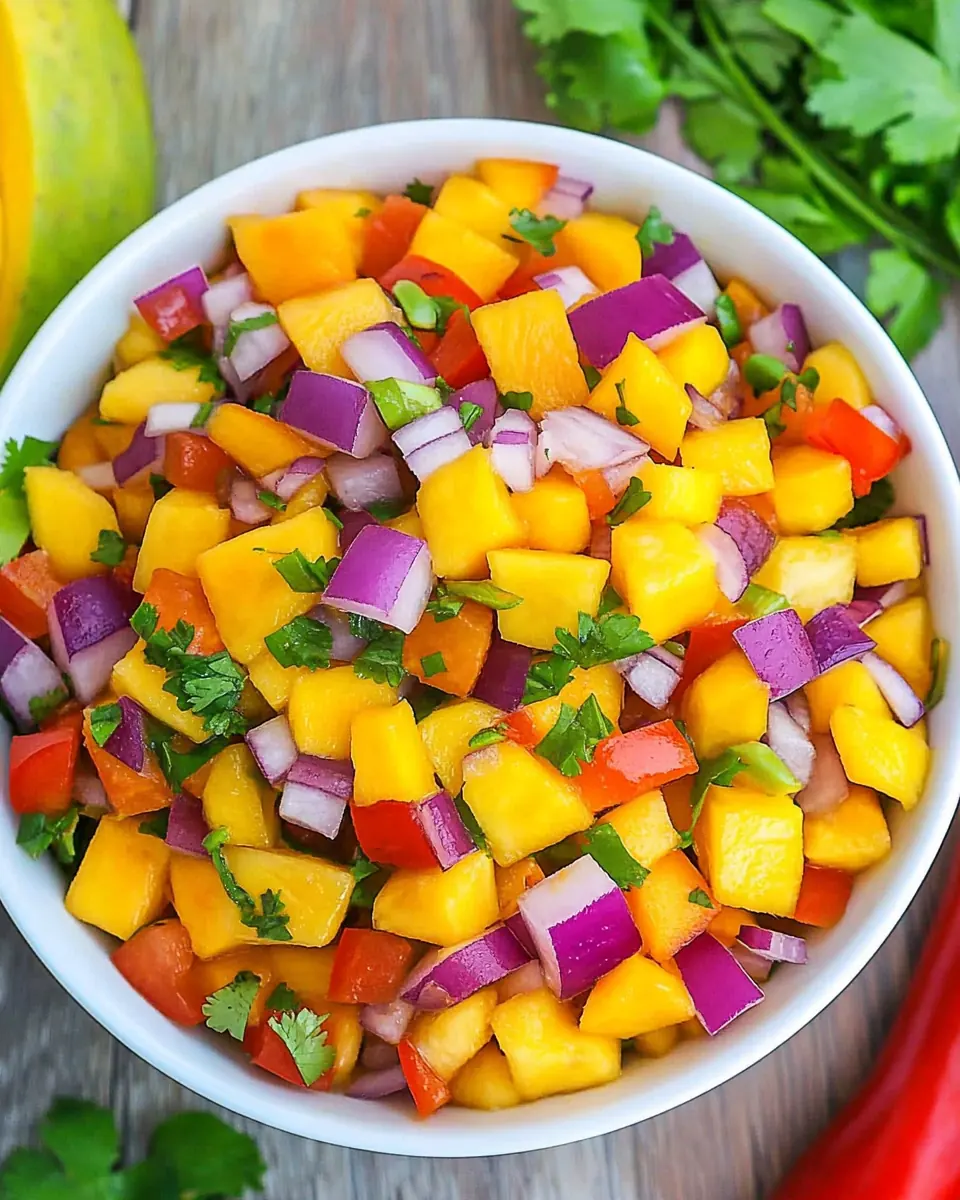
There are simple swaps and subtle tweaks that keep the spirit of Mango Salsa while letting you personalize heat, texture, and herbal profile. Here are practical ideas to make it fit your pantry and preferences.
- Use different mango varieties, try Ataulfo for buttery sweetness or Tommy Atkins for a firmer texture, each will subtly change mouthfeel.
- Control the heat, remove seeds and membranes from the jalapeno for mild spice or leave them in for more kick, and add incrementally to taste.
- Make it herb free, omit the cilantro if you or guests dislike it, and replace its brightness with a little extra lime juice instead.
- Boost crunch, keep the bell pepper and chop it fine to add a crisp counterpoint without changing flavor drastically.
- Adjust salt carefully, start with a pinch and increase gradually because too much salt will overwhelm the fresh components.
Serving Ideas for Mango Salsa
This salsa is designed to shine across occasions, from casual snack time to a festive buffet. Below are serving concepts that highlight its versatility and practical storage notes to keep it ready for several meals.
- As a chip dip, serve chilled with tortilla chips for a bright appetizer that pairs well with light beers or sparkling water.
- Topping for grilled proteins, spoon over simply seasoned fish or chicken to add sweet acidity and fresh texture.
- Side for tacos, use it as a vibrant counterpoint on fish or vegetable tacos in place of heavier sauces.
- Sandwich enhancer, add a scoop to wraps or open sandwiches for freshness and a punch of flavor against creamy spreads.
- Party bowl, present it in a colorful bowl alongside other salsas and dips for a buffet style spread at gatherings.
- Storage tips, refrigerate in an airtight container up to four days, and stir gently before serving to redistribute juices.
- Seasonal pairing, it pairs especially well with summer menus featuring grilled vegetables and light salads, and is ideal for outdoor entertaining.
FAQ
Conclusion
Mango Salsa stands out because it balances ripe fruit sweetness with bright acid and a touch of savory crunch, creating a versatile condiment that feels both festive and effortless. Give it a try the next time mangoes are at their best, and you might find it becoming a regular for snacks, tacos, and grilled meals. I hope this recipe inspires you to taste and tweak until it fits your palate perfectly, and that it brings a little sunshine to your table.
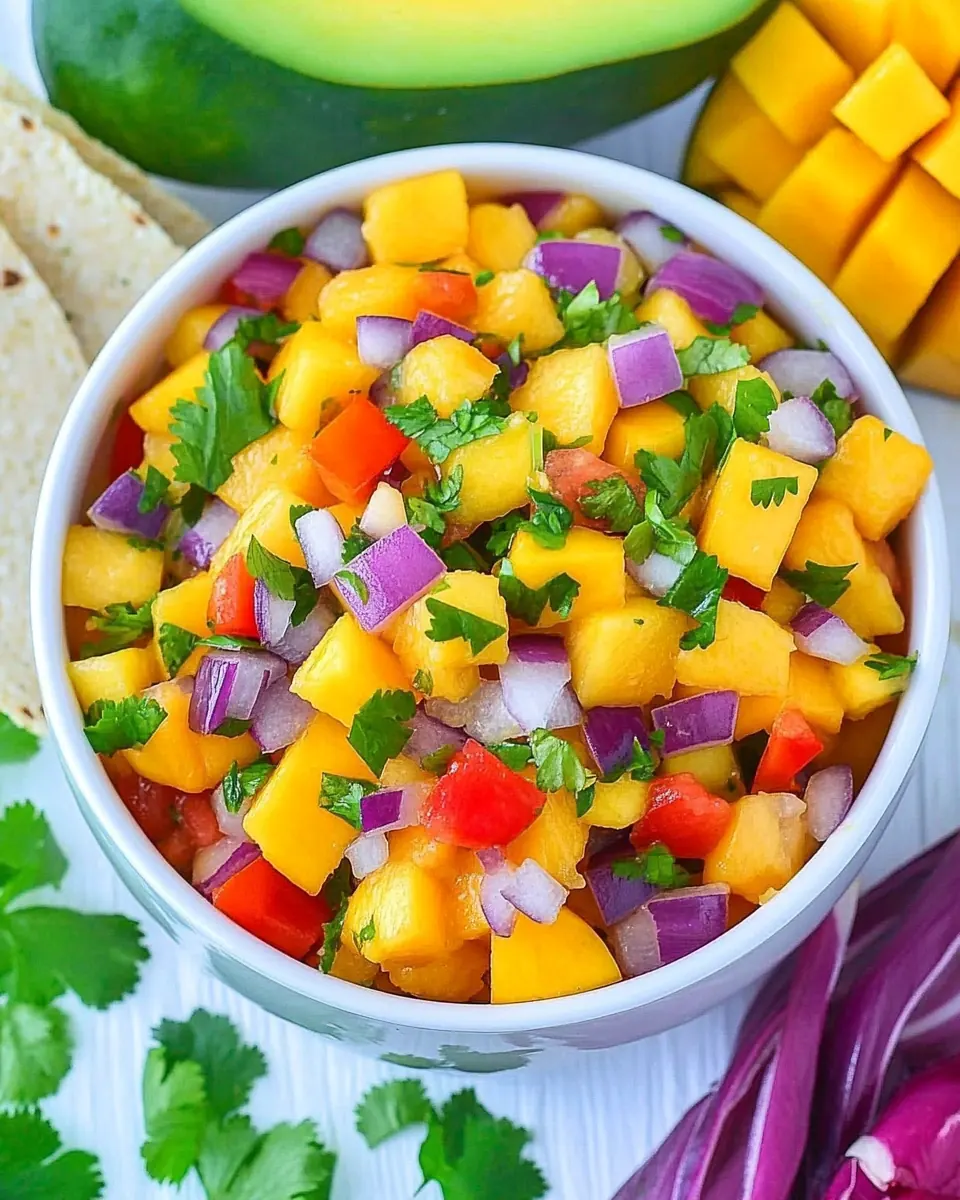
Mango Salsa
Ingredients
Equipment
Method
- Feel free to stir in any of the ingredient suggestions listed earlier in this post. The recipe is great for using up whatever fruit or veggies you have on hand. To make the salsa, simply stir all ingredients together. Serve either cold or hot, and refrigerate leftovers in a covered container for up to four days. If you try it, be sure to rate the recipe below!: The moment you mix in optional bits like the jalapeno or bell pepper you will notice new aromas rising from the bowl, and these additions change the salsa character more than you might expect. Sensory cues are crucial here, pay attention to the way heat from peppers opens the nose and how bell pepper adds a fresh vegetal crunch. Why this matters, is that each optional ingredient should enhance, not compete with, the sweetness of the mango . A troubleshooting tip is to add optional ingredients incrementally and taste between additions, because it is easy to overshoot with heat or raw onion intensity.
- The recipe is great for using up whatever fruit or veggies you have on hand: As you combine produce, note the differing textures and moisture levels, because softer fruits will break down faster than crunchy vegetables. Listen for the quiet shift in texture as you toss, and watch for excess liquid that can make the salsa watery. The reason this flexibility is helpful, is it lets you customize the salsa to the season and pantry, but avoid mixing very watery fruit without adjusting acid or salt, since that can thin the mixture and mute flavors.
- To make the salsa, simply stir all ingredients together: When you bring the components together, look for uniform distribution of color and texture, and smell the citrus brightening the bowl. A gentle toss is preferable to vigorous mixing, which can bruise the mango into a puree. This technique preserves those pretty cubes that make the salsa appealing. One common mistake is over stirring, which reduces visual appeal and can change mouthfeel, so stop once everything is evenly coated.
- Serve either cold or hot, and refrigerate leftovers in a covered container for up to four days: Serving temperature shifts the profile, chilled salsa reads as crisp and refreshing, while a room temperature bowl amplifies aroma and softness. If refrigerating, pack the salsa into an airtight container and press a piece of parchment or plastic directly on the surface to limit oxidation. Keep in mind textures will soften over time, and overly long storage will dull the bright notes, so aim to consume within the suggested window.
- If you try it, be sure to rate the recipe below: Feedback helps refine the balance between acid, salt, and heat, so pay attention to how each element reads on your palate and note any tweaks you made. Sensory journaling, even briefly, is a helpful habit, because your next batch will be better tuned to your preferences. A frequent oversight is neglecting to taste after resting, because flavors settle and often improve after a short rest, so taste again before serving and adjust if needed.
Notes
- Use different mango varieties, try Ataulfo for buttery sweetness or Tommy Atkins for a firmer texture, each will subtly change mouthfeel.
- Control the heat, remove seeds and membranes from the jalapeno for mild spice or leave them in for more kick, and add incrementally to taste.
- Make it herb free, omit the cilantro if you or guests dislike it, and replace its brightness with a little extra lime juice instead.
- Boost crunch, keep the bell pepper and chop it fine to add a crisp counterpoint without changing flavor drastically.
- Adjust salt carefully, start with a pinch and increase gradually because too much salt will overwhelm the fresh components.