Marshmallow Berry Flower Cookies
Marshmallow Berry Flower Cookies started as a sunny afternoon experiment in my kitchen the first spring I wanted a treat that looked as cheerful as it tasted.
I remember pulling out a faded cookie cutter box, humming an old song, and thinking about how small details can make a simple recipe feel festive. I was craving something tender and buttery that would pair with bright berry flavor, and the idea of a little floral sandwich cookie felt just right. I mixed the dough with a childlike focus, watching it change texture from dusty crumbs to a cohesive mass, and I felt oddly proud when the first cutout held its shape. The assembly, with a glossy dollop of filling, felt like crafting more than baking. Friends who visited that weekend kept asking for the recipe, and it quickly became my go to for casual gatherings and tea time.
What I love about these cookies is how approachable they are, even when you want them to look special. They respond nicely to different cutters and decorations, and the berry filling keeps them from being cloying while the marshmallow brings a light, pillowy note. I often make a batch when I want a snack that will charm guests without taking all day. Over time I developed a few little tricks to keep the shapes crisp and the centers perfectly balanced. This recipe is one of those joyful projects that makes the kitchen smell like warmth and childhood, and it disappears fast whether you serve it at a small party or keep it around for satisfying mid afternoon cravings.
Recipe Snapshot
15 mins
5 mins
10 mins
Medium
150 kcal
American
Gluten-Free, Low FODMAP
Desserts
Food Processor, Cookie Cutter, Baking Sheets, Parchment Paper, Wire Rack
Why This Marshmallow Berry Flower Cookies Stands Out
They feel like homemade gifts
I love giving these cookies because they look handcrafted, and they wrap easily for neighbors or friends. The floral shapes add an instant hand made quality, and people instinctively smile when they receive a box. I find the presentation matters as much as the flavor, and these hold up well during transport.
Balance of textures and flavors
These cookies combine a tender, buttery crumb with a soft, sweet filling. The contrast between the slightly crisp edge and the pillowy center is delightful. When I bite into one, I get the shortbread like melt from the cookie and a bright berry note from the preserves, which prevents the overall sweetness from becoming heavy.
Simple technique, impressive result
The method uses basic kitchen tools, and the steps are forgiving. I appreciate recipes that welcome beginners, and these cookies reward gentle handling and a short chill. With small adjustments to thickness or bake time, you can make them pillowy or crisp. I often teach friends to make them because the learning curve is small and the payoff is huge.
Adaptable for seasons and celebrations
Even though these cookies are floral in style, they travel well across occasions. I make them for casual tea, birthday treats, and garden gatherings. Change the preserves or decorations and you instantly shift the mood. That flexibility makes the recipe a keeper in my repertoire.
Kid friendly assembly
Kids enjoy cutting shapes and sandwiching the filling, which turns baking into a shared activity. I find that letting little helpers press the cutters and add filling creates memories and a sense of pride. The steps are simple enough for supervised children to feel involved without creating chaos.
Ingredients to Make Marshmallow Berry Flower Cookies

I think of the ingredient list as a small cast of characters, each with a clear role. The flour provides structure, the butter lends richness and tenderness, and the sugar sweetens while helping with texture. The egg yolk binds and adds color, while the marshmallow fluff and berry preserves form the playful filling that brings softness and bright flavor to every bite.
- 2 cups flour: Provides structure and bulk to the dough, forming the framework that holds the cookies together. Supplies gluten and starch which brown during baking for texture and slight chew. Helps absorb moisture from wet ingredients to create a manageable dough.
- 12 tbsp butter: Adds richness and tenderness to the cookies by coating flour proteins and limiting gluten development. Contributes a creamy mouthfeel and aids in spreading during baking for a soft interior. Supplies flavor and helps achieve a golden exterior.
- 2/3 cups sugar: Sweetens the dough and assists with browning through caramelization, contributing to flavor depth. Influences texture by adding moisture and slight chewiness depending on creaming with butter. Helps dissolve and distribute small air pockets when creamed, aiding lift.
- 1 egg yolk: Enriches the dough with fat and emulsifiers that improve texture and binding without adding extra moisture. Contributes to a tender crumb and helps create a finer, more cohesive dough. Adds a subtle richness and glossy finish when mixed in properly.
- 7.5 oz marshmallow fluff: Provides a light, sweet, and fluffy filling element that melts slightly when baked, creating pockets of tender sweetness. Adds a distinct marshmallow flavor and soft texture contrast to the cookie base. Helps bind with adjacent dough for decorative or filling effects.
- 2 tbsp berry preserves: Contributes concentrated fruit flavor and controlled sweetness for a bright, tangy accent in the center or on top. Adds a bit of moisture and sticky texture that helps decorative elements adhere. Balances richness with acidity and aromatic berry notes.
Making Marshmallow Berry Flower Cookies
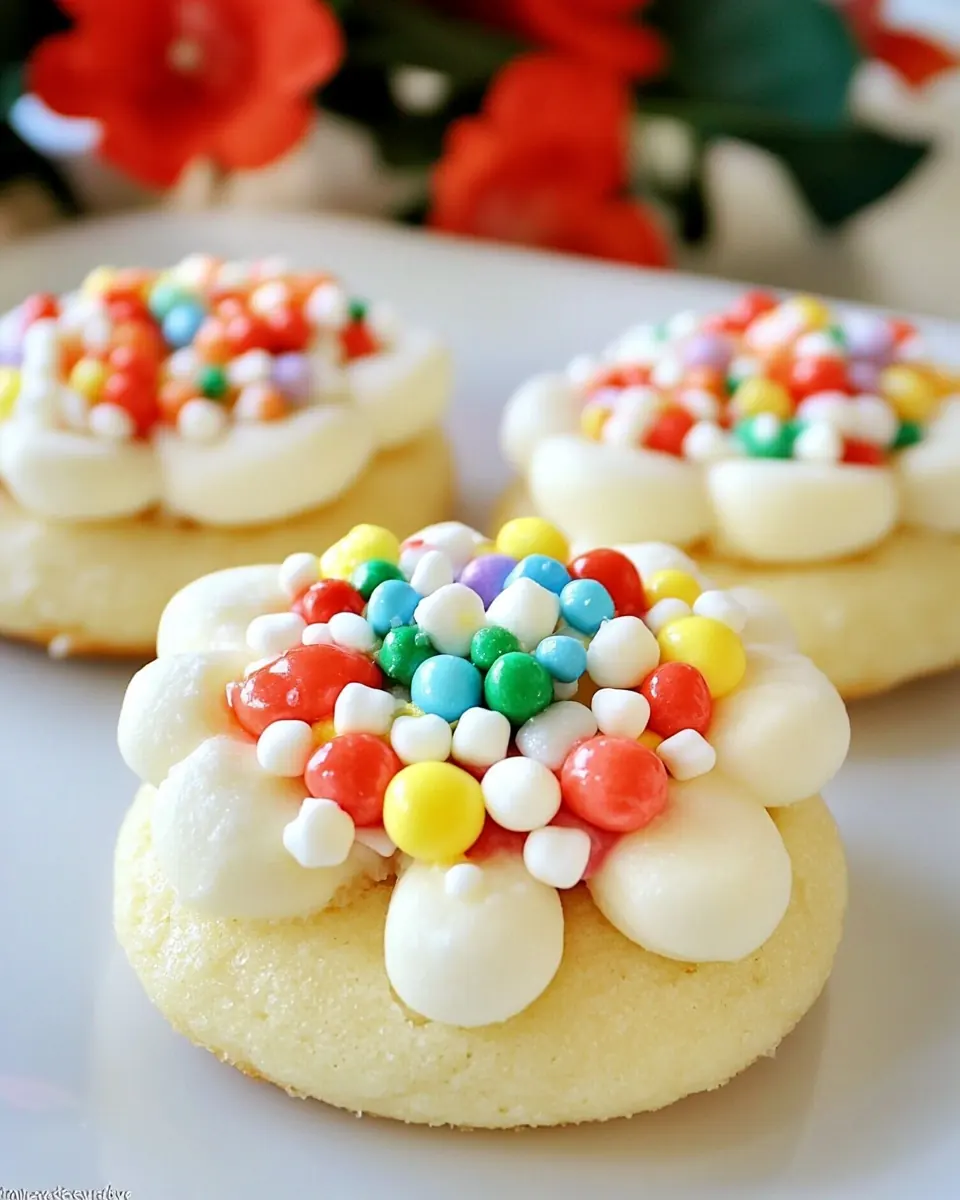
These instructions walk you through each tactile moment, from pulsing the dry mix to assembling the floral sandwiches. Follow the sensory cues and cool the pieces before you fill them to keep the shapes intact. I like to pause at key moments to assess texture so the final cookies feel balanced and fresh.
- Put flour and butter in food processor and pulse until mixture resembles small crumbs.: The sound of the machine sifting and chopping should change from loud clanks to a steady, muffled whir, and you will see pea sized bits of butter dispersed in the flour . This texture is crucial because those small fat pockets melt in the oven and create tender layers. If you overprocess and the mix becomes pasty you will lose that flaky quality, so pulse in short bursts and check frequently. A common mistake is running the processor too long, which warms the butter and leads to spread.
- Add in the sugar and egg yolk and process until the mixture begins to form a dough. The dough will still be crumbly.: As the machine runs, the ingredients will start to clump and you might notice larger fragments joining into small cohesive bits. You want the mixture to just start holding together, not become a dense ball. This early cohesion signals that the egg yolk is doing its job as a binder, while the sugar helps with structure. If the mixture becomes entirely sticky, stop and refrigerate briefly; overprocessing can make the dough gummy.
- Knead dough on a lightly floured surface until it comes together and is smooth.: Under your hands the dough should change from rough crumbs to a smooth sheet, and you will feel it become pliable without being sticky. The tactile shift is important because gentle kneading aligns the ingredients while avoiding too much gluten development, which would toughen the cookie. If you overwork the dough it will tighten and resist rolling, so knead only until smooth. A common issue is adding too much flour here, which dries the dough; instead use sparing dustings to manage stickiness.
- Wrap up in plastic wrap and refrigerate for 30 minutes.: The dough will firm and chill in the fridge, becoming easier to roll and cut without warping in the oven. Chilling solidifies the butter pockets so the cookies keep their shape and develop flakiness when baked. If you skip this pause, the cookies can spread and lose crisp edges. Avoid leaving it much longer than an hour uncovered, as it may dry out; keep it wrapped to retain moisture.
- Preheat oven to 350 degrees. Line two baking sheets with parchment paper or lightly grease.: The oven should reach full temperature so the cookies begin setting as soon as they enter, which preserves shape and texture. Lining sheets ensures even browning and easy release, and you will hear a faint settling sound when you place the trays in. If the oven is not preheated, cookies can bake inconsistently, so use an oven thermometer if your dial is unreliable. Placing too many on a sheet causes crowding and uneven baking.
- Roll out dough on a lightly floured surface to 1/4 inch thickness.: As you roll, you will see the dough stretch smoothly and maintain a consistent thickness, which is essential for uniform baking. The surface should have a fine dusting of flour to prevent sticking without incorporating too much extra flour into the dough. Rolling too thin will give crisp, delicate cookies while rolling thicker yields a more tender interior. Watch for cracks along the edges, which indicate the dough is too cold or dry; press gently to mend them.
- Cut out cookies with cookie cutter. If you are doing cutouts, do half of the cookies whole, and half of them with a cutout.: The act of cutting should create clean edges and leave negative space if you are making sandwich tops with windows. Having matching solid bottoms and windowed tops makes assembly charming and lets the filling peek through. Use even pressure and a quick lift to avoid dragging the shape. A frequent misstep is twisting the cutter, which deforms the shape; lift straight up for a clean edge.
- Place on cookie sheet and bake for 10 minutes or just until you see a little color. Do not over bake!: While baking you will notice the edges take on a pale gold and the center sets without browning too much. The aroma shifts from raw dough to warm butter and sugar, and that is your cue to check them. Over baking dries the cookies and flattens the texture, so watch closely in the last few minutes. If you see dark brown edges the cookies have gone past their tender point.
- Cool on a wire rack.: Cooling allows steam to escape and the structure to finish setting, and you will feel the difference as the cookies firm up slightly but remain tender. Use a rack to avoid residual heat from the baking sheet continuing to brown the bottoms. If you stack them too early they can stick together, so wait until fully cooled. A typical error is trying to separate hot cookies which can tear or leave crumbs.
- Combine marshmallow fluff and preserves in a small bowl.: When you stir these together the mixture should become glossy, with streaks of fruit color evenly distributed through the fluffy mass. The scent of the preserves will brighten the sweet marshmallow, creating an enticing aroma. Mixing gently preserves the airy texture of the marshmallow fluff , while a vigorous stir can deflate it and alter mouthfeel. If your preserves are very chunky, briefly warming them makes them easier to incorporate, but avoid overheating.
- Once cookies are cooled, spread 1 tablespoon of filling onto bottom cookie and place another cookie on top. Top with decorations of your choice or leave plain.: When you assemble the sandwiches, press lightly so the filling reaches the edges without squishing out. The contrast between the crisp edge and soft filling is satisfying, and the finished cookie should hold a neat profile. Decorate while the filling is still soft so embellishments adhere well. Common mistakes include adding too much filling which causes sliding, or assembling warm cookies which melts the filling and ruins the shape.
Customization Ideas
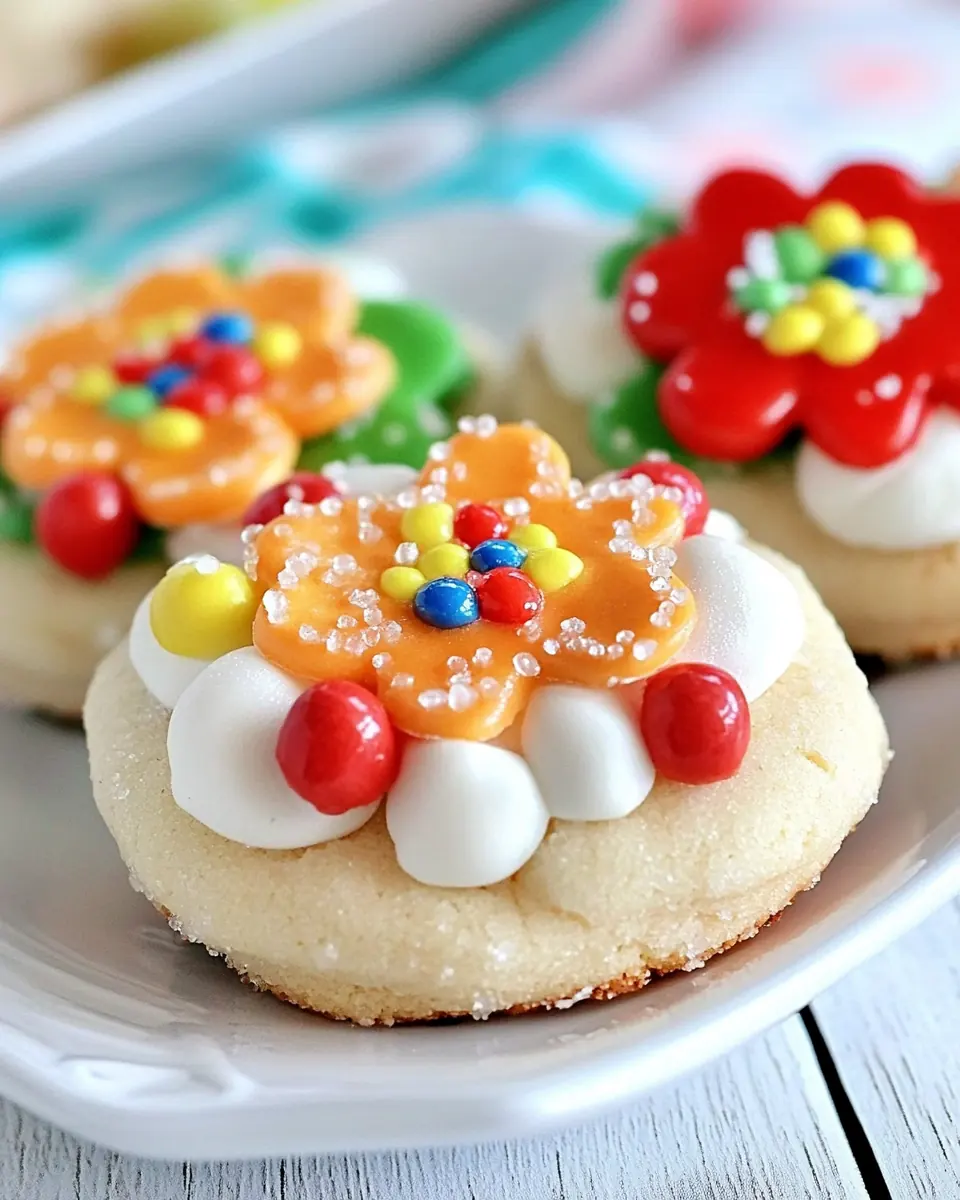
These ideas help you tailor the cookies to different occasions and flavor preferences, while keeping the central technique intact. Small swaps in preserves or decorations transform the mood of the cookie without changing the base dough.
- Swap preserves Substitute different fruit preserves for unique flavors, such as raspberry or apricot, to shift the cookie profile while keeping the same filling texture.
- Adjust thickness Roll to a slightly thinner or thicker 1 8 inch to 3 8 inch range to make either crisp or more tender cookies, depending on preference and oven behavior.
- Window shapes Use different cutters for the top to create varied visual effects, such as stars or hearts, which makes them perfect for holidays or special events.
- Decorative edges Lightly press the cookie edges with a fork or patterned roller before baking to add subtle texture that holds up after sandwiching.
- Serving size Make mini versions by using smaller cutters for bite sized treats that are excellent for parties or platters.
Pairing Suggestions for Marshmallow Berry Flower Cookies
These cookies are friendly companions to simple beverages and light gatherings, and they present well on dessert trays. Consider pairing them with subtle drinks or seasonal fruit to balance the sweetness. They work for casual afternoon tea as well as celebratory trays because they are easy to arrange and transport.
- Casual tea Serve with a mild brewed tea or herbal infusion so the cookie sweetness is highlighted without overpowering the beverage.
- Brunch platter Add to a brunch board alongside fresh fruit and light pastries for variety in texture and color.
- Party favors Wrap a few in cellophane for a charming handout at showers, small celebrations, or neighborhood gifts.
- Storage tips Store in an airtight container at room temperature for up to three days to maintain texture, or refrigerate for longer keeping but allow to come to room temperature before serving.
- Seasonal pairings In spring and summer, lean into fresh berries when serving, while in cooler months choose deeper fruit preserves for a cozy note.
FAQ
Conclusion
These Marshmallow Berry Flower Cookies shine because they combine a tender, buttery cookie with a light, fruity filling for a bite that is both playful and elegant. Give them a try the next time you want a pretty dessert that still feels effortless to make. They are great for sharing, gifting, or enjoying with a quiet cup of tea, and their cheerful presentation makes them a reliable favorite for many occasions.
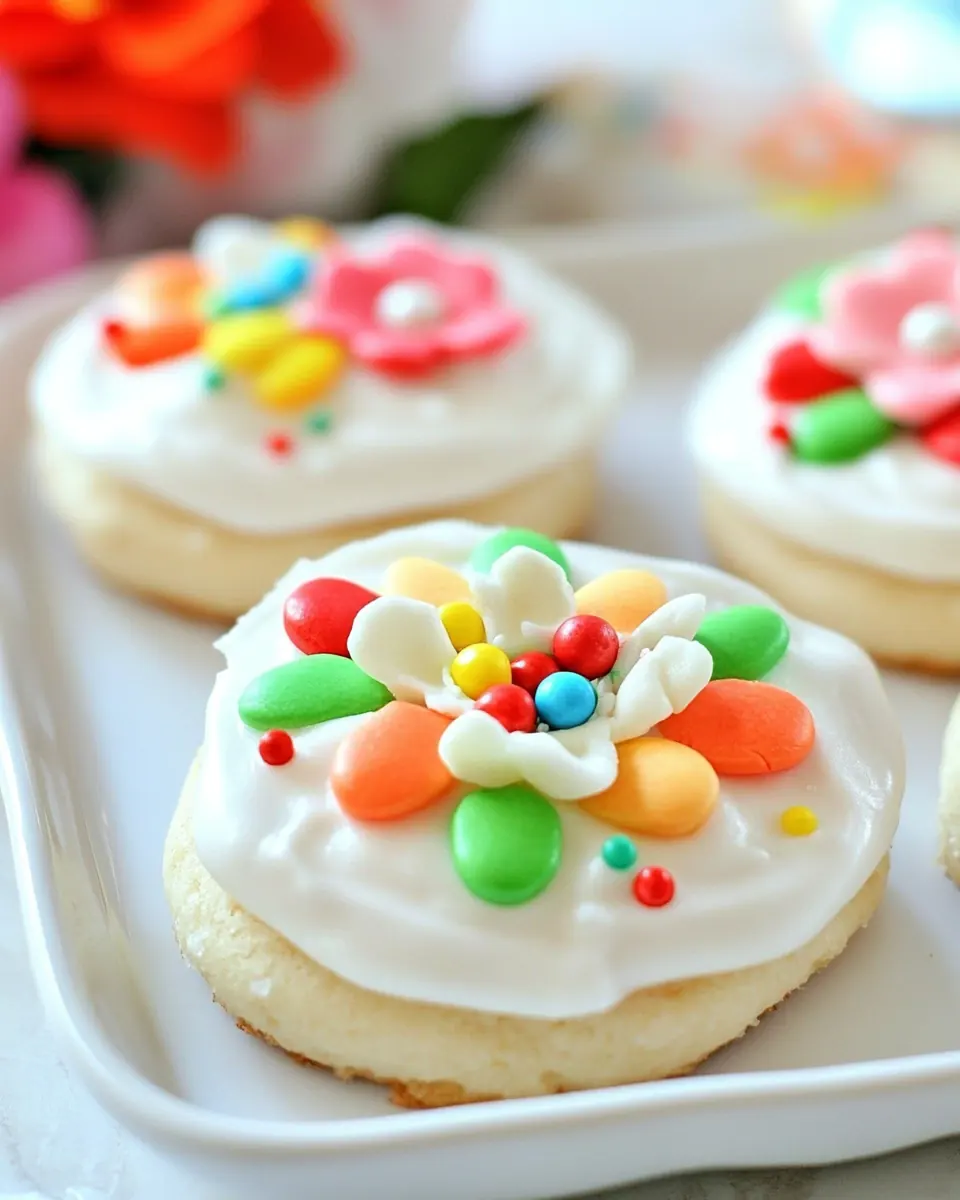
Marshmallow Berry Flower Cookies
Ingredients
Equipment
Method
- Put flour and butter in food processor and pulse until mixture resembles small crumbs.: The sound of the machine sifting and chopping should change from loud clanks to a steady, muffled whir, and you will see pea sized bits of butter dispersed in the flour . This texture is crucial because those small fat pockets melt in the oven and create tender layers. If you overprocess and the mix becomes pasty you will lose that flaky quality, so pulse in short bursts and check frequently. A common mistake is running the processor too long, which warms the butter and leads to spread.
- Add in the sugar and egg yolk and process until the mixture begins to form a dough. The dough will still be crumbly.: As the machine runs, the ingredients will start to clump and you might notice larger fragments joining into small cohesive bits. You want the mixture to just start holding together, not become a dense ball. This early cohesion signals that the egg yolk is doing its job as a binder, while the sugar helps with structure. If the mixture becomes entirely sticky, stop and refrigerate briefly; overprocessing can make the dough gummy.
- Knead dough on a lightly floured surface until it comes together and is smooth.: Under your hands the dough should change from rough crumbs to a smooth sheet, and you will feel it become pliable without being sticky. The tactile shift is important because gentle kneading aligns the ingredients while avoiding too much gluten development, which would toughen the cookie. If you overwork the dough it will tighten and resist rolling, so knead only until smooth. A common issue is adding too much flour here, which dries the dough; instead use sparing dustings to manage stickiness.
- Wrap up in plastic wrap and refrigerate for 30 minutes.: The dough will firm and chill in the fridge, becoming easier to roll and cut without warping in the oven. Chilling solidifies the butter pockets so the cookies keep their shape and develop flakiness when baked. If you skip this pause, the cookies can spread and lose crisp edges. Avoid leaving it much longer than an hour uncovered, as it may dry out; keep it wrapped to retain moisture.
- Preheat oven to 350 degrees. Line two baking sheets with parchment paper or lightly grease.: The oven should reach full temperature so the cookies begin setting as soon as they enter, which preserves shape and texture. Lining sheets ensures even browning and easy release, and you will hear a faint settling sound when you place the trays in. If the oven is not preheated, cookies can bake inconsistently, so use an oven thermometer if your dial is unreliable. Placing too many on a sheet causes crowding and uneven baking.
- Roll out dough on a lightly floured surface to 1/4 inch thickness.: As you roll, you will see the dough stretch smoothly and maintain a consistent thickness, which is essential for uniform baking. The surface should have a fine dusting of flour to prevent sticking without incorporating too much extra flour into the dough. Rolling too thin will give crisp, delicate cookies while rolling thicker yields a more tender interior. Watch for cracks along the edges, which indicate the dough is too cold or dry; press gently to mend them.
- Cut out cookies with cookie cutter. If you are doing cutouts, do half of the cookies whole, and half of them with a cutout.: The act of cutting should create clean edges and leave negative space if you are making sandwich tops with windows. Having matching solid bottoms and windowed tops makes assembly charming and lets the filling peek through. Use even pressure and a quick lift to avoid dragging the shape. A frequent misstep is twisting the cutter, which deforms the shape; lift straight up for a clean edge.
- Place on cookie sheet and bake for 10 minutes or just until you see a little color. Do not over bake!: While baking you will notice the edges take on a pale gold and the center sets without browning too much. The aroma shifts from raw dough to warm butter and sugar, and that is your cue to check them. Over baking dries the cookies and flattens the texture, so watch closely in the last few minutes. If you see dark brown edges the cookies have gone past their tender point.
- Cool on a wire rack.: Cooling allows steam to escape and the structure to finish setting, and you will feel the difference as the cookies firm up slightly but remain tender. Use a rack to avoid residual heat from the baking sheet continuing to brown the bottoms. If you stack them too early they can stick together, so wait until fully cooled. A typical error is trying to separate hot cookies which can tear or leave crumbs.
- Combine marshmallow fluff and preserves in a small bowl.: When you stir these together the mixture should become glossy, with streaks of fruit color evenly distributed through the fluffy mass. The scent of the preserves will brighten the sweet marshmallow, creating an enticing aroma. Mixing gently preserves the airy texture of the marshmallow fluff , while a vigorous stir can deflate it and alter mouthfeel. If your preserves are very chunky, briefly warming them makes them easier to incorporate, but avoid overheating.
- Once cookies are cooled, spread 1 tablespoon of filling onto bottom cookie and place another cookie on top. Top with decorations of your choice or leave plain.: When you assemble the sandwiches, press lightly so the filling reaches the edges without squishing out. The contrast between the crisp edge and soft filling is satisfying, and the finished cookie should hold a neat profile. Decorate while the filling is still soft so embellishments adhere well. Common mistakes include adding too much filling which causes sliding, or assembling warm cookies which melts the filling and ruins the shape.
Notes
- Swap preserves Substitute different fruit preserves for unique flavors, such as raspberry or apricot, to shift the cookie profile while keeping the same filling texture.
- Adjust thickness Roll to a slightly thinner or thicker 1 8 inch to 3 8 inch range to make either crisp or more tender cookies, depending on preference and oven behavior.
- Window shapes Use different cutters for the top to create varied visual effects, such as stars or hearts, which makes them perfect for holidays or special events.
- Decorative edges Lightly press the cookie edges with a fork or patterned roller before baking to add subtle texture that holds up after sandwiching.
- Serving size Make mini versions by using smaller cutters for bite sized treats that are excellent for parties or platters.