Easy Baked Beans
Easy Baked Beans has been my go to when I want something comforting, simple, and reliably cozy on the table. The first time I made it for friends who dropped by last minute, I remember the warm, sweet smell of maple and tomato filling the kitchen while we swapped stories at the counter. I love how this recipe feels approachable, yet somehow more thoughtful than just opening a can, and that memory kept me making it whenever I needed an easy dish that still felt like care.
Over the years I’ve tweaked little things, like gently sweating the onion until it softens, and balancing the barbecue and maple so the beans sing, not shout. Every time I stir the pot, the surface ripples with glossy sauce and the beans stay tender without falling apart. It becomes one of those dishes I reach for when I want something that pairs well with family dinners, potlucks, or a relaxed weeknight where I want leftovers to taste even better the next day.
Recipe Snapshot
30 mins
10 mins
20 mins
Easy
200 kcal
American
Vegan, Gluten-Free
Dinner
Small saucepan, Whisk, Colander
What’s Great About This Easy Baked Beans
1. Comforting simplicity
I adore how Easy Baked Beans takes pantry staples and turns them into something cozy. With just canned Great Northern Beans, a handful of sauces, and a little time on the stove, you get a dish that tastes like effort without demanding it. I always appreciate recipes that reward patience rather than precision.
2. Balanced sweet and savory
What makes me come back to this version is the blend of maple syrup, ketchup, and barbecue sauce with a touch of smoked paprika and dry mustard. Those contrasts create depth, so each spoonful feels layered. I like that you can sense the sweetness first, then the savory notes linger, giving the beans real personality.
3. Texture that comforts
I value texture, and here the beans stay intact yet saucy. Sautéing the onion in extra virgin olive oil softens it and adds a gentle savory base, while simmering the beans in sauce lets them absorb flavor without disintegrating. That balance keeps the dish hearty and satisfying in my book.
4. Versatility
Easy Baked Beans works at a barbecue, tucked into a lunch plate, or served as a side for family dinners. I love that it sits comfortably on both casual and slightly more deliberate occasions. It pairs with simple greens, bread, or grain bowls, so I reach for it often when planning a no fuss menu.
5. Make ahead friendly
This recipe is forgiving when reheated, which is one reason I make a big batch. The flavors deepen after a day in the refrigerator, and reheating gently restores the sauce to a glossy finish. I appreciate recipes that get better with time, because they free me up for the busy parts of life.
Recipe Ingredients for Easy Baked Beans
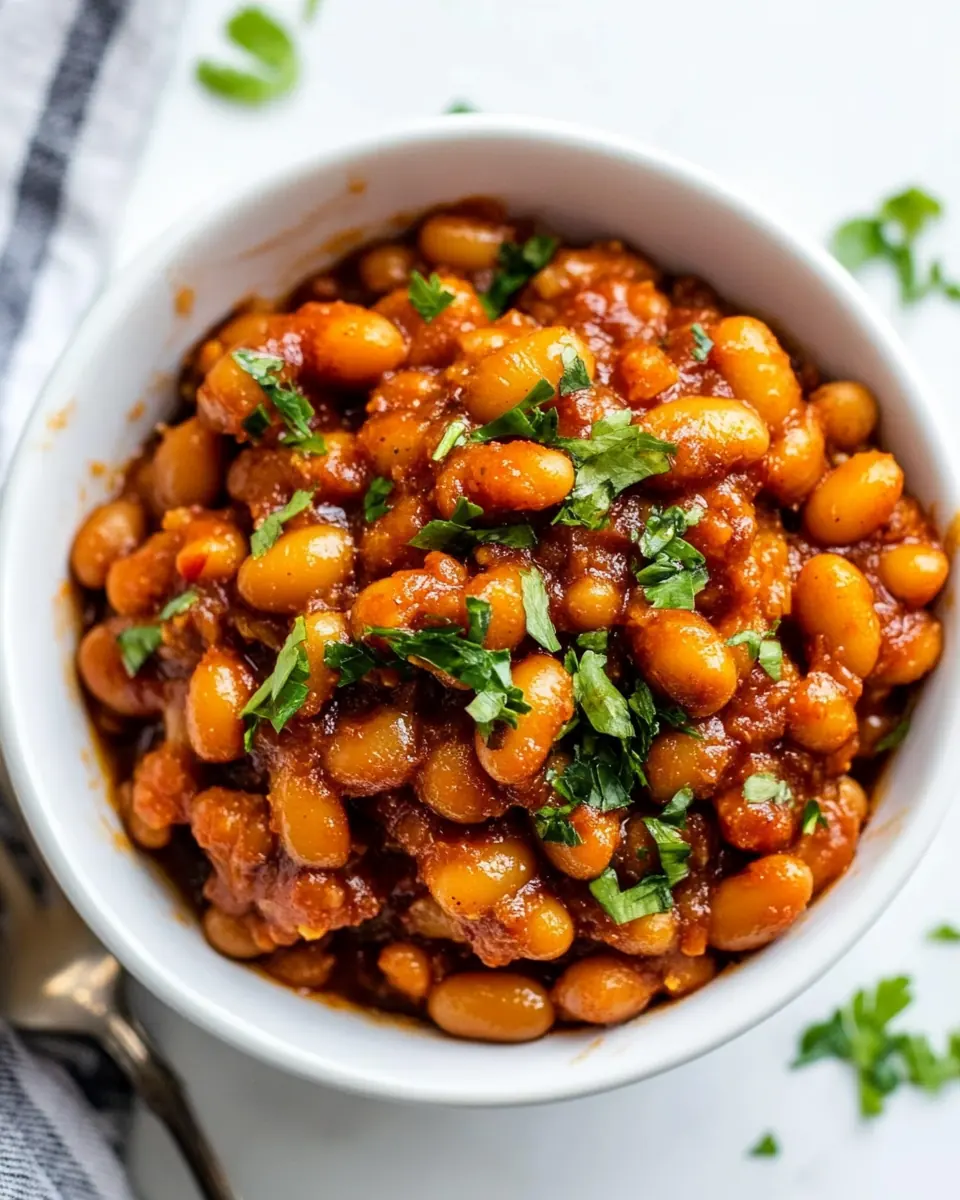
These ingredients are chosen to create a harmony of sweet, smoky, and savory flavors while keeping the dish approachable. The beans are the base and carry texture, while the sauces and spices build a layered flavor profile. The onion is a small, quiet hero that rounds the sauce, and the extra virgin olive oil helps develop aroma when sautéed. Together they form a pantry friendly lineup that works in almost any season.
- 2 cans Great Northern Beans (15-ounce cans): Drained and rinsed to add tender, creamy bean body and plant-based protein to the dish; provides the main texture and substance that soaks up sauces while keeping the bake hearty and satisfying. Canned beans speed preparation and ensure consistent creaminess after baking, melding with spices for a comforting base.
- 1/4 cup plus 2 tablespoons barbecue sauce recommended: Homemade Barbecue Sauce: Added to contribute a smoky-sweet backbone and depth, offering caramelized sugar notes and a tangy molasses character that complements the ketchup and maple syrup. Recommended Homemade Barbecue Sauce enhances complexity and brings a layered flavor profile that ties the beans together during baking.
- 1/4 cup ketchup: Poured in for bright tomato sweetness and tang that balances the richness of the barbecue sauce and maple syrup while helping form a saucy glaze. Ketchup contributes viscosity and familiar flavor to classic baked beans, helping the mixture cling to the beans.
- 3 tablespoons maple syrup: Stirred in to impart natural sweetness and a warm, caramel-like maple character that rounds out savory and acidic elements; helps create a glossy finish on the baked beans. Maple syrup also adds nuanced sweetness that pairs well with smoked paprika and mustard for a balanced flavor.
- 1 tablespoon tomato paste: Blended in to intensify tomato flavor and add concentrated umami and acidity without thinning the sauce; helps thicken the sauce and deepen the overall savory profile. Tomato paste boosts body and enriches the color of the finished beans.
- 2 teaspoons Worcestershire sauce (omit, adding extra salt to taste, to make vegetarian): Splashed for an anchoring savory, umami boost and slight tang that mimics depth found in slow-cooked recipes; provides complexity and a subtle savory bite to the sauce. Omit and add extra salt to taste when making vegetarian to respect dietary preferences.
- 1 1/2 teaspoons smoked paprika: Sprinkled to lend a smoky, mildly spicy warmth and to echo classic barbecue flavors that complement the sweet and tangy elements in the sauce. Smoked paprika adds aromatic color and a gentle smokiness without overpowering other seasonings.
- 1 teaspoon dry mustard: Mixed in to provide a bright, slightly sharp heat and mustardy earthiness that cuts through sweetness and amplifies savory notes; helps lift the overall flavor profile. Dry mustard also adds a subtle piquancy that balances the molasses-like maple syrup.
- 1/2 teaspoon ground cumin: Added to bring warm, earthy undertones and a faint citrusy background that deepens the savory spectrum; pairs well with smoked paprika and cumin to create a rounded, slightly exotic flavor. Ground cumin contributes subtle complexity without dominating the dish.
- 1/2 teaspoon kosher salt: Measured to season the beans with a clean, balanced saltiness that enhances all other flavors and helps draw out the inherent sweetness of the sauce. Kosher salt is ideal for distributing evenly and seasoning to taste during baking.
- 1/4 teaspoon ground black pepper: Sprinkled lightly to introduce gentle heat and aromatic pungency that sharpens flavors and finishes the sauce with a peppery note. Ground black pepper adds mild warmth and complements the smoked paprika and mustard.
- 2 teaspoons extra virgin olive oil: Drizzled to provide a touch of fruity richness and help sauté the onion if desired; contributes a silky mouthfeel and carries fat-soluble flavors throughout the sauce. Extra virgin olive oil also aids in melding spices and promoting gentle browning of aromatics.
- 1 small yellow onion finely diced: Finely diced to release sweet, savory aromatics that form the flavor foundation when softened; adds texture and a mellow onion sweetness that melds with the sauce during baking. Cooking the onion briefly enhances its sweetness and integrates its flavor into the beans.
Easy Baked Beans Instructions
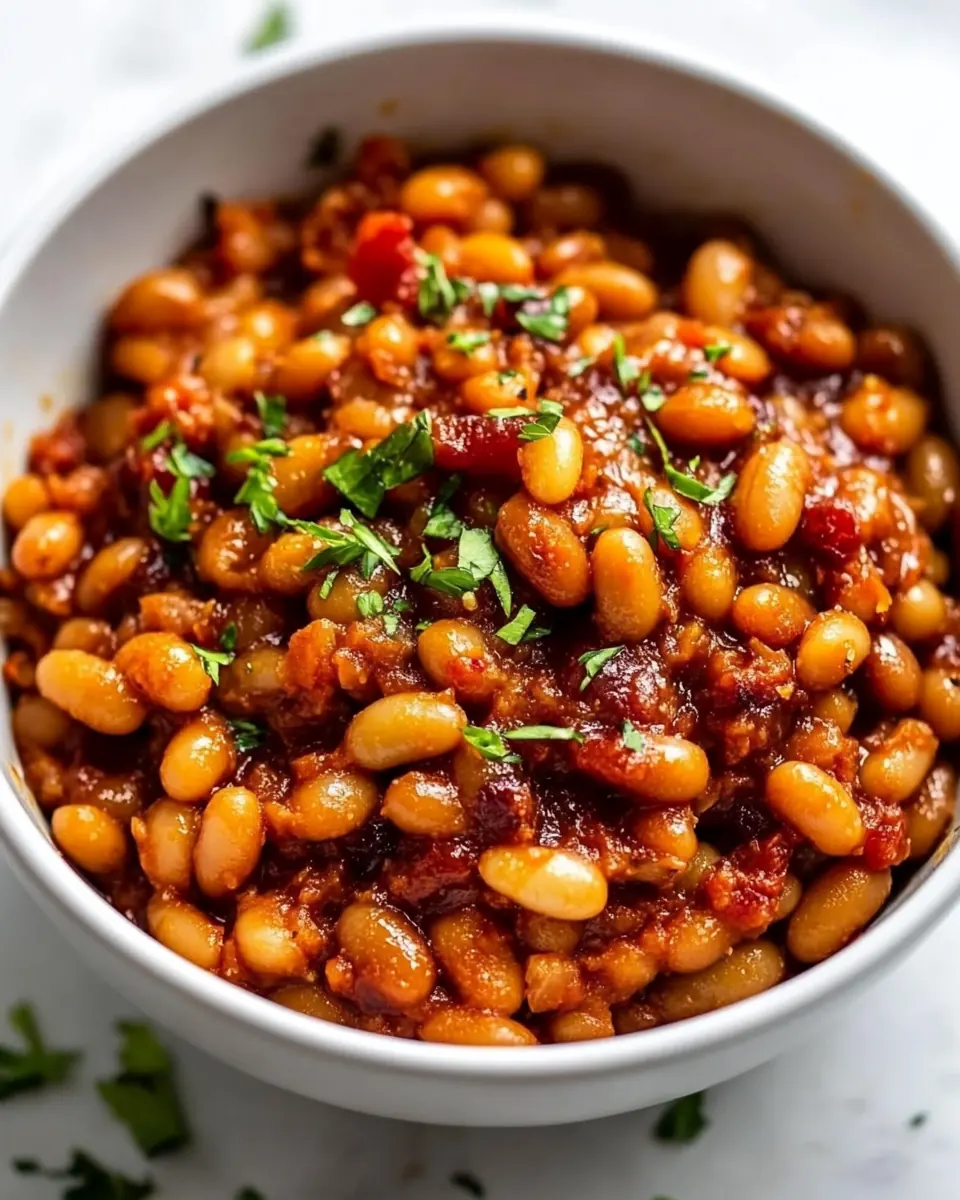
This recipe is forgiving and straightforward, and the steps below will guide you through building aroma and depth in the sauce before finishing off with a gentle simmer. I like to focus on small sensory cues while cooking, because they tell you more than time alone. Keep a wooden spoon ready, and taste as the sauce reduces so you can fine tune the balance.
- Rinse and drain beans. Set aside.: When you rinse the beans, you remove canning liquid that can taste slightly metallic, and the water runs clear when they are well washed. The sound is a soft swish as you agitate them in a colander, and the beans should look plump and glossy without sliminess. This step helps ensure a clean bean flavor and prevents excess starch from clouding the sauce. A common mistake is not draining thoroughly, which can water down the final sauce and weaken flavor, so give them a good shake and let them sit in the colander while you prepare the sauce.
- In a small bowl, whisk together the barbecue sauce, ketchup, maple syrup, tomato paste, Worcestershire, paprika, mustard, cumin, salt, and pepper. Set aside.: The aroma when you whisk these elements together is immediately bright, with sweet maple and tangy ketchup mingling into a thick, glossy mixture. Use a whisk to fully incorporate the tomato paste so it no longer appears as streaks, creating a homogeneous sauce that will cling to the beans. This mixture forms the flavor backbone, so take a moment to taste and sense if it needs more salt or heat. Avoid adding the sauce to a very hot pan yet, as sugars can scorch quickly, turning the aroma bitter rather than rich.
- Heat the olive oil in a small saucepan over medium-high. Once the oil is hot, add the onion and sauté until fragrant and soft, about 2 minutes.: The oil should shimmer gently, and as the onion hits the pan you will hear a soft sizzle and smell a sweet, savory perfume building. Stirring frequently encourages even softening and prevents browning; you want translucent, tender pieces that dissolve pleasantly into the sauce. If the pan heats too fast, the onion can brown and take on a sharper, bitter edge, so dial the heat down if you see rapid coloring before softness.
- Add the barbecue sauce mixture and bring to a boil. Add the drained beans.: When the sauce hits the warm pan, it will loosen and steam as it heats; soon you will see tiny bubbles form around the edges indicating it is coming to a boil. The scent will deepen, with sweet and smoky notes becoming more pronounced. Once the beans are added, they should glisten as the sauce coats each one. Stir gently to ensure even distribution. A frequent mistake is adding the beans to a sauce that is not fully warmed, which prevents them from absorbing flavor efficiently, so ensure the sauce is actively bubbling when the beans go in.
- Reduce heat to low and simmer for 20 minutes, stirring occasionally. Serve warm.: As the pot simmers, the sauce will thicken slightly and cling to the beans , creating a glossy finish. You will hear slow, steady bubbling and smell a concentrated blend of maple, tomato, and smoked paprika. Stir every few minutes to prevent sticking and to help the sauce reduce evenly. Simmering allows flavors to meld and the beans to absorb the sauce; skipping this step or rushing it will leave flavors shallow, and the texture may be runnier. When ready, the beans should be warm through, the sauce slightly thick, and the aroma inviting, signaling they are ready to serve.
Substitutions and Tips
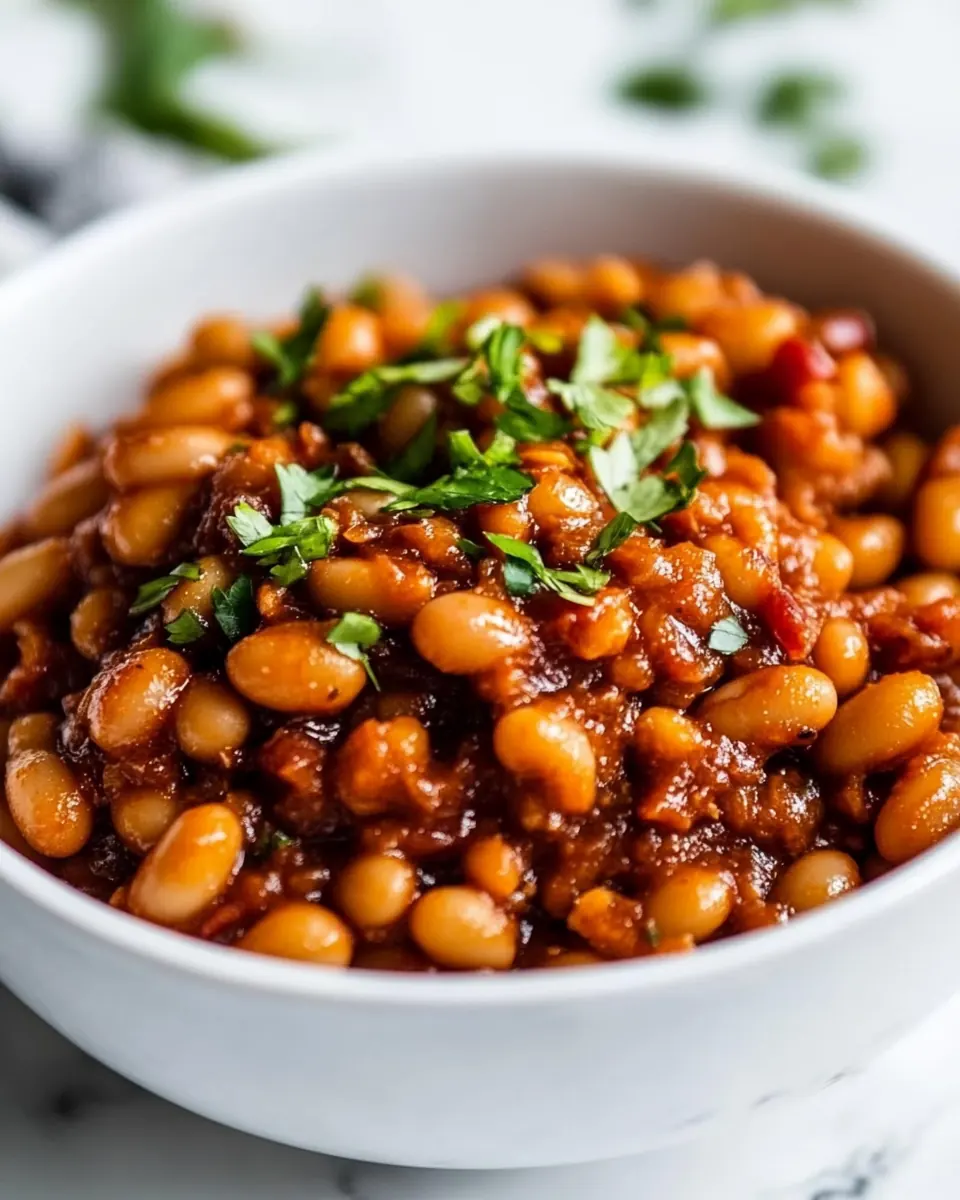
These tips expand on the recipe notes and help you get consistent results. I like to write down what worked for me, because small adjustments make a big difference over time. Each tip below starts with a short bolded phrase to highlight the idea, followed by actionable detail.
- Storage instructions Place baked beans in an airtight storage container in the refrigerator for up to 4 days, which allows flavors to meld and makes reheating straightforward. When reheating, warm gently to avoid splitting the sauce and stirring occasionally will keep texture uniform.
- Reheating methods Gently rewarm beans in a Dutch oven on the stove over medium low heat until hot. Stir frequently to prevent sticking, and add a splash of water if the sauce gets too thick. You can also reheat in the microwave in short bursts, stirring between cycles for even heating.
- Freezing guidance Store leftovers in an airtight, freezer safe container for up to 3 months. Label with date and cool completely before freezing to preserve texture. Thaw overnight in the refrigerator and rewarm slowly on the stove for best results.
- Adjusting sweetness If the sauce tastes too sweet after simmering, brighten it with a small squeeze of lemon or a touch more tomato paste, which will add acidity without introducing new ingredients.
- Onion technique Finely dice the onion so it softens quickly and integrates into the sauce; avoid browning to keep the flavor sweet and mellow rather than sharp.
Serving This Easy Baked Beans
These serving ideas focus on practical, seasonal, and occasion based pairings, with storage tips built in. I favor simple accompaniments that let the beans shine without competing. Below are thoughtful ways to present and serve the dish.
- Casual weeknight side Serve warm alongside roasted vegetables or a simple green salad for an easy weeknight meal. The beans add a hearty element that pairs well with lighter mains.
- Potluck favorite Bring the beans to a gathering served in a shallow casserole dish to keep them warm and inviting. They travel well and reheat on site, making them a reliable potluck contribution.
- Comforting lunch Spoon beans over cooked grains for a filling lunch bowl. This creates a balanced, satisfying meal with minimal effort and is portable for midday meals.
- Seasonal pairing In cooler months, serve alongside roasted root vegetables to lean into cozy flavors. In warmer weather, pair with crisp, acidic salads to balance the sauce richness.
- Storage and make ahead Make a double batch and refrigerate for up to 4 days or freeze for up to 3 months. Reheat gently and stir to restore a glossy, even texture before serving.
FAQ
Conclusion
Easy Baked Beans stand out because they transform simple pantry items into a warm, saucy dish with layered sweet and savory flavors. The combination of barbecue sauce, maple syrup, and gentle spices yields a comforting plate that suits weeknights and gatherings alike. Give this recipe a try the next time you want something effortless yet satisfying, and enjoy how the flavors deepen after a day in the fridge. It’s a recipe that feels like care, without demanding your whole evening, and it reliably becomes a favorite in my kitchen.
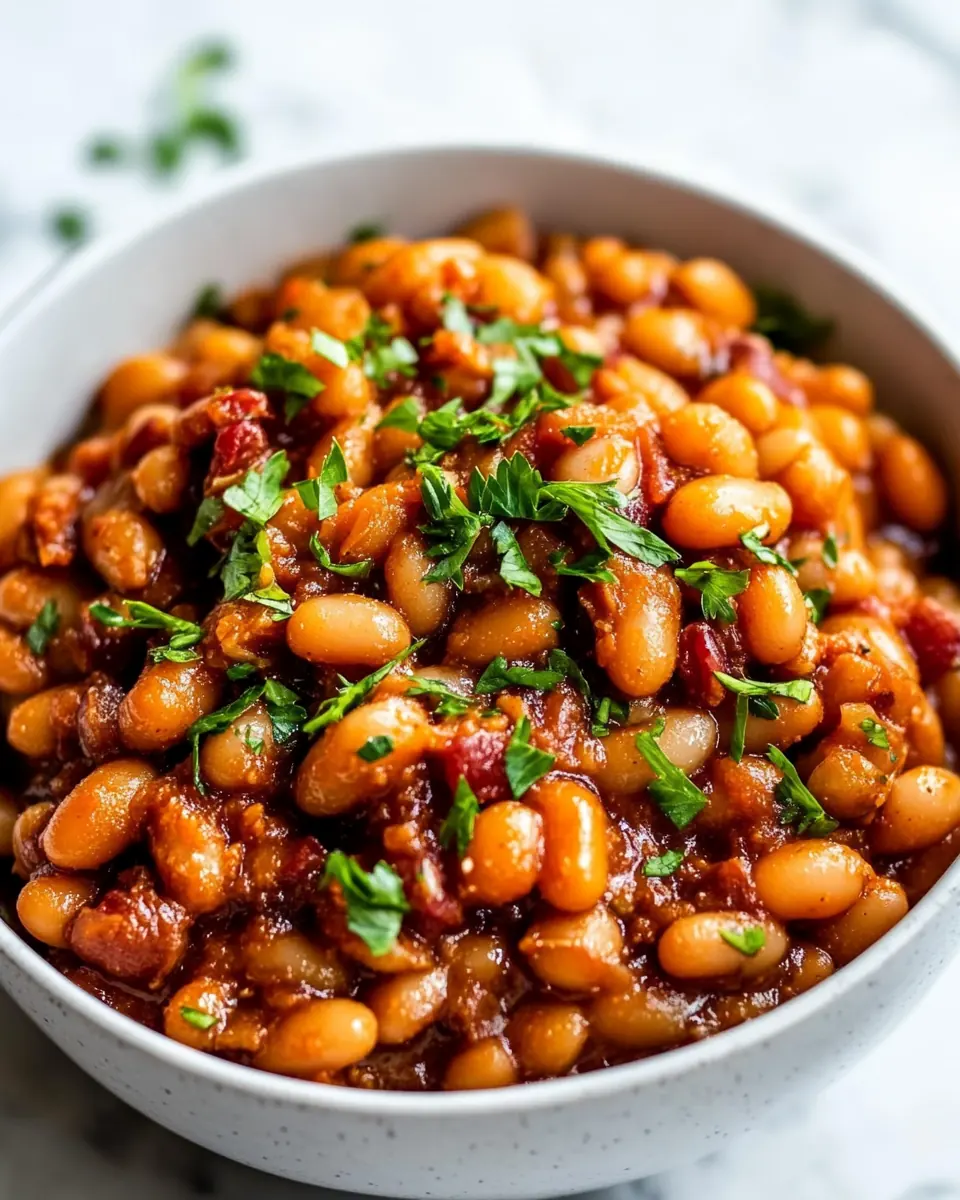
Easy Baked Beans
Ingredients
Equipment
Method
- Rinse and drain beans. Set aside.: When you rinse the beans, you remove canning liquid that can taste slightly metallic, and the water runs clear when they are well washed. The sound is a soft swish as you agitate them in a colander, and the beans should look plump and glossy without sliminess. This step helps ensure a clean bean flavor and prevents excess starch from clouding the sauce. A common mistake is not draining thoroughly, which can water down the final sauce and weaken flavor, so give them a good shake and let them sit in the colander while you prepare the sauce.
- In a small bowl, whisk together the barbecue sauce, ketchup, maple syrup, tomato paste, Worcestershire, paprika, mustard, cumin, salt, and pepper. Set aside.: The aroma when you whisk these elements together is immediately bright, with sweet maple and tangy ketchup mingling into a thick, glossy mixture. Use a whisk to fully incorporate the tomato paste so it no longer appears as streaks, creating a homogeneous sauce that will cling to the beans. This mixture forms the flavor backbone, so take a moment to taste and sense if it needs more salt or heat. Avoid adding the sauce to a very hot pan yet, as sugars can scorch quickly, turning the aroma bitter rather than rich.
- Heat the olive oil in a small saucepan over medium-high. Once the oil is hot, add the onion and sauté until fragrant and soft, about 2 minutes.: The oil should shimmer gently, and as the onion hits the pan you will hear a soft sizzle and smell a sweet, savory perfume building. Stirring frequently encourages even softening and prevents browning; you want translucent, tender pieces that dissolve pleasantly into the sauce. If the pan heats too fast, the onion can brown and take on a sharper, bitter edge, so dial the heat down if you see rapid coloring before softness.
- Add the barbecue sauce mixture and bring to a boil. Add the drained beans.: When the sauce hits the warm pan, it will loosen and steam as it heats; soon you will see tiny bubbles form around the edges indicating it is coming to a boil. The scent will deepen, with sweet and smoky notes becoming more pronounced. Once the beans are added, they should glisten as the sauce coats each one. Stir gently to ensure even distribution. A frequent mistake is adding the beans to a sauce that is not fully warmed, which prevents them from absorbing flavor efficiently, so ensure the sauce is actively bubbling when the beans go in.
- Reduce heat to low and simmer for 20 minutes, stirring occasionally. Serve warm.: As the pot simmers, the sauce will thicken slightly and cling to the beans , creating a glossy finish. You will hear slow, steady bubbling and smell a concentrated blend of maple, tomato, and smoked paprika. Stir every few minutes to prevent sticking and to help the sauce reduce evenly. Simmering allows flavors to meld and the beans to absorb the sauce; skipping this step or rushing it will leave flavors shallow, and the texture may be runnier. When ready, the beans should be warm through, the sauce slightly thick, and the aroma inviting, signaling they are ready to serve.
Notes
- Storage instructions Place baked beans in an airtight storage container in the refrigerator for up to 4 days, which allows flavors to meld and makes reheating straightforward. When reheating, warm gently to avoid splitting the sauce and stirring occasionally will keep texture uniform.
- Reheating methods Gently rewarm beans in a Dutch oven on the stove over medium low heat until hot. Stir frequently to prevent sticking, and add a splash of water if the sauce gets too thick. You can also reheat in the microwave in short bursts, stirring between cycles for even heating.
- Freezing guidance Store leftovers in an airtight, freezer safe container for up to 3 months. Label with date and cool completely before freezing to preserve texture. Thaw overnight in the refrigerator and rewarm slowly on the stove for best results.
- Adjusting sweetness If the sauce tastes too sweet after simmering, brighten it with a small squeeze of lemon or a touch more tomato paste, which will add acidity without introducing new ingredients.
- Onion technique Finely dice the onion so it softens quickly and integrates into the sauce; avoid browning to keep the flavor sweet and mellow rather than sharp.