Place peeled and quartered (make sure they’re all about the same size) potatoes in a pot and fill with cool water till it reaches the top of the potatoes. Add 3/4 tsp salt and bring pot to a boil.: Listen for the faint chatter as the water warms, and notice how the evenly cut pieces sit in the pot like little islands. Starting in cool water allows the potatoes to heat through evenly, preventing the outer edges from overcooking while the centers remain firm, which would produce uneven texture. A common mistake is dropping potatoes into already boiling water, which can make the outsides break down too quickly. Watch the pot as it comes to a steady boil, the sound will shift from an anxious hiss to a rolling boil, and that is when you can start timing for doneness. If the water boils too aggressively, lower the heat slightly to maintain a steady active boil without splashing the pot.
Cook potatoes just until they’re fork tender, should take about 15 minutes once it reaches a boil. Drain the potatoes in a strainer for a few minutes to really remove water, then add back to the hot pot and let sit for another few minutes to get all the moisture out.: You will know they are fork tender when a fork slides through a piece with virtually no resistance and the edges begin to fray, that is the moment to pull them from heat. Draining and allowing steam to escape in the strainer tightens the surface and helps evaporate excess water, which would otherwise dilute the flavor and create a watery mash. Returning the potatoes to the hot pot and letting them sit is an essential drying step; you might hear a faint hiss as trapped steam leaves, and you will see a slight matte finish return to the potatoes, a good visual cue that they are ready. A frequent error is rushing this step, which leaves extra moisture and leads to gluey results, so be patient and give them those few extra minutes.
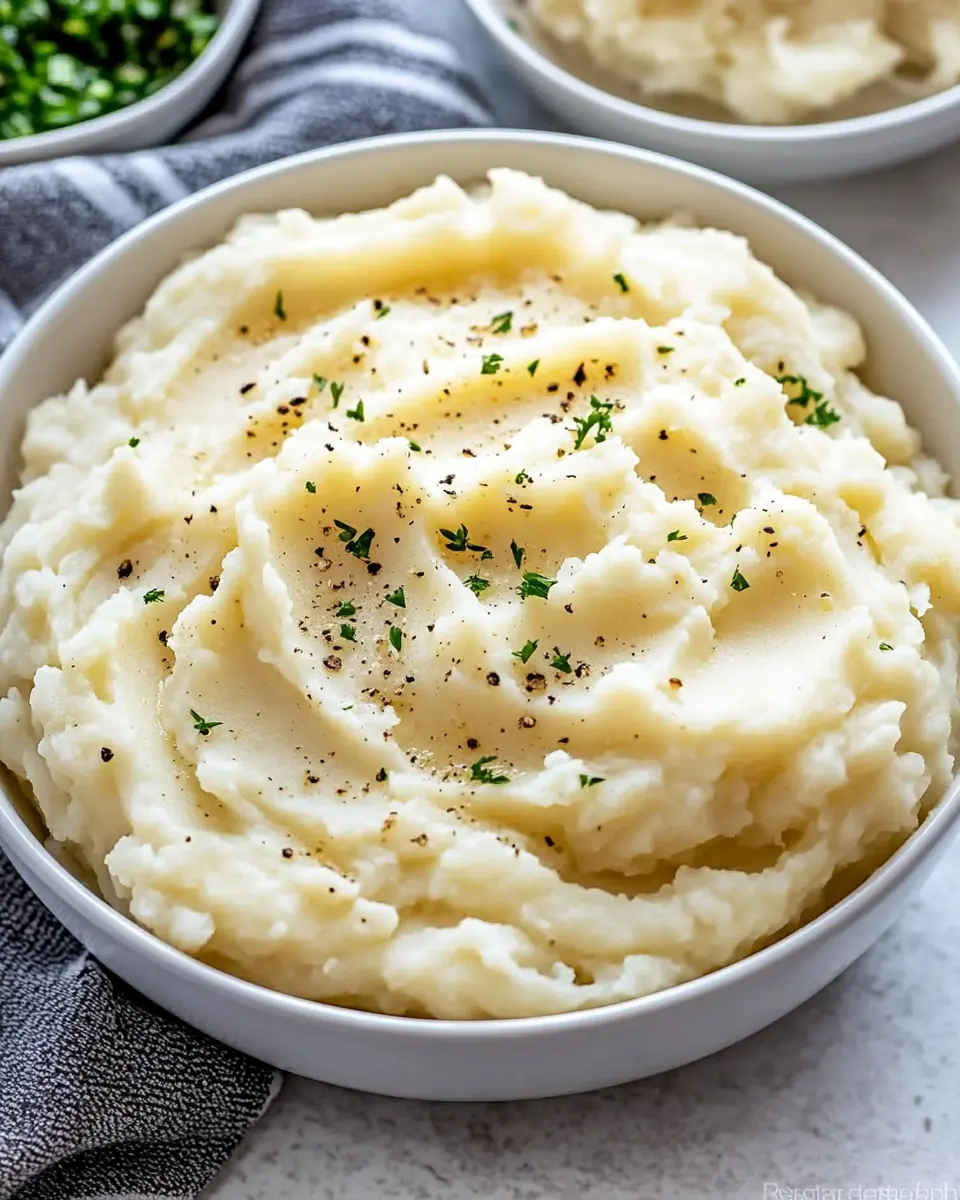
To the potatoes add the melted butter and warm milk. Use a potato masher to mash the potatoes until the milk and butter have been absorbed and potatoes are creamy. Don’t mash or mix too long or they can turn gummy in texture.: As you pour the warm milk and melted butter, notice the steam that curls upward and the way the liquids sink into the potato pieces, softening them. Using a potato masher gives you tactile control, allowing you to stop when you reach the desired creaminess; the rhythm of mashing should feel even and gentle, not frantic. Overworking activates excess starch, which is why you must stop once the mixture looks smooth and cohesive, not gluey and stringy. Trust the texture under your masher, and if you see a sheen rather than a matte creaminess, pause and let the potatoes rest briefly. One trap to avoid is using a blender or food processor which can quickly overdevelop starch and ruin the texture.
Season with the remaining salt, garlic powder and black pepper and stir. Taste and add more seasonings if desired.: After the potato base is smooth, add the reserved salt, then sprinkle in the garlic powder and black pepper while stirring to distribute them evenly; the aroma should become warmer and more layered. Tasting is essential, the potatoes will often need a small adjustment to hit the right balance, and this is your moment to refine the seasoning. If the flavor feels flat, a tiny pinch more salt can bring the dish to life; if it seems heavy, a light sprinkling of additional black pepper can add brightness. A common oversight is under seasoning; remember that starchy foods often need more salt than you expect to truly shine. Finish by stirring gently to avoid overmixing, and serve while warm.