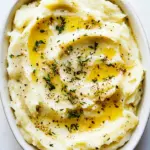
Mashed Sweet Potatoes
Mashed Sweet Potatoes has been my go to side when I want something that feels like a warm hug at the dinner table. I still remember the first time I made this dish for a potluck, watching a skeptical friend take a bite and then come back for a second helping. The texture, the gentle sweetness, and that buttery mouthfeel won everyone over in a quiet, convincing way.
Over the years I have tweaked small details, like the size of the potato pieces and the exact milk-to-butter ratio, because those tiny choices shape the final texture. When I peel and cube the sweet potatoes, the kitchen fills with an earthy aroma that always slows me down and makes me appreciate the simple work of cooking. I talk to my family while mashing, and sometimes I tell a short story about how each holiday table came to be, which makes the process feel less like a chore and more like a ritual.
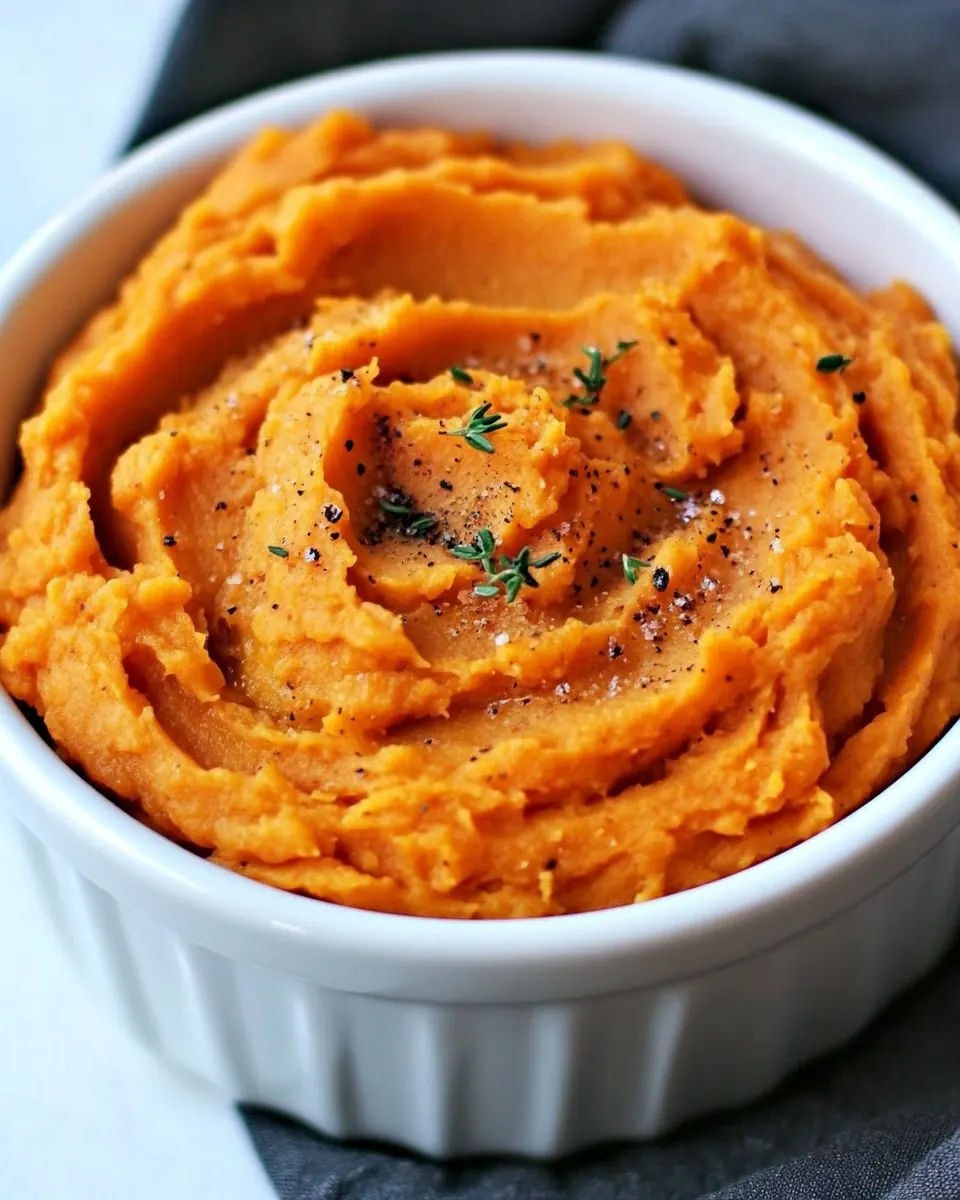
I love how adaptable Mashed Sweet Potatoes is. It can be rustic and chunky for a casual supper, or silky and refined for a holiday spread, simply by adjusting how much milk and butter you whisk in. I often leave small fingerprint divots in the surface when I serve it warm, because that little texture captures gravy or a drizzle of olive oil so well. Cooking this always nudges me to slow down, enjoy the rhythm, and savor the small successes that make a simple dish feel special.
Recipe Snapshot
20 mins
5 mins
15 mins
Easy
200 kcal
American
Gluten-Free, Low FODMAP
Side Dishes
Large pot, Colander, Large bowl, Potato masher
What Sets This Mashed Sweet Potatoes Apart
Comfort in a Bowl
I adore how Mashed Sweet Potatoes delivers warmth and nostalgia with every spoonful. The natural sweetness of the sweet potatoes balances salty butter beautifully, so you get comfort without cloying richness. When I serve it, people lean in and relax, and that reaction is everything to me.
Speed and Simplicity
This recipe is a winner when time is short. With a handful of ingredients and straightforward steps, you can produce a reliably creamy result. I’m always amazed at how quickly the kitchen transforms from raw produce to a velvety dish that feels like effort, even when it was easy to make.
Textural Control
I like that you can dial the texture to your mood. Use a masher for a rustic bite, or an immersion blender for silk. Each technique gives a slightly different mouthfeel, and I often choose based on what else I am serving that night.
Flexible Flavoring
While the base is simple, it’s a perfect canvas. I often experiment with spices and citrus zest depending on the season, and the dish still reads as classic. The balance of milk and butter keeps the flavors grounded, so novelty additions pop without taking over.
Great for Gatherings
Because this scales so well, I find it ideal for feeding a crowd. It reheats cleanly and stays moist, which means I can focus on timing the rest of the meal. That reliability makes it one of my most requested recipes.
Everything You Need for Mashed Sweet Potatoes
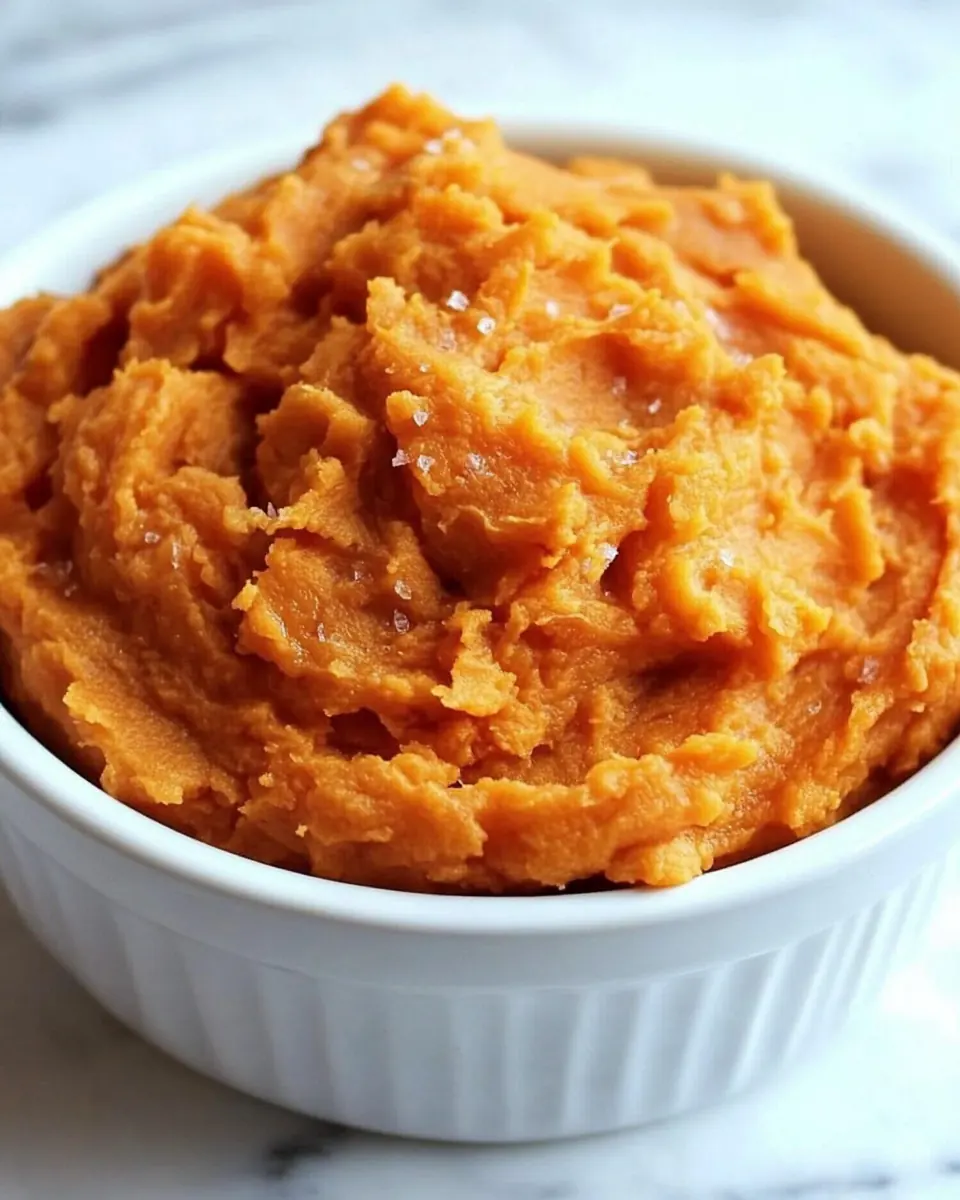
These ingredients are intentionally few, each playing a precise role. The sweet potatoes bring natural sweetness and body, the milk loosens and softens the mash, the butter adds richness and silkiness, and the salt brightens and ties the flavors together. Together they create a balanced, creamy side dish that complements many mains.
- 2 lbs sweet potatoes, peeled and cut into 1-inch pieces: Provide creamy texture and natural sweetness while becoming tender when boiled, making it the base of the mash; peeling and cutting into 1-inch pieces ensures even cooking and smoother consistency when mashed.
- 1/4 cup to 1/3 cup milk: Add liquid creaminess and help adjust the final texture to be silky and moist; use between 1/4 and 1/3 cup to control thickness without overpowering sweetness.
- 2 tablespoons salted butter: Contribute rich flavor and a velvety mouthfeel while helping to bind the mash; salted butter also adds a subtle savory balance to the potatoes' sweetness.
- 1/4 teaspoon Kosher salt or sea salt: Enhance and balance flavors by rounding out sweetness and bringing out natural potato notes; a small pinch of Kosher or sea salt seasons the dish without making it overly salty.
How to Assemble Mashed Sweet Potatoes
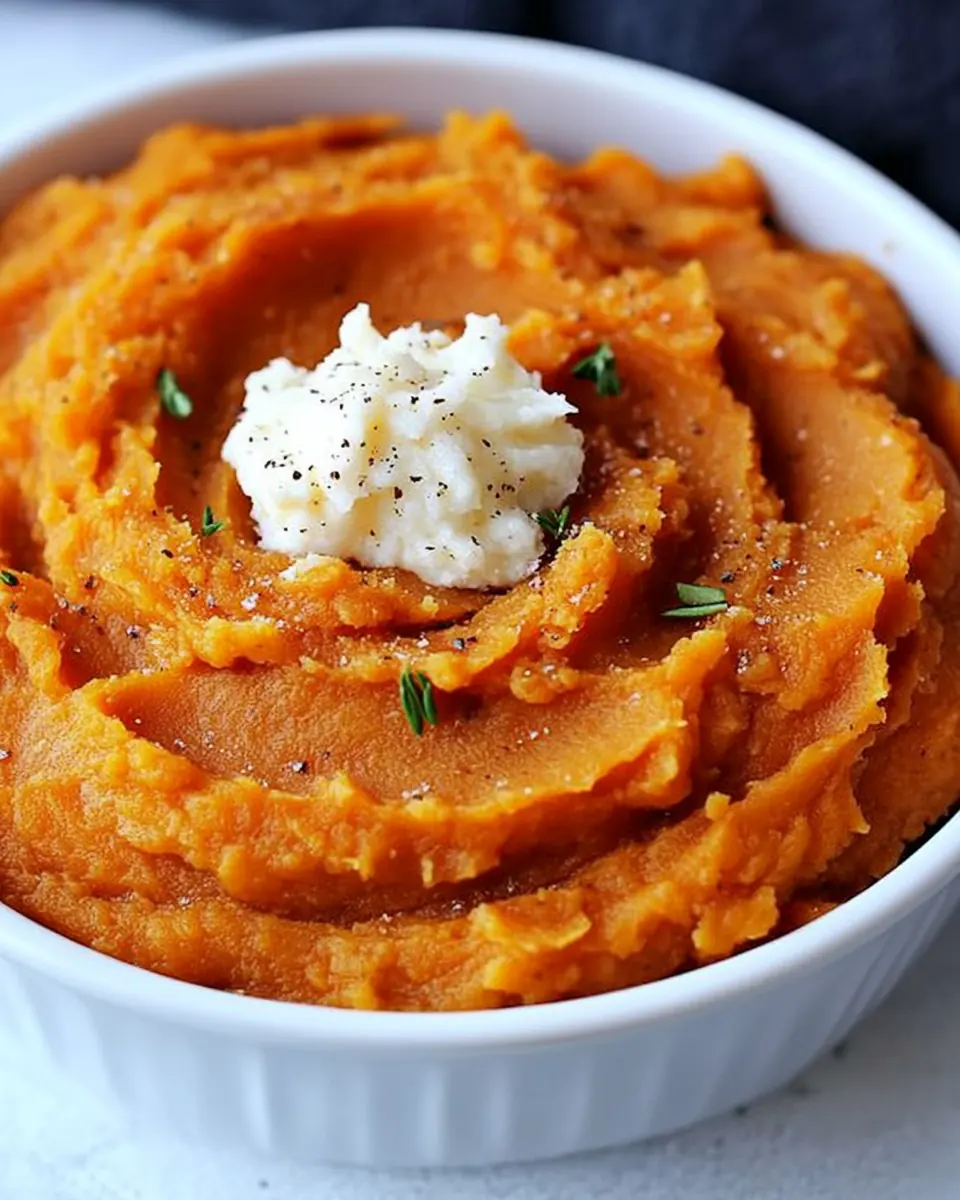
Let me guide you through the sequence that yields a smooth, flavorful mash. These steps focus on cook time, texture, and small adjustments that make a big difference in the final bowl.
- Bring a large pot of salted water to boil. Carefully add the sweet potatoes. Reduce heat to medium and cook, uncovered, for 15 minutes or until sweet potatoes are fork tender.: The kitchen will fill with a faint mineral scent as the water simmers, and a rolling boil signals enough heat to cook rapidly. Salting the water seasons the sweet potatoes from the inside, which matters because it prevents a flat tasting result. A common mistake is under-salting the water, which leaves the mash bland, so taste a small cube if unsure and adjust. Ensure the pot is large enough so the pieces move freely and cook evenly, and watch for vigorous bubbling that could cause breakage or foam over.
- Drain the sweet potatoes in a colander, shaking to remove all of the water. Place the sweet potatoes in a large bowl and add 1/4 cup milk, butter, and salt. Use a potato masher or hand blender and mash the potatoes until smooth. Add additional milk, if necessary. Serve warm.: Dropping the pieces in causes an audible clatter and a quick steam puff, which confirms contact with hot water. Evenly distributed chunks cook at the same rate, so avoid tossing them all on one side. Stir once gently to separate pieces, then resist frequent stirring which can cause breakage. If you crowd the pot, some pieces will stay firm while others turn mushy, so use a large pot and give them space.
- Reduce heat to medium and cook, uncovered, for 15 minutes or until sweet potatoes are fork tender: You will hear a steady simmer and see little movement around the pieces; that is perfect. Fork tenderness means the tines slide in with minimal resistance, but the pieces should not be falling apart. Overcooking will waterlog them, creating a gluey texture, so check at about 12 minutes and poke several pieces to confirm doneness. If you undercook, the mash will be lumpy and grainy, so patience here is rewarded with a creamy finish.
- Drain the sweet potatoes in a colander, shaking to remove all of the water: The sound of water draining is reassuring, and shaking the colander helps drop excess steam quickly so the potatoes do not continue to absorb moisture. Removing surface water prevents a watery mash later, which can dilute flavor and texture. A common error is letting them sit in hot water after cooking, which will keep cooking them and risk mushy results, so transfer promptly when ready.
- Place the sweet potatoes in a large bowl and add 1/4 cup milk, butter, and salt: As you add warm milk and soft butter , the aroma shifts to creamy and inviting, and you can almost hear a gentle splat as butter meets warm tuber. Starting with 1/4 cup of milk keeps the texture controlled, while the butter melts to create a glossy sheen. If you add cold liquid, the mixture cools and tightens, so use warm dairy or temper it slightly. Over-salting at this stage is easy, so add salt sparingly and taste before adjusting.
- Use a potato masher or hand blender and mash the potatoes until smooth: Mashing releases steam and the bowl will smell richer and sweeter; if you use a hand blender you will get silkier results, while a masher leaves a bit of rustic texture. The choice affects mouthfeel, so pick the tool that matches your mood for the meal. A frequent pitfall is over blending with a high speed tool, which can create gluey starch, so pulse briefly and check texture often. Stop when the mash looks cohesive and glossy, with no dry clumps visible.
- Add additional milk, if necessary: As you stir, you will see whether the mash needs thinning; it should hold shape but still be scoopable and slightly glossy. Adding more warm milk softens the mouthfeel and helps the dish spread nicely on a plate. Avoid pouring too much at once, which can make it runny, and remember you can always add more but not take it back. If the mash seems lumpy, a splash of milk plus a few vigorous stirs usually corrects the texture.
- Serve warm: A warm serving temperature brings forward the sweet potatoes aroma and allows the fat to coat the palate properly, creating a satisfying mouthfeel. Spoon into a warmed serving bowl and smooth the surface slightly so it catches any glaze or melted butter. Serving cold flattens the flavors, so plan to present right after finishing. If you must hold it, cover and keep in a low oven to maintain warmth without drying the surface.
Expert Tips about Mashed Sweet Potatoes
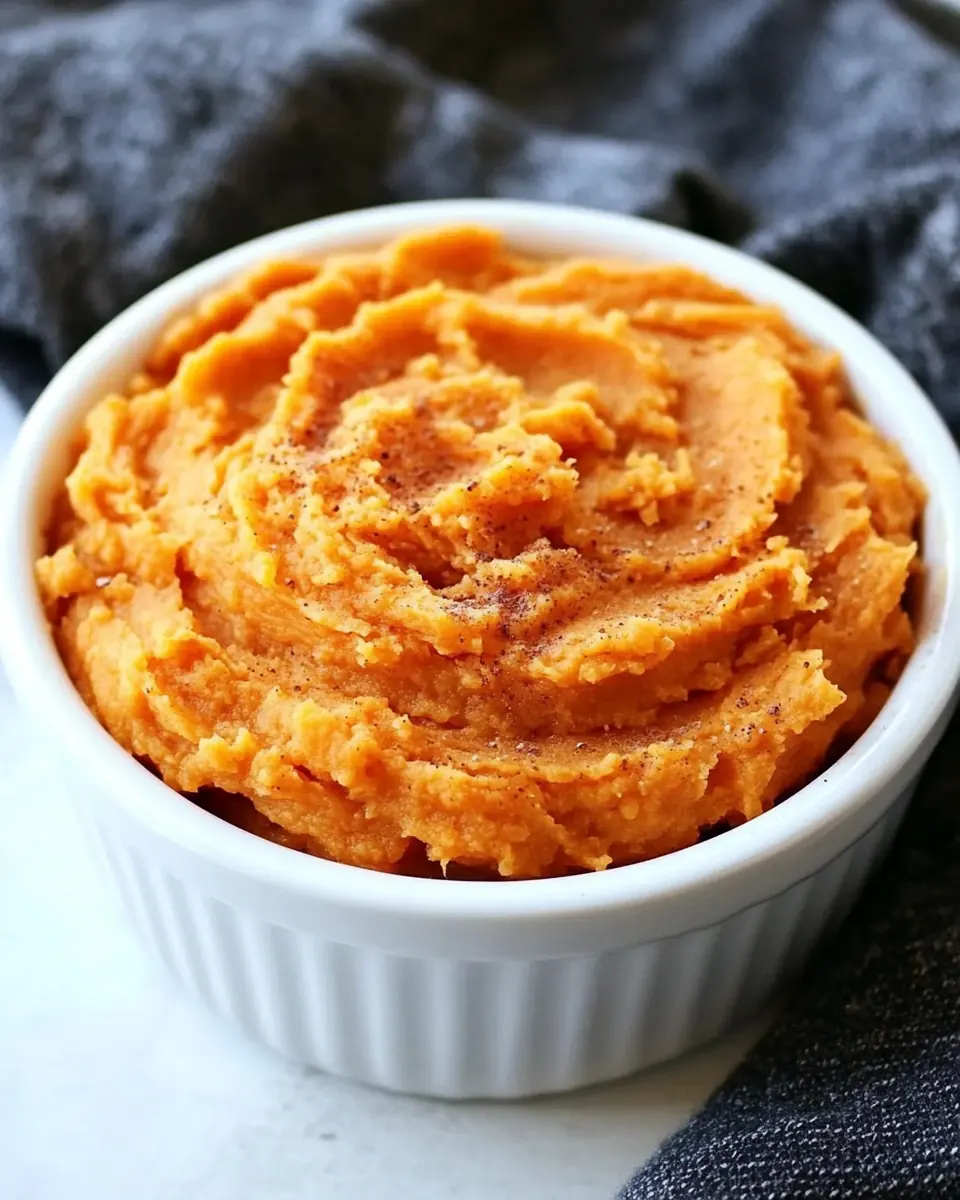
I like to gather a few small practices that consistently lift the final dish. These tips focus on timing, texture, and small adjustments that make the mash sing on the plate.
- Precut for even cooking Chop the sweet potatoes into uniform 1 inch pieces so you get consistent tenderness across the batch.
- Warm dairy before adding Heat the milk slightly so the mash stays warm and the ingredients incorporate smoothly without cooling the bowl.
- Mind your tool choice Use a masher for rustic texture or a hand blender for silk; do not overwork with high speed or the starch will become gluey.
- Salt the cooking water Salting the pot seasons the sweet potatoes internally, preventing a bland result even when you use minimal salt later.
- Adjust final consistency slowly Add milk a tablespoon at a time to reach the right scoopable texture without making it runny.
- Keep warm if serving later Hold in a low oven covered to preserve moisture and temperature until you are ready to plate.
How to Enjoy Mashed Sweet Potatoes
This dish is wonderfully adaptable, working across different meals and occasions. Whether it is a cozy weeknight or a festive gathering, the warm texture and sweet savory balance make it an easy pairing. Here are thoughtful serving ideas and practical storage notes to help you get the most from the recipe.
- As a side for weeknight dinners Serve a generous scoop of warm Mashed Sweet Potatoes beside roasted vegetables and a simple protein for a filling, comforting meal.
- For holiday tables Present in a shallow warmed dish with a pat of melting butter on top so guests can spoon extra richness as they serve themselves.
- Family style buffet Keep covered in a low oven and offer small bowls of extra warm milk and melted butter so people can customize texture to taste.
- Pairing suggestions The natural sweetness complements roasted savory mains and crisp salads, and it plays nicely with bright acidic condiments to cut through richness.
- Storage Cool quickly, transfer to an airtight container, and refrigerate for up to three days. Reheat gently with a splash of warm milk to restore creaminess.
- Make ahead You can mash fully and keep chilled, then rewarm slowly and freshen with a little extra warm milk and butter before serving to revive texture.
FAQ
Conclusion
Mashed Sweet Potatoes stands out for its simple ingredient list and comforting, crowd pleasing texture. The balance of natural sweetness from the tubers and richness from the butter produces a warm, satisfying side that pairs well with many mains. Give this recipe a try the next time you want an easy, reliable dish that warms both the kitchen and your guests, and enjoy the small adjustments that make it uniquely yours.
Mashed Sweet Potatoes
Ingredients
Equipment
Method
- Bring a large pot of salted water to boil. Carefully add the sweet potatoes. Reduce heat to medium and cook, uncovered, for 15 minutes or until sweet potatoes are fork tender.: The kitchen will fill with a faint mineral scent as the water simmers, and a rolling boil signals enough heat to cook rapidly. Salting the water seasons the sweet potatoes from the inside, which matters because it prevents a flat tasting result. A common mistake is under-salting the water, which leaves the mash bland, so taste a small cube if unsure and adjust. Ensure the pot is large enough so the pieces move freely and cook evenly, and watch for vigorous bubbling that could cause breakage or foam over.
- Drain the sweet potatoes in a colander, shaking to remove all of the water. Place the sweet potatoes in a large bowl and add 1/4 cup milk, butter, and salt. Use a potato masher or hand blender and mash the potatoes until smooth. Add additional milk, if necessary. Serve warm.: Dropping the pieces in causes an audible clatter and a quick steam puff, which confirms contact with hot water. Evenly distributed chunks cook at the same rate, so avoid tossing them all on one side. Stir once gently to separate pieces, then resist frequent stirring which can cause breakage. If you crowd the pot, some pieces will stay firm while others turn mushy, so use a large pot and give them space.
- Reduce heat to medium and cook, uncovered, for 15 minutes or until sweet potatoes are fork tender: You will hear a steady simmer and see little movement around the pieces; that is perfect. Fork tenderness means the tines slide in with minimal resistance, but the pieces should not be falling apart. Overcooking will waterlog them, creating a gluey texture, so check at about 12 minutes and poke several pieces to confirm doneness. If you undercook, the mash will be lumpy and grainy, so patience here is rewarded with a creamy finish.
- Drain the sweet potatoes in a colander, shaking to remove all of the water: The sound of water draining is reassuring, and shaking the colander helps drop excess steam quickly so the potatoes do not continue to absorb moisture. Removing surface water prevents a watery mash later, which can dilute flavor and texture. A common error is letting them sit in hot water after cooking, which will keep cooking them and risk mushy results, so transfer promptly when ready.
- Place the sweet potatoes in a large bowl and add 1/4 cup milk, butter, and salt: As you add warm milk and soft butter , the aroma shifts to creamy and inviting, and you can almost hear a gentle splat as butter meets warm tuber. Starting with 1/4 cup of milk keeps the texture controlled, while the butter melts to create a glossy sheen. If you add cold liquid, the mixture cools and tightens, so use warm dairy or temper it slightly. Over-salting at this stage is easy, so add salt sparingly and taste before adjusting.
- Use a potato masher or hand blender and mash the potatoes until smooth: Mashing releases steam and the bowl will smell richer and sweeter; if you use a hand blender you will get silkier results, while a masher leaves a bit of rustic texture. The choice affects mouthfeel, so pick the tool that matches your mood for the meal. A frequent pitfall is over blending with a high speed tool, which can create gluey starch, so pulse briefly and check texture often. Stop when the mash looks cohesive and glossy, with no dry clumps visible.
- Add additional milk, if necessary: As you stir, you will see whether the mash needs thinning; it should hold shape but still be scoopable and slightly glossy. Adding more warm milk softens the mouthfeel and helps the dish spread nicely on a plate. Avoid pouring too much at once, which can make it runny, and remember you can always add more but not take it back. If the mash seems lumpy, a splash of milk plus a few vigorous stirs usually corrects the texture.
- Serve warm: A warm serving temperature brings forward the sweet potatoes aroma and allows the fat to coat the palate properly, creating a satisfying mouthfeel. Spoon into a warmed serving bowl and smooth the surface slightly so it catches any glaze or melted butter. Serving cold flattens the flavors, so plan to present right after finishing. If you must hold it, cover and keep in a low oven to maintain warmth without drying the surface.
Notes
- Precut for even cooking Chop the sweet potatoes into uniform 1 inch pieces so you get consistent tenderness across the batch.
- Warm dairy before adding Heat the milk slightly so the mash stays warm and the ingredients incorporate smoothly without cooling the bowl.
- Mind your tool choice Use a masher for rustic texture or a hand blender for silk; do not overwork with high speed or the starch will become gluey.
- Salt the cooking water Salting the pot seasons the sweet potatoes internally, preventing a bland result even when you use minimal salt later.
- Adjust final consistency slowly Add milk a tablespoon at a time to reach the right scoopable texture without making it runny.
- Keep warm if serving later Hold in a low oven covered to preserve moisture and temperature until you are ready to plate.