No Oats Paleo Oatmeal
No Oats Paleo Oatmeal is one of those breakfasts I reach for when I want something comforting, creamy, and quietly nourishing without any actual oats involved. The first time I made it I was skeptical, but the texture and aroma of toasted nuts blended with warm almond milk won me over in a single spoonful. I like how it feels substantial, yet light, and how the seeds add a subtle earthiness that keeps me full until lunchtime.
There are mornings I make a big batch and keep jars in the fridge, and other times I prepare a single serving and dress it up with bright seasonal fruit. When I want a cozy, slow morning, I heat a pot and watch steam rise, inhaling the nutty aroma. On rushed days I stir it cold and pile on nut butter for a fast protein boost. Either way, this recipe has become a reliable staple when I want something simple, grain free, and satisfying.
Recipe Snapshot
11 mins
10 mins
1 mins
Easy
350 kcal
American
Paleo, Gluten-Free
Breakfast
Food processor, Blender, Jar
Why You Need This No Oats Paleo Oatmeal
Comfort without the grain
I love that No Oats Paleo Oatmeal delivers the same bowl of comfort as traditional oatmeal but without grains. The blend of walnuts, pumpkin seeds, flaxseeds, and chia seeds creates a naturally creamy texture once soaked, so you get a porridge feel that warms you from the inside out. For me, that grain free quality means fewer mid morning crashes and a cleaner, more focused energy.
Deep, toasty flavor from simple ingredients
The nuts and seeds are the stars here. When they are ground, their oils become aromatic and give a toasty, slightly sweet backbone that pairs beautifully with almond milk and a touch of maple syrup. I usually notice the smell first, it hints at richness without heaviness, and that aroma keeps me coming back on chilly mornings.
Flexible, fast, and forgiving
This recipe adapts easily. You can soak it overnight for convenience, heat it on the stove if you want a warm bowl, or enjoy it cold straight from the jar. I appreciate recipes that let me decide the finish based on time and mood. It also forgives measurement imprecision, which makes it perfect for busy weeks and relaxed weekends alike.
Nutritious and satisfying
Between the walnuts and seeds, you get healthy fats, fiber, and plant based protein that keep you full. I find the combination stable and sustaining, ideal when I need a breakfast that holds up to a busy morning. The pinch of sea salt and trace of vanilla extract elevate the overall flavor profile without overpowering it.
Customizable finishing touches
One of my favorite things is how you can personalize each bowl. Fresh seasonal fruit brightens the dish, while a spoonful of nut butter or extra maple syrup makes it indulgent. I like to vary toppings by season and mood, which keeps the recipe fresh in my rotation.
What You Need for No Oats Paleo Oatmeal
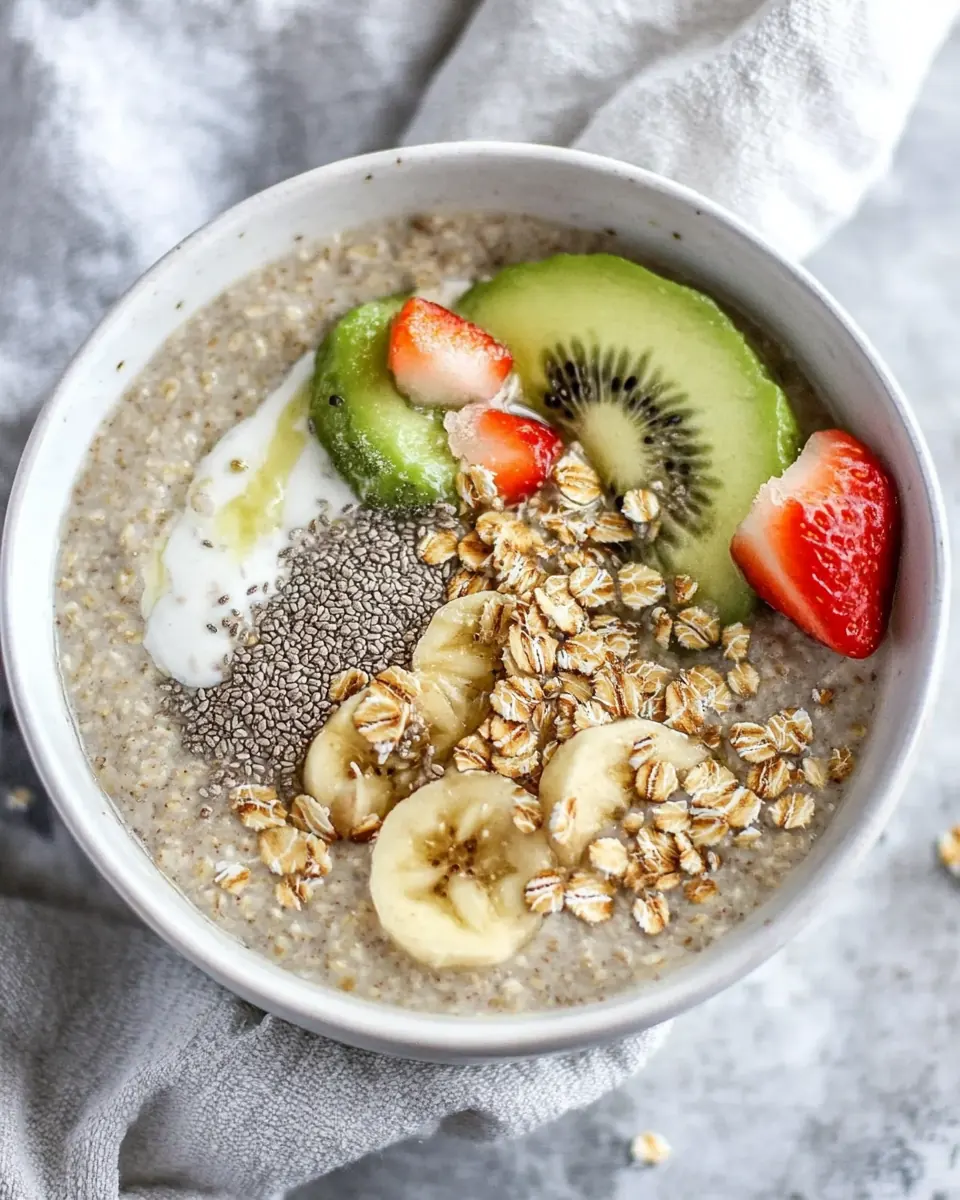
This ingredient list is focused, purposeful, and designed to mimic the cozy texture of oatmeal using nuts and seeds. The key players are the walnuts and pumpkin seeds which provide body and nuttiness, while the ground flaxseeds and chia seeds add thickness and a gel like quality when soaked. The almond milk and sweeteners round everything out, creating a creamy, spoonable bowl that feels familiar yet grain free.
- 2 cups raw walnuts: Provide a rich, creamy base and hearty texture when processed or soaked; grind or pulse to mimic cooked grains and deliver healthy monounsaturated fats and protein for sustained energy in the paleo oatmeal.
- 1/2 cup raw pumpkin seeds: Offer a slightly crunchy, nutty element and boost magnesium and zinc content; lightly toast for deeper flavor or pulse with walnuts for a more uniform, porridge-like consistency.
- 2 tablespoons ground flaxseeds: Contribute a nutty, slightly earthy binder and thickener due to soluble fiber; add ground flaxseeds to increase omega-3 fats and help absorb liquid for a smoother, pudding-like texture.
- 2 tablespoons chia seeds: Absorb liquid to create a gel-like thickness and add nutritional density; include chia seeds to provide fiber, omega-3s, and a silky mouthfeel that stabilizes the mixture.
- 3 cups unsweetened almond milk: Serve as the primary liquid to hydrate seeds and nuts and create a creamy porridge; unsweetened almond milk keeps the recipe dairy-free while adding subtle nutty flavor and lower calories.
- 1/2 teaspoon vanilla extract: Enhance overall aroma and sweetness perception with warm, floral notes; vanilla extract rounds flavors and complements the nut and seed profile without adding bulk or sugar.
- 3 tablespoons maple syrup: Sweeten gently and add depth with a natural, paleo-friendly sugar alternative; maple syrup dissolves easily into the base and balances earthy flavors while contributing moisture.
- Pinch of sea salt: Balance and enhance flavors by reducing bitterness and elevating sweetness; a pinch of sea salt sharpens nuance and rounds the profile without making the dish salty.
- Fresh seasonal fruit: Provide fresh brightness, natural sweetness, and textural contrast when chopped or sliced; fresh seasonal fruit complements the nutty base and contributes vitamins and moisture.
- Nut and seed butters: Add richness and a smoother mouthfeel when swirled into the finished oatmeal; nut and seed butters supply extra protein, healthy fats, and a more indulgent texture.
- Pure maple syrup: Allow additional natural sweetness or drizzling as garnish and an optional flavor boost; pure maple syrup can be used at serving to taste and enhances the overall sweetness profile.
- Nuts and seeds: Introduce optional crunchy or creamy mix-ins and extra nutritional variety; nuts and seeds can be toasted or chopped to add flavor, texture, and more healthy fats and protein.
- Non-dairy milk: Provide alternatives for creaminess and hydration if needed; non-dairy milk options can be substituted to suit allergies and taste while maintaining a dairy-free preparation.
Cooking Instructions for No Oats Paleo Oatmeal
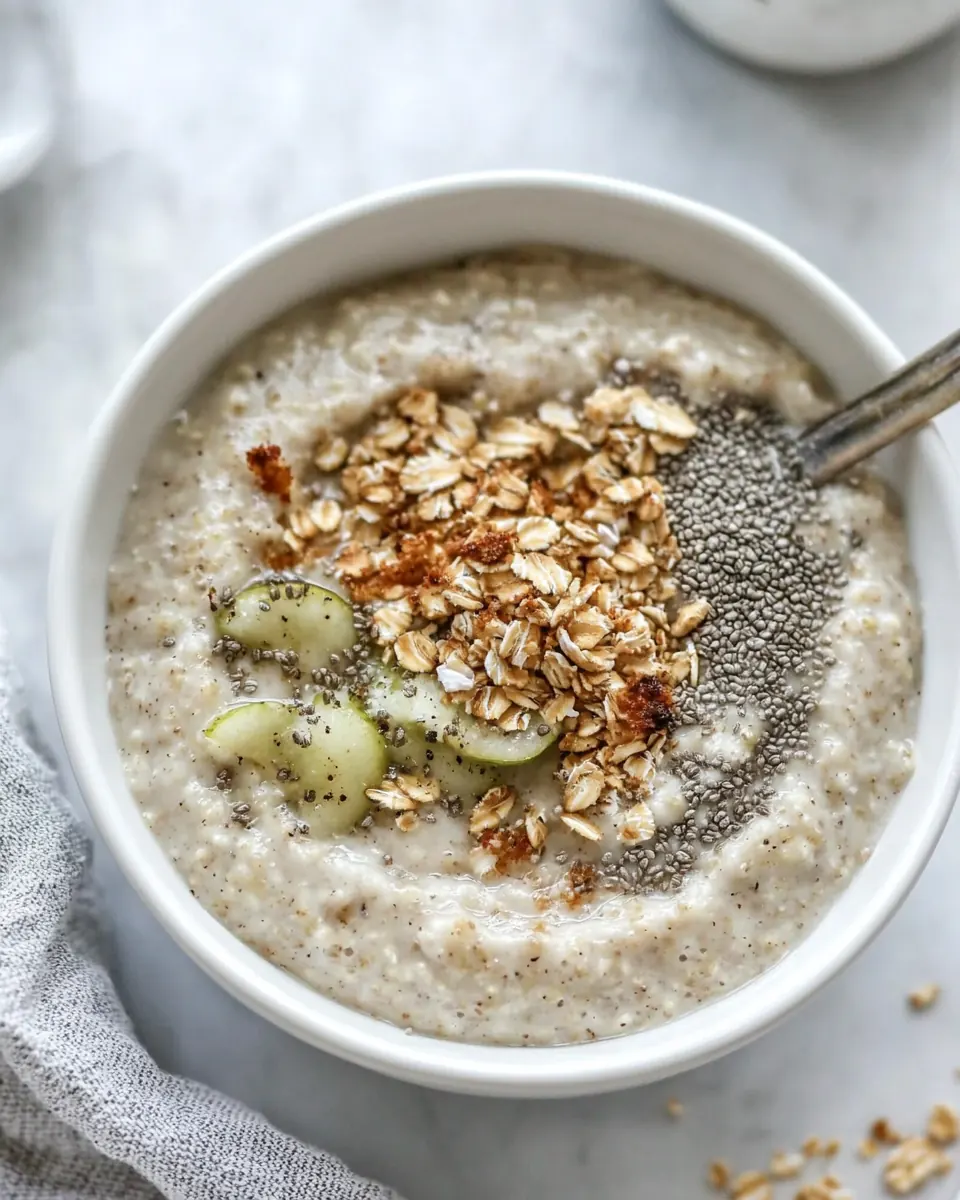
This method is forgiving and straightforward, and the goal is to coax a creamy, spoonable texture from nuts and seeds. I like to treat the preparation like a gentle alchemy process, where time and small adjustments create a luscious result. Whether you soak overnight or heat briefly, pay attention to texture and aroma for best results.
- Add the walnuts and pumpkin seeds to a food processor or blender and process until finely ground. Transfer to a jar along with the ground flaxseeds and chia seeds.: The first sensory cue you will notice is the change from big pieces to a warm, nutty dust and the release of aromatic oils. Work in short pulses to avoid turning the mixture into a buttery paste; you want fine crumbs that still have a bit of structure. If it becomes too wet, the porridge will be gluey rather than granular, so stop and scrape down the sides often. A common mistake here is overblending, which removes the pleasant nutty texture and can make the final bowl greasy.
- Pour in the almond milk, vanilla, maple syrup, and salt. Stir well to combine. Seal the jar and allow it to sit overnight in the refrigerator or for at least 3 hours.: As you add the flaxseeds and chia seeds , you will feel the mix become more cohesive, almost like coarse sand turning into damp soil. These seeds are moisture magnets, and their presence is why the mixture will thicken dramatically. Stirring them into the ground nuts ensures even hydration later. One pitfall is adding them at the last minute before serving, which prevents proper gel formation and yields a loose, grainy texture.
- When ready to serve, either heat the porridge on the stovetop or leave cold, and garnish with your choice of fruit, nuts and seeds, sweetener, nut butter, and additional non-dairy milk.: Pouring in the almond milk softens the dry blend and you will immediately see the mixture darken and swell as the liquids are absorbed. The scent of vanilla and maple syrup will lift as you stir, creating a warm, inviting aroma. Mix thoroughly to distribute the sweetener and salt so there are no pockets of concentrated flavor. A common error is under stirring, which leaves uneven sweetness or salt spots in the finished bowl.
- Stir well to combine: Proper stirring encourages the seeds to hydrate evenly and prevents clumps from forming. You should notice the texture change within minutes, becoming creamier at the edges and slightly thicker in the center. Use a spoon to press the mixture against the jar walls to release any air pockets. If you skip this thorough mixing, the center may remain powdery while the outer layer gets overly gelled.
- Seal the jar and allow it to sit overnight in the refrigerator or for at least 3 hours: Time is the real magic here. As the mixture rests chilled, the chia and flax seeds gel and the flavors meld, resulting in a spoonable porridge. Overnight produces the creamiest texture and the flavors mellow harmoniously. If you are impatient and only wait a short while, expect a chewier mouthfeel. Avoid leaving it unrefrigerated for safety reasons, as the milk base needs cool storage.
- When ready to serve, either heat the porridge on the stovetop or leave cold, and garnish with your choice of fruit, nuts and seeds, sweetener, nut butter, and additional non-dairy milk: Heating will coax steam and deepen the toasted aroma, and you will hear a soft simmer as the bowl warms. If serving hot, stir frequently to keep a silky texture, and add a splash of additional non dairy milk if it tightens up. Serving cold preserves the fresh, bright notes of the toppings and is wonderfully refreshing. A typical mistake is overheating vigorously, which can separate the oils and make the texture greasy rather than creamy.
Helpful Hints
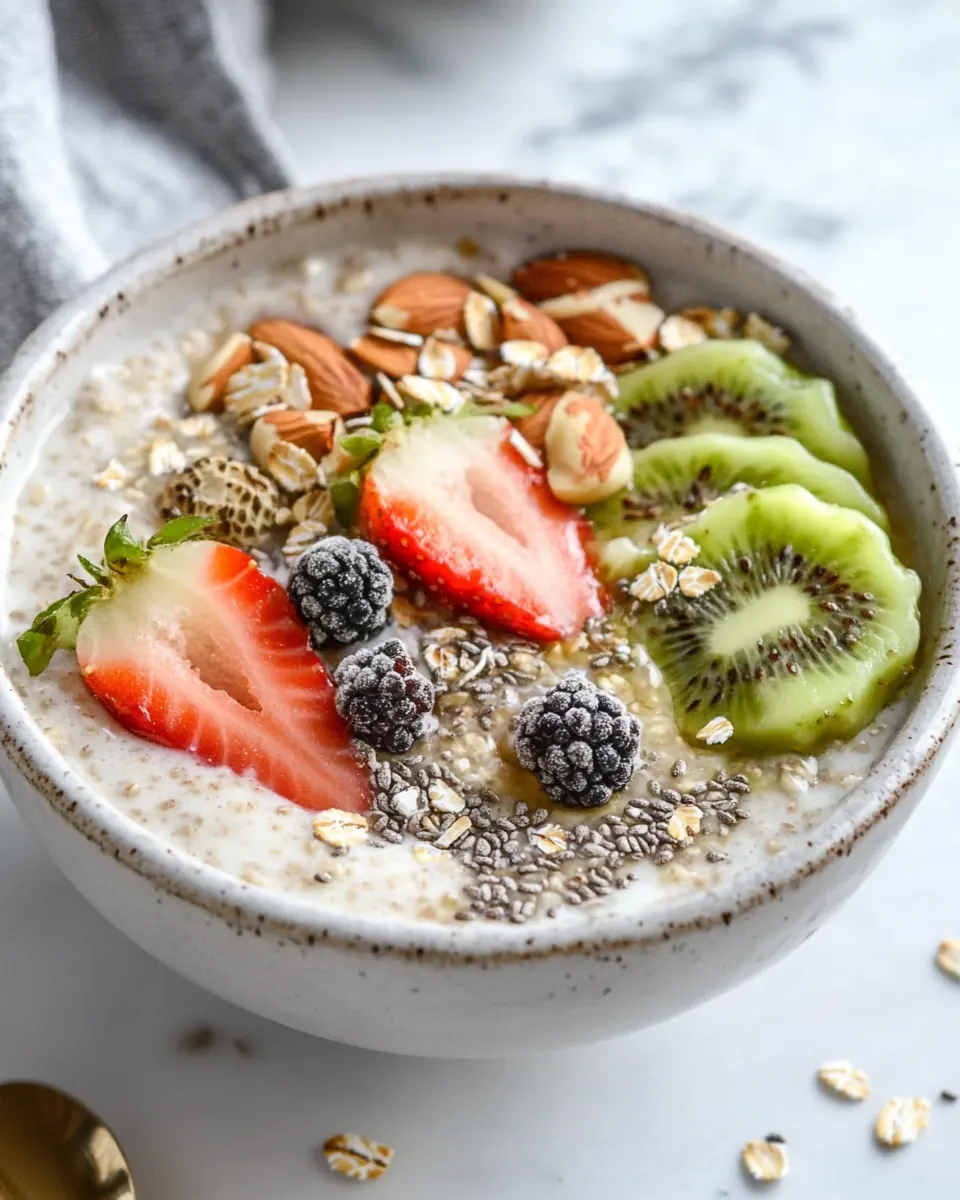
Here are practical tips I use every time I make No Oats Paleo Oatmeal. These pointers help with texture, flavor balance, and storage so you get consistent results. Keep them handy whether you are a weekend cook or making breakfast for a busy weekday.
- Pulse carefully: When processing the walnuts and pumpkin seeds, use short pulses to achieve a finely ground texture without releasing too much oil, which would make the mixture greasy.
- Soak time matters: Allow at least three hours for the seeds to hydrate, but overnight produces the creamiest, most cohesive porridge with the best mouthfeel.
- Sweeten at the end: Start with less maple syrup than you think you need, because sweetness concentrates as the mixture thickens and you can always add more when serving.
- Keep toppings separate: Store crunchy toppings like extra nuts and seeds separately to maintain contrast and avoid soggy textures in the fridge.
- Adjust consistency: Use extra non dairy milk to thin the porridge when reheating, a little at a time, until you reach the desired creamy texture.
Perfect Pairings for No Oats Paleo Oatmeal
This bowl is versatile and pairs with a variety of sides and occasions. I like to think about texture and contrast when serving, aiming for bright, acidic elements to balance the richness, and crunchy items for mouthfeel. It works for relaxed weekends, busy mornings, and even as a pre workout meal when you need steady energy.
- Bright fresh fruit: Serve with berries or diced stone fruit to add acidity and juiciness that balances the nutty base and lifts the bowl.
- Creamy additions: A spoonful of nut butter or an extra splash of almond milk will make the porridge silkier and more indulgent without overpowering it.
- Crunchy toppings: Toasted nuts and seeds on top provide contrast and a satisfying bite against the creamy porridge.
- Occasion ideas: This is great for weekend brunch, a calm Ramadan suhoor, or a quick weekday breakfast that travels well in a jar.
- Storage tips: Keep portions refrigerated in sealed jars for up to four days and add delicate toppings like fresh fruit just before serving to preserve texture.
- Seasonal pairings: In autumn I enjoy chopped apple with warming spices, while in summer I prefer juicy berries and a squeeze of citrus for brightness.
- Serving style: Offer additional maple syrup and non dairy milk at the table so guests can tailor sweetness and consistency to taste.
FAQ
Conclusion
This recipe stands out because it recreates the comforting bowl of oatmeal using nuts and seeds, delivering creamy texture and deep, toasty flavor without grains. Give No Oats Paleo Oatmeal a try for a versatile breakfast that adapts to your schedule and toppings, and you may find it becomes a reliable part of your routine. I hope you enjoy how easy it is to personalize this bowl, and that it brings small, nourishing moments to your mornings.
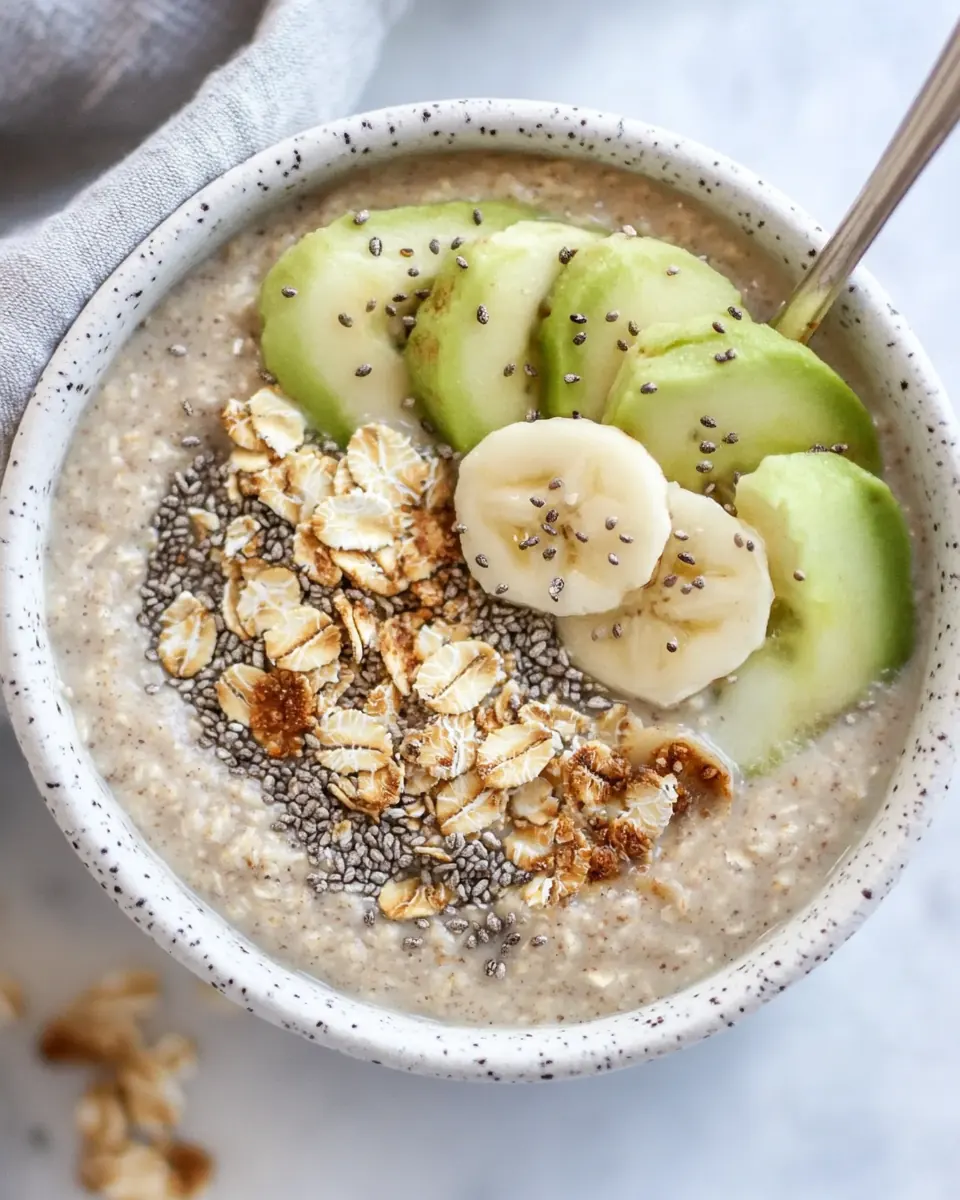
No Oats Paleo Oatmeal
Ingredients
Equipment
Method
- Add the walnuts and pumpkin seeds to a food processor or blender and process until finely ground. Transfer to a jar along with the ground flaxseeds and chia seeds.: The first sensory cue you will notice is the change from big pieces to a warm, nutty dust and the release of aromatic oils. Work in short pulses to avoid turning the mixture into a buttery paste; you want fine crumbs that still have a bit of structure. If it becomes too wet, the porridge will be gluey rather than granular, so stop and scrape down the sides often. A common mistake here is overblending, which removes the pleasant nutty texture and can make the final bowl greasy.
- Pour in the almond milk, vanilla, maple syrup, and salt. Stir well to combine. Seal the jar and allow it to sit overnight in the refrigerator or for at least 3 hours.: As you add the flaxseeds and chia seeds , you will feel the mix become more cohesive, almost like coarse sand turning into damp soil. These seeds are moisture magnets, and their presence is why the mixture will thicken dramatically. Stirring them into the ground nuts ensures even hydration later. One pitfall is adding them at the last minute before serving, which prevents proper gel formation and yields a loose, grainy texture.
- When ready to serve, either heat the porridge on the stovetop or leave cold, and garnish with your choice of fruit, nuts and seeds, sweetener, nut butter, and additional non-dairy milk.: Pouring in the almond milk softens the dry blend and you will immediately see the mixture darken and swell as the liquids are absorbed. The scent of vanilla and maple syrup will lift as you stir, creating a warm, inviting aroma. Mix thoroughly to distribute the sweetener and salt so there are no pockets of concentrated flavor. A common error is under stirring, which leaves uneven sweetness or salt spots in the finished bowl.
- Stir well to combine: Proper stirring encourages the seeds to hydrate evenly and prevents clumps from forming. You should notice the texture change within minutes, becoming creamier at the edges and slightly thicker in the center. Use a spoon to press the mixture against the jar walls to release any air pockets. If you skip this thorough mixing, the center may remain powdery while the outer layer gets overly gelled.
- Seal the jar and allow it to sit overnight in the refrigerator or for at least 3 hours: Time is the real magic here. As the mixture rests chilled, the chia and flax seeds gel and the flavors meld, resulting in a spoonable porridge. Overnight produces the creamiest texture and the flavors mellow harmoniously. If you are impatient and only wait a short while, expect a chewier mouthfeel. Avoid leaving it unrefrigerated for safety reasons, as the milk base needs cool storage.
- When ready to serve, either heat the porridge on the stovetop or leave cold, and garnish with your choice of fruit, nuts and seeds, sweetener, nut butter, and additional non-dairy milk: Heating will coax steam and deepen the toasted aroma, and you will hear a soft simmer as the bowl warms. If serving hot, stir frequently to keep a silky texture, and add a splash of additional non dairy milk if it tightens up. Serving cold preserves the fresh, bright notes of the toppings and is wonderfully refreshing. A typical mistake is overheating vigorously, which can separate the oils and make the texture greasy rather than creamy.
Notes
- Pulse carefully: When processing the walnuts and pumpkin seeds, use short pulses to achieve a finely ground texture without releasing too much oil, which would make the mixture greasy.
- Soak time matters: Allow at least three hours for the seeds to hydrate, but overnight produces the creamiest, most cohesive porridge with the best mouthfeel.
- Sweeten at the end: Start with less maple syrup than you think you need, because sweetness concentrates as the mixture thickens and you can always add more when serving.
- Keep toppings separate: Store crunchy toppings like extra nuts and seeds separately to maintain contrast and avoid soggy textures in the fridge.
- Adjust consistency: Use extra non dairy milk to thin the porridge when reheating, a little at a time, until you reach the desired creamy texture.