Orange Cranberry Cookies
Orange Cranberry Cookies are a small joy I reach for when I want bright citrus notes with a cozy, chewy bite. The first time I baked these I was chasing a holiday scent that would fill the house, and the marriage of orange and cranberries immediately became a staple in my baking rotation. I remember zesting an orange at dawn while a pot of coffee steamed nearby, thinking how simple ingredients can stir big memories.
Over the years I have tweaked the balance between sweet and tangy, learning to trust texture cues more than the clock. These cookies are one of those recipes that reward attention to small details, like how the butter creams with sugars and when the dough chills just enough to hold shape. I love handing a warm tray to friends and watching their eyes light up when they bite into a slightly gooey center studded with chewy cranberries.
Recipe Snapshot
42 mins
32 mins
10 mins
Medium
150 kcal
American
Gluten-Free, Low FODMAP
Desserts
Electric mixer, Large mixing bowl, Medium bowl, Wire cooling rack, Parchment paper
Why This Orange Cranberry Cookies Works
Bright, seasonal flavor that sings
I adore how Orange Cranberry Cookies capture a burst of citrus without overwhelming the palate. The orange zest and fresh orange juice in the glaze lift the cookie from ordinary to festive, and I find it perfect for cooler months when citrus feels celebratory. The balance here makes these cookies a crowd pleaser at gatherings.
Textural contrast that satisfies
These cookies manage to be slightly crisp at the edges and tender in the center, with chewy bursts from the dried cranberries. I find that the combination of creamed butter and sugars, plus a short chill, creates the ideal crumb. When you bite in, you get a contrast that keeps you coming back for another.
Simple technique, impressive results
What I appreciate is how straightforward the method is. With an electric mixer and basic bowls you get bakery quality cookies. I often bring this recipe to potlucks because the technique scales and stores well. Little steps like chilling the dough make a noticeable difference, and they are easy to adopt.
Versatile for gifting and gatherings
I’ve wrapped these for neighbors and plated them for holiday brunches. The glaze makes them look elegant while the dough is rustic and homey. I love that they can be dressed up with a few extra cranberries on top or packed plain for lunchboxes.
Reliable make ahead and storage
I often prepare dough a day ahead. The flavor deepens overnight, and the cookies bake up perfectly the next day. If you are planning a cookie swap, these hold up well in airtight tins for several days, making them a dependable, delightful option.
What Goes Into Orange Cranberry Cookies
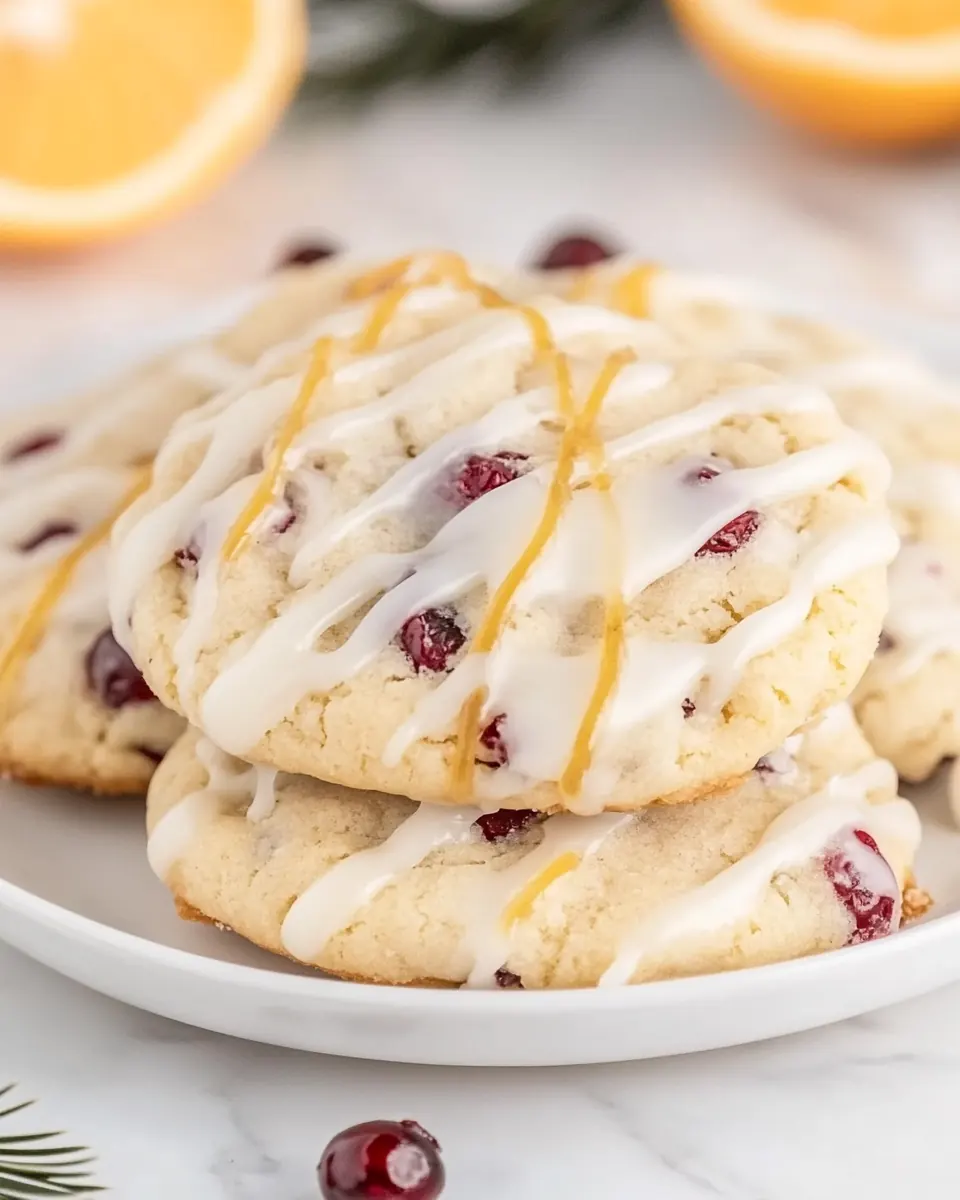
These ingredients are chosen to create harmony between citrus brightness, sweet richness, and chewy dried fruit. The key players include a creamy butter base, a mix of sugars for flavor and texture, and a sturdy flour blend with leaveners to give the cookies lift. The glaze, made from powdered sugar and fresh orange juice, ties the whole cookie together with a glossy, tangy finish.
- 1 cup butter unsalted, softened: Cream softened butter until fluffy to provide a rich, tender base and help leaven the cookies by trapping air during creaming with sugars.
- 1/2 cup brown sugar: Melt in brown sugar to add deep molasses flavor and moisture, contributing chewiness and a subtle caramel note to the cookie crumb.
- 1 cup granulated sugar: Whisk granulated sugar into the butter to sweeten and contribute to structure and crisp edges through caramelization during baking.
- 2 eggs: Beat in eggs to bind ingredients, provide moisture and richness, and help with leavening and emulsion for a uniform dough.
- 1 teaspoon vanilla extract: Add vanilla extract to enhance overall flavor profile and round out the citrus and cranberry notes with warm, aromatic complexity.
- 1 tablespoon orange zest: Fold in orange zest to impart bright, concentrated citrus oils that lift the cookies with fresh aroma and subtle tang.
- 3 cups flour: Stir in flour to form the cookie structure by developing gluten and providing the dry bulk that determines texture and density.
- 1 teaspoon baking soda: Mix in baking soda to act as a leavening agent that reacts with acidic components to create lightness and spread control.
- 2 teaspoons cream of tartar: Incorporate cream of tartar as an acid to stabilize egg proteins, enhance leavening with baking soda, and add slight tanginess.
- 1/2 teaspoon salt: Add salt to balance sweetness, enhance flavors, and strengthen dough structure by tightening gluten interactions for better texture.
- 1 cup dried cranberries plus extra for decorating the tops of the cookies: Fold in dried cranberries to introduce chewy bursts of sweet-tart fruit, concentrated flavor, and visual contrast throughout the cookies.
- 1 1/2 cup powdered sugar: Sift powdered sugar for the glaze to create a smooth, sweet coating that sets to a delicate finish and adds surface sweetness.
- 2 tablespoons orange juice Use fresh from an orange. Use the orange peel for the zest for the dough.: Stir in orange juice freshly squeezed to flavor and thin the glaze, adding bright citrus acidity that complements the zest and cranberries.
- 4 teaspoons milk 1 tablespoon + 1 teaspoon: Measure milk to adjust glaze consistency and add a touch of creaminess, ensuring a smooth spreadable icing that sets properly.
How to Assemble Orange Cranberry Cookies
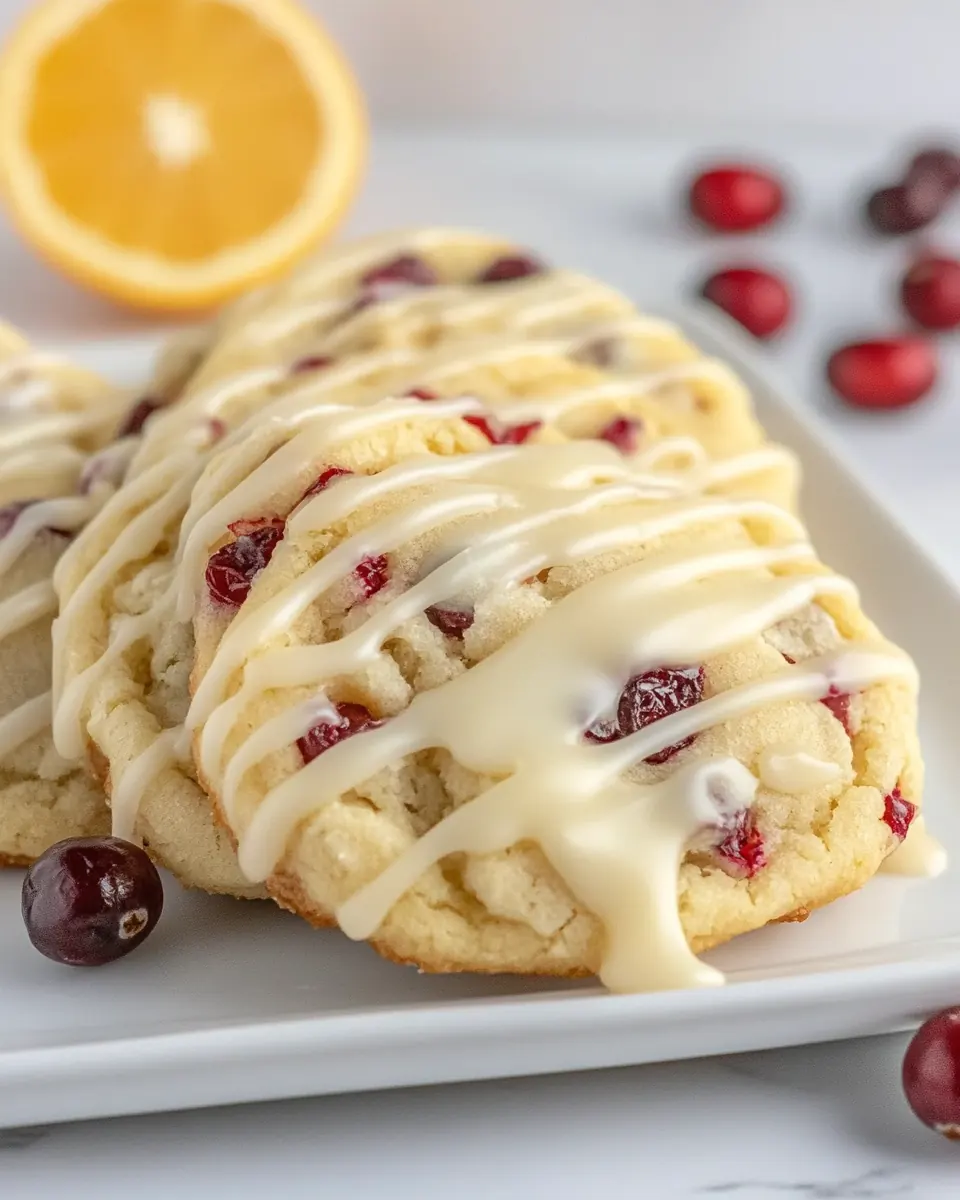
These directions take you from soft butter to glossy glazed cookies. I like to prepare my workspace first, because when the dough is ready you want a smooth rhythm. Read each step so the sensory cues guide your timing.
- In a large mixing bowl cream together butter, brown sugar, and granulated sugar until smooth with an electric mixer.: Warm, sweet aromas will develop as the sugars and butter transform into a pale, fluffy mixture. You'll hear the mixer hum and see the mixture lighten in color and texture, which is a sign air has been incorporated, improving tenderness. Use a paddle attachment if you have one for the creaming stage, scraping the bowl sides so everything blends evenly. A common mistake is under creaming, which can yield dense cookies. If the mixture looks grainy, keep mixing a bit longer until silky.
- Crack the eggs and place eggs in a medium bowl, then beat with a fork. Add egg, vanilla and orange zest to the butter mixture and mix with an electric mixer until combined.: As you add the beaten eggs , the mixture will look glossy and slightly looser, signaling good emulsification. The orange zest will release a fragrant burst as it joins, and the vanilla will round the flavors. You should stop mixing when streaks disappear to avoid over emulsifying. A trap here is adding cold eggs, which can cause the butter to seize; use room temperature eggs for smooth blending.
- In a large mixing bowl combine flour, baking soda, cream of tartar and salt, then mix well: Mixing the dry ingredients evenly ensures consistent rise and texture. You'll notice the pale flour turn uniform as the leaveners and salt disperse, which prevents pockets of bitterness or uneven leavening. Whisk gently to avoid dust clouds, and be careful not to compress the flour. If you see clumps, break them up; lumps lead to uneven crumbs.
- Add the flour mixture to the wet ingredients half at a time. Mix until just combined and a dough forms with no loose flour. Mix in the dried cranberries until just combined.: As the flour disappears into the batter, you'll sense the dough thicken and pull away from the bowl. Stop mixing once there are no streaks of loose flour, since over mixing can develop gluten and make cookies tough. Fold in the dried cranberries gently so they stay distributed and do not bleed color into the dough. A common error is over folding which crushes the cranberries and darkens the dough.
- Chill cookie dough in the refrigerator for 30 minutes. Preheat the oven to 350 degrees. Line baking sheets with parchment paper.: Chilling firms the dough so cookies hold shape and develop defined edges while baking; aroma concentrates as the butter solidifies. Preheating the oven to 350 degrees gives the right balance of spread to set. Lining pans prevents sticking and promotes even bottom browning. Skipping the chill often causes the cookies to spread too thin.
- Scoop about two tablespoons of dough into each ball and roll lightly with your hands, then place on a parchment lined pan. Add 4-5 dried cranberries to the top of each cookie.: As you roll the dough, you will feel it soften slightly from your hands, forming smooth spheres that bake into even domes. Placing them on parchment keeps bottoms from over browning, and pressing extra cranberries on top creates an attractive finish and immediate bursts of tartness. Avoid packing the dough too tightly, which can prevent proper lift.
- Bake the cookie dough for 8-10 minutes until gooey. Remove the cookies to a wire cooling rack.: You will notice edges turning lightly golden while centers remain soft and glossy, a cue that guarantees a tender interior. The kitchen will fill with warm citrus and caramelized sugar notes. Transfer to a wire rack so air circulates, preventing soggy bottoms. A mistake here is leaving cookies too long on the hot tray, which continues cooking and can over crisp the centers.
- Once the cookies are cool to the touch on the cooling rack, slide a piece of parchment paper under the wire rack. In a medium sized bowl, whisk together powdered sugar, orange juice and milk. Use a spoon to make drizzles of glaze over each cookie. Let the glaze firm up, then enjoy!: The glaze should look glossy as you whisk powdered sugar with fresh orange juice and milk , releasing a citrus perfume that brightens each cookie. Drizzling creates elegant ribbons that set to a slightly crisp shell while keeping the interior soft. If the glaze is too thin it will run off; if too thick it will clump. A common pitfall is glazing cookies that are still warm which causes the glaze to melt and become runny.
Making Adjustments
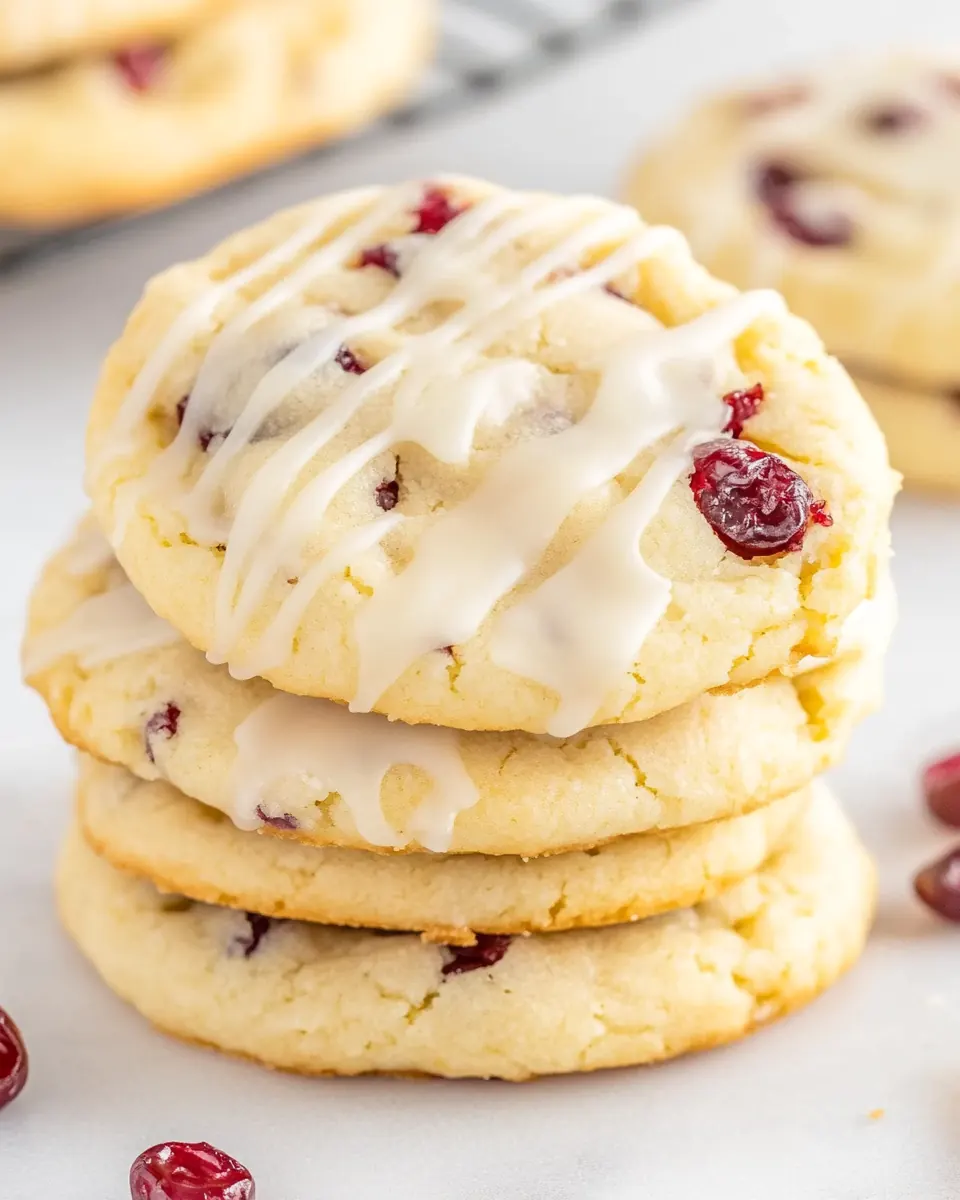
Small tweaks can tailor these cookies to your taste or pantry. Below are practical adjustments I rely on when I want chewier centers, brighter citrus, or a sturdier cookie for gifting.
- For chewier centers increase the brown sugar slightly and avoid overbaking to keep interiors soft and tender.
- To boost orange flavor add an extra half teaspoon of orange zest to the dough and use the freshest juice for the glaze.
- If dough is sticky chill for a longer time and lightly flour your hands when scooping to make rolling easier.
- For crisper edges bake on a preheated baking sheet and remove cookies to the rack as soon as edges set.
- To rehydrate dry cranberries soak briefly in warm water and pat dry before adding to the dough to restore chew.
How to Serve Orange Cranberry Cookies
These cookies are versatile for casual and festive occasions alike. Below are ways I like to present and store them, depending on the event and timing.
- Casual coffee break place warm cookies on a small plate next to a steaming cup of coffee for an everyday treat.
- Holiday platter arrange cookies on a tiered tray with a few fresh orange slices and extra dried cranberries for color.
- Gift packaging layer cookies between parchment in a tin, adding a ribbon and a note for neighbors or hosts.
- Party service serve on a decorative board with small bowls of extra glaze for guests to add if they like.
- Storage keep in an airtight container at room temperature for up to four days, or freeze baked cookies for up to one month, thawing at room temperature before glazing.
- Occasions great for holiday cookie swaps, Christmas gatherings, or as a thoughtful homemade gift during fall and winter.
FAQ
Conclusion
These Orange Cranberry Cookies combine bright citrus, chewy dried fruit, and a tender, slightly crisp texture that makes them a special treat. I encourage you to try them, whether you need a festive bake for a gathering or a comforting sweet to share with neighbors. They are forgiving, adaptable, and rewarding to make, and the aroma while they bake is reason enough to put them on your rotation. Happy baking and enjoy the sweet citrus cheer!
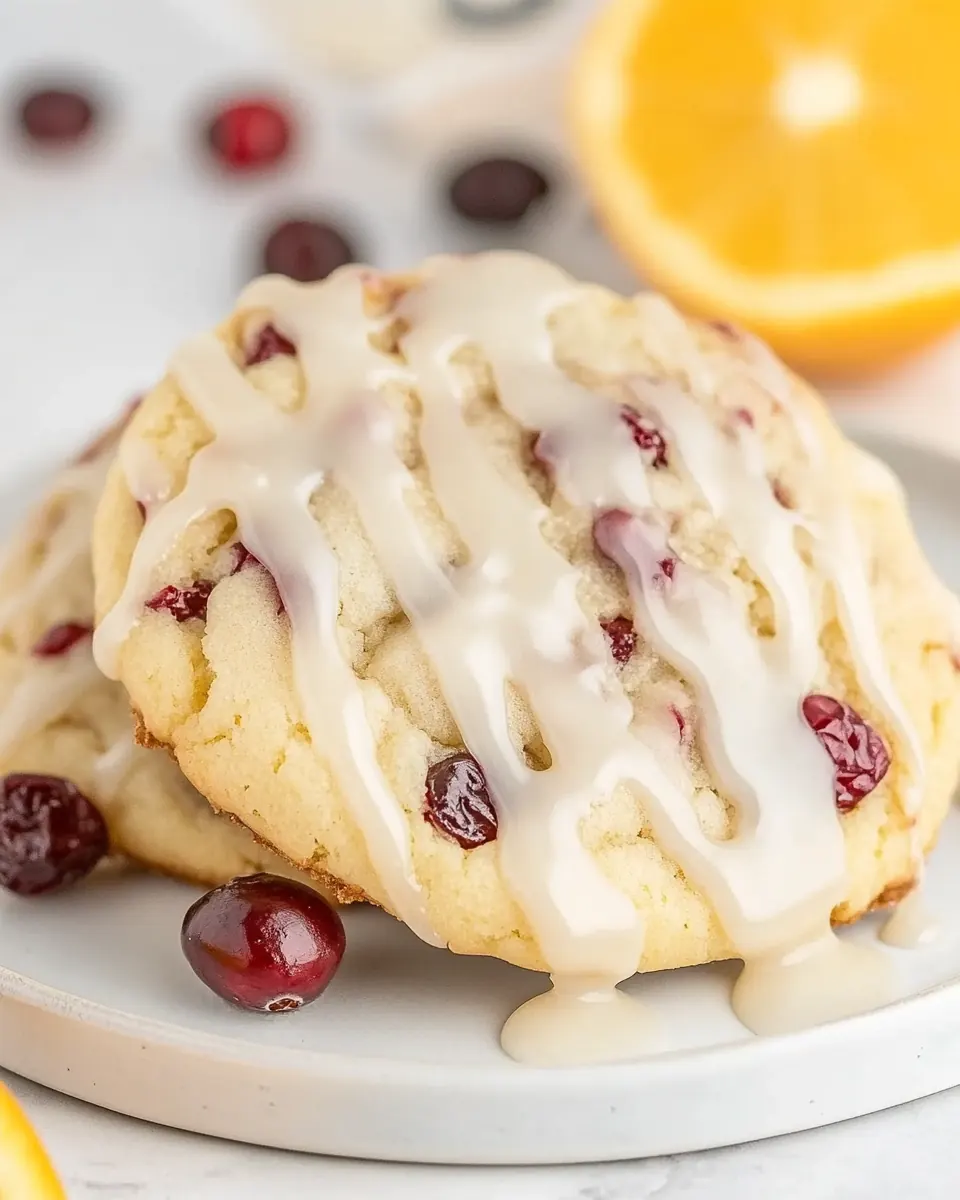
Orange Cranberry Cookies
Ingredients
Equipment
Method
- In a large mixing bowl cream together butter, brown sugar, and granulated sugar until smooth with an electric mixer.: Warm, sweet aromas will develop as the sugars and butter transform into a pale, fluffy mixture. You'll hear the mixer hum and see the mixture lighten in color and texture, which is a sign air has been incorporated, improving tenderness. Use a paddle attachment if you have one for the creaming stage, scraping the bowl sides so everything blends evenly. A common mistake is under creaming, which can yield dense cookies. If the mixture looks grainy, keep mixing a bit longer until silky.
- Crack the eggs and place eggs in a medium bowl, then beat with a fork. Add egg, vanilla and orange zest to the butter mixture and mix with an electric mixer until combined.: As you add the beaten eggs , the mixture will look glossy and slightly looser, signaling good emulsification. The orange zest will release a fragrant burst as it joins, and the vanilla will round the flavors. You should stop mixing when streaks disappear to avoid over emulsifying. A trap here is adding cold eggs, which can cause the butter to seize; use room temperature eggs for smooth blending.
- In a large mixing bowl combine flour, baking soda, cream of tartar and salt, then mix well: Mixing the dry ingredients evenly ensures consistent rise and texture. You'll notice the pale flour turn uniform as the leaveners and salt disperse, which prevents pockets of bitterness or uneven leavening. Whisk gently to avoid dust clouds, and be careful not to compress the flour. If you see clumps, break them up; lumps lead to uneven crumbs.
- Add the flour mixture to the wet ingredients half at a time. Mix until just combined and a dough forms with no loose flour. Mix in the dried cranberries until just combined.: As the flour disappears into the batter, you'll sense the dough thicken and pull away from the bowl. Stop mixing once there are no streaks of loose flour, since over mixing can develop gluten and make cookies tough. Fold in the dried cranberries gently so they stay distributed and do not bleed color into the dough. A common error is over folding which crushes the cranberries and darkens the dough.
- Chill cookie dough in the refrigerator for 30 minutes. Preheat the oven to 350 degrees. Line baking sheets with parchment paper.: Chilling firms the dough so cookies hold shape and develop defined edges while baking; aroma concentrates as the butter solidifies. Preheating the oven to 350 degrees gives the right balance of spread to set. Lining pans prevents sticking and promotes even bottom browning. Skipping the chill often causes the cookies to spread too thin.
- Scoop about two tablespoons of dough into each ball and roll lightly with your hands, then place on a parchment lined pan. Add 4-5 dried cranberries to the top of each cookie.: As you roll the dough, you will feel it soften slightly from your hands, forming smooth spheres that bake into even domes. Placing them on parchment keeps bottoms from over browning, and pressing extra cranberries on top creates an attractive finish and immediate bursts of tartness. Avoid packing the dough too tightly, which can prevent proper lift.
- Bake the cookie dough for 8-10 minutes until gooey. Remove the cookies to a wire cooling rack.: You will notice edges turning lightly golden while centers remain soft and glossy, a cue that guarantees a tender interior. The kitchen will fill with warm citrus and caramelized sugar notes. Transfer to a wire rack so air circulates, preventing soggy bottoms. A mistake here is leaving cookies too long on the hot tray, which continues cooking and can over crisp the centers.
- Once the cookies are cool to the touch on the cooling rack, slide a piece of parchment paper under the wire rack. In a medium sized bowl, whisk together powdered sugar, orange juice and milk. Use a spoon to make drizzles of glaze over each cookie. Let the glaze firm up, then enjoy!: The glaze should look glossy as you whisk powdered sugar with fresh orange juice and milk , releasing a citrus perfume that brightens each cookie. Drizzling creates elegant ribbons that set to a slightly crisp shell while keeping the interior soft. If the glaze is too thin it will run off; if too thick it will clump. A common pitfall is glazing cookies that are still warm which causes the glaze to melt and become runny.
Notes
- For chewier centers increase the brown sugar slightly and avoid overbaking to keep interiors soft and tender.
- To boost orange flavor add an extra half teaspoon of orange zest to the dough and use the freshest juice for the glaze.
- If dough is sticky chill for a longer time and lightly flour your hands when scooping to make rolling easier.
- For crisper edges bake on a preheated baking sheet and remove cookies to the rack as soon as edges set.
- To rehydrate dry cranberries soak briefly in warm water and pat dry before adding to the dough to restore chew.