Pecan Pie Cookies
Pecan Pie Cookies have been my go to treat whenever I want something snug and nostalgic that still feels a little fancy.
I first baked these one rainy afternoon when I was craving the caramel nutty center of a pecan pie but wanted something smaller, handheld, and a bit quicker. I remember the kitchen filling with the warm, toasty aroma of chopped pecans while the batter came together with soft, creamed butter and brown sugar. That moment of pressing the thumb into each dough ball felt oddly satisfying, like making tiny nests for the gooey filling to nestle into. Each step invited me to slow down, notice small details, and savor the process.
Over the years I tweaked little things, learning when to chill the cookies so the centers did not sink, and how to balance the filling so it is saucy but not runny. Guests often tell me these remind them of holiday gatherings, but they are equally lovely on a quiet afternoon with a mug of something warm. The contrast of the tender cookie shell and the glossy, nut studded center is what keeps me coming back.
When you make Pecan Pie Cookies you get that classic pie flavor in a single bite, which is why I reach for this recipe during busy seasons when I want to offer something comforting yet portable. The technique is straightforward, and the reward is immediate, especially when the first cookie comes out of the oven and you watch the filling bubble slightly in its little well. I hope my tips help you nail the texture and savor every nutty, caramel note.
Recipe Snapshot
30 mins
20 mins
10 mins
Medium
150 kcal
American
Gluten-Free, Low FODMAP
Desserts
Mixer, Cookie sheet, Parchment paper, Mixing bowl, Measuring cups
The Charm of This Pecan Pie Cookies
Classic Pecan Pie flavor in a cookie
I adore how these cookies capture the essence of a pecan pie without the fuss of rolling a crust. The filling is concentrated, so every bite tastes buttery, sticky, and sweet, which is why I serve them when I want familiar flavors in a casual format.
Textural contrast
The tender cookie base and the slightly crunchy, caramelized pecans on top create a pleasing mouthfeel. I love that first snap into the cookie followed by a chewy, nutty center, it keeps people reaching for seconds.
Make ahead friendly
These chill and freeze well, which is a lifesaver for busy hosts. I often shape the dough and freeze the raw balls, then fill and bake on demand, which keeps my hosting stress low and my oven usage efficient.
Kid friendly and festive
My family always crowds around when I make these, because the filling step is fun to scoop and drop. They are excellent for holiday cookie exchanges, especially in the fall when pecans are in season, and they feel celebratory without being fussy.
Simple ingredients, big payoff
This recipe uses pantry staples like all purpose flour, butter, and brown sugar, yet yields a cookie that tastes like you spent hours in the kitchen. I appreciate recipes that reward patience and technique more than exotic ingredients, and this is a perfect example.
What You Need for Pecan Pie Cookies
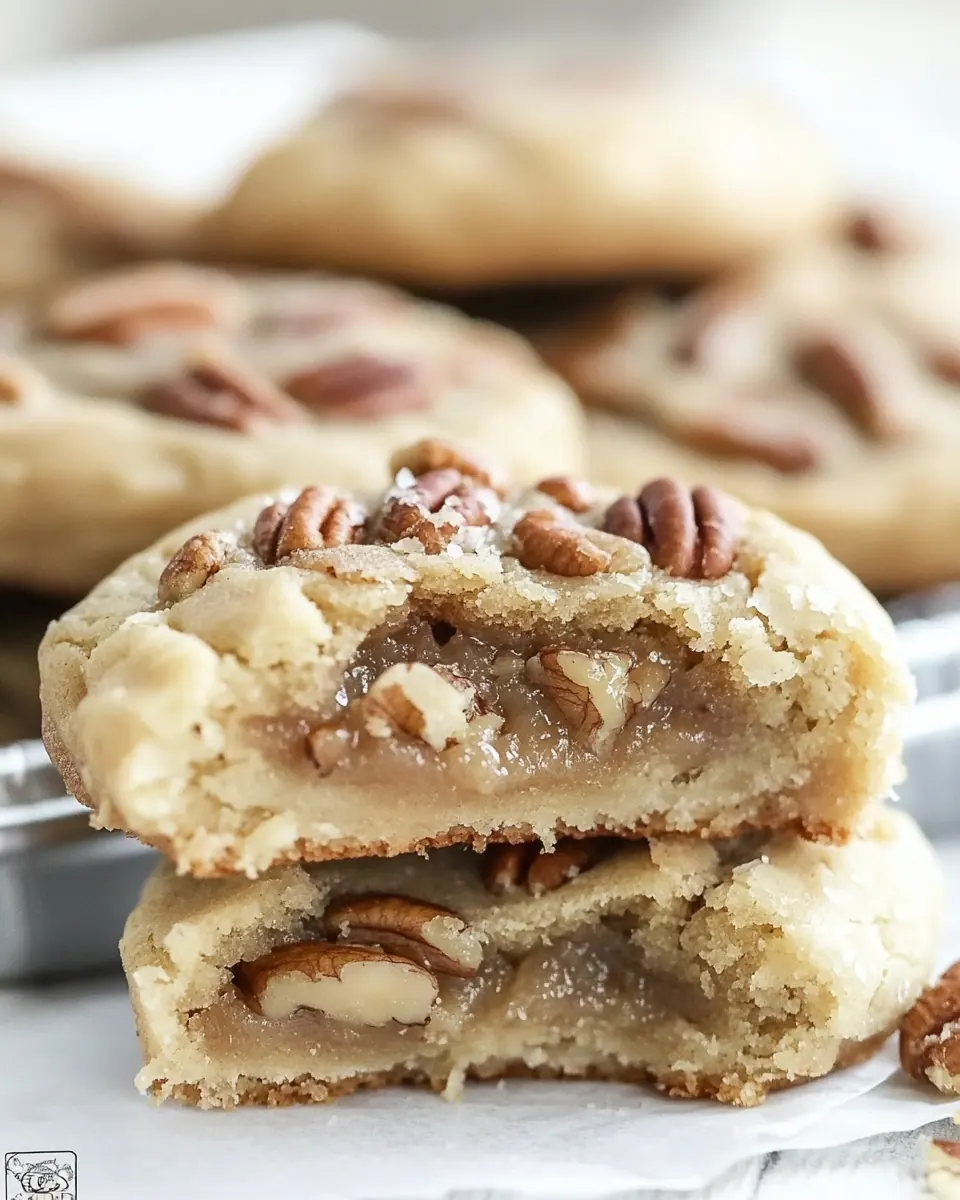
These ingredients work together to deliver the hallmark flavor and texture of Pecan Pie Cookies. The cookie base is a simple creamed dough that provides a tender, slightly crumbly shell. The filling is a concentrated, nut forward mixture that lends chew and caramel notes. Each component plays a key role, with the brown sugar and butter creating depth, the flour lending structure, and the chopped pecans delivering crunch and roastiness.
- 1 cup (200 g) packed brown sugar: Provides deep sweetness and moisture while contributing a rich molasses flavor that defines the cookie’s caramel-like profile; helps tenderize the dough and encourages chewy texture when creamed with butter.
- 3/4 cup (170 g) unsalted butter, softened: Adds creaminess and fat to create a tender, rich dough; when softened and creamed with sugar, helps incorporate air for lighter cookies and enhances overall mouthfeel.
- 1 large egg: Binds ingredients together and adds structure while contributing moisture and a slight richness; helps with leavening and sets as the cookies bake to hold shape.
- 1 teaspoon vanilla: Imparts warm, sweet aromatic notes that elevate flavor depth; balances the brown sugar’s molasses tones and rounds out the overall taste profile.
- 2 cups (248 g) all-purpose flour: Provides bulk and structure as the primary dry ingredient; develops gluten to give cookies body while remaining tender when mixed properly.
- 1 teaspoon baking powder: Leavens the dough gently to give a slight lift and tender crumb; balances density from the flour and brown sugar without creating cake-like rise.
- 1/4 teaspoon salt: Enhances overall flavor by balancing sweetness and accentuating other ingredients; helps strengthen dough structure when used in small quantities.
- 1 cup (60 g) finely chopped pecans: Contributes crunch, nutty flavor, and toasted aroma for the pecan pie character; adds textural contrast and rich, buttery notes throughout the cookie.
- 1/2 cup (100 g) packed brown sugar: Adds additional caramel-like sweetness and helps create a gooey, pie-like interior when incorporated into the cookie topping or filling.
- 2 4 tablespoons (30-60 ml) whipping cream or milk (see note): Adjusts dough consistency and adds moisture to achieve the desired spread and chewiness; can slightly enrich flavor when using cream versus milk.
- 1 teaspoon vanilla: Reinforces vanilla flavor for a more pronounced aromatic profile; layers with the earlier vanilla to ensure consistent flavor in both dough and filling.
- Pinch salt: Enhances and balances sweet flavors when sprinkled into fillings or dough; provides a subtle contrast that brightens overall taste.
Instructions for Pecan Pie Cookies
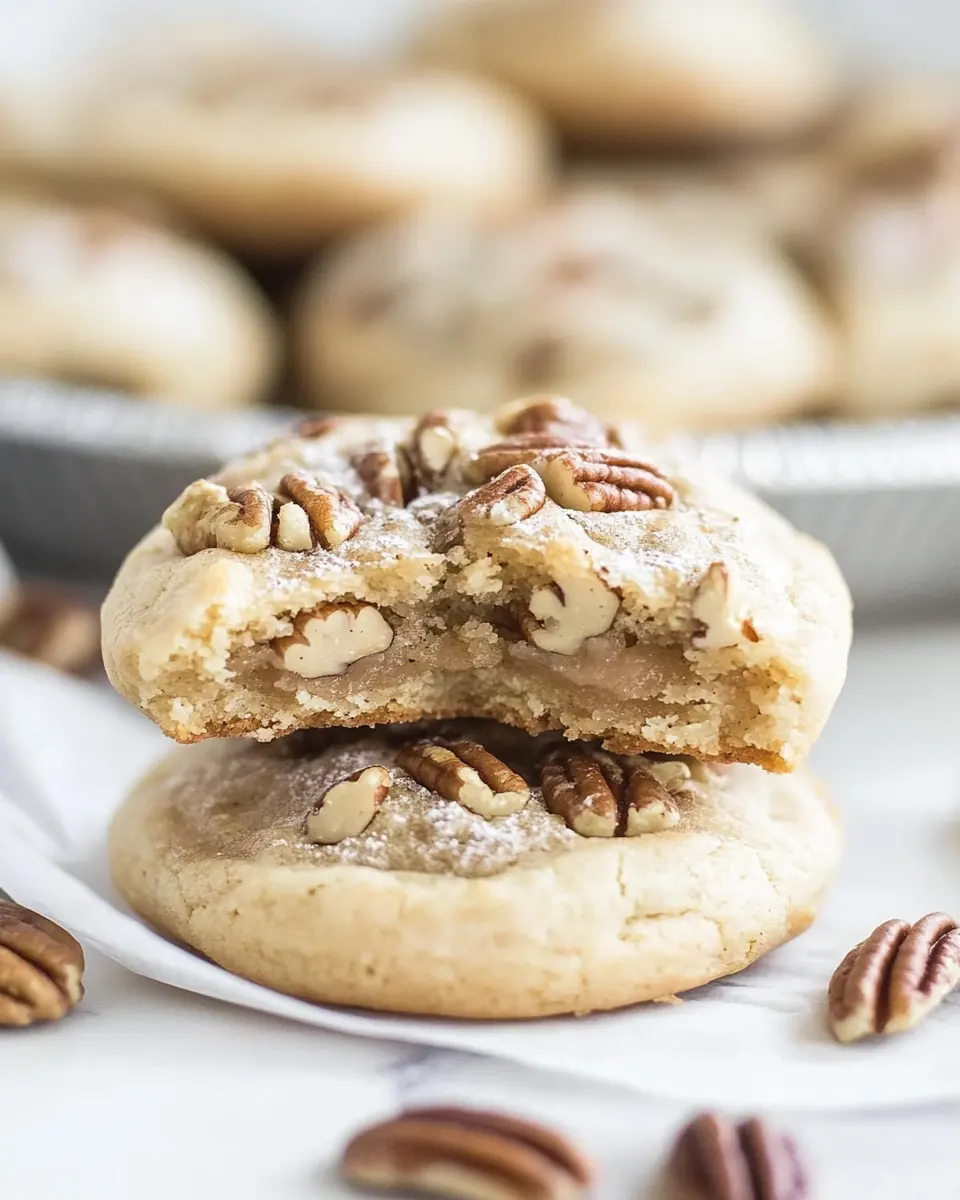
I like to keep the process relaxed and rhythmic, working from the dough to the filling and then to baking. These steps produce consistent cookies when you pay attention to sensory cues and small details, like dough texture and the slight browning around the cookie edges.
- Heat oven to 350°. Line two cookie sheets with parchment paper or silicone baking mats.: The kitchen will warm and you may notice a subtle oven hum as it preheats, which is your cue that the baking environment is stabilizing. A properly preheated oven ensures the cookies begin setting immediately on the hot sheet, which helps hold the thumbprint shape. If the oven is not up to temperature, cookies can spread too much and lose their indentation, so use an oven thermometer if yours runs cool.
- Beat brown sugar, butter, egg, and vanilla at medium speed (using a hand or stand mixer) until creamy. Reduce speed to low; add flour, baking powder, and salt. Beat until well mixed.: You should see the mixture lighten in color and become glossy, and you may hear the mixer change tone as the texture smooths. Creaming incorporates air and dissolves sugar, which contributes to tenderness. Over beating can make the dough too loose, so stop once it looks uniform and fluffy.
- Shape dough into 2 tablespoon balls. Place 2 inches apart onto parchment lined cookie sheets. Make an indentation in each cookie with your thumb or the back of a wooden spoon, rotate it to hollow the cookie out slightly.: The dry ingredients should be gently incorporated to avoid developing gluten, which keeps cookies tender rather than tough. Add just until the streaks disappear, and you will feel the mixture become slightly thicker and quieter in the bowl. A common error is over mixing here, which creates a dense bite rather than a delicate shell.
- Make the filling: stir pecans, brown sugar, salt, and vanilla. Add 2 tablespoons whipping cream or milk. Stir until thick mixture forms, adding a bit more cream or milk as necessary. (If you use milk, you’ll need only about 2 tablespoons. If you use cream you might need more.) It should be too wet, just a thick mixture.: You will notice the dough hold together easily when it has the right moisture. Rolling into 2 tablespoon balls helps them bake evenly. Place them on the prepared sheets with space around them because they will spread a touch; if they are too close they can join and disrupt the hollow for the filling.
- Scoop about 1 rounded teaspoon of mixture into the center of each cookie. Chill 20 minutes.: The parchment prevents sticking and encourages even browning on the bottom. Two inches gives each cookie room to expand slightly without crowding, so their edges can turn golden instead of merging. If you skip lining the pan, cookies may brown too quickly on the bottom and stick, making removal tricky.
- Bake for 10-12 minutes, or until the cookies are baked and just starting to turn golden. Cool slightly before removing from cookie sheet.: The tactile action of creating a well gives a visual cue that the cookie is ready for filling. You should feel a soft give but a defined rim around the indentation, which will help hold the filling. If you press too hard, the cookies can become too thin and crisp, leading to spills during baking.
- Store in an airtight container for up to three days or freeze for up to one month.: stir pecans, brown sugar, salt, and vanilla : The mixture will smell toasty and sweet as you combine flavors, with the pecans releasing their nutty aroma. Stirring by hand lets you judge texture; you want a grainy, dense mixture before adding cream. Rushing this step can yield uneven flavor distribution, so scrape the bowl edges to ensure everything is uniform.
- Add 2 tablespoons whipping cream or milk: Start with the smaller amount and add more if needed until the filling is thick and scoopable, you will see the mixture come together and glisten slightly. The dairy binds the brown sugar and chopped pecans , shaping a cohesive filling that will remain in the thumbprint. If you add too much at once, the filling can become runny and spill over during baking.
- Stir until thick mixture forms, adding a bit more cream or milk as necessary: The mixture should cling to a spoon and fall slowly when lifted, with a glossy sheen from the dairy and a crunchy texture from the pecans . This step matters because the right consistency prevents the center from soaking into the cookie base, keeping both textures distinct. If it looks soupy, refrigerate briefly to firm up before filling.
- Scoop about 1 rounded teaspoon of mixture into the center of each cookie: As you drop the filling, listen for the faint thud and watch that the mixture nestles into the well without overflowing. The contrast between the pale cookie rim and the darker filling should be visible. Overfilling results in spillover and sticky trays, so be conservative and reserve any extra to top later if needed.
- Chill 20 minutes: Cooling the filled cookies firms the dough and filling, so they hold shape in the oven. You will feel the filling become less glossy and the dough slightly firmer to the touch. Skipping chill time can cause the cookies to flatten and the centers to run, changing both texture and appearance.
- Bake for 10 to 12 minutes, or until the cookies are baked and just starting to turn golden: Watch the edges for a subtle golden tinge and the centers for a tiny, glossy bubble as signals of doneness. The smell will be a warm, nutty caramel note, and the sound is a quiet oven hush rather than crackling. Over baking dries the cookie and makes the filling too hard, so remove when the edges are set but the center still has a slight give.
- Cool slightly before removing from cookie sheet: Letting them rest for a few minutes lets the filling set just enough to avoid breakage when transferring. You will notice the filling lose some gloss and the cookie edge firm up to a pleasant bite. If you try to remove them too soon, they may tear or lose filling, so use a thin spatula and patience.
- Store in an airtight container for up to three days or freeze for up to one month: Room temperature storage keeps the cookie texture at its best, preserving the tender shell and chewy center. For freezing, layer with parchment to avoid sticking, and thaw at room temperature before serving so the filling regains its moisture. Freezing can slightly mute the flavors, so bring them back to room temperature to revive aroma.
Recipe Tips about Pecan Pie Cookies
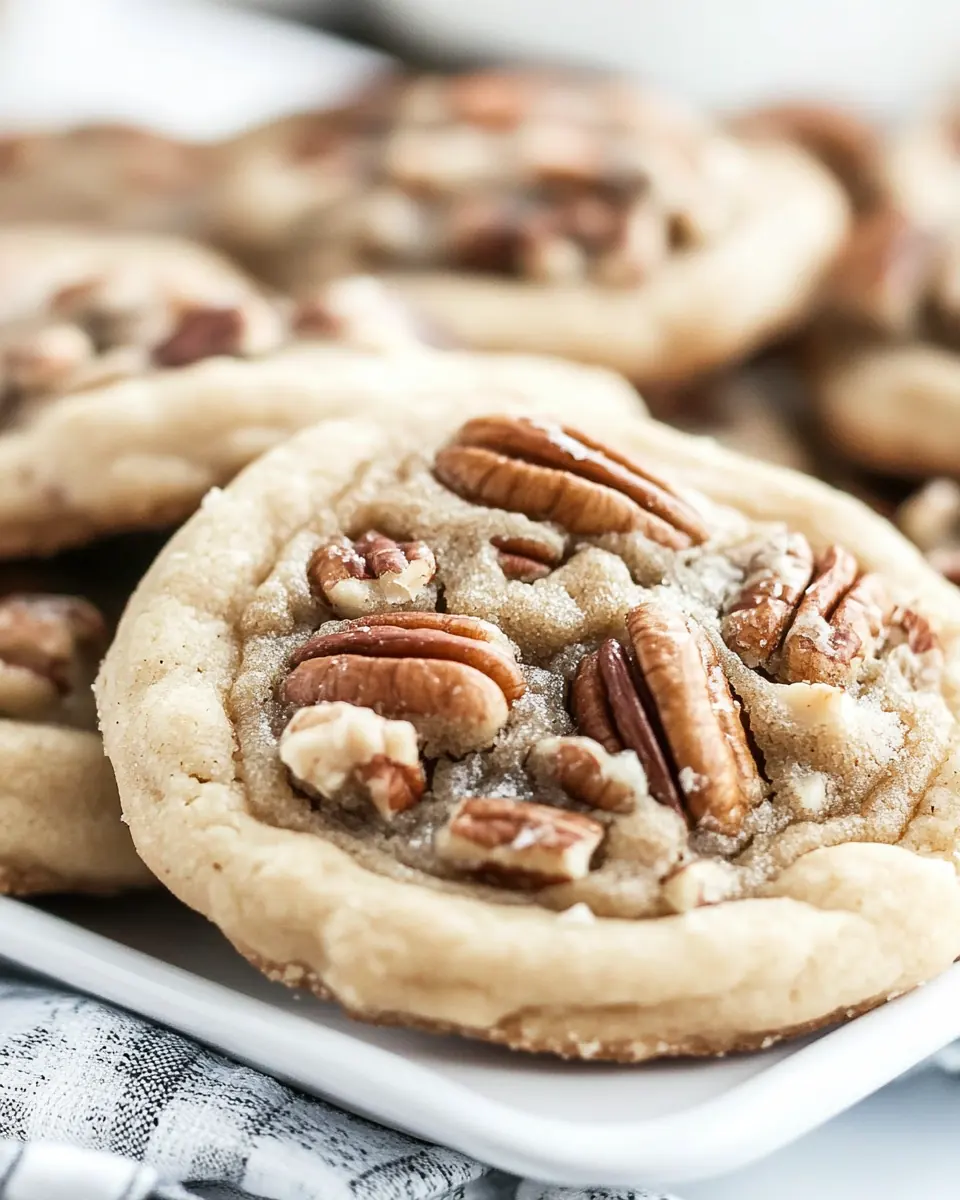
These tips will help you get consistent results and deepen the pecan pie flavor in every cookie. I include practical notes on texture, timing, and small adjustments that make a big difference.
- Measure flour properly by spooning it into the cup and leveling with a knife to avoid dense cookies, which is a common issue if the flour is packed too tightly.
- Use softened butter not melted, so the creaming process traps air for a lighter texture, while melted butter will create a flatter cookie.
- Chop pecans uniformly to ensure even distribution and consistent texture in every bite, rather than having large chunks that can overpower the filling.
- Start with less cream adding more only as needed so the filling stays thick and scoopable instead of runny during baking.
- Do a test bake with two or three cookies first to judge spread and baking time in your oven, then adjust time slightly for the rest of the batch.
- Cool on the sheet briefly so the filling firms enough to move the cookies without distortion, preserving the neat thumbprint appearance.
Pairing Suggestions for Pecan Pie Cookies
These cookies pair well with warm beverages and festive platters, and they are versatile across occasions. Below are serving ideas, storage suggestions, and seasonal pairings to help you present them beautifully.
- Serve with hot coffee for an afternoon treat where the bitter notes of the coffee balance the cookie sweetness, creating a classic pairing.
- Plate with spiced tea at a holiday gathering to complement the nutty, caramel profile and offer a cozy drink contrast for guests.
- Include on a cookie exchange platter with a variety of textures and flavors, because the nut forward character adds depth to an assortment and travels well to parties.
- Pack for school snacks by placing single cookies in parchment, which keeps them fresh and makes them a portable sweet option for lunches.
- Store at room temperature in an airtight container for up to three days to preserve the tender texture, or freeze layered with parchment for up to one month and thaw before serving.
- Offer as a dessert for Thanksgiving where their familiarity with classic pie flavors makes them an excellent handheld alternative during holiday meals.
FAQ
Conclusion
Pecan Pie Cookies shine because they condense the comforting, nutty flavors of pecan pie into a perfectly portable cookie. They are approachable to bake, yet deliver layered textures and warm caramel notes that make them feel special. Give them a try when you want a dessert that travels well, fits on a cookie tray, or simply makes an afternoon feel festive. Enjoy the hands on process, and share a batch with friends and family to spread a little warmth.
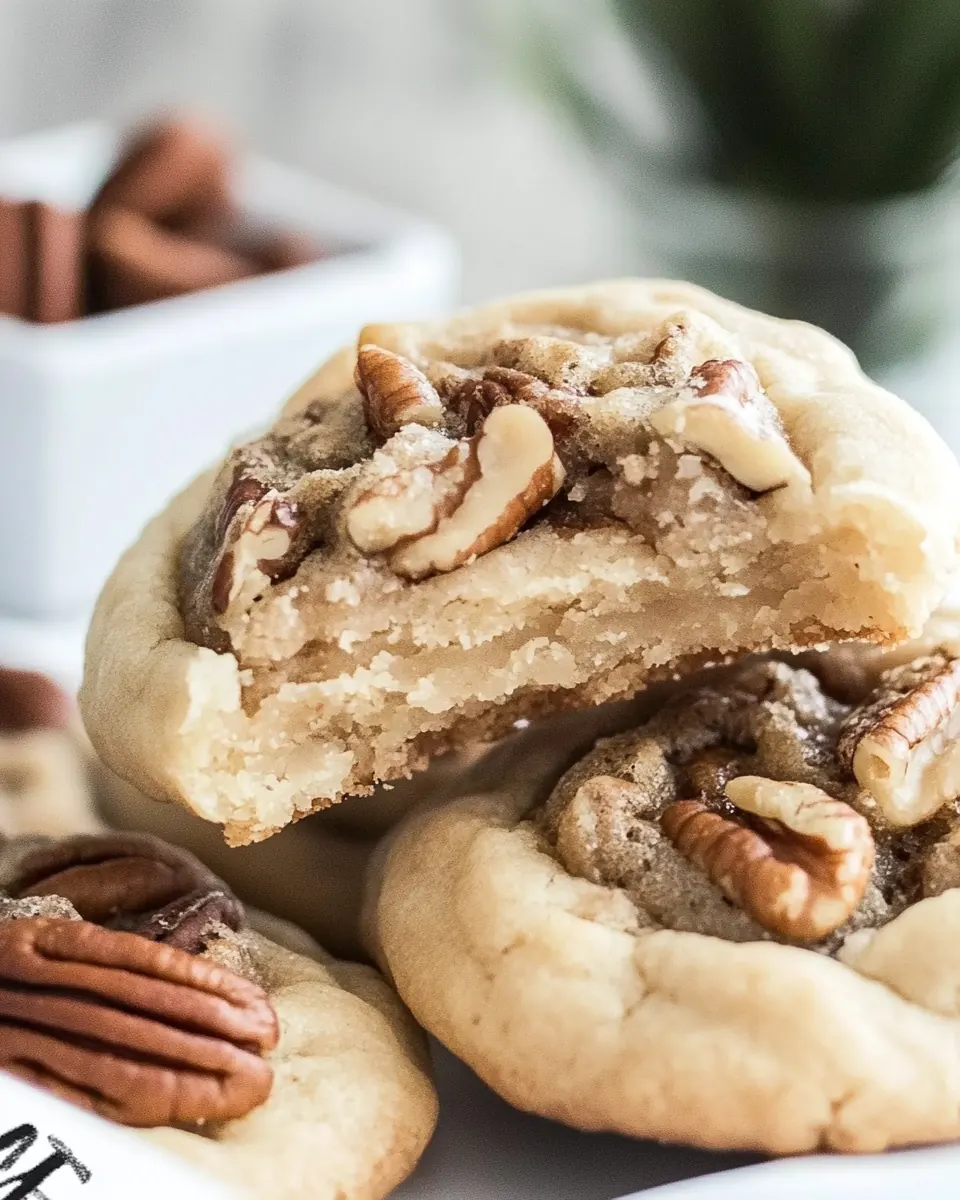
Pecan Pie Cookies
Ingredients
Equipment
Method
- Heat oven to 350°. Line two cookie sheets with parchment paper or silicone baking mats.: The kitchen will warm and you may notice a subtle oven hum as it preheats, which is your cue that the baking environment is stabilizing. A properly preheated oven ensures the cookies begin setting immediately on the hot sheet, which helps hold the thumbprint shape. If the oven is not up to temperature, cookies can spread too much and lose their indentation, so use an oven thermometer if yours runs cool.
- Beat brown sugar, butter, egg, and vanilla at medium speed (using a hand or stand mixer) until creamy. Reduce speed to low; add flour, baking powder, and salt. Beat until well mixed.: You should see the mixture lighten in color and become glossy, and you may hear the mixer change tone as the texture smooths. Creaming incorporates air and dissolves sugar, which contributes to tenderness. Over beating can make the dough too loose, so stop once it looks uniform and fluffy.
- Shape dough into 2 tablespoon balls. Place 2 inches apart onto parchment lined cookie sheets. Make an indentation in each cookie with your thumb or the back of a wooden spoon, rotate it to hollow the cookie out slightly.: The dry ingredients should be gently incorporated to avoid developing gluten, which keeps cookies tender rather than tough. Add just until the streaks disappear, and you will feel the mixture become slightly thicker and quieter in the bowl. A common error is over mixing here, which creates a dense bite rather than a delicate shell.
- Make the filling: stir pecans, brown sugar, salt, and vanilla. Add 2 tablespoons whipping cream or milk. Stir until thick mixture forms, adding a bit more cream or milk as necessary. (If you use milk, you’ll need only about 2 tablespoons. If you use cream you might need more.) It should be too wet, just a thick mixture.: You will notice the dough hold together easily when it has the right moisture. Rolling into 2 tablespoon balls helps them bake evenly. Place them on the prepared sheets with space around them because they will spread a touch; if they are too close they can join and disrupt the hollow for the filling.
- Scoop about 1 rounded teaspoon of mixture into the center of each cookie. Chill 20 minutes.: The parchment prevents sticking and encourages even browning on the bottom. Two inches gives each cookie room to expand slightly without crowding, so their edges can turn golden instead of merging. If you skip lining the pan, cookies may brown too quickly on the bottom and stick, making removal tricky.
- Bake for 10-12 minutes, or until the cookies are baked and just starting to turn golden. Cool slightly before removing from cookie sheet.: The tactile action of creating a well gives a visual cue that the cookie is ready for filling. You should feel a soft give but a defined rim around the indentation, which will help hold the filling. If you press too hard, the cookies can become too thin and crisp, leading to spills during baking.
- Store in an airtight container for up to three days or freeze for up to one month.: stir pecans, brown sugar, salt, and vanilla : The mixture will smell toasty and sweet as you combine flavors, with the pecans releasing their nutty aroma. Stirring by hand lets you judge texture; you want a grainy, dense mixture before adding cream. Rushing this step can yield uneven flavor distribution, so scrape the bowl edges to ensure everything is uniform.
- Add 2 tablespoons whipping cream or milk: Start with the smaller amount and add more if needed until the filling is thick and scoopable, you will see the mixture come together and glisten slightly. The dairy binds the brown sugar and chopped pecans , shaping a cohesive filling that will remain in the thumbprint. If you add too much at once, the filling can become runny and spill over during baking.
- Stir until thick mixture forms, adding a bit more cream or milk as necessary: The mixture should cling to a spoon and fall slowly when lifted, with a glossy sheen from the dairy and a crunchy texture from the pecans . This step matters because the right consistency prevents the center from soaking into the cookie base, keeping both textures distinct. If it looks soupy, refrigerate briefly to firm up before filling.
- Scoop about 1 rounded teaspoon of mixture into the center of each cookie: As you drop the filling, listen for the faint thud and watch that the mixture nestles into the well without overflowing. The contrast between the pale cookie rim and the darker filling should be visible. Overfilling results in spillover and sticky trays, so be conservative and reserve any extra to top later if needed.
- Chill 20 minutes: Cooling the filled cookies firms the dough and filling, so they hold shape in the oven. You will feel the filling become less glossy and the dough slightly firmer to the touch. Skipping chill time can cause the cookies to flatten and the centers to run, changing both texture and appearance.
- Bake for 10 to 12 minutes, or until the cookies are baked and just starting to turn golden: Watch the edges for a subtle golden tinge and the centers for a tiny, glossy bubble as signals of doneness. The smell will be a warm, nutty caramel note, and the sound is a quiet oven hush rather than crackling. Over baking dries the cookie and makes the filling too hard, so remove when the edges are set but the center still has a slight give.
- Cool slightly before removing from cookie sheet: Letting them rest for a few minutes lets the filling set just enough to avoid breakage when transferring. You will notice the filling lose some gloss and the cookie edge firm up to a pleasant bite. If you try to remove them too soon, they may tear or lose filling, so use a thin spatula and patience.
- Store in an airtight container for up to three days or freeze for up to one month: Room temperature storage keeps the cookie texture at its best, preserving the tender shell and chewy center. For freezing, layer with parchment to avoid sticking, and thaw at room temperature before serving so the filling regains its moisture. Freezing can slightly mute the flavors, so bring them back to room temperature to revive aroma.
Notes
- Measure flour properly by spooning it into the cup and leveling with a knife to avoid dense cookies, which is a common issue if the flour is packed too tightly.
- Use softened butter not melted, so the creaming process traps air for a lighter texture, while melted butter will create a flatter cookie.
- Chop pecans uniformly to ensure even distribution and consistent texture in every bite, rather than having large chunks that can overpower the filling.
- Start with less cream adding more only as needed so the filling stays thick and scoopable instead of runny during baking.
- Do a test bake with two or three cookies first to judge spread and baking time in your oven, then adjust time slightly for the rest of the batch.
- Cool on the sheet briefly so the filling firms enough to move the cookies without distortion, preserving the neat thumbprint appearance.