Roasted Beets
Roasted Beets feel like a tiny culinary victory every time I pull them from the oven.
Years ago I found myself at a farmers market with a crate of deep magenta roots that seemed to pulse with earthy promise, and I could not resist taking them home. I remember the rhythm of scrubbing stubborn soil, the sharp scent as I trimmed the greens, and the quiet satisfaction when the kitchen filled with a warm, sweet aroma as they roasted. That day I learned how simple patience and a hot oven can coax out the most humble vegetable’s unexpected sweetness.
Since then I turn to Roasted Beets whenever I want something both rustic and elegant on the table. They pair effortlessly with crisp textures and bright herbs, and they make an ordinary weeknight feel a touch festive. I often roast a tray on Sunday, knowing the leftovers will lift salads, bowls, or sandwiches all week. Every time I slice into a cooked beet and see that vivid color, it reminds me why I love cooking driven by whole, honest ingredients.
Recipe Snapshot
55 mins
10 mins
45 mins
Medium
120 kcal
American
Vegan, Gluten-Free
Side Dishes
Baking dish, Aluminum foil, Sharp knife, Paper towels
Why This Roasted Beets Is a Winner
They taste like concentrated garden sweetness
I love how Roasted Beets transform in the oven, the natural sugars caramelizing into a subtle, almost jam like richness. When I bite into a warm slice I notice floral, earthy notes layered with a gentle sweetness that feels dressed up but not fussy. That flavor depth makes them more than a side, they can stand proud on a plate.
They are incredibly low effort with high payoff
From my experience, the method is forgiving. Toss with olive oil, salt and roast. The oven does most of the work, so while the kitchen fills with a toasty scent, you can prep other parts of the meal. For busy evenings this hands off quality is a lifesaver, and I appreciate not babysitting the stove.
Versatile across meals and menus
I adore how these beets adapt. Slice them hot into salads for contrast, chop them into grain bowls, or serve them simply with fresh herbs. In my kitchen they go from casual lunches to holiday spreads without missing a beat. Their color and texture make plates instantly more interesting.
Nutritious and satisfying
Beyond taste, roasted beets bring earthy minerals and fiber to the table. I like recommending them when people want nutrient dense sides that feel substantial. They give a sense of wholesome satisfaction that complements lean proteins and grains alike.
They store and reheat beautifully
I often roast a double batch so I have beets ready for weekday salads or warm bowls. Reheated or chilled, they keep their texture and flavor, which makes them a practical ingredient for meal planning. I find this reliability makes them a pantry staple in a lot of kitchens I know.
What Goes Into Roasted Beets
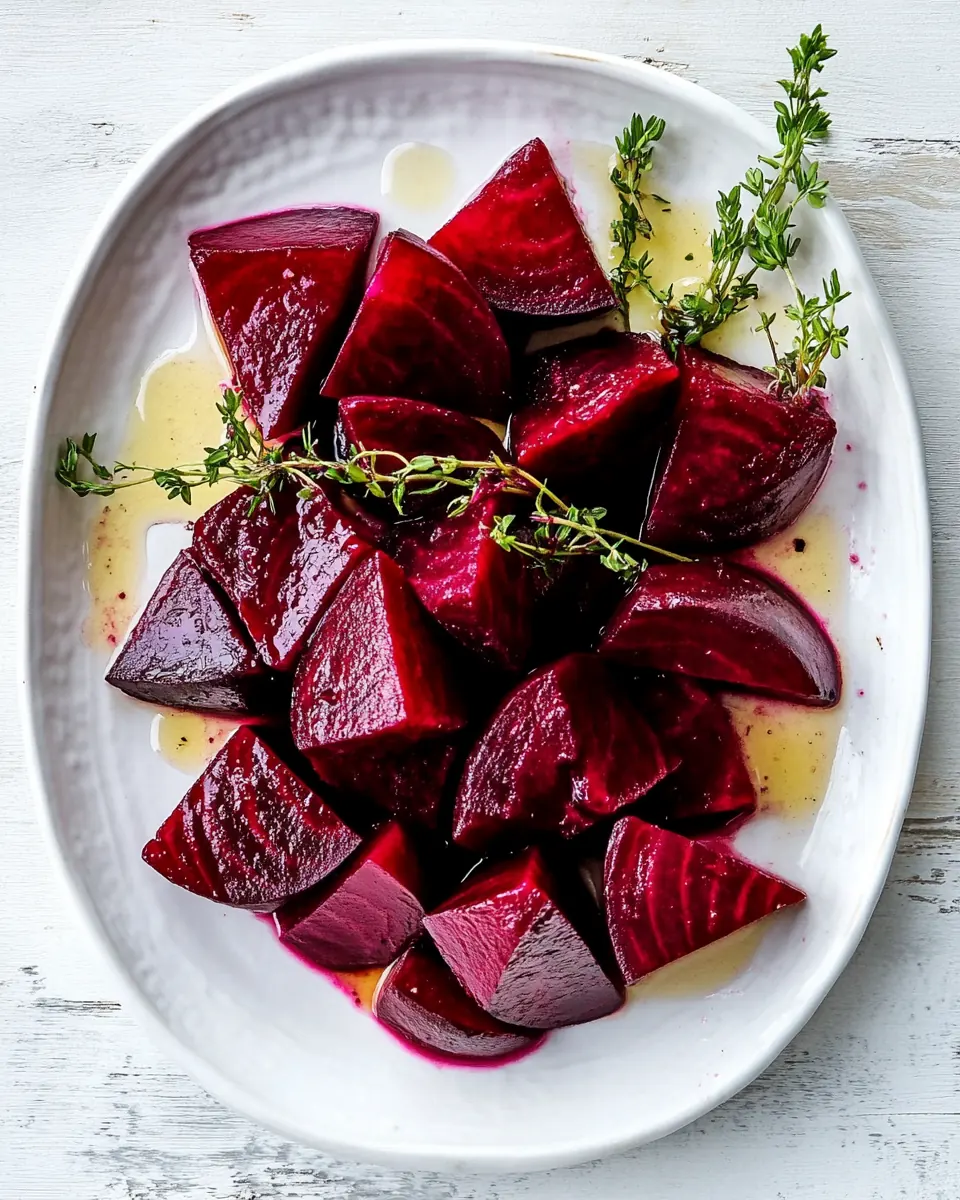
These ingredients are intentionally simple, showcasing the beet as the star. The small cast of players lets the root’s natural sweetness and earthy character shine. A little olive oil helps caramelize edges, salt sharpens flavors, and fresh herbs add an aromatic lift. Together they create a balanced, rustic side that is both forgiving and elegant.
- 2 pounds fresh beets, about 6 medium: Roast evenly to develop deep, sweet flavors and tender texture while preserving natural sugars; coat beets lightly in oil and season before roasting to encourage caramelization and a glossy finish. Use whole or halved beets depending on size, and roast until a knife meets little resistance, about 45–60 minutes at high heat.
- 2 tablespoons extra virgin olive oil: Dress gently to add richness and help carry seasonings across the beets; extra virgin olive oil imparts a fruity, peppery note and helps create a silky surface after roasting. Choose a good-quality oil and use sparingly to avoid overpowering the vegetable’s natural sweetness.
- kosher salt and freshly ground black pepper: Season generously to enhance and balance the earthy sweetness of the roasted beets; kosher salt accentuates flavors while freshly ground black pepper adds a bright, subtle heat. Adjust to taste after roasting since caramelization can change perceived saltiness, and grind pepper freshly for best aroma.
- fresh herbs for garnish: Garnish lightly to add fresh contrast in flavor, color, and texture; herbs bring brightness and aromatic lifts that complement the beets’ earthiness. Choose tender herb leaves and sprinkle just before serving to preserve their fragrance and visual appeal.
Preparation Steps for Roasted Beets
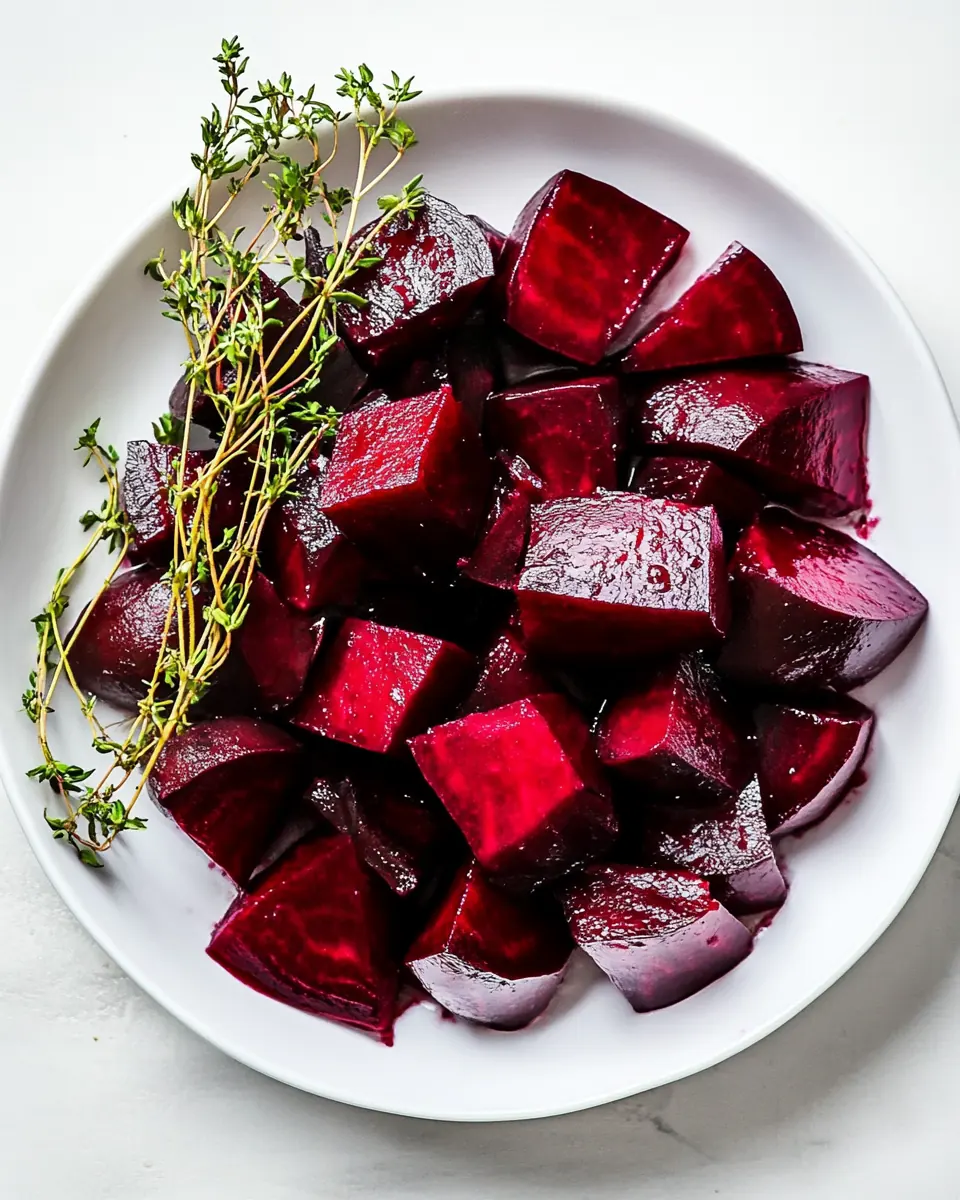
These steps guide you from raw roots to tender, flavorful beets, offering sensory cues and troubleshooting. Pay attention to color, aroma and texture as you go, they are your best indicators for doneness. Keep a few simple tools handy and enjoy the rewarding, hands off nature of this roast.
- Preheat the oven to 450°F. Cut the greens from the tops of the beets and save for another use, then trim the bottom of the stems and discard. Scrub the beets under cold water, pat dry with a paper towel and place in a bowl. Toss with the olive oil and generous pinches of salt.: You will notice the oven warming the kitchen with a dry, steady heat that encourages caramelization. A hot oven helps the natural sugars in the beets brown rather than steam, creating deeper flavors and slightly crisped edges. If your oven runs hot, rotate the rack to avoid burning the tops. A common error is starting at a lower temperature which leads to long cook times and a softer, less complex flavor.
- Place the beets in a baking dish and cover tightly with foil. Bake for 1 hour for large beets, or about 45 min for medium. The beets will be done when you can easily slide a sharp knife into their tender centers. Set aside to cool enough to handle.: As you trim, the clean, slightly vegetal scent of the greens will lift the kitchen air; save them for sautés or pesto to avoid waste. Trimming ensures even roasting and prevents the greens from drawing moisture out of the roots while cooking. Avoid leaving long stems attached, they can dry out and char, which alters the flavor balance.
- To peel, trim the ends then use a paper towel in each hand to rub off the skins. If you don't want your hands to get red, wear plastic gloves. Toss with more olive oil and salt and pepper and garnish with fresh thyme or chopped chives.: Running water and a gentle scrub remove stubborn soil and any sandy grit, and patting them dry prevents excess moisture that would steam the beets instead of browning them. The tactile firmness while scrubbing indicates freshness; soft spots suggest age. A frequent slip up is not drying them thoroughly, which can reduce the roasting effect.
- Toss with the olive oil and generous pinches of salt: As you toss, the beets will glisten and give off a faint fruity aroma from the oil, and the salt begins to season through. Oil promotes even browning while salt enhances the beet's sweetness. Overdoing salt at this stage can concentrate flavors too much, so taste and adjust after roasting if needed.
- Place the beets in a baking dish and cover tightly with foil: Covering traps heat and steam which helps cook the beets thoroughly while still allowing edges to brown slightly when uncovered later. You will feel a gentle warmth and see a faint steam when you lift the foil after baking. A typical mistake is using loose foil which leaks steam, lengthening cooking time and creating uneven textures.
- Bake for 1 hour for large beets or about 45 min for medium: During baking the kitchen fills with a warm, sweet, almost caramel like scent as the beets soften and their sugars concentrate. Use a knife to test the center; it should slide in with minimal resistance. If the knife meets resistance, continue roasting in ten minute intervals. The pitfall to avoid is assuming all beets cook the same, sizes vary, so test for tenderness rather than relying strictly on time.
- The beets will be done when you can easily slide a sharp knife into their tender centers: The knife test gives a clear textural cue, and the skin may separate slightly from the flesh. The interior should be uniformly tender and richly colored, not chalky. A common error is pulling them out too early, resulting in a firmer, less flavorful bite.
- Set aside to cool enough to handle: Cooling concentrates flavor and makes peeling safer and cleaner to do. As they cool you will notice steam settling and a fragrant sweetness lingering in the air. If you try to peel them while overly hot you risk burns or losing juices; patience pays off here.
- To peel, trim the ends then use a paper towel in each hand to rub off the skins: Rubbing with paper towels removes skins easily and keeps your hands from staining, while revealing the beet's glossy, jewel toned flesh. The tactile feedback confirms the skin is releasing properly. Avoid using a sharp peeler on hot beets, it is less effective and can remove more flesh than necessary.
- If you don't want your hands to get red, wear plastic gloves: Wearing gloves prevents staining and keeps your hands clean, while you still feel the texture through the glove. This small habit makes prep less messy and more enjoyable, especially when handling multiple beets. Forgetting gloves means red stained hands that can transfer color to surfaces, so keep a pair nearby.
- Toss with more olive oil and salt and pepper and garnish with fresh thyme or chopped chives: The final toss marries the roasted sweetness with bright seasoning and an herbaceous lift; the aroma of thyme or chives cuts through the richness. The contrast of warm beets with cool, fresh herbs creates balance on the palate. Over dressing can mask the beet's flavor, so add sparingly and taste as you go.
Tips and Tricks about Roasted Beets
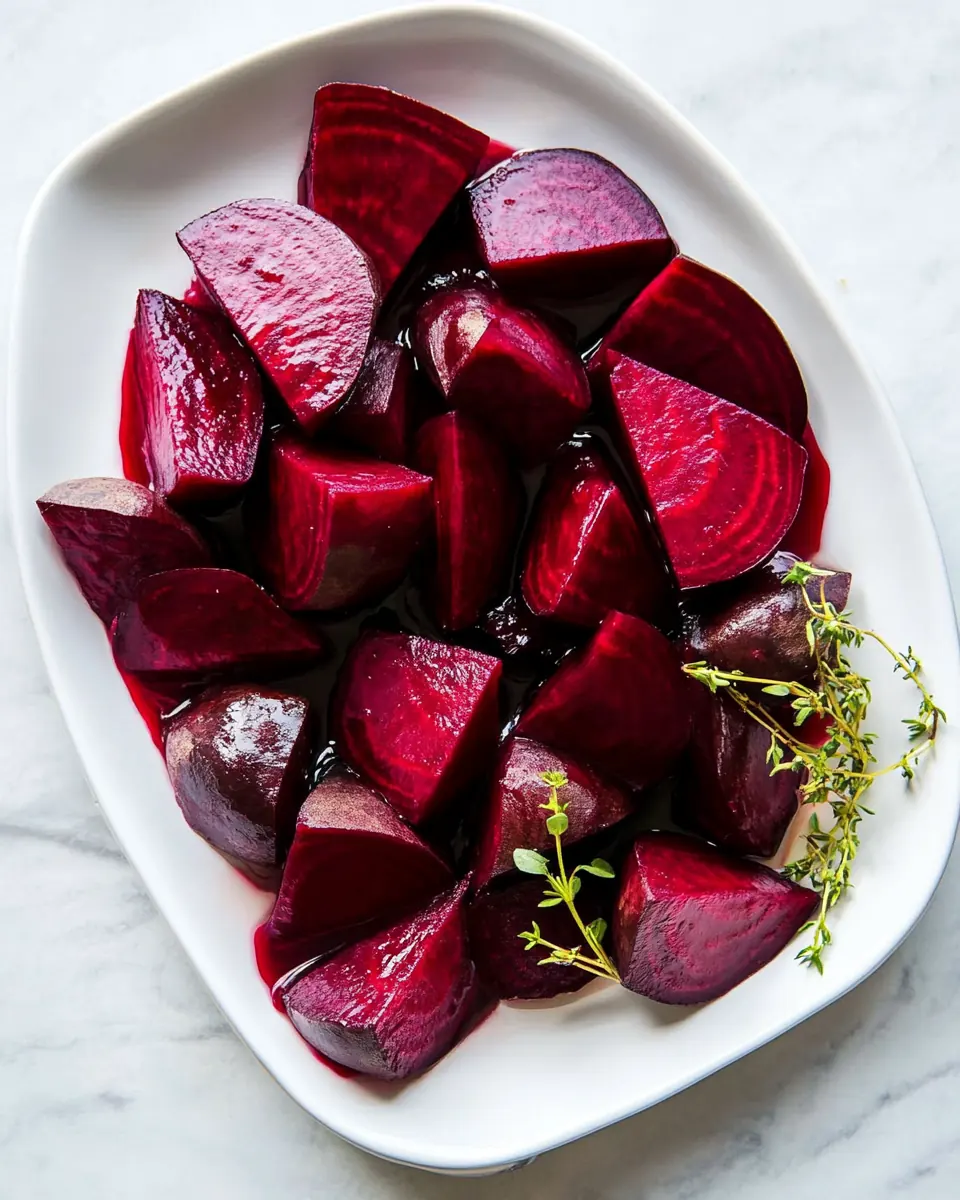
These tips reflect practical habits I use every time I roast beets, aimed at improving texture, flavor and ease of prep. Read them and pick a couple to try, they make the process smoother and the result more consistent.
- Use medium sized beets for the most predictable roasting times, they tend to cook through evenly without a long wait.
- Dry beets thoroughly after washing to prevent steaming and to promote exterior browning for better flavor.
- Toss with oil and salt before roasting so seasoning penetrates and the surface caramelizes more effectively during cooking.
- Cover with foil for the first part of roasting to trap steam and insure even tenderness, then remove near the end if you want a slightly roasted edge.
- Add herbs after roasting to preserve their fresh aroma and prevent them from turning bitter under heat.
What to Serve Alongside Roasted Beets
Roasted beets are flexible and can pair with a wide range of dishes; think in terms of textures and flavors you want to balance. They work particularly well with creamy accompaniments, crisp elements, and bright acidic contrasts. Here are practical serving ideas and contexts where they shine.
- Serve with a simple green salad to add contrast; the beets supply sweet earthiness while the greens keep things fresh and light, perfect for lunch or a light dinner.
- Pair with grain bowls such as farro, quinoa, or rice for a nourishing meal; the beets add color and depth while grains offer chew and body for a satisfying bowl.
- Use as a side for roasted proteins like roasted chicken or fish; the beets bring a slightly sweet partner that complements savory mains for weekend dinners.
- Include on a holiday platter to add vibrant color and a rustic element to festive spreads, they hold up well and can be served warm or at room temperature.
- Store leftovers properly in an airtight container in the fridge for up to five days; reheat gently or serve chilled to maintain texture and flavor for quick weekday meals.
- Consider seasonal pairings in fall and winter when root vegetables are at their peak; they feel especially appropriate alongside squash and hearty greens for comfort meals.
FAQ
Conclusion
Roasted Beets stand out for their deep, sweet earthiness and effortless transformation in a hot oven. They are a simple side that elevates ordinary meals, and their vivid color brings life to the plate. I encourage you to try this method the next time you find beautiful beets at the market, and notice how a little heat and patience can turn a humble root into something memorable.
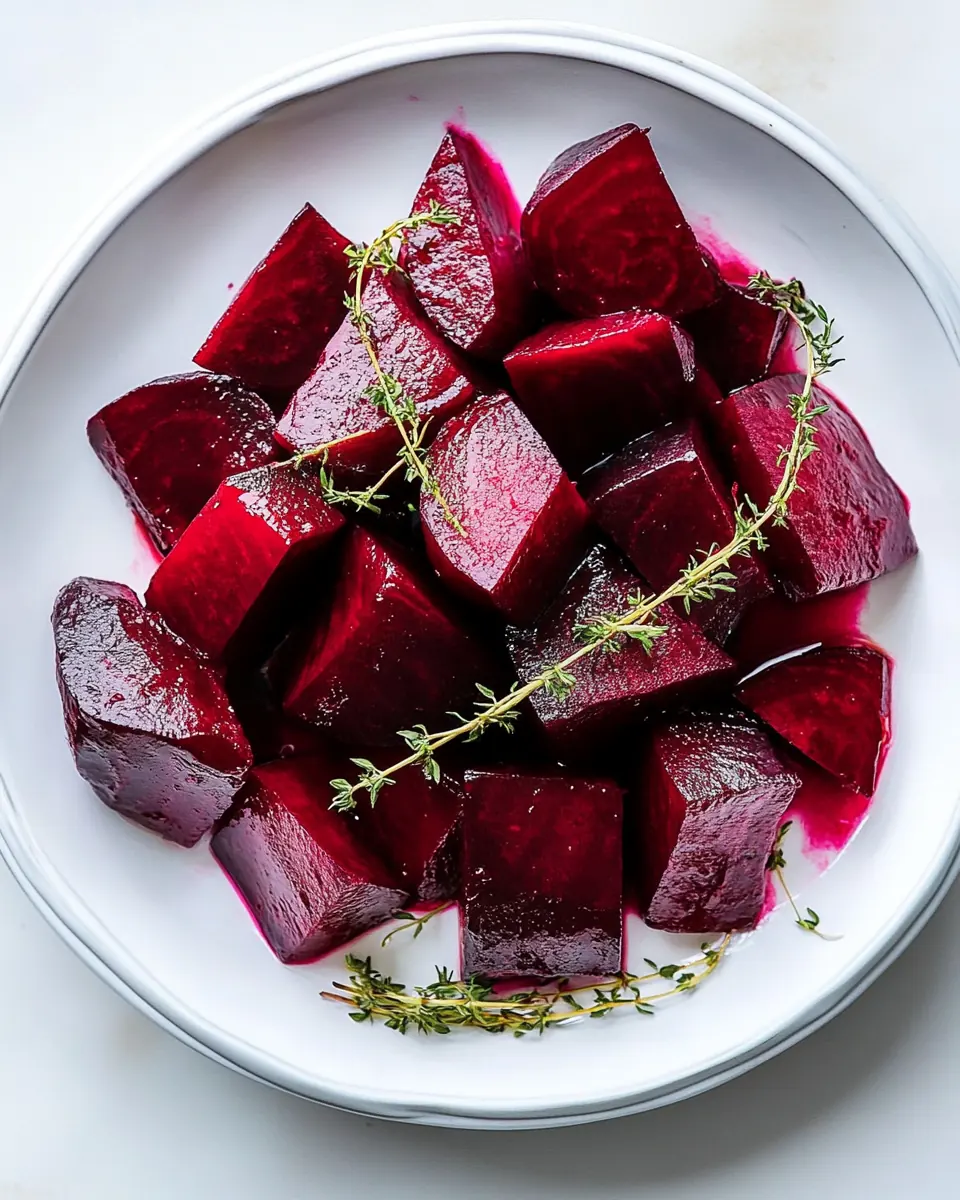
Roasted Beets
Ingredients
Equipment
Method
- Preheat the oven to 450°F. Cut the greens from the tops of the beets and save for another use, then trim the bottom of the stems and discard. Scrub the beets under cold water, pat dry with a paper towel and place in a bowl. Toss with the olive oil and generous pinches of salt.: You will notice the oven warming the kitchen with a dry, steady heat that encourages caramelization. A hot oven helps the natural sugars in the beets brown rather than steam, creating deeper flavors and slightly crisped edges. If your oven runs hot, rotate the rack to avoid burning the tops. A common error is starting at a lower temperature which leads to long cook times and a softer, less complex flavor.
- Place the beets in a baking dish and cover tightly with foil. Bake for 1 hour for large beets, or about 45 min for medium. The beets will be done when you can easily slide a sharp knife into their tender centers. Set aside to cool enough to handle.: As you trim, the clean, slightly vegetal scent of the greens will lift the kitchen air; save them for sautés or pesto to avoid waste. Trimming ensures even roasting and prevents the greens from drawing moisture out of the roots while cooking. Avoid leaving long stems attached, they can dry out and char, which alters the flavor balance.
- To peel, trim the ends then use a paper towel in each hand to rub off the skins. If you don't want your hands to get red, wear plastic gloves. Toss with more olive oil and salt and pepper and garnish with fresh thyme or chopped chives.: Running water and a gentle scrub remove stubborn soil and any sandy grit, and patting them dry prevents excess moisture that would steam the beets instead of browning them. The tactile firmness while scrubbing indicates freshness; soft spots suggest age. A frequent slip up is not drying them thoroughly, which can reduce the roasting effect.
- Toss with the olive oil and generous pinches of salt: As you toss, the beets will glisten and give off a faint fruity aroma from the oil, and the salt begins to season through. Oil promotes even browning while salt enhances the beet's sweetness. Overdoing salt at this stage can concentrate flavors too much, so taste and adjust after roasting if needed.
- Place the beets in a baking dish and cover tightly with foil: Covering traps heat and steam which helps cook the beets thoroughly while still allowing edges to brown slightly when uncovered later. You will feel a gentle warmth and see a faint steam when you lift the foil after baking. A typical mistake is using loose foil which leaks steam, lengthening cooking time and creating uneven textures.
- Bake for 1 hour for large beets or about 45 min for medium: During baking the kitchen fills with a warm, sweet, almost caramel like scent as the beets soften and their sugars concentrate. Use a knife to test the center; it should slide in with minimal resistance. If the knife meets resistance, continue roasting in ten minute intervals. The pitfall to avoid is assuming all beets cook the same, sizes vary, so test for tenderness rather than relying strictly on time.
- The beets will be done when you can easily slide a sharp knife into their tender centers: The knife test gives a clear textural cue, and the skin may separate slightly from the flesh. The interior should be uniformly tender and richly colored, not chalky. A common error is pulling them out too early, resulting in a firmer, less flavorful bite.
- Set aside to cool enough to handle: Cooling concentrates flavor and makes peeling safer and cleaner to do. As they cool you will notice steam settling and a fragrant sweetness lingering in the air. If you try to peel them while overly hot you risk burns or losing juices; patience pays off here.
- To peel, trim the ends then use a paper towel in each hand to rub off the skins: Rubbing with paper towels removes skins easily and keeps your hands from staining, while revealing the beet's glossy, jewel toned flesh. The tactile feedback confirms the skin is releasing properly. Avoid using a sharp peeler on hot beets, it is less effective and can remove more flesh than necessary.
- If you don't want your hands to get red, wear plastic gloves: Wearing gloves prevents staining and keeps your hands clean, while you still feel the texture through the glove. This small habit makes prep less messy and more enjoyable, especially when handling multiple beets. Forgetting gloves means red stained hands that can transfer color to surfaces, so keep a pair nearby.
- Toss with more olive oil and salt and pepper and garnish with fresh thyme or chopped chives: The final toss marries the roasted sweetness with bright seasoning and an herbaceous lift; the aroma of thyme or chives cuts through the richness. The contrast of warm beets with cool, fresh herbs creates balance on the palate. Over dressing can mask the beet's flavor, so add sparingly and taste as you go.
Notes
- Use medium sized beets for the most predictable roasting times, they tend to cook through evenly without a long wait.
- Dry beets thoroughly after washing to prevent steaming and to promote exterior browning for better flavor.
- Toss with oil and salt before roasting so seasoning penetrates and the surface caramelizes more effectively during cooking.
- Cover with foil for the first part of roasting to trap steam and insure even tenderness, then remove near the end if you want a slightly roasted edge.
- Add herbs after roasting to preserve their fresh aroma and prevent them from turning bitter under heat.