Roasted Tomato Bolognese Sauce
Roasted Tomato Bolognese Sauce is one of those recipes I reach for on hot, late summer afternoons when the market is heavy with ripe tomatoes and my kitchen smells like memory. The first time I made this, I roasted the tomatoes until their edges caramelized and the garlic turned sweet and buttery, and that moment when I blended them into a velvety sauce felt like alchemy. I remember standing over the stove, spoon in hand, tasting the sauce as it simmered, thinking how simple techniques can coax out deep, rounded flavors.
There is something very satisfying about patient cooking, and this sauce rewards time with complexity. I often make a double batch, because the aroma that fills the house as it simmers for hours is intoxicating and guests always ask for more. When I serve it, I like the contrast of hearty, browned meat with the bright roasted tomato notes. It reminds me of family dinners where conversation stretched long and everyone lingered over their plates.
Recipe Snapshot
4 hr 15 mins
15 mins
240 mins
Hard
450 kcal
Italian
Gluten-Free, Paleo
Dinner
Oven, Baking sheet, Large pot, Food processor or blender
The Charm of This Roasted Tomato Bolognese Sauce
Roasted depth and bright freshness
I love how roasting the tomatoes and garlic concentrates their sugars, producing a sweet, slightly smoky backbone that lifts the whole sauce. The texture after pureeing keeps little pieces for interest, so the sauce is both smooth and satisfying. You get both the rustic homey feel and a refined, rounded tomato character.
Meaty richness without heaviness
The use of lean ground beef browned to caramelized bits gives savory depth, while long, gentle simmering lets the meat meld into the sauce rather than dominate it. I appreciate that the result feels indulgent but not greasy, because the fat renders and integrates into the sauce, creating body and cohesion.
Flexible and comforting
This recipe works for a quiet family dinner or a fed-and-happy gathering. You can serve it over spaghetti for a classic presentation, or spoon it over roasted vegetables or polenta. I often think of it as a reliable weeknight star that also impresses when friends pop by unexpectedly.
Slow simmering builds flavor layers
What I love most is the patient simmer. Letting the sauce bubble slowly for hours makes the flavors knit together; acidity mellows, herbs bloom, and the sauce reaches a silky finish. It’s forgiving too, so you can taste and adjust as it cooks, which makes the process relaxing rather than stressful.
Easy technique, big payoff
The steps are straightforward, and the ingredients are accessible. With simple hands on work roasting, browning, and stirring, you end up with something that tastes like it took much longer or required special skill. That satisfying return on effort is a big reason I keep making Roasted Tomato Bolognese Sauce, and why I recommend it to anyone wanting a comforting, made-from-scratch meal.
What to Gather for Roasted Tomato Bolognese Sauce
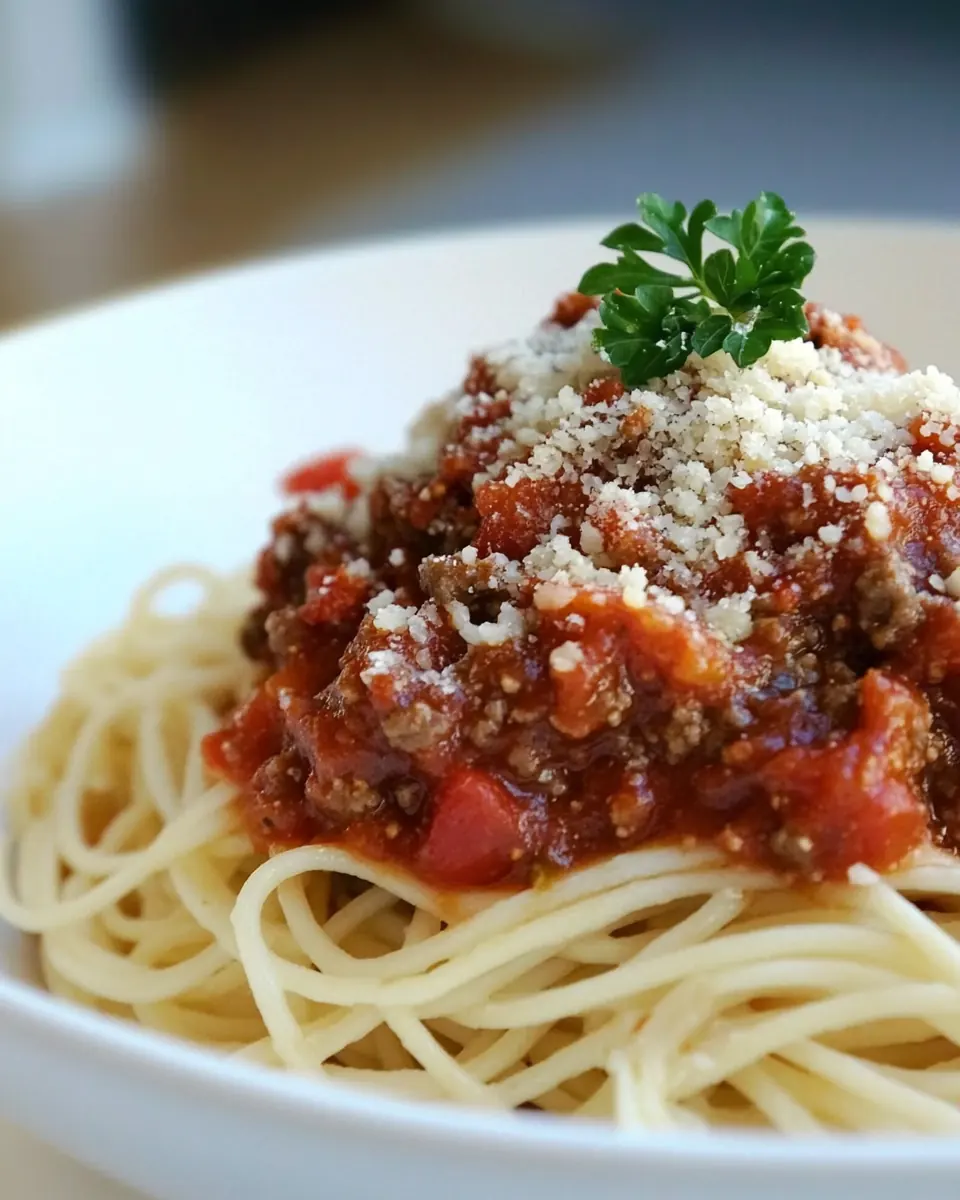
The philosophy here is about balance. Roasting the key players concentrates sweetness and softens acidity, while the browned ground beef and aromatic onion add savory weight. Herbs and a touch of sugar calm the tomato brightness, and spaghetti provides a simple vessel to carry the sauce. Together these ingredients create a layered, comforting sauce that is both rustic and polished.
- 6 beefsteak tomatoes: Roast until blistered and deeply caramelized to concentrate sweetness and add a smoky depth that forms the sauce's tomato base. Use the juices released during roasting to boost body and natural umami, creating a richer overall flavor. Peel or crush after roasting to integrate easily into the sauce for a velvety texture.
- 6 cloves garlic peeled: Smash or mince finely and sauté briefly to release aromatic oils and mellow sharpness, contributing a savory, pungent backbone. Add near the start of cooking to infuse the oil and tomatoes with garlicky warmth. Adjust amount to taste, as garlic strongly influences overall aroma and flavor intensity.
- 2 tablespoons olive oil: Heat gently to coat vegetables and meat, enabling even browning and flavor development without burning. Use at multiple stages if called for, as it carries and melds flavors while preventing sticking. Choose a quality oil for a cleaner mouthfeel and subtle fruity notes.
- salt & pepper: Season sparingly to balance and enhance natural flavors while controlling overall taste profile and seasoning levels. Grind or measure to taste, keeping in mind salt brings out sweetness in tomatoes and pepper adds mild heat and complexity. Add incrementally and taste as the sauce reduces.
- 1 teaspoon dried basil: Crumble or sprinkle into the sauce to impart warm, slightly sweet, and aromatic herb notes that complement roasted tomatoes. Add earlier in cooking to allow the dried herb to rehydrate and release flavor. Pair with bay leaf and Italian seasoning for a layered herbal profile.
- 2 tablespoons olive oil: Warm gently to carry flavors and assist with sautéing aromatics and browning meat, facilitating Maillard reactions. Use the oil to create a glossy finish on the finished sauce and to help disperse fat-soluble flavor compounds. Reuse if the recipe specifies multiple additions for separate cooking stages.
- 1 lb . ground beef 90/10: Brown thoroughly to develop a deep, meaty flavor through caramelization and Maillard reaction, which provides savory richness to the sauce. Drain excess fat if desired to control greasiness while keeping flavorful browned bits for deglazing. Break apart while cooking for even texture that integrates with tomatoes.
- 1 medium onion diced: Sweat or sauté until translucent to build a sweet, savory foundation and soften texture, allowing flavors to meld into the sauce. Dice uniformly for consistent cooking and to avoid large, raw onion pieces in the final dish. Combine with garlic and herbs for a classic flavor base.
- 2 bay leaves: Infuse the sauce gently while simmering to add subtle, aromatic bitterness and depth; remove before serving to avoid an overpowering bay flavor. Use whole and add early in the simmering process so the oils and aromas fully integrate. Replace if broken to prevent woody fragments in the finished sauce.
- 1 teaspoon dried basil: Sprinkle in to reinforce warm, sweet, and slightly peppery herbal notes that pair with tomatoes and garlic. Allow time in the simmering process for the dried herb to rehydrate and distribute its flavor evenly. Use sparingly to avoid overpowering fresher herbs or seasoning blends.
- 1 heaping teaspoon italian seasoning: Stir in to provide a complex mixture of Mediterranean herbs that create a cohesive, Italian-inspired seasoning profile. Add during cooking so the dried components rehydrate and contribute balanced savory, aromatic notes. Adjust quantity if using additional dried basil to prevent herb overload.
- salt & pepper to taste: Season to taste toward the end of cooking to achieve final balance between acidity, sweetness, and savory elements. Use incremental additions and tasting to avoid over-salting, keeping in mind reduction concentrates flavors. Pepper adds a subtle bite and lifts the overall profile.
- 15 oz . can tomato sauce: Pour in to supply a smooth, saucy tomato component that binds roasted tomatoes and meat, contributing to volume and a consistent texture. Use as a base for simmering and flavor melding, allowing spices and herbs to soften into the sauce. Choose plain sauce for a neutral canvas to customize seasoning.
- 1 1/2 2 tablespoons sugar: Add gradually to tame acidity and brighten flavor by enhancing perceived sweetness, preventing a sharp tomato bite. Dissolve fully into the simmering sauce and taste progressively to avoid overly sweet results. Use less if tomatoes are naturally very sweet or if serving with acidic accompaniments.
- 1 lb . spaghetti: Cook according to package directions and toss with finished sauce so noodles absorb flavors and provide a complementary, chewy vehicle for the bolognese. Use sufficient pasta water to help sauce adhere and reach desired consistency. Serve immediately to maintain ideal texture and warmth.
Instructions for Roasted Tomato Bolognese Sauce
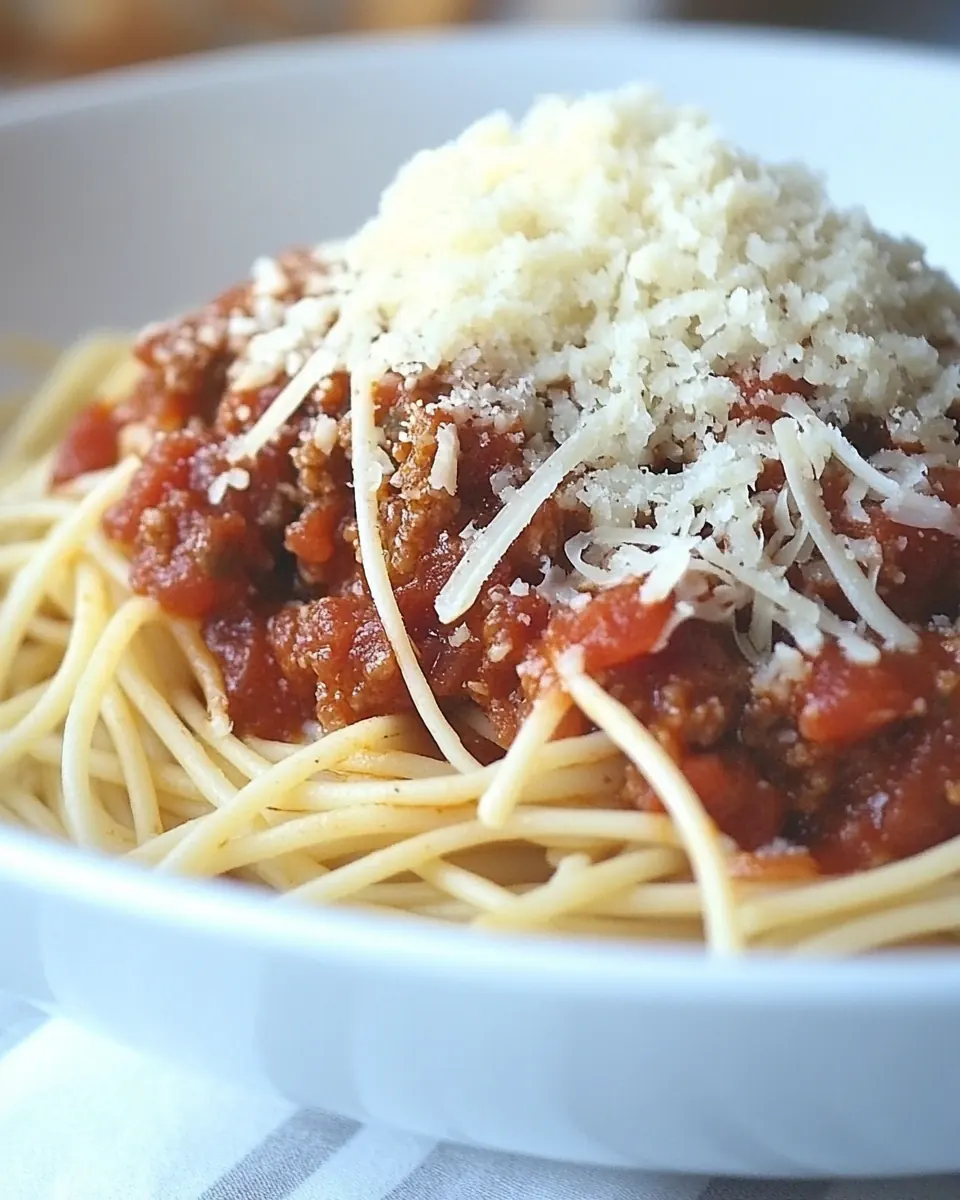
These directions are approachable, and they reward patience. I like to set up my tools and ingredients so each stage flows into the next. As you follow the steps, pay attention to visual and aromatic cues and taste often so you can make small adjustments along the way.
- Preheat oven to 400 degrees. Lightly spray baking sheet with nonstick cooking spray and set aside. Wash tomatoes and slice into thick slices. Place onto baking sheet with peeled cloves of garlic and drizzle with olive oil. Sprinkle with salt, pepper and basil. Bake 30-35 minutes or until shrively-ish.: The oven warms the air and the baking sheet, creating a hot environment where the tomatoes and garlic caramelize rather than steam, producing sweet, slightly charred edges and a concentrated aroma. You will notice a faint sweet, roasted smell as the sugars in the tomato begin to deepen, and the garlic softens and browns at the edges. A common mistake is crowding the pan, which causes steaming not roasting, so space the pieces so air can circulate. If the oven temperature fluctuates, use an oven thermometer to confirm true heat, because too low a temperature will yield pale, soggy tomatoes rather than golden, caramelized ones.
- While tomatoes and garlic are baking, heat olive oil in large pot and brown ground beef and onions together. Add in bay leaves, basil, italian seasoning, salt and pepper and stir. Reduce heat to low until tomatoes are done cooking.: Oiling the pan prevents sticking and makes turning the roasted pieces easy, which preserves those golden edges you want to develop. As the tomatoes roast, juices will bubble and reduce on the surface and the spray helps release them cleanly. Avoid using too much oil, because excess oil can puddle and fry rather than roast the vegetables; a light coating is sufficient to encourage browning. If the tomatoes begin to stick or burn, reduce oven heat slightly and check more frequently to avoid bitter char.
- Once tomatoes and garlic are finished cooking, spoon into a food processor or blender and pulse until mostly smooth {a few chunks are fine}. Pour tomato sauce into meat along with the can of tomato sauce and the sugar. Stir and bring to boil, then reduce to a low simmer and cook 4 hours, stirring occasionally. Taste and adjust seasonings accordingly. {I had to add in more salt}: Thick slices hold structure while roasting and concentrate flavor as they lose water and caramelize. You will hear a faint sizzle as they hit the hot sheet, and the scent will shift from fresh to warm, roasted tomato. Make uniform slices so they cook evenly; inconsistent thickness leads to some pieces overcooking while others remain underdone. If your tomatoes are very watery, pat them dry before slicing to speed caramelization.
- Serve on al dente pasta, such as spaghetti.: The garlic tucked beside the tomatoes softens and mellows, releasing a sweet, roasted aroma that blends into the tomato juices. Drizzling a little olive oil helps conduct heat and encourages golden color, while also carrying flavor into the center of each slice. Avoid drowning the tomatoes in oil; glossy but not slick is the goal. If garlic browns too quickly, move it to a cooler part of the pan or add it later to avoid bitterness.
- Sprinkle with salt, pepper and basil.: Seasoning before roasting draws moisture out and layers flavor into the tomato flesh, and the dried basil toasts lightly, releasing herbal perfume. You will smell a fragrant, savory tang as the herbs heat, and the salt helps concentrate the tomato taste. Be cautious with salt amounts, because further seasoning will occur during simmering; start light and adjust later. Over-salting at this stage can be hard to fix after long reduction.
- Bake 30 to 35 minutes or until shrively ish.: As they roast, the tomatoes will soften, edges will blister, and juices will thicken; the aroma turns deeply savory and slightly sweet. Visual cues include wrinkled skin and golden margins, and a gentle squeeze should yield tender flesh. A typical error is removing them too soon, leaving a raw brightness, so wait for clear caramelization. If your oven runs hot, check at 25 minutes to prevent excessive charring.
- While tomatoes and garlic are baking, heat olive oil in large pot and brown ground beef and onions together.: Browning creates fond, those caramelized bits that add deep savory notes when deglazed, and the onion should turn translucent then golden, releasing sweet, savory perfume. You will hear a steady sizzle and smell toasty, meaty richness as moisture leaves the pan. Stir to break up the meat and promote even browning; overcrowding the pot steams the meat instead of browning it, so brown in batches if needed. If the meat releases too much water, increase heat briefly to encourage evaporation, then reduce to avoid splattering.
- Add in bay leaves, basil, italian seasoning, salt and pepper and stir.: Adding the dried aromatics at this point allows their oils to bloom in the warm pan, embedding herb notes into the meat. The scent becomes layered, with bay leaf adding a subtle perfumed backbone and italian seasoning tying the herbs together. Stirring helps distribute these flavors evenly, but avoid adding too much dried herb, as it can become bitter; measure carefully. If you detect a sharp herbal edge, a small splash of tomato later will tame it as the sauce simmers.
- Reduce heat to low until tomatoes are done cooking.: Gentle heat prevents overbrowning of the aromatics and keeps the pot warm while you finish roasting, preserving those fond bits without burning them. This pause keeps the meat warm and flavor-integrated, ready to receive the roasted puree. A common misstep is leaving the pot unattended on high, which can scorch the bottom and impart a burnt taste; keep it on low and stir occasionally.
- Once tomatoes and garlic are finished cooking, spoon into a food processor or blender and pulse until mostly smooth {a few chunks are fine}.: Pureeing concentrates roasted flavors and creates a cohesive sauce base while retaining texture if you leave small chunks. The sound shifts to a steady whirr, and the aroma becomes intensely concentrated, richer than raw tomato. Be careful when blending hot ingredients, vent the lid slightly to avoid pressure buildup, and work in batches if needed. If the mixture is too thin, return it briefly to the oven to reduce; if too thick, a splash of reserved pasta water later can adjust consistency.
- Pour tomato sauce into meat along with the can of tomato sauce and the sugar.: Combining the roasted puree with canned tomato sauce balances texture and volume, while the sugar smooths acidity and brightens the profile. When you add the liquids, you will hear a gentle simmer start, releasing a rich, enveloping tomato aroma. Stir to incorporate the fond into the sauce, which is where much of the savory complexity lives. A common error is rushing to high heat, which can blister the sauce and mute its flavors, so bring to a boil then lower immediately.
- Stir and bring to boil, then reduce to a low simmer and cook 4 hours, stirring occasionally.: A long, slow simmer allows the flavors to marry and the sauce to thicken to a silky body; you will notice a deepening color and a mellowing of sharp tomato notes. During this time, the surface will show occasional gentle bubbling and a fragrant steam will rise, carrying complex, layered aromas. Stir now and then to prevent sticking and to redistribute heat; a common mistake is leaving it unattended on high, which risks scorching and a bitter edge. If the sauce reduces too far, add a little warm water or reserved pasta water to reach your preferred consistency.
- Taste and adjust seasonings accordingly {I had to add in more salt}.: Tasting at the end is crucial because long simmering changes concentration and balance; add salt , pepper , or a pinch more sugar as needed to reach harmony. The aroma should be rounded and inviting, and the flavor profile deep and balanced. Avoid overcorrecting by adding small amounts and tasting between adjustments, because changes amplify as the sauce rests. If it tastes flat, a little extra salt or a squeeze of lemon can brighten, but use sparingly to preserve the roasted character.
- Serve on al dente pasta, such as spaghetti.: Serving the sauce over hot, al dente spaghetti ensures the pasta holds its bite and the sauce clings to each strand, giving a pleasing texture contrast. You will see glossy strands coated with the rich sauce, and the aroma will be irresistibly savory. A common mistake is overcooking the pasta, which turns it mushy and unable to carry the sauce; aim for a firm but tender bite. Toss briefly with a ladle of sauce so each portion is evenly dressed before plating.
Change It Up
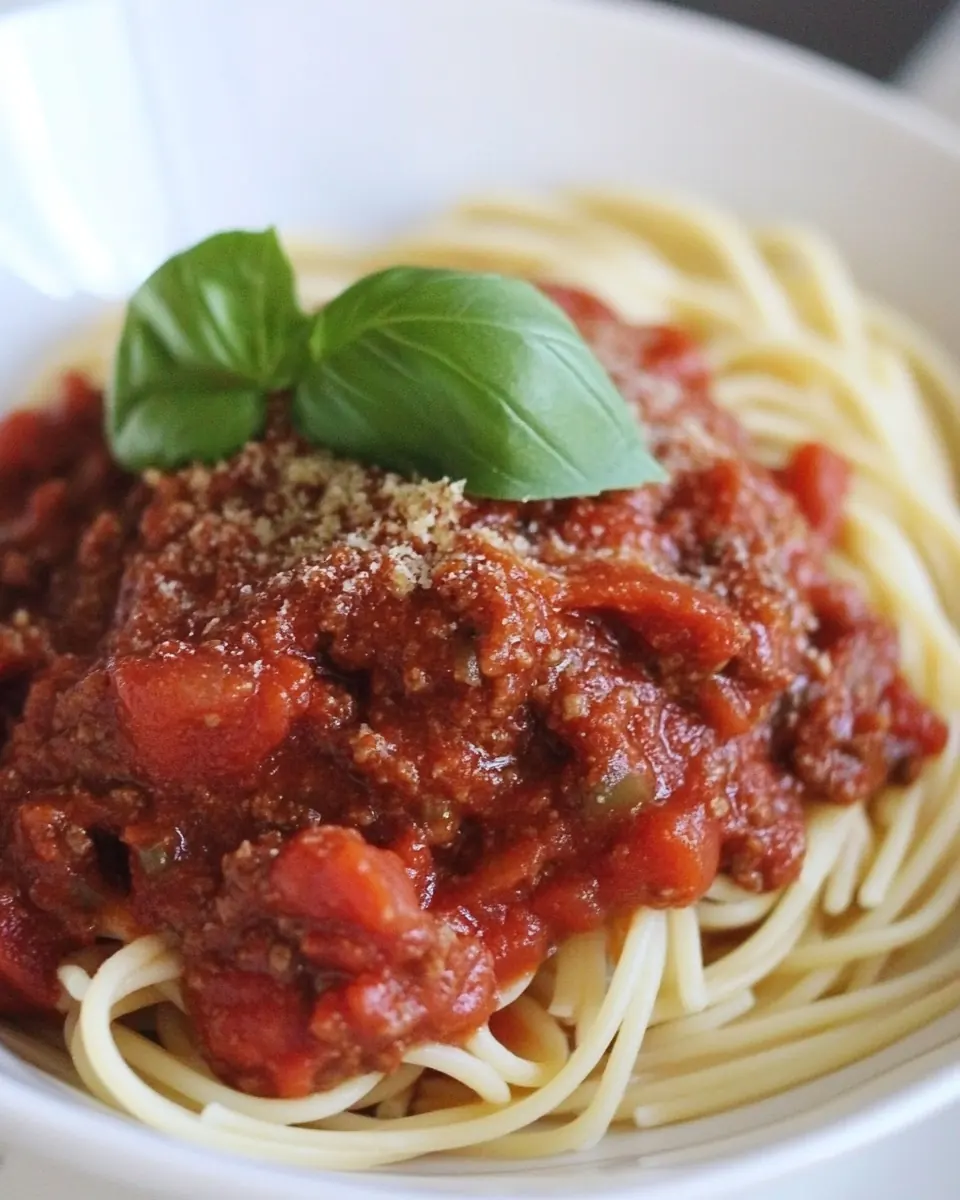
I like to think of small variations as ways to tailor this sauce to seasons and moods. Below are practical, tested tips that keep the dish reliable while offering room to personalize texture and flavor.
- Rotate roasted vegetables: Try varying the tomato type if you can find them, like plum tomatoes for denser flesh, to adjust sweetness and body without changing technique.
- Control richness: If you prefer a leaner sauce, gently drain excess fat after browning the ground beef, but leave a little to carry flavor into the sauce.
- Herb timing: Add delicate herbs near the end of simmering to preserve their fresh notes; dried herbs early on release deeper, toasted flavors.
- Texture preference: For a chunkier sauce pulse less in the blender, keeping pieces of roasted tomato for bite, or blend longer for a silkier finish.
- Adjust sweetness: Use the 1 1/2 to 2 tablespoons sugar as a guide, adding gradually to balance acidity, especially if tomatoes are very tangy.
- Make ahead: The sauce often tastes better the next day after flavors settle, so simmer it a day ahead and gently reheat before serving.
Perfect Matches for Roasted Tomato Bolognese Sauce
This sauce pairs beautifully with simple sides and occasions. Consider the meal context and choose complementary textures, from crisp salads to soft polenta. Below are detailed serving ideas and storage notes to make the most of each batch.
- Classic pairing: Serve with hot, al dente spaghetti, tossed so each strand picks up sauce, making it suitable for casual dinners and family nights.
- Comfort variation: Spoon over creamy polenta for a soothing plate that works well on cooler summer evenings or transitional weather meals.
- Occasion fit: Offer this at a relaxed gathering or weeknight dinner, it’s hearty enough for a weekend meal yet simple enough for a weekday family dinner.
- Make ahead and freeze: Cool completely, portion into airtight containers, and freeze up to three months; thaw in the fridge overnight and warm gently on low heat to preserve texture.
- Storage tips: Refrigerate for up to four days in a sealed container, and skim any solidified fat before reheating if desired for a leaner finish.
- Seasonal pairing: In summer, highlight the fresh roasted tomatoes; in early fall, serve with roasted root vegetables for a heartier plate.
FAQ
Conclusion
Roasted Tomato Bolognese Sauce stands out because it pairs the deep, concentrated sweetness of roasted tomatoes with well browned ground beef and a long, patient simmer to create a rich, balanced sauce. Give it a try for a family dinner or a relaxed weekend meal, and enjoy how simple techniques elevate everyday ingredients. The process is satisfying, and the resulting dish is warm, approachable, and sure to become a repeat favorite in your rotation.
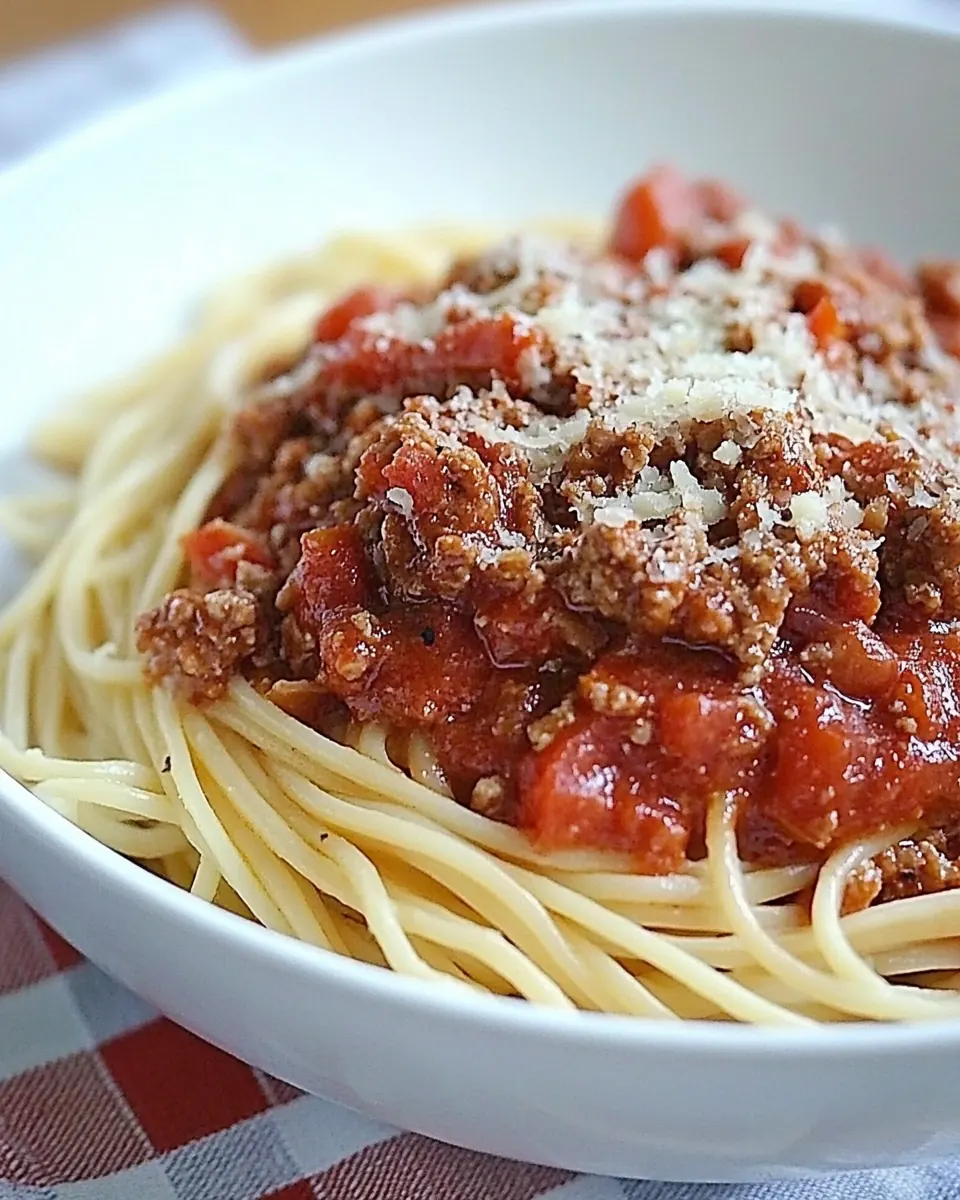
Roasted Tomato Bolognese Sauce
Ingredients
Equipment
Method
- Preheat oven to 400 degrees. Lightly spray baking sheet with nonstick cooking spray and set aside. Wash tomatoes and slice into thick slices. Place onto baking sheet with peeled cloves of garlic and drizzle with olive oil. Sprinkle with salt, pepper and basil. Bake 30-35 minutes or until shrively-ish.: The oven warms the air and the baking sheet, creating a hot environment where the tomatoes and garlic caramelize rather than steam, producing sweet, slightly charred edges and a concentrated aroma. You will notice a faint sweet, roasted smell as the sugars in the tomato begin to deepen, and the garlic softens and browns at the edges. A common mistake is crowding the pan, which causes steaming not roasting, so space the pieces so air can circulate. If the oven temperature fluctuates, use an oven thermometer to confirm true heat, because too low a temperature will yield pale, soggy tomatoes rather than golden, caramelized ones.
- While tomatoes and garlic are baking, heat olive oil in large pot and brown ground beef and onions together. Add in bay leaves, basil, italian seasoning, salt and pepper and stir. Reduce heat to low until tomatoes are done cooking.: Oiling the pan prevents sticking and makes turning the roasted pieces easy, which preserves those golden edges you want to develop. As the tomatoes roast, juices will bubble and reduce on the surface and the spray helps release them cleanly. Avoid using too much oil, because excess oil can puddle and fry rather than roast the vegetables; a light coating is sufficient to encourage browning. If the tomatoes begin to stick or burn, reduce oven heat slightly and check more frequently to avoid bitter char.
- Once tomatoes and garlic are finished cooking, spoon into a food processor or blender and pulse until mostly smooth {a few chunks are fine}. Pour tomato sauce into meat along with the can of tomato sauce and the sugar. Stir and bring to boil, then reduce to a low simmer and cook 4 hours, stirring occasionally. Taste and adjust seasonings accordingly. {I had to add in more salt}: Thick slices hold structure while roasting and concentrate flavor as they lose water and caramelize. You will hear a faint sizzle as they hit the hot sheet, and the scent will shift from fresh to warm, roasted tomato. Make uniform slices so they cook evenly; inconsistent thickness leads to some pieces overcooking while others remain underdone. If your tomatoes are very watery, pat them dry before slicing to speed caramelization.
- Serve on al dente pasta, such as spaghetti.: The garlic tucked beside the tomatoes softens and mellows, releasing a sweet, roasted aroma that blends into the tomato juices. Drizzling a little olive oil helps conduct heat and encourages golden color, while also carrying flavor into the center of each slice. Avoid drowning the tomatoes in oil; glossy but not slick is the goal. If garlic browns too quickly, move it to a cooler part of the pan or add it later to avoid bitterness.
- Sprinkle with salt, pepper and basil.: Seasoning before roasting draws moisture out and layers flavor into the tomato flesh, and the dried basil toasts lightly, releasing herbal perfume. You will smell a fragrant, savory tang as the herbs heat, and the salt helps concentrate the tomato taste. Be cautious with salt amounts, because further seasoning will occur during simmering; start light and adjust later. Over-salting at this stage can be hard to fix after long reduction.
- Bake 30 to 35 minutes or until shrively ish.: As they roast, the tomatoes will soften, edges will blister, and juices will thicken; the aroma turns deeply savory and slightly sweet. Visual cues include wrinkled skin and golden margins, and a gentle squeeze should yield tender flesh. A typical error is removing them too soon, leaving a raw brightness, so wait for clear caramelization. If your oven runs hot, check at 25 minutes to prevent excessive charring.
- While tomatoes and garlic are baking, heat olive oil in large pot and brown ground beef and onions together.: Browning creates fond, those caramelized bits that add deep savory notes when deglazed, and the onion should turn translucent then golden, releasing sweet, savory perfume. You will hear a steady sizzle and smell toasty, meaty richness as moisture leaves the pan. Stir to break up the meat and promote even browning; overcrowding the pot steams the meat instead of browning it, so brown in batches if needed. If the meat releases too much water, increase heat briefly to encourage evaporation, then reduce to avoid splattering.
- Add in bay leaves, basil, italian seasoning, salt and pepper and stir.: Adding the dried aromatics at this point allows their oils to bloom in the warm pan, embedding herb notes into the meat. The scent becomes layered, with bay leaf adding a subtle perfumed backbone and italian seasoning tying the herbs together. Stirring helps distribute these flavors evenly, but avoid adding too much dried herb, as it can become bitter; measure carefully. If you detect a sharp herbal edge, a small splash of tomato later will tame it as the sauce simmers.
- Reduce heat to low until tomatoes are done cooking.: Gentle heat prevents overbrowning of the aromatics and keeps the pot warm while you finish roasting, preserving those fond bits without burning them. This pause keeps the meat warm and flavor-integrated, ready to receive the roasted puree. A common misstep is leaving the pot unattended on high, which can scorch the bottom and impart a burnt taste; keep it on low and stir occasionally.
- Once tomatoes and garlic are finished cooking, spoon into a food processor or blender and pulse until mostly smooth {a few chunks are fine}.: Pureeing concentrates roasted flavors and creates a cohesive sauce base while retaining texture if you leave small chunks. The sound shifts to a steady whirr, and the aroma becomes intensely concentrated, richer than raw tomato. Be careful when blending hot ingredients, vent the lid slightly to avoid pressure buildup, and work in batches if needed. If the mixture is too thin, return it briefly to the oven to reduce; if too thick, a splash of reserved pasta water later can adjust consistency.
- Pour tomato sauce into meat along with the can of tomato sauce and the sugar.: Combining the roasted puree with canned tomato sauce balances texture and volume, while the sugar smooths acidity and brightens the profile. When you add the liquids, you will hear a gentle simmer start, releasing a rich, enveloping tomato aroma. Stir to incorporate the fond into the sauce, which is where much of the savory complexity lives. A common error is rushing to high heat, which can blister the sauce and mute its flavors, so bring to a boil then lower immediately.
- Stir and bring to boil, then reduce to a low simmer and cook 4 hours, stirring occasionally.: A long, slow simmer allows the flavors to marry and the sauce to thicken to a silky body; you will notice a deepening color and a mellowing of sharp tomato notes. During this time, the surface will show occasional gentle bubbling and a fragrant steam will rise, carrying complex, layered aromas. Stir now and then to prevent sticking and to redistribute heat; a common mistake is leaving it unattended on high, which risks scorching and a bitter edge. If the sauce reduces too far, add a little warm water or reserved pasta water to reach your preferred consistency.
- Taste and adjust seasonings accordingly {I had to add in more salt}.: Tasting at the end is crucial because long simmering changes concentration and balance; add salt , pepper , or a pinch more sugar as needed to reach harmony. The aroma should be rounded and inviting, and the flavor profile deep and balanced. Avoid overcorrecting by adding small amounts and tasting between adjustments, because changes amplify as the sauce rests. If it tastes flat, a little extra salt or a squeeze of lemon can brighten, but use sparingly to preserve the roasted character.
- Serve on al dente pasta, such as spaghetti.: Serving the sauce over hot, al dente spaghetti ensures the pasta holds its bite and the sauce clings to each strand, giving a pleasing texture contrast. You will see glossy strands coated with the rich sauce, and the aroma will be irresistibly savory. A common mistake is overcooking the pasta, which turns it mushy and unable to carry the sauce; aim for a firm but tender bite. Toss briefly with a ladle of sauce so each portion is evenly dressed before plating.
Notes
- Rotate roasted vegetables: Try varying the tomato type if you can find them, like plum tomatoes for denser flesh, to adjust sweetness and body without changing technique.
- Control richness: If you prefer a leaner sauce, gently drain excess fat after browning the ground beef, but leave a little to carry flavor into the sauce.
- Herb timing: Add delicate herbs near the end of simmering to preserve their fresh notes; dried herbs early on release deeper, toasted flavors.
- Texture preference: For a chunkier sauce pulse less in the blender, keeping pieces of roasted tomato for bite, or blend longer for a silkier finish.
- Adjust sweetness: Use the 1 1/2 to 2 tablespoons sugar as a guide, adding gradually to balance acidity, especially if tomatoes are very tangy.
- Make ahead: The sauce often tastes better the next day after flavors settle, so simmer it a day ahead and gently reheat before serving.