Preheat oven to 400 degrees. Lightly spray baking sheet with nonstick cooking spray and set aside. Wash tomatoes and slice into thick slices. Place onto baking sheet with peeled cloves of garlic and drizzle with olive oil. Sprinkle with salt, pepper and basil. Bake 30-35 minutes or until shrively-ish.: The oven warms the air and the baking sheet, creating a hot environment where the tomatoes and garlic caramelize rather than steam, producing sweet, slightly charred edges and a concentrated aroma. You will notice a faint sweet, roasted smell as the sugars in the tomato begin to deepen, and the garlic softens and browns at the edges. A common mistake is crowding the pan, which causes steaming not roasting, so space the pieces so air can circulate. If the oven temperature fluctuates, use an oven thermometer to confirm true heat, because too low a temperature will yield pale, soggy tomatoes rather than golden, caramelized ones.
While tomatoes and garlic are baking, heat olive oil in large pot and brown ground beef and onions together. Add in bay leaves, basil, italian seasoning, salt and pepper and stir. Reduce heat to low until tomatoes are done cooking.: Oiling the pan prevents sticking and makes turning the roasted pieces easy, which preserves those golden edges you want to develop. As the tomatoes roast, juices will bubble and reduce on the surface and the spray helps release them cleanly. Avoid using too much oil, because excess oil can puddle and fry rather than roast the vegetables; a light coating is sufficient to encourage browning. If the tomatoes begin to stick or burn, reduce oven heat slightly and check more frequently to avoid bitter char.
Once tomatoes and garlic are finished cooking, spoon into a food processor or blender and pulse until mostly smooth {a few chunks are fine}. Pour tomato sauce into meat along with the can of tomato sauce and the sugar. Stir and bring to boil, then reduce to a low simmer and cook 4 hours, stirring occasionally. Taste and adjust seasonings accordingly. {I had to add in more salt}: Thick slices hold structure while roasting and concentrate flavor as they lose water and caramelize. You will hear a faint sizzle as they hit the hot sheet, and the scent will shift from fresh to warm, roasted tomato. Make uniform slices so they cook evenly; inconsistent thickness leads to some pieces overcooking while others remain underdone. If your tomatoes are very watery, pat them dry before slicing to speed caramelization.
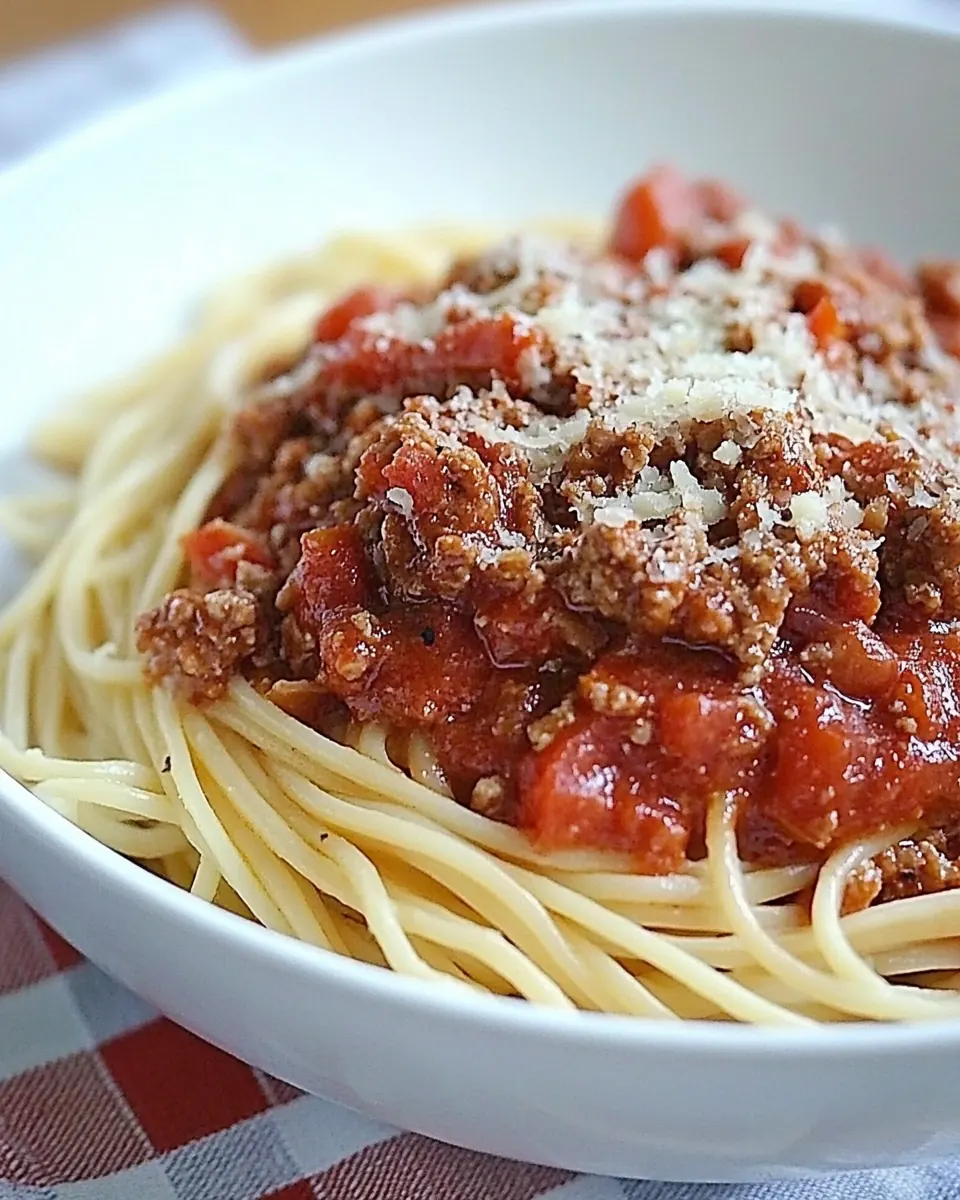
Serve on al dente pasta, such as spaghetti.: The garlic tucked beside the tomatoes softens and mellows, releasing a sweet, roasted aroma that blends into the tomato juices. Drizzling a little olive oil helps conduct heat and encourages golden color, while also carrying flavor into the center of each slice. Avoid drowning the tomatoes in oil; glossy but not slick is the goal. If garlic browns too quickly, move it to a cooler part of the pan or add it later to avoid bitterness.
Sprinkle with salt, pepper and basil.: Seasoning before roasting draws moisture out and layers flavor into the tomato flesh, and the dried basil toasts lightly, releasing herbal perfume. You will smell a fragrant, savory tang as the herbs heat, and the salt helps concentrate the tomato taste. Be cautious with salt amounts, because further seasoning will occur during simmering; start light and adjust later. Over-salting at this stage can be hard to fix after long reduction.
Bake 30 to 35 minutes or until shrively ish.: As they roast, the tomatoes will soften, edges will blister, and juices will thicken; the aroma turns deeply savory and slightly sweet. Visual cues include wrinkled skin and golden margins, and a gentle squeeze should yield tender flesh. A typical error is removing them too soon, leaving a raw brightness, so wait for clear caramelization. If your oven runs hot, check at 25 minutes to prevent excessive charring.
While tomatoes and garlic are baking, heat olive oil in large pot and brown ground beef and onions together.: Browning creates fond, those caramelized bits that add deep savory notes when deglazed, and the onion should turn translucent then golden, releasing sweet, savory perfume. You will hear a steady sizzle and smell toasty, meaty richness as moisture leaves the pan. Stir to break up the meat and promote even browning; overcrowding the pot steams the meat instead of browning it, so brown in batches if needed. If the meat releases too much water, increase heat briefly to encourage evaporation, then reduce to avoid splattering.
Add in bay leaves, basil, italian seasoning, salt and pepper and stir.: Adding the dried aromatics at this point allows their oils to bloom in the warm pan, embedding herb notes into the meat. The scent becomes layered, with bay leaf adding a subtle perfumed backbone and italian seasoning tying the herbs together. Stirring helps distribute these flavors evenly, but avoid adding too much dried herb, as it can become bitter; measure carefully. If you detect a sharp herbal edge, a small splash of tomato later will tame it as the sauce simmers.
Reduce heat to low until tomatoes are done cooking.: Gentle heat prevents overbrowning of the aromatics and keeps the pot warm while you finish roasting, preserving those fond bits without burning them. This pause keeps the meat warm and flavor-integrated, ready to receive the roasted puree. A common misstep is leaving the pot unattended on high, which can scorch the bottom and impart a burnt taste; keep it on low and stir occasionally.
Once tomatoes and garlic are finished cooking, spoon into a food processor or blender and pulse until mostly smooth {a few chunks are fine}.: Pureeing concentrates roasted flavors and creates a cohesive sauce base while retaining texture if you leave small chunks. The sound shifts to a steady whirr, and the aroma becomes intensely concentrated, richer than raw tomato. Be careful when blending hot ingredients, vent the lid slightly to avoid pressure buildup, and work in batches if needed. If the mixture is too thin, return it briefly to the oven to reduce; if too thick, a splash of reserved pasta water later can adjust consistency.
Pour tomato sauce into meat along with the can of tomato sauce and the sugar.: Combining the roasted puree with canned tomato sauce balances texture and volume, while the sugar smooths acidity and brightens the profile. When you add the liquids, you will hear a gentle simmer start, releasing a rich, enveloping tomato aroma. Stir to incorporate the fond into the sauce, which is where much of the savory complexity lives. A common error is rushing to high heat, which can blister the sauce and mute its flavors, so bring to a boil then lower immediately.
Stir and bring to boil, then reduce to a low simmer and cook 4 hours, stirring occasionally.: A long, slow simmer allows the flavors to marry and the sauce to thicken to a silky body; you will notice a deepening color and a mellowing of sharp tomato notes. During this time, the surface will show occasional gentle bubbling and a fragrant steam will rise, carrying complex, layered aromas. Stir now and then to prevent sticking and to redistribute heat; a common mistake is leaving it unattended on high, which risks scorching and a bitter edge. If the sauce reduces too far, add a little warm water or reserved pasta water to reach your preferred consistency.
Taste and adjust seasonings accordingly {I had to add in more salt}.: Tasting at the end is crucial because long simmering changes concentration and balance; add salt , pepper , or a pinch more sugar as needed to reach harmony. The aroma should be rounded and inviting, and the flavor profile deep and balanced. Avoid overcorrecting by adding small amounts and tasting between adjustments, because changes amplify as the sauce rests. If it tastes flat, a little extra salt or a squeeze of lemon can brighten, but use sparingly to preserve the roasted character.
Serve on al dente pasta, such as spaghetti.: Serving the sauce over hot, al dente spaghetti ensures the pasta holds its bite and the sauce clings to each strand, giving a pleasing texture contrast. You will see glossy strands coated with the rich sauce, and the aroma will be irresistibly savory. A common mistake is overcooking the pasta, which turns it mushy and unable to carry the sauce; aim for a firm but tender bite. Toss briefly with a ladle of sauce so each portion is evenly dressed before plating.