Salisbury Steak Meatballs
Salisbury Steak Meatballs have been one of those comforting dishes that follow me from childhood kitchens to my own crowded weeknight stove, and they still feel like a warm conversation at the table.
I remember the first time I made Salisbury Steak Meatballs for friends who were exhausted after moving into a new place, and how the living room smelled of browned beef and caramelized onion while we unpacked boxes. There was a simple generosity to that meal that felt right, because it stretched across plates and conversations, and everyone left a little fuller, literally and emotionally. Over the years I learned to treat the meatball mix like a quiet balance of texture and seasoning, and the gravy like the song that brings each note together. It’s how a humble skillet, a bit of patience, and ordinary pantry items can make people pause and savor.
When I make Salisbury Steak Meatballs now, I try to keep things relaxed. I don’t fuss with fancy plating, I focus on the smell as the meat browns, the sound of a gentle sizzle, and the way the gravy clings to each round. Guests often comment that it tastes like something their family cooked, and that’s the highest compliment. I love that this recipe is adaptable, so you can double it for company or keep it intimate for two, and that it rewards a slow, careful approach to the onions while the meatballs rest. It’s food that feels like hospitality, and that’s exactly why I keep coming back to it.
Recipe Snapshot
1 hr 30 mins
30 mins
60 mins
Medium
350 kcal
American
Gluten-Free, Paleo
Dinner
12″ All-Clad Stainless Skillet
Why We Love This Salisbury Steak Meatballs
Comforting familiar flavors
I love how Salisbury Steak Meatballs evoke that cozy, home-cooked feeling. The combination of seasoned beef, savory gravy, and soft onion creates a nostalgic profile that feels like a hug on a plate. When I serve this, people immediately relax and dig in, which always makes me smile.
Textural contrast
The crispy exterior of pan seared meat against the tender interior gives each bite a satisfying contrast. I focus on a quick sear to build that brown crust, because it adds caramelized notes that the gravy amplifies. That contrast keeps the dish from feeling flat or one dimensional.
Simple pantry ingredients, big payoff
What I adore is how pantry staples like breadcrumbs, egg, and a touch of Worcestershire sauce transform into something special. These unobtrusive players boost moisture and umami without stealing the spotlight. I can usually throw this together on short notice, and it still feels intentional.
Versatile for serving
Salisbury Steak Meatballs work for weeknight dinners, casual buffets, and make ahead meals. I often prepare the meatballs and gravy separately when I want to reheat them later, which keeps the texture consistent. That flexibility is a win when life gets busy.
Technique driven results
I value the little techniques that lift this dish. Taking time to brown the meat properly, slow cooking the onion until golden, and whisking flour into the pan to cook out the raw taste all matter. I teach these small moves to friends, and they’re always surprised at how much difference they make.
Recipe Ingredients for Salisbury Steak Meatballs
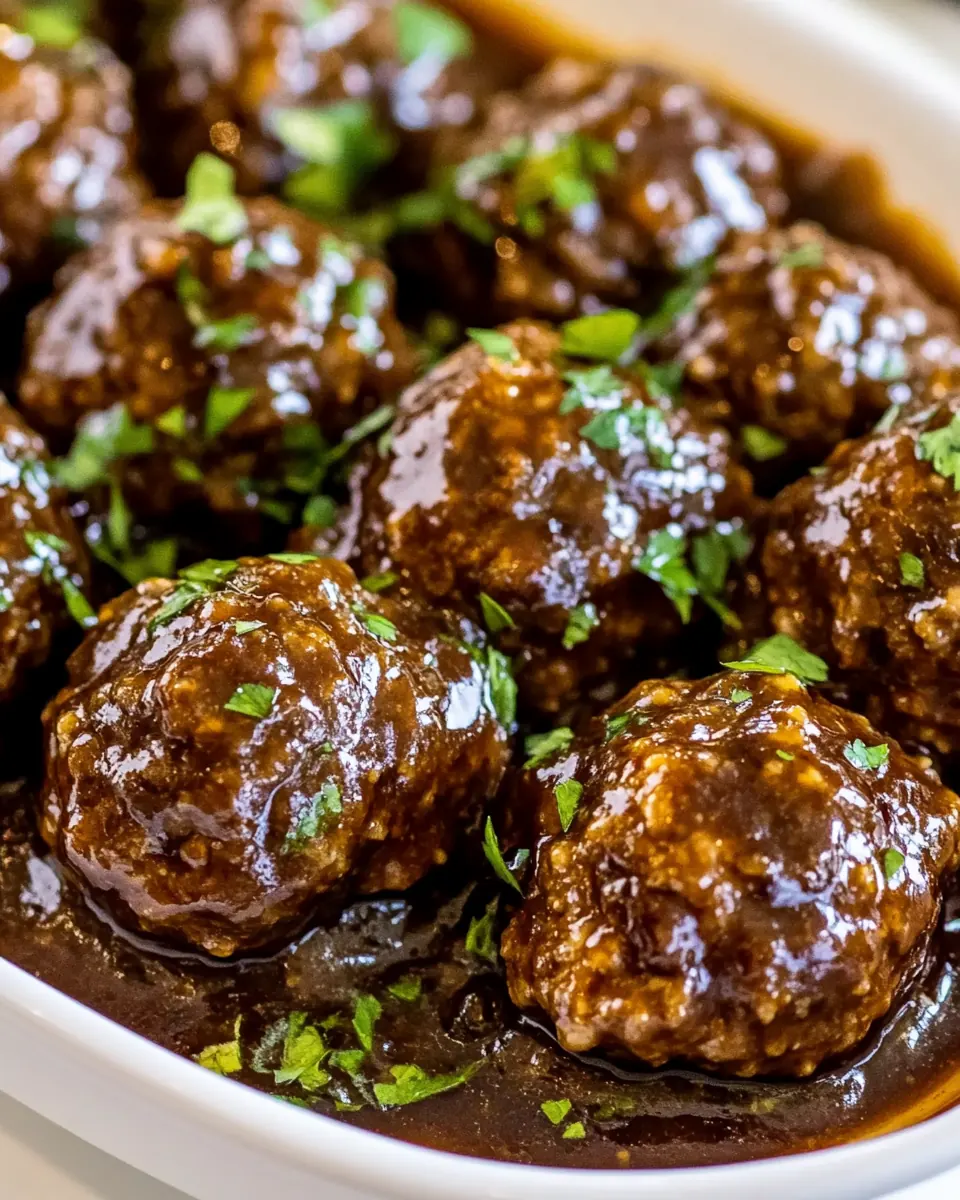
These ingredients are chosen for harmony and balance. The mix of binder and seasonings in the meatball creates a tender, flavorful interior while the frying fats build a savory crust. For the gravy, the melted butter and onion provide sweetness and depth, while the flour and beef broth form a silky sauce that clings to each meatball. Together they produce a satisfying plate that highlights each component.
- 1 1/2 pound ground beef (lean): Combine and bind to form tender meatballs while providing the primary protein and structure for the dish; cook thoroughly until browned and cooked through to ensure safety and develop flavor.
- 1/2 cup breadcrumbs (I used Panko): Absorb moisture and provide light texture within the meatballs, helping them hold together without becoming dense; panko delivers a crisp, airy crumb that keeps centers tender.
- 1 egg: Bind moist ingredients and enrich the mixture, contributing to a softer interior and improved cohesion; whisk lightly before adding for even distribution.
- 1/4 cup ketchup: Add sweet-tangy flavor and moisture to the meatball mixture while enhancing caramelization during browning; helps balance savory seasonings with a hint of acidity.
- 1/4 cup mustard (coarse grain): Introduce sharp, slightly spicy, coarse-textured flavor to the meat mixture, lending depth and complexity; coarse grain mustard also contributes moisture and a subtle bite.
- 1 tablespoon Worcestershire sauce: Impart deep umami and savory complexity, connecting the beef flavor with other seasonings; use sparingly to avoid overpowering other flavors.
- 1 teaspoon seasoning salt: Season the mixture with a balanced blend of salt and spices to enhance overall taste and bring out the beef’s natural flavors; adjust to preference but keep within recommended amount.
- 1/2 teaspoon pepper: Provide mild heat and aromatic support, rounding out the seasoning profile and complementing the other spices in the meatballs; freshly ground is best for peak flavor.
- 1 teaspoon onion powder: Deliver concentrated savory onion flavor without added moisture, ensuring consistent distribution throughout the meat mixture; aids overall savory aroma.
- 2 tablespoons olive oil (for frying): Sear the meatballs in a hot pan to develop a flavorful brown crust using a heart-healthy oil with a moderate smoke point; add enough to coat the pan for even frying.
- 2 tablespoons butter (unsalted): Enrich pan sauce with a silky mouthfeel and rounded butteriness while helping to sauté onions without sticking; melt in the pan before adding aromatics.
- 1 large onion (chopped): Soften and caramelize to create a sweet, savory base for the gravy, building depth and body for the sauce that will coat the meatballs.
- 2 tablespoons all-purpose flour (or cornstarch): Thicken the pan sauce by creating a roux or slurry, giving the gravy body and helping it cling to the meatballs; incorporate gradually to avoid lumps.
- 1 cup beef broth (or chicken broth, low sodium or no sodium added): Provide savory liquid and beefy depth to the gravy, forming the primary base for the sauce that will finish the meatballs; choose lower-sodium broth for better control of seasoning.
- 1 tablespoon Worcestershire sauce: Deepen the sauce’s savory, umami character and reinforce the Worcestershire note present in the meatballs, enhancing overall cohesiveness of flavors.
- 1/2 teaspoon seasoning salt: Mirror seasoning used in the meatballs to maintain consistent salt balance in the sauce, ensuring the gravy complements rather than overpowers the dish.
- 1 tablespoon ketchup: Add a touch of sweet-tang to the sauce for brightness and to tie sauce flavors to the meatball mix, helping to balance savory notes.
- 1 tablespoon fresh parsley (chopped, for garnish): Garnish with fresh herbaceous brightness that contrasts the rich, savory meatballs and sauce while adding visual appeal and subtle fresh flavor.
Salisbury Steak Meatballs Instructions
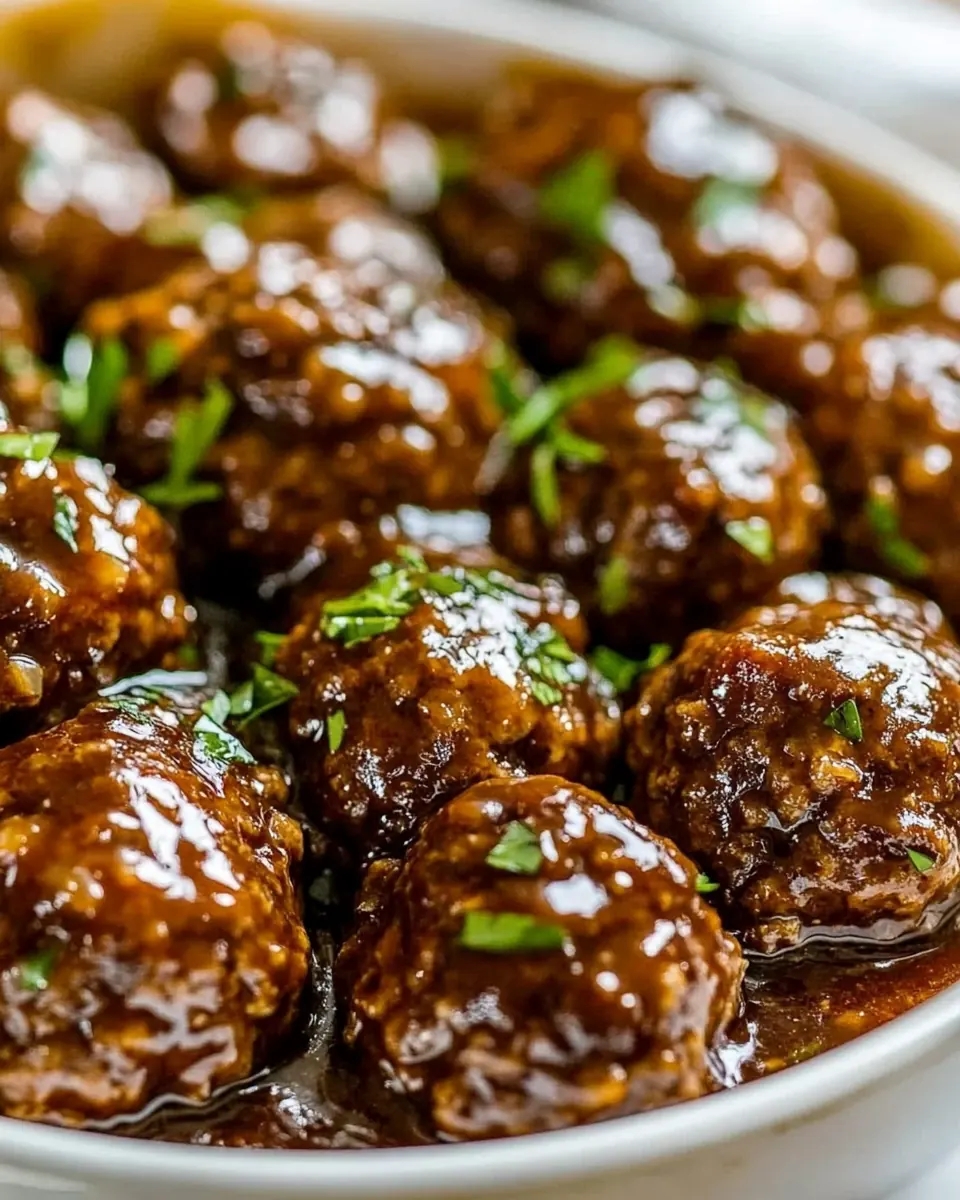
These instructions will walk you through shaping, searing, and finishing the meatballs in a rich gravy. I like to move steadily and pay attention to sensory cues so the final plate is tender, savory, and balanced.
- Add all the meatball ingredients (excluding the olive oil) to a large bowl and mix well, use your hands. Shape into 1 inch meatballs. You should get about 30 meatballs.: Close your eyes for a moment and notice the cool tacky texture as your hands fold the mixture together, the smell of beef blended with the tang of mustard and Worcestershire sauce . The goal here is gentle cohesion, not a dense paste, so press just enough to shape each little sphere; overmixing will make them tight and chewy. When forming 1 inch meatballs, watch for smooth surfaces and even sizes so they cook uniformly, and keep a tray nearby for resting them before the pan. A common pitfall is compacting them too hard, which yields dry meatballs, so handle lightly and refrigerate briefly if the mix becomes too soft to shape.
- Add the olive oil to a large skillet and heat over medium to high heat. Add meatballs and cook. If you're using a large skillet all meatballs should fit in one batch otherwise, you might have to fry them in a couple batches. Cook the meatballs on all sides, add more oil if needed. Remove meatballs from skillet and set aside.: You will hear a pleasant sizzle when the first batch hits the hot oil, and that sound signals the Maillard reaction that builds crust and flavor. The surface should turn deep golden brown in spots, offering a contrast between the crisp exterior and tender interior. Work in batches if needed to avoid overcrowding, which steams instead of sears. Use tongs to rotate each meatball so all sides brown, and transfer them to a paper towel lined plate to rest. A frequent mistake is leaving the heat too low, resulting in pale, floppy balls, so keep the pan hot but not smoking to achieve even browning.
- To the same skillet add butter and melt. Add onion and cook until onion is soft and translucent.: As the butter melts it will lift the fond from the pan, then adding the chopped onion releases sweet, fragrant steam as it softens. Stir often and watch the color shift from raw white to a warm, translucent glow with the faintest edges of gold. This slow gentle cook brings out sweet complexity that will underpin the gravy, so resist upping the heat to rush the process or you risk burning. If the onions start to brown too quickly, lower the temperature and continue stirring, because bitter bits will carry through to the sauce.
- Sprinkle the flour over the onion and stir. Cook for about 1 minute to remove the raw flour taste. (If using cornstarch make a slurry with equal amounts water and cornstarch) Add broth and remaining gravy ingredients to skillet, and cook for about 3 to 5 minutes, sauce should thicken. If the sauce is too thick add a bit more beef broth. Taste for seasoning and adjust as necessary.: When you sprinkle the flour into the warm onion, it should coat the pieces and start to smell toasty as you stir, a sign the raw taste is evaporating. Slowly pour in the beef broth while whisking or stirring to prevent lumps, and watch the sauce transform from thin to a glossy, coat the back of a spoon consistency. You will notice the aroma deepen and the viscosity increase; this is the gravy coming together. Adjust texture with more broth if it gels too much, and always taste for salt and balance since reduced broth concentrates flavors. One misstep is adding cold broth too quickly, which can create lumps, so add it gradually while stirring.
- When the gravy is done add the meatballs back to the skillet and toss them around so they're covered in the gravy. Garnish with parsley.: When you return the browned meatballs to the pan, you should hear a soft simmer as they nestle into the sauce, and the gravy will cling to their seared surfaces, marrying flavors. Use a gentle spoon to turn each meatball so every side gets coated, then let them warm through for a few minutes so flavors permeate. The final step is the bright sprinkle of chopped parsley , which lifts the rich sauce with a fresh note. Avoid boiling aggressively at this stage, which can toughen the meat, instead maintain a low simmer for a tender finish.
Making Adjustments
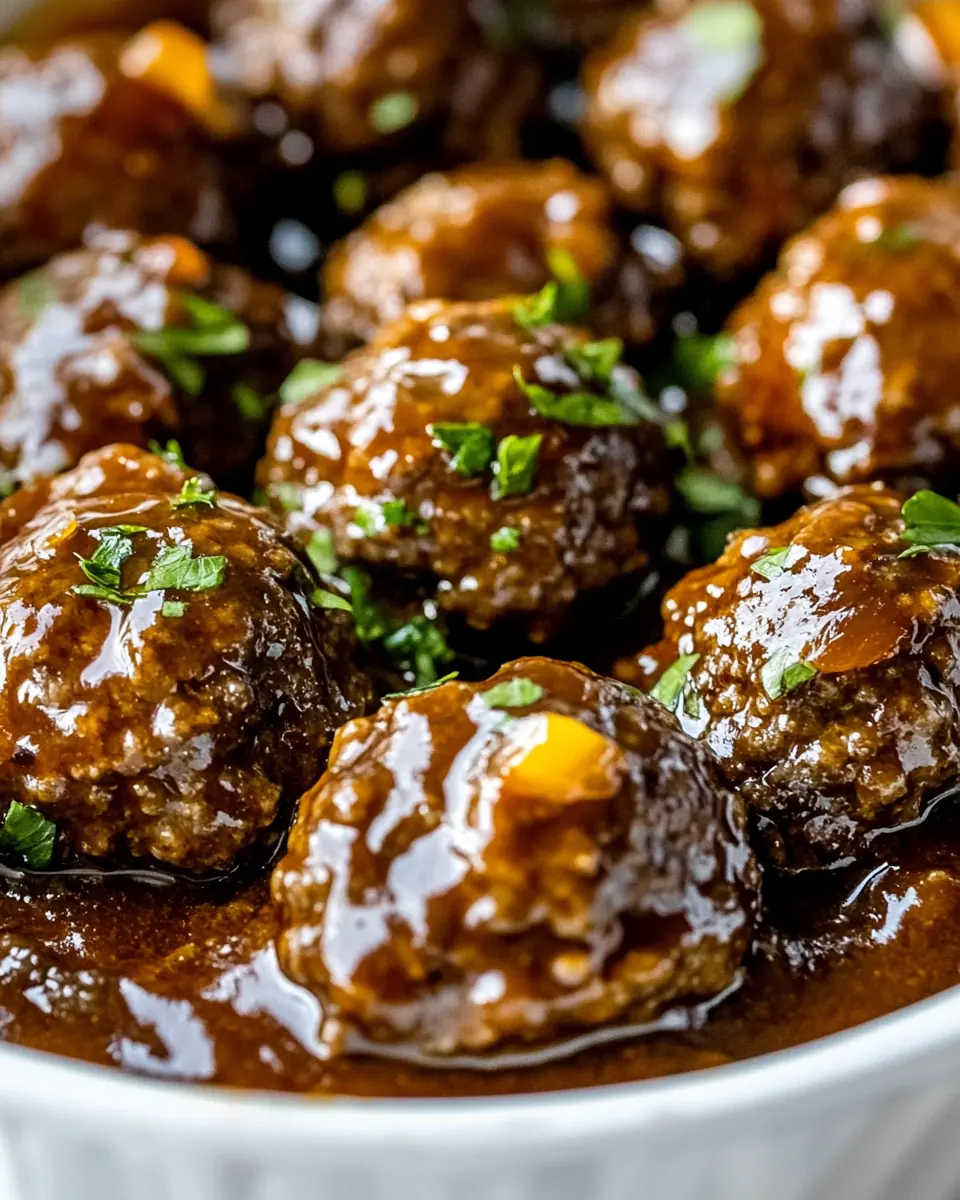
I like to give practical adjustments so you can tailor Salisbury Steak Meatballs to your pantry and schedule. These tips cover texture, timing, and ways to adapt the method without losing the dish’s core character.
- Lean versus fattier beef: If you prefer a moister meatball, using slightly fattier beef will add juiciness. Keep an eye on searing splatter and blot excess fat after cooking to avoid a greasy finish.
- Breadcrumb texture: Using Panko yields airier meatballs, while finer breadcrumbs produce a denser bite. Adjust the amount slightly if your mix feels too wet or too dry, adding a tablespoon at a time.
- Make ahead strategy: You can form and store the raw meatballs covered in the fridge for up to 24 hours, or freeze them on a tray then transfer to a bag. Thaw thoroughly before cooking to ensure even heat penetration.
- Pan frying alternatively: If you want less stovetop attention, sear gently and finish meatballs in a 350 F oven until cooked through, then make the gravy in the same skillet to capture the fond.
- Gravy thickness: For a silkier sauce, whisk in a touch more broth for a looser finish; for thicker gravy, simmer a bit longer. Always cook the flour to remove raw taste before adding liquid.
- Seasoning balance: Taste the gravy before serving and adjust with small amounts of seasoning salt or pepper. Flavors concentrate as the sauce reduces, so make incremental changes.
What to Serve With Salisbury Steak Meatballs
I usually choose sides that soak up the gravy and add contrasting textures. Think creamy starches and bright vegetables to balance the savory meatballs. Below are thoughtful pairings for casual dinners and special occasions.
- Mashed potatoes: Creamy mashed potatoes are classic, providing a pillowy base for the gravy to pool. Their mellow flavor complements the savory meat.
- Buttered egg noodles: Wide noodles capture sauce nicely and add a comforting, slightly chewy contrast to the tender meatballs.
- Steamed green vegetables: Lightly steamed green beans or broccoli lend freshness and color, creating balance against the rich gravy.
- Roasted root vegetables: Carrots and parsnips roasted until caramelized introduce sweet notes and a firmer bite that pairs well with the soft meatballs.
- Simple side salad: A crisp salad with a light vinaigrette brightens the plate, cutting through richness and adding a lively texture contrast.
- Occasions: This dish fits cozy family dinners, casual gatherings, and make ahead holiday sides where warming and sharing are part of the plan.
- Storage tips: Store meatballs and gravy separately in airtight containers for up to three days. Reheat gently on low heat, stirring in a splash of broth if the gravy tightens.
- Serving style: Serve family style from the skillet for a rustic feel, or plate individual portions with a ladle of gravy and a sprinkle of fresh parsley for a polished touch.
- Seasonal pairing: In winter, pair with root vegetables and warm, hearty sides; in milder months, choose steamed greens and lighter starches.
- Portioning: With eight servings, plan for about three to four meatballs per person depending on appetite and side dishes offered.
FAQ
Conclusion
Salisbury Steak Meatballs stand out because they combine simple, familiar ingredients into a dish that feels both nostalgic and thoughtfully composed. The balance of tender meat, a golden sear, and a rich onion gravy creates an approachable comfort meal that performs well for family dinners and make ahead plans. I encourage you to give this recipe a try; it rewards a bit of patience with deeply satisfying results that will likely become part of your rotation. Serve it with a favorite starch and a crisp vegetable, and enjoy the way it brings people together around the table.
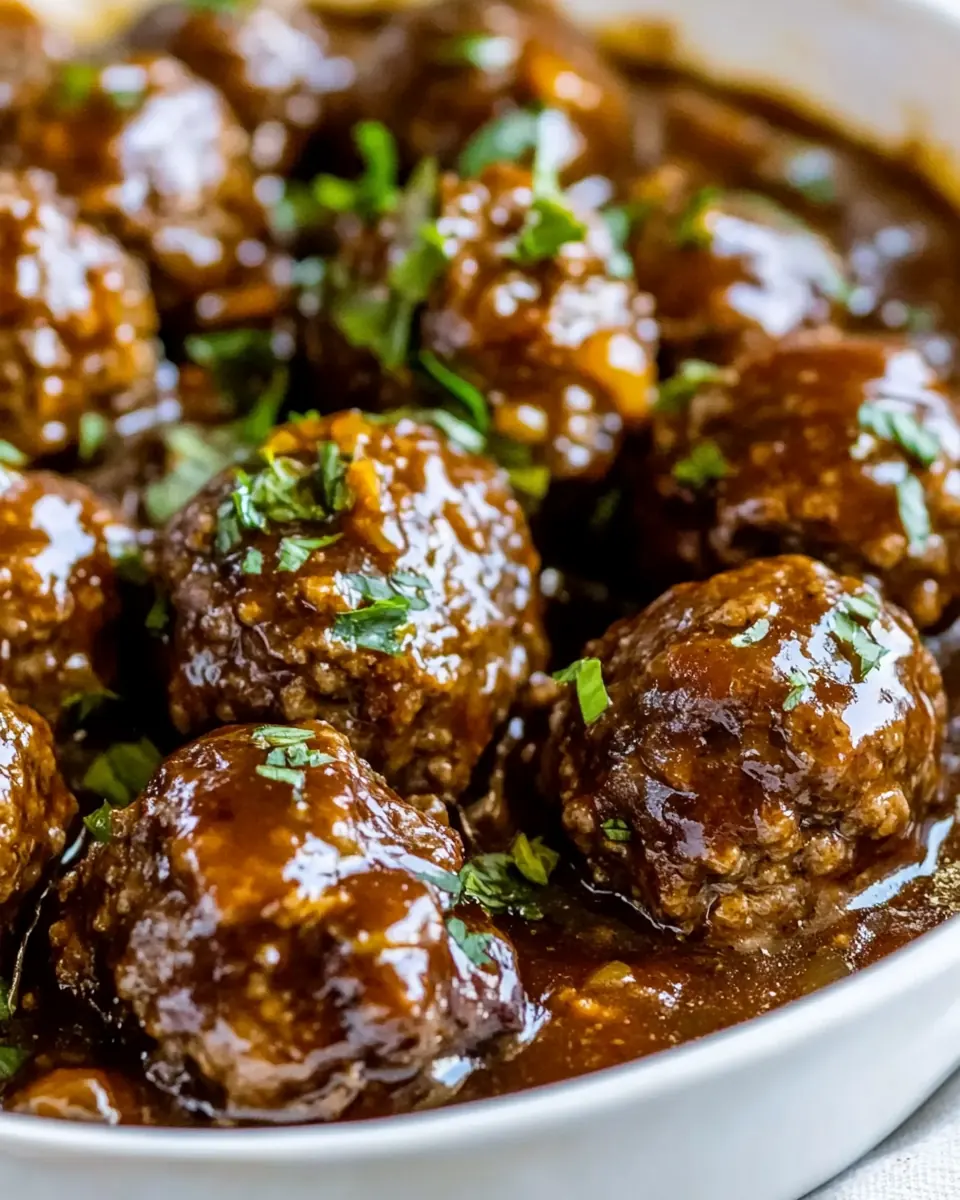
Salisbury Steak Meatballs
Ingredients
Equipment
Method
- Add all the meatball ingredients (excluding the olive oil) to a large bowl and mix well, use your hands. Shape into 1 inch meatballs. You should get about 30 meatballs.: Close your eyes for a moment and notice the cool tacky texture as your hands fold the mixture together, the smell of beef blended with the tang of mustard and Worcestershire sauce . The goal here is gentle cohesion, not a dense paste, so press just enough to shape each little sphere; overmixing will make them tight and chewy. When forming 1 inch meatballs, watch for smooth surfaces and even sizes so they cook uniformly, and keep a tray nearby for resting them before the pan. A common pitfall is compacting them too hard, which yields dry meatballs, so handle lightly and refrigerate briefly if the mix becomes too soft to shape.
- Add the olive oil to a large skillet and heat over medium to high heat. Add meatballs and cook. If you're using a large skillet all meatballs should fit in one batch otherwise, you might have to fry them in a couple batches. Cook the meatballs on all sides, add more oil if needed. Remove meatballs from skillet and set aside.: You will hear a pleasant sizzle when the first batch hits the hot oil, and that sound signals the Maillard reaction that builds crust and flavor. The surface should turn deep golden brown in spots, offering a contrast between the crisp exterior and tender interior. Work in batches if needed to avoid overcrowding, which steams instead of sears. Use tongs to rotate each meatball so all sides brown, and transfer them to a paper towel lined plate to rest. A frequent mistake is leaving the heat too low, resulting in pale, floppy balls, so keep the pan hot but not smoking to achieve even browning.
- To the same skillet add butter and melt. Add onion and cook until onion is soft and translucent.: As the butter melts it will lift the fond from the pan, then adding the chopped onion releases sweet, fragrant steam as it softens. Stir often and watch the color shift from raw white to a warm, translucent glow with the faintest edges of gold. This slow gentle cook brings out sweet complexity that will underpin the gravy, so resist upping the heat to rush the process or you risk burning. If the onions start to brown too quickly, lower the temperature and continue stirring, because bitter bits will carry through to the sauce.
- Sprinkle the flour over the onion and stir. Cook for about 1 minute to remove the raw flour taste. (If using cornstarch make a slurry with equal amounts water and cornstarch) Add broth and remaining gravy ingredients to skillet, and cook for about 3 to 5 minutes, sauce should thicken. If the sauce is too thick add a bit more beef broth. Taste for seasoning and adjust as necessary.: When you sprinkle the flour into the warm onion, it should coat the pieces and start to smell toasty as you stir, a sign the raw taste is evaporating. Slowly pour in the beef broth while whisking or stirring to prevent lumps, and watch the sauce transform from thin to a glossy, coat the back of a spoon consistency. You will notice the aroma deepen and the viscosity increase; this is the gravy coming together. Adjust texture with more broth if it gels too much, and always taste for salt and balance since reduced broth concentrates flavors. One misstep is adding cold broth too quickly, which can create lumps, so add it gradually while stirring.
- When the gravy is done add the meatballs back to the skillet and toss them around so they're covered in the gravy. Garnish with parsley.: When you return the browned meatballs to the pan, you should hear a soft simmer as they nestle into the sauce, and the gravy will cling to their seared surfaces, marrying flavors. Use a gentle spoon to turn each meatball so every side gets coated, then let them warm through for a few minutes so flavors permeate. The final step is the bright sprinkle of chopped parsley , which lifts the rich sauce with a fresh note. Avoid boiling aggressively at this stage, which can toughen the meat, instead maintain a low simmer for a tender finish.
Notes
- Lean versus fattier beef: If you prefer a moister meatball, using slightly fattier beef will add juiciness. Keep an eye on searing splatter and blot excess fat after cooking to avoid a greasy finish.
- Breadcrumb texture: Using Panko yields airier meatballs, while finer breadcrumbs produce a denser bite. Adjust the amount slightly if your mix feels too wet or too dry, adding a tablespoon at a time.
- Make ahead strategy: You can form and store the raw meatballs covered in the fridge for up to 24 hours, or freeze them on a tray then transfer to a bag. Thaw thoroughly before cooking to ensure even heat penetration.
- Pan frying alternatively: If you want less stovetop attention, sear gently and finish meatballs in a 350 F oven until cooked through, then make the gravy in the same skillet to capture the fond.
- Gravy thickness: For a silkier sauce, whisk in a touch more broth for a looser finish; for thicker gravy, simmer a bit longer. Always cook the flour to remove raw taste before adding liquid.
- Seasoning balance: Taste the gravy before serving and adjust with small amounts of seasoning salt or pepper. Flavors concentrate as the sauce reduces, so make incremental changes.