Shepherds Pie
Shepherds Pie has always been my go to when I want something warm, honest, and comforting on the table. The first sentence practically writes itself because this recipe lives in my family rotation, surfacing on cold evenings and after long days when we all need something that feels like a hug. I can still hear the soft murmurs of conversation as the kitchen filled with the rich aroma of browned meat and herbs, and the satisfying sound of a fork breaking through a golden mashed potato crust.
There was a particular winter when I learned to trust simple techniques over fancy gadgets, and Shepherds Pie was at the center of that lesson. I remember an evening when I had little time and a picky eater to please, yet the dish emerged glossy and well seasoned because I focused on balance, patience, and a few clever tricks. That meal taught me that a great pie is more about layering flavors than complicated steps.
Over the years I have tweaked quantities and timing, but the soul of this dish remains unchanged. When friends drop by unexpectedly, I often pull together the components and let the oven do the final magic. The mashed potato top crisps just so where it meets the edges, while the filling stays juicy and well rounded. It never fails to bring smiles and requests for seconds.
Recipe Snapshot
60 mins
20 mins
40 mins
Medium
450 kcal
British
Gluten-Free, Paleo
Dinner
Large skillet, Wooden spoon, Pie or casserole dish, Large pot, Colander
What Makes This Shepherds Pie Special
Comfort in a Casserole
I love Shepherds Pie because it stitches together texture and flavor in a way that feels deeply satisfying. The creamy mashed potatoes sit against a savory, glossy filling so every bite gives you contrast. For us, this is food that calms the day and fills bellies with something honest and nostalgic.
Minimal Fuss, Maximum Flavor
One of the things I keep telling people is that this pie rewards patience, not complexity. Browned minced lamb and gently sweated root vegetables build a foundation of flavor that only needs time and a little stirring to become rich and layered. I appreciate recipes that let ingredients do the heavy lifting.
Family Friendly and Adaptable
My household spans different tastes and dietary needs, and Shepherds Pie adapts easily. You can keep the filling straightforward for picky eaters, or lift it with extra herbs when you want more depth. It reheats beautifully, and leftovers often taste even better the next day, making it a reliable choice for weeknight dinners.
Textural Joy
There is something about the crispy top edges of mashed potatoes meeting a glossy, tender filling that makes everyone at the table pause. I love serving the pie hot and watching the cheese melt into pockets of savory goodness. The interplay between crunchy, creamy, and saucy is pure comfort food craftsmanship.
Hands On Teaching Food
I often teach this dish to novice cooks because it covers essential skills: chopping even vegetables, browning minced lamb, seasoning a sauce, and finishing in the oven. Those simple techniques build confidence, and the outcome always feels like an achievement worth sharing.
What Goes Into Shepherds Pie
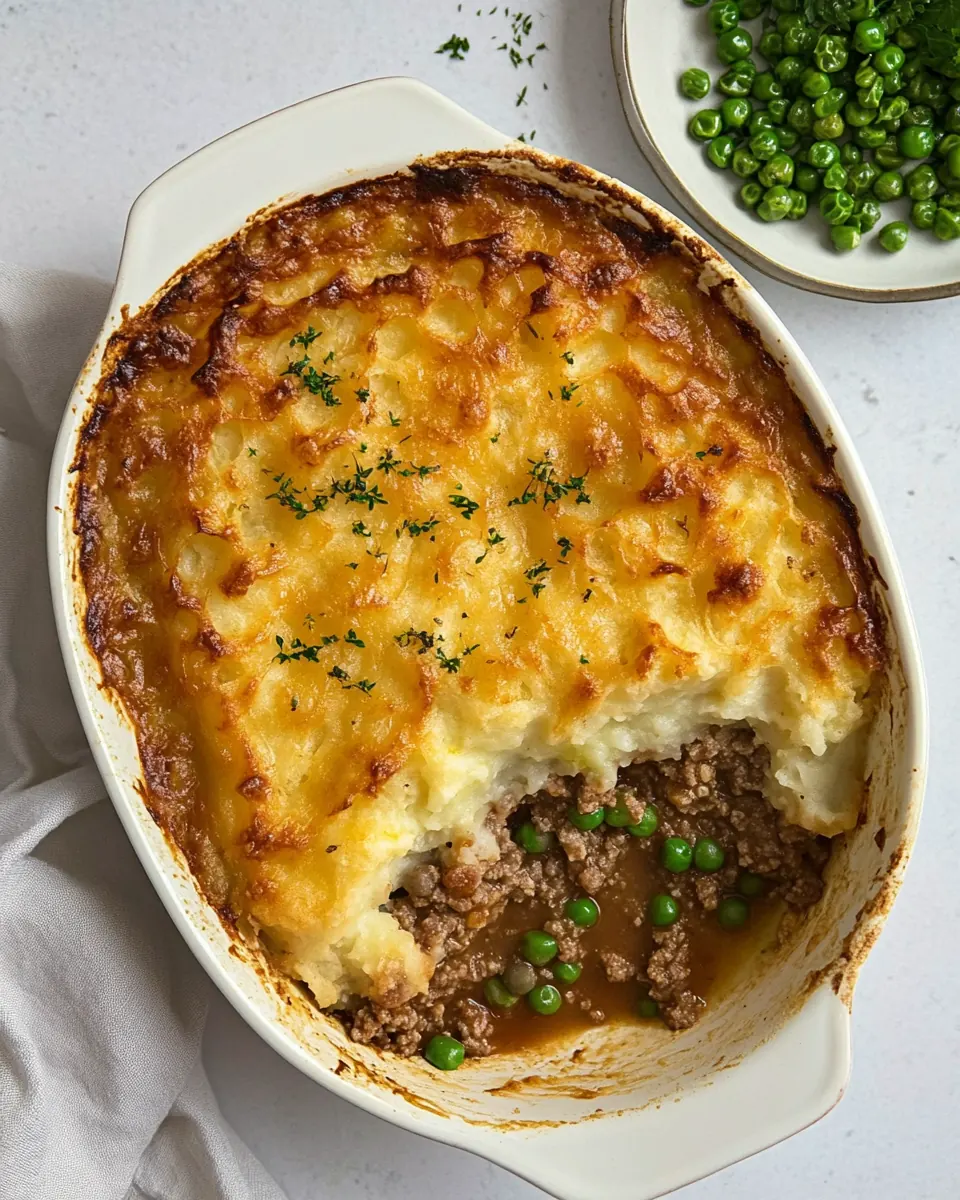
These ingredients are honest and straightforward, each playing a clear role in the final pie. The filling relies on aromatic onion, carrot, and celery to create sweetness and texture, while dried rosemary and thyme bring an earthy backdrop. Minced lamb gives the dish its traditional savory note, and tomato relish and beef stock create a glossy, flavorful sauce. The mashed potatoes, butter, and cheese give a comforting, golden finish. Together they form a balanced, satisfying casserole that browns beautifully in the oven.
- 2 tablespoons olive oil: Heat and add a fruity, slightly peppery base to the pan; helps sauté aromatics and prevents sticking while carrying flavors throughout the filling. Use at the beginning to bloom herbs and meld juices from the meat, giving the shepherd's pie a balanced, savory foundation.
- 1 medium onion diced: Provide a sweet, aromatic backbone when softened; release natural sugars that contribute depth and balance to the savory meat filling. Dice finely to cook evenly and become tender, blending into the sauce without large, distracting pieces.
- 2 medium carrots diced: Contribute gentle sweetness and earthy texture when softened; blend with onion and celery to create a classic mirepoix that supports the meat's flavor. Dice uniformly to ensure even cooking and to add subtle, pleasant bites in the finished pie.
- 1 stalk celery diced: Offer aromatic, slightly bitter notes and structural crunch when cooked; combine with onion and carrot to form the flavor base that lifts the meat. Dice small so it softens quickly and disperses flavor evenly throughout the filling.
- 1 teaspoon rosemary (dried): Impart piney, floral, and slightly minty notes that pair well with lamb; add depth and a savory Mediterranean edge when sprinkled into the cooking mixture. Use dried form early to rehydrate and release its oils into the sauce.
- 1 teaspoon thyme (dried): Deliver warm, lemony, and slightly woodsy undertones that complement the rosemary and lamb; help brighten and round out the stew-like filling. Add dried thyme during cooking so it infuses the liquid and melds with other seasonings.
- 2 cloves garlic finely sliced: Provide pungent, aromatic sharpness and a sweet heat when lightly cooked; enhances complexity and balances fatty meat flavors. Slice finely so it quickly softens and distributes its fragrance without overpowering other aromatics.
- 750 grams minced lamb: Supply rich, savory protein with a characteristic lamb flavor that forms the hearty core of the dish; browning develops caramelized bits that deepen the filling's taste. Break into small pieces while cooking to ensure even browning and integration with vegetables and sauce.
- 1 cup beef stock: Add concentrated savory liquid and body to the filling; helps create a luscious gravy that binds the meat and vegetables. Use simmering stock to control sauce thickness and adjust seasoning as the filling reduces.
- 1 cup tomato relish: Contribute tangy sweetness and tomato-based richness that balances the lamb's fattiness; thickens the filling and adds a subtle relish-like texture. Stir in during simmering to meld flavors and incorporate acidity for bright contrast.
- 1 kilogram potatoes: Provide starchy body for the topping; boiling and mashing yields a creamy layer that crowns the pie and balances the savory filling. Choose even-sized potatoes and cook until tender for the smoothest mash texture.
- 2 tablespoons butter: Introduce creamy richness and silkiness to the mashed potato topping; enriches mouthfeel and helps achieve a smooth, spreadable consistency. Add while mashing to incorporate fat and create a cohesive topping that browns nicely.
- 1/2 cup grated cheese: Bring a salty, savory, slightly tangy finish when melted atop the potato; adds a gratin-like golden crust and extra flavor. Sprinkle or fold in to enhance mouthfeel and provide a pleasing contrast between creamy interior and crispy top.
- 2 tablespoons butter: Contribute additional buttery flavor and help create a golden, crisp surface when dotted or brushed on the potato topping before baking. Use at the end to encourage browning and add a glossy, rich finish to the pie.
Cooking Method for Shepherds Pie
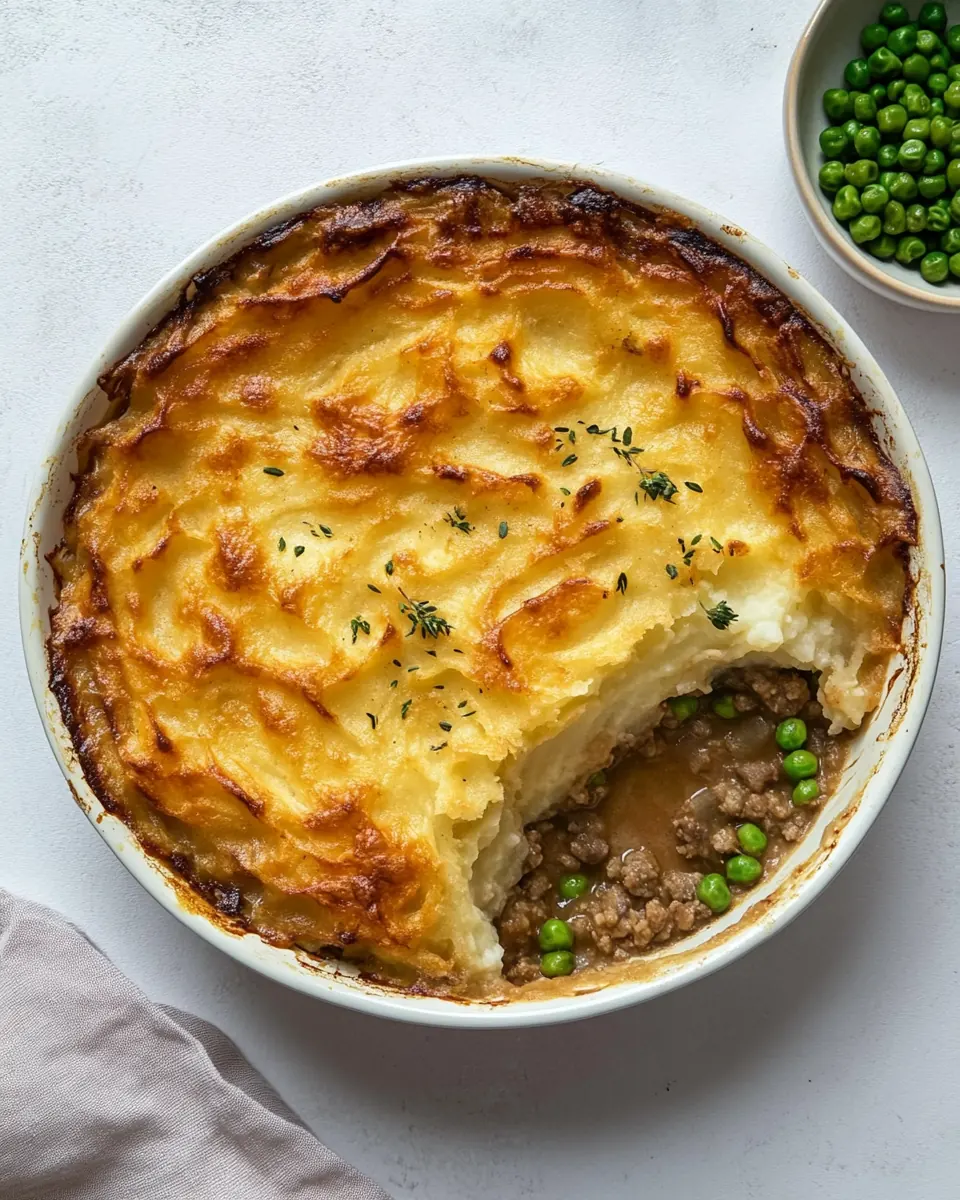
I approach the cooking as a sequence of controlled moments that build on each other. The technique is straightforward but it rewards attention to detail and sensory cues, so expect to pay attention to smell, color, and texture. Follow the steps closely and you will be rewarded with a glossy filling and a golden mashed potato top.
- Dice the onion, celery and carrot so they are all the same size. Finely slice the garlic. Peel and roughly chop the potatoes.: The scent that rises as you chop is the first promise of what is to come, and even sizes ensure uniform cooking so no single piece dominates the bite. When the vegetables are consistent, they soften at the same rate and melt into the filling, creating cohesive texture. A common error is uneven dicing, which leaves some pieces underdone while others are overcooked, so take a little extra time at the board.
- Heat the oil in a large skillet or fry pan to a medium heat. Add the diced onion, carrot, celery and herbs. Sautée until soft, sweet and fragrant.: As the oil warms, you should see a gentle shimmer and smell the faint olive fruit. Once the onion and carrot hit the pan, listen for the quiet hiss as they start to sweat, and watch them turn translucent with ribbons of golden color at the edges. The dried rosemary and thyme will bloom in the fat, releasing aromatic notes that set the tone for the filling. If the pan is too hot the edges will brown too quickly and the interior won't soften, so keep it at medium and stir occasionally.
- Add the garlic and cook for another minute.: When the sliced garlic joins the softened base, the kitchen fills with a bright, savory perfume. Cook just long enough for the garlic to be fragrant and glossy, about a minute, so it melds without turning bitter. Garlic burns fast, so watch closely and remove from heat if it begins to darken.
- Increase the heat of your pan to high. Add the minced lamb. Use a wooden spoon to break up the lamb, and cook until browned.: Turning up the heat encourages the minced lamb to sear, creating browned bits that deepen the overall flavor. You should hear a lively sizzle and see the meat release and then reabsorb juices as it browns. Breaking the meat up ensures even caramelization and prevents large clumps. Overcrowding the pan traps steam and prevents browning, so cook in batches if needed to get that rich caramelized flavor.
- Add the stock and tomato relish to the pan. Reduce the heat and simmer the pie filling for 15-20 minutes until the sauce has thickened and is glossy.: Once the beef stock and tomato relish are in, the mixture will steam and then slowly reduce, turning into a glossy, cohesive sauce that clings to the minced lamb . You will see the liquid concentrate and the surface become slightly shiny; that is your cue that the flavors are concentrating. Stir occasionally to prevent sticking, and skim any excess fat if you prefer a leaner filling. Simmering too briefly leaves the sauce watery, while over reducing can dry the filling out.
- Transfer your pie filling to a pie or casserole dish. Preheat your oven to 180 degrees Celsius (360 F).: Moving the filling into its baking dish shifts the work from stovetop to oven, and the high, dry heat will finish the top later. The filling should sit evenly in the dish so the mashed potatoes can be spread smoothly. Preheat the oven so the pie goes in to a consistent environment, as putting it into a cold oven can change the baking time and texture.
- Cook the potatoes in a large pot of boiling salted water until soft and mashable.: Boiling the potatoes in salted water seasons them from the inside and softens them until a fork slides through easily. You will see fluffy edges and a starchy foam at the surface when they reach the right doneness. Undercooked potatoes make for lumpy mash, so test a few pieces before draining to ensure they are tender through.
- Drain the potatoes in a colander, then leave them to rest in the colander so that they steam and dry out.: Letting the cooked potatoes sit in the colander for a few minutes lets excess water evaporate, which is crucial for a fluffy mash that browns rather than a watery topping that weeps. You will notice steam rising, and the potatoes become drier to the touch. If you skip this, your mashed potatoes can be gluey or fail to crisp in the oven.
- Return the potatoes to the cooking pot, add the first measure of butter and mash, adding milk as needed. You want a thick smooth mash that you can scoop and spread.: The warm pot helps melt the first dollop of butter , giving the mash a silky, rich mouthfeel. Use a masher or ricer to break the potatoes until they are smooth but still fluffy, adding milk little by little to reach a scoopable, thick consistency. The goal is a mash that holds its shape when spooned, so avoid adding too much liquid which will make it runny and hard to brown. Overmashing can make them gluey, so stop once they are smooth and light.
- Top the pie filling with mashed potatoes.: As you spread the mash over the filling, notice the contrast in temperature and texture, and aim for an even layer to ensure uniform browning. The surface should be smooth or peaky depending on the crust you prefer, peaks become golden and crispier. Be gentle to avoid compressing the filling, which can make the final pie dense rather than airy.
- Sprinkle the top of the pie with the grated cheese and drizzle on the second measure of butter.: The grated cheese melts into salty, gooey pockets and the final drizzle of butter encourages golden browning and small crisped spots on the mash. The aroma at this stage is rich and mouthwatering, and the visual of gleaming butter and cheese is your cue that the oven will do the rest. Too much topping can overwhelm the texture balance, so keep it moderate.
- Bake for 30 -40 minutes until the pie is piping hot and the cheese is melted and golden. remove the pie from the oven and leave to rest for 5-10 minutes before serving.: In the oven the edges of the mash will bubble and brown, and the filling will steam beneath, sending up savory scent. The cheese should blister into golden patches and the whole dish should feel hot to the center. Resting after baking lets the filling settle, making it easier to serve clean slices. Cutting too soon can cause the filling to spill out, so be patient and let it rest.
- Enjoy!: The first forkful should give you that satisfying mix of creamy potatoes , tender minced lamb , and the savory glazing of the sauce. Serve while warm and savor the comforting textures. A common pitfall is serving too hot, which can mask flavors, so let the dish cool just enough to enjoy immediately.
Recipe Notes about Shepherds Pie
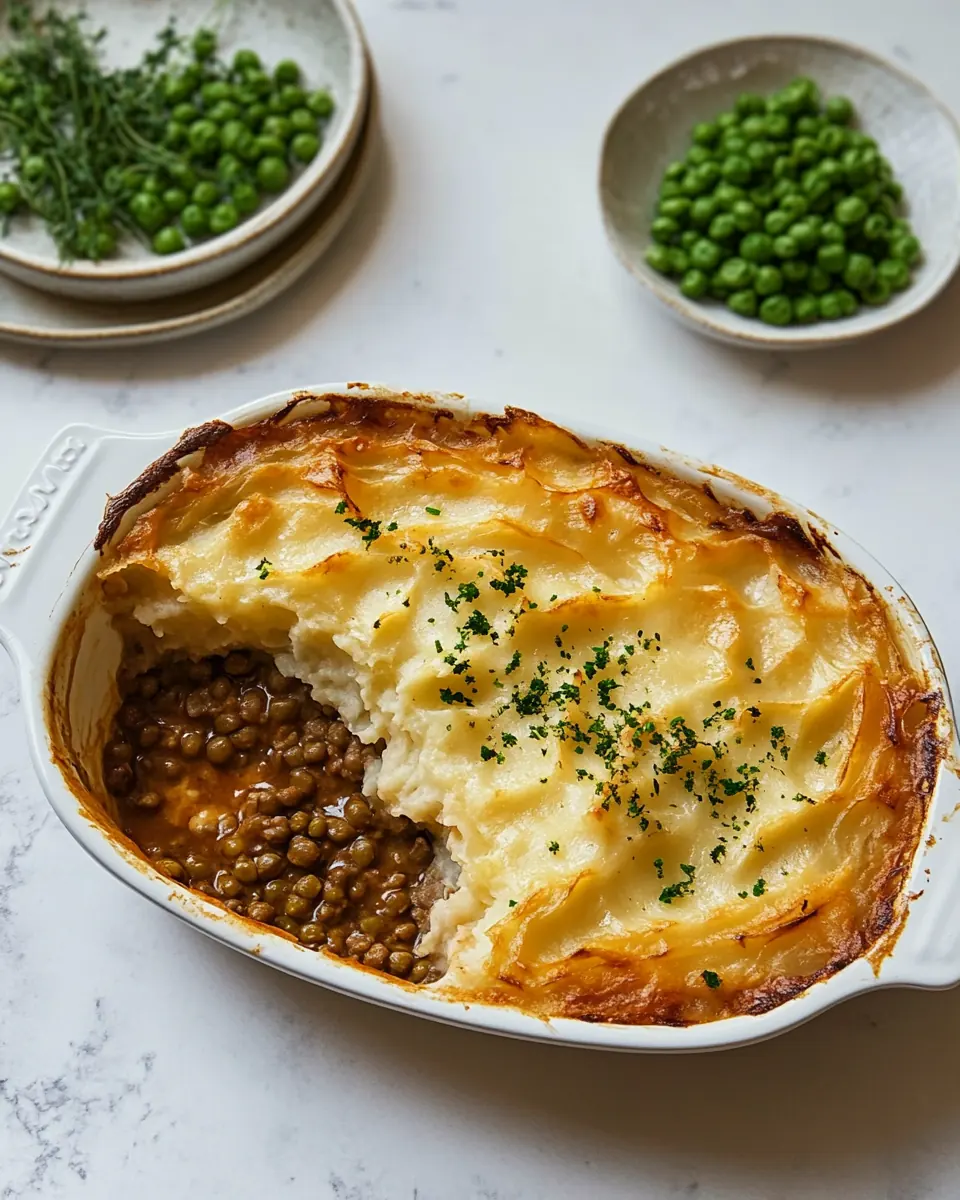
This section collects practical notes I return to every time I make Shepherds Pie. They capture little adjustments and reminders that help the recipe turn out reliably well, whether I am cooking for kids or company. Read these before you begin and tuck them into your process.
- Make ahead: You can prep and assemble the pie ahead of time and refrigerate before baking, but be sure to bake it until it is thoroughly piping hot in the center when you finish.
- Butter finish: Drizzling the second measure of butter on top of the mash gives you a crunchy, golden crust rather than a soft top, so don’t skip this if you enjoy texture.
- Storage: Leftovers keep well refrigerated for up to three days, and reheating in a moderate oven helps restore some of the original texture better than the microwave.
- Child friendly: My coeliac son loves this reheated in a thermos for school lunch, so it’s great for packing and still tastes comforting when cold or warm.
- Vegetable sides: Serve the pie with simple steamed peas or green vegetables to add freshness and color to the plate.
What Complements This Shepherds Pie
Shepherds Pie sits well at the center of a cozy meal and pairs with simple, bright sides that cut through the richness. Think quick steamed greens, lightly dressed salads, or tangy pickles that add lift. It works for casual family dinners, Sunday suppers, or anytime you want a warming main that travels well to potlucks. The list below details serving ideas, occasions, and storage tips to help you plan the full meal.
- Steamed green vegetables: Lightly steamed green beans or broccoli provide freshness and a crisp bite, balancing the richness of the pie.
- Peas: A classic accompaniment, peas add pop and a touch of sweetness that complements the savory filling.
- Simple salad: A small salad with a bright vinaigrette cuts through the creamy potatoes and refreshes the palate between bites.
- Occasions: Serve for weeknight dinners, winter gatherings, or family-friendly Sunday meals where comfort and simplicity are priorities.
- Leftovers and lunches: Refrigerate slices and reheat in the oven for best texture, or pack cold slices in a lunch thermos if preferred.
- Seasonal pairings: This dish is excellent in winter, when hearty, warming fare is most welcome, but it can also appear on dinners in cooler months whenever you crave a filling casserole.
- Storage tips: Cool completely before covering, store in an airtight container for up to three days, and reheat until piping hot to ensure safety and flavor.
- Presentation: For a rustic look, create peaks in the mashed potatoes to encourage golden browning; for a smoother crown, use a spatula to level the surface before adding cheese.
- Serving temperature: Serve warm but allow five to ten minutes after baking so the filling sets and slices hold their shape on the plate.
- Portioning: A pie assembled in a medium casserole dish typically yields six generous portions, perfect for family meals or sharing with friends.
FAQ
Conclusion
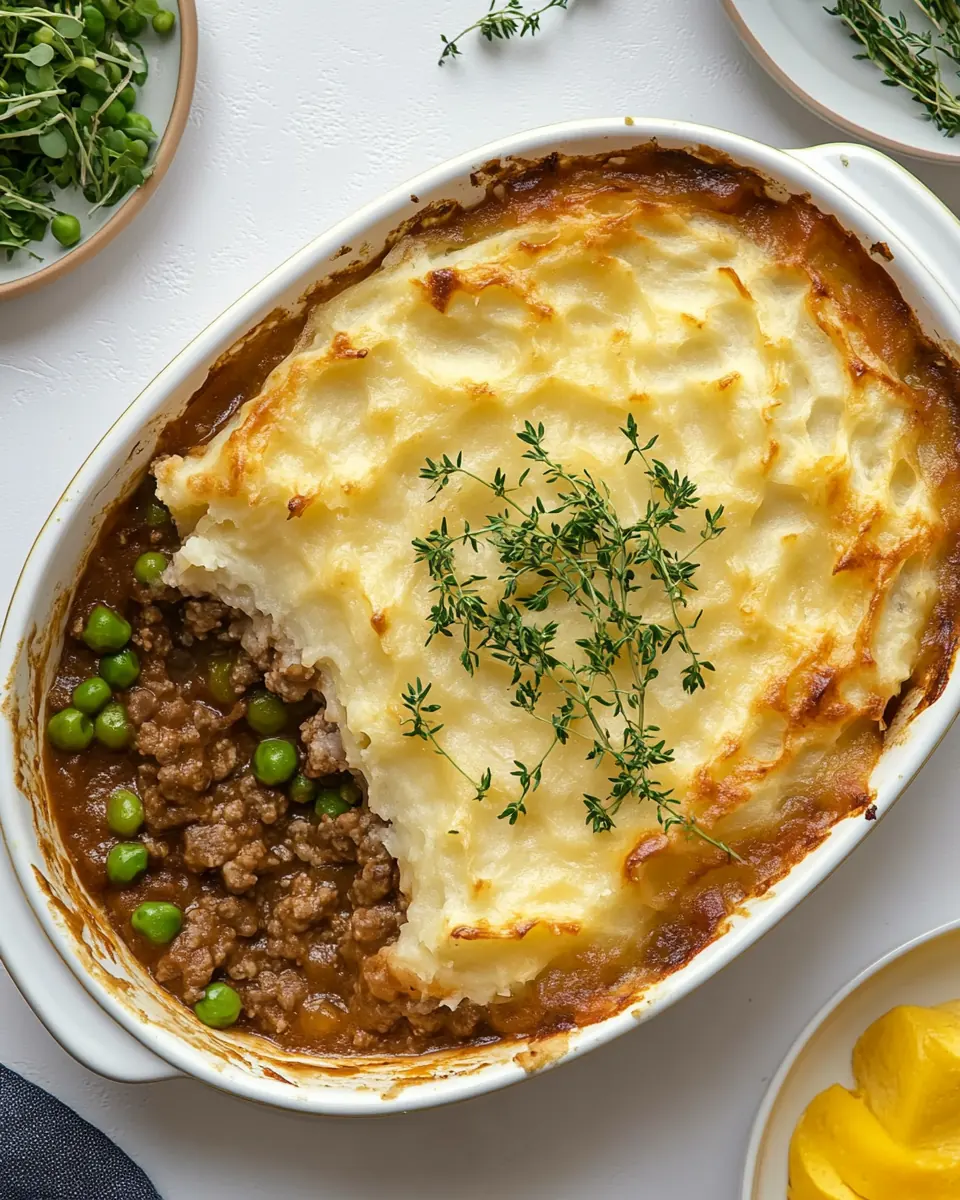
What makes this Shepherds Pie special is the balance between a glossy, savory filling and a creamy, golden mashed potato topping that crisps at the edges. Give it a try on a chilly evening when you want something reliable, nourishing, and full of homestyle flavor. The method focuses on simple techniques that produce deep results, and I hope you enjoy the comforting result as much as my family does.
Shepherds Pie
Ingredients
Equipment
Method
- Dice the onion, celery and carrot so they are all the same size. Finely slice the garlic. Peel and roughly chop the potatoes.: The scent that rises as you chop is the first promise of what is to come, and even sizes ensure uniform cooking so no single piece dominates the bite. When the vegetables are consistent, they soften at the same rate and melt into the filling, creating cohesive texture. A common error is uneven dicing, which leaves some pieces underdone while others are overcooked, so take a little extra time at the board.
- Heat the oil in a large skillet or fry pan to a medium heat. Add the diced onion, carrot, celery and herbs. Sautée until soft, sweet and fragrant.: As the oil warms, you should see a gentle shimmer and smell the faint olive fruit. Once the onion and carrot hit the pan, listen for the quiet hiss as they start to sweat, and watch them turn translucent with ribbons of golden color at the edges. The dried rosemary and thyme will bloom in the fat, releasing aromatic notes that set the tone for the filling. If the pan is too hot the edges will brown too quickly and the interior won't soften, so keep it at medium and stir occasionally.
- Add the garlic and cook for another minute.: When the sliced garlic joins the softened base, the kitchen fills with a bright, savory perfume. Cook just long enough for the garlic to be fragrant and glossy, about a minute, so it melds without turning bitter. Garlic burns fast, so watch closely and remove from heat if it begins to darken.
- Increase the heat of your pan to high. Add the minced lamb. Use a wooden spoon to break up the lamb, and cook until browned.: Turning up the heat encourages the minced lamb to sear, creating browned bits that deepen the overall flavor. You should hear a lively sizzle and see the meat release and then reabsorb juices as it browns. Breaking the meat up ensures even caramelization and prevents large clumps. Overcrowding the pan traps steam and prevents browning, so cook in batches if needed to get that rich caramelized flavor.
- Add the stock and tomato relish to the pan. Reduce the heat and simmer the pie filling for 15-20 minutes until the sauce has thickened and is glossy.: Once the beef stock and tomato relish are in, the mixture will steam and then slowly reduce, turning into a glossy, cohesive sauce that clings to the minced lamb . You will see the liquid concentrate and the surface become slightly shiny; that is your cue that the flavors are concentrating. Stir occasionally to prevent sticking, and skim any excess fat if you prefer a leaner filling. Simmering too briefly leaves the sauce watery, while over reducing can dry the filling out.
- Transfer your pie filling to a pie or casserole dish. Preheat your oven to 180 degrees Celsius (360 F).: Moving the filling into its baking dish shifts the work from stovetop to oven, and the high, dry heat will finish the top later. The filling should sit evenly in the dish so the mashed potatoes can be spread smoothly. Preheat the oven so the pie goes in to a consistent environment, as putting it into a cold oven can change the baking time and texture.
- Cook the potatoes in a large pot of boiling salted water until soft and mashable.: Boiling the potatoes in salted water seasons them from the inside and softens them until a fork slides through easily. You will see fluffy edges and a starchy foam at the surface when they reach the right doneness. Undercooked potatoes make for lumpy mash, so test a few pieces before draining to ensure they are tender through.
- Drain the potatoes in a colander, then leave them to rest in the colander so that they steam and dry out.: Letting the cooked potatoes sit in the colander for a few minutes lets excess water evaporate, which is crucial for a fluffy mash that browns rather than a watery topping that weeps. You will notice steam rising, and the potatoes become drier to the touch. If you skip this, your mashed potatoes can be gluey or fail to crisp in the oven.
- Return the potatoes to the cooking pot, add the first measure of butter and mash, adding milk as needed. You want a thick smooth mash that you can scoop and spread.: The warm pot helps melt the first dollop of butter , giving the mash a silky, rich mouthfeel. Use a masher or ricer to break the potatoes until they are smooth but still fluffy, adding milk little by little to reach a scoopable, thick consistency. The goal is a mash that holds its shape when spooned, so avoid adding too much liquid which will make it runny and hard to brown. Overmashing can make them gluey, so stop once they are smooth and light.
- Top the pie filling with mashed potatoes.: As you spread the mash over the filling, notice the contrast in temperature and texture, and aim for an even layer to ensure uniform browning. The surface should be smooth or peaky depending on the crust you prefer, peaks become golden and crispier. Be gentle to avoid compressing the filling, which can make the final pie dense rather than airy.
- Sprinkle the top of the pie with the grated cheese and drizzle on the second measure of butter.: The grated cheese melts into salty, gooey pockets and the final drizzle of butter encourages golden browning and small crisped spots on the mash. The aroma at this stage is rich and mouthwatering, and the visual of gleaming butter and cheese is your cue that the oven will do the rest. Too much topping can overwhelm the texture balance, so keep it moderate.
- Bake for 30 -40 minutes until the pie is piping hot and the cheese is melted and golden. remove the pie from the oven and leave to rest for 5-10 minutes before serving.: In the oven the edges of the mash will bubble and brown, and the filling will steam beneath, sending up savory scent. The cheese should blister into golden patches and the whole dish should feel hot to the center. Resting after baking lets the filling settle, making it easier to serve clean slices. Cutting too soon can cause the filling to spill out, so be patient and let it rest.
- Enjoy!: The first forkful should give you that satisfying mix of creamy potatoes , tender minced lamb , and the savory glazing of the sauce. Serve while warm and savor the comforting textures. A common pitfall is serving too hot, which can mask flavors, so let the dish cool just enough to enjoy immediately.
Notes
- Make ahead: You can prep and assemble the pie ahead of time and refrigerate before baking, but be sure to bake it until it is thoroughly piping hot in the center when you finish.
- Butter finish: Drizzling the second measure of butter on top of the mash gives you a crunchy, golden crust rather than a soft top, so don’t skip this if you enjoy texture.
- Storage: Leftovers keep well refrigerated for up to three days, and reheating in a moderate oven helps restore some of the original texture better than the microwave.
- Child friendly: My coeliac son loves this reheated in a thermos for school lunch, so it’s great for packing and still tastes comforting when cold or warm.
- Vegetable sides: Serve the pie with simple steamed peas or green vegetables to add freshness and color to the plate.