Slow Cooker Chunky Squash and Chicken Stew
Slow Cooker Chunky Squash and Chicken Stew is one of those recipes that feels like a warm hug on a chilly afternoon, and I still remember the first time I made it for a small get together when the weather turned sharp and gray.
I was lugging groceries in and I had a squash that looked a little lonely in the produce drawer, plus some boneless chicken breasts I wanted to stretch into something comforting. I wanted food that would be forgiving, full of texture, and which would let the slow cooker do the heavy lifting while I tidied the house and poured tea. The result was a fragrant, chunky stew that kept everyone coming back for seconds and asking for the recipe.
That evening taught me how simple techniques and a few honest ingredients can produce a deep cozy flavor without fuss. The browned bits from the initial pan work, the way the chicken softens but keeps bite, and the sweet, tender pieces of squash all combine into a bowl that feels both rustic and refined. I like to serve it when guests arrive damp from the cold, because it perks them up and feels like a real effort, even when it mostly cooks itself.
Recipe Snapshot
4 hr 20 mins
20 mins
240 mins
Hard
350 kcal
American
Whole30, Gluten-Free
Dinner
Saucepan, Slow Cooker, Cutting Board, Chef’s Knife
Why This Slow Cooker Chunky Squash and Chicken Stew Hits Different
Reason One, Comforting Texture and Flavor
I keep coming back to the way the textures play together. The chicken browned first gives a meaty, savory backbone, while chunks of squash soften into ribbons of sweet flesh. The combination makes every spoonful satisfying, especially on quiet nights when you want something substantial but not fussy.
Reason Two, Slow Cooker Simplicity
I’m a fan of recipes that let me walk away. Once you’ve seared and assembled, the slow cooker takes over and deep flavors develop over hours. That hands off time is perfect for busy afternoons when you want a nourishing dinner without babysitting it.
Reason Three, Layered Aromatics
The modest addition of onion and fresh sage transforms the stew into something more than the sum of its parts. Those aromatics mingle with the broth to become an inviting scent that fills the kitchen, and I always judge readiness by how the room smells as much as by a timer.
Reason Four, Family Friendly and Flexible
We served this to picky eaters and curious diners alike, and it went over well. The tender chicken appeals to kids, while adults appreciate the savory broth and herb notes. It also scales easily if you are feeding a crowd, which makes it a weeknight staple and a go to for casual dinners.
Reason Five, Makes Great Leftovers
When I reheat a bowl the next day, the flavors have settled and deepened, so leftovers are often better than the original serving. That makes it a practical choice if you like to cook once and enjoy multiple meals.
Essential Ingredients for Slow Cooker Chunky Squash and Chicken Stew
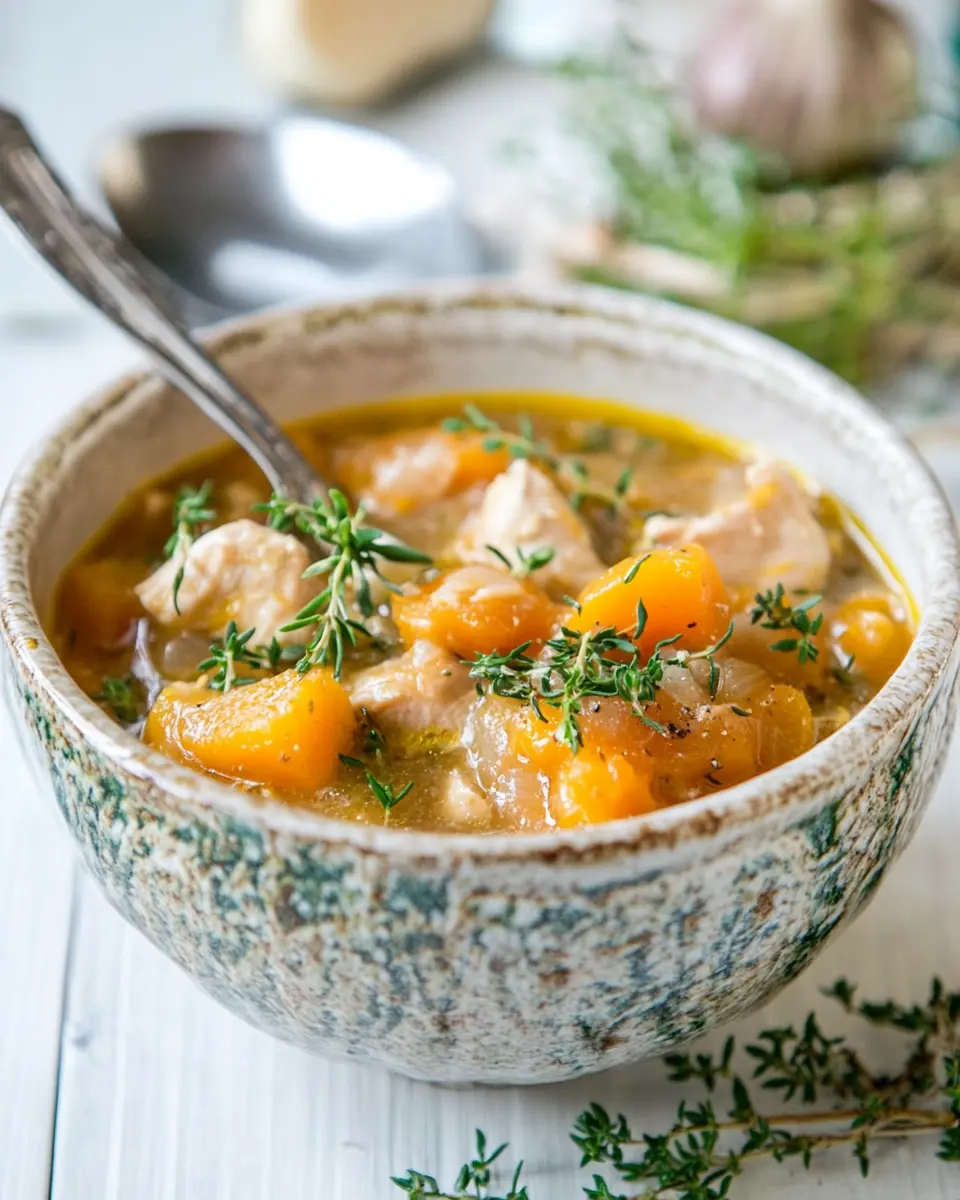
These ingredients are honest and purposeful. I like to think of the dish as a small orchestra where each player has a clear role: the chicken provides protein and savory depth, the squash lends sweetness and body, and the chicken broth ties everything together into a rich, spoonable sauce. Little aromatic touches like onion and sage lift the flavors so the stew never feels flat.
- 15 ounces boneless and skinless chicken breasts chopped into bite-sized pieces: Provide tender, lean protein chopped into bite–sized pieces to create hearty texture and absorb surrounding flavors during slow cooking. Coat lightly and sear if desired to develop a golden crust before adding to the stew for enhanced depth. Ensure even chopping for consistent cooking times throughout the dish.
- flour for coating: Lightly coat to create a thin crust on the chicken pieces that helps with browning and slightly thickens the stew as it cooks. Use a light dusting rather than a heavy layer to avoid gummy texture while still promoting flavor development.
- 1/2 teaspoons salt: Season to enhance and balance overall flavors, contributing gentle salinity that brings out natural sweetness in the squash and savory notes in the chicken. Dissolve into the broth during slow cooking so flavors meld uniformly throughout the stew.
- 1/8 teaspoon pepper: Season sparingly to add subtle heat and brightness without overpowering the dish, helping to balance the salt and enrich the stew’s savory profile. Add early so its flavor disperses evenly or adjust at the end to taste.
- 2 tablespoons extra virgin olive oil: Add as a cooking fat to sauté aromatics and brown the chicken, contributing fruity, peppery notes that complement squash and herbs. Use moderate heat to avoid burning and maintain the oil’s delicate flavor while building the stew’s base.
- 2 1/2 cups chicken broth: Provide the primary cooking liquid and savory backbone, offering depth and body while allowing chicken and vegetables to slowly tenderize and release flavor. Choose low-sodium broth if control over saltiness is desired and adjust seasoning later.
- 1 onion medium, coarsely chopped: Contribute sweet, aromatic base flavor when coarsely chopped and sautéed, releasing natural sugars that enrich the stew and add complexity to the broth. Cook until softened to meld with the chicken and squash for a cohesive texture.
- 14 ounces squash diced: Offer sweet, earthy body and tender bite when diced, creating the stew’s signature chunky vegetable component that thickens and sweetens the broth as it breaks down. Select uniform pieces for even cooking and to maintain a pleasant mouthfeel in each spoonful.
- 3 sage leaves fresh, chopped or torn: Add herbal, slightly peppery aroma and flavor when chopped or torn, providing subtle earthiness that pairs well with squash and chicken. Stir in early to infuse the broth or add near the end for a fresher herbal note depending on desired intensity.
How to Prepare Slow Cooker Chunky Squash and Chicken Stew
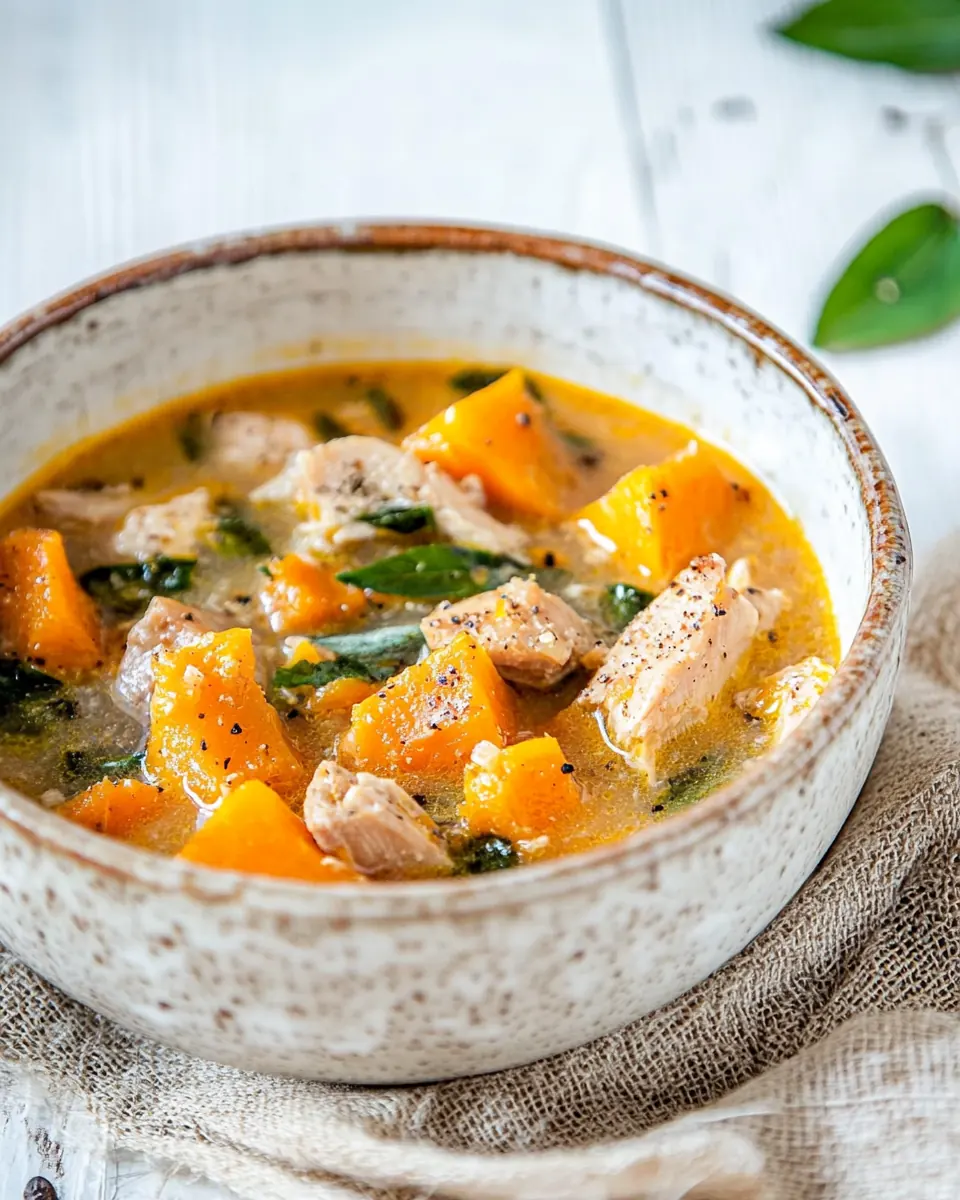
This method focuses on building flavor in stages and then letting slow, gentle heat finish the dish. I walk you through searing, deglazing, and assembling so your slow cooker yields a stew with depth and texture. Take your time with the first steps, because they reward you later.
- Coat the chicken with flour and shake off the excess. Over medium heat, in a saucepan with extra virgin olive oil, brown the chicken then season with salt and pepper. Do not overcrowd. Cook in batches if needed. Pour 1 cup chicken broth in the saucepan and cook until the sauce thickens.: The moment you put the floured pieces into a warm pan you'll hear a soft sizzle, which is the start of flavorful browning. As the surface of each chicken piece caramelizes, it creates fond, those brown crumbs that stick to the pan and hold concentrated taste. That fond is essential because when you later add liquid, it dissolves and enriches the sauce, giving the stew a deeper savor. Use a light, even dusting of flour so the coating is thin, otherwise you risk a pasty texture. A typical mistake here is overcrowding the pan which cools the surface and leads to steaming instead of searing. Work in batches if needed, and keep the pan hot enough that each piece browns quickly but does not burn. Visually, you want golden edges rather than gray or charred spots.
- Transfer the contents of the saucepan to the slow cooker. Add a little bit more extra virgin olive oil in the saucepan then sauté the onions over low – medium heat for about 5 minutes. Transfer the onions to the slow cooker. Add the squash, remaining chicken broth, and sage in the slow cooker. Set on low for 4 hours.: Once the chicken hits the hot oil, listen for consistent sizzling and watch the edges turn to a warm golden color. Browning concentrates the meat's flavor and creates texture that holds up during slow cooking. Sprinkle the measured salt and pepper as the pieces turn so seasoning adheres and penetrates. If the pan gets too crowded, the temperature drops and the meat will release more moisture, which prevents a proper sear. Use moderate heat so the outside browns without overcooking the interior. Smell is a great indicator here; a toasty, nutty aroma means the browning is progressing well.
- Do not overcrowd: When pieces are too close together you will see steam and little to no browning, and the surface will remain pale instead of developing a bronzed crust. Proper spacing ensures air and heat circulate, producing even color and texture. If you must cook in batches, keep finished pieces on a warm plate, uncovered briefly so steam escapes and the crust stays crisp. A common slip is stacking the cooked chicken which traps steam and ruins the sear you worked for, so spread them out instead.
- Cook in batches if needed: Handling the chicken in organized batches means each piece receives proper contact with the pan. As each batch finishes, the pan may develop sticky browned bits, which is expected and desirable. Save those bits because they become the base for a richer broth after deglazing. Resist the urge to rush this step; the slow cooker can tenderize, but it cannot create the concentrated caramelized flavor that searing produces. Overcrowding to save time leads to a flatter final taste.
- Pour 1 cup chicken broth in the saucepan and cook until the sauce thickens: When you add that first cup of chicken broth to the hot pan, you'll hear a hiss as it hits the residual oil and heated fond. Scrape the bottom with a wooden spoon so the fond dissolves into the liquid, releasing concentrated flavor. Cook until the liquid reduces slightly and coats the spoon, which signals a richer, slightly thickened sauce. This deglazing step is crucial because it pulls all the caramelized flavor into the stew. Avoid adding too much liquid here or you dilute those concentrated flavors; reduce patiently until you see a glossy coating.
- Transfer the contents of the saucepan to the slow cooker: As you move the pan contents, notice the scent of the concentrated broth that now clings to the chicken . That aroma is a good sign the foundational flavors are in place. Transfer everything, including any little browned bits and reduced sauce, because they will continue to infuse the stew during the long, gentle cook. A frequent oversight is leaving flavorful pan residue behind; use a spatula and a small splash of broth to scrape every last bit into the cooker.
- Add a little bit more extra virgin olive oil in the saucepan then sauté the onions over low medium heat for about 5 minutes: The moment the chopped onion hits the warmed oil, its edges should start to become translucent and soft, and a faint sweet fragrance will appear. Sautéing at low medium heat encourages the onion to sweeten without browning too quickly, which maintains a delicate flavor that complements the squash . Stir gently and watch for translucence rather than deep color. A common error is cranking the heat in pursuit of speed, which causes the onion to color too much and develop a bitter edge that can unbalance the finished stew.
- Transfer the onions to the slow cooker: When the onion is soft and slightly sweet smelling, move it to join the chicken in the cooker so their flavors mix during the long simmer. The softened onion will melt further into the broth, rounding the overall profile and providing a gentle sweetness that contrasts the herb notes. Make sure you transfer any fond or oil left in the pan to avoid losing that flavor. Leaving those bits behind is probably the most common missed opportunity at this point.
- Add the squash remaining chicken broth and sage in the slow cooker: Add the diced squash , the remaining measured chicken broth , and the fresh sage so they can meld slowly. As the cooker warms, the squash will soften and release natural sugars, gently thickening the broth while the sage infuses an herby warmth. Stir lightly to distribute ingredients evenly, ensuring each spoonful will have a mix of meat, veg, and broth. Avoid over stirring which can break down the squash too early and make the stew excessively mushy.
- Set on low for 4 hours: Setting the slow cooker on low lets flavors develop slowly and keeps textures tender without falling apart. Over those hours the aroma will become rounded and cohesive, the chicken will finish cooking through, and the squash will reach a pleasing tenderness that still holds shape. A punishing mistake is using high heat to speed things up, which often yields uneven results, tougher meat, or overcooked squash. Low, patient heat is what produces that homey, melded flavor.
Recipe Notes about Slow Cooker Chunky Squash and Chicken Stew
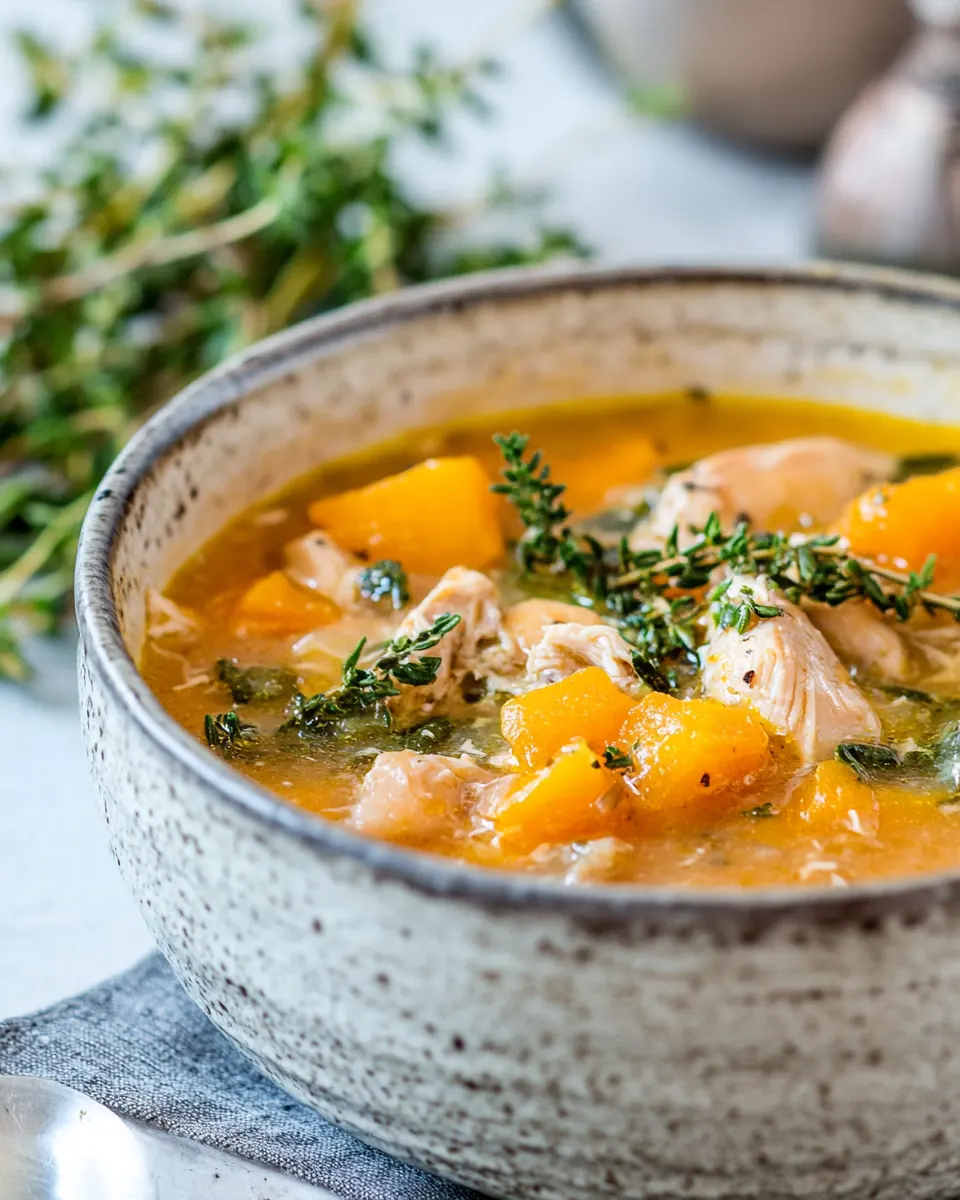
This section contains practical, hands on notes I use every time I make this stew. I aim to help you avoid small mistakes and get the best texture and flavor from the ingredients listed. Read these before you start and keep them nearby as you cook.
- Brown in Batches Always brown the chicken in batches if your pan is crowded, so each piece develops a golden sear and you capture flavorful fond for deglazing.
- Control Sodium Use low sodium chicken broth if possible, so you can adjust the salt toward the end and avoid over seasoning.
- Cut Squash Evenly Dice the squash into consistent cubes so they cook at the same rate and you avoid some pieces turning to mush while others remain firm.
- Use Fresh Sage Fresh sage brightens the stew more than dried, add it early so its oils have time to infuse the broth.
- Keep a Splash of Broth Reserve a little extra chicken broth when assembling, in case you want a looser consistency at the end without diluting flavor.
Serving Ideas for Slow Cooker Chunky Squash and Chicken Stew
This stew is versatile and hearty, and it makes a cozy main for weeknight dinners or casual gatherings. It pairs well with simple accompaniments and can be adapted to different occasions without changing the core recipe. Below are ideas for what to serve, when to serve it, and how to store leftovers.
- Serve with Crusty Bread A thick slice of warm bread soaks up the broth and adds textural contrast, perfect for a relaxed dinner.
- Spoon Over Rice Serve the stew over steamed rice to make it heartier for colder months and to stretch portions for family meals.
- Light Salad on the Side A crisp salad with a tangy vinaigrette complements the stew, adding brightness to balance the savory bowl.
- Family Dinners This is ideal for weeknight family dinners when you want something filling without last minute fuss; the slow cooker does most of the work.
- Seasonal Pairing In winter, pair with roasted root vegetables or a grain salad to match the stew’s warming profile.
- Storage Tips Store leftovers in an airtight container in the fridge for up to three days; reheat gently on the stove, adding a splash of chicken broth if the stew has thickened too much.
FAQ
Conclusion
This recipe shines because it combines simple techniques with slow cooking patience to produce a stew that is rich, textured, and reliably comforting. Give it a try on a chilly evening when you want an easy yet satisfying meal that fills the house with warming aromas. I hope this becomes one of your go to dishes for family dinners, leftovers, and those cozy nights when you want something honest and flavorful.
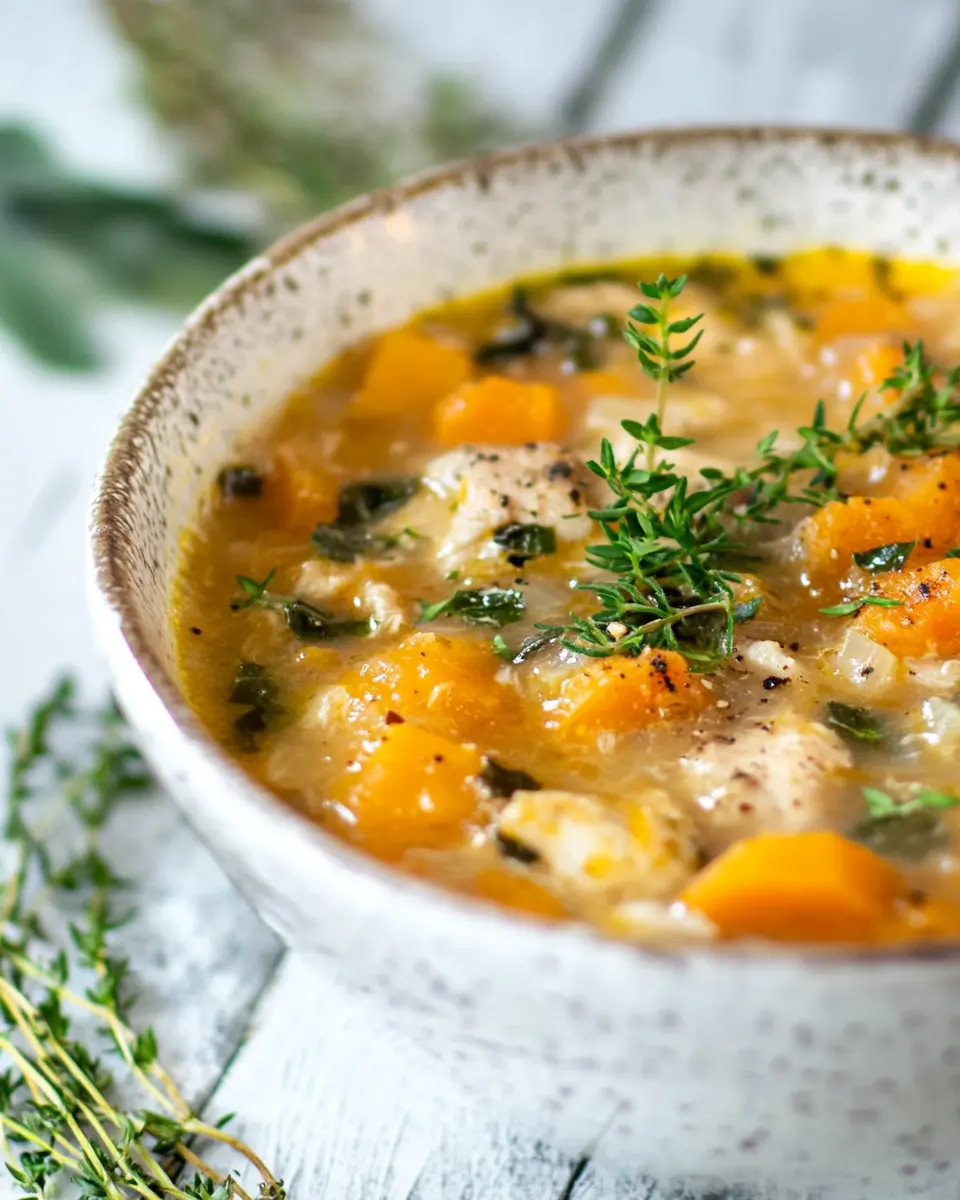
Slow Cooker Chunky Squash and Chicken Stew
Ingredients
Equipment
Method
- Coat the chicken with flour and shake off the excess. Over medium heat, in a saucepan with extra virgin olive oil, brown the chicken then season with salt and pepper. Do not overcrowd. Cook in batches if needed. Pour 1 cup chicken broth in the saucepan and cook until the sauce thickens.: The moment you put the floured pieces into a warm pan you'll hear a soft sizzle, which is the start of flavorful browning. As the surface of each chicken piece caramelizes, it creates fond, those brown crumbs that stick to the pan and hold concentrated taste. That fond is essential because when you later add liquid, it dissolves and enriches the sauce, giving the stew a deeper savor. Use a light, even dusting of flour so the coating is thin, otherwise you risk a pasty texture. A typical mistake here is overcrowding the pan which cools the surface and leads to steaming instead of searing. Work in batches if needed, and keep the pan hot enough that each piece browns quickly but does not burn. Visually, you want golden edges rather than gray or charred spots.
- Transfer the contents of the saucepan to the slow cooker. Add a little bit more extra virgin olive oil in the saucepan then sauté the onions over low - medium heat for about 5 minutes. Transfer the onions to the slow cooker. Add the squash, remaining chicken broth, and sage in the slow cooker. Set on low for 4 hours.: Once the chicken hits the hot oil, listen for consistent sizzling and watch the edges turn to a warm golden color. Browning concentrates the meat's flavor and creates texture that holds up during slow cooking. Sprinkle the measured salt and pepper as the pieces turn so seasoning adheres and penetrates. If the pan gets too crowded, the temperature drops and the meat will release more moisture, which prevents a proper sear. Use moderate heat so the outside browns without overcooking the interior. Smell is a great indicator here; a toasty, nutty aroma means the browning is progressing well.
- Do not overcrowd: When pieces are too close together you will see steam and little to no browning, and the surface will remain pale instead of developing a bronzed crust. Proper spacing ensures air and heat circulate, producing even color and texture. If you must cook in batches, keep finished pieces on a warm plate, uncovered briefly so steam escapes and the crust stays crisp. A common slip is stacking the cooked chicken which traps steam and ruins the sear you worked for, so spread them out instead.
- Cook in batches if needed: Handling the chicken in organized batches means each piece receives proper contact with the pan. As each batch finishes, the pan may develop sticky browned bits, which is expected and desirable. Save those bits because they become the base for a richer broth after deglazing. Resist the urge to rush this step; the slow cooker can tenderize, but it cannot create the concentrated caramelized flavor that searing produces. Overcrowding to save time leads to a flatter final taste.
- Pour 1 cup chicken broth in the saucepan and cook until the sauce thickens: When you add that first cup of chicken broth to the hot pan, you'll hear a hiss as it hits the residual oil and heated fond. Scrape the bottom with a wooden spoon so the fond dissolves into the liquid, releasing concentrated flavor. Cook until the liquid reduces slightly and coats the spoon, which signals a richer, slightly thickened sauce. This deglazing step is crucial because it pulls all the caramelized flavor into the stew. Avoid adding too much liquid here or you dilute those concentrated flavors; reduce patiently until you see a glossy coating.
- Transfer the contents of the saucepan to the slow cooker: As you move the pan contents, notice the scent of the concentrated broth that now clings to the chicken . That aroma is a good sign the foundational flavors are in place. Transfer everything, including any little browned bits and reduced sauce, because they will continue to infuse the stew during the long, gentle cook. A frequent oversight is leaving flavorful pan residue behind; use a spatula and a small splash of broth to scrape every last bit into the cooker.
- Add a little bit more extra virgin olive oil in the saucepan then sauté the onions over low medium heat for about 5 minutes: The moment the chopped onion hits the warmed oil, its edges should start to become translucent and soft, and a faint sweet fragrance will appear. Sautéing at low medium heat encourages the onion to sweeten without browning too quickly, which maintains a delicate flavor that complements the squash . Stir gently and watch for translucence rather than deep color. A common error is cranking the heat in pursuit of speed, which causes the onion to color too much and develop a bitter edge that can unbalance the finished stew.
- Transfer the onions to the slow cooker: When the onion is soft and slightly sweet smelling, move it to join the chicken in the cooker so their flavors mix during the long simmer. The softened onion will melt further into the broth, rounding the overall profile and providing a gentle sweetness that contrasts the herb notes. Make sure you transfer any fond or oil left in the pan to avoid losing that flavor. Leaving those bits behind is probably the most common missed opportunity at this point.
- Add the squash remaining chicken broth and sage in the slow cooker: Add the diced squash , the remaining measured chicken broth , and the fresh sage so they can meld slowly. As the cooker warms, the squash will soften and release natural sugars, gently thickening the broth while the sage infuses an herby warmth. Stir lightly to distribute ingredients evenly, ensuring each spoonful will have a mix of meat, veg, and broth. Avoid over stirring which can break down the squash too early and make the stew excessively mushy.
- Set on low for 4 hours: Setting the slow cooker on low lets flavors develop slowly and keeps textures tender without falling apart. Over those hours the aroma will become rounded and cohesive, the chicken will finish cooking through, and the squash will reach a pleasing tenderness that still holds shape. A punishing mistake is using high heat to speed things up, which often yields uneven results, tougher meat, or overcooked squash. Low, patient heat is what produces that homey, melded flavor.
Notes
- Brown in Batches Always brown the chicken in batches if your pan is crowded, so each piece develops a golden sear and you capture flavorful fond for deglazing.
- Control Sodium Use low sodium chicken broth if possible, so you can adjust the salt toward the end and avoid over seasoning.
- Cut Squash Evenly Dice the squash into consistent cubes so they cook at the same rate and you avoid some pieces turning to mush while others remain firm.
- Use Fresh Sage Fresh sage brightens the stew more than dried, add it early so its oils have time to infuse the broth.
- Keep a Splash of Broth Reserve a little extra chicken broth when assembling, in case you want a looser consistency at the end without diluting flavor.