Sheet Pan Lemon Chicken
Sheet Pan Lemon Chicken is one of those dinners I fall back on when life gets busy and I still want real food on the table. The first time I made it, I was juggling work emails, a grocery run, and a toddler who insisted that every spoon was a drumstick. I tossed everything on one tray, slid it into the oven, and in under an hour we had a meal that felt thoughtful and fresh, with bright lemon notes cutting through the savory roast.
That evening taught me the joy of simple techniques that deliver maximum flavor. I remember pulling the pan from the oven and being greeted by the aroma of roasted baby red potatoes and sizzling chicken, while the bright zing of lemon and rosemary kept the dish lively. It felt like a small kitchen victory, the kind that builds confidence for weeknight cooking.
I love how forgiving this recipe is, and how each element gets its moment to shine without demanding constant attention. The method lets you focus on plating and conversation, not babysitting a stovetop. Over the years I tweaked small things, like cutting the potatoes to similar sizes for even roasting and tossing the asparagus with lemon just before it goes in to keep it tender crisp. That balance between ease and detail is why this has become a regular in my rotation.
Recipe Snapshot
50 mins
15 mins
35 mins
Medium
400 kcal
American
Paleo, Whole30
Dinner
Rimmed baking sheet, Large bowl, Spatula, Oven
What We Adore About This Sheet Pan Lemon Chicken
One Pan, Huge Payoff
I love recipes that simplify cleanup without sacrificing taste, and Sheet Pan Lemon Chicken does exactly that. Having everything roast together concentrates flavors, so the chicken browns and the potatoes take on those caramelized edges that taste like effort even when they hardly require any. I often tell friends that a single baking sheet gives you multiple textures at once, which is a rare win.
Bright, Fresh Flavor with Minimal Fuss
Using fresh lemon juice and zest lifts the whole dish, making the chicken and asparagus taste lively instead of heavy. I find that a little zest goes a long way, and it helps the meal feel seasonal and bright. This is why I reach for this recipe when I want comfort food that still feels light.
Fast Enough for Weeknights, Polished Enough for Guests
This recipe hits a sweet spot. It’s speedy to assemble, yet the roasting gives you a composed, restaurant style plate. I’ve served it for casual dinner parties, and guests often ask how long it took me. When I tell them it was under an hour and mostly hands off, they’re always surprised, and I enjoy that moment of smug satisfaction.
Flexible and Forgiving
I appreciate a recipe that accommodates what’s in my fridge. You can shift the proportions slightly and still end up with a great result. That flexibility reduces stress, and I find myself returning to this dish when I want reliability without rigidity.
Balanced Nutrition and Color
The combination of potatoes, asparagus, and chicken delivers a pleasing balance of carbohydrates, vegetables, and protein. The lemon and rosemary add aromatic complexity, making every bite interesting. For me, a meal that looks vibrant on the plate is a meal I’m excited to eat, and this recipe reliably delivers that visual appeal.
Everything You Need for Sheet Pan Lemon Chicken
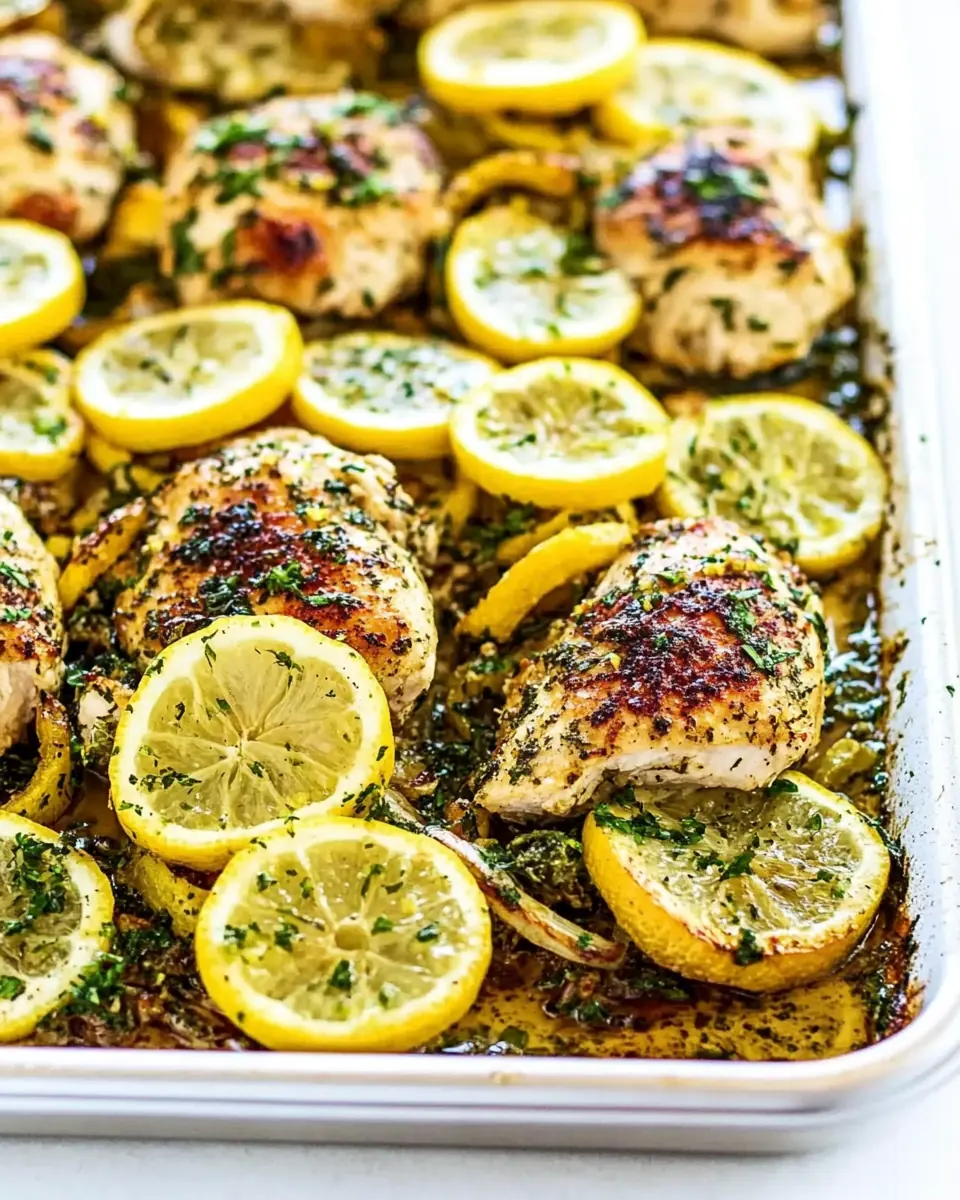
I think of these ingredients as a small but mighty team. Each one plays a clear role: the baby red potatoes bring creamy, starchy substance, the chicken provides satisfying protein, and the asparagus offers a bright, vegetal counterpoint. Lemon, rosemary, and garlic powder are the flavor glue, lifting and tying together the roasted notes so the dish never feels flat.
- 1 pound baby red potatoes cut into 1-inch pieces: Cut into 1-inch pieces to ensure even roasting and tender results; baby red potatoes provide a creamy texture and hearty base for the sheet pan dish. Roast until golden to absorb flavors from herbs and citrus, contributing body and substance to each serving.
- 3 tablespoons extra-virgin olive oil divided: Drizzle and brush as the primary cooking fat to promote browning and prevent sticking; extra–virgin olive oil adds a fruity, robust flavor that complements lemon and rosemary. Reserve part for tossing vegetables and proteins so each component gains an even coat and caramelizes properly.
- 2 tablespoons chopped fresh rosemary divided: Chop finely and divide between potatoes and chicken to infuse earthy, woodsy flavor at different stages; fresh rosemary adds aromatic depth that pairs well with lemon and garlic. Use some with the potatoes early for slow-release aroma and finish some with the chicken for a brighter herbaceous note.
- 1 teaspoon kosher salt divided: Season and distribute with divided portions to control overall saltiness; kosher salt enhances natural flavors and helps draw moisture from surfaces for better browning. Sprinkle judiciously on potatoes and chicken to balance acidity and herbs without overpowering the dish.
- 1/2 teaspoon ground black pepper divided: Season and divide to provide balanced peppery warmth across components; ground black pepper adds subtle heat and complexity while roasting. Apply with other seasonings so the pepper browns slightly and releases its aroma without becoming bitter.
- 2 pounds thin asparagus tough ends trimmed and discarded, cut into 2-inch pieces (about 2 bunches): Trim and cut into 2-inch pieces to ensure quick, even cooking that matches the potatoes and chicken; asparagus delivers a fresh, slightly sweet green contrast and vibrant color to the sheet pan. Add later in the roasting process so it stays tender-crisp and retains its bright flavor.
- 1 1/2 pounds boneless, skinless chicken breasts or thighs, cut into 1-inch pieces: Cut into 1-inch pieces for fast, uniform cooking; boneless, skinless chicken provides lean protein and soaks up seasonings and lemon for juicy bites. Arrange evenly on the sheet pan to roast thoroughly while staying tender and flavorful.
- 1 teaspoon garlic powder: Season evenly to impart savory depth and enhance roasted flavors; garlic powder offers concentrated garlic essence without added moisture, making it ideal for dry rubs. Sprinkle onto chicken and vegetables so the garlic browns slightly and permeates the dish.
- 1 large lemon juice and zest (you should have about 1/4 cup lemon juice total): Juice and zest to contribute bright acidity and citrus aroma; lemon juice and zest balance richness from olive oil and chicken while lifting the overall flavor profile. Use zest for intense lemon oils and juice for tangy moisture that ties herbs and seasonings together.
Making Sheet Pan Lemon Chicken
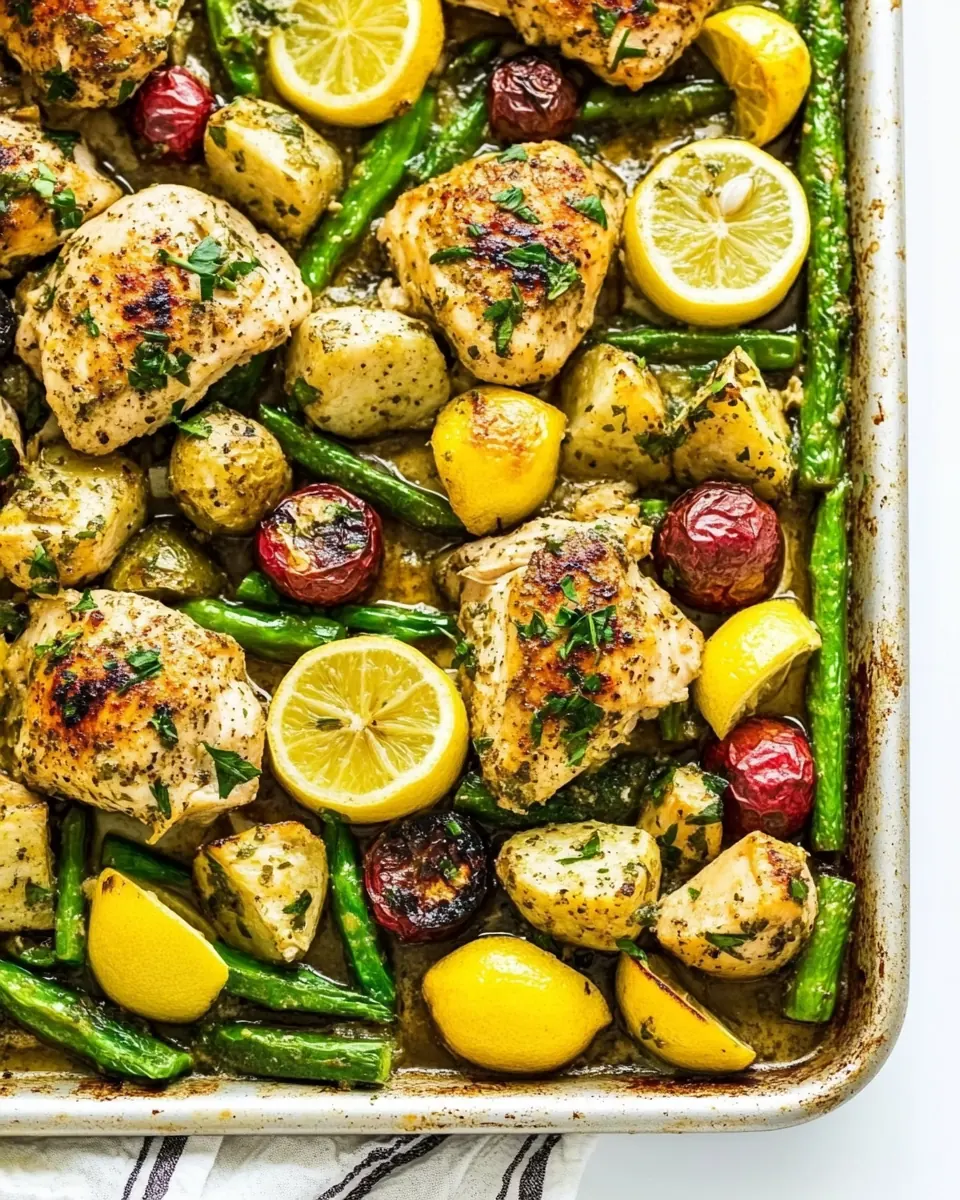
These directions are straightforward but benefit from attention to small cues. Roast the potatoes first for a head start, then bring the chicken and asparagus in to finish everything together. I’ll walk you through sensory cues and troubleshooting so your pan comes out evenly cooked and flavorful.
- Place a rack in the center of your oven, then preheat the oven to 400 degrees F. Generously coat a large, rimmed baking sheet with nonstick spray. Place the potatoes in the center and top with 1 tablespoon olive oil, 1 tablespoon rosemary, 1/2 teaspoon kosher salt, and 1/4 teaspoon black pepper. Toss to coat, then spread into an even layer. Place in the oven and roast for 20 minutes.: You should notice the oven warming and eventually humming at temperature, which ensures even roast heat around the pan. Preheating is crucial because placing ingredients into a cold oven leads to prolonged cooking time and less browning, so wait until the dial or digital readout shows the full 400 degrees F. A common error is rushing this step, which produces steamed rather than roasted textures. Use a sturdy rimmed baking sheet and a rack in the center to promote consistent airflow so the potatoes crisp rather than steam.
- Meanwhile, place the asparagus, chicken, and garlic powder in a large bowl. Drizzle with the lemon juice and add the lemon zest, remaining 2 tablespoons olive oil, 1 tablespoon rosemary, 1/2 teaspoon kosher salt, and 1/4 teaspoon black pepper. Toss to coat, then transfer to the baking pan with the potatoes. With a spatula, loosely toss the ingredients so that they are evenly combined and spread into an even layer. Overlap the chicken as little as possible.: When you coat the sheet, you should see a thin, even sheen that will prevent sticking and help the bottoms brown. This small layer also allows heat to conduct directly into the surfaces for better caramelization. If you skip this, small pieces can stick and tear, which makes serving messy. If you prefer, a light brush of the reserved olive oil will achieve the same result and add flavor.
- Return the pan to the oven and bake an additional 15 to 20 minutes, until the chicken is cooked through, stirring once or twice throughout. The asparagus may release some liquid, which you can carefully pour off the pan, or use a slotted spoon or spatula to serve so that you do not get this liquid on your plate. Enjoy hot.: As you toss the potatoes they should glisten and carry a coating of oil and herbs, and the scent of rosemary will become noticeable. This early seasoning jumpstarts their flavor and encourages browning on exposed edges. Unevenly sized pieces can cook unevenly, so ensure consistent 1 inch cuts to avoid hard centers. Spread them into an even layer to maximize contact with the hot pan where Maillard reactions create those golden edges.
- Toss to coat then spread into an even layer: As you spread the pieces, you should hear a faint clink as they settle on the pan and see space between pieces; that separation is what allows hot air to circulate so edges crisp. If the pieces touch too closely they can trap steam and become mushy instead of caramelized. A practical tip is to give them a quick shake after they are on the pan so the oil redistributes and each piece has some exposed surface.
- Place in the oven and roast for 20 minutes: During roasting you will notice the aroma shifting to a toasty, almost nutty smell as the potatoes begin to brown and their starches caramelize. Visual cues include golden edges and slightly puckered skins when they are close to done. One pitfall is opening the oven repeatedly which drops the temperature and extends cooking time, so limit checks to quick peeks. The goal is tender interiors with crisp exteriors, which sets the foundation for the rest of the bake.
- Meanwhile place the asparagus chicken and garlic powder in a large bowl: When you combine the asparagus , chicken , and garlic powder in a bowl the dry seasonings will begin to cling to the proteins and vegetables, creating a light coating that helps flavor transmit during roasting. You should feel the texture change as the powder and oil bind to the pieces. A common mistake is sousing too much liquid here which can cause steaming on the pan; aim for a sheen, not a pool.
- Drizzle with the lemon juice and add the lemon zest remaining 2 tablespoons olive oil 1 tablespoon rosemary 1/2 teaspoon kosher salt and 1/4 teaspoon black pepper: The moment you add lemon juice you’ll notice a bright, citrus scent that lifts the bowl. Zest adds aromatic oils that cling to the chicken and asparagus , while the remaining olive oil aids browning. The balance of acid and oil is important, because too much acid early can begin to cook the protein and change texture, so keep quantities measured. Toss gently so each piece is lightly coated and carries that lemony fragrance.
- Toss to coat then transfer to the baking pan with the potatoes: As you transfer the mixture, the combined aroma of roasted potatoes and bright lemon should mingle. When everything hits the hot pan you might hear a soft hiss which signals the start of additional browning. Be careful to pour in a way that keeps the chicken from overlapping too much, because crowded pieces steam rather than roast. Using a spatula helps distribute ingredients evenly across the sheet.
- With a spatula loosely toss the ingredients so that they are evenly combined and spread into an even layer: When you stir on the pan you want gentle, deliberate movements so the items settle into a single layer and have room to brown. Listen for subtle sizzles as pieces touch the hot metal; that’s a good sign. Overworking them into piles will cause uneven cooking, so aim for space and balance. Visually, the pan should look like a mosaic of ingredients with room around each component.
- Overlap the chicken as little as possible: Proper spacing is the key to good searing, and when the chicken pieces are apart you’ll see individual edges turn golden and slightly crisp. This texture difference is what keeps the bites interesting. If you cram pieces together they will release juices and steam, leading to pale, rubbery texture. If that happens, remove crowded bits to the edges where they can brown more effectively.
- Return the pan to the oven and bake an additional 15 to 20 minutes until the chicken is cooked through stirring once or twice throughout: As the final bake completes, aromas intensify and the chicken will change color from pale to golden with firm but juicy centers. Stirring once or twice helps promote even browning but do it gently to avoid tearing the asparagus or breaking the potatoes . An undercooked center is the main worry, so check the thickest piece for doneness; it should register safe to eat and feel springy. If the pan accumulates liquid from the asparagus , you can carefully pour it off to keep the final bites from becoming soggy.
- The asparagus may release some liquid which you can carefully pour off the pan or use a slotted spoon or spatula to serve so that you do not get this liquid on your plate: That released liquid is a combination of vegetable moisture and pan juices; it can dilute the crisp texture if left pooled. As you plate, look for glossy surfaces and give pieces a gentle shake to drain excess. A common misstep is serving straight from a very wet pan which results in limp textures, so use a slotted tool to lift and drain before plating.
- Enjoy hot: When you serve, the heat will carry the aromatics and make the lemon and rosemary sing. The contrast between warm potatoes , tender chicken , and bright asparagus is most pronounced right away, so I recommend serving immediately. Letting it sit too long will cause the roasted edges to lose their crispness, so plan to plate soon after finishing.
Expert Tips about Sheet Pan Lemon Chicken
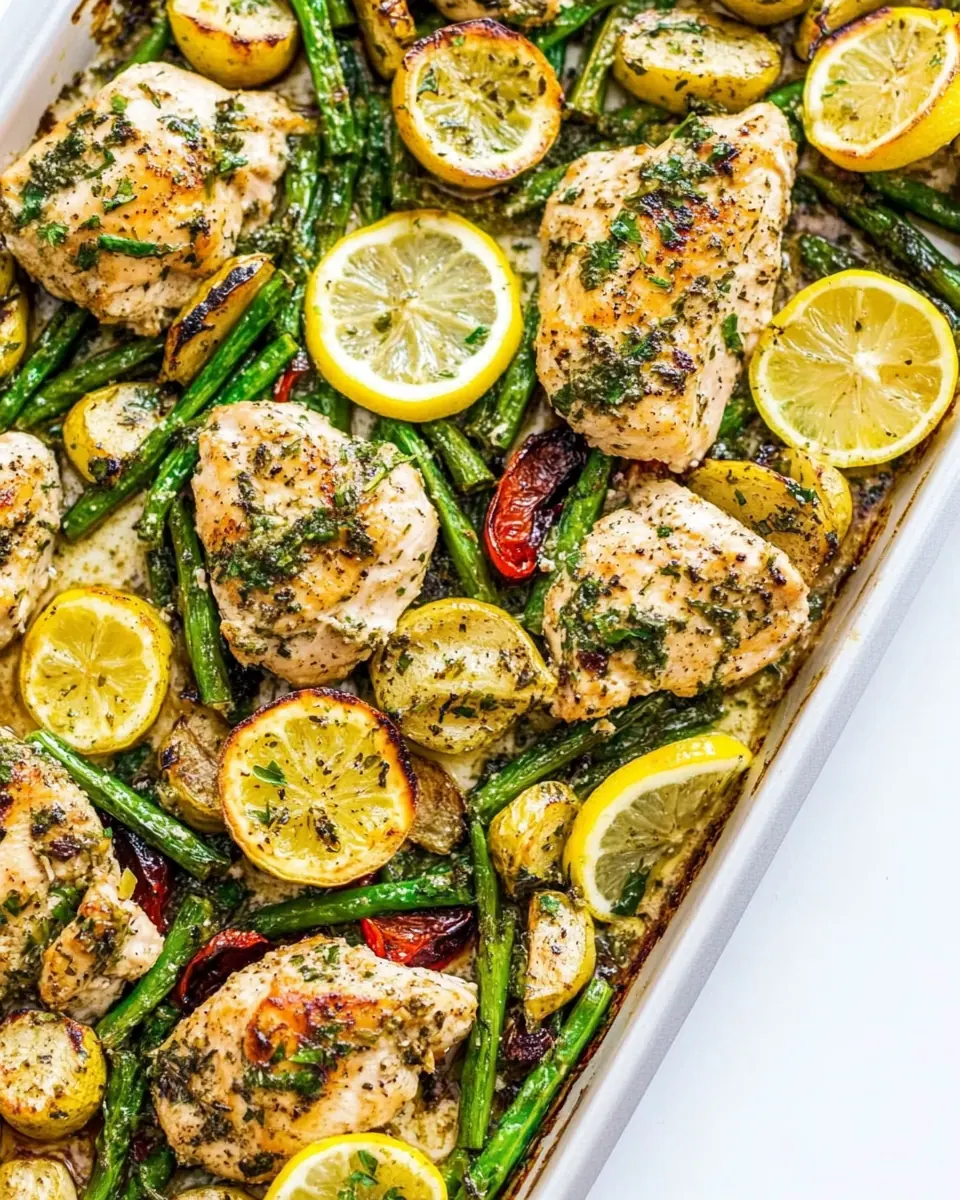
This recipe rewards small moments of attention. Below are practical tips I use every time to improve texture and flavor, and to make the process smoother from prep to plate.
- Prep everything first: Chop the potatoes, trim the asparagus, and cut the chicken before you heat the oven so assembly is seamless. This keeps roasting times tight and prevents overcooking while you finish prep.
- Use room temperature chicken: Letting the chicken rest at room temperature for 15 minutes helps it cook more evenly and avoids a cold core, which prevents drying during the final roast.
- Spread ingredients in a single layer: Giving each piece breathing room promotes browning and avoids steaming. If your pan is crowded, split into two pans rather than stacking or compacting everything.
- Rotate the pan if your oven heats unevenly: Halfway through roasting, turn the sheet 180 degrees to ensure consistent color and doneness across the tray, because many home ovens have hot spots.
- Reserve some lemon zest for finishing: Adding a little fresh zest right before serving brightens the flavors more effectively than juice alone, and it provides an aromatic lift.
- Use a thermometer for confidence: For perfectly cooked chicken, aim for an internal temperature that feels springy and reaches a safe level; this avoids overbaking and ensures juiciness.
Pairing Suggestions for Sheet Pan Lemon Chicken
This dish is versatile and suits casual weeknights as well as small gatherings. Below are serving ideas, occasions, storage notes, and seasonal pairings that complement the bright roast character of the meal.
- Casual weeknight dinner, serve the Sheet Pan Lemon Chicken as the centerpiece with warm bread and a simple green salad to keep the meal light and balanced for busy evenings.
- Weekend lunch, plate it with a side of crusty bread and a chilled glass of something non alcoholic for a relaxed midday meal where the lemon notes feel refreshing.
- Family style dinner, serve the pan directly at the table for communal sharing, offering small bowls of extra lemon wedges and freshly chopped herbs for guests to customize their plates.
- Spring and early summer occasions, the bright lemon and tender asparagus make this ideal for seasonal gatherings, including light holiday meals and outdoor potlucks where easy transport and reheating are helpful.
- Storage tips, refrigerate leftovers in an airtight container for up to 4 days, and reheat in the oven at 350 degrees F to restore some crispness, or use the microwave for quicker warming though texture will soften.
- Make ahead for convenience, you can precut the potatoes and trim the asparagus a few hours ahead, then toss with oil and seasonings right before roasting to keep textures optimal.
- Occasion suggestions, this recipe works well for casual dinner parties where you want something fuss free but composed, or for a hearty family meal on a busy weeknight.
- Seasonal pairings, spring vegetables and light citrusy sides complement the roast flavors, while heartier autumn sides might feel too heavy next to the dish’s bright profile.
- Serving styles, serve family style straight from the pan, or plate individually with a sprinkle of fresh rosemary and a lemon wedge for a slightly elevated presentation.
- Leftover ideas, use cooled leftovers in salads or wraps where the roasted edges add texture without additional cooking, making practical use of the meal beyond the initial dinner.
FAQ
Conclusion
What makes this dish special is the way simple ingredients come together with minimal fuss to produce bright flavor and satisfying textures. The combination of roasted potatoes, lemony chicken, and crisp asparagus gives you a balanced meal that looks and tastes like more effort than it takes. Give it a try on a busy weeknight or for a casual dinner with friends, and you’ll likely find it becoming a reliable favorite in your rotation. It’s approachable, flexible, and dependable, perfect for cooks who want good results without complicated techniques.
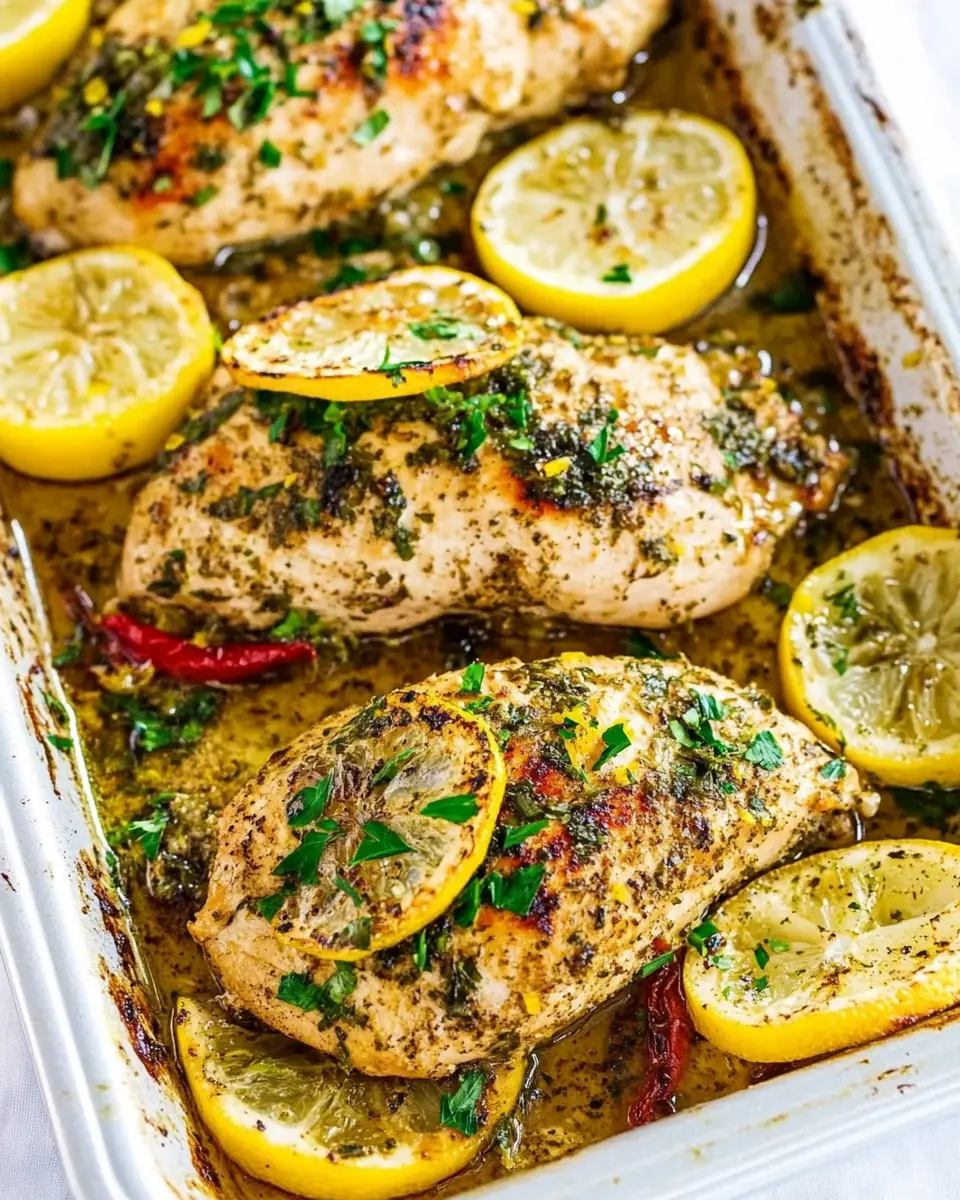
Sheet Pan Lemon Chicken
Ingredients
Equipment
Method
- Place a rack in the center of your oven, then preheat the oven to 400 degrees F. Generously coat a large, rimmed baking sheet with nonstick spray. Place the potatoes in the center and top with 1 tablespoon olive oil, 1 tablespoon rosemary, 1/2 teaspoon kosher salt, and 1/4 teaspoon black pepper. Toss to coat, then spread into an even layer. Place in the oven and roast for 20 minutes.: You should notice the oven warming and eventually humming at temperature, which ensures even roast heat around the pan. Preheating is crucial because placing ingredients into a cold oven leads to prolonged cooking time and less browning, so wait until the dial or digital readout shows the full 400 degrees F. A common error is rushing this step, which produces steamed rather than roasted textures. Use a sturdy rimmed baking sheet and a rack in the center to promote consistent airflow so the potatoes crisp rather than steam.
- Meanwhile, place the asparagus, chicken, and garlic powder in a large bowl. Drizzle with the lemon juice and add the lemon zest, remaining 2 tablespoons olive oil, 1 tablespoon rosemary, 1/2 teaspoon kosher salt, and 1/4 teaspoon black pepper. Toss to coat, then transfer to the baking pan with the potatoes. With a spatula, loosely toss the ingredients so that they are evenly combined and spread into an even layer. Overlap the chicken as little as possible.: When you coat the sheet, you should see a thin, even sheen that will prevent sticking and help the bottoms brown. This small layer also allows heat to conduct directly into the surfaces for better caramelization. If you skip this, small pieces can stick and tear, which makes serving messy. If you prefer, a light brush of the reserved olive oil will achieve the same result and add flavor.
- Return the pan to the oven and bake an additional 15 to 20 minutes, until the chicken is cooked through, stirring once or twice throughout. The asparagus may release some liquid, which you can carefully pour off the pan, or use a slotted spoon or spatula to serve so that you do not get this liquid on your plate. Enjoy hot.: As you toss the potatoes they should glisten and carry a coating of oil and herbs, and the scent of rosemary will become noticeable. This early seasoning jumpstarts their flavor and encourages browning on exposed edges. Unevenly sized pieces can cook unevenly, so ensure consistent 1 inch cuts to avoid hard centers. Spread them into an even layer to maximize contact with the hot pan where Maillard reactions create those golden edges.
- Toss to coat then spread into an even layer: As you spread the pieces, you should hear a faint clink as they settle on the pan and see space between pieces; that separation is what allows hot air to circulate so edges crisp. If the pieces touch too closely they can trap steam and become mushy instead of caramelized. A practical tip is to give them a quick shake after they are on the pan so the oil redistributes and each piece has some exposed surface.
- Place in the oven and roast for 20 minutes: During roasting you will notice the aroma shifting to a toasty, almost nutty smell as the potatoes begin to brown and their starches caramelize. Visual cues include golden edges and slightly puckered skins when they are close to done. One pitfall is opening the oven repeatedly which drops the temperature and extends cooking time, so limit checks to quick peeks. The goal is tender interiors with crisp exteriors, which sets the foundation for the rest of the bake.
- Meanwhile place the asparagus chicken and garlic powder in a large bowl: When you combine the asparagus , chicken , and garlic powder in a bowl the dry seasonings will begin to cling to the proteins and vegetables, creating a light coating that helps flavor transmit during roasting. You should feel the texture change as the powder and oil bind to the pieces. A common mistake is sousing too much liquid here which can cause steaming on the pan; aim for a sheen, not a pool.
- Drizzle with the lemon juice and add the lemon zest remaining 2 tablespoons olive oil 1 tablespoon rosemary 1/2 teaspoon kosher salt and 1/4 teaspoon black pepper: The moment you add lemon juice you’ll notice a bright, citrus scent that lifts the bowl. Zest adds aromatic oils that cling to the chicken and asparagus , while the remaining olive oil aids browning. The balance of acid and oil is important, because too much acid early can begin to cook the protein and change texture, so keep quantities measured. Toss gently so each piece is lightly coated and carries that lemony fragrance.
- Toss to coat then transfer to the baking pan with the potatoes: As you transfer the mixture, the combined aroma of roasted potatoes and bright lemon should mingle. When everything hits the hot pan you might hear a soft hiss which signals the start of additional browning. Be careful to pour in a way that keeps the chicken from overlapping too much, because crowded pieces steam rather than roast. Using a spatula helps distribute ingredients evenly across the sheet.
- With a spatula loosely toss the ingredients so that they are evenly combined and spread into an even layer: When you stir on the pan you want gentle, deliberate movements so the items settle into a single layer and have room to brown. Listen for subtle sizzles as pieces touch the hot metal; that’s a good sign. Overworking them into piles will cause uneven cooking, so aim for space and balance. Visually, the pan should look like a mosaic of ingredients with room around each component.
- Overlap the chicken as little as possible: Proper spacing is the key to good searing, and when the chicken pieces are apart you’ll see individual edges turn golden and slightly crisp. This texture difference is what keeps the bites interesting. If you cram pieces together they will release juices and steam, leading to pale, rubbery texture. If that happens, remove crowded bits to the edges where they can brown more effectively.
- Return the pan to the oven and bake an additional 15 to 20 minutes until the chicken is cooked through stirring once or twice throughout: As the final bake completes, aromas intensify and the chicken will change color from pale to golden with firm but juicy centers. Stirring once or twice helps promote even browning but do it gently to avoid tearing the asparagus or breaking the potatoes . An undercooked center is the main worry, so check the thickest piece for doneness; it should register safe to eat and feel springy. If the pan accumulates liquid from the asparagus , you can carefully pour it off to keep the final bites from becoming soggy.
- The asparagus may release some liquid which you can carefully pour off the pan or use a slotted spoon or spatula to serve so that you do not get this liquid on your plate: That released liquid is a combination of vegetable moisture and pan juices; it can dilute the crisp texture if left pooled. As you plate, look for glossy surfaces and give pieces a gentle shake to drain excess. A common misstep is serving straight from a very wet pan which results in limp textures, so use a slotted tool to lift and drain before plating.
- Enjoy hot: When you serve, the heat will carry the aromatics and make the lemon and rosemary sing. The contrast between warm potatoes , tender chicken , and bright asparagus is most pronounced right away, so I recommend serving immediately. Letting it sit too long will cause the roasted edges to lose their crispness, so plan to plate soon after finishing.
Notes
- Prep everything first: Chop the potatoes, trim the asparagus, and cut the chicken before you heat the oven so assembly is seamless. This keeps roasting times tight and prevents overcooking while you finish prep.
- Use room temperature chicken: Letting the chicken rest at room temperature for 15 minutes helps it cook more evenly and avoids a cold core, which prevents drying during the final roast.
- Spread ingredients in a single layer: Giving each piece breathing room promotes browning and avoids steaming. If your pan is crowded, split into two pans rather than stacking or compacting everything.
- Rotate the pan if your oven heats unevenly: Halfway through roasting, turn the sheet 180 degrees to ensure consistent color and doneness across the tray, because many home ovens have hot spots.
- Reserve some lemon zest for finishing: Adding a little fresh zest right before serving brightens the flavors more effectively than juice alone, and it provides an aromatic lift.
- Use a thermometer for confidence: For perfectly cooked chicken, aim for an internal temperature that feels springy and reaches a safe level; this avoids overbaking and ensures juiciness.