Slow Cooker Tuscan Chicken
Slow Cooker Tuscan Chicken is one of those recipes I reach for when I want comfort food that still feels a little special. The first time I made it, I was juggling errands and a hungry teenager, and the slow cooker did the heavy lifting while I caught up on life. The aroma that filled the kitchen that evening was rich and savory, a warm blend of garlic and sun drenched tomatoes fused with creamy Parmesan, and it felt like a small celebration when we finally sat down to eat.
Over the years I’ve tweaked tiny details to protect the sauce and keep the chicken tender and juicy. I learned to trust low heat for a gentler finish, and to stir in the spinach at the end so it stays bright and fresh. This dish has become a reliable weeknight hero for me, the kind that turns a busy evening into a cozy family meal without much fuss. I love that it travels well to leftovers, and that the flavors deepen after a day in the fridge. Whether you are feeding four or just saving half for tomorrow, this recipe rewards patience and pays off with creamy, comforting results.
Recipe Snapshot
4 hr 5 mins
5 mins
240 mins
Hard
450 kcal
Italian
Gluten-Free, Low FODMAP
Dinner
6 quart slow cooker, 7 quart slow cooker, digital thermometer
What We Adore About This Slow Cooker Tuscan Chicken
Rich, Creamy Sauce That Feels Luxurious
I adore how the sauce comes together into something silky and indulgent without any complicated steps. The combination of heavy cream and grated Parmesan creates a texture that clings to the chicken, coating each bite in savory goodness. I find the cream balances the tang of sun dried tomatoes so the sauce never tastes one dimensional.
Hands Off Cooking, Big Flavor
One of the loveliest things about this recipe is how much it gives back while asking for so little time from you. I can season the chicken, whisk the sauce, and let the slow cooker do the rest. That slow and steady approach builds depth, and I appreciate that I can prep in under 10 minutes and come back to a meal that tastes like I spent an hour at the stove.
Comfort Food with Bright Notes
Sun dried tomatoes and garlic add bright, concentrated flavor, while the spinach brings a fresh pop at the finish. I like how those elements keep the dish from feeling too heavy, so it reads as comforting and balanced rather than cloying.
Flexible Serving Options
This recipe is wonderfully adaptable. Serve the chicken over pasta for a cozy dinner, spoon it atop rice for a fuss free plate, or pair it with mashed potatoes for extra comfort. I often stretch it for guests because the flavors are universally appealing and the presentation is simple but impressive.
Reliable Technique That Prevents Separation
I appreciate that the method is forgiving if you follow a few basic rules, like preferring low heat and adding the spinach at the end. Those small steps protect the creamy sauce and keep the texture luscious, and once I learned them the recipe became utterly reliable.
What You Need for Slow Cooker Tuscan Chicken
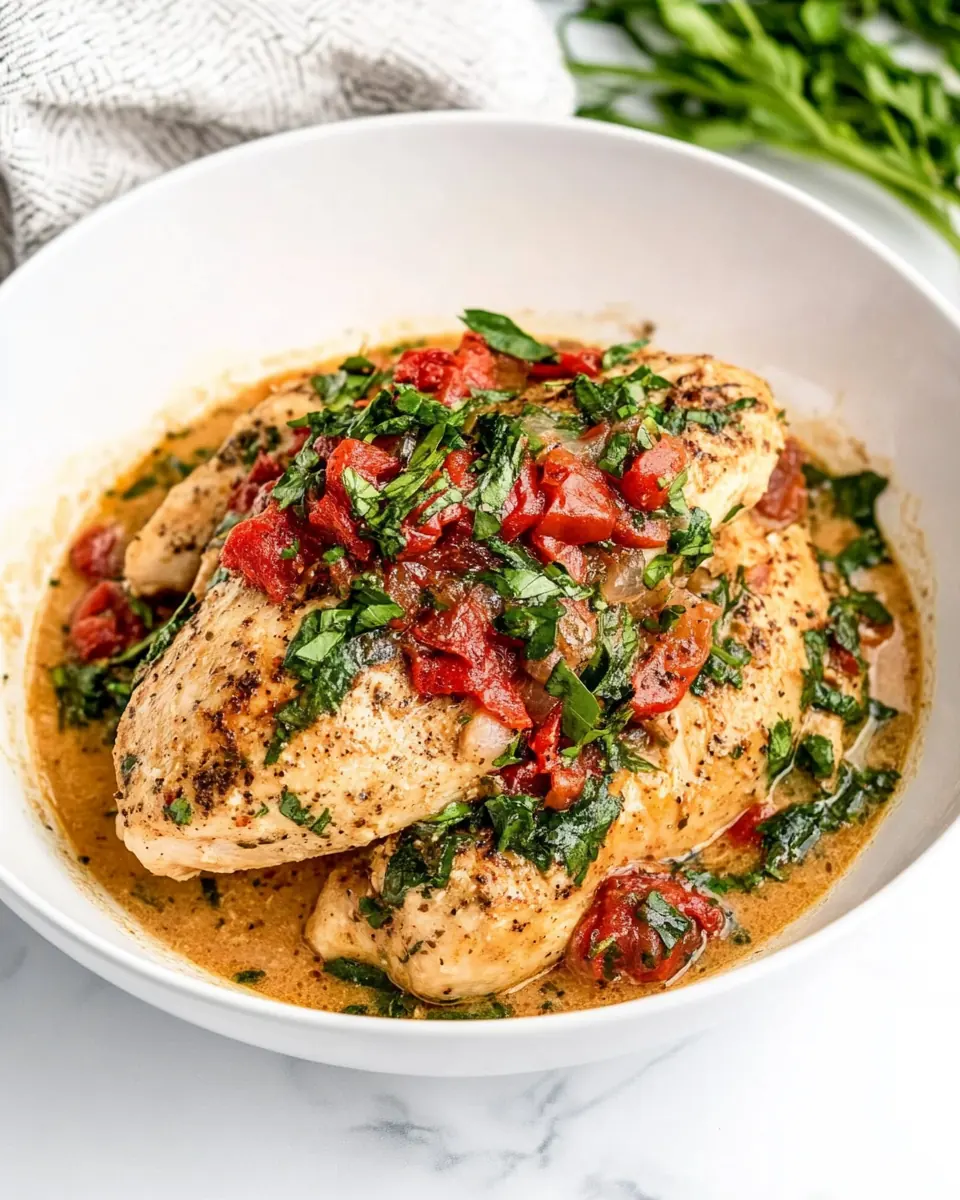
The ingredients here are straightforward and purposeful, each one playing a clear role. The dairy elements provide richness and body, the sun dried tomatoes deliver concentrated tomato flavor, and the seasonings pull everything together. I focus on quality for the key players like heavy cream and Parmesan because they drive the texture and depth of the sauce.
- 4 boneless skinless chicken breasts, about 1/2-pound each; or about 2 pounds chicken in total: Season lightly and provide substantial lean protein to the dish; use boneless skinless breasts for even cooking in the slow cooker and to absorb the sauce flavors. Trim excess fat and ensure similar sizes so they cook uniformly over several hours without drying out. Slice or leave whole depending on preference, as both will shred or serve intact when finished.
- 1 teaspoon salt, or more to taste: Season simply to enhance overall flavor and balance the dish; add at the start and adjust at the end to taste. Dissolve into liquids to help coax out other aromatics and ensure the final sauce is well seasoned. Use sparingly if also using salted broth or cheese to avoid over-salting.
- 1 teaspoon freshly ground black pepper, or to taste: Season freshly for bright, sharp heat that lifts the savory elements; grind just before use for best aroma. Sprinkle into the cooking liquid so pepper permeates the sauce and complements the smoked paprika and Italian seasoning. Taste toward the end and increase if a stronger spice presence is desired.
- 3/4 cup heavy cream, do not substitute; the fat in heavy cream is necessary to prevent curdling or separating of the sauce: Enrich the sauce and add necessary fat to prevent curdling; heavy cream creates a smooth, velvety texture essential for the finished sauce. Stir in near the end of cooking or after reducing other liquids to avoid breaking and to thicken slightly when combined with cheese and cornstarch. Use exactly as specified because lower-fat substitutes may separate.
- 1/2 cup chicken broth, regular or reduced sodium; if using reduced sodium you’ll likely want to add more salt: Provide a savory liquid base and help thin the cream for a saucier consistency; chicken broth contributes depth and umami. Choose regular or reduced sodium based on salt control and add gradually to adjust final seasoning. Warm slightly before combining to better integrate with cream and melted cheese.
- 1/2 cup grated Parmesan cheese: Add nuttiness, savory depth, and help thicken the cream sauce when melted into the hot liquid; grated Parmesan contributes umami and a slightly salty finish. Stir in toward the end and allow it to melt fully for a cohesive, creamy texture. Use freshly grated for superior melting and flavor.
- 1 tablespoon cornstarch: Thicken the sauce without altering flavor significantly; cornstarch creates a glossy, lightly velvety consistency when dissolved in cold liquid and added to hot sauce. Mix with a small amount of cold broth or cream first to make a slurry before whisking into the simmering sauce. Add gradually and cook briefly to remove any starchy taste.
- 1 teaspoon Dijon mustard: Brighten and stabilize the sauce with a touch of tang and slight emulsification; Dijon mustard enhances flavor complexity. Whisk into the cream mixture to provide subtle acidity that balances the richness of the dairy and cheese. Use the measured amount to avoid overpowering the other seasonings.
- 1 teaspoon Italian seasoning: Infuse the dish with a blend of Mediterranean herbs for aromatic background flavor; Italian seasoning offers oregano, basil, thyme, and rosemary notes. Sprinkle into the cooking liquid early to allow flavors to meld with the chicken and tomatoes. Adjust slightly if using particularly potent or older spice blends.
- 1/2 teaspoon smoked paprika, regular paprika may be substituted: Contribute warm, smoky depth and a subtle color contrast; smoked paprika pairs well with the rich cream and sun-dried tomatoes. Substitute regular paprika if desired but expect less smokiness and a milder profile. Add with the other dry spices so its flavor distributes through the sauce.
- 3 cloves garlic, finely minced: Provide pungent aromatic heat and savory foundation; finely minced garlic releases flavor efficiently during slow cooking. Add early so it mellows and blends into the sauce, enhancing both chicken and tomato flavors. Mince finely to avoid large bites and ensure even distribution.
- 1/2 cup sun-dried tomatoes in oil, drained and blotted (dice them if necessary because they’re on the bigger side): Offer concentrated sweet-tart tomato flavor and chewy texture to contrast the creamy sauce; drain oil to control richness and dice if large for even distribution. Rehydrate slightly in warm broth if very firm, and stir into the sauce so their intense flavor infuses the mixture. Pair with spinach to balance acidity and richness.
- 1 1/2 cups fresh baby spinach: Add fresh, leafy green volume and a delicate, slightly bitter contrast to the rich cream sauce; baby spinach wilts quickly when stirred in at the end. Toss into the hot sauce just before serving so it retains color and tender texture while integrating nutrients and freshness. Use the measured amount to avoid overcrowding the slow cooker.
Instructions for Slow Cooker Tuscan Chicken
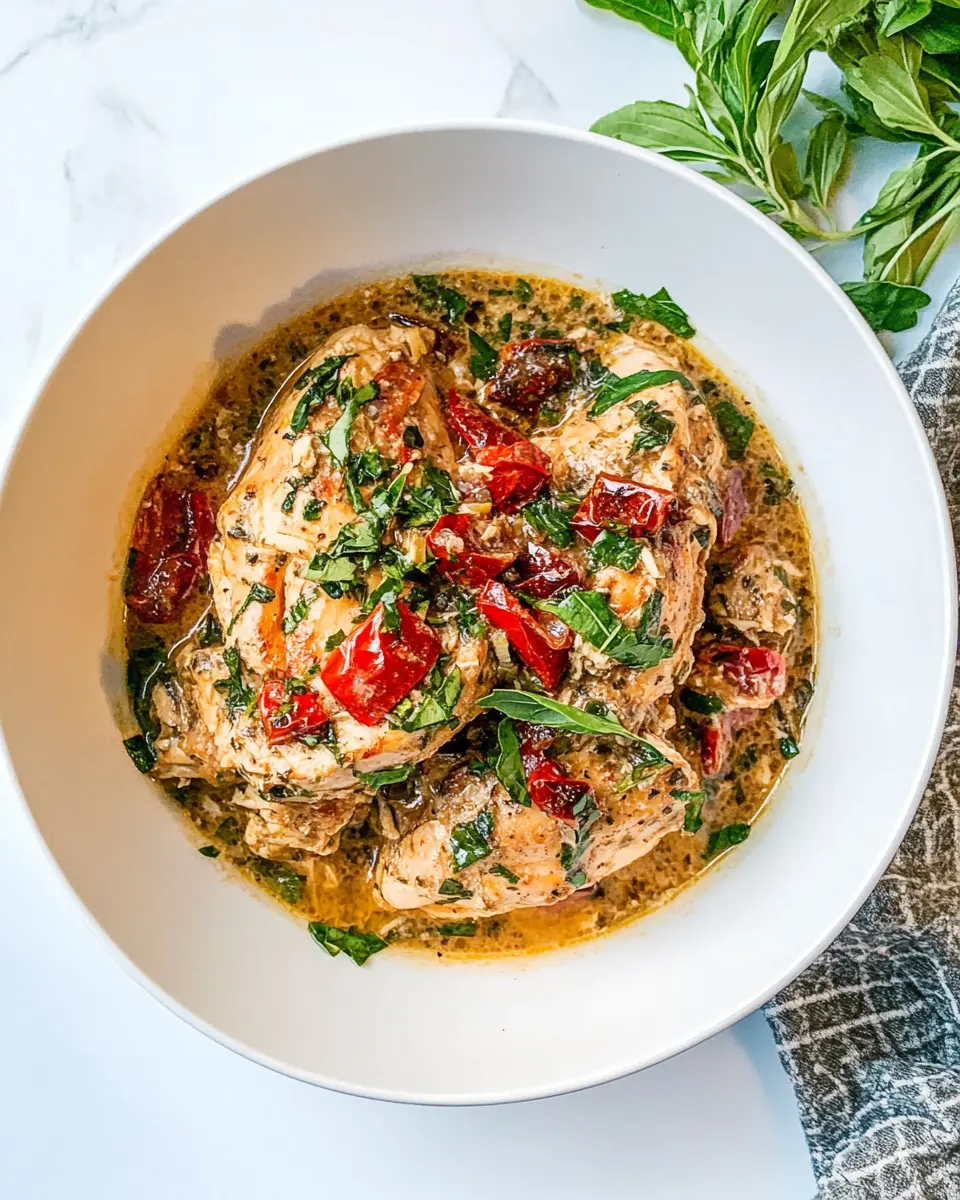
These instructions are conversational and designed to guide you through the slow cooking journey. I write them from my own kitchen experience, focusing on sensory cues and little adjustments that protect the cream based sauce. Follow the sequence closely so the sauce and chicken finish in harmony.
- Spray the insert of your slow cooker with cooking spray if desired and add the chicken. Season it with salt and pepper. Set aside momentarily. Chicken Tips– Chicken comes in all shapes and sizes. I use breasts that are of an even, normal thickness and not 'thin-sliced' which are NOT a great choice here nor are chicken tenders or small pieces of chicken because they will cook very quickly and can actually overcook before the sauce has thickened and reduced. If your chicken is very thick/big, slice it into 1/2-inch pieces; and/or pound with a meat tenderizing tool.: The kitchen will smell faintly of the seasoning, and the surface of the cook insert should glint slightly where the spray touched it, helping prevent sticking. I like to space the chicken breasts so they are not jammed together, which helps even heat circulation. Why this matters: crowded meat can cook unevenly and trap steam, leading to a less concentrated sauce. Common mistake to avoid: don’t stack large pieces of chicken on top of each other, or the interior may lag in reaching a safe temperature.
- To a small bowl or 2-cup measuring cup, add the cream, broth, Parmesan, cornstarch, Dijon, Italian seasoning, smoked paprika, garlic, and whisk to combine. It will not be 'smooth' due to the cheese and the garlic which is fine. Pour the mixture evenly over the chicken.: You will notice the aroma of the freshly ground black pepper right away, and the grains of salt will start drawing flavor toward the surface of the chicken . Seasoning at this stage allows the meat to absorb flavor as it sits and then as it cooks. Why this matters: early seasoning helps build depth rather than leaving a flat tasting center. Common mistake to avoid: under seasoning, which can result in a bland final dish, so be generous within reason and adjust later if needed.
- Evenly scatter the sun-dried tomatoes over and around the chicken.: As you whisk, the Parmesan will break into the liquid creating a slightly grainy but homogenous mixture that promises a velvety finish when heated slowly. You should smell the garlic and the mustard’s faint tang right away. Why this matters: thorough whisking prevents lumps of cornstarch and aids even thickening, producing a cohesive sauce. Common mistake to avoid: tossing in cornstarch without whisking, which can create pockets of paste that never fully dissolve.
- Place the lid on the slow cooker and slow cook for about 4-5 hours on LOW, OR about 2-3 hours on HIGH. Cooking Tips– If you have the time, I prefer low heat for this recipe because the cream is less likely to curdle or separate with low-and-slow heat. However, don't cook for more than 5 hours (unless chicken truly isn't done) because you will risk the sauce breaking or separating. Chicken is done when the internal temp reaches 165 F.: The sauce will slide and pool around the chicken , a pale creamy blanket that will slowly darken as it reduces. Pour evenly so each piece gets saucy coverage and the flavors distribute uniformly. Why this matters: even distribution ensures every portion ends up sauced and seasoned equally. Common mistake to avoid: pouring only to one side of the cooker, which can lead to uneven flavor and texture in the finished dish.
- In the final 10 minutes or so of cooking, give the sauce a good stir to make it cohesive. Add the spinach, nestle it into the sauce by stirring it in, place the cover back on, and cook for another 10 minutes or until the spinach wilts.: The sun dried tomatoes will sit on the surface and around the meat, releasing concentrated tomato oil and flavor as they warm. You will see their deep ruby color against the pale sauce, promising bursts of tang in each bite. Why this matters: distributing them prevents clumps of tomato in a single bite and ensures a balanced flavor profile. Common mistake to avoid: leaving the tomatoes in one area where they could dominate the sauce in that spot.
- Taste the sauce, and make any necessary flavor adjustments such as more salt, pepper, paprika, etc. Optionally garnish the chicken with extra Parmesan and serve immediately with pasta, mashed potatoes, rice, or your favorite sides.: As the cooker hums, the kitchen fills with a slow, savory perfume, and the sauce will gently bubble at the edges. The low setting gives the heavy cream time to meld without breaking, producing a smoother texture. Why this matters: gentle, prolonged heat prevents curdling and promotes a tender chicken . Common mistake to avoid: leaving it for far longer than recommended, which risks the sauce separating or the meat drying out.
- In the final 10 minutes or so of cooking, give the sauce a good stir to make it cohesive: When you stir, you should see the sauce pull together into a unified, glossy coating. The sound is a quiet slosh, and visually the cream will look smoother after a gentle whisking motion. Why this matters: stirring redistributes heat and integrates any separated pockets, improving mouthfeel and appearance. Common mistake to avoid: stirring too aggressively which can shred the chicken or introduce too much air into the sauce.
- Add the spinach, nestle it into the sauce by stirring it in, place the cover back on, and cook for another 10 minutes or until the spinach wilts: The spinach will collapse quickly and steam into the still warm sauce, turning from bright green to a deeper hue and adding a fresh vegetal counterpoint. You will notice the aroma shift subtly as the greens release their scent. Why this matters: adding greens at the end preserves color and texture, preventing them from becoming mushy. Common mistake to avoid: adding the spinach too early, which can turn it into an overly soft, dark pile without brightness.
- Taste the sauce, and make any necessary flavor adjustments such as more salt, pepper, paprika, etc: Use a spoon to judge the balance, and be prepared to nudge the seasoning with small increments so you do not over correct. The flavors should be layered and rounded, with a gentle tang from the sun dried tomatoes and a creamy backbone. Why this matters: final seasoning tailors the dish to your broth selection and personal preference. Common mistake to avoid: adding too much salt at once; adjust gradually and taste between additions.
- Optionally garnish the chicken with extra Parmesan and serve immediately with pasta, mashed potatoes, rice, or your favorite sides: The final plated dish should glisten with sauce, flecked with bits of sun dried tomato and wilted spinach , and maybe a sprinkle of extra Parmesan for nuttiness. Serving hot preserves the texture and makes the sauce feel luxuriously creamy. Why this matters: plating while hot ensures the sauce stays smooth, and warm sides absorb the sauce delightfully. Common mistake to avoid: letting it sit too long before serving, which cools the sauce and can thicken it into a less silky texture.
Making Adjustments
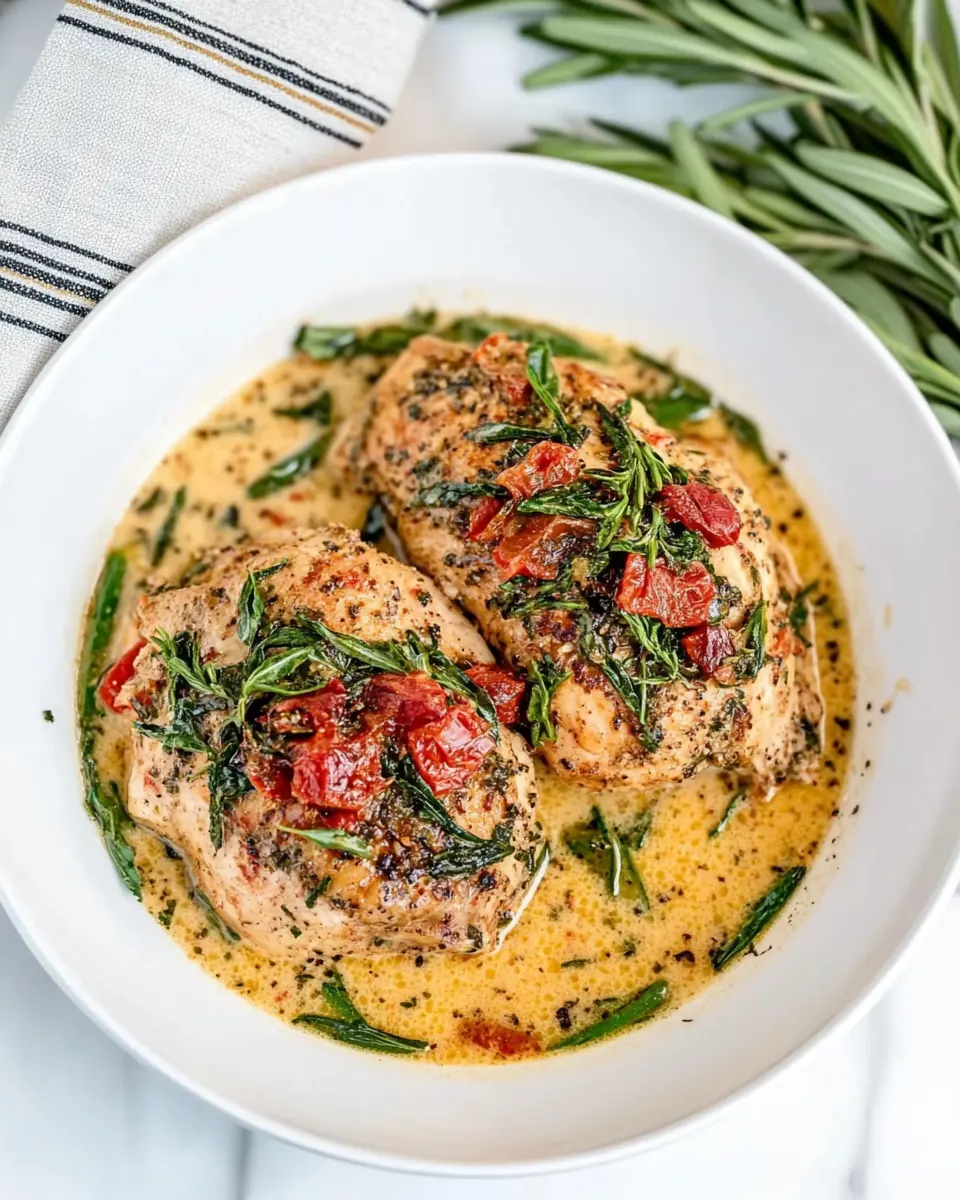
If you want to tweak the recipe for texture, timing, or flavor intensity, small changes go a long way. Below are practical adjustments I use depending on pantry, schedule, or crowd size. Each tip starts with a clear focus phrase so you can scan quickly and apply what you need.
- Adjust cook time by heat setting If you are short on time, use the HIGH setting for about 2 to 3 hours, but watch carefully because the sauce is more prone to separating under higher heat. I prefer LOW for 4 to 5 hours when possible.
- Control sauce thickness If the sauce seems thin at the end, remove the lid and cook on HIGH for 10 to 20 minutes to reduce and concentrate flavors, stirring occasionally to prevent burning at the edges.
- Protect the cream Always add the spinach in the final minutes and avoid extended high heat once the cream is added, which helps prevent curdling or splitting of the sauce.
- Balance salt carefully If you used reduced sodium chicken broth, taste near the end and incrementally add salt rather than oversalting at the start, because flavors concentrate as the sauce reduces.
- Handle large breasts If your chicken breasts are very large, slice them into 1/2 inch pieces or gently pound to even thickness so they cook uniformly and finish tender instead of dry.
Great Combinations for Slow Cooker Tuscan Chicken
This recipe pairs beautifully with simple starches and seasonal sides, and it translates well across occasions from casual family dinners to more formal gatherings. Below are serving ideas and storage guidance to help you plan the full plate and keep leftovers tasting great.
- Over pasta for a comforting dinner Serve the saucy chicken spooned over pasta such as fettuccine or penne so the noodles soak up the creamy sauce for a filling family meal.
- With mashed potatoes for extra comfort Spoon the sauce and sliced chicken over smooth mashed potatoes so each bite delivers a creamy, savory contrast balanced by the tender starch.
- Over rice for a fuss free plate A simple bed of warm rice is great for soaking up the sauce, making this a pleasing option for casual weeknight dinners or meal prep planners.
- Serve for special occasions The dish dresses up well for a small gathering because its flavors are familiar and crowd pleasing, and the presentation is effortless when plated with a garnish of extra Parmesan.
- Storage tips Leftovers keep airtight in the fridge for up to 3 to 4 days, but reheat gently to avoid breaking the sauce; a short burst in the microwave with gentle stirring helps maintain texture.
- Seasonal pairing In colder months like winter, this creamy, warming dish feels especially appropriate, pairing well with roasted root vegetables or a green salad for freshness.
FAQ
Conclusion
The rich, creamy sauce and tender chicken are what make this recipe stand out, offering luxury with minimal effort. I encourage you to give it a try on a busy evening when you still want something satisfying and flavorful. It’s forgiving, crowd friendly, and yields leftovers that taste even better the next day, so it’s perfect to include in your weekly rotation.
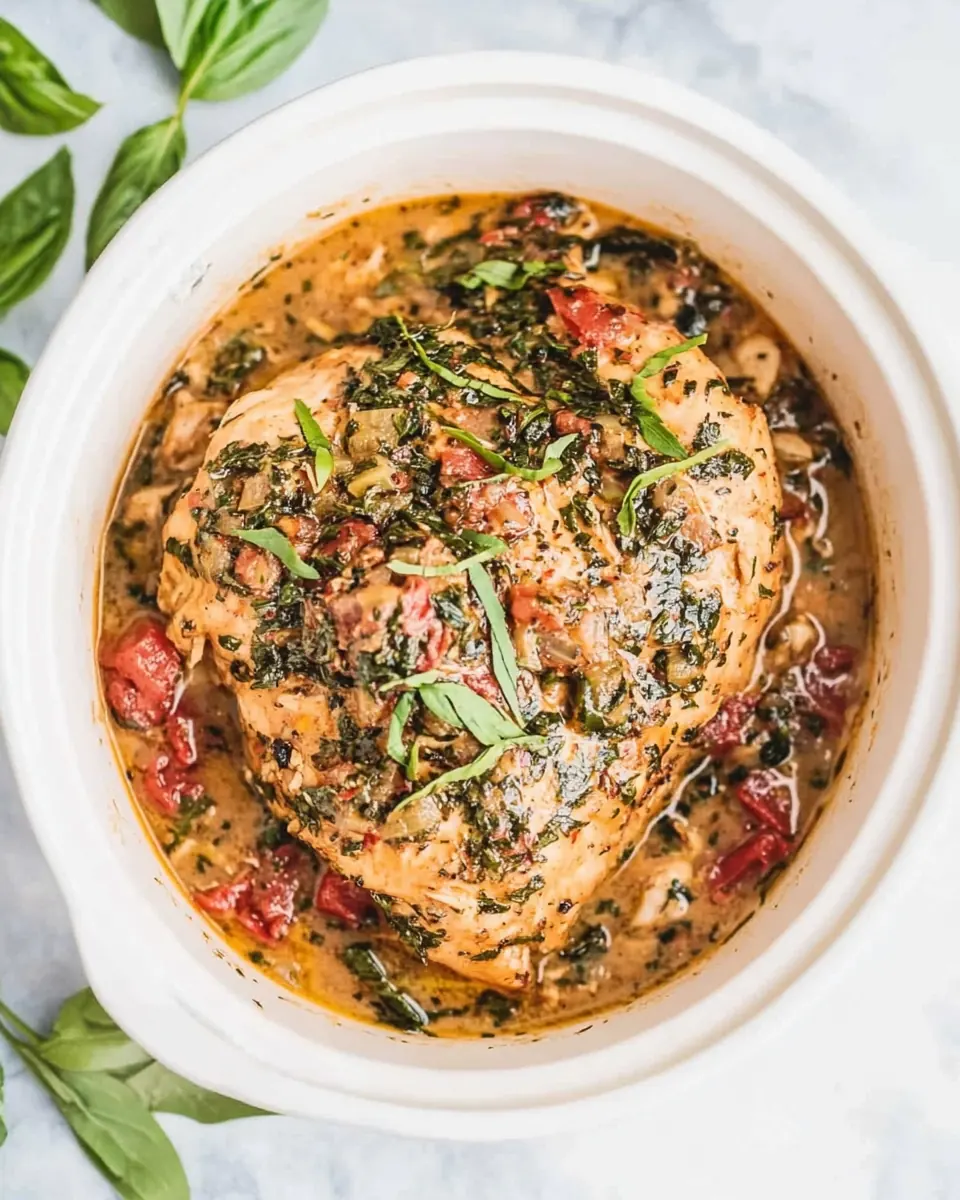
Slow Cooker Tuscan Chicken
Ingredients
Equipment
Method
- Spray the insert of your slow cooker with cooking spray if desired and add the chicken. Season it with salt and pepper. Set aside momentarily. Chicken Tips– Chicken comes in all shapes and sizes. I use breasts that are of an even, normal thickness and not 'thin-sliced' which are NOT a great choice here nor are chicken tenders or small pieces of chicken because they will cook very quickly and can actually overcook before the sauce has thickened and reduced. If your chicken is very thick/big, slice it into 1/2-inch pieces; and/or pound with a meat tenderizing tool.: The kitchen will smell faintly of the seasoning, and the surface of the cook insert should glint slightly where the spray touched it, helping prevent sticking. I like to space the chicken breasts so they are not jammed together, which helps even heat circulation. Why this matters: crowded meat can cook unevenly and trap steam, leading to a less concentrated sauce. Common mistake to avoid: don’t stack large pieces of chicken on top of each other, or the interior may lag in reaching a safe temperature.
- To a small bowl or 2-cup measuring cup, add the cream, broth, Parmesan, cornstarch, Dijon, Italian seasoning, smoked paprika, garlic, and whisk to combine. It will not be 'smooth' due to the cheese and the garlic which is fine. Pour the mixture evenly over the chicken.: You will notice the aroma of the freshly ground black pepper right away, and the grains of salt will start drawing flavor toward the surface of the chicken . Seasoning at this stage allows the meat to absorb flavor as it sits and then as it cooks. Why this matters: early seasoning helps build depth rather than leaving a flat tasting center. Common mistake to avoid: under seasoning, which can result in a bland final dish, so be generous within reason and adjust later if needed.
- Evenly scatter the sun-dried tomatoes over and around the chicken.: As you whisk, the Parmesan will break into the liquid creating a slightly grainy but homogenous mixture that promises a velvety finish when heated slowly. You should smell the garlic and the mustard’s faint tang right away. Why this matters: thorough whisking prevents lumps of cornstarch and aids even thickening, producing a cohesive sauce. Common mistake to avoid: tossing in cornstarch without whisking, which can create pockets of paste that never fully dissolve.
- Place the lid on the slow cooker and slow cook for about 4-5 hours on LOW, OR about 2-3 hours on HIGH. Cooking Tips– If you have the time, I prefer low heat for this recipe because the cream is less likely to curdle or separate with low-and-slow heat. However, don't cook for more than 5 hours (unless chicken truly isn't done) because you will risk the sauce breaking or separating. Chicken is done when the internal temp reaches 165 F.: The sauce will slide and pool around the chicken , a pale creamy blanket that will slowly darken as it reduces. Pour evenly so each piece gets saucy coverage and the flavors distribute uniformly. Why this matters: even distribution ensures every portion ends up sauced and seasoned equally. Common mistake to avoid: pouring only to one side of the cooker, which can lead to uneven flavor and texture in the finished dish.
- In the final 10 minutes or so of cooking, give the sauce a good stir to make it cohesive. Add the spinach, nestle it into the sauce by stirring it in, place the cover back on, and cook for another 10 minutes or until the spinach wilts.: The sun dried tomatoes will sit on the surface and around the meat, releasing concentrated tomato oil and flavor as they warm. You will see their deep ruby color against the pale sauce, promising bursts of tang in each bite. Why this matters: distributing them prevents clumps of tomato in a single bite and ensures a balanced flavor profile. Common mistake to avoid: leaving the tomatoes in one area where they could dominate the sauce in that spot.
- Taste the sauce, and make any necessary flavor adjustments such as more salt, pepper, paprika, etc. Optionally garnish the chicken with extra Parmesan and serve immediately with pasta, mashed potatoes, rice, or your favorite sides.: As the cooker hums, the kitchen fills with a slow, savory perfume, and the sauce will gently bubble at the edges. The low setting gives the heavy cream time to meld without breaking, producing a smoother texture. Why this matters: gentle, prolonged heat prevents curdling and promotes a tender chicken . Common mistake to avoid: leaving it for far longer than recommended, which risks the sauce separating or the meat drying out.
- In the final 10 minutes or so of cooking, give the sauce a good stir to make it cohesive: When you stir, you should see the sauce pull together into a unified, glossy coating. The sound is a quiet slosh, and visually the cream will look smoother after a gentle whisking motion. Why this matters: stirring redistributes heat and integrates any separated pockets, improving mouthfeel and appearance. Common mistake to avoid: stirring too aggressively which can shred the chicken or introduce too much air into the sauce.
- Add the spinach, nestle it into the sauce by stirring it in, place the cover back on, and cook for another 10 minutes or until the spinach wilts: The spinach will collapse quickly and steam into the still warm sauce, turning from bright green to a deeper hue and adding a fresh vegetal counterpoint. You will notice the aroma shift subtly as the greens release their scent. Why this matters: adding greens at the end preserves color and texture, preventing them from becoming mushy. Common mistake to avoid: adding the spinach too early, which can turn it into an overly soft, dark pile without brightness.
- Taste the sauce, and make any necessary flavor adjustments such as more salt, pepper, paprika, etc: Use a spoon to judge the balance, and be prepared to nudge the seasoning with small increments so you do not over correct. The flavors should be layered and rounded, with a gentle tang from the sun dried tomatoes and a creamy backbone. Why this matters: final seasoning tailors the dish to your broth selection and personal preference. Common mistake to avoid: adding too much salt at once; adjust gradually and taste between additions.
- Optionally garnish the chicken with extra Parmesan and serve immediately with pasta, mashed potatoes, rice, or your favorite sides: The final plated dish should glisten with sauce, flecked with bits of sun dried tomato and wilted spinach , and maybe a sprinkle of extra Parmesan for nuttiness. Serving hot preserves the texture and makes the sauce feel luxuriously creamy. Why this matters: plating while hot ensures the sauce stays smooth, and warm sides absorb the sauce delightfully. Common mistake to avoid: letting it sit too long before serving, which cools the sauce and can thicken it into a less silky texture.
Notes
- Adjust cook time by heat setting If you are short on time, use the HIGH setting for about 2 to 3 hours, but watch carefully because the sauce is more prone to separating under higher heat. I prefer LOW for 4 to 5 hours when possible.
- Control sauce thickness If the sauce seems thin at the end, remove the lid and cook on HIGH for 10 to 20 minutes to reduce and concentrate flavors, stirring occasionally to prevent burning at the edges.
- Protect the cream Always add the spinach in the final minutes and avoid extended high heat once the cream is added, which helps prevent curdling or splitting of the sauce.
- Balance salt carefully If you used reduced sodium chicken broth, taste near the end and incrementally add salt rather than oversalting at the start, because flavors concentrate as the sauce reduces.
- Handle large breasts If your chicken breasts are very large, slice them into 1/2 inch pieces or gently pound to even thickness so they cook uniformly and finish tender instead of dry.