Snow Skin Mooncake
Snow Skin Mooncake has been one of those treats that always brings me back to warm kitchen gatherings and quiet evenings shaping little parcels of joy.
I first learned to make Snow Skin Mooncake one rainy afternoon when a friend handed me a translucent dough wrapped around a fragrant paste and said, here try this, you will love the texture. I remember the cool, silky feel of the dough between my fingers and the soft echo of laughter from the other room as we toasted tea cups. That tactile moment stuck with me, and since then I like to make a batch whenever I crave something delicate yet comforting. Each bite is a gentle contrast between the pillowy glutinous rice flour exterior and the rich, aromatic paste within. I usually experiment with juices to tint the skin, and sometimes the color tells the mini story of the day, from carrot orange to dragonfruit pink.
Over time I developed small rituals around shaping and chilling the mooncakes, because the resting period is when the texture changes and the flavors settle. I enjoy the quiet focus of pressing dough into the mold, the soft tap when the mooncake releases, and the satisfying sight of a clean pattern revealed. Friends say they love the look of the finished pieces, and I love gifting them because the process feels like sharing a tiny celebration. When served, these mooncakes pair beautifully with hot tea, and the contrast of warm beverage and cool snow skin is simply irresistible.
Recipe Snapshot
6 hr 20 mins
360 mins
20 mins
Hard
250 kcal
Chinese
Gluten-Free, Low FODMAP
Desserts
Mixing bowl, Sieve, Mooncake mold, Cling wrap, Measuring scale
Why This Snow Skin Mooncake Is So Good
Unique cool texture
I adore how Snow Skin Mooncake offers a soft, cool mouthfeel unlike baked mooncakes, and that texture is why I reach for this recipe when I want something light but indulgent. The glutinous rice flour dough is springy and slightly chewy, and when chilled it becomes pleasantly tender, giving each bite a gentle resistance that melts into the filling.
Versatile flavor canvas
One reason I keep returning to this recipe is its flexibility. You can tint the dough using natural juices like carrot juice or dragonfruit juice, and the filling options are vast. I like how you can tailor sweetness levels or introduce toasted nuts such as melon seeds for a toasty crunch. That adaptability makes these mooncakes great for celebrations or quiet tea breaks.
Hands on and meditative
Making Snow Skin Mooncake is a tactile, almost meditative process. Rolling the dough, wrapping the filling, and pressing into a mold invites focus, and I often find the act itself calming. The repetitive motions soothe and let me slow down, turning baking into a small ritual I look forward to repeating.
Beautiful presentation
I love how these mooncakes look when unmolded, with crisp patterns and satin like skins. The chill time firms them up and sharpens the details, making them lovely gifts. Friends always comment on the color gradations when I use natural juices, and presentation becomes part of the enjoyment.
Make ahead friendly
Another stand out is that Snow Skin Mooncake stores and holds up well in the fridge, so you can prepare ahead for gatherings. I appreciate being able to assemble them a day or two in advance, which frees up time on the day of an event and still delivers that fresh, cool texture people love.
Ingredients Required for Snow Skin Mooncake
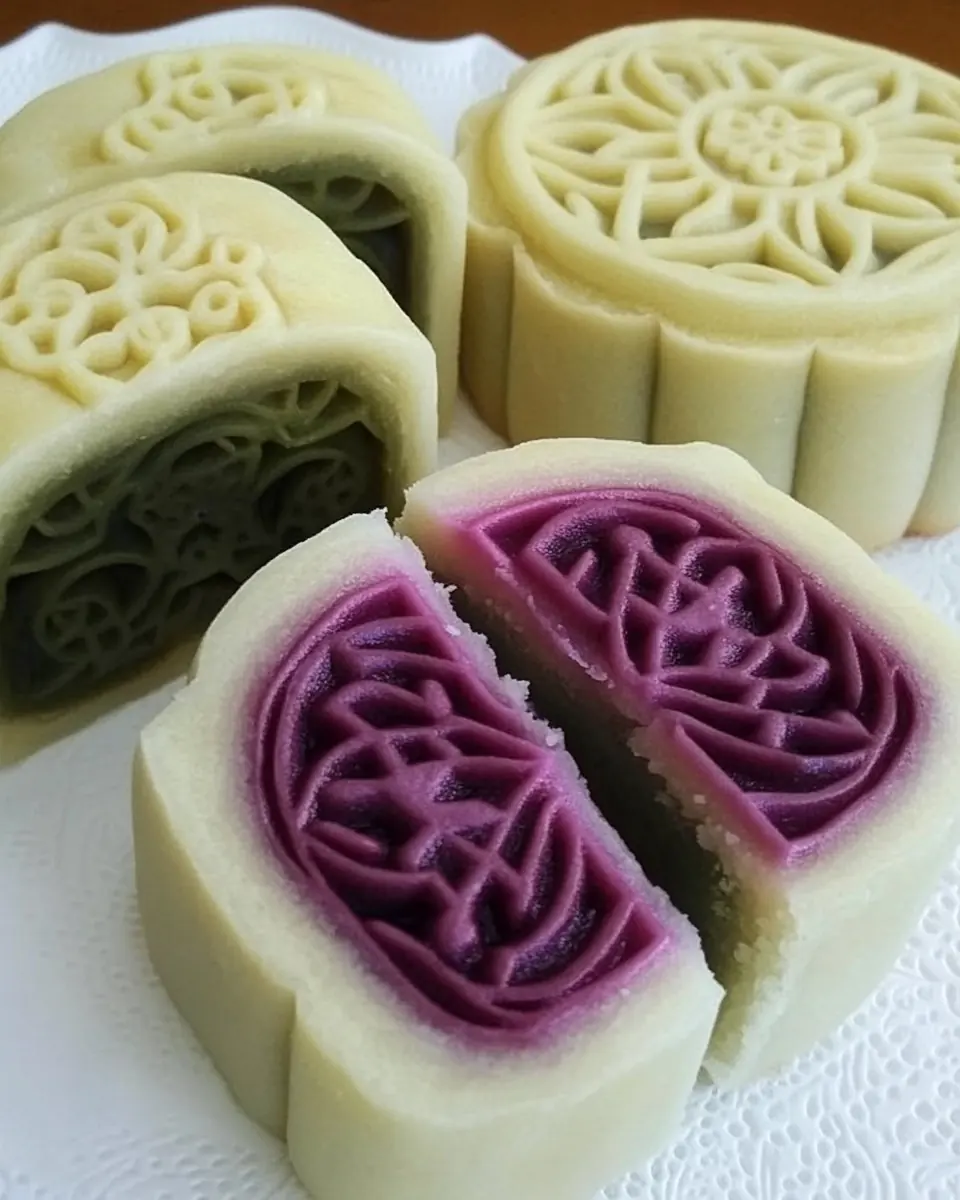
The ingredients in this list work in harmony to create the delicate, cool skin and the luscious fillings that define Snow Skin Mooncake. The glutinous rice flour provides that characteristic chew and elasticity, while powdered sugar sweetens without adding grainy texture. Juices like carrot juice or dragonfruit juice add natural color and aroma, and a little milk and shortening give tenderness and pliability. The fillings and seeds bring body, richness, and a contrasting crunch.
- 130 g (41/2 oz) cooked glutinous rice flour, Gao Fen, sifted: Sifted to ensure a fine, lump-free texture and to make the dough smooth; provides the elastic, chewy base characteristic of snow skin mooncakes and hydrates evenly when mixed with liquid for a consistent pastry wrapper.
- 160 g (52/3 oz) powdered sugar: Powdered and sweetened to dissolve quickly into the dough, contributing sweetness and a tender crumb; helps control moisture and imparts a delicate, even sweetness throughout the snow skin wrapper.
- 130 ml boiled carrot juice, dragonfruit juice or screwpine leaves juice: Boiled and cooled to add moisture, subtle flavor and color variations while contributing liquid for proper dough formation; selecting carrot, dragonfruit or screwpine leaves juice also imparts mild natural color and a hint of vegetal or fruity aroma.
- 2 tablespoons fresh milk: Freshly measured to enrich the dough with a touch of dairy fat and milky flavor, improving mouthfeel and pliability; helps bind the dry ingredients and softens the texture of the snow skin.
- 1 tablespoon shortening, I use Crisco: Shortening added to tenderize the dough, inhibit gluten development and produce a tender, pliable skin; solid fat like Crisco provides a smooth, non-greasy texture and extends shelf life of the snow skin wrapper.
- 1 kg (2 lb) Mooncake paste, Red Bean, Lotus, Green tea: Used as the filling, providing concentrated sweetness and characteristic mooncake flavors such as red bean, lotus or green tea; forms the dense, flavorful center that contrasts with the soft snow skin exterior and can be portioned and shaped to fit the dough.
- 80 g (2⅘ oz) melon seeds, lightly toasted: Lightly toasted to release aroma and add a crunchy texture and nutty flavor to the filling; melon seeds contribute subtle saltiness and a pleasant contrast to the smooth, sweet paste when mixed in or sprinkled on top.
Making Snow Skin Mooncake
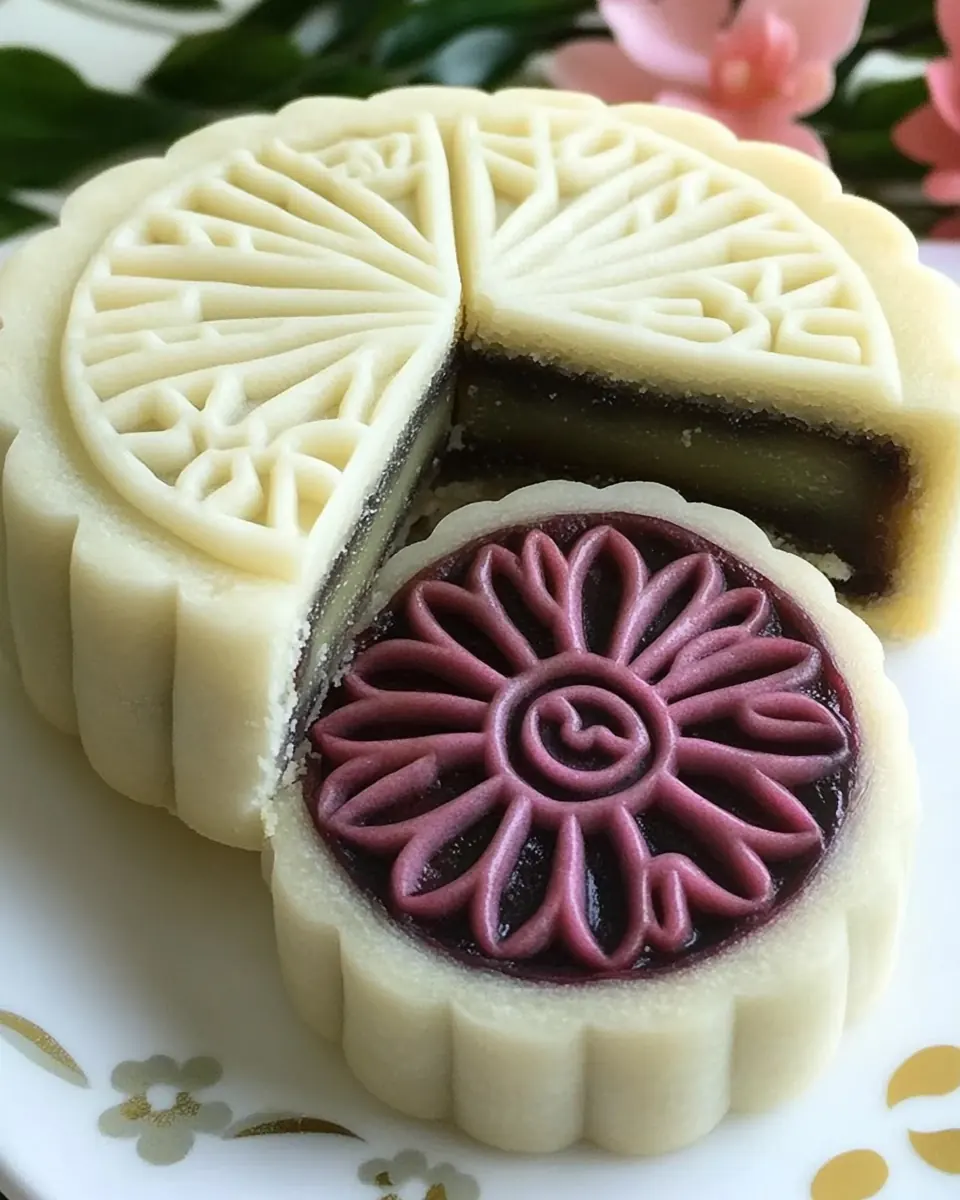
Getting into the kitchen to make Snow Skin Mooncake is a satisfying ritual. I like to clear a workspace, chill my juices, and have molds at hand. These steps focus on texture and timing, so patience rewards you with perfectly shaped, tender mooncakes.
- Squeeze the juice and heat it until it reaches boiling point. Cool the juice in the fridge for about 4 to 6 hours.: Coolness is the crucial first signal here, the chilled juice carrying a faint vegetal aroma that calms the dough mixture when combined later. You'll notice a light steam as you bring the juice to a boil, and an intensified color as the heat concentrates the pigments. Once chilled, the juice should feel refreshing to the touch, and cold liquid helps prevent the dough from becoming overly sticky. If skipped, the dough can turn too soft and difficult to shape; always allow the full chill time so the skin firms up properly.
- Sift together the icing sugar and cooked glutinous flour. Add the shortening and combine until the mixture resembles breadcrumbs.: The sifted mixture should look pale and fine, a soft cloud of starch and sugar. When you rub in the shortening, the texture changes to sandy granules, and you may catch a faint sweet scent. This breadcrumb stage is important because it ensures even fat distribution, which produces that tender, pillowy skin later. A common mistake is adding shortening that is too soft, which can make the mixture greasy rather than crumbly.
- Add the juice and milk to the mixture, and mix until a soft and smooth dough forms. Let the dough rest for 10 minutes. Divide it into 60 g (2 oz) portions and roll each portion into a ball. Wrap each ball with cling wrap until ready to use.: The bowl will transform as liquids incorporate, and you will see the dough pull together into a satin, slightly tacky ball. Press your fingers into the dough to feel the elasticity, it should yield and spring back gently. Resting lets the flour fully hydrate, making the dough easier to roll and less likely to tear. When portioning, weigh each ball to maintain consistent skin thickness. A frequent error is skipping the rest, which can leave dough that tears easily when wrapping the filling.
- Add melon seeds to the mooncake paste. Roll the mixture tightly into balls, each weighing 120 g (4 oz.).: As you fold the seeds into the paste, you'll hear tiny crackles from the toasted seeds and smell their warm fragrance. Pressing and rolling the paste creates a compact core that resists moisture migration into the skin. The surface should be smooth and slightly glossy, a sign the filling is cohesive. If the paste feels crumbly, a touch of neutral oil or a brief knead can bring it together, otherwise the filling may separate during wrapping.
- Lightly dust your hands with cooked glutinous rice flour. Flatten the dough and place the filling in the center.: The dusting prevents sticking, and as you press the dough into a thin disc you will feel its supple texture, cool and soft against your fingers. Centering the filling is key, because off center filling can lead to uneven thickness and awkward molds. Use gentle, even pressure to form the skin without stretching it thin. Overstretching causes thin spots that tear, so handle the dough with gentle hands.
- Wrap it up tightly and seal the edges. Place it in a floured mooncake mold, tap to release, and then remove it. Chill for at least 6 hours before serving.: When sealed, the surface will be smooth and the seams hidden. Pressing into a floured mold reveals crisp patterns, and the soft thud when tapping the mold indicates a clean release. After molding, the mooncakes need chilling so the skin firms and the paste and seeds set together, creating a neat cross section. A common pitfall is unmolding too soon, which can cause deformities; patience during the chill yields perfect shapes.
Recipe Notes about Snow Skin Mooncake
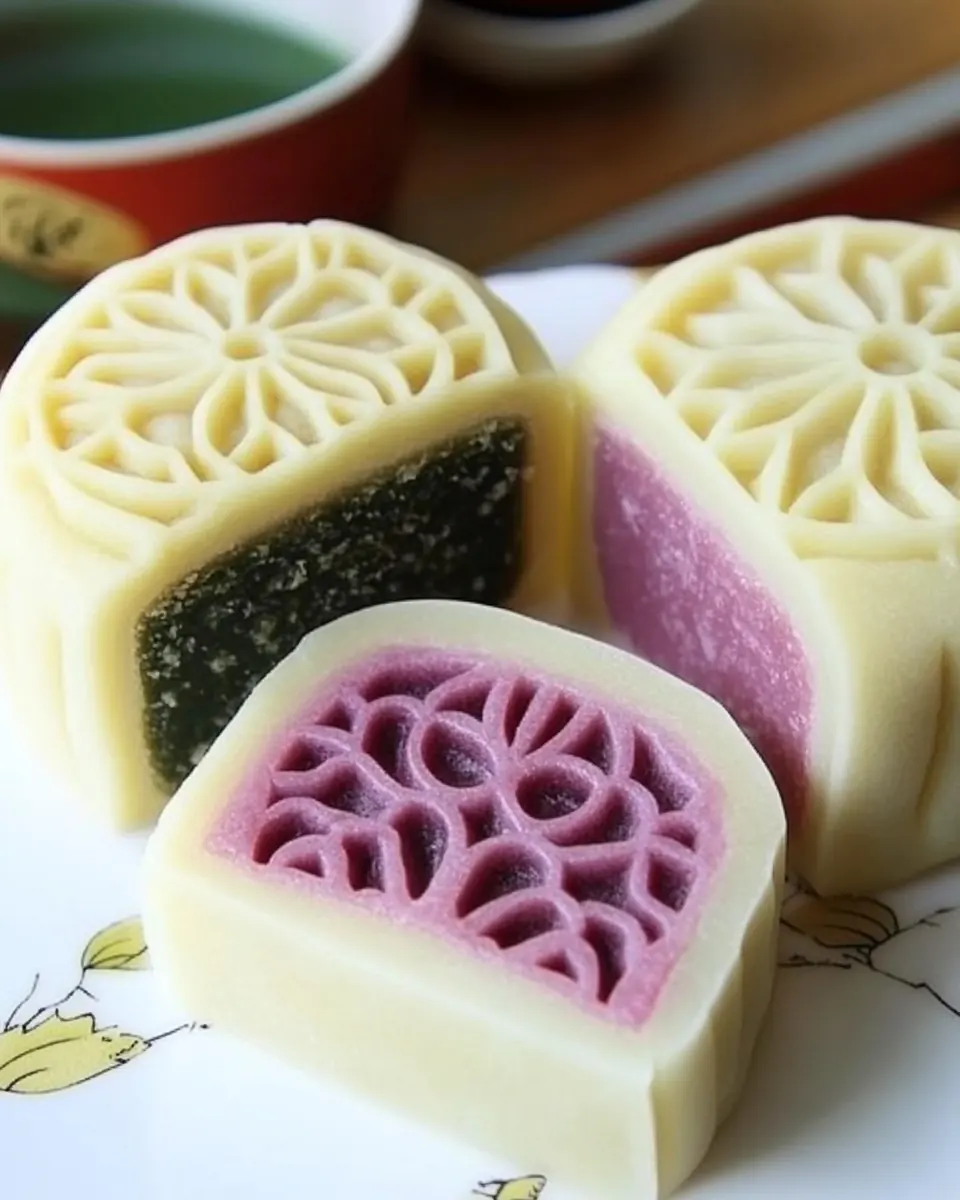
These tips cover texture, storage, and small technique tweaks that make a big difference for Snow Skin Mooncake. I include both troubleshooting reminders and presentation suggestions because the little details add up.
- Chill the juice thoroughly, cooling the boiled juice for at least 4 to 6 hours helps the dough come together smoothly and prevents stickiness when you mix liquids into the sifted flour.
- Maintain crumb stage, when incorporating shortening aim for a breadcrumb like texture so the fat is evenly dispersed, which ensures a tender, pliable dough rather than greasy skin.
- Weigh portions, dividing skin portions into 60 g and filling into 120 g keeps the ratio consistent, which helps every mooncake look and taste balanced when sliced.
- Dust lightly, use only a touch of cooked glutinous rice flour on hands and molds to prevent sticking without making the skin dry or floury on the surface.
- Toast seeds gently, warm melon seeds lightly until aromatic to enhance flavor, avoid browning them too much which will add bitterness to the filling.
- Chill after molding, refrigerate for at least 6 hours to let the skin firm and the pattern set, this produces the cleanest presentation and best mouthfeel.
Accompaniments for Snow Skin Mooncake
Serving Snow Skin Mooncake is part presentation and part ritual, and the right pairings elevate the experience. I like to offer light, fragrant teas and small plates of contrasting textures so each bite feels special.
- Tea pairing Offer hot green tea or jasmine tea, the floral or vegetal notes cut through the sweetness and complement the soft texture of the mooncake.
- Simple fruit plate A plate of thinly sliced pears or citrus segments provides a bright contrast, the acidity balances the paste‘s richness and refreshes the palate.
- Festive occasions These are perfect for gatherings such as family celebrations or mid autumn evenings, present them on a decorative platter with tea cups to create a thoughtful spread.
- Storage tips Keep in an airtight container in the fridge for up to five days, and allow them to sit at room temperature for 10 to 20 minutes before serving to soften slightly.
- Gift presentation Package individually in wax paper or small boxes with a ribbon, chilled mooncakes hold their shape well and make lovely edible gifts.
- Seasonal pairings During cooler months I prefer warming teas and spiced accompaniments, while in warmer months delicate floral teas and chilled accompaniments feel more refreshing.
FAQ
Conclusion
Snow Skin Mooncake stands out for its tender, cool skin and rich, flavorful fillings, making it both visually appealing and deeply satisfying. I encourage you to give this method a try because the ritual of shaping and chilling is calming and the results make lovely gifts or centerpieces for gatherings. With a little patience in chilling and careful portioning, you will create elegant mooncakes that showcase natural colors and textures, and sharing them always brings a warm response from friends and family.
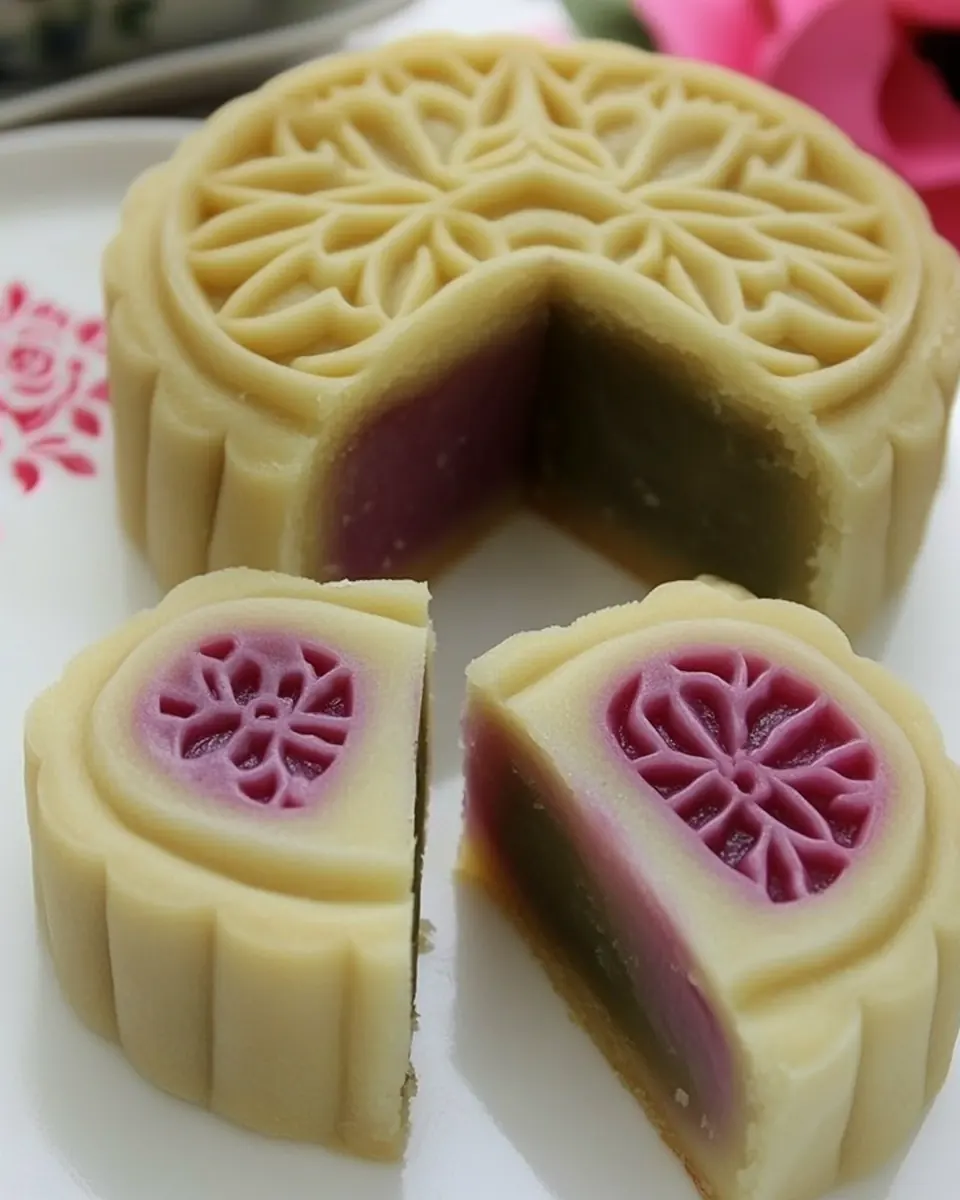
Snow Skin Mooncake
Ingredients
Equipment
Method
- Squeeze the juice and heat it until it reaches boiling point. Cool the juice in the fridge for about 4 to 6 hours.: Coolness is the crucial first signal here, the chilled juice carrying a faint vegetal aroma that calms the dough mixture when combined later. You'll notice a light steam as you bring the juice to a boil, and an intensified color as the heat concentrates the pigments. Once chilled, the juice should feel refreshing to the touch, and cold liquid helps prevent the dough from becoming overly sticky. If skipped, the dough can turn too soft and difficult to shape; always allow the full chill time so the skin firms up properly.
- Sift together the icing sugar and cooked glutinous flour. Add the shortening and combine until the mixture resembles breadcrumbs.: The sifted mixture should look pale and fine, a soft cloud of starch and sugar. When you rub in the shortening, the texture changes to sandy granules, and you may catch a faint sweet scent. This breadcrumb stage is important because it ensures even fat distribution, which produces that tender, pillowy skin later. A common mistake is adding shortening that is too soft, which can make the mixture greasy rather than crumbly.
- Add the juice and milk to the mixture, and mix until a soft and smooth dough forms. Let the dough rest for 10 minutes. Divide it into 60 g (2 oz) portions and roll each portion into a ball. Wrap each ball with cling wrap until ready to use.: The bowl will transform as liquids incorporate, and you will see the dough pull together into a satin, slightly tacky ball. Press your fingers into the dough to feel the elasticity, it should yield and spring back gently. Resting lets the flour fully hydrate, making the dough easier to roll and less likely to tear. When portioning, weigh each ball to maintain consistent skin thickness. A frequent error is skipping the rest, which can leave dough that tears easily when wrapping the filling.
- Add melon seeds to the mooncake paste. Roll the mixture tightly into balls, each weighing 120 g (4 oz.).: As you fold the seeds into the paste, you'll hear tiny crackles from the toasted seeds and smell their warm fragrance. Pressing and rolling the paste creates a compact core that resists moisture migration into the skin. The surface should be smooth and slightly glossy, a sign the filling is cohesive. If the paste feels crumbly, a touch of neutral oil or a brief knead can bring it together, otherwise the filling may separate during wrapping.
- Lightly dust your hands with cooked glutinous rice flour. Flatten the dough and place the filling in the center.: The dusting prevents sticking, and as you press the dough into a thin disc you will feel its supple texture, cool and soft against your fingers. Centering the filling is key, because off center filling can lead to uneven thickness and awkward molds. Use gentle, even pressure to form the skin without stretching it thin. Overstretching causes thin spots that tear, so handle the dough with gentle hands.
- Wrap it up tightly and seal the edges. Place it in a floured mooncake mold, tap to release, and then remove it. Chill for at least 6 hours before serving.: When sealed, the surface will be smooth and the seams hidden. Pressing into a floured mold reveals crisp patterns, and the soft thud when tapping the mold indicates a clean release. After molding, the mooncakes need chilling so the skin firms and the paste and seeds set together, creating a neat cross section. A common pitfall is unmolding too soon, which can cause deformities; patience during the chill yields perfect shapes.
Notes
- Chill the juice thoroughly, cooling the boiled juice for at least 4 to 6 hours helps the dough come together smoothly and prevents stickiness when you mix liquids into the sifted flour.
- Maintain crumb stage, when incorporating shortening aim for a breadcrumb like texture so the fat is evenly dispersed, which ensures a tender, pliable dough rather than greasy skin.
- Weigh portions, dividing skin portions into 60 g and filling into 120 g keeps the ratio consistent, which helps every mooncake look and taste balanced when sliced.
- Dust lightly, use only a touch of cooked glutinous rice flour on hands and molds to prevent sticking without making the skin dry or floury on the surface.
- Toast seeds gently, warm melon seeds lightly until aromatic to enhance flavor, avoid browning them too much which will add bitterness to the filling.
- Chill after molding, refrigerate for at least 6 hours to let the skin firm and the pattern set, this produces the cleanest presentation and best mouthfeel.