Spinach and Artichoke Dip Rolls
Spinach and Artichoke Dip Rolls have been my go to for gatherings when I want something that tastes rich but still feels homey. The first time I made these I was juggling a sleepy toddler and a last minute invite, and these rolls saved the night by coming together quickly while still delivering that warm, cheesy comfort everyone kept asking about.
Years later I still reach for this recipe when friends drop by or when I want a snack that doubles as an appetizer and a cozy treat. The combination of tender spinach and tangy artichokes folded into melty cheeses always gets a cheer, and browning the butter with fresh sage at the end somehow elevates it into something unexpectedly elegant.
Recipe Snapshot
40 mins
20 mins
20 mins
Easy
250 kcal
American
Keto, Gluten-Free
Appetizers
Baking sheet, Parchment paper, Mixing bowl, Knife, Skillet
What You’ll Enjoy About This Spinach and Artichoke Dip Rolls
Comfort with a Crowd Pleasing Crunch
I love how Spinach and Artichoke Dip Rolls give you all the familiar, creamy flavors of a classic dip, but in a handheld format that crisps beautifully in the oven. The contrast between a flaky shell and a luscious interior is what makes guests reach for seconds, and I always feel proud watching people pick them up, bite in, and smile.
Simple Ingredients, Big Impact
We keep the ingredient list straightforward, yet each element plays an important role. The combo of cream cheese with shredded provolone and gruyere creates a layered, melty texture, while the marinated artichokes add a bright, slightly tangy note that prevents the filling from feeling one dimensional. This is the sort of recipe that rewards quality components without demanding fuss.
Make Ahead Friendly
I often assemble these ahead of time and freeze them to bake later, which has saved me on more than one occasion. Freezing for a short time firms up the rolls so they bake evenly and keep their shape, making hosting less frantic. I’ll walk you through exactly how I handle this so the final bake is reliably golden and flaky.
Textural Play and Finishing Touches
The browned butter and crisped sage leaves spooned over the finished rolls bring an aromatic finish that turns familiar flavors into something memorable. That finishing touch introduces nuttiness and visual drama, and it is often the detail guests comment on first. Little rituals like brushing with an egg wash and sprinkling with pretzel salt make a noticeable difference.
Versatility on the Table
These rolls work across occasions, from casual game nights to holiday appetizer spreads. They feel indulgent without being fussy, and because they are portable, they slot into potlucks and picnic baskets with ease. For me, that versatility is a big part of why I keep this recipe in heavy rotation.
Main Ingredients for Spinach and Artichoke Dip Rolls
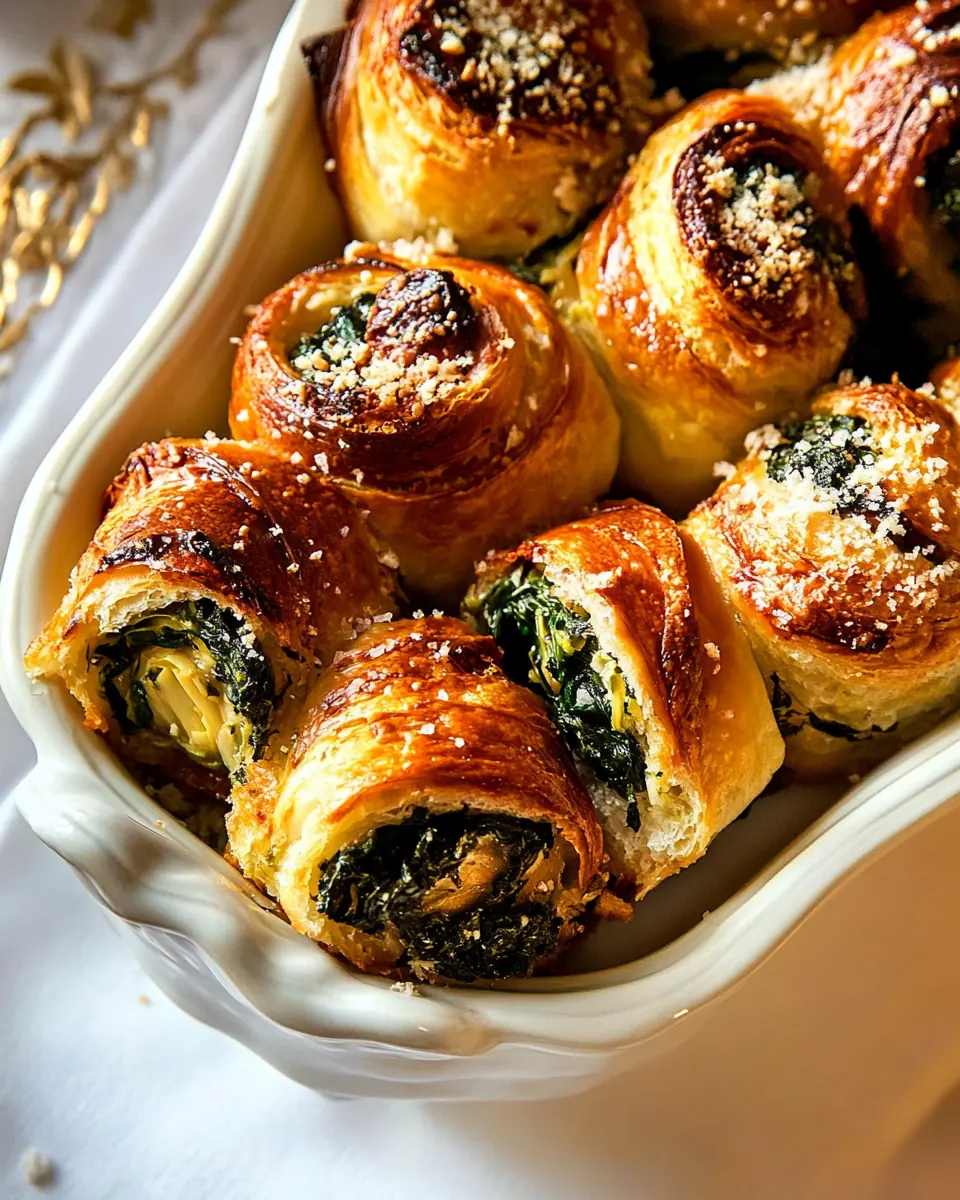
These ingredients are all about balance and harmony. The base of spinach and artichokes gives vegetable body and brightness, while the trio of cheeses brings creaminess and a stringy, melty texture. Puff pastry provides lift and crunch, and the browned butter with sage finishes everything with a nutty, herbal note. Together they form a cohesive filling that holds up inside a flaky wrapper.
- 1 container (12 ounce) frozen chopped spinach, thawed and squeezed of excess water: Thawed and squeezed to remove excess moisture, providing a tender, savory base that blends smoothly into the filling and prevents sogginess in the pastry.
- 1 cup marinated artichokes, chopped: Marinated and chopped to add a tangy, slightly acidic note and tender texture that complements the creamy spinach mixture and boosts overall flavor complexity.
- 4 ounces cream cheese, at room temperature: Softened at room temperature to ensure easy incorporation, creating a rich, creamy binder that helps hold the filling together and adds tangy richness.
- 1 cup shredded provolone cheese: Shredded to contribute a mild, melty stretchiness and subtle dairy flavor that enhances the dip-like texture when baked inside the pastry.
- 1 cup shredded gruyere cheese: Shredded to deliver a nutty, slightly sweet, deeply melting character that builds savory depth and a golden, bubbling top in the finished rolls.
- 1 teaspoon garlic powder: Used in powdered form to infuse a concentrated garlic aroma and savory warmth without adding moisture, balancing the creamy filling.
- 1 teaspoon onion powder: Used in powdered form to provide a gentle onion flavor and savory background note that blends seamlessly into the creamy mixture.
- 1 teaspoon black pepper: Ground and added to introduce mild heat and aromatic sharpness, rounding out the flavor profile and lifting the richness of the cheeses.
- chili flakes: Sprinkled as desired to contribute bursts of heat and visual interest, enhancing the savory filling with an occasional spicy kick.
- 2 sheets (1 box) frozen puff pastry, thawed: Thawed sheets offer a flaky, buttery vessel that wraps the filling into convenient rolls and bakes to a crisp, golden texture.
- 1 egg yolk, beaten with 1 tablespoon water: Beaten and brushed to create a glossy, golden finish on the pastry while helping pretzel salt and herbs adhere during baking.
- pretzel salt, for sprinkling: Sprinkled on top for a crunchy, salty accent that mimics soft-pretzel flavor and provides a contrasting texture against the tender pastry.
- 4 tablespoons salted butter: Melted and brushed to add a shiny, buttery finish and deepen savory richness while promoting a crisp, golden crust on the baked rolls.
- 12 fresh sage leaves: Used whole and fried or baked to release aromatic oils that become crispy and herbaceous accents, adding flavor and an attractive garnish.
How to Make Spinach and Artichoke Dip Rolls
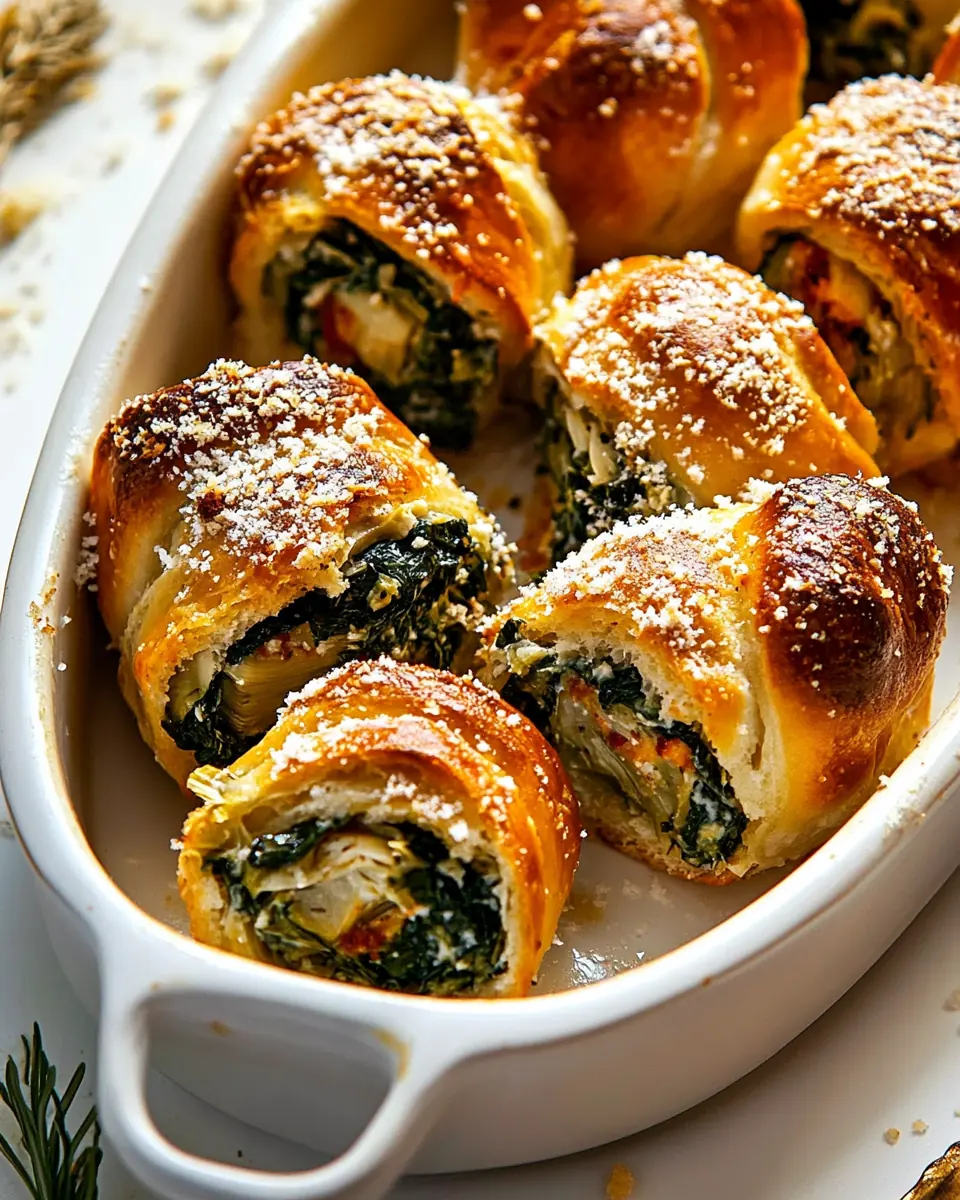
These rolls come together in a few focused stages, and small details determine whether the pastry bakes up flaky and golden. Follow the steps in order, and pay attention to texture and moisture, and you will be rewarded with attractive, flavorful rolls.
- Line a baking sheet with parchment paper. In a bowl, mix the spinach, artichokes, cream cheese, provolone, gruyere, garlic powder, onion powder, pepper, and chili flakes until combined. Lay each pastry sheet on the counter and roll it into a slightly larger rectangle. Cut each sheet in half lengthwise to create 4 pieces. Spoon 1/4 of the spinach dip down the long edge of each pastry. Brush the opposite end with the beaten egg, then roll the dough over the filling, wrapping the dough around the filling. Pinch to seal and place seam side down on the baking sheet. Brush the tops of each roll with the beaten egg, then sprinkle with salt. Freeze for 20 minutes. Preheat the oven to 425° F. Bake for 20 minutes or until the pastry is deep golden brown. Meanwhile, brown the butter and mix in the sage leaves. Spoon the butter and leaves over the rolls. EAT and enjoy!: The smell of clean paper and the quiet rustle as you smooth it into place sets you up for success, and using parchment prevents the underside from browning too quickly while allowing easy cleanup. This matters because sticky melted cheese can make removal difficult, so take a moment to secure the paper, tucking it into the sheet edges. A common mistake here is skipping parchment and ending up with stuck rolls or burnt bottoms.
- In a bowl, mix the spinach, artichokes, cream cheese, provolone, gruyere, garlic powder, onion powder, pepper, and chili flakes until combined.: At this stage you will notice the cheeses soften and bind the chopped spinach and artichokes into a cohesive mass, and the aroma of seasonings will bloom when you stir. The creaminess should coat the other ingredients without large clumps, which helps the filling slide into the pastry easily. Stir slowly at first so the cream cheese breaks down evenly, then fold to distribute textures. Avoid overworking the mixture, or the filling can become gummy.
- Lay each pastry sheet on the counter and roll it into a slightly larger rectangle.: Working on a lightly floured surface, you will feel the puff pastry relax into shape as you gently roll it; the layers remain delicate so use light pressure. Visual cues to watch for include slightly larger dimensions with intact visible layers. Rolling makes the sheets easier to cut evenly and creates uniform rolls. If you press too hard you risk compressing the layers and reducing flakiness.
- Cut each sheet in half lengthwise to create 4 pieces.: A sharp knife will glide through the chilled pastry producing clean edges, and you may hear a soft, crisp whisper as layers separate. Even pieces bake at the same rate, so take care to measure or align edges before cutting. Uneven pieces can cause some rolls to overbrown while others remain underdone.
- Spoon 1/4 of the spinach dip down the long edge of each pastry.: As you spoon the filling you will feel its weight and notice a compact, slightly chunky texture studded with bits of artichoke and shredded cheese . Place it close enough to the edge to roll snugly but not so close that filling escapes. Distribute evenly for consistent bites. The common pitfall is overfilling, which causes leaks during baking and soggy pastry.
- Brush the opposite end with the beaten egg, then roll the dough over the filling, wrapping the dough around the filling.: The egg wash acts as glue and will develop a glossy, deep brown finish in the oven. As you roll, keep even pressure so the layers wrap tightly and the seam adheres. You should feel the roll become compact and see the pastry overlay itself neatly. If the seam does not seal well, the roll can open while baking, so press firmly but gently.
- Pinch to seal and place seam side down on the baking sheet.: Pinching the ends creates a neat seal and placing seam side down ensures the roll stays closed as the pastry puffs. You will notice a slight flattening where you press, which helps the rolls rest securely and prevents rolling during bake. Avoid stretching the seam area, which can tear the pastry and lead to leakage.
- Brush the tops of each roll with the beaten egg, then sprinkle with salt.: When you brush the tops the smell of beaten egg on warm pastry primes the surface for color, and the pretzel salt will cling, providing crunchy bursts of seasoning. Apply a thin, even coat of egg to avoid pooling, and tap off excess salt so it does not pile into gritty clumps. Too much liquid on the surface can lead to uneven browning.
- Freeze for 20 minutes.: Chilling the assembled rolls firms the pastry so layers remain distinct and the filling stays in place, resulting in a flakier final texture. While frozen, the room will feel crisper, and handling becomes easier since the pastry is less sticky. Do not skip this step unless you are baking immediately, because warm pastry can sag and leak in the oven.
- Preheat the oven to 425° F.: A properly preheated oven creates steam that lifts the pastry layers quickly, producing a showy puff and golden color. You should feel the heat hum as the oven reaches temperature, and aim to get it fully hot before the rolls go in. Putting them into an underheated oven will result in dense, underpuffed pastry and a longer baking time.
- Bake for 20 minutes or until the pastry is deep golden brown.: As they bake you will see the pastry expand, edges crisp, and patches of golden cheese peeking through. Listen for a faint sizzling as moisture evaporates, and rely on color, not just time, to judge doneness. If the tops brown too quickly, lower the oven by 25 degrees and continue baking until the center is hot and the pastry is cooked through. A common error is removing them too early, leaving the filling underheated.
- Meanwhile, brown the butter and mix in the sage leaves.: Browning the butter releases a toasty, nutty aroma and the sage crisps in the hot fat, creating an intensely fragrant sauce. Watch closely because browned butter can go from golden to burned in seconds; swirl the pan and remove from heat as soon as you notice amber flecks. Over browning will impart bitterness, which is the mistake I warn most about.
- Spoon the butter and leaves over the rolls.: The warm, nutty butter will seep into tiny cracks and the crisped sage adds an herbal note and visual contrast. Drizzling invites the aroma to bloom just before serving, and you should see a glossy sheen and flecks of crisped leaf on the rolls. Avoid pouring too much, or the pastry bottom can become soggy.
- EAT and enjoy!: When you bite in the pastry should crackle slightly, giving way to hot, creamy filling with melded flavors of spinach , artichoke , and cheeses. Allow the rolls to rest a minute to avoid scalding, and notice the layers of texture and the buttery, herbed finish. The most common mistake here is rushing to eat while piping hot, so give it just a breath before serving.
Helpful Hints
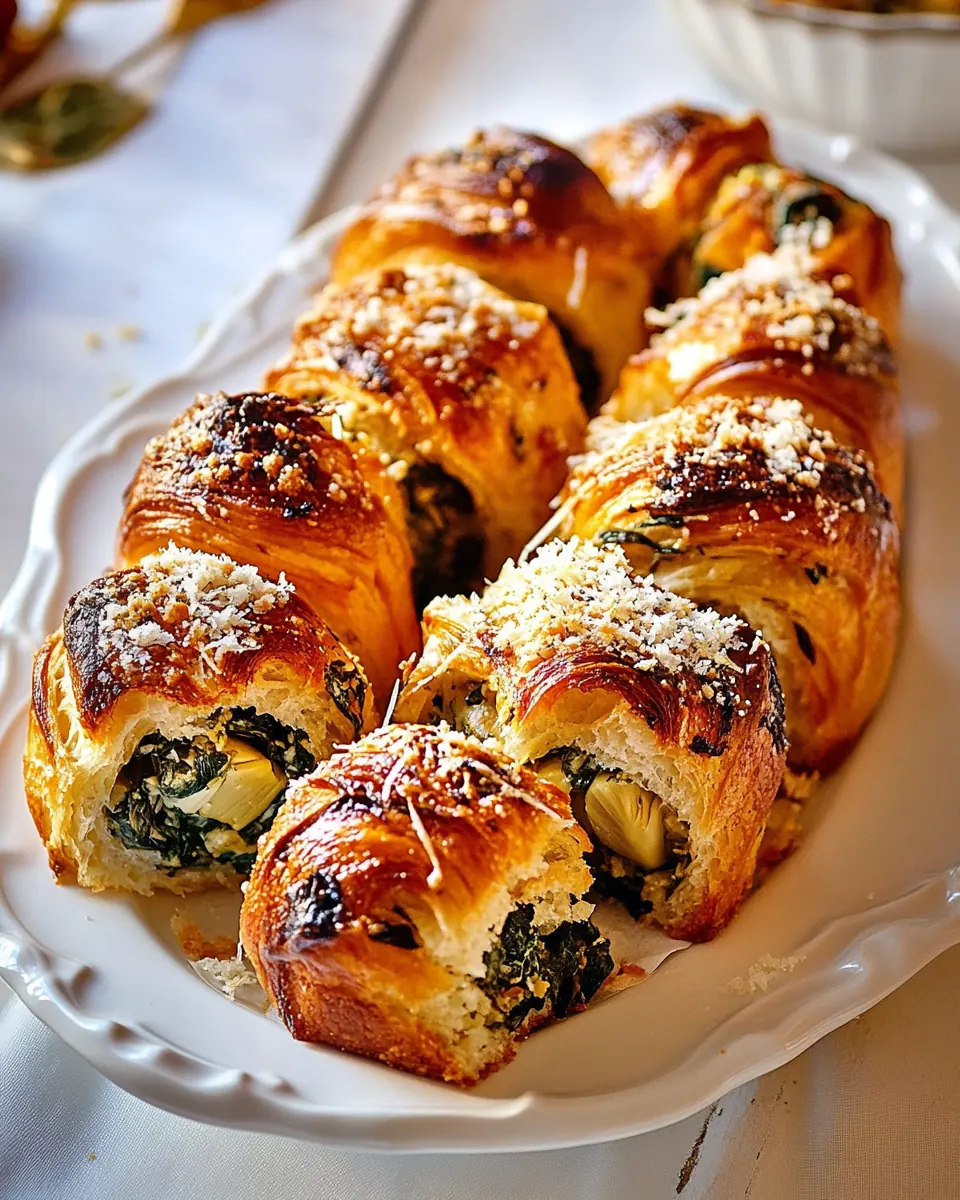
These hints are born from repeat tests and hosting nights. They cover assembly shortcuts, finishing touches, and small adjustments that protect texture and flavor. Read them before you start for a smooth bake.
- Prep your spinach properly: Squeeze thawed spinach in a clean towel until no more liquid comes out. Excess moisture is the number one reason puff pastry becomes soggy, so take your time here and save yourself frustration at bake time.
- Shred cheeses fresh: Freshly shredded provolone and gruyere melt more predictably than pre shredded options. They also avoid anti caking agents that can alter texture, giving you a silkier filling.
- Keep pastry cold: Work quickly and keep the puff pastry on a cool surface; if it warms it can become sticky and lose rise in the oven. If it softens too much, chill the cut sheets briefly before filling to restore structure.
- Even filling distribution: Measure or eyeball the filling so each piece gets the same amount. Uniform filling ensures each roll bakes evenly and presents consistent portions for guests.
- Savor the browned butter moment: When browning the butter, watch for small brown bits and a toasty aroma, then immediately add the sage and remove from heat. This preserves the nutty flavor without burning, which can ruin the finish.
Accompaniments for Spinach and Artichoke Dip Rolls
These rolls are versatile and can be served in many contexts, from casual gatherings to celebratory spreads. Below are thoughtful pairing ideas, storage notes, and serving suggestions to help you make the most of them.
- Party platter pairing: Arrange the rolls with a selection of simple crudites and a light dipping sauce on the side, so guests can alternate between warm, cheesy bites and crisp vegetables for balance.
- Casual dinner starter: Serve two or three rolls per person before the main course. They pair well with a bright salad dressed with a lemon vinaigrette to cut through the richness.
- Brunch addition: Offer the rolls alongside egg dishes and roasted potatoes for a savory brunch spread. Their handheld nature makes them easy to eat with other plates.
- Storage and reheating: Store cooled rolls in an airtight container in the refrigerator for up to three days. Reheat in a 350 degree F oven until warm and crisp, rather than using a microwave which will soften the pastry.
- Seasonal occasions: These work for year round entertaining, from spring showers to winter gatherings, because the flavors are comforting yet bright. The fried sage finish gives a slightly autumnal feel that fits holiday spreads nicely.
FAQ
Conclusion
These Spinach and Artichoke Dip Rolls shine because they turn familiar dip flavors into a portable, flaky treat that is both comforting and a little special. The interplay of creamy cheeses, tender spinach, tangy artichokes, and a browned butter finish with crisp sage makes them memorable at any gathering. Give them a try the next time you need an easy, crowd pleasing appetizer, and enjoy how quickly they become a requested favorite.
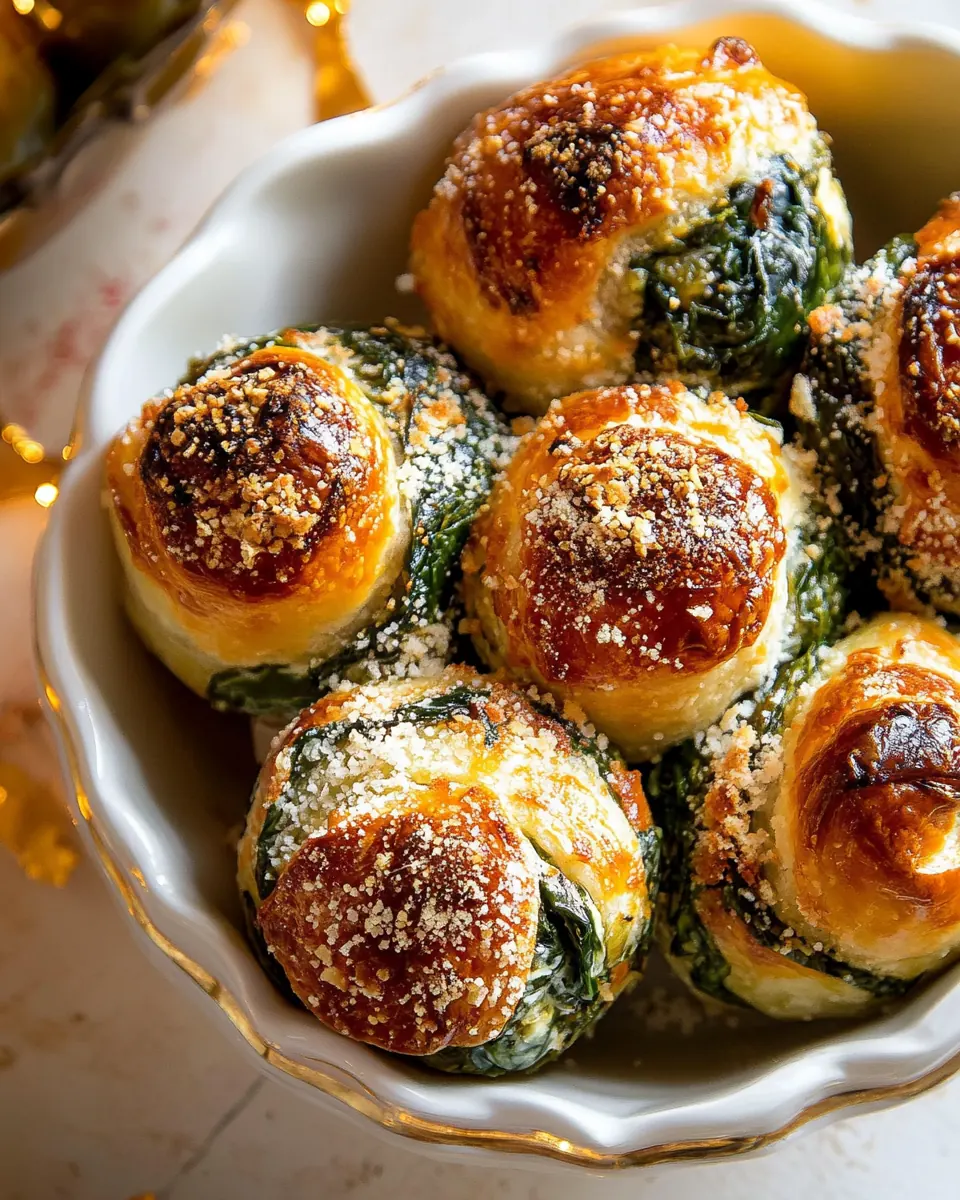
Spinach and Artichoke Dip Rolls
Ingredients
Equipment
Method
- Line a baking sheet with parchment paper. In a bowl, mix the spinach, artichokes, cream cheese, provolone, gruyere, garlic powder, onion powder, pepper, and chili flakes until combined. Lay each pastry sheet on the counter and roll it into a slightly larger rectangle. Cut each sheet in half lengthwise to create 4 pieces. Spoon 1/4 of the spinach dip down the long edge of each pastry. Brush the opposite end with the beaten egg, then roll the dough over the filling, wrapping the dough around the filling. Pinch to seal and place seam side down on the baking sheet. Brush the tops of each roll with the beaten egg, then sprinkle with salt. Freeze for 20 minutes. Preheat the oven to 425° F. Bake for 20 minutes or until the pastry is deep golden brown. Meanwhile, brown the butter and mix in the sage leaves. Spoon the butter and leaves over the rolls. EAT and enjoy!: The smell of clean paper and the quiet rustle as you smooth it into place sets you up for success, and using parchment prevents the underside from browning too quickly while allowing easy cleanup. This matters because sticky melted cheese can make removal difficult, so take a moment to secure the paper, tucking it into the sheet edges. A common mistake here is skipping parchment and ending up with stuck rolls or burnt bottoms.
- In a bowl, mix the spinach, artichokes, cream cheese, provolone, gruyere, garlic powder, onion powder, pepper, and chili flakes until combined.: At this stage you will notice the cheeses soften and bind the chopped spinach and artichokes into a cohesive mass, and the aroma of seasonings will bloom when you stir. The creaminess should coat the other ingredients without large clumps, which helps the filling slide into the pastry easily. Stir slowly at first so the cream cheese breaks down evenly, then fold to distribute textures. Avoid overworking the mixture, or the filling can become gummy.
- Lay each pastry sheet on the counter and roll it into a slightly larger rectangle.: Working on a lightly floured surface, you will feel the puff pastry relax into shape as you gently roll it; the layers remain delicate so use light pressure. Visual cues to watch for include slightly larger dimensions with intact visible layers. Rolling makes the sheets easier to cut evenly and creates uniform rolls. If you press too hard you risk compressing the layers and reducing flakiness.
- Cut each sheet in half lengthwise to create 4 pieces.: A sharp knife will glide through the chilled pastry producing clean edges, and you may hear a soft, crisp whisper as layers separate. Even pieces bake at the same rate, so take care to measure or align edges before cutting. Uneven pieces can cause some rolls to overbrown while others remain underdone.
- Spoon 1/4 of the spinach dip down the long edge of each pastry.: As you spoon the filling you will feel its weight and notice a compact, slightly chunky texture studded with bits of artichoke and shredded cheese . Place it close enough to the edge to roll snugly but not so close that filling escapes. Distribute evenly for consistent bites. The common pitfall is overfilling, which causes leaks during baking and soggy pastry.
- Brush the opposite end with the beaten egg, then roll the dough over the filling, wrapping the dough around the filling.: The egg wash acts as glue and will develop a glossy, deep brown finish in the oven. As you roll, keep even pressure so the layers wrap tightly and the seam adheres. You should feel the roll become compact and see the pastry overlay itself neatly. If the seam does not seal well, the roll can open while baking, so press firmly but gently.
- Pinch to seal and place seam side down on the baking sheet.: Pinching the ends creates a neat seal and placing seam side down ensures the roll stays closed as the pastry puffs. You will notice a slight flattening where you press, which helps the rolls rest securely and prevents rolling during bake. Avoid stretching the seam area, which can tear the pastry and lead to leakage.
- Brush the tops of each roll with the beaten egg, then sprinkle with salt.: When you brush the tops the smell of beaten egg on warm pastry primes the surface for color, and the pretzel salt will cling, providing crunchy bursts of seasoning. Apply a thin, even coat of egg to avoid pooling, and tap off excess salt so it does not pile into gritty clumps. Too much liquid on the surface can lead to uneven browning.
- Freeze for 20 minutes.: Chilling the assembled rolls firms the pastry so layers remain distinct and the filling stays in place, resulting in a flakier final texture. While frozen, the room will feel crisper, and handling becomes easier since the pastry is less sticky. Do not skip this step unless you are baking immediately, because warm pastry can sag and leak in the oven.
- Preheat the oven to 425° F.: A properly preheated oven creates steam that lifts the pastry layers quickly, producing a showy puff and golden color. You should feel the heat hum as the oven reaches temperature, and aim to get it fully hot before the rolls go in. Putting them into an underheated oven will result in dense, underpuffed pastry and a longer baking time.
- Bake for 20 minutes or until the pastry is deep golden brown.: As they bake you will see the pastry expand, edges crisp, and patches of golden cheese peeking through. Listen for a faint sizzling as moisture evaporates, and rely on color, not just time, to judge doneness. If the tops brown too quickly, lower the oven by 25 degrees and continue baking until the center is hot and the pastry is cooked through. A common error is removing them too early, leaving the filling underheated.
- Meanwhile, brown the butter and mix in the sage leaves.: Browning the butter releases a toasty, nutty aroma and the sage crisps in the hot fat, creating an intensely fragrant sauce. Watch closely because browned butter can go from golden to burned in seconds; swirl the pan and remove from heat as soon as you notice amber flecks. Over browning will impart bitterness, which is the mistake I warn most about.
- Spoon the butter and leaves over the rolls.: The warm, nutty butter will seep into tiny cracks and the crisped sage adds an herbal note and visual contrast. Drizzling invites the aroma to bloom just before serving, and you should see a glossy sheen and flecks of crisped leaf on the rolls. Avoid pouring too much, or the pastry bottom can become soggy.
- EAT and enjoy!: When you bite in the pastry should crackle slightly, giving way to hot, creamy filling with melded flavors of spinach , artichoke , and cheeses. Allow the rolls to rest a minute to avoid scalding, and notice the layers of texture and the buttery, herbed finish. The most common mistake here is rushing to eat while piping hot, so give it just a breath before serving.
Notes
- Prep your spinach properly: Squeeze thawed spinach in a clean towel until no more liquid comes out. Excess moisture is the number one reason puff pastry becomes soggy, so take your time here and save yourself frustration at bake time.
- Shred cheeses fresh: Freshly shredded provolone and gruyere melt more predictably than pre shredded options. They also avoid anti caking agents that can alter texture, giving you a silkier filling.
- Keep pastry cold: Work quickly and keep the puff pastry on a cool surface; if it warms it can become sticky and lose rise in the oven. If it softens too much, chill the cut sheets briefly before filling to restore structure.
- Even filling distribution: Measure or eyeball the filling so each piece gets the same amount. Uniform filling ensures each roll bakes evenly and presents consistent portions for guests.
- Savor the browned butter moment: When browning the butter, watch for small brown bits and a toasty aroma, then immediately add the sage and remove from heat. This preserves the nutty flavor without burning, which can ruin the finish.