Spring Vegetable Lo Mein
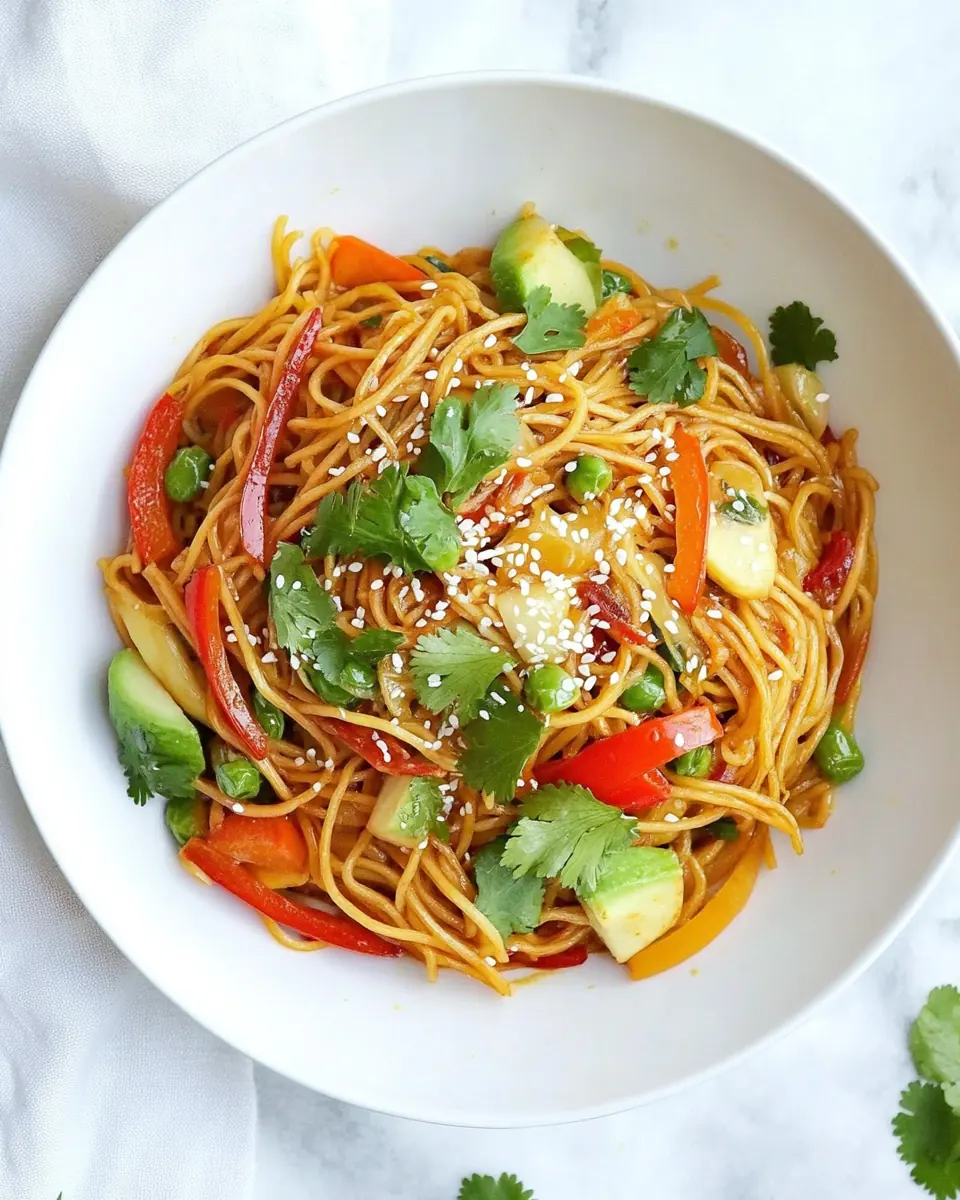
Spring Vegetable Lo Mein is the kind of bowl I reach for when I want something bright, fast, and full of texture. The first time I made it I had a market bag overflowing with tender snow peas and a bunch of carrots that begged to be used, so I turned on the stove and let a hot wok do the talking. The dish came together in a snap, and the contrast between chewy lo mein noodles and crisp, just-wilted vegetables felt like spring on a plate.
I remember standing by the stove, tossing the vegetables as the sesame oil perfume rose, thinking how simple swaps could turn this into a weeknight hero. I sometimes add the quick burst of chopped cashews at the end for crunch, or a handful of cilantro to keep things fresh. Over the years I have mixed and matched the veg, but the balance of salty soy sauce, tangy rice vinegar, and warming ginger has stayed the same.
Recipe Snapshot
25 mins
10 mins
15 mins
Easy
350 kcal
Asian
Gluten-Free, Vegan
Dinner
Large pot, Wok or large heavy skillet, Tongs or spatula, Mixing bowl
The Charm of This Spring Vegetable Lo Mein
Fast, Fresh Flavor
I love that Spring Vegetable Lo Mein delivers bold flavor with minimal fuss. The sauce is super focused, and in less than 20 minutes you end up with something that tastes like you spent way more time. I often think of this as my no-sweat dinner when the calendar is full.
Textural Contrast
The chew of the lo mein noodles against crisp-tender snow peas and matchstick carrot makes every bite interesting. I pay attention to timing in the wok so the vegetables keep bite, and that difference in texture is why I return to this recipe again and again.
Seasonal Vegetable Spotlight
I appreciate recipes that showcase what is in season. In spring, cabbage and bell peppers are bright and sweet, and this recipe spotlights them without overpowering their natural flavors. I like how the simple stir fry method lets those fresh notes sing.
Customizable Protein and Crunch
Whether you add sliced chicken or keep it purely vegetarian, the recipe adapts. Adding nuts like chopped cashews gives a satisfying finish. I usually keep the protein optional so this works for different meals and diets.
Everyday Pantry Staples
I love that most of the sauce ingredients are pantry heroes, like soy sauce and toasted sesame oil. That means I can make this on a busy night without a grocery run, and it still tastes layered and intentional.
Essential Ingredients for Spring Vegetable Lo Mein
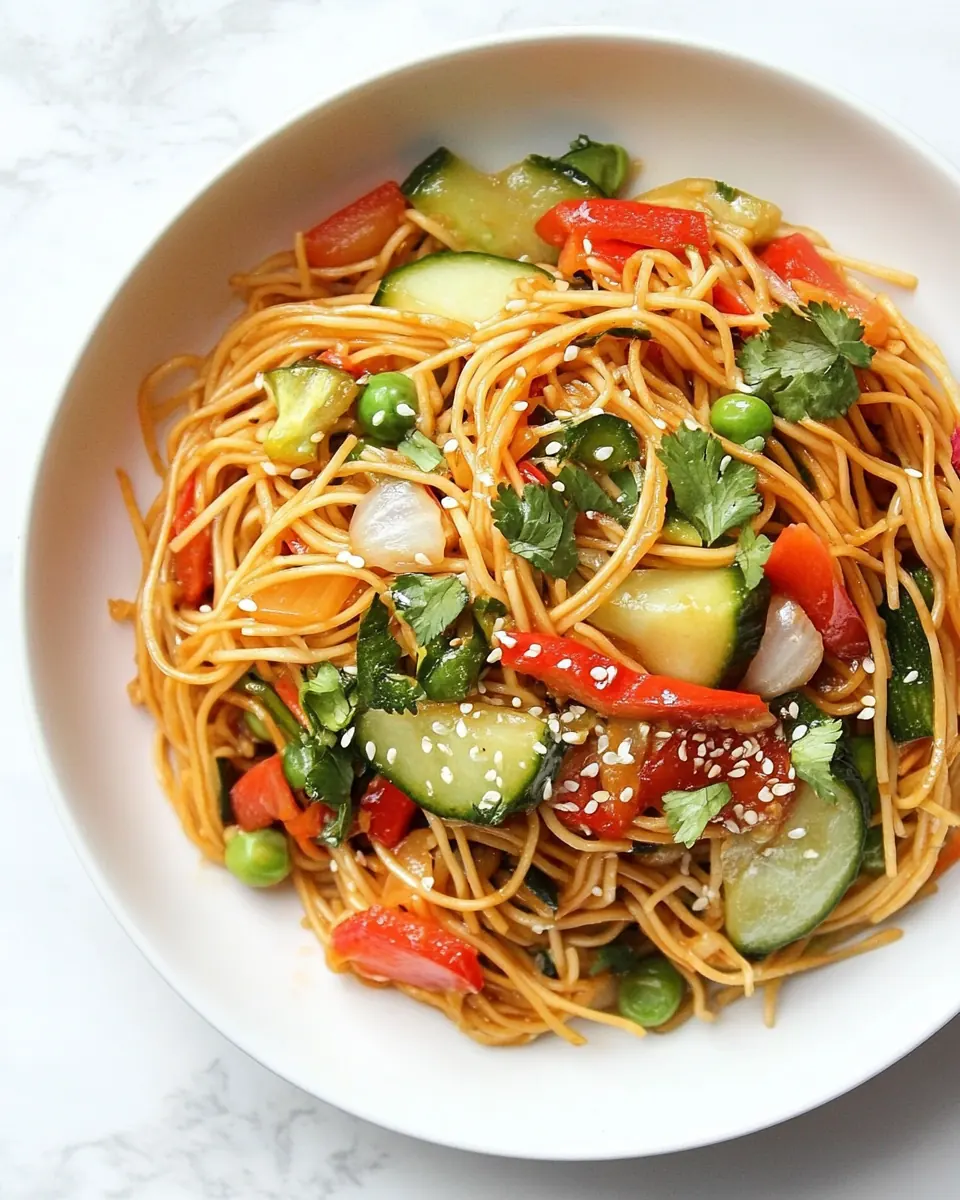
I treat the ingredients as a small orchestra. The noodles provide the base melody, the vegetables offer bright harmonic notes, and the sauce ties everything together with salty, tangy, and nutty flavors. The key players are the noodles, the mix of crisp-tender vegetables, and the simple sauce, each doing a specific job to achieve that classic lo mein balance.
- 1 ounce package dried lo mein noodles: Provide a firm, springy texture and slippery base for tossing; hydrates quickly when boiled and absorbs sauce flavors well. Break into manageable portions before cooking to ensure even doneness and prevent clumping.
- 2 tablespoons sesame oil: Add a nutty, aromatic richness that helps coat noodles and vegetables; heats quickly to release fragrance and enhances overall mouthfeel. Use in a hot wok to create a flavorful cooking medium and prevent sticking.
- 1/2 cups small head cabbage thinly sliced: Offer a mild, slightly sweet crunch and bulk to the dish when thinly sliced; wilts quickly to blend with other vegetables while retaining some texture. Layer into the stir-fry toward the middle of cooking to avoid overcooking and sogginess.
- 1 red bell pepper thinly sliced lengthwise: Contribute a sweet, crisp bite and vibrant color when sliced lengthwise; cooks quickly and brightens the plate visually and texturally. Add early enough to soften slightly while preserving snap for contrast.
- 1 red orange pepper thinly sliced lengthwise: Provide sweet, colorful variation and crisp texture similar to other bell peppers when sliced lengthwise; balances flavors and adds visual appeal. Stir-fry briefly to retain bright color and fresh flavor.
- 1/4 pound mushrooms stems discarded and caps thinly sliced, any variety is fine: Bring an earthy, umami note and tender bite when sliced; stems discarded maintain a uniform mouthfeel and caps absorb sauce nicely. Sauté until just soft to release savory juices without becoming mushy.
- 6 ounces snow peas trimmed, maybe about a cup and a half: Deliver a fresh, snappy sweetness with light vegetal crunch when trimmed; adds bright green color and maintains texture even with quick cooking. Toss in toward the end of stir-frying to keep crisp-tender quality.
- 1 carrot peeled and cut into matchsticks: Introduce a sweet, firm crunch and vivid orange color when peeled and cut into matchsticks; provides textural contrast and visual appeal. Add early enough to soften slightly while preserving a bit of bite.
- 1/3 cups soy sauce: Supply salty, savory depth and a base for the sauce; mixes into the hot noodles and vegetables to season the entire dish. Use measured amount to balance saltiness with other umami components.
- 2 tablespoons rice vinegar: Contribute a bright, tangy acidity that lifts the sauce and balances richness; helps cut through oil and adds subtle complexity. Stir into the sauce mixture to achieve a lively flavor profile.
- 2 tablespoons toasted sesame oil: Enhance sesame aroma and deepen the nutty background when added as a finishing oil; complements the sesame oil used for cooking for layered flavor. Drizzle toward the end or mix into sauce for pronounced sesame notes.
- 1 teaspoon fish sauce: Add a concentrated savory-salty boost and subtle fishy umami that enhances depth; a small amount goes a long way in balancing soy and vinegar. Incorporate sparingly to avoid overwhelming other flavors.
- 1 teaspoon sambal oelek (optional): Provide a spicy, chili-driven kick when used; optional to adjust heat level according to preference. Mix into the sauce incrementally to control the overall spiciness.
- 2 tablespoons fresh ginger grated: Impart bright, peppery warmth and citrusy zing when freshly grated; helps cut through richness and ties flavors together. Finely grate directly into the sauce to distribute fragrant oils evenly.
- 2 cloves garlic minced or grated: Offer pungent, savory aromatics and a sharp, garlicky flavor when minced or grated; melds with ginger to form the aromatic backbone. Add early in cooking to bloom its flavor without burning.
- 2 cups cooked chicken sliced into bite-size pieces (, I made this with the chicken) (optional): Contribute tender protein and savory heartiness when cooked and sliced into bites; optional addition that makes the dish more substantial. Fold in at the end to reheat slices gently without drying them out.
- 1/4 cup chopped cashews for sprinkling, or peanuts: Add crunchy texture and a toasty, slightly sweet nutty finish when chopped and sprinkled; offers contrast to soft noodles and vegetables. Scatter over the plated dish just before serving for freshness.
- fresh cilantro chopped, for garnish: Provide a bright, herbal finish and fresh pop of flavor when chopped and used as garnish; complements rich, savory elements with citrusy, slightly peppery notes. Sprinkle sparingly to maintain balance and visual appeal.
The Process for Making Spring Vegetable Lo Mein
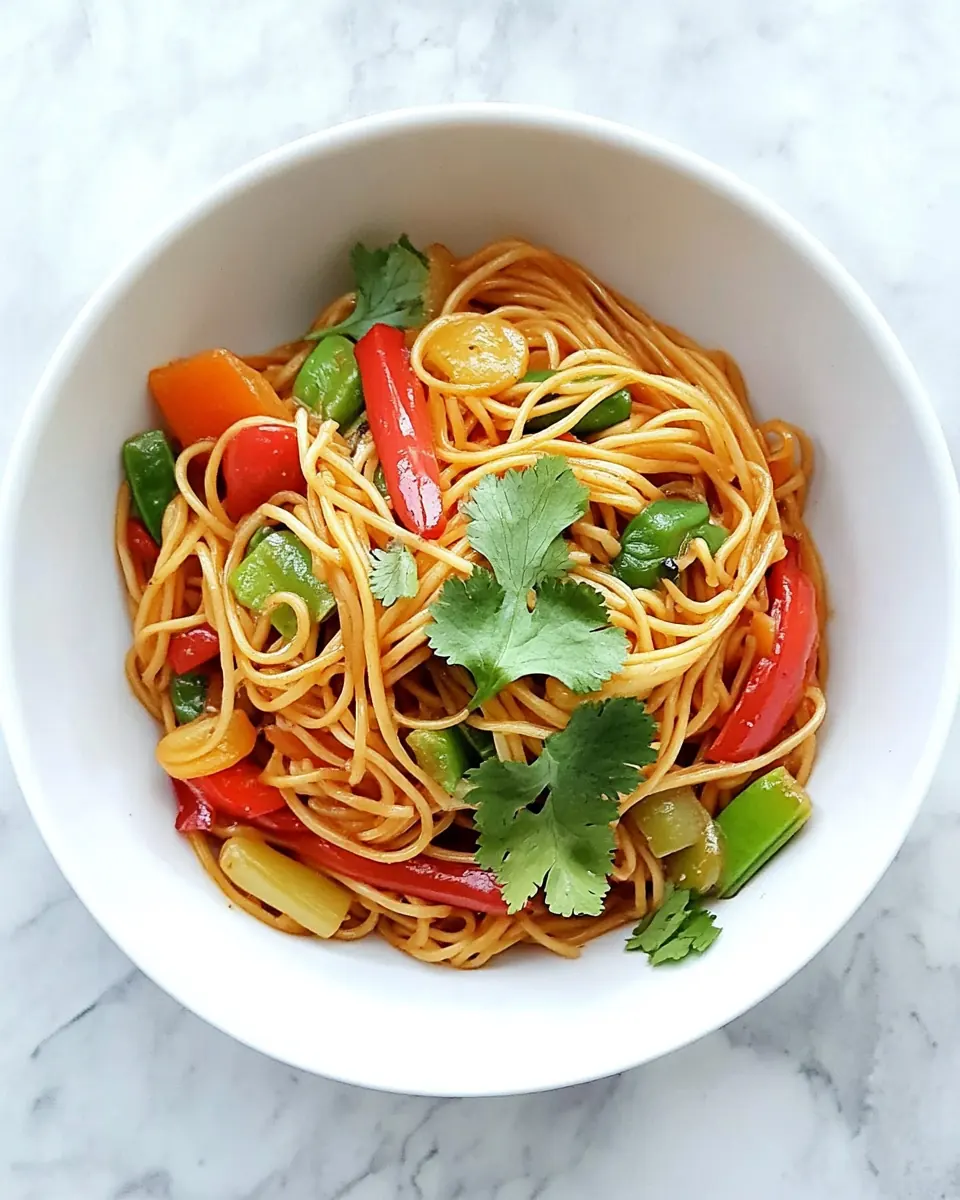
This stir fry moves quickly, so prep matters. Once the noodles are cooked and the sauce is whisked, everything comes together at high heat in the pan. Keep your mise en place ready, and be prepared to toss, smell, and adjust as you go.
- Bring a large pot of water to a boil. Add the noodles to the boiling water and cook according to package directions. Drain and set aside.: The sound of rolling water is your cue the noodles will cook properly, and you want a full, vigorous boil so the lo mein noodles move freely and do not stick. The steam should be strong, and you will notice the pot breathing as it approaches readiness. If the water is not vigorously boiling the noodles can become gummy, because they absorb water unevenly. A common mistake is under-salting the water; while you do not need a lot, a pinch helps the noodle flavor. Keep an eye on the pot and adjust heat to maintain a steady, lively boil.
- Meanwhile, in a large, heavy skillet or wok (you want it big guys), heat the sesame oil over high heat. When the pan is hot add the red pepper, orange pepper, mushrooms, snow peas and carrots. After about 3 minutes add the cabbage. Stir fry for 2-5 minutes longer or until the vegetables have just begun to soften, but have not lost their crunch. This took me about 5 minutes.: As the noodles hit the pot you will hear a gentle bubble and see them soften in moments, and they will look more translucent when nearly done. Stir once or twice to prevent clumping. Timing is crucial since overcooked noodles will break apart when tossed, becoming sticky instead of silky. Test a strand for chew, and when it has a slight bite, drain immediately. Do not let them sit in hot water after draining, because residual heat will keep cooking them.
- While the vegetables cook combine the soy sauce, rice vinegar, toasted sesame oil, fish sauce, sambal oelek, ginger and garlic. Whisk to combine and set aside.: Once drained, the noodles will steam, so spread them briefly or toss with a small splash of sesame oil to keep them separate and to add a fragrant layer. You may feel warmth and notice the sesame aroma clinging to the strands. If you crowd them into a bowl while hot they can clump, so use a wide plate or tray. Avoid rinsing, unless the recipe directs it, because rinsing removes starch that helps the sauce adhere.
- When you feel the vegetables are ready add the sauce and stir fry for 2-3 minutes to cook the garlic and ginger. Add the noodles (and chicken, if using) and toss well. Stir fry for one more minute and then remove from heat. Serve immediately and garnish with chopped fresh cilantro and chopped cashews.: As the oil heats you should see it shimmer and smell the toasty notes rising, and the pan will be loud with a faint sizzle when you add ingredients. A properly heated wok gives instant searing which preserves vegetable texture and adds flavor through caramelization. If the oil starts smoking heavily, lower the heat immediately, because burned oil imparts a bitter edge. Preheating the pan ensures quick cooking and prevents steaming.
- When the pan is hot add the red pepper, orange pepper, mushrooms, snow peas and carrots: The first contact will create a bright sizzle and you will see the vegetables glisten as they hit the oil. Toss them quickly so edges brown and sugars start to caramelize, which builds savory complexity. Keep the ingredients moving to prevent one side from charring while others remain raw. A typical slip is adding too many vegetables at once, cooling the pan; instead work in a single large batch so the heat stays consistent.
- After about 3 minutes add the cabbage: The cabbage wilts faster than root vegetables, and adding it later helps preserve a slight crunch. You will hear a softer sizzle as the cabbage meets the hot pan, and it will begin to collapse and shine with oil. Keep tossing so the cabbage cooks uniformly. Overcooking will result in limp, watery cabbage that dilutes flavor, so aim for tender crisp rather than fully soft.
- Stir fry for 2 to 5 minutes longer or until the vegetables have just begun to soften: In this window you can smell the vegetables shifting from raw to cooked, and you might notice sweeter, roasted aromas forming. Visual cues are key, look for slight browning on the edges and bright color retained in the centers. Do not let them go past the point of crispness, or you lose the textural contrast that makes the dish lively. A common error is relying solely on time instead of watching; every stove cooks differently.
- While the vegetables cook combine the soy sauce rice vinegar toasted sesame oil fish sauce sambal oelek ginger and garlic: Mixing these creates a layered sauce where salty, tangy, nutty, and spicy notes balance. You will see the sauce glisten and smell the sharpness of fresh ginger and garlic , which will mellow when cooked. Whisk until cohesive so the flavors marry, because a separated sauce will cling unevenly to noodles. Avoid over-salting here, taste after combining, since the soy sauce and fish sauce deliver concentrated saltiness.
- Whisk to combine and set aside: The sauce should look smooth and slightly glossy, and setting it aside lets the flavors settle. You may notice little flecks of grated ginger and minced garlic distributing throughout, which signals even seasoning. If you add it to the pan immediately the raw aromatics will cook too quickly; giving the sauce a brief rest yields a more integrated final flavor. Do not discard any residual sauce in the mixing bowl; you will want every drop to coat the noodles.
- When you feel the vegetables are ready add the sauce and stir fry for 2 to 3 minutes to cook the garlic and ginger: The moment the sauce hits the hot pan it will steam and intensify, releasing a heady scent as the garlic and ginger soften. This step builds the final savory layer and slightly reduces the sauce so it clings better. Stir constantly to ensure even cooking and to avoid burning the sugars in the sauce. A pitfall here is leaving the pan unattended; the concentrated sauce can scorch quickly if left still.
- Add the noodles and chicken if using and toss well: Tossing right away lets the noodles pick up sauce and heat through, while the chicken warms and absorbs flavor. You will hear the ingredients mingle, with a soft sizzling and a releasing aroma. Use tongs or a spatula to fold everything together so the sauce reaches each strand. If the mixture seems dry, a splash of warm water can loosen it, but avoid drowning the pan which would steam instead of sear.
- Stir fry for one more minute and then remove from heat: In this final minute the flavors finish their marriage, the sauce thickens slightly, and the dish reaches serving temperature. Watch for glossy coating on the noodles and bright vegetables; those are your signals to stop cooking. Letting it sit in the hot pan will continue to soften the vegetables, so remove promptly to preserve texture. Overcooking here is the easiest way to lose the crisp-tender quality.
- Serve immediately and garnish with chopped fresh cilantro and chopped cashews: Serving hot preserves aroma and texture, while the cilantro adds herbal lift and the cashews supply a satisfying crunch. You will notice the contrast between warm noodles and cool herb notes when you taste it. If you wait too long to garnish, the herbs will wilt and nuts may soften, so sprinkle just before plating. A simple oversight is plating too slowly; serve at once for the best experience.
Variations to Try
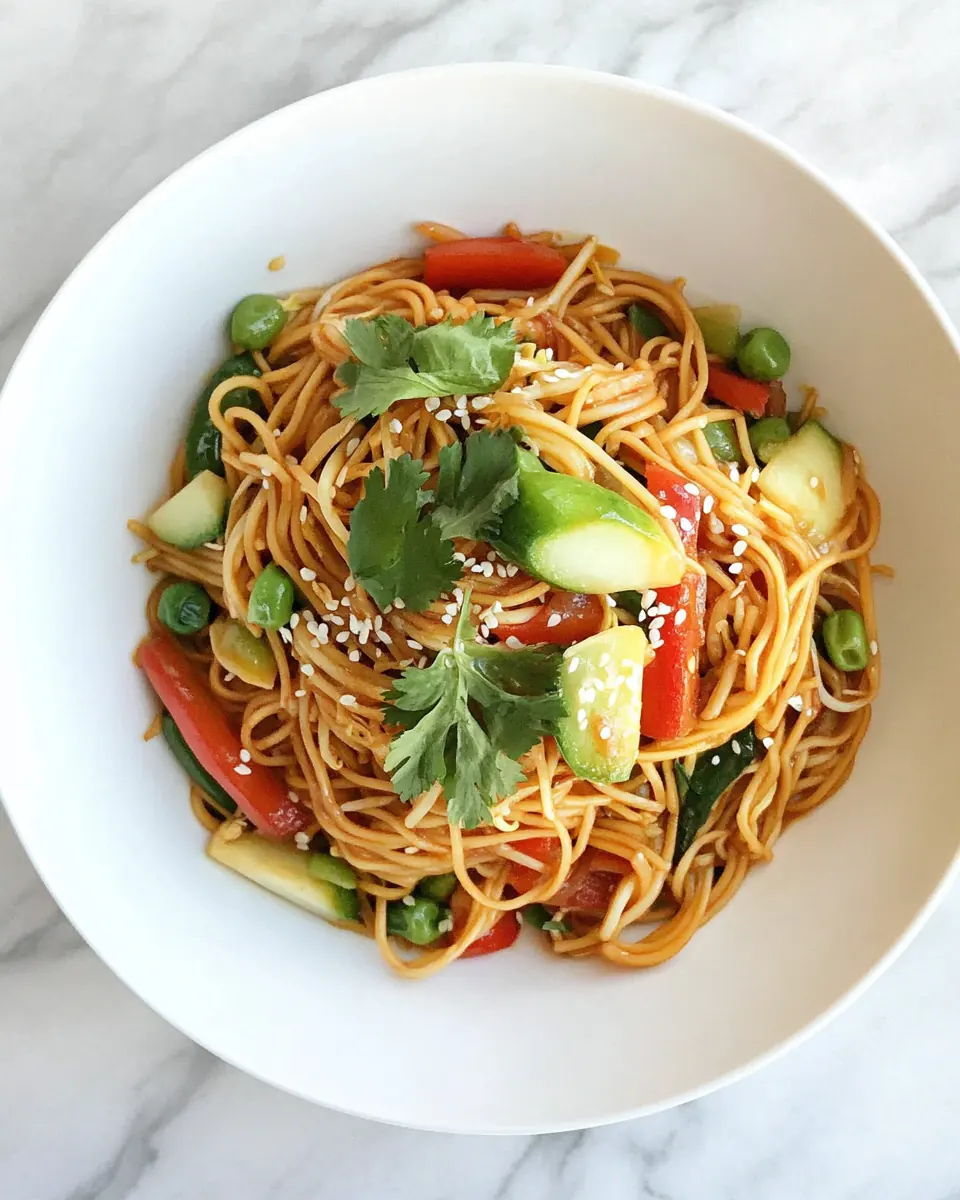
I like offering a few directions to change the mood of this bowl without changing the core technique. Below are ideas that adapt the recipe for different tastes and occasions, each starting with a short highlighted phrase for clarity.
- Make it vegetarian, omit the chicken and load up on mushrooms or extra snap peas for a satisfying plant forward version that still sings with the sauce.
- Add heat, stir in a little extra sambal oelek or chili paste when you add the sauce if you prefer a spicier finish.
- Toasted nut finish, lightly toast the chopped cashews before garnishing to deepen the nutty aroma and add crunch contrast.
- Swap the noodles, use whole wheat or egg noodles for a slightly different texture, but adjust cooking time to keep them al dente.
- Brighten with citrus, a squeeze of lime over the plated dish can lift the whole bowl, adding a fresh counterpoint to the savory sauce.
What to Pair With Spring Vegetable Lo Mein
This is an adaptable main that complements a range of sides and occasions. Think about light accompaniments that echo the textures here, and choose serving styles based on whether you want simple weeknight fare or a slightly elevated dinner.
- Light side salad, a crisp green salad with a bright vinaigrette keeps the meal fresh and contrasts the warm noodles.
- Steamed greens, quick-steamed bok choy or Chinese broccoli match the Asian flavor profile while adding a tender leafy element.
- Casual family dinner, serve family style so everyone can spoon from the wok, making it ideal for busy weeknights when time is short.
- Meal prep, portion into containers and store in the fridge for up to three days, reheating briefly in a skillet to revive texture before serving.
- Spring entertaining, present in a large platter with garnishes on the side, so guests can customize with extra cilantro or nuts.
- Seasonal pairing, this works beautifully when spring vegetables are at their peak, highlighting local market produce and lighter menus.
- Storage tip, keep sauce separate if making ahead to prevent the noodles from absorbing too much liquid during storage.
FAQ
Conclusion
Spring Vegetable Lo Mein stands out for its bright, quick cooking and vibrant texture contrasts, making it a reliable favorite for busy nights. Give it a try when you want a colorful, satisfying bowl that highlights seasonal produce and pantry flavors. I hope this recipe becomes one of your go-to weekday meals, bringing fresh spring notes and comforting noodles to your table with very little hassle.
Spring Vegetable Lo Mein
Ingredients
Equipment
Method
- Bring a large pot of water to a boil. Add the noodles to the boiling water and cook according to package directions. Drain and set aside.: The sound of rolling water is your cue the noodles will cook properly, and you want a full, vigorous boil so the lo mein noodles move freely and do not stick. The steam should be strong, and you will notice the pot breathing as it approaches readiness. If the water is not vigorously boiling the noodles can become gummy, because they absorb water unevenly. A common mistake is under-salting the water; while you do not need a lot, a pinch helps the noodle flavor. Keep an eye on the pot and adjust heat to maintain a steady, lively boil.
- Meanwhile, in a large, heavy skillet or wok (you want it big guys), heat the sesame oil over high heat. When the pan is hot add the red pepper, orange pepper, mushrooms, snow peas and carrots. After about 3 minutes add the cabbage. Stir fry for 2-5 minutes longer or until the vegetables have just begun to soften, but have not lost their crunch. This took me about 5 minutes.: As the noodles hit the pot you will hear a gentle bubble and see them soften in moments, and they will look more translucent when nearly done. Stir once or twice to prevent clumping. Timing is crucial since overcooked noodles will break apart when tossed, becoming sticky instead of silky. Test a strand for chew, and when it has a slight bite, drain immediately. Do not let them sit in hot water after draining, because residual heat will keep cooking them.
- While the vegetables cook combine the soy sauce, rice vinegar, toasted sesame oil, fish sauce, sambal oelek, ginger and garlic. Whisk to combine and set aside.: Once drained, the noodles will steam, so spread them briefly or toss with a small splash of sesame oil to keep them separate and to add a fragrant layer. You may feel warmth and notice the sesame aroma clinging to the strands. If you crowd them into a bowl while hot they can clump, so use a wide plate or tray. Avoid rinsing, unless the recipe directs it, because rinsing removes starch that helps the sauce adhere.
- When you feel the vegetables are ready add the sauce and stir fry for 2-3 minutes to cook the garlic and ginger. Add the noodles (and chicken, if using) and toss well. Stir fry for one more minute and then remove from heat. Serve immediately and garnish with chopped fresh cilantro and chopped cashews.: As the oil heats you should see it shimmer and smell the toasty notes rising, and the pan will be loud with a faint sizzle when you add ingredients. A properly heated wok gives instant searing which preserves vegetable texture and adds flavor through caramelization. If the oil starts smoking heavily, lower the heat immediately, because burned oil imparts a bitter edge. Preheating the pan ensures quick cooking and prevents steaming.
- When the pan is hot add the red pepper, orange pepper, mushrooms, snow peas and carrots: The first contact will create a bright sizzle and you will see the vegetables glisten as they hit the oil. Toss them quickly so edges brown and sugars start to caramelize, which builds savory complexity. Keep the ingredients moving to prevent one side from charring while others remain raw. A typical slip is adding too many vegetables at once, cooling the pan; instead work in a single large batch so the heat stays consistent.
- After about 3 minutes add the cabbage: The cabbage wilts faster than root vegetables, and adding it later helps preserve a slight crunch. You will hear a softer sizzle as the cabbage meets the hot pan, and it will begin to collapse and shine with oil. Keep tossing so the cabbage cooks uniformly. Overcooking will result in limp, watery cabbage that dilutes flavor, so aim for tender crisp rather than fully soft.
- Stir fry for 2 to 5 minutes longer or until the vegetables have just begun to soften: In this window you can smell the vegetables shifting from raw to cooked, and you might notice sweeter, roasted aromas forming. Visual cues are key, look for slight browning on the edges and bright color retained in the centers. Do not let them go past the point of crispness, or you lose the textural contrast that makes the dish lively. A common error is relying solely on time instead of watching; every stove cooks differently.
- While the vegetables cook combine the soy sauce rice vinegar toasted sesame oil fish sauce sambal oelek ginger and garlic: Mixing these creates a layered sauce where salty, tangy, nutty, and spicy notes balance. You will see the sauce glisten and smell the sharpness of fresh ginger and garlic , which will mellow when cooked. Whisk until cohesive so the flavors marry, because a separated sauce will cling unevenly to noodles. Avoid over-salting here, taste after combining, since the soy sauce and fish sauce deliver concentrated saltiness.
- Whisk to combine and set aside: The sauce should look smooth and slightly glossy, and setting it aside lets the flavors settle. You may notice little flecks of grated ginger and minced garlic distributing throughout, which signals even seasoning. If you add it to the pan immediately the raw aromatics will cook too quickly; giving the sauce a brief rest yields a more integrated final flavor. Do not discard any residual sauce in the mixing bowl; you will want every drop to coat the noodles.
- When you feel the vegetables are ready add the sauce and stir fry for 2 to 3 minutes to cook the garlic and ginger: The moment the sauce hits the hot pan it will steam and intensify, releasing a heady scent as the garlic and ginger soften. This step builds the final savory layer and slightly reduces the sauce so it clings better. Stir constantly to ensure even cooking and to avoid burning the sugars in the sauce. A pitfall here is leaving the pan unattended; the concentrated sauce can scorch quickly if left still.
- Add the noodles and chicken if using and toss well: Tossing right away lets the noodles pick up sauce and heat through, while the chicken warms and absorbs flavor. You will hear the ingredients mingle, with a soft sizzling and a releasing aroma. Use tongs or a spatula to fold everything together so the sauce reaches each strand. If the mixture seems dry, a splash of warm water can loosen it, but avoid drowning the pan which would steam instead of sear.
- Stir fry for one more minute and then remove from heat: In this final minute the flavors finish their marriage, the sauce thickens slightly, and the dish reaches serving temperature. Watch for glossy coating on the noodles and bright vegetables; those are your signals to stop cooking. Letting it sit in the hot pan will continue to soften the vegetables, so remove promptly to preserve texture. Overcooking here is the easiest way to lose the crisp-tender quality.
- Serve immediately and garnish with chopped fresh cilantro and chopped cashews: Serving hot preserves aroma and texture, while the cilantro adds herbal lift and the cashews supply a satisfying crunch. You will notice the contrast between warm noodles and cool herb notes when you taste it. If you wait too long to garnish, the herbs will wilt and nuts may soften, so sprinkle just before plating. A simple oversight is plating too slowly; serve at once for the best experience.
Notes
- Make it vegetarian, omit the chicken and load up on mushrooms or extra snap peas for a satisfying plant forward version that still sings with the sauce.
- Add heat, stir in a little extra sambal oelek or chili paste when you add the sauce if you prefer a spicier finish.
- Toasted nut finish, lightly toast the chopped cashews before garnishing to deepen the nutty aroma and add crunch contrast.
- Swap the noodles, use whole wheat or egg noodles for a slightly different texture, but adjust cooking time to keep them al dente.
- Brighten with citrus, a squeeze of lime over the plated dish can lift the whole bowl, adding a fresh counterpoint to the savory sauce.