Taco Pasta
Taco Pasta has been a weeknight lifesaver in my kitchen ever since I first threw together a pot of pasta with a can of tomatoes and a packet of taco seasoning on a rainy Thursday evening. That first bowl felt like a warm, familiar hug, a mash up of two favorites that somehow tasted better together than apart. I remember juggling kids homework and a ringing phone, and yet the aroma of sautéed onion and garlic softened everything around me, making the kitchen feel calm and unapologetically homey.
I love how Taco Pasta turns ordinary pantry staples into something playful and satisfying. Over time I tweaked the balance of spices, learned when to add the cheddar cheese so it melted into a glossy sauce, and discovered that a splash of chicken broth gives the dish a silky finish. Each time I make it I think of casual dinners when friends drop by unannounced, and how this recipe covers the basics while still feeling a little festive.
What draws me in is the way textures combine here, tender pasta shells cradling little pockets of sauce and beans, with occasional pops of sweet corn. I often find myself chatting with whoever is beside me as the pot simmers, listening for that gentle bubbling that signals readiness. When I garnish with chopped cilantro I feel like the meal has crossed the finish line, transformed from practical to something I am proud to serve. That small ritual of tasting, tasting again, and adjusting seasoning is where the real joy lives for me.
Recipe Snapshot
32 mins
10 mins
22 mins
Easy
350 kcal
Mexican
Gluten-Free, Low FODMAP
Dinner
Large pot, Wooden spoon, Measuring cups
Why This Taco Pasta Works
Comforting and Familiar
I adore how Taco Pasta blends two comfort food worlds, creating a cozy, familiar bowl that feels like childhood and grown up dinner all at once. The savory mix of ground turkey and taco seasoning taps into that nostalgic taco night vibe, while the creamy melted cheddar cheese wraps everything in a soothing texture. I often reach for this recipe when I need something that will make everyone at the table smile without a lot of fuss.
Fast Weeknight Friendly
We need dinners that arrive quickly and with minimal cleanup, and Taco Pasta fits that bill. From prep to finish this dish moves along in under an hour, which means I can start cooking right after work and have a hot dinner ready before bedtime routines begin. The one pot nature means fewer dishes, and I love the freedom that gives me to sit down sooner and enjoy the meal with family.
Punchy Flavor from Pantry Staples
One of my favorite things is how little you need to create a dish that tastes boldly seasoned. A single packet of taco seasoning, a can of diced tomatoes, and a handful of pantry black beans and corn lead to layered flavor. I keep these items stocked, and they rescue me on busy days. The seasoning does the heavy lifting, while the tomatoes and beans add body and brightness.
Customizable and Crowd Pleasing
I appreciate that Taco Pasta invites tweaks without breaking the dish. You can make it milder or more assertive, add more cheese for creaminess, or stir in extra broth for a saucier texture. When friends swing by, this recipe scales easily. I can double it for a crowd and still deliver consistent results, which has made it my go to for casual gatherings.
Balanced Nutrition in a Single Pot
Finally, I love that this recipe mixes protein from ground turkey, fiber from black beans, and carbohydrates from pasta in one bowl. It feels satisfying and complete, which makes it an easy pick for busy evenings when I want something wholesome. I often pair it with a simple salad or steamed veg, but honestly it stands well on its own.
Recipe Ingredients for Taco Pasta
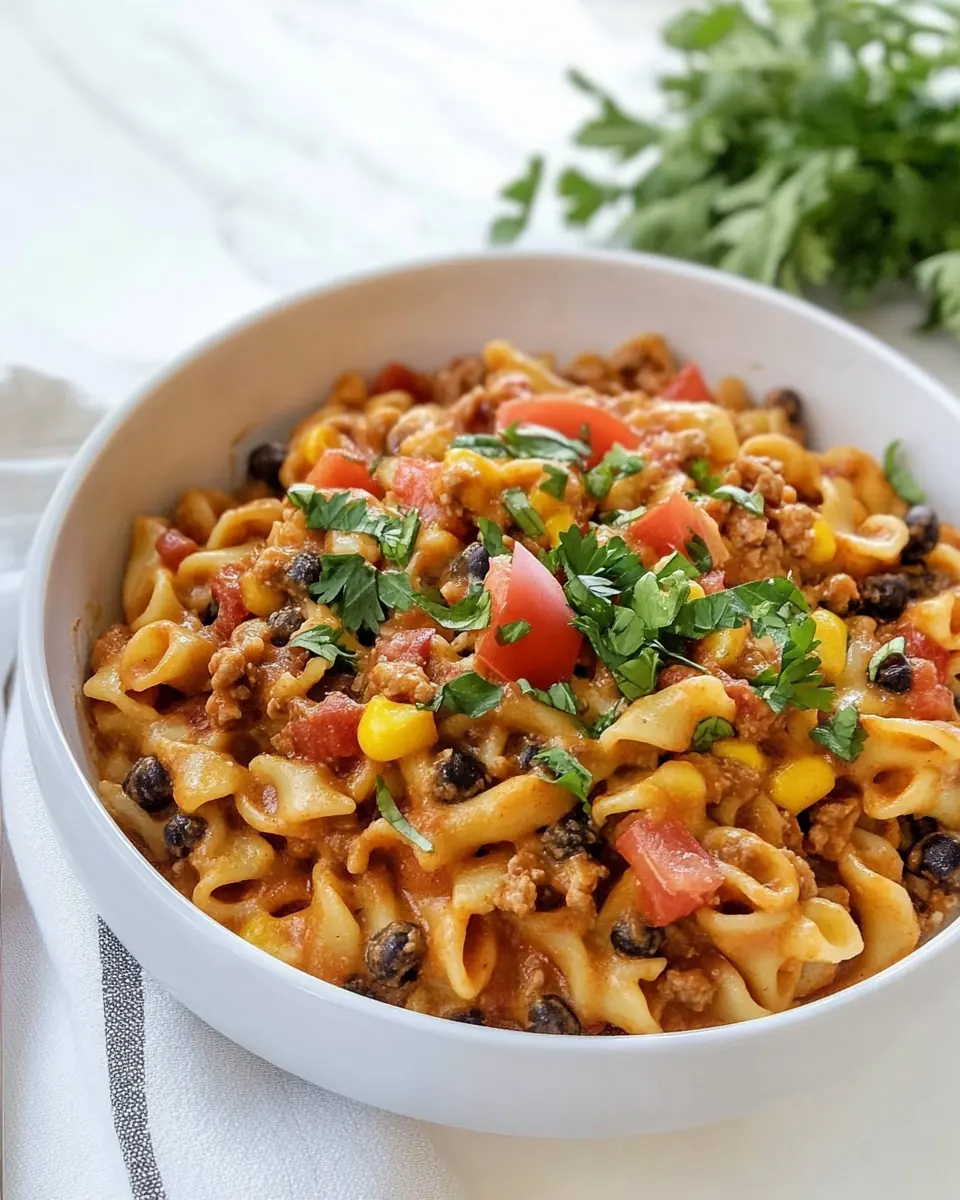
This ingredient list is built around a philosophy of simplicity and harmony. Each item plays a clear role: the olive oil starts the flavor base, onion and garlic build aroma, the ground turkey provides lean protein, canned goods add convenience and depth, and cheddar cheese finishes the dish with richness. Together they create a balanced, one pot meal that is both approachable and satisfying.
- 1 tablespoon olive oil: Sauté briefly to provide a flavorful cooking fat and help brown aromatics and proteins while adding a subtle fruity taste.
- 1 small yellow onion, diced (about 1 cup): Dice finely to build a sweet, savory base and provide texture; sweating the onion releases moisture and enhances overall flavor complexity.
- 3 cloves garlic, minced: Minced finely to release pungent, aromatic oils that brighten the dish and cut through richness when added near the beginning of cooking.
- 1 pound lean ground turkey: Brown thoroughly to develop savory depth and meaty texture; lean turkey absorbs seasonings and becomes the primary protein component.
- Salt and pepper to taste: Season lightly during cooking to enhance and balance flavors; adjusting salt and pepper lets you control overall taste intensity.
- 1 packet taco seasoning (1-ounce): Sprinkle evenly to deliver a concentrated blend of spices that defines the dish’s Mexican-inspired flavor and simplifies seasoning.
- 1 can diced tomatoes with green chilies (14 1/2 ounces): Stir in with juices to add acidity, roasted tomato sweetness, and a gentle kick from green chilies that complements the taco profile.
- 2 cups low-sodium chicken broth: Pour in to create a simmering liquid that cooks the pasta and helps meld flavors while keeping the dish moist without overpowering sodium.
- 3/4 cup canned black beans, rinsed and drained: Rinse and fold in to contribute creamy texture, extra protein, and a hint of earthiness while reducing canned saltiness.
- 3/4 cup corn kernels, fresh or frozen: Add for pops of natural sweetness and crunchy texture; use fresh or thawed frozen corn to brighten the overall dish.
- 8 ounces medium pasta shells: Boil until al dente to provide a tender, starchy base that soaks up sauce and unites the other ingredients into a cohesive pasta dish.
- 1 1/4 cups cheddar cheese, shredded: Stir in and melt to add creamy, sharp richness that binds the pasta and taco flavors, creating a satisfying, cheesy finish.
- Fresh cilantro, chopped, , for garnish (optional): Chop and sprinkle as a fresh, herbaceous garnish to impart bright contrast and lift the rich, savory elements of the finished recipe.
Cooking Method for Taco Pasta
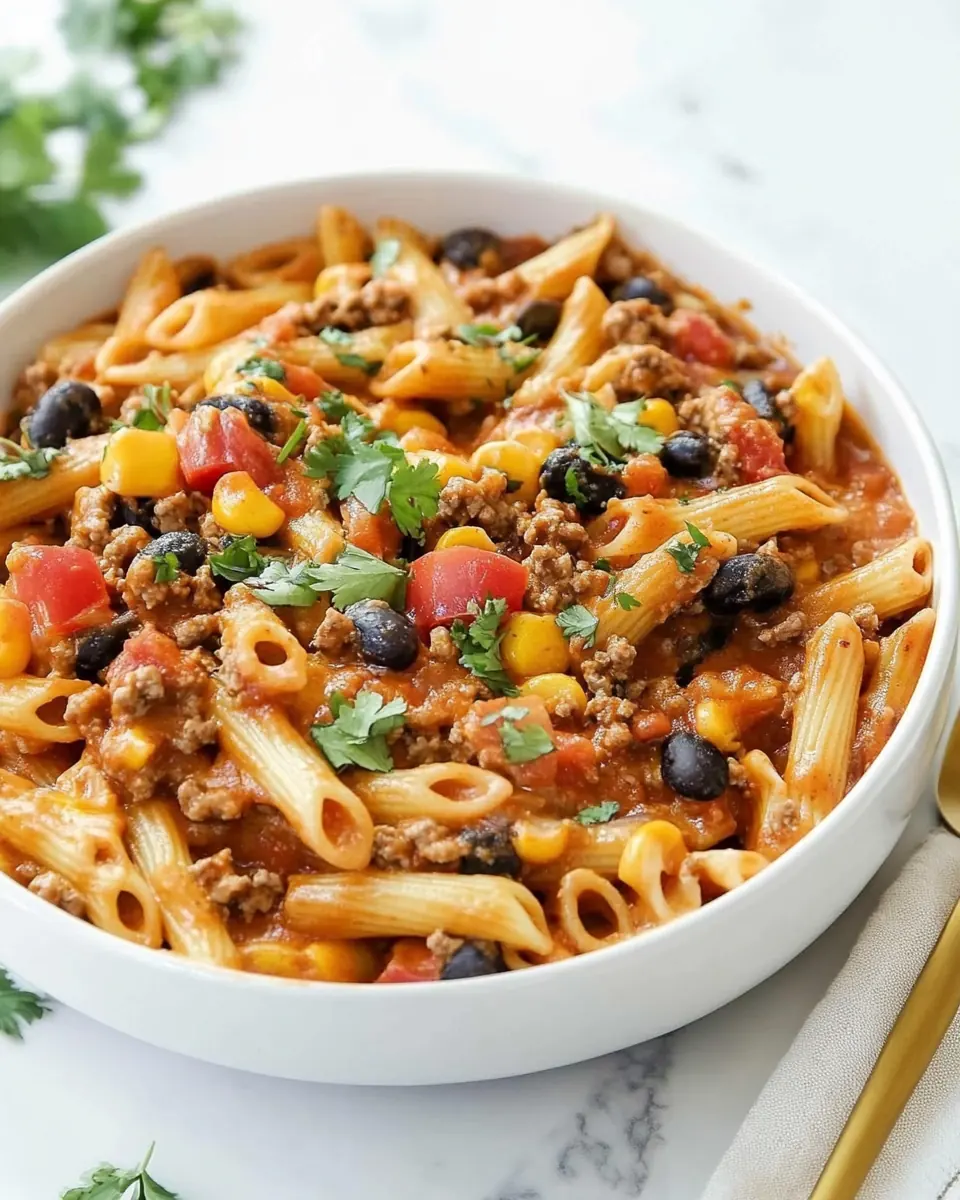
These steps guide you through building flavor from sauté to finish, with sensory cues and troubleshooting along the way. I will walk you through each action so you can feel confident at the stove, tune textures, and understand why each moment matters for the final bowl.
- Heat the olive oil in a large pot over medium-high heat. Add the diced onion and minced garlic. Sauté until the onion softens, about 2-3 minutes.: You will notice the oil shimmer and thin out, signaling it is hot enough. As the oil warms you may smell a faint fruity note if the oil is fresh. This stage readies the pan to quickly soften the onion without sticking. If your oil smokes, the heat is too high, so lower it at once to prevent bitter flavors. A common slip here is adding the onion to a pan that is not hot enough, which causes the pieces to sit and steam rather than develop gentle caramelization.
- Place the ground turkey in the pot. Season it with salt and pepper. Cook while breaking the meat apart with a spoon until browned and no longer pink, which should take about 5 to 7 minutes.: The sound should transition from a quiet hiss to a lively, gentle sizzle, and the onion will start to become translucent within a couple of minutes. The garlic will release sharp aroma quickly, so watch closely to keep it from browning. If the garlic browns and smells harsh, remove the pan from heat briefly to cool and continue at a lower temperature. Stir frequently to ensure even softening without color.
- Mix in the taco seasoning, diced tomatoes (including their juice), chicken broth, black beans, and corn. Bring the mixture to a boil. Add the pasta shells. Stir, reduce the heat, cover, and let simmer for 8-12 minutes or until the pasta is tender. Stir occasionally to prevent the pasta from sticking.: Look for the onion to lose its raw opacity and take on a glossy surface, that is your cue. The aroma will move from sharp to slightly sweet, signaling readiness for the next ingredient. Avoid letting the pan dry out, a little oil should remain to coat the pieces, if not add a splash of broth to prevent sticking.
- Remove the pot from the heat and gradually stir in the shredded cheddar cheese until fully melted, creating a creamy sauce.: As you add the ground turkey you will hear the sizzle deepen. Break the meat into smaller pieces with your spoon so it contacts the pan evenly, creating those toasty browned bits that add deep flavor. Let it sit a few moments before stirring to encourage browning. If you constantly scrape the meat you will steam it instead, losing that caramelized flavor.
- Season to taste with salt and pepper as needed. Garnish with chopped fresh cilantro, if desired. Serve hot.: Add a measured sprinkle of salt and pepper while the meat cooks so the seasoning penetrates. You will smell the spices bloom against the warm meat, enhancing the kitchen aroma. Be cautious with the amount because the taco seasoning later will add more savory notes. Over-seasoning early can make the final dish too salty.
- Cook while breaking the meat apart with a spoon until browned and no longer pink: The turkey should change color uniformly and develop small browned flecks, which are flavor gold. Use moderate heat so the outside browns while the interior cooks through. A common mistake is rushing this step at very high heat, which browns the outside too fast and leaves the inside undercooked.
- Mix in the taco seasoning, diced tomatoes including their juice, chicken broth, black beans, and corn: When you stir these together the pot will hiss softly as the juices meet the hot pan, and a fragrant steam will rise. The taco seasoning should distribute evenly so each bite tastes balanced. If the mixture clumps or the seasoning seems stuck to the bottom, stir and scrape gently to integrate, and lower the heat if necessary to avoid burning the spices.
- Bring the mixture to a boil: You will see larger bubbles breaking the surface and a steady steam plume. Boiling helps the flavors meld and prepares the liquid for cooking the pasta . Keep an eye on the pot because once it reaches a boil it can foam or bubble over; reduce heat slightly to maintain a controlled, rolling boil rather than a turbulent one.
- Add the pasta shells: As the dry pasta hits the hot broth you will hear a muffled plink and soon after a soft simmer as the starches begin to release. Stir to separate the shells and ensure they are submerged so they cook evenly. Accidentally leaving the pasta on top will produce uneven textures, with some pieces undercooked.
- Stir reduce the heat cover and let simmer for 8 to 12 minutes or until the pasta is tender: During this simmer you will see the sauce thicken as the pasta releases starch, creating a creamier body. Check the texture near the lower end of the time window and then every minute to hit the al dente point you prefer. Overcooking will make the shells collapse and the sauce too thick, so taste a piece to confirm doneness.
- Stir occasionally to prevent the pasta from sticking: Gentle stirring will keep the shells separate and ensure even absorption of liquid. You should hear soft movement, not loud scraping, and visually the sauce should remain cohesive. If the mixture looks too dry before the pasta is done, add a few tablespoons of broth to maintain a silky consistency. Vigorous stirring can break the pasta, so be gentle.
- Remove the pot from the heat and gradually stir in the shredded cheddar cheese until fully melted: Off the heat the cheddar cheese will melt into a glossy, velvety sauce without becoming grainy. Add it in batches and stir slowly so it folds in smoothly. If the cheese seizes or clumps, a splash of warm broth and brisk stirring will help bring it back to a silky state. Avoid returning the pot to high heat which can cause separation.
- Season to taste with salt and pepper as needed: With the components combined you can now finely tune the seasoning. The cheddar cheese , broth , and canned tomatoes have already contributed sodium, so taste cautiously. A final burst of salt can sharpen flavors, but add little by little and taste between additions to prevent oversalting.
- Garnish with chopped fresh cilantro if desired: The bright herbal scent of fresh cilantro at the end lifts the entire dish. Sprinkle just before serving so it remains vibrant and not wilted. If cilantro is not for you, leave it off, but be mindful that adding it earlier will dull its freshness.
- Serve hot: The dish presents best warm, with cheese still slightly glossy. Use a ladle to scoop the pasta shells and sauce into bowls so you capture both solids and liquid. If you let it sit too long the sauce will congeal; reheat gently with a splash of broth to revive creaminess.
Recipe Notes about Taco Pasta
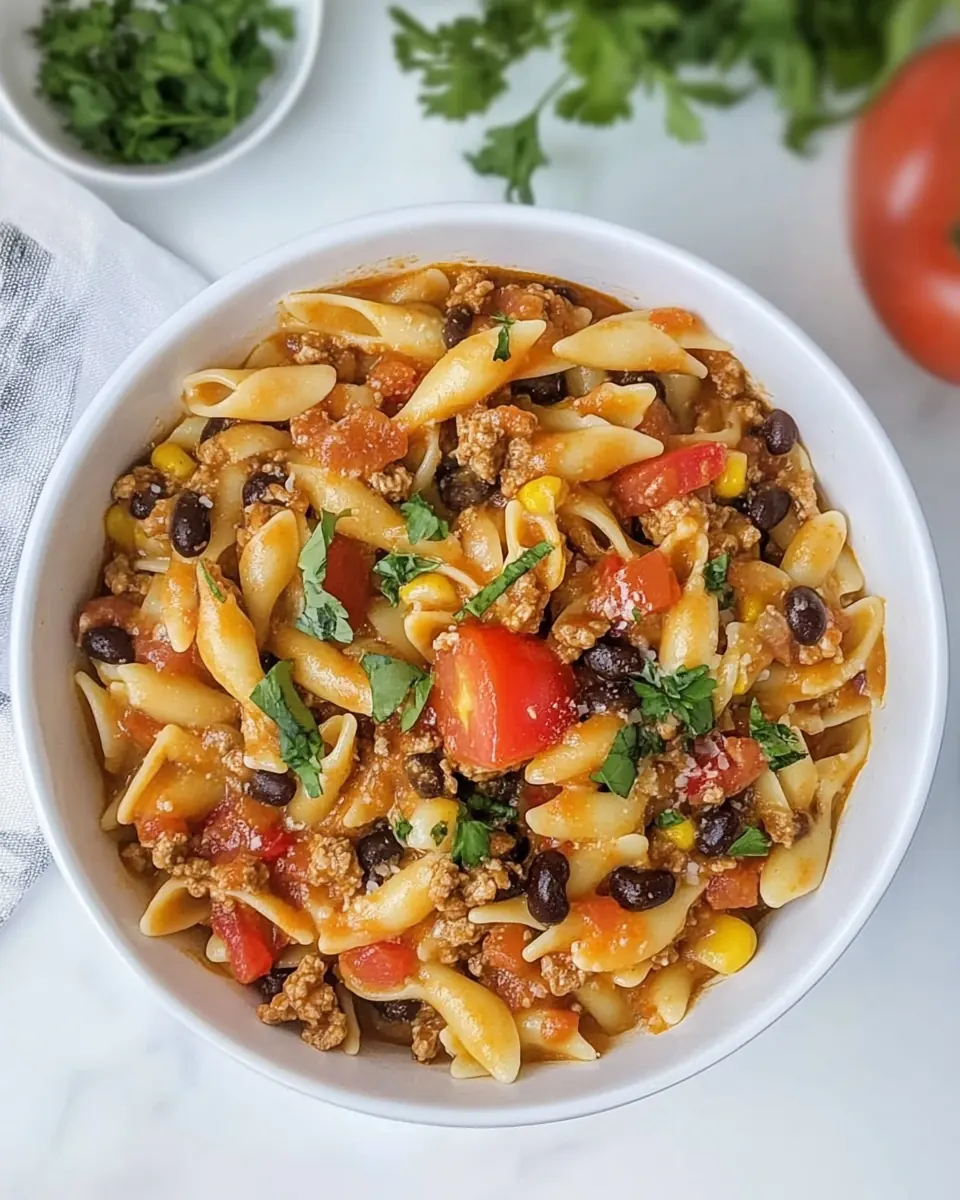
I keep a running list of practical notes for Taco Pasta that help me hit the best results every time. These tips cover timing, texture, and small technique shifts that make the difference between okay and memorable. Below are focused pointers I use in my kitchen.
- Use freshly grated cheese, it melts more smoothly and gives a silkier texture than pre-shredded blends which often contain anti caking agents that inhibit melting.
- Mind your simmer, maintain a gentle simmer while the pasta cooks to prevent foaming and sticking, and stir occasionally to keep shells separated.
- Adjust heat before adding cheese, removing the pot from the heat prevents the cheddar cheese from overheating and separating, producing a creamier finish.
- Reserve extra broth, keeping a little warm broth on hand lets you loosen the sauce if it thickens too much while the pasta rests.
- Make it ahead for convenience, the dish reheats well with a splash of broth and is great for packed lunches, just keep garnishes like cilantro for fresh service.
What to Serve Alongside Taco Pasta
This dish pairs well with a range of simple sides and occasions, and the list below highlights serving ideas, storage tips, and seasonal pairings that suit casual lunches to family dinners. Each suggestion includes how to present or store the dish for best enjoyment.
- Light green salad with a tangy vinaigrette for contrast, ideal for dinner when you want freshness alongside the creamy pasta.
- Warm crusty bread or soft rolls to sop up any extra sauce, nice for family style meals and informal gatherings.
- Simple roasted vegetables like zucchini or bell peppers for added color and a roasted flavor note that complements the taco spices.
- For lunch serve smaller portions with a side of raw veggies and a dollop of Greek yogurt, making it a balanced midday option.
- For casual dinner parties double the recipe and keep it in a warm slow setting or covered in the oven at low heat, replenishing with a little broth if it thickens.
- Storage tips store cooled leftovers in airtight containers in the refrigerator for up to three days, and reheat gently with a splash of broth to restore creaminess.
- Seasonal pairing in cooler months serve with heartier sides like roasted squash, while in summer keep it light with a citrusy salad and fresh herbs.
FAQ
Conclusion
Taco Pasta shines because it brings together bold taco flavors and comforting pasta into a single, satisfying pot. It is quick to prepare, uses pantry friendly ingredients, and offers a pleasing balance of protein, starch, and veggies. I encourage you to give it a try on a busy weeknight or when you need a crowd pleaser that does not demand a lot of hands on time. It warms up beautifully the next day and invites small tweaks so you can make it truly your own, from extra cheese to a brighter herb garnish.
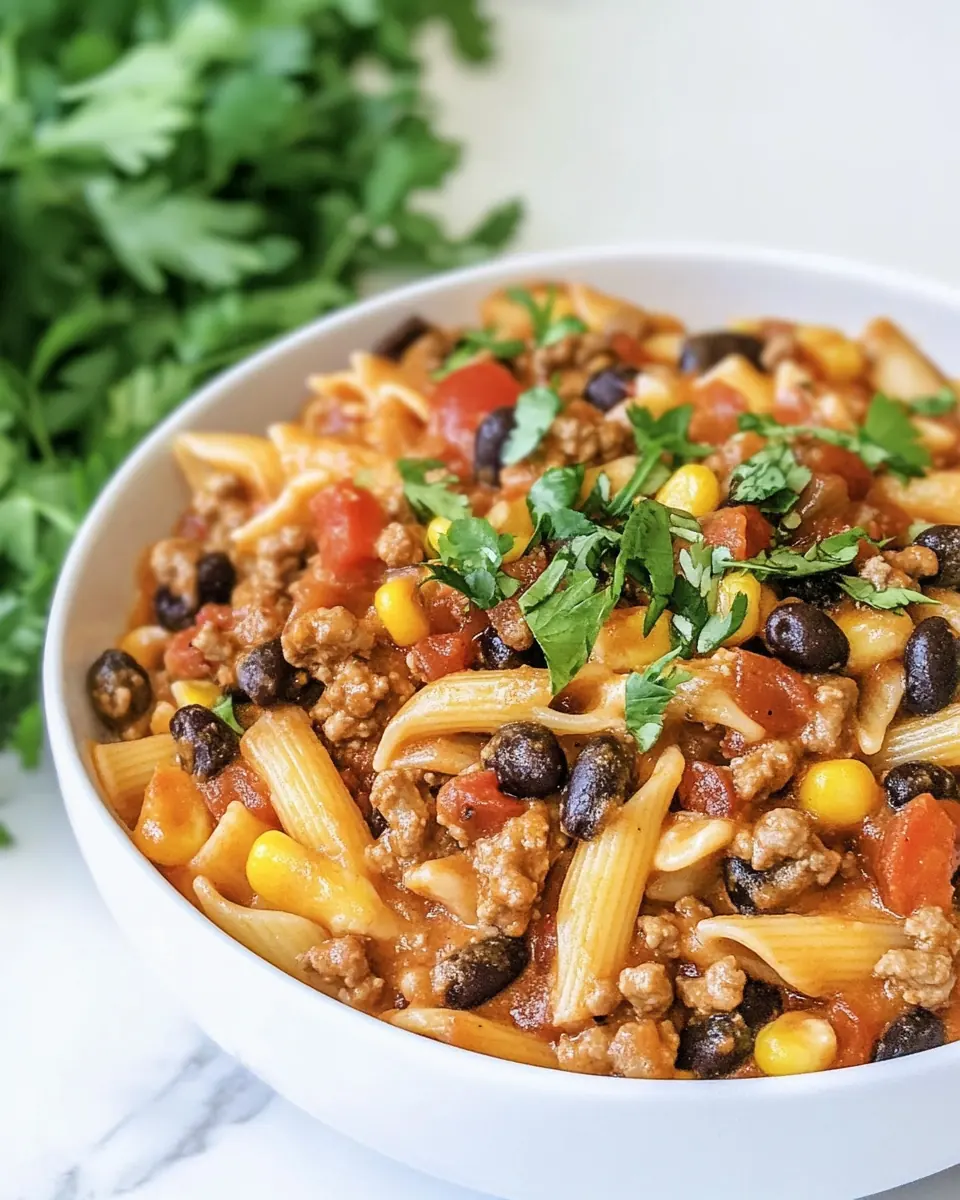
Taco Pasta
Ingredients
Equipment
Method
- Heat the olive oil in a large pot over medium-high heat. Add the diced onion and minced garlic. Sauté until the onion softens, about 2-3 minutes.: You will notice the oil shimmer and thin out, signaling it is hot enough. As the oil warms you may smell a faint fruity note if the oil is fresh. This stage readies the pan to quickly soften the onion without sticking. If your oil smokes, the heat is too high, so lower it at once to prevent bitter flavors. A common slip here is adding the onion to a pan that is not hot enough, which causes the pieces to sit and steam rather than develop gentle caramelization.
- Place the ground turkey in the pot. Season it with salt and pepper. Cook while breaking the meat apart with a spoon until browned and no longer pink, which should take about 5 to 7 minutes.: The sound should transition from a quiet hiss to a lively, gentle sizzle, and the onion will start to become translucent within a couple of minutes. The garlic will release sharp aroma quickly, so watch closely to keep it from browning. If the garlic browns and smells harsh, remove the pan from heat briefly to cool and continue at a lower temperature. Stir frequently to ensure even softening without color.
- Mix in the taco seasoning, diced tomatoes (including their juice), chicken broth, black beans, and corn. Bring the mixture to a boil. Add the pasta shells. Stir, reduce the heat, cover, and let simmer for 8-12 minutes or until the pasta is tender. Stir occasionally to prevent the pasta from sticking.: Look for the onion to lose its raw opacity and take on a glossy surface, that is your cue. The aroma will move from sharp to slightly sweet, signaling readiness for the next ingredient. Avoid letting the pan dry out, a little oil should remain to coat the pieces, if not add a splash of broth to prevent sticking.
- Remove the pot from the heat and gradually stir in the shredded cheddar cheese until fully melted, creating a creamy sauce.: As you add the ground turkey you will hear the sizzle deepen. Break the meat into smaller pieces with your spoon so it contacts the pan evenly, creating those toasty browned bits that add deep flavor. Let it sit a few moments before stirring to encourage browning. If you constantly scrape the meat you will steam it instead, losing that caramelized flavor.
- Season to taste with salt and pepper as needed. Garnish with chopped fresh cilantro, if desired. Serve hot.: Add a measured sprinkle of salt and pepper while the meat cooks so the seasoning penetrates. You will smell the spices bloom against the warm meat, enhancing the kitchen aroma. Be cautious with the amount because the taco seasoning later will add more savory notes. Over-seasoning early can make the final dish too salty.
- Cook while breaking the meat apart with a spoon until browned and no longer pink: The turkey should change color uniformly and develop small browned flecks, which are flavor gold. Use moderate heat so the outside browns while the interior cooks through. A common mistake is rushing this step at very high heat, which browns the outside too fast and leaves the inside undercooked.
- Mix in the taco seasoning, diced tomatoes including their juice, chicken broth, black beans, and corn: When you stir these together the pot will hiss softly as the juices meet the hot pan, and a fragrant steam will rise. The taco seasoning should distribute evenly so each bite tastes balanced. If the mixture clumps or the seasoning seems stuck to the bottom, stir and scrape gently to integrate, and lower the heat if necessary to avoid burning the spices.
- Bring the mixture to a boil: You will see larger bubbles breaking the surface and a steady steam plume. Boiling helps the flavors meld and prepares the liquid for cooking the pasta . Keep an eye on the pot because once it reaches a boil it can foam or bubble over; reduce heat slightly to maintain a controlled, rolling boil rather than a turbulent one.
- Add the pasta shells: As the dry pasta hits the hot broth you will hear a muffled plink and soon after a soft simmer as the starches begin to release. Stir to separate the shells and ensure they are submerged so they cook evenly. Accidentally leaving the pasta on top will produce uneven textures, with some pieces undercooked.
- Stir reduce the heat cover and let simmer for 8 to 12 minutes or until the pasta is tender: During this simmer you will see the sauce thicken as the pasta releases starch, creating a creamier body. Check the texture near the lower end of the time window and then every minute to hit the al dente point you prefer. Overcooking will make the shells collapse and the sauce too thick, so taste a piece to confirm doneness.
- Stir occasionally to prevent the pasta from sticking: Gentle stirring will keep the shells separate and ensure even absorption of liquid. You should hear soft movement, not loud scraping, and visually the sauce should remain cohesive. If the mixture looks too dry before the pasta is done, add a few tablespoons of broth to maintain a silky consistency. Vigorous stirring can break the pasta, so be gentle.
- Remove the pot from the heat and gradually stir in the shredded cheddar cheese until fully melted: Off the heat the cheddar cheese will melt into a glossy, velvety sauce without becoming grainy. Add it in batches and stir slowly so it folds in smoothly. If the cheese seizes or clumps, a splash of warm broth and brisk stirring will help bring it back to a silky state. Avoid returning the pot to high heat which can cause separation.
- Season to taste with salt and pepper as needed: With the components combined you can now finely tune the seasoning. The cheddar cheese , broth , and canned tomatoes have already contributed sodium, so taste cautiously. A final burst of salt can sharpen flavors, but add little by little and taste between additions to prevent oversalting.
- Garnish with chopped fresh cilantro if desired: The bright herbal scent of fresh cilantro at the end lifts the entire dish. Sprinkle just before serving so it remains vibrant and not wilted. If cilantro is not for you, leave it off, but be mindful that adding it earlier will dull its freshness.
- Serve hot: The dish presents best warm, with cheese still slightly glossy. Use a ladle to scoop the pasta shells and sauce into bowls so you capture both solids and liquid. If you let it sit too long the sauce will congeal; reheat gently with a splash of broth to revive creaminess.
Notes
- Use freshly grated cheese, it melts more smoothly and gives a silkier texture than pre-shredded blends which often contain anti caking agents that inhibit melting.
- Mind your simmer, maintain a gentle simmer while the pasta cooks to prevent foaming and sticking, and stir occasionally to keep shells separated.
- Adjust heat before adding cheese, removing the pot from the heat prevents the cheddar cheese from overheating and separating, producing a creamier finish.
- Reserve extra broth, keeping a little warm broth on hand lets you loosen the sauce if it thickens too much while the pasta rests.
- Make it ahead for convenience, the dish reheats well with a splash of broth and is great for packed lunches, just keep garnishes like cilantro for fresh service.