Rustic Strawberry Galette
Rustic Strawberry Galette is one of those desserts I turn to when I want something both cozy and a little wild around the edges. The first time I made it, I remember the kitchen filling with the bright, warm aroma of strawberries and jam as the butter and cornmeal in the crust browned ever so slightly. I was cooking for a small gathering of friends who love simple, honest food, and this galette felt like the kind of thing you bring when you want to share warmth without fussy formality.
I like how the texture changes from tender, crumbly crust to juicy, glossy strawberries in the center, and how the cookie crumbs add a subtle crunch that makes each bite interesting. We ate it straight from the sheet pan, forks forgotten, breaking off imperfect wedges. One of my friends declared it the best thing they had eaten all spring, and that memory alone keeps me coming back to the recipe whenever berries are at their peak.
What I love most about Rustic Strawberry Galette is how forgiving it is. You can roll the dough roughly, pile the fruit artfully or carelessly, and it still sings. There’s a lovely contrast between the slightly coarse feel of cornmeal in the crust and the silky jam coating the berries, and that little sprinkle of turbinado on the edge gives a satisfying crunch. Over the years I’ve learned small tricks that make the process feel effortless, and I enjoy sharing them when we gather around the table.
Recipe Snapshot
1 hr 10 mins
25 mins
45 mins
Medium
250 kcal
American
Gluten-Free, Low FODMAP
Desserts
Food processor, Baking sheet, Parchment paper, Wire rack
What You’ll Enjoy About This Rustic Strawberry Galette
Short ingredient list, big flavor payoff
I love how Rustic Strawberry Galette uses pantry-friendly staples to create something that tastes like spring. With a few pantry items and fresh strawberries, you get an impressive dessert that does not demand complicated technique. That simplicity makes it approachable for weeknight baking and for weekend projects alike.
Texture contrast that keeps you coming back
The interplay between the tender crust and juicy filling is what hooked me. The inclusion of cornmeal and crumbled shortbread brings a rustic, slightly gritty texture that plays against the soft berry flesh. I like that every bite feels layered, and it encourages slow, appreciative eating rather than rush.
Visually charming without perfection
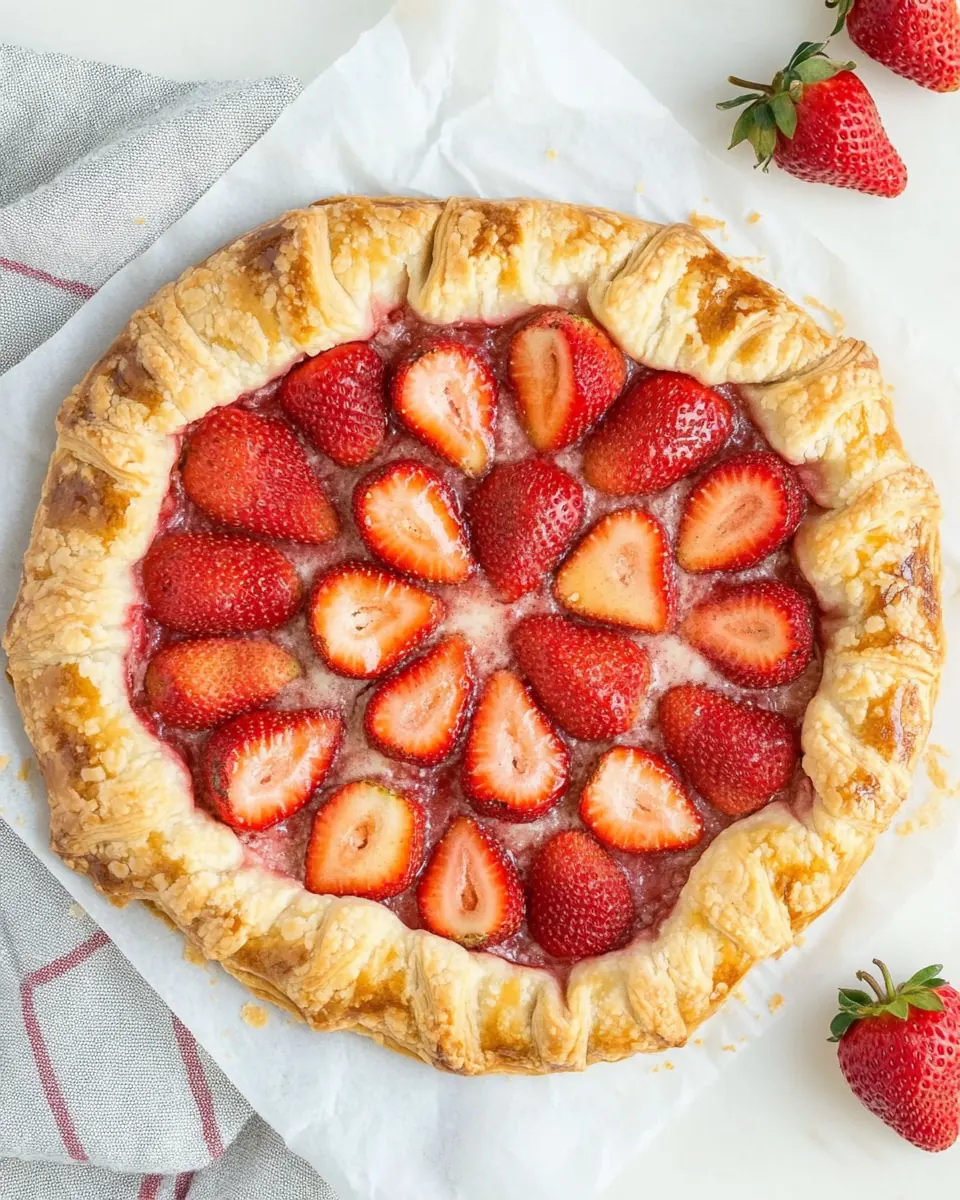
I rarely fuss over perfection with this galette. The freeform fold and overlapping strawberries create a homey, attractive look that guests always compliment. This relaxed aesthetic is part of the recipe’s personality, making it ideal for casual gatherings when you want something pretty without pressure.
Flexible and forgiving technique
I’ve made this galette with slight timing or temperature variations and it still turns out well. The dough chills and can rest overnight, giving you flexibility. If your fruit is extra juicy, a little extra baking time or a thicker jam helps, and if your crust seems dry, a touch more buttermilk brings it back to life.
A dessert that celebrates seasonal fruit
Above all, Rustic Strawberry Galette elevates fresh strawberries without masking them. It’s an honest celebration of seasonal produce, and I find it perfect for spring gatherings when berries are sweetest. It invites sharing, conversation, and that comforting pleasure of a homemade, fruit forward dessert.
What Goes Into Rustic Strawberry Galette
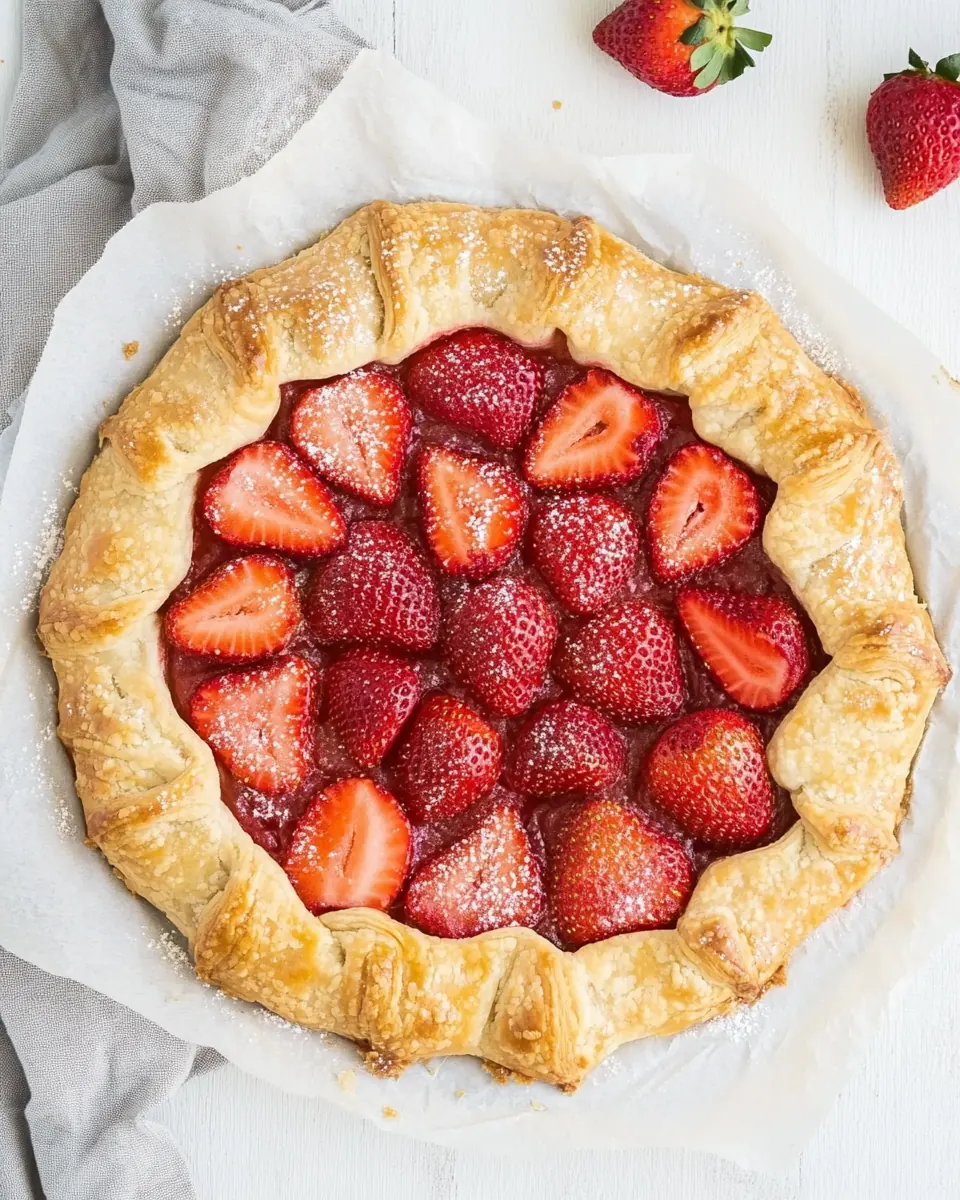
The philosophy here is straightforward: support the bright, juicy strawberries with a sturdy yet tender crust, a touch of sweetness, and a little textural interest. The key players are the flour and butter for structure and flakiness, cornmeal for character, jam to intensify fruit flavor, and crumbled cookies to keep the base from getting soggy. Each ingredient has a job, from binding to browning to adding crunch.
- 1 3/4 cups all purpose flour: Provide structure and body to the dough, creating the pastry’s base and helping it hold shape while baking; combine with fat and liquid to form a tender, workable crust.
- 1/3 cup granulated white sugar: Add sweetness and enhance browning of the pastry, balancing tartness from the fruit while dissolving into the dough for an even sweet flavor throughout the galette.
- 1/4 cup whole grain cornmeal (can sub regular cornmeal): Contribute a subtle, nutty texture and slight grit that contrasts with the tender crust; help absorb some moisture and add a rustic element to the pastry.
- 1/4 teaspoons salt: Season the dough lightly to bring out the flavors of the crust and filling; help balance sweetness and round out the overall taste of the galette.
- 1/2 cup cold butter, cut into pieces: Introduce cold fat that, when cut into flour, creates flaky layers and tender crumb in the crust; maintain chill so pastry bakes up crisp and buttery.
- 1/3 cup low fat buttermilk: Provide the liquid to bind the flour and fat together, contributing tenderness and slight tang that complements the fruit filling in the crust.
- 1/3 cup fig or apricot jam: Add concentrated fruit flavor and sweetness to the filling, giving depth and a jammy element that enhances the strawberry filling’s body and glaze.
- 1/2 cup finely crumbled shortbread cookies (can sub crumbled graham crackers): Introduce a crunchy, buttery component that adds texture to the topping or crust and helps absorb excess filling juices while contributing a cookie-like note.
- 3 to 4 cups fresh strawberries, stems removed and cut in half: Deliver fresh, bright flavor and juicy texture as the galette’s main fruit; provide natural sweetness and acidity that soften and caramelize during baking.
- 1 tablespoon granulated white sugar: Sprinkle sweetness over the fruit to enhance natural sugars and encourage caramelization, creating a glossy, slightly sweet finish on the filling.
- 1/4 teaspoon ground cinnamon: Impart warm, aromatic spice that complements strawberries and sugar, adding complexity and a subtle depth to the fruit filling.
- 1 large egg white: Glaze edges or fruit with a protein-rich coating that helps binding and shine; when brushed on, it promotes browning and helps sugar adhere.
- 1 tablespoon milk: Thin the egg white for easier brushing, helping the glaze spread evenly over pastry edges or fruit and contributing to a delicate sheen.
- 1 tablespoon turbinado sugar (can sub regular white sugar): Create a coarse, crunchy topping that adds visual appeal and a satisfying contrast of texture to the baked crust and fruit, enhancing the rustic finish.
The Method for Rustic Strawberry Galette
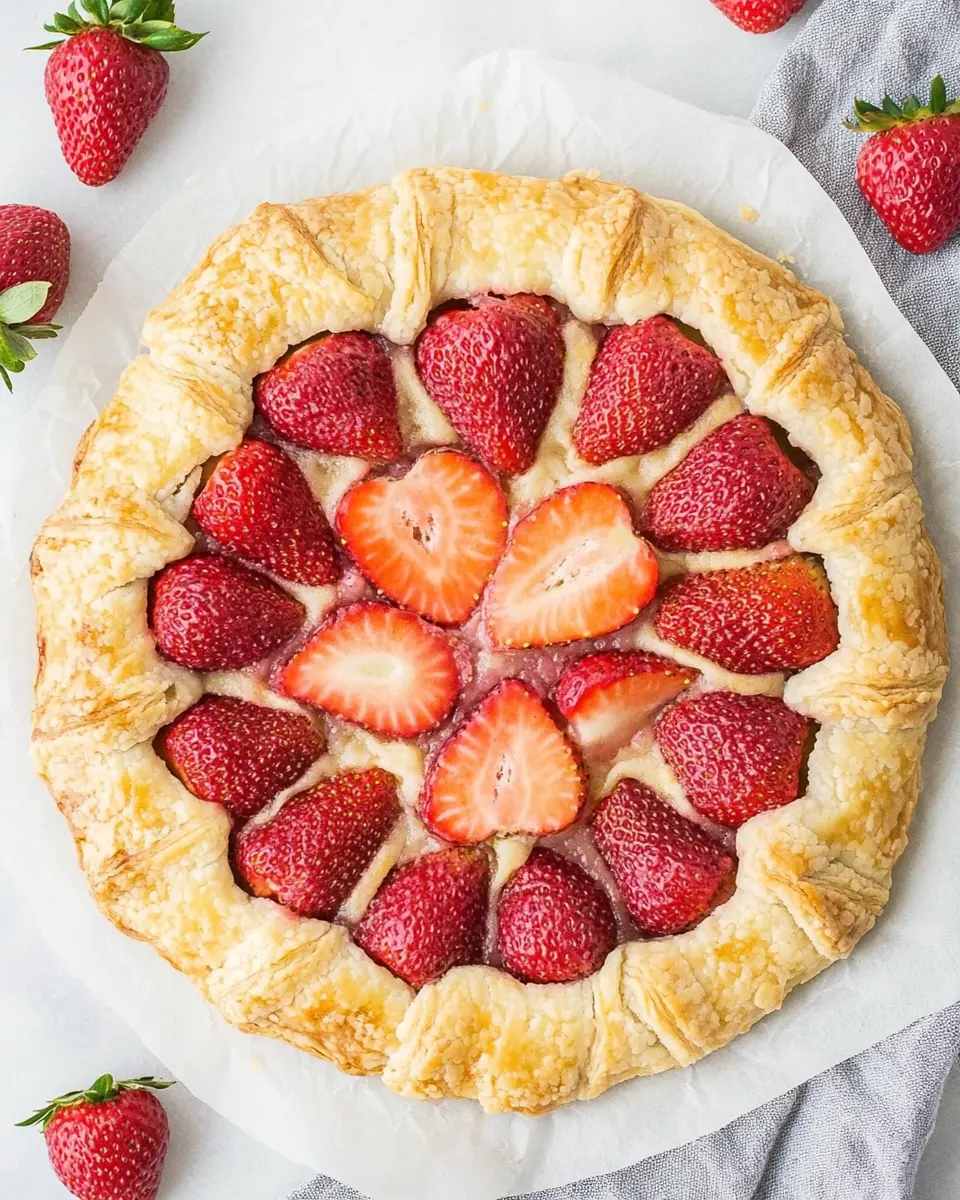
These steps guide you through building the crust, arranging the filling, and baking until golden. I like to move deliberately but not fret over perfection. Keep tools close and a pastry scraper handy, and remember that small sensory cues are your best indicators of success.
- In a food processor, combine the flour, sugar, cornmeal and salt; pulse 3 to 4 times. Add the butter and pulse until the mixture resembles coarse crumbs. While the processor is running, slowly drizzle the buttermilk into the crumbs. Continue processing until the dough comes together into a ball.: You will notice a slightly dusty, sweet aroma as the dry ingredients mix, and the pale flour will look homogenous with little flecks of cornmeal dotted throughout; this even distribution matters because it ensures the cornmeal will toast uniformly during baking, adding that gentle grit to the crust. One common mistake is overpulsing and creating compacted flour, which can reduce flakiness, so pulse just enough to blend and keep the mixture light and airy.
- Remove the dough from the processor and form a ball, incorporating any stray crumbs. Wrap the dough in plastic wrap and refrigerate for about an hour (overnight is fine too).: At this point, you will see pea sized chunks of butter coated in flour, and the texture should be crumbly and cool to the touch; these butter pockets are what create layers in the baked crust. If the mixture becomes pasty from soft butter, pop it in the fridge briefly, because warm butter will yield a tough crust.
- Place the rack in the center of the oven and preheat the oven to 350°F. Line a baking sheet with parchment paper.: As the buttermilk hits the crumbs you will smell a faint tang and the dough begins to coalesce, looking slightly glossy where moisture binds the flour; slow addition prevents overhydration, so stop when the dough just starts to hold together. Overpouring is a frequent misstep, leading to overly wet dough that is hard to roll, so add conservatively.
- Remove the dough from the refrigerator and place it on the parchment-lined baking sheet. Roll out the dough into a 14 to 15-inch wide round-ish circle (it doesn't have to be perfect).: The dough will gather around the blade and form a cohesive mass, slightly tacky but not sticky; this ball indicates proper hydration and signals you to stop processing to preserve texture. If you keep blending, the crust can become tough, so handle minimally from here on.
- Spread the jam on the dough, leaving about a 1 1/2-inch border around the edges. Sprinkle the cookie crumbs on top of the jam. Place the berries, cut side down in a decorative fashion on top of crumbs. Overlap some of them to make sure all crumbs are covered, making two layers of strawberries. Mix sugar/cinnamon and lightly sprinkle the tops of the strawberries with the mixture.: When you shape the dough by hand it should feel cool and slightly firm, with visible butter bits; press gently to incorporate crumbs without warming the dough too much. A common error is overworking the dough, which warms the butter and ruins flakiness, so be gentle and quick.
- Gently fold edges of the dough back over the strawberries (all the way around).: Chilling firms the butter , relaxes gluten, and makes the dough easier to roll; the smell becomes more muted and the texture more manageable. If you skip chilling, the dough will be sticky and hard to shape, and the crust may lose its flaky lift.
- In a small bowl, whisk the egg white and milk together. Brush the edges of the dough with the egg wash, and sprinkle with turbinado sugar.: Preheating ensures even oven spring and browning; you will sense a warm oven air and the temperature stability helps the crust develop a golden exterior while the filling bubbles gently. Not preheating can lead to uneven baking, leaving the center undercooked while the edge overbrowns.
- Bake the galette for 45 minutes to 1 hour, or until the crust is golden brown and the filling is bubbly. Transfer the baking sheet to a wire rack to cool for about 30 minutes before serving. It's delicious served warm with a bit of whipped cream or ice cream, but it's also good at room temperature and served plain.: Parchment prevents sticking and promotes even bottom browning, and it will also make transferring the galette easy when it is done; the paper should sit flat and smooth so the dough rolls evenly on top. Skipping parchment can make cleanup hard and increase the chance the galette sticks and breaks when removed.
- Remove the dough from the refrigerator and place it on the parchment-lined baking sheet: The chilled dough should feel firm but pliable, and placing it on the sheet before rolling saves transfers and keeps the shape intact; the parchment protects the baking surface from any jam seepage. If the dough cracks when you roll it, you can press the cracks together gently rather than rework it too much.
- Roll out the dough into a 14 to 15-inch wide round-ish circle (it doesn't have to be perfect): As you roll you will hear a soft whisper of the rolling pin across parchment, and the dough will thin out to a slightly translucent edge; aim for even thickness so the crust bakes uniformly. Don’t obsess over perfection, but avoid very thin spots that could tear and let juices leak through.
- Spread the jam on the dough, leaving about a 1 1/2-inch border around the edges: The jam will look glossy and slightly tacky, creating a flavorful base that prevents the fruit from sliding while adding concentrated sweetness; leave the border because it folds over and seals the filling. A frequent mistake is putting jam too close to the edge, which can cause it to melt out during baking.
- Sprinkle the cookie crumbs on top of the jam: The crumbs will provide an absorbent layer that soaks up excess juices, and as they warm they release a buttery aroma that complements the crust; spread them evenly so the fruit has a stable bed. If you skip this step, the bottom of the galette can become soggy from the fruit juices.
- Place the berries, cut side down in a decorative fashion on top of crumbs: Arranging the strawberries cut side down keeps their bright surfaces exposed to heat, encouraging caramelization and a glossy finish; overlapping them creates depth and helps contain juices. A common slip is piling fruit unevenly, which can cause uneven cooking and leaking.
- Overlap some of them to make sure all crumbs are covered, making two layers of strawberries: Creating two layers gives generous fruit coverage and ensures every bite has both berries and crust; you will hear the soft thud of fruit as you place each piece, and the arrangement should look abundant but balanced. Avoid overstacking which can lead to an underbaked center.
- Mix sugar/cinnamon and lightly sprinkle the tops of the strawberries with the mixture: The sugar will glisten on the berry tops and the cinnamon adds a warming background note that surfaces as the fruit softens and begins to bubble; this light dusting promotes gentle caramelization. Too much sugar will create an overly syrupy filling, so keep the sprinkle light.
- Gently fold edges of the dough back over the strawberries (all the way around): Folding creates the rustic rim and traps some juices, while the tactile act of folding seals the edges for a cozy presentation; the crust will feel cool and slightly pliable as you work. If you fold with sweaty hands, the dough can soften too much, so cool fingers or a brief chill helps.
- In a small bowl, whisk the egg white and milk together: The mixture will shine and thin to a brushable consistency, and it helps the crust develop a glossy, even color while making the turbinado stick. If the wash is too thick the crust may brown unevenly, so thin it just enough for easy application.
- Brush the edges of the dough with the egg wash, and sprinkle with turbinado sugar: When you brush you will see the crust take on a pale sheen that turns golden in the oven, and the turbinado will look jewel like on the rim, adding crunch after baking. An over wet wash can cause sugar to sink in and burn, so apply lightly and evenly.
- Bake the galette for 45 minutes to 1 hour, or until the crust is golden brown and the filling is bubbly: During baking the kitchen fills with a warm, fruity perfume and you will notice the juices bubbling around the edges while the crust turns a deep, even gold; that bubbling indicates the filling has thickened and is hot enough to set. A common error is removing it too soon, leaving the center runny, so ensure the filling is actively bubbling before pulling it from the oven.
- Transfer the baking sheet to a wire rack to cool for about 30 minutes before serving: Cooling allows the filling to set slightly, making slicing or tearing neat wedges easier, and the crust firms to a pleasant texture; the galette will steam gently as it rests, releasing a final burst of aroma. Cutting too early risks a sloppy, leaking center, so patience yields the best presentation and texture.
- It's delicious served warm with a bit of whipped cream or ice cream, but it's also good at room temperature and served plain: Warm servings bring out the jammy, aromatic qualities and pair beautifully with creamy accompaniments, while room temperature slices highlight the texture contrasts and are easier to transport. If you plan to serve chilled, note the crust softens over time, so slightly warm before serving for the best mouthfeel.
Recipe Tips about Rustic Strawberry Galette
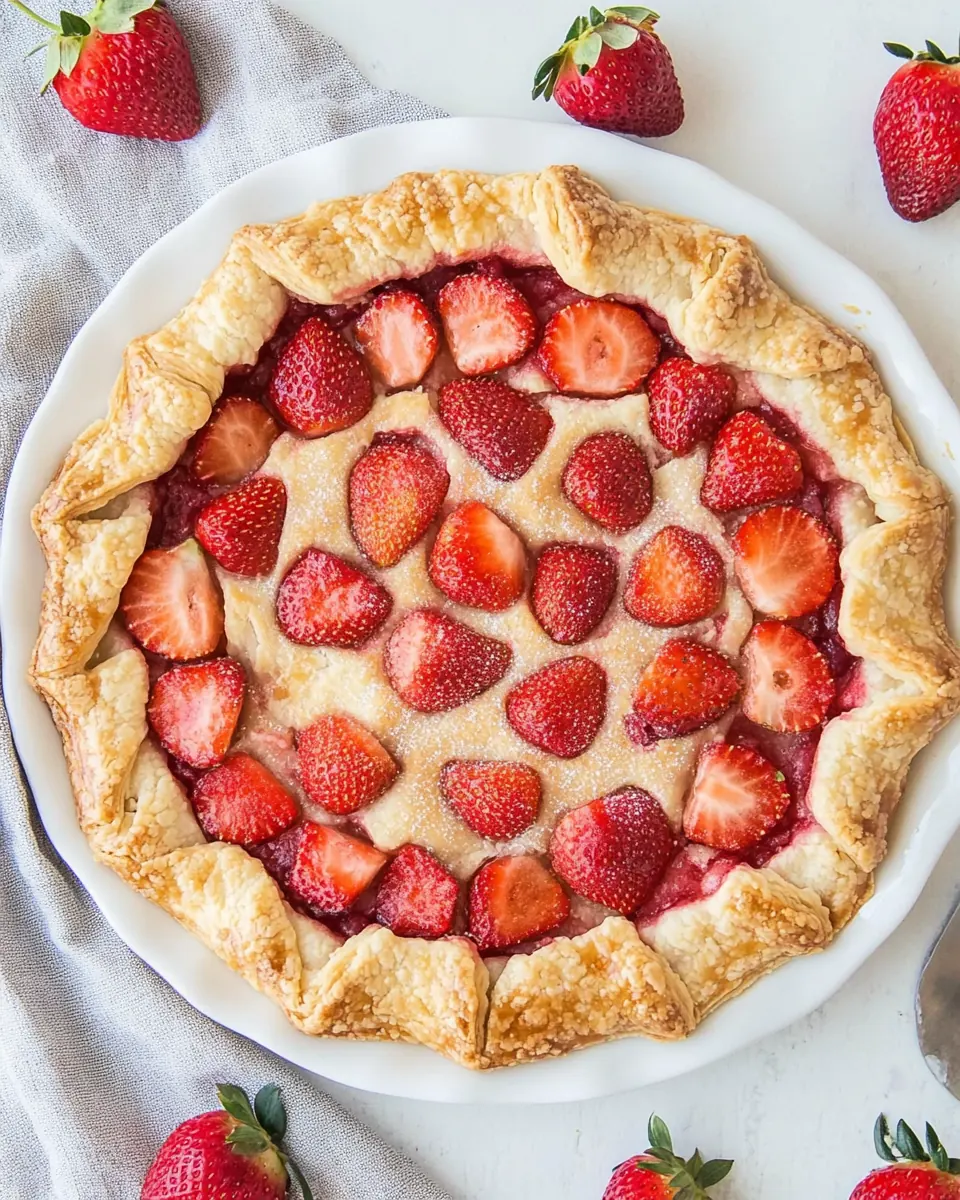
I like to think of these tips as the little nudges that make the process smoother and results more consistent. They cover timing, texture, and presentation so you feel confident from start to finish.
- Chill time matters, even a short hour in the fridge firms the dough and makes rolling easier, saving you frustration and improving crust texture.
- Layering protects against sogginess, the cookie crumb layer soaks excess juice and keeps the bottom pleasantly textured rather than mushy.
- Choose firm fruit, ripe but slightly firm strawberries hold their shape in the oven and caramelize without turning to jam.
- Light egg wash for color, a thin brush of the egg white and milk mix creates an even golden finish without burning the rim.
- Serve warm for best aroma, warming the galette brings out the jammy notes and contrasts beautifully with cool accompaniments like cream.
Serving Options for Rustic Strawberry Galette
This galette is versatile for casual or slightly dressed up occasions, and it stores well for a day or two if you need to prep ahead. Below I outline serving styles, pairings, and storage suggestions to help you plan for different gatherings.
- Casual dessert, serve slices warm from the oven on a simple plate at family dinners or weekend lunches, the rustic presentation keeps the mood relaxed and welcoming.
- Elegant finish, for a slightly more dressed occasion, add a dollop of lightly sweetened whipped cream and a mint sprig to each slice to lift the look and flavor.
- Afternoon tea, pair small wedges with a pot of hot tea or coffee for a charming springtime treat, the fruity profile complements lighter beverages.
- Picnic friendly, cool the galette completely and slice into wedges for an easy, portable dessert that travels well to outdoor gatherings or potlucks.
- Storage, keep leftovers covered at room temperature for up to one day, or refrigerate for up to three days; gently rewarm in a low oven to refresh the crust before serving.
- Seasonal pairings, celebrate spring by serving with other berry forward sides like a simple green salad with citrus, or keep it focused on dessert with vanilla ice cream for contrast.
FAQ
Conclusion
Rustic Strawberry Galette stands out for its balance of flaky, buttery crust and bright, jammy strawberries, offering an approachable yet impressive dessert. I encourage you to try it when berries are in season; its forgiving technique and bold flavor make it a reliable favorite at gatherings. Whether you serve it warm with a spoonful of whipped cream or at room temperature as a simple sweet, this galette invites sharing and relaxed enjoyment.
Rustic Strawberry Galette
Ingredients
Equipment
Method
- In a food processor, combine the flour, sugar, cornmeal and salt; pulse 3 to 4 times. Add the butter and pulse until the mixture resembles coarse crumbs. While the processor is running, slowly drizzle the buttermilk into the crumbs. Continue processing until the dough comes together into a ball.: You will notice a slightly dusty, sweet aroma as the dry ingredients mix, and the pale flour will look homogenous with little flecks of cornmeal dotted throughout; this even distribution matters because it ensures the cornmeal will toast uniformly during baking, adding that gentle grit to the crust. One common mistake is overpulsing and creating compacted flour, which can reduce flakiness, so pulse just enough to blend and keep the mixture light and airy.
- Remove the dough from the processor and form a ball, incorporating any stray crumbs. Wrap the dough in plastic wrap and refrigerate for about an hour (overnight is fine too).: At this point, you will see pea sized chunks of butter coated in flour, and the texture should be crumbly and cool to the touch; these butter pockets are what create layers in the baked crust. If the mixture becomes pasty from soft butter, pop it in the fridge briefly, because warm butter will yield a tough crust.
- Place the rack in the center of the oven and preheat the oven to 350°F. Line a baking sheet with parchment paper.: As the buttermilk hits the crumbs you will smell a faint tang and the dough begins to coalesce, looking slightly glossy where moisture binds the flour; slow addition prevents overhydration, so stop when the dough just starts to hold together. Overpouring is a frequent misstep, leading to overly wet dough that is hard to roll, so add conservatively.
- Remove the dough from the refrigerator and place it on the parchment-lined baking sheet. Roll out the dough into a 14 to 15-inch wide round-ish circle (it doesn't have to be perfect).: The dough will gather around the blade and form a cohesive mass, slightly tacky but not sticky; this ball indicates proper hydration and signals you to stop processing to preserve texture. If you keep blending, the crust can become tough, so handle minimally from here on.
- Spread the jam on the dough, leaving about a 1 1/2-inch border around the edges. Sprinkle the cookie crumbs on top of the jam. Place the berries, cut side down in a decorative fashion on top of crumbs. Overlap some of them to make sure all crumbs are covered, making two layers of strawberries. Mix sugar/cinnamon and lightly sprinkle the tops of the strawberries with the mixture.: When you shape the dough by hand it should feel cool and slightly firm, with visible butter bits; press gently to incorporate crumbs without warming the dough too much. A common error is overworking the dough, which warms the butter and ruins flakiness, so be gentle and quick.
- Gently fold edges of the dough back over the strawberries (all the way around).: Chilling firms the butter , relaxes gluten, and makes the dough easier to roll; the smell becomes more muted and the texture more manageable. If you skip chilling, the dough will be sticky and hard to shape, and the crust may lose its flaky lift.
- In a small bowl, whisk the egg white and milk together. Brush the edges of the dough with the egg wash, and sprinkle with turbinado sugar.: Preheating ensures even oven spring and browning; you will sense a warm oven air and the temperature stability helps the crust develop a golden exterior while the filling bubbles gently. Not preheating can lead to uneven baking, leaving the center undercooked while the edge overbrowns.
- Bake the galette for 45 minutes to 1 hour, or until the crust is golden brown and the filling is bubbly. Transfer the baking sheet to a wire rack to cool for about 30 minutes before serving. It's delicious served warm with a bit of whipped cream or ice cream, but it's also good at room temperature and served plain.: Parchment prevents sticking and promotes even bottom browning, and it will also make transferring the galette easy when it is done; the paper should sit flat and smooth so the dough rolls evenly on top. Skipping parchment can make cleanup hard and increase the chance the galette sticks and breaks when removed.
- Remove the dough from the refrigerator and place it on the parchment-lined baking sheet: The chilled dough should feel firm but pliable, and placing it on the sheet before rolling saves transfers and keeps the shape intact; the parchment protects the baking surface from any jam seepage. If the dough cracks when you roll it, you can press the cracks together gently rather than rework it too much.
- Roll out the dough into a 14 to 15-inch wide round-ish circle (it doesn't have to be perfect): As you roll you will hear a soft whisper of the rolling pin across parchment, and the dough will thin out to a slightly translucent edge; aim for even thickness so the crust bakes uniformly. Don’t obsess over perfection, but avoid very thin spots that could tear and let juices leak through.
- Spread the jam on the dough, leaving about a 1 1/2-inch border around the edges: The jam will look glossy and slightly tacky, creating a flavorful base that prevents the fruit from sliding while adding concentrated sweetness; leave the border because it folds over and seals the filling. A frequent mistake is putting jam too close to the edge, which can cause it to melt out during baking.
- Sprinkle the cookie crumbs on top of the jam: The crumbs will provide an absorbent layer that soaks up excess juices, and as they warm they release a buttery aroma that complements the crust; spread them evenly so the fruit has a stable bed. If you skip this step, the bottom of the galette can become soggy from the fruit juices.
- Place the berries, cut side down in a decorative fashion on top of crumbs: Arranging the strawberries cut side down keeps their bright surfaces exposed to heat, encouraging caramelization and a glossy finish; overlapping them creates depth and helps contain juices. A common slip is piling fruit unevenly, which can cause uneven cooking and leaking.
- Overlap some of them to make sure all crumbs are covered, making two layers of strawberries: Creating two layers gives generous fruit coverage and ensures every bite has both berries and crust; you will hear the soft thud of fruit as you place each piece, and the arrangement should look abundant but balanced. Avoid overstacking which can lead to an underbaked center.
- Mix sugar/cinnamon and lightly sprinkle the tops of the strawberries with the mixture: The sugar will glisten on the berry tops and the cinnamon adds a warming background note that surfaces as the fruit softens and begins to bubble; this light dusting promotes gentle caramelization. Too much sugar will create an overly syrupy filling, so keep the sprinkle light.
- Gently fold edges of the dough back over the strawberries (all the way around): Folding creates the rustic rim and traps some juices, while the tactile act of folding seals the edges for a cozy presentation; the crust will feel cool and slightly pliable as you work. If you fold with sweaty hands, the dough can soften too much, so cool fingers or a brief chill helps.
- In a small bowl, whisk the egg white and milk together: The mixture will shine and thin to a brushable consistency, and it helps the crust develop a glossy, even color while making the turbinado stick. If the wash is too thick the crust may brown unevenly, so thin it just enough for easy application.
- Brush the edges of the dough with the egg wash, and sprinkle with turbinado sugar: When you brush you will see the crust take on a pale sheen that turns golden in the oven, and the turbinado will look jewel like on the rim, adding crunch after baking. An over wet wash can cause sugar to sink in and burn, so apply lightly and evenly.
- Bake the galette for 45 minutes to 1 hour, or until the crust is golden brown and the filling is bubbly: During baking the kitchen fills with a warm, fruity perfume and you will notice the juices bubbling around the edges while the crust turns a deep, even gold; that bubbling indicates the filling has thickened and is hot enough to set. A common error is removing it too soon, leaving the center runny, so ensure the filling is actively bubbling before pulling it from the oven.
- Transfer the baking sheet to a wire rack to cool for about 30 minutes before serving: Cooling allows the filling to set slightly, making slicing or tearing neat wedges easier, and the crust firms to a pleasant texture; the galette will steam gently as it rests, releasing a final burst of aroma. Cutting too early risks a sloppy, leaking center, so patience yields the best presentation and texture.
- It's delicious served warm with a bit of whipped cream or ice cream, but it's also good at room temperature and served plain: Warm servings bring out the jammy, aromatic qualities and pair beautifully with creamy accompaniments, while room temperature slices highlight the texture contrasts and are easier to transport. If you plan to serve chilled, note the crust softens over time, so slightly warm before serving for the best mouthfeel.
Notes
- Chill time matters, even a short hour in the fridge firms the dough and makes rolling easier, saving you frustration and improving crust texture.
- Layering protects against sogginess, the cookie crumb layer soaks excess juice and keeps the bottom pleasantly textured rather than mushy.
- Choose firm fruit, ripe but slightly firm strawberries hold their shape in the oven and caramelize without turning to jam.
- Light egg wash for color, a thin brush of the egg white and milk mix creates an even golden finish without burning the rim.
- Serve warm for best aroma, warming the galette brings out the jammy notes and contrasts beautifully with cool accompaniments like cream.