Tomato Sandwich with Olive Tapenade and Hummus
Tomato Sandwich with Olive Tapenade and Hummus has been my go to when I want something bright, fast, and unapologetically savory.
I remember the first time I layered thick slices of ripe tomato with creamy hummus and a punchy olive tapenade, feeling like I had discovered a summer shortcut to lunch nirvana. I was at a long picnic table on a hot afternoon, hands still smelling faintly of sunflower oil from the jars, and that crunchy bite of bread gave the whole thing purpose. Ever since, I keep the components ready in my fridge for those afternoons when I want good eating without ceremony.
This Tomato Sandwich with Olive Tapenade and Hummus is one of those recipes that feels elevated yet wonderfully doable. I like to let the salty, briny notes from the olives and the tang of the feta have their moment while the hummus tames and unites everything. Little rituals, like toasting the bread just enough to whisper crunch beneath the juicy tomato, make a big difference. Over the years I have swapped herbs, pressed garlic differently, and tried various breads, and the core idea always sings.
Recipe Snapshot
16 mins
15 mins
1 mins
Easy
350 kcal
Mediterranean
Vegan, Gluten-Free
Appetizers
Food processor, Knife, Cutting board
What We Adore About This Tomato Sandwich with Olive Tapenade and Hummus
Fresh summer flavors in a single sandwich
I love this Tomato Sandwich with Olive Tapenade and Hummus because it celebrates simple, seasonal produce. When tomatoes are at their peak, the sandwich needs almost nothing else to shine. The contrast between the creamy hummus and the briny olive tapenade creates layers of flavor that keep every bite interesting, and that is why I reach for it all summer long.
Speed without sacrificing depth
We all want quick meals that do not feel rushed. Making the tapenade takes moments if you use a food processor, and even when chopped by hand, it offers complex flavors without long cooking times. I often make extra tapenade to keep on hand, because it transforms not just sandwiches but also salads and simple roasted vegetables.
Textural harmony
The sandwich balances textures very well. Crunchy bread supports the creamy cushion of hummus, while juicy tomato and crumbly feta add moisture and a pleasant chew. The little pops of olive provide a satisfying bite that keeps you engaged through every mouthful.
Flexible and forgiving
I appreciate how forgiving this recipe is. If you only have one type of olive or a different herb on hand, the sandwich still works. That makes it ideal for cooks who want to improvise without losing the essence of the dish. I often tweak the herb ratio depending on what I find at the market, and the results are consistently good.
Perfect for sharing or a solo treat
This sandwich is equally at home on a picnic blanket or a rushed weeknight table. It travels well, especially when you keep the tapenade and the hummus slightly separate until serving. I bring it to potlucks and small gatherings, and people always ask for the recipe, which is how I know it holds its own among other dishes.
Ingredient List for Tomato Sandwich with Olive Tapenade and Hummus
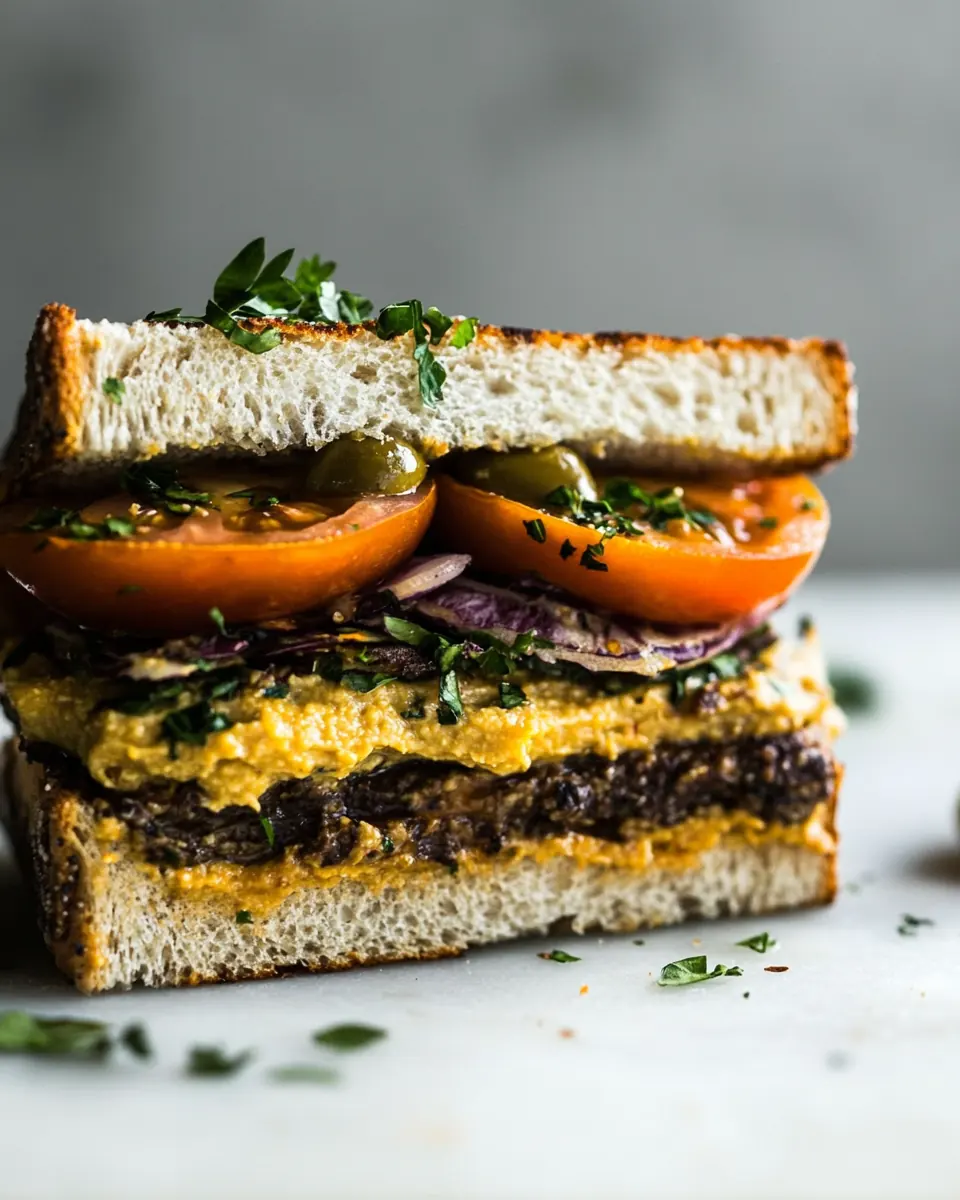
These ingredients are built around a few key players that do most of the heavy lifting: ripe tomato for juiciness, savory olives for brine, and creamy hummus for richness. Each element supports the others, offering contrast in texture and flavor so the sandwich feels complete rather than a pile of parts.
- 1/2 clove garlic: Minced finely and used to impart a sharp, aromatic bite that brightens blended spreads and dressings. Helps balance salty and rich components while lending a savory backbone to the tapenade. Use sparingly to avoid overpowering delicate flavors.
- 1 1/2 cups olives (mix of black and green that have been drained): Chopped coarsely and used as the primary base for the tapenade, offering briny, savory depth and varied texture. Combines both black and green varieties to provide complexity and a pleasant contrast between sweet and tangy notes. Ensure they are well drained to prevent a watery spread.
- 1/2 roasted red pepper: Diced into small pieces and incorporated for sweet, smoky undertones that complement the olives and feta. Adds a soft, tender contrast and a splash of red color to the tapenade mixture. Roast flavors help round out sharpness from the garlic and lemon.
- 2 tablespoons fresh flat leaf parsley: Chopped finely and stirred in to lend fresh, bright herbal notes and a touch of verdant color. Acts as a palate-refreshing counterpoint to the salty olives and rich feta. Use fresh leaves for maximum aroma and brightness.
- 1 tablespoon fresh basil (about 2 leaves): Sliced thinly or chiffonaded and used to introduce a sweet, slightly peppery herbaceousness that complements tomatoes and olives. Adds aromatic lift and Mediterranean character to both tapenade and sandwich layers. Use fresh leaves for best flavor.
- 1 tablespoon lemon juice: Squeezed and mixed in to provide acidic brightness that cuts through the saltiness and richness of the tapenade. Balances flavors and helps preserve the vibrancy of herbs and vegetables. Adjust amount to taste to avoid excess tartness.
- 1 tablespoon olive oil: Drizzled and whisked into the tapenade to bind ingredients and add smooth, fruity richness. Enhances mouthfeel and helps distribute flavor across the spread. Use good quality oil for better overall taste.
- 1 pinch of sea salt: Sprinkled lightly to enhance natural flavors and tame bitterness, creating a more rounded tapenade profile. Balances salt level without overwhelming the other savory components. Add cautiously and taste as you go.
- 1 pinch of black pepper: Ground and added to provide subtle heat and aromatic depth, helping to elevate the tapenade and sandwich fillings. Complements garlic and lemon while adding a warm finish. A small pinch is enough to enliven flavors without dominating.
- 4 pieces of bread: Toasted or fresh and used as the vehicle for all components, providing structure, crunch, and a contrasting texture to the soft fillings. Choice of bread affects sandwich heft and overall enjoyment. Consider toasting lightly to prevent sogginess from spreads.
- 1 large tomato (sliced): Sliced and layered to contribute juicy acidity, fresh texture, and bright tomato flavor that pairs well with feta and hummus. Acts as a cooling counterpoint to briny tapenade and creamy hummus. Choose ripe, firm tomatoes for best sandwich integrity.
- 1 ounce crumbled feta: Crumpled and sprinkled to add tangy, salty creaminess that complements both the olives and tomato. Provides Mediterranean flavor and a pleasant crumbly texture contrast. Use sparingly to avoid overpowering softer elements like hummus.
- 1/4 cup hummus: Spread thinly to offer creamy, nutty undertones and a smooth base that melds with tapenade and feta. Provides moisture and a protein-rich layer that helps bind sandwich components. Choose a flavorful hummus for added depth.
- Lettuce: Washed and used as a crisp, refreshing layer to add crunch and freshness to the sandwich assembly. Balances richer spreads and cheeses while contributing pleasant mouthfeel and visual appeal. Use sturdy leaves to maintain texture.
Directions for Tomato Sandwich with Olive Tapenade and Hummus
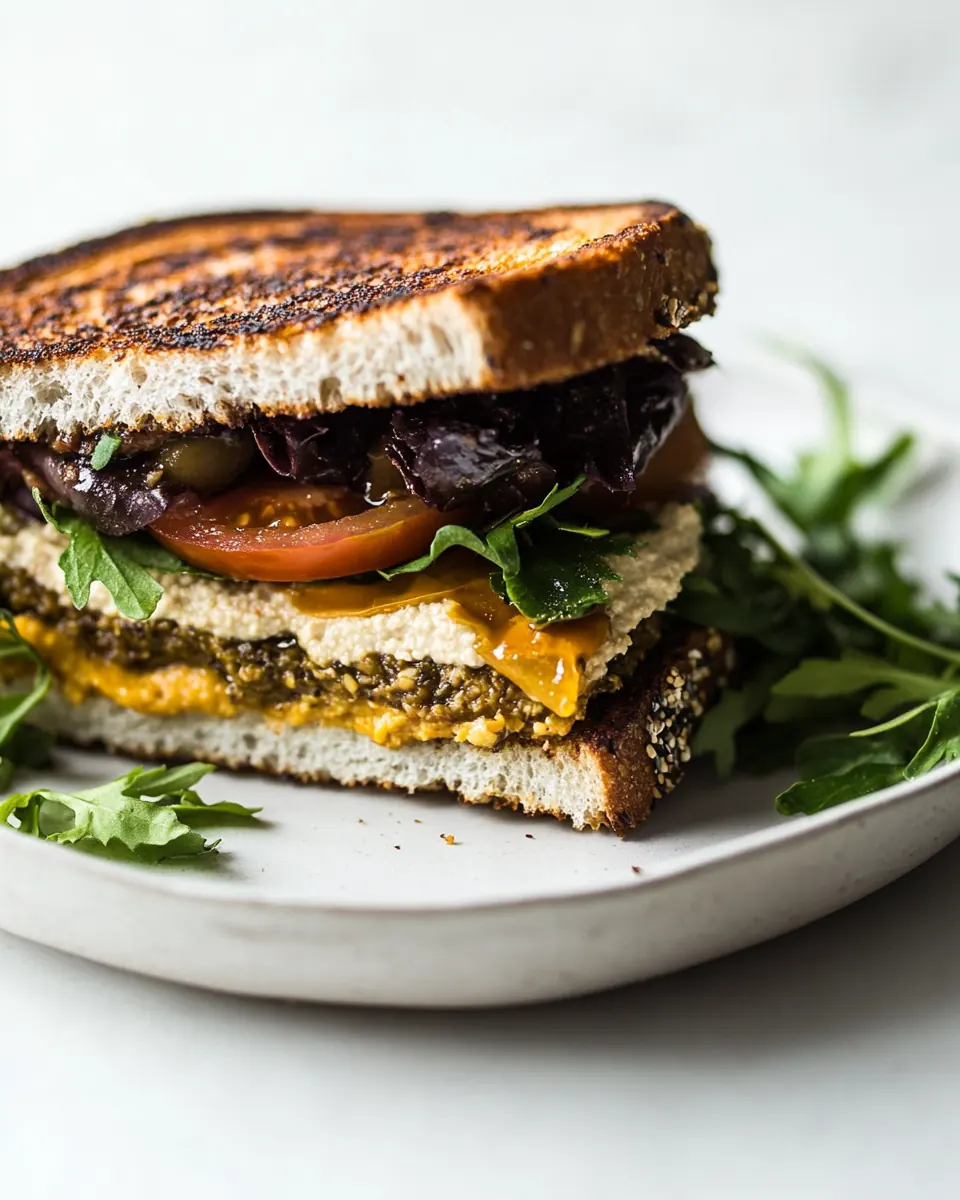
These directions are straightforward but I like to take my time with texture and seasoning. Think in layers rather than a rushed assembly, and treat each component as if you were composing a small dish. The steps below will guide you through two simple stages: making the tapenade and assembling the sandwich.
- Make the olive tapenade: Pulse garlic in the food processor until minced. Add olives, roasted red pepper, parsley, basil, lemon juice, olive oil, sea salt, black pepper, and lemon juice. Pulse until olives are in small pieces. Add salt and pepper to taste. Alternatively, chop all the ingredients well and stir to combine.: The air fills with a bright, slightly sharp garlic aroma as the blades break it down, releasing essential oils that form the aromatic backbone of the tapenade. You will hear a quick, staccato chopping sound as the garlic becomes very fine, which is a good cue to stop so it does not turn pasty. This initial mince helps the garlic meld smoothly into the mixture, preventing aggressive, uneven bursts of flavor. A common mistake is overprocessing the garlic , which can make the tapenade taste harsh; if you notice a very pungent bite, let the paste rest for a few minutes so the sharpness softens.
- Toast the bread if desired then layer with hummus, lettuce, tomatoes, olive tapenade, and crumble feta.: As you add the drained olives and the roasted red pepper, the processor starts to hum more steadily, and you can see the mixture transform into a chunky, glossy paste. The fruity oil from the olives and the tang of the lemon create a bright, balanced base, while the herbs bring flecks of green that look lively. Why this matters: combining ingredients at this stage allows flavors to marry quickly and the oil to coat particles for a spreadable consistency. A typical pitfall is adding too much liquid, which yields a runny tapenade; if that happens, pulse less or add a bit more drained olive to tighten texture.
- Pulse until olives are in small pieces: You want the olives to be broken down but still retain texture, not pureed into a paste. Listen for the change in motor strain, and watch for small, irregular bits in the bowl, glossy and studded with herb. The visual cue is a cohesive yet slightly chunky mixture that spreads easily without sliding off a knife. The reason this technique matters is texture contrast; too smooth and the tapenade loses its character, too coarse and it will be difficult to spread. Avoid overprocessing, which can also release excessive bitterness from olive skins.
- Add salt and pepper to taste: After pulsing, pause and taste for seasoning, noting the salt from the olives and the tang from the lemon . A small pinch of sea salt or a crack of black pepper can brighten the profile and round flavors. Sensory tip: a well seasoned tapenade will pop with savory notes and a gentle citrus lift. Common mistake: adding salt too soon before tasting; always sample first because the olives and feta can already provide ample salt.
- Alternatively chop all the ingredients well and stir to combine: If you do not use a food processor, the kitchen fills with the tactile sounds of chopping, and you will slowly feel the rhythm of creating texture by hand. Finely diced olives and roasted red pepper tossed with herbs, oil, and lemon make a looser, more rustic tapenade that spreads just as well. Why this method matters: chopping by hand preserves more distinct pieces, which some prefer for mouthfeel. Watch out for uneven pieces; aim for consistent dice so the tapenade spreads evenly and every bite has a balanced mix of ingredients.
- Toast the bread if desired then layer with hummus lettuce tomatoes olive tapenade and crumble feta: When toasting, listen for the soft crackle as moisture leaves the bread , and watch for golden edges that signal perfect texture. Spread hummus first to create a creamy barrier that protects the bread from the juices of the sliced tomato . Sensory cues include the glossy sheen of the hummus and the bright wetness of the tomato slices, contrasted by the crumble of feta . This order matters because the hummus anchors the fillings and the tapenade sits on top to deliver concentrated flavor. A typical error is assembling with wet ingredients directly on untoasted bread which leads to sogginess; if your bread is soft, toast lightly first to keep structure.
Tips for Success
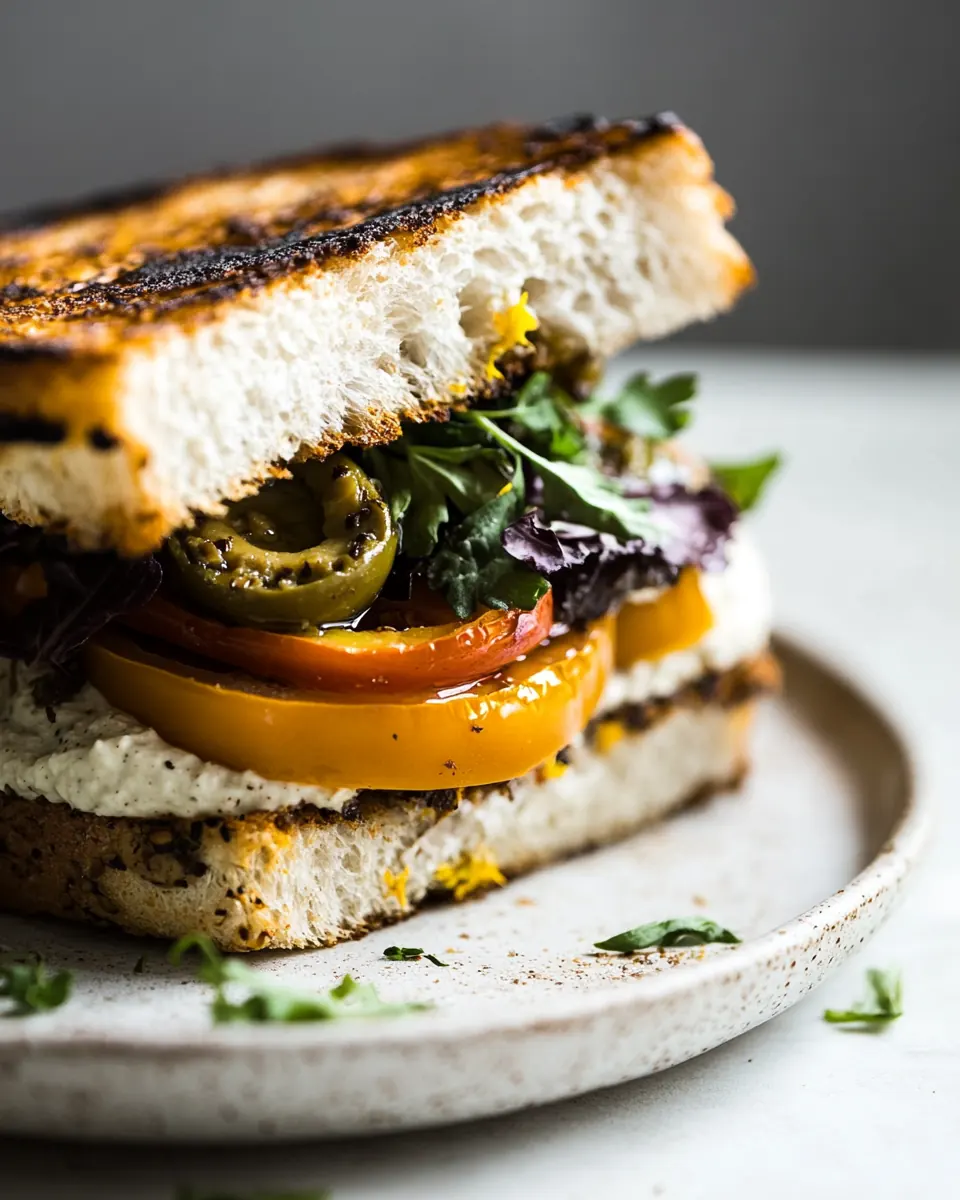
This sandwich shines when each component is tuned to texture and seasoning. Small details like draining olives, tasting for salt, and handling tomato slices carefully will elevate every bite.
- Drain olives well — Excess brine can make the tapenade too loose, so pat the olives dry with a paper towel before processing.
- Use ripe but firm tomatoes — Overripe tomatoes will collapse and make the bread soggy; choose slices that hold shape.
- Spread hummus first — This creates a delicious and practical barrier that keeps the bread from soaking up juices.
- Pulse, don’t puree — Aim for a slightly chunky tapenade so you retain textural interest and chew from the olives.
- Toast the bread lightly — A gentle toast adds structure and a crisp contrast to the creamy interior without dominating the flavors.
What Goes Well With This Tomato Sandwich with Olive Tapenade and Hummus
This sandwich pairs beautifully with light sides and flexible accompaniments that echo its Mediterranean notes. Think salads, simple roasted vegetables, or a bowl of fresh fruit for balance.
- Green salad — A crisp salad with lemon vinaigrette complements the briny tapenade and keeps the meal feeling bright and fresh, ideal for lunch on a warm day.
- Roasted vegetables — Seasonal vegetables roasted with olive oil and herbs make a hearty side for a more substantial meal, turning the sandwich into a full dinner option.
- Chips or crisps — For a picnic, add a crunchy element like kettle chips that echoes the sandwich crunch and contrasts the creamy hummus.
- Fresh fruit — Slices of melon or a simple fruit salad add sweet juiciness that pairs nicely with the salty feta and olives, making this a lovely light meal.
- Occasions — This sandwich is perfect for summer lunches, casual picnics, light dinners, or Ramadan if served as part of a varied evening meal where fresh, savory bites are welcomed.
- Storage tips — Keep leftover tapenade in an airtight jar in the refrigerator for up to a week, and assemble sandwiches only when ready to serve to avoid soggy bread.
FAQ
Conclusion
This Tomato Sandwich with Olive Tapenade and Hummus stands out because it combines bright summer tomatoes with a savory, briny tapenade and creamy hummus for a satisfying bite that is full of texture and flavor. Give it a try when you want something quick but memorable; the components are easy to prepare and forgiving, making it an ideal choice for both solo lunches and casual gatherings. I hope you enjoy building this sandwich as much as I do, savoring the way simple ingredients come together to create something more than the sum of its parts.
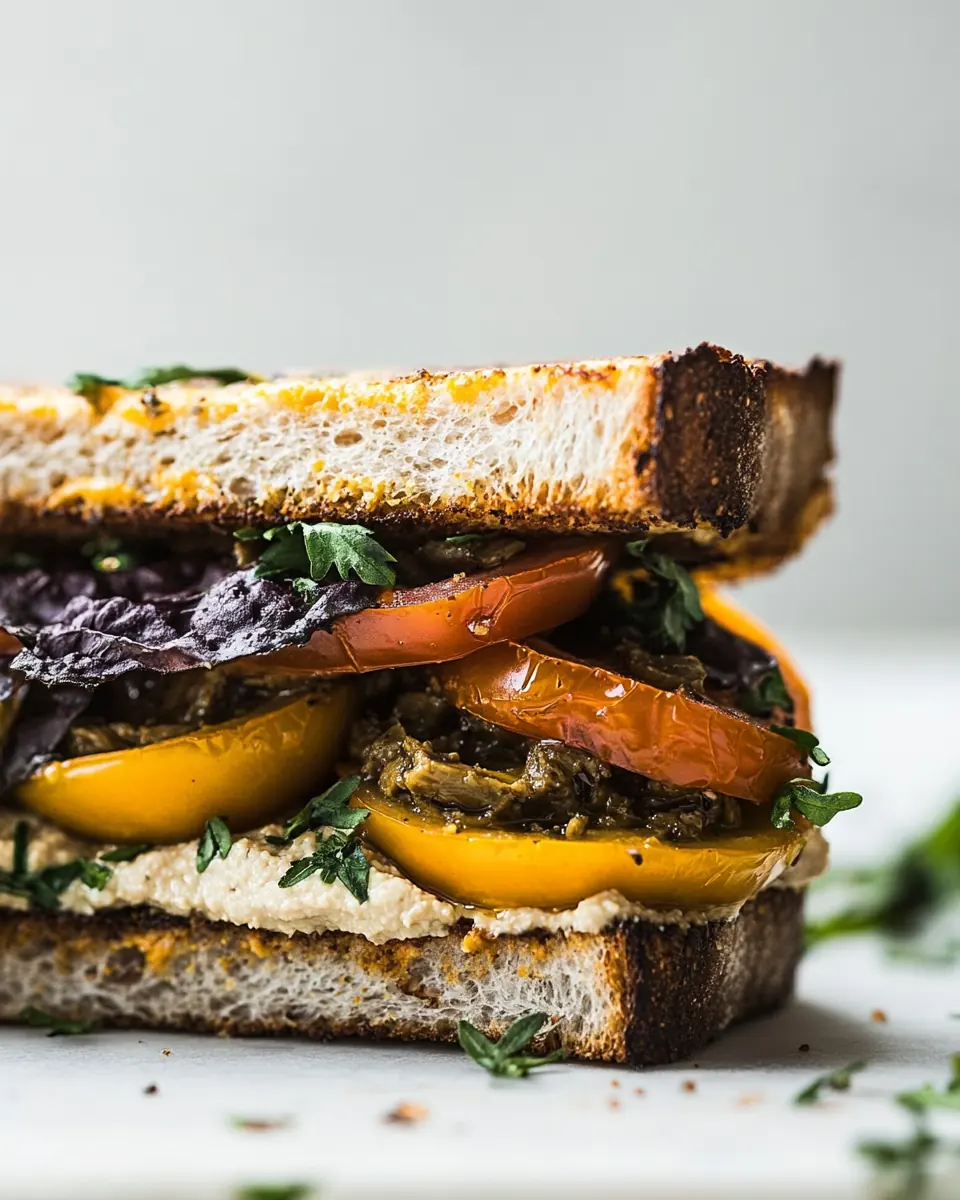
Tomato Sandwich with Olive Tapenade and Hummus
Ingredients
Equipment
Method
- Make the olive tapenade: Pulse garlic in the food processor until minced. Add olives, roasted red pepper, parsley, basil, lemon juice, olive oil, sea salt, black pepper, and lemon juice. Pulse until olives are in small pieces. Add salt and pepper to taste. Alternatively, chop all the ingredients well and stir to combine.: The air fills with a bright, slightly sharp garlic aroma as the blades break it down, releasing essential oils that form the aromatic backbone of the tapenade. You will hear a quick, staccato chopping sound as the garlic becomes very fine, which is a good cue to stop so it does not turn pasty. This initial mince helps the garlic meld smoothly into the mixture, preventing aggressive, uneven bursts of flavor. A common mistake is overprocessing the garlic , which can make the tapenade taste harsh; if you notice a very pungent bite, let the paste rest for a few minutes so the sharpness softens.
- Toast the bread if desired then layer with hummus, lettuce, tomatoes, olive tapenade, and crumble feta.: As you add the drained olives and the roasted red pepper, the processor starts to hum more steadily, and you can see the mixture transform into a chunky, glossy paste. The fruity oil from the olives and the tang of the lemon create a bright, balanced base, while the herbs bring flecks of green that look lively. Why this matters: combining ingredients at this stage allows flavors to marry quickly and the oil to coat particles for a spreadable consistency. A typical pitfall is adding too much liquid, which yields a runny tapenade; if that happens, pulse less or add a bit more drained olive to tighten texture.
- Pulse until olives are in small pieces: You want the olives to be broken down but still retain texture, not pureed into a paste. Listen for the change in motor strain, and watch for small, irregular bits in the bowl, glossy and studded with herb. The visual cue is a cohesive yet slightly chunky mixture that spreads easily without sliding off a knife. The reason this technique matters is texture contrast; too smooth and the tapenade loses its character, too coarse and it will be difficult to spread. Avoid overprocessing, which can also release excessive bitterness from olive skins.
- Add salt and pepper to taste: After pulsing, pause and taste for seasoning, noting the salt from the olives and the tang from the lemon . A small pinch of sea salt or a crack of black pepper can brighten the profile and round flavors. Sensory tip: a well seasoned tapenade will pop with savory notes and a gentle citrus lift. Common mistake: adding salt too soon before tasting; always sample first because the olives and feta can already provide ample salt.
- Alternatively chop all the ingredients well and stir to combine: If you do not use a food processor, the kitchen fills with the tactile sounds of chopping, and you will slowly feel the rhythm of creating texture by hand. Finely diced olives and roasted red pepper tossed with herbs, oil, and lemon make a looser, more rustic tapenade that spreads just as well. Why this method matters: chopping by hand preserves more distinct pieces, which some prefer for mouthfeel. Watch out for uneven pieces; aim for consistent dice so the tapenade spreads evenly and every bite has a balanced mix of ingredients.
- Toast the bread if desired then layer with hummus lettuce tomatoes olive tapenade and crumble feta: When toasting, listen for the soft crackle as moisture leaves the bread , and watch for golden edges that signal perfect texture. Spread hummus first to create a creamy barrier that protects the bread from the juices of the sliced tomato . Sensory cues include the glossy sheen of the hummus and the bright wetness of the tomato slices, contrasted by the crumble of feta . This order matters because the hummus anchors the fillings and the tapenade sits on top to deliver concentrated flavor. A typical error is assembling with wet ingredients directly on untoasted bread which leads to sogginess; if your bread is soft, toast lightly first to keep structure.
Notes
- Drain olives well — Excess brine can make the tapenade too loose, so pat the olives dry with a paper towel before processing.
- Use ripe but firm tomatoes — Overripe tomatoes will collapse and make the bread soggy; choose slices that hold shape.
- Spread hummus first — This creates a delicious and practical barrier that keeps the bread from soaking up juices.
- Pulse, don’t puree — Aim for a slightly chunky tapenade so you retain textural interest and chew from the olives.
- Toast the bread lightly — A gentle toast adds structure and a crisp contrast to the creamy interior without dominating the flavors.