Winter Wheat Berry Salad
Winter Wheat Berry Salad is one of those recipes I turn to when I want a bowl that feels hearty, seasonal, and a little celebratory without being fussy.
I first made this salad on a gray December afternoon after bringing home a plump butternut squash from the market. I remember pulling the warm cubes from the oven, the kitchen filling with a cozy, nutty aroma, and thinking how well the roasted butternut squash would pair with chewy wheat berries and bright baby kale. That contrast between caramelized edges and resilient grain texture made me smile, and the handfuls of feta cheese and pistachios that followed added a salty, crunchy punctuation.
Over time I tweaked the balance, leaning into a touch of sweetness with dried craisins and the herbal lift of tarragon in a maple dressing. Each forkful feels layered, like a winter salad composed of small triumphs. When friends come over I love serving this because it travels well and stays vibrant at room temperature, and I can chat while people graze.
Recipe Snapshot
1 hr 10 mins
10 mins
60 mins
Medium
350 kcal
American
Vegan, Gluten-Free
Salads
Baking sheet, Small saucepan, Large serving bowl
Why We Love This Winter Wheat Berry Salad
Hearty and Seasonal
I love that Winter Wheat Berry Salad feels substantial without being heavy. The wheat berries bring a nutty chew that satisfies on cold days, so you don’t miss richer mains. When I want something that can stand up to winter appetites, this bowl delivers.
Texture Harmony
There is a deliberate play between textures here. Roasted butternut squash gives soft, caramelized pockets, while raw baby kale keeps a verdant snap. Crumbled feta cheese adds creaminess, and chopped pistachios give a clean crunch. I cherish recipes where every bite shifts a little, and this one does exactly that.
Flavor Balance
I often say a great salad sings when sweet, salty, acidic, and herbal notes are all present. The craisins and maple in the dressing lend sweetness, the feta cheese provides a briny counterpoint, and a splash of tang ties everything together. I find that balance keeps each forkful interesting and approachable.
Make Ahead Friendly
This salad is forgiving when prepared in stages. I’ll roast the butternut squash and cook the wheat berries a day ahead, then toss everything together before serving. For gatherings, that ease is a lifesaver, and the flavors often deepen after resting a few hours.
Nutritionally Satisfying
I appreciate that this dish is nourishing as served. The combination of whole grain wheat berries, leafy baby kale, and protein from feta cheese means it works as a main or a robust side. When I want to feel well fed and nimble in the kitchen, this salad is my go to.
Everything You Need for Winter Wheat Berry Salad
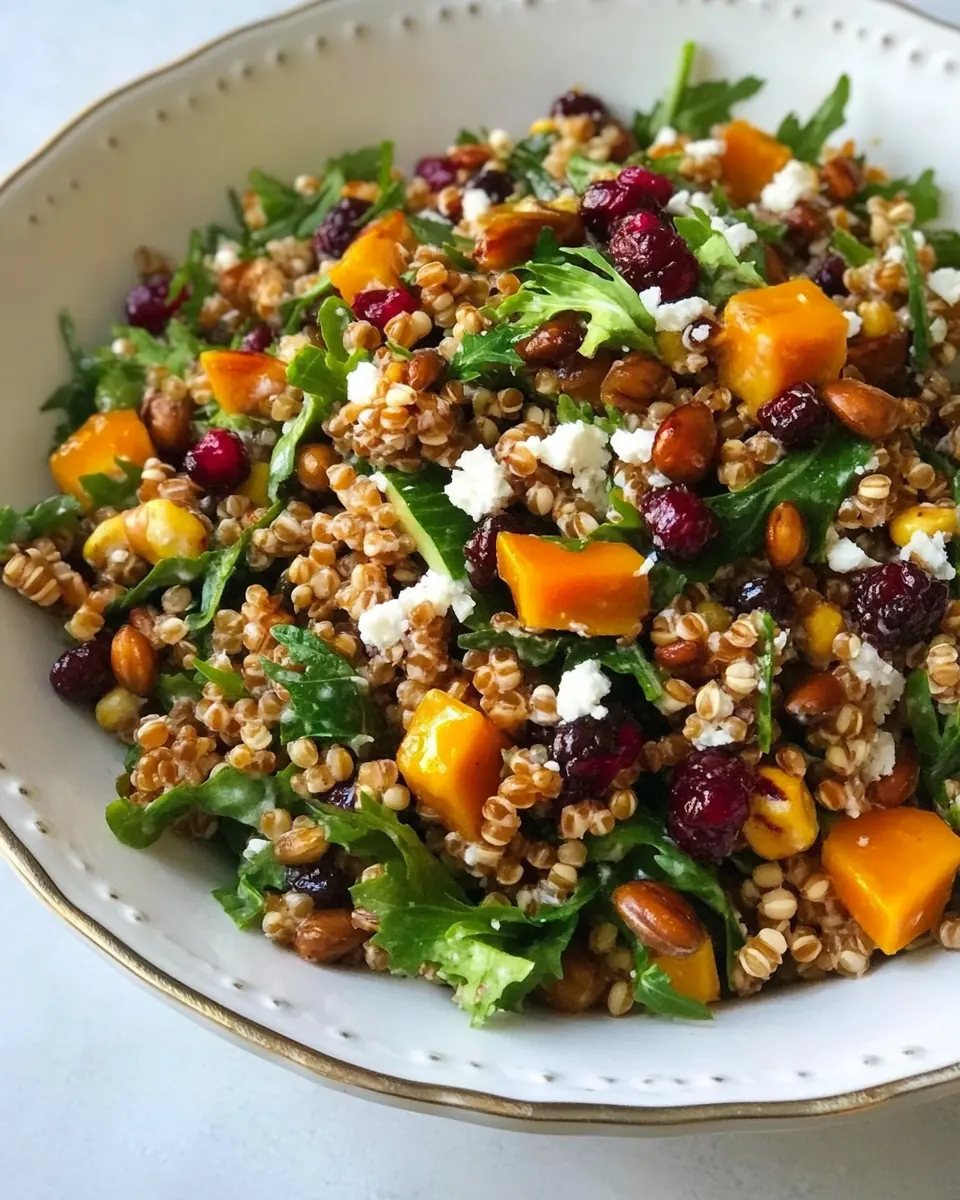
These ingredients are chosen to create contrast and harmony. The key players are the wheat berries for chew, the roasted butternut squash for sweet softness, and the baby kale for a fresh backbone. Little accents like feta cheese, pistachios, and craisins bring salty, crunchy, and sweet notes that round the bowl.
- 1 lb butternut squash but into 1/4 inch cubes: Roast into tender, caramelized cubes to provide warm, sweet, and earthy body to the salad; its roasted texture contrasts with leafy greens and grains. Toss with oil and seasonings before cooking to encourage even browning and deeper flavor development. Serve slightly warm or cooled for a pleasant temperature contrast with other components.
- 1 tablespoon olive oil: Drizzle to coat squash and assist in roasting while imparting a fruity, savory base note to the dish. Use sparingly to encourage crisp edges without making vegetables greasy. Choose extra-virgin olive oil for a richer mouthfeel and subtle peppery undertones.
- salt & pepper: Season generously to enhance overall flavor balance, bringing out sweetness in the squash and seasoning the wheat berries and greens. Apply both coarse and finishing salt as needed, and add freshly ground pepper for spicy warmth. Taste during assembly to adjust seasoning levels across components.
- 1/2 cup hard red wheat berries: Cook until tender to add hearty, chewy texture and a nutty flavor that complements squash and kale in the salad. Rinse and sort before cooking, then simmer in water until plump; allow to cool slightly before tossing. Use as the grain base to provide sustained substance and a rustic feel.
- 1 1/2 cups water: Simmer to hydrate and cook wheat berries, enabling them to become tender while absorbing subtle flavor. Maintain a gentle simmer and monitor liquid levels to prevent sticking or overcooking. Allow cooked grains to cool in their cooking liquid briefly to retain moisture.
- salt to taste: Season lightly to fine-tune flavor and balance saltiness across the salad components, particularly after dressing is added. Add incrementally and taste, since elements like feta and dressing contribute additional salt. Use to harmonize sweet, savory, and acidic notes.
- 8 cups baby kale: Toss to provide a tender, slightly bitter, nutrient-dense green base that contrasts with sweet squash and chewy wheat berries. Massage gently with dressing to soften leaves and promote even coating without bruising. Use as the primary leafy component to add volume and freshness.
- 1/3 cup crumbled feta cheese: Sprinkle to introduce creamy, tangy, and salty highlights that contrast with sweet squash and crisp pistachios. Crumble evenly over the salad so each bite receives a balanced hit of acid and creaminess. Adjust amount to taste, as feta can quickly dominate salt level.
- 1/4 cup chopped pistachios: Scatter to add crunchy texture and a subtly sweet, floral nuttiness that complements grains and greens. Roughly chop for even distribution and to release aromatic oils; toast lightly if desired to enhance flavor. Use as a finishing garnish for visual appeal and bite contrast.
- 1/4 cup craisins: Fold in to provide bursts of sweet-tart flavor and chewy texture that brighten the overall salad profile. Distribute evenly so the sweetness complements the roasted squash and salty feta without overpowering. Consider chopping coarsely for easier biting and balanced distribution.
- 1 recipe my Maple Tarragon salad dressing: Dress with a maple–tarragon vinaigrette to bind components with sweet, herbal, and acidic notes that elevate the salad. Whisk or shake thoroughly before tossing to ensure emulsification and even coating. Drizzle gradually and toss to reach desired level of moistness without sogginess.
Making This Winter Wheat Berry Salad
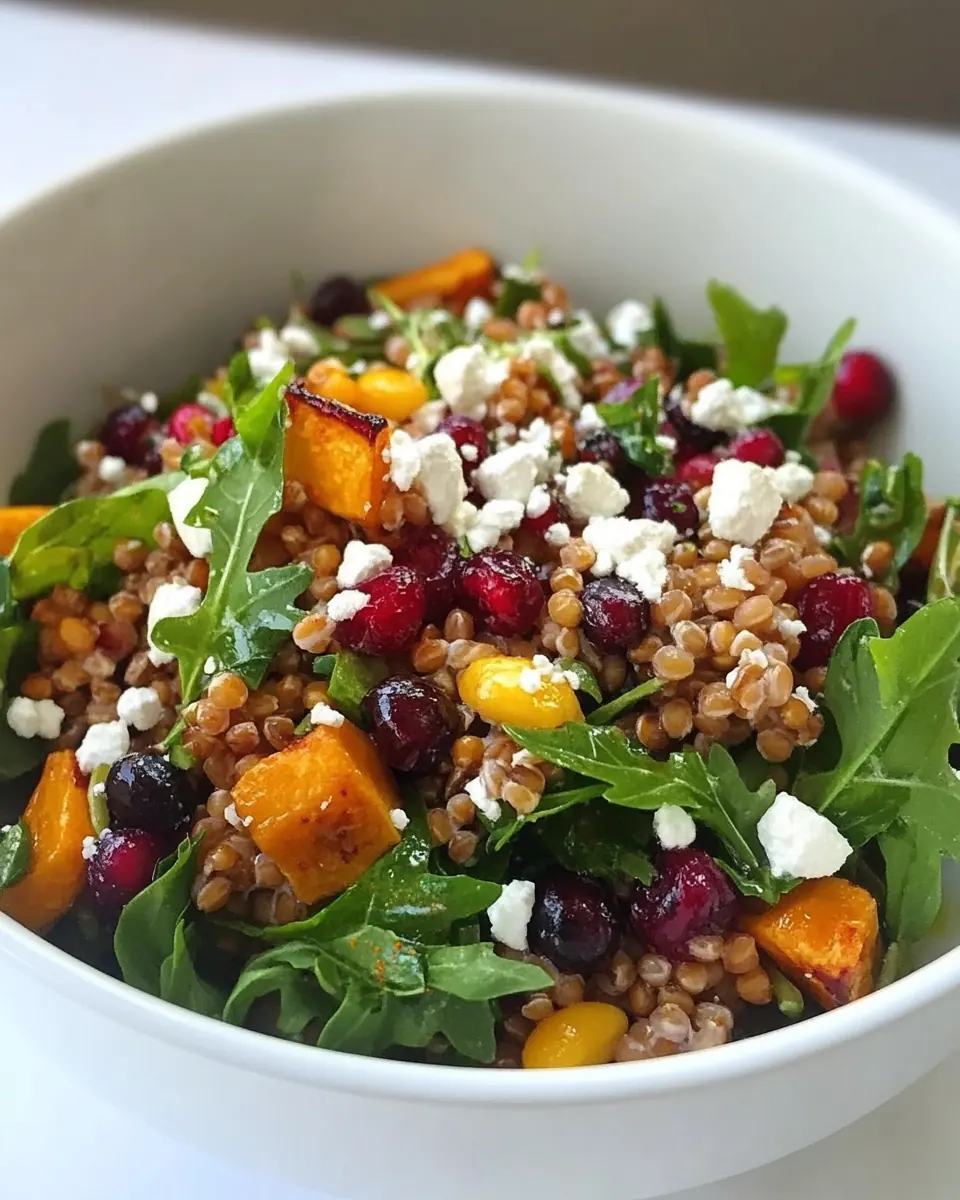
This is a relaxed salad to prepare, with a few elements that you can make ahead and a straightforward assembly at the end. I like to roast the butternut squash and cook the wheat berries first, then bring everything together with the dressing and toss gently so the textures remain distinct.
- Preheat oven to 425 degrees. Toss squash with olive oil, salt and pepper and place on baking sheet in one even layer. Bake 10 minutes, turn and bake another 10 minutes until browned and soft. Remove from oven and set aside.: The air in the oven should smell warm and slightly sweet as it comes to temperature, which helps the butternut squash develop those golden, caramelized edges quickly. You want a hot environment so moisture evaporates from the squash surface, encouraging browning rather than steaming. A common mistake is starting at a lower temperature, which yields soggy, pale cubes rather than browned ones. Make sure the oven rack is in the center so heat circulates evenly.
- Rinse wheat berries in cold water. Drain. Place wheat berries + water into small saucepan and sprinkle with salt. Cover and bring to boil. Reduce to simmer and cook covered for 45-50 minutes or until cooked. These will usually stay pretty chewy, fyi.: As you toss, the olive oil will sheen the squash and the salt will begin to draw out a little moisture, helping the exterior caramelize. When the pieces are arranged in a single layer, each cube gets direct heat and can brown on all exposed surfaces, producing a toasty aroma and slight crisp at the edges. Crowding the pan traps steam and prevents browning, so spread the cubes out for best results. Use a rimmed baking sheet to keep juices contained.
- In a large serving bowl, toss kale, feta, pistachios, craisins, roasted squash and wheat berries together with my favorite salad dressing. Serve.: You will hear a faint hiss as the squash sizzles and start to see color after the first 10 minutes, then turning encourages even browning. The scent will shift from raw starch to a nutty, roasted note, and the centers should feel tender when pierced with a fork. Avoid leaving them too long, or they will collapse and become mushy; if one edge is browning faster, rotate the pan for uniform color.
- Remove from oven and set aside: Letting the roasted butternut squash rest briefly concentrates its flavor and cools it enough so the warm pieces do not wilt the baby kale immediately on contact. The texture will firm up slightly as it cools. A common error is tossing piping hot squash into the greens, which can make the leaves limp and lose their bite, so allow a short resting window.
- Rinse wheat berries in cold water: Rinsing the hard red wheat berries removes any dust and a slight surface starch, and the water runs clear when they are clean. The cold rinse also refreshes the grains and helps prevent them from foaming when they hit the pot. Skipping this step can result in a cloudier cooking liquid and a slightly different texture.
- Drain: After rinsing, let the wheat berries drain briefly so excess water does not dilute the cooking liquid. The tiny beads will glisten and feel firm. If you skip draining, you may find the initial simmer is uneven, and waterlogged grains can take longer to cook properly.
- Place wheat berries + water into small saucepan and sprinkle with salt: When the wheat berries meet warm water, you will notice the pot quiet down into a steady simmer, and the grains slowly expand. The added salt seasons the kernels from the inside out as they hydrate. Be mindful to use a pot with a lid that fits well so steam is trapped, allowing even cooking. Using too deep a pot without enough water can lead to uneven cooking.
- Cover and bring to boil: Bring the pot to a gentle boil where tiny bubbles break the surface, then reduce to a simmer. The aroma at this stage is plain and grain forward, but soon develops a toasted complexity. Boiling too vigorously can jostle the berries and open them prematurely, while barely simmering can stretch cooking time, so aim for steady small bubbles.
- Reduce to simmer and cook covered for 45 to 50 minutes or until cooked: Cooking will transform the wheat berries from hard beads into pleasantly chewy grains; expect a firm center with a tender exterior when done. Steam trapped by the lid ensures even hydration. A typical mistake is assuming they are finished too early, which yields an unpleasantly hard center, so taste a bit near 45 minutes and continue until the desired chew is reached.
- These will usually stay pretty chewy, fyi: The signature chew is intentional and provides contrast in the salad; they should not be mushy. When you bite, there should be a slight resistance followed by a nutty release of flavor. If they are too firm, simmer longer with a splash of extra water; if too soft, you may have overcooked them, which changes the salad's texture considerably.
- In a large serving bowl, toss kale, feta, pistachios, craisins, roasted squash and wheat berries together with my favorite salad dressing: At this final assembly, the kitchen fills with a mosaic of aromas, sweet maple, tangy feta cheese , and herbaceous tarragon. Toss gently so the baby kale stays vibrant and the roasted butternut squash pieces keep their integrity. The dressing should coat rather than drown the components, creating a glossy finish and balanced mouthfeel. A common error is overdressing, which results in limp greens and a cloying taste, so add dressing gradually and taste as you go.
- Serve: Present the salad on a wide platter or in a shallow bowl so each ingredient is visible and easy to serve. The contrast of colors and textures should be appealing, with flecks of feta cheese and bright craisins punctuating the plate. Serve slightly warm or at room temperature for the best flavor interplay. Serving it piping hot will wilt the greens, and serving it overly chilled can mute the aromas.
Recipe Notes about Winter Wheat Berry Salad
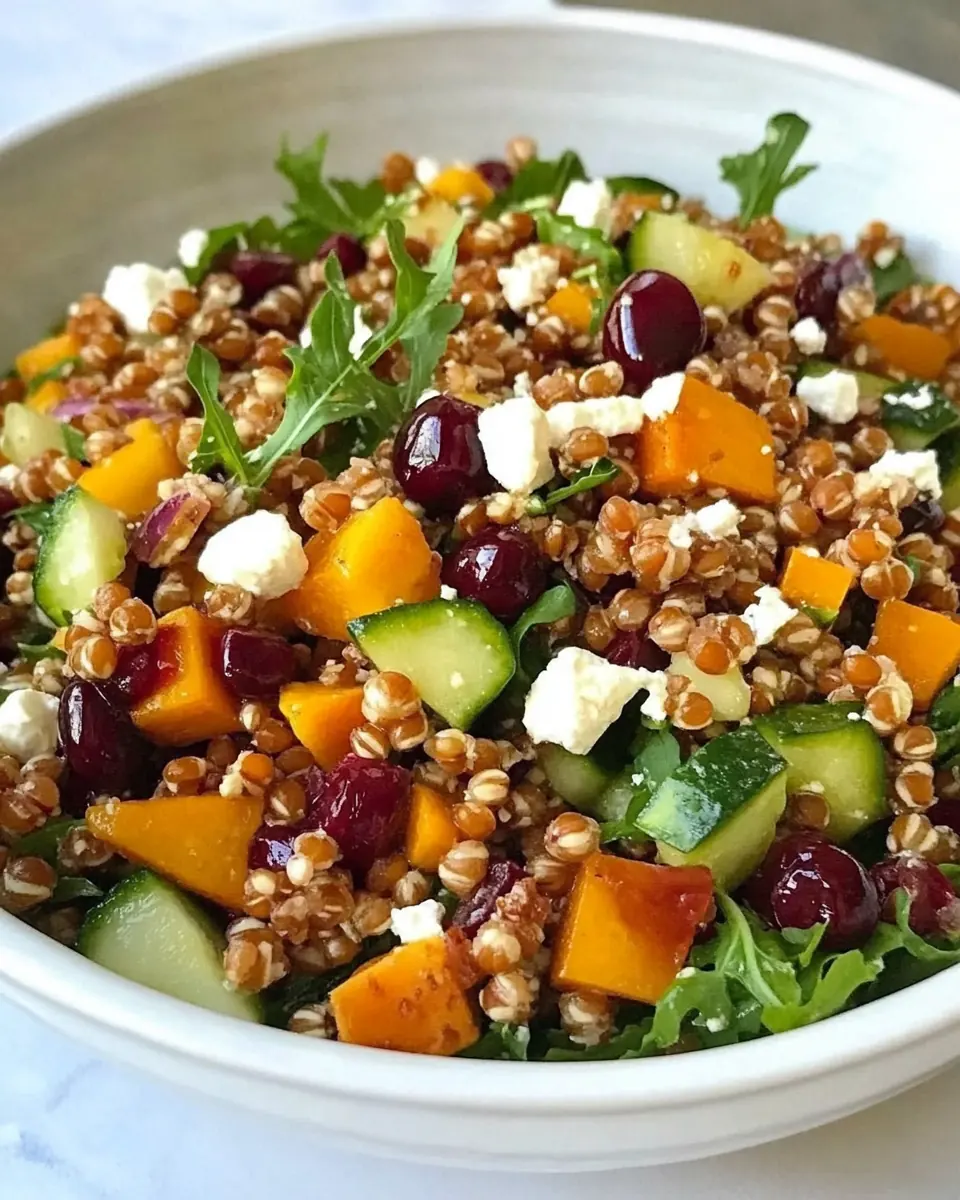
This salad rewards thoughtful technique, and a few practical notes will elevate your result. Below are useful tips I use every time I make Winter Wheat Berry Salad, expanded into actionable steps to help you achieve the best texture and balance.
- Uniform Cubes: Cut the butternut squash into consistent 1/4 inch cubes so they roast evenly and develop the desired tender center with caramelized edges.
- Measure Oil: Use exactly 1 tablespoon of olive oil to coat the squash, preventing greasiness while ensuring proper browning and flavor development.
- Check Grain Doneness: Taste the wheat berries starting at 45 minutes; they should be chewy yet tender, not chalky or mushy, and cooking times can vary by batch.
- Toast Nuts Carefully: Lightly toast the pistachios over medium heat for one to two minutes to boost aroma, stirring constantly to avoid burning.
- Control Sweetness: Adjust the amount of craisins if you prefer less sweetness; they add brightness but can dominate if used too liberally.
- Dress Gradually: Add the dressing a little at a time and toss, tasting as you go, to avoid overdressing and wilting the baby kale.
Perfect Matches for Winter Wheat Berry Salad
This salad can be served in many ways, and choosing the right companions will highlight its winter character. Below are serving ideas, suitable occasions, and storage tips that help you get the most from Winter Wheat Berry Salad.
- As a Main for a Light Dinner: Serve a generous portion as a satisfying vegetarian main, accompanied by crusty bread and a simple soup on the side for a complete meal.
- Side Dish at Holiday Meals: Offer this salad as a colorful, seasonal side during winter gatherings, where its textures and flavors balance richer mains beautifully.
- Lunch Prep: Pack the components separately in the fridge and toss together at midday to retain crispness, making it ideal for workday lunches that need to travel.
- Room Temperature Buffet: The salad holds well at room temperature for a couple of hours, so it is well suited to potlucks and buffet style serving when you want something that stays appealing.
- Storage Tips: Keep leftover dressed salad refrigerated and consume within two days; store any extra roasted butternut squash or cooked wheat berries separately to preserve texture.
- Seasonal Pairings: Pair this salad with roasted winter vegetables, baked root vegetables, or a warm grain pilaf to emphasize cozy winter flavors.
FAQ
Conclusion
This recipe stands out because it balances hearty grains, sweet roasted squash, and bright greens into a composed bowl that feels both nourishing and festive. Give it a try when you want a make ahead dish that travels well or when you need a colorful side for winter gatherings. I hope it becomes one of your go to recipes for cold weather meals, bringing simple pleasures and layered textures to your table.
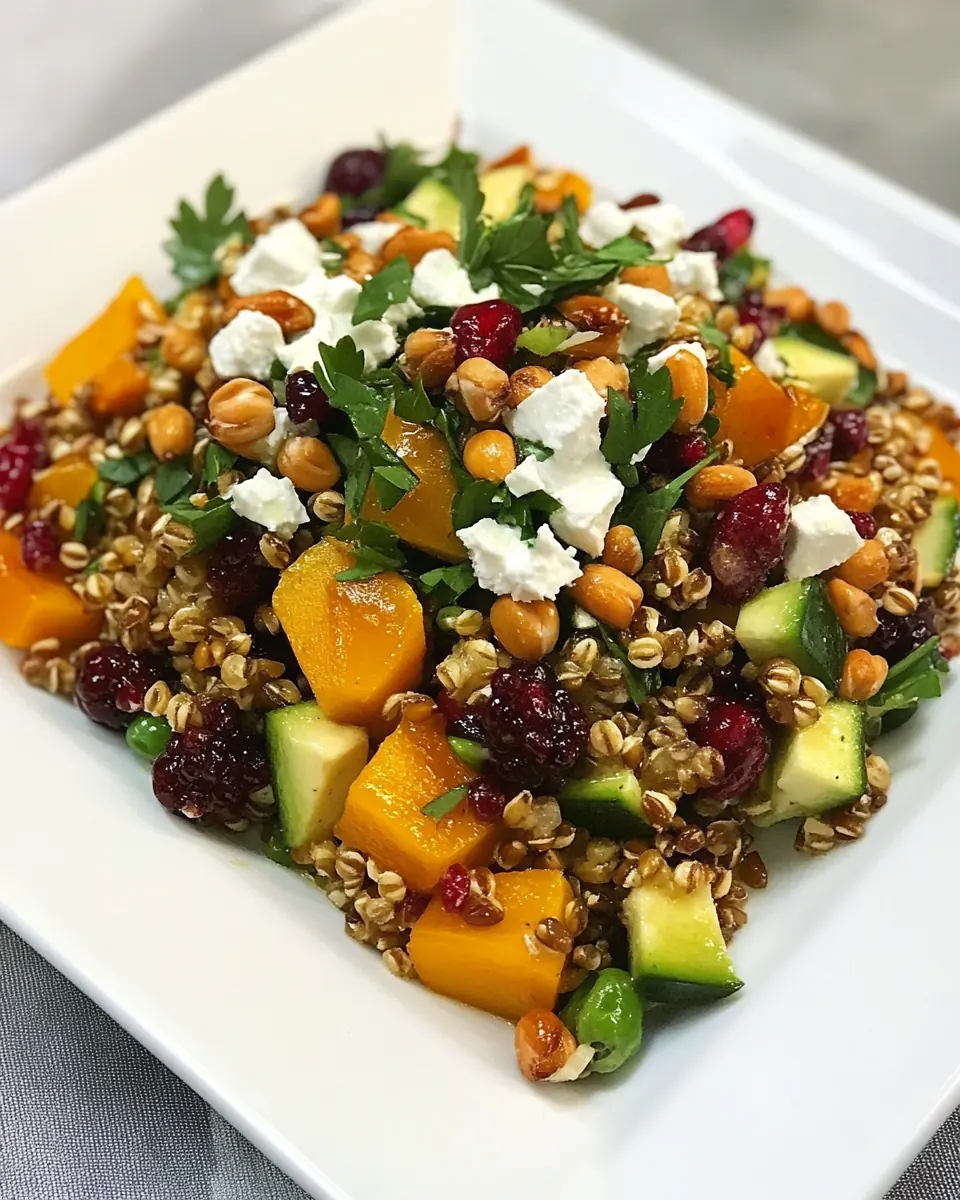
Winter Wheat Berry Salad
Ingredients
Equipment
Method
- Preheat oven to 425 degrees. Toss squash with olive oil, salt and pepper and place on baking sheet in one even layer. Bake 10 minutes, turn and bake another 10 minutes until browned and soft. Remove from oven and set aside.: The air in the oven should smell warm and slightly sweet as it comes to temperature, which helps the butternut squash develop those golden, caramelized edges quickly. You want a hot environment so moisture evaporates from the squash surface, encouraging browning rather than steaming. A common mistake is starting at a lower temperature, which yields soggy, pale cubes rather than browned ones. Make sure the oven rack is in the center so heat circulates evenly.
- Rinse wheat berries in cold water. Drain. Place wheat berries + water into small saucepan and sprinkle with salt. Cover and bring to boil. Reduce to simmer and cook covered for 45-50 minutes or until cooked. These will usually stay pretty chewy, fyi.: As you toss, the olive oil will sheen the squash and the salt will begin to draw out a little moisture, helping the exterior caramelize. When the pieces are arranged in a single layer, each cube gets direct heat and can brown on all exposed surfaces, producing a toasty aroma and slight crisp at the edges. Crowding the pan traps steam and prevents browning, so spread the cubes out for best results. Use a rimmed baking sheet to keep juices contained.
- In a large serving bowl, toss kale, feta, pistachios, craisins, roasted squash and wheat berries together with my favorite salad dressing. Serve.: You will hear a faint hiss as the squash sizzles and start to see color after the first 10 minutes, then turning encourages even browning. The scent will shift from raw starch to a nutty, roasted note, and the centers should feel tender when pierced with a fork. Avoid leaving them too long, or they will collapse and become mushy; if one edge is browning faster, rotate the pan for uniform color.
- Remove from oven and set aside: Letting the roasted butternut squash rest briefly concentrates its flavor and cools it enough so the warm pieces do not wilt the baby kale immediately on contact. The texture will firm up slightly as it cools. A common error is tossing piping hot squash into the greens, which can make the leaves limp and lose their bite, so allow a short resting window.
- Rinse wheat berries in cold water: Rinsing the hard red wheat berries removes any dust and a slight surface starch, and the water runs clear when they are clean. The cold rinse also refreshes the grains and helps prevent them from foaming when they hit the pot. Skipping this step can result in a cloudier cooking liquid and a slightly different texture.
- Drain: After rinsing, let the wheat berries drain briefly so excess water does not dilute the cooking liquid. The tiny beads will glisten and feel firm. If you skip draining, you may find the initial simmer is uneven, and waterlogged grains can take longer to cook properly.
- Place wheat berries + water into small saucepan and sprinkle with salt: When the wheat berries meet warm water, you will notice the pot quiet down into a steady simmer, and the grains slowly expand. The added salt seasons the kernels from the inside out as they hydrate. Be mindful to use a pot with a lid that fits well so steam is trapped, allowing even cooking. Using too deep a pot without enough water can lead to uneven cooking.
- Cover and bring to boil: Bring the pot to a gentle boil where tiny bubbles break the surface, then reduce to a simmer. The aroma at this stage is plain and grain forward, but soon develops a toasted complexity. Boiling too vigorously can jostle the berries and open them prematurely, while barely simmering can stretch cooking time, so aim for steady small bubbles.
- Reduce to simmer and cook covered for 45 to 50 minutes or until cooked: Cooking will transform the wheat berries from hard beads into pleasantly chewy grains; expect a firm center with a tender exterior when done. Steam trapped by the lid ensures even hydration. A typical mistake is assuming they are finished too early, which yields an unpleasantly hard center, so taste a bit near 45 minutes and continue until the desired chew is reached.
- These will usually stay pretty chewy, fyi: The signature chew is intentional and provides contrast in the salad; they should not be mushy. When you bite, there should be a slight resistance followed by a nutty release of flavor. If they are too firm, simmer longer with a splash of extra water; if too soft, you may have overcooked them, which changes the salad's texture considerably.
- In a large serving bowl, toss kale, feta, pistachios, craisins, roasted squash and wheat berries together with my favorite salad dressing: At this final assembly, the kitchen fills with a mosaic of aromas, sweet maple, tangy feta cheese , and herbaceous tarragon. Toss gently so the baby kale stays vibrant and the roasted butternut squash pieces keep their integrity. The dressing should coat rather than drown the components, creating a glossy finish and balanced mouthfeel. A common error is overdressing, which results in limp greens and a cloying taste, so add dressing gradually and taste as you go.
- Serve: Present the salad on a wide platter or in a shallow bowl so each ingredient is visible and easy to serve. The contrast of colors and textures should be appealing, with flecks of feta cheese and bright craisins punctuating the plate. Serve slightly warm or at room temperature for the best flavor interplay. Serving it piping hot will wilt the greens, and serving it overly chilled can mute the aromas.
Notes
- Uniform Cubes: Cut the butternut squash into consistent 1/4 inch cubes so they roast evenly and develop the desired tender center with caramelized edges.
- Measure Oil: Use exactly 1 tablespoon of olive oil to coat the squash, preventing greasiness while ensuring proper browning and flavor development.
- Check Grain Doneness: Taste the wheat berries starting at 45 minutes; they should be chewy yet tender, not chalky or mushy, and cooking times can vary by batch.
- Toast Nuts Carefully: Lightly toast the pistachios over medium heat for one to two minutes to boost aroma, stirring constantly to avoid burning.
- Control Sweetness: Adjust the amount of craisins if you prefer less sweetness; they add brightness but can dominate if used too liberally.
- Dress Gradually: Add the dressing a little at a time and toss, tasting as you go, to avoid overdressing and wilting the baby kale.