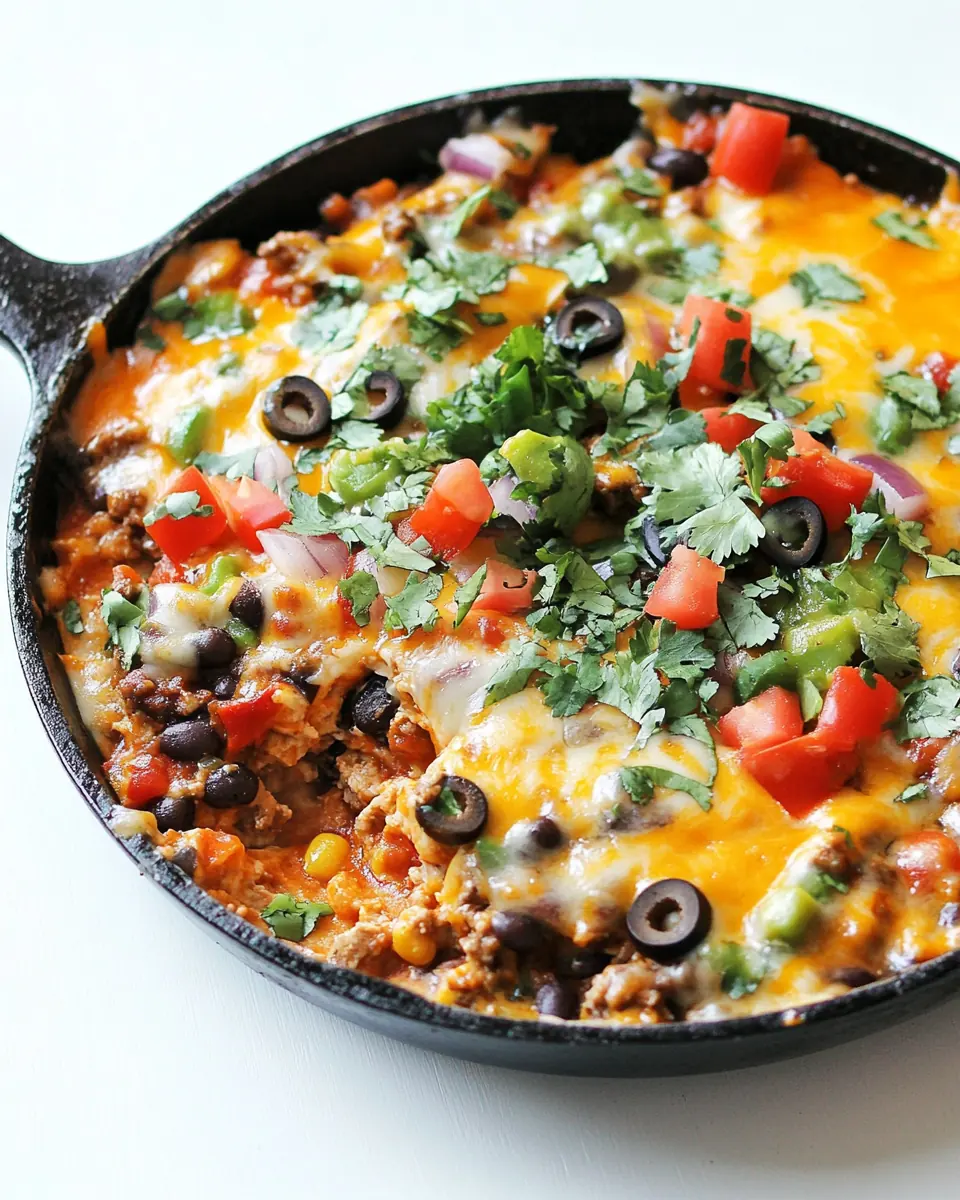
Heat oil in a large 12" skillet over medium heat. Once hot, add garlic and cook for 1 minute.: The aroma of hot avocado oil is the first cue that the pan is ready, and you should see a light shimmer across the surface. This step primes the skillet so the garlic sizzles instead of sticking; when the oil moves fluidly it is hot enough. If the oil smokes you have the heat too high and should lower it a little, because burnt oil will impart bitterness. A common mistake is crowding the pan immediately, which lowers the temperature and stops proper browning.
Add in zucchini, carrots, peppers, and onion and let cook for 5-7 minutes, until veggies begin to soften.: You will hear a soft, lively sizzle as the minced garlic meets the oil, and within moments it releases a nutty, toasty scent. Stir constantly to prevent any pieces from sticking to the pan, and watch the edges for the slightest golden color. If the garlic goes dark brown it has burned and will taste acrid, so remove the pan from heat briefly if you see that happening. The reason this matters is the flavorful oils released by gently cooked garlic infuse the entire skillet.
Add in turkey, chili powder, paprika, garlic, salt, and pepper and cook until no pink remains.: As the vegetables hit the pan you should hear a steady, satisfying sizzle, and they will begin to smell sweet and vegetal as their natural sugars awaken. Stir every minute so the diced carrot softens and the bell peppers and zucchini get a little color without losing texture. You want tender crispness, not mush, so test a piece for the right bite. A frequent error is cooking on too low heat which yields limp, pale vegetables instead of those faintly caramelized edges that deepen flavor.
Add in tomatoes, green chiles, and black beans and mix to combine. Reduce heat to a simmer for 5 minutes. Add in spinach and mix until wilted. Taste and adjust seasoning as desired.: When the ground turkey or ground beef joins the pan, break it apart with your spoon and turn up the heat slightly to encourage Maillard browning, which creates savory, roasted notes. The spices should be added now so their oils toast and bind to the meat, releasing a warm, complex scent. Keep moving the meat so it cooks evenly and check for any pink centers, since undercooked meat is unsafe. A pitfall is stirring too little, which leaves large clumps and inconsistent doneness.
If adding cheddar cheese, sprinkle over the top and cover the skillet until cheese melts.: When you pour in the crushed tomatoes and canned green chiles , the skillet will steam slightly and the sauce will begin to simmer, filling the air with tangy tomato and lively chile notes. Stirring in the black beans integrates their creamy texture and softens their surface from the warm liquid, creating a unified mixture. Let the pan come to a gentle simmer for about five minutes so the sauce reduces and concentrates, which intensifies the flavors. A common misstep is boiling vigorously, which can break down the beans and produce a thin, watery sauce.
Serve hot with optional garnishes and serve with tortillas for dipping, or with rice, cauliflower rice, or spaghetti squash.: Lowering the heat lets the sauce finish with gentle movement, and adding the baby spinach at this point produces a tender, leafy note without overcooking. The spinach will collapse visually in seconds and become glossy, signaling it is ready. Stir to distribute the heat evenly so no pockets of raw leaf remain. Overcooking will result in a limp, unappetizing texture and a loss of the bright color you want at serving.
If adding cheddar cheese, sprinkle over the top and cover the skillet until cheese melts: Once you see the sauce bubbling softly, a blanket of shredded cheddar cheese will begin to melt into creamy ribbons as you cover the pan, trapping steam to finish the job. The smell shifts toward warm dairy and comfort, and the cheese will form a melty, cohesive layer that ties the dish together. Keep the cover on only briefly so the texture stays gooey rather than oily. A common error is adding cold cheese in excessive amounts which can cool the pan and slow the melt.
Serve hot with optional garnishes and serve with tortillas for dipping or with rice cauliflower rice or spaghetti squash: Serving from the skillet while everything is still steaming gives the best sensory impression, with aroma rising and the cheese stretching at first scoop. Offer bowls of diced avocados , chopped scallions , and pickled jalapeños so guests can personalize each bite. If you plan to serve over rice or roasted squash, spoon a generous portion onto the base so the sauce soaks into it. A slip to avoid is letting the skillet sit too long uncovered, which cools the toppings and reduces the vibrancy of the dish.