Go Back
30 Minute Moroccan Red Lentil Soup

30 Minute Moroccan Red Lentil Soup

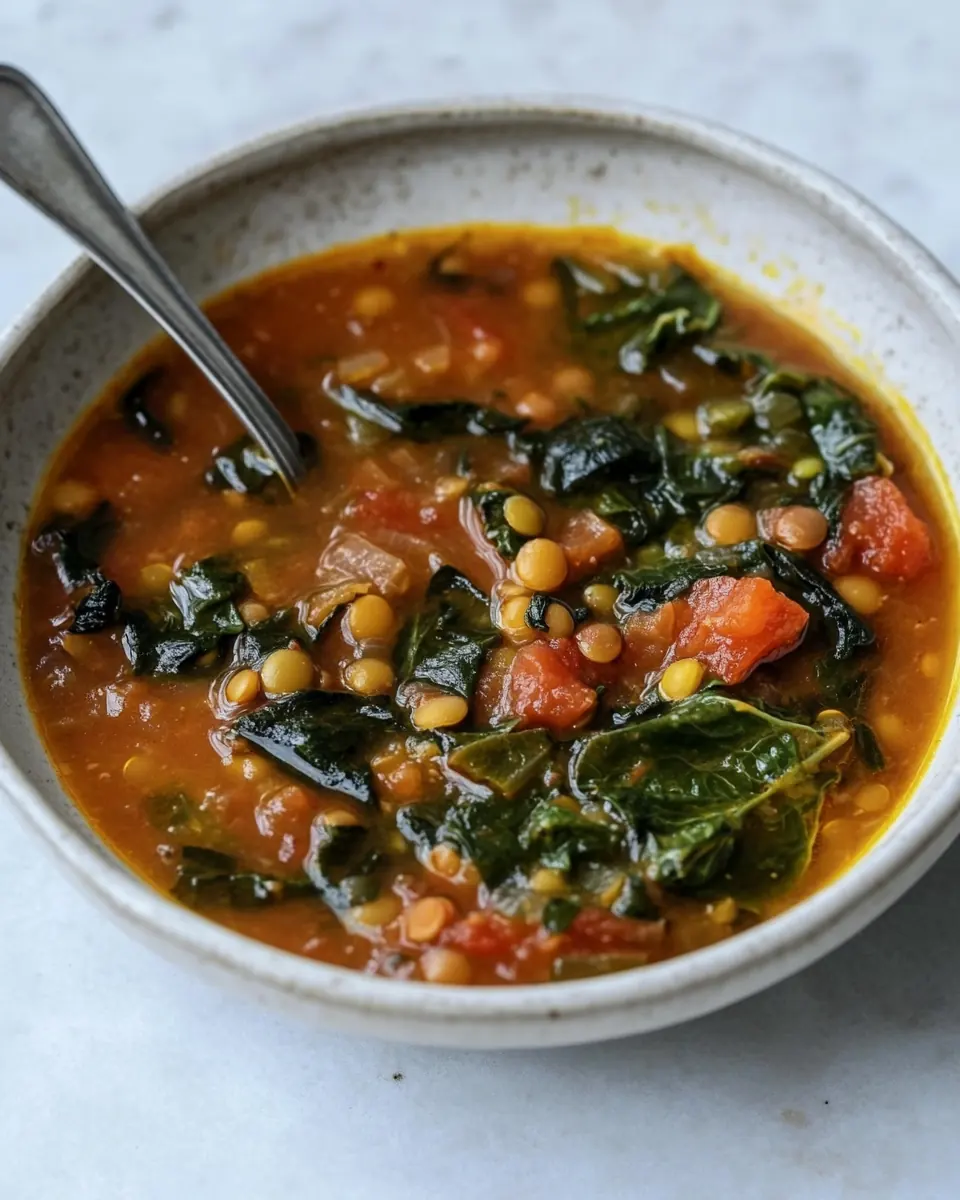
30 Minute Moroccan Red Lentil Soup is a creamy, fragrant bowl of spiced red lentils and tomatoes with bright chard and a hint of heat. This easy weeknight dinner delivers warm, layered flavors and comforting texture without heavy ingredients. Make it for a quick, nourishing meal that reheats beautifully and always feels homemade.
Prep Time 5 minutes
Cook Time 30 minutes
Total Time 35 minutes
Servings: 4 servings
Course: Soups
Cuisine: Moroccan
Calories: 200

Ingredients
  

  • 2 tablespoons olive oil Heat and enrich the soup with a fruity, slightly bitter base; helps sauté aromatics and bloom spices for deeper flavor development. Use early in cooking to coat the pot and carry heat efficiently, creating a cohesive texture and mouthfeel. Adds a subtle richness that balances acidic and spicy components.
  • 1 medium yellow onion diced Provide a sweet, savory backbone through gentle caramelization when diced and softened; contributes body and natural sugars that deepen the broth. Release moisture to create a tender texture and mingle with spices, building the soup’s base. Also adds aromatic complexity important for layered taste.
  • 2 medium carrots diced Contribute earthy sweetness and slight texture when diced, helping to thicken the broth as they break down during simmering. Pair well with onions and spices to round out savory notes and reinforce the soup’s comforting quality. Offer bite and nutritional value, including fiber and vitamins.
  • 2 large cloves garlic minced Impart a sharp, pungent aroma and savory intensity when minced and briefly cooked; elevate overall depth and brighten flavors. Quickly soften and release oils that infuse the broth, working with spices to add complexity. Enhance umami perception and provide subtle heat when gently sautéed.
  • 1 teaspoon ground cumin Add warm, slightly smoky earthiness that defines the soup’s Moroccan character and complements lentils and tomatoes. Bloom in oil to release essential oils and anchor other spices, giving a cohesive flavor profile. Balance sweet and savory elements while lending aromatic depth.
  • 1/2 teaspoon ground ginger Introduce a cooling, slightly peppery warmth with lemony undertones that supports other spices without overpowering them. Use sparingly to add subtle complexity and a bright counterpoint to richer ingredients like lentils and tomatoes. Helps round flavors and enhances perceived freshness.
  • 1/2 teaspoon ground turmeric Provide mild, floral bitterness and an earthy base color that enhances the savory broth and pairs well with turmeric’s warmth. Use to add subtle anti-inflammatory notes and a mellow background depth that complements the spice blend. Helps create a golden hue and balanced flavor.
  • 1/2 teaspoon red chili flakes Deliver a sharp, concentrated heat that livens the soup and can be adjusted to taste; contributes visual flecks and spicy aroma. Sprinkle to introduce warming counterpoint to sweet vegetables and acidic tomatoes, enhancing overall flavor contrast. Use cautiously to avoid overwhelming milder ingredients.
  • 1 teaspoon salt Season and heighten all other flavors while controlling overall saltiness; ensure even distribution during cooking for balanced taste. Help extract and enhance aromatics from vegetables and spices, making the broth more savory and rounded. Adjust to preference for final taste equilibrium.
  • One 15-ounce can diced tomatoes Bring bright acidity, body, and a slightly chunky texture that complements lentils and vegetables; canned form adds convenience and consistency. Simmer with spices to meld flavors and add a tangy counterpoint that prevents the soup from tasting flat. Contributes moisture and umami from cooked tomato pieces.
  • 1 cup dried split red lentils Provide quick-cooking protein and creamy texture as they soften and partially break down, thickening the soup naturally within a short simmer. Absorb surrounding flavors, making them central to the dish’s hearty character and nutritional profile. Offer earthy sweetness and a smooth mouthfeel when cooked.
  • 2 quarts vegetable stock Form a flavorful liquid medium that carries spices, hydrates lentils, and creates the soup’s body while adding savory depth. Use vegetable stock to contribute umami and balance acidity from tomatoes, ensuring a cohesive broth without meat. Quantity determines final soup concentration and mouthfeel.
  • 1 bunch chard stems removed, roughly chopped Add tender green flavor and slight bitterness when stems are removed and leaves chopped; stems provide texture and structure if included. Wilt into the hot broth toward the end of cooking to preserve color and nutrients, contributing freshness and vegetal complexity. Boosts nutritional value with vitamins and minerals.

Equipment

  • Large Stockpot
  • Wooden Spoon

Method
 

  1. In a large stockpot or Dutch oven, heat the oil. Saute the onion and carrot over medium-high heat until soft and beginning to brown, 7 minutes. Add the garlic, cumin, ginger, turmeric, chili flakes, and salt. Cook one minute more. Stir in the tomatoes, scraping up any brown bits from the bottom of the pan, and cook until the liquid has reduced and the tomatoes are soft, 5 minutes.: The moment the oil warms and loosens across the pan you will notice a gentle shimmer and a faint nutty scent. This warming step readies the pan so the onion and carrot sizzle upon contact, giving immediate caramelization on their edges which builds savory complexity, and you should hear a soft, consistent hiss rather than fierce popping. Be mindful of overheating, because if the oil smokes you will introduce bitterness; keep the flame to medium high so the pan and oil heat steadily. If your oil smokes, remove the pot from heat and start again with fresh oil to avoid a burnt undertone.
  2. Add the lentils and stock. Bring to a boil, then reduce the heat and simmer uncovered until the lentils are soft, 10 minutes. Fold in the chard and cook until wilted, but still vibrant, 5 more minutes. Taste for seasoning.: As the vegetables cook you will first smell bright vegetal notes, then a warm sweetness as the onion softens and the carrot releases sugar. Visually, look for translucent onion and edges that are just taking on golden color, which usually occurs around seven minutes at medium high, depending on your stove. Stir occasionally so all pieces brown evenly, scraping the pan to prevent localized charring. A common mistake is crowding the pan, which creates steam instead of browning; if they steam, lift some out or reduce heat to allow color development.
  3. Serve the soup in bowls with a wedge of lemon on the side or a dollop of Greek yogurt.: Right after the vegetables soften, add the minced garlic and spices so their aromatics bloom in the remaining oil and warmed vegetables. Within moments you will smell a fragrant burst of spice, and the oil will carry that scent throughout the pot, creating a foundation for the soup. This step enhances complexity because toasted spices lose rawness and gain perfume, but be careful not to let the garlic burn, which would impart bitterness; keep stirring and lower the heat if the aromatics begin to darken too quickly.
  4. Cook one minute more.: This brief moment lets the spices and garlic meld without overcooking. You should notice a quick intensification of aroma, like layers folding into each other. It is crucial to keep motion in the pan so nothing chars, because burnt spices can overwhelm the entire pot. If your pan seems dry, a teaspoon of water or a splash of the vegetable stock will help lift browned bits and prevent burning.
  5. Stir in the tomatoes, scraping up any brown bits from the bottom of the pan, and cook until the liquid has reduced and the tomatoes are soft, 5 minutes.: When the diced tomatoes hit the pot you will hear a gentle sputter and see steam rise as their juices mingle with the oil and spices. Use a wooden spoon to deglaze, loosening browned bits which carry concentrated flavor into the sauce. As the tomatoes soften and the liquid reduces, the mixture thickens and the aromas deepen, turning slightly sweeter. Watch carefully because over reduction will make the base too dry; aim for a saucy consistency that clings slightly to the spoon.
  6. Add the lentils and stock.: Pour in the rinsed red lentils and the vegetable stock to create the cooking liquid. The pot will look and smell hearty immediately as the spices and tomato mix with the stock, and you may notice steam and a fuller savory smell. This combination is crucial because the lentils absorb flavor while the stock ensures even cooking. A common oversight is under rinsing lentils, which can produce foamy scum; rinse until water runs clearer and skim any surface foam during the first minutes of simmering.
  7. Bring to a boil, then reduce the heat and simmer uncovered until the lentils are soft, 10 minutes.: Listen for a steady rolling bubble when the pot reaches a boil, then lower the heat to maintain a gentle lively simmer. The red lentils will soften quickly and begin to break down, releasing starch that thickens the broth into a creamy texture. Watch the pot and stir occasionally to prevent sticking, especially toward the end of the simmer. If the pot is too vigorous it can cause excessive evaporation or splatter; adjust the flame so the surface gently ripples rather than roils.
  8. Fold in the chard and cook until wilted, but still vibrant, 5 more minutes.: Adding the chopped chard at the end preserves color and texture, and as it wilts you will see the leaves soften while maintaining a bright green hue. The stems should be tender but still have a slight bite if chopped reasonably; this contrast adds freshness and balance. Overcooking the greens will make them dull and mushy, so aim for just long enough to wilt, tasting a leaf to ensure vibrancy remains.
  9. Taste for seasoning.: At this finishing stage sample the soup and adjust the salt and spice levels. You will notice flavors have rounded and intensified, and a small pinch of salt or a squeeze of lemon will lift everything. If it tastes flat, it often needs more acid or salt; add incrementally and re-taste. Resist the urge to over-salt in one go because it is harder to correct than a low seasoning level.
  10. Serve the soup in bowls with a wedge of lemon on the side or a dollop of Greek yogurt.: The final presentation matters because the bright squeeze of lemon or a cooling Greek yogurt accentuates contrast and adds complexity. Serve while hot so the steam carries aromas to the nose with each spoonful. A common serving mistake is letting the soup sit too long before adding acid, which mutes brightness; always add lemon at the table so each bowl can be brightened individually.
Notes

  • Boosting Umami, stir in a splash of reduced vegetable stock concentrate or add a teaspoon of tomato paste when you cook the tomatoes to deepen savoriness without changing texture.
  • Toning the Heat, reduce or omit the red chili flakes if you prefer milder bowls, or add a pinch extra at the end for a direct heat punch that does not alter the soup base.
  • Thicker Texture, simmer an extra five to ten minutes uncovered to let more liquid reduce, or blend a portion of the soup for a creamier mouthfeel while keeping some unblended lentils for texture.
  • Greens Swap, if you do not have chard, stir in baby spinach at the end; it wilts faster, so add in the final two minutes to avoid overcooking.
  • Sodium Control, use low sodium vegetable stock and finish with salt gradually, tasting as you go to prevent oversalting.
  • Make Ahead, cook the soup fully, cool quickly, then refrigerate up to four days; flavors deepen overnight, and a quick reheat on the stove brings it back with minimal loss of texture.