Go Back
45 Minute Cinnamon Rolls

45 Minute Cinnamon Rolls

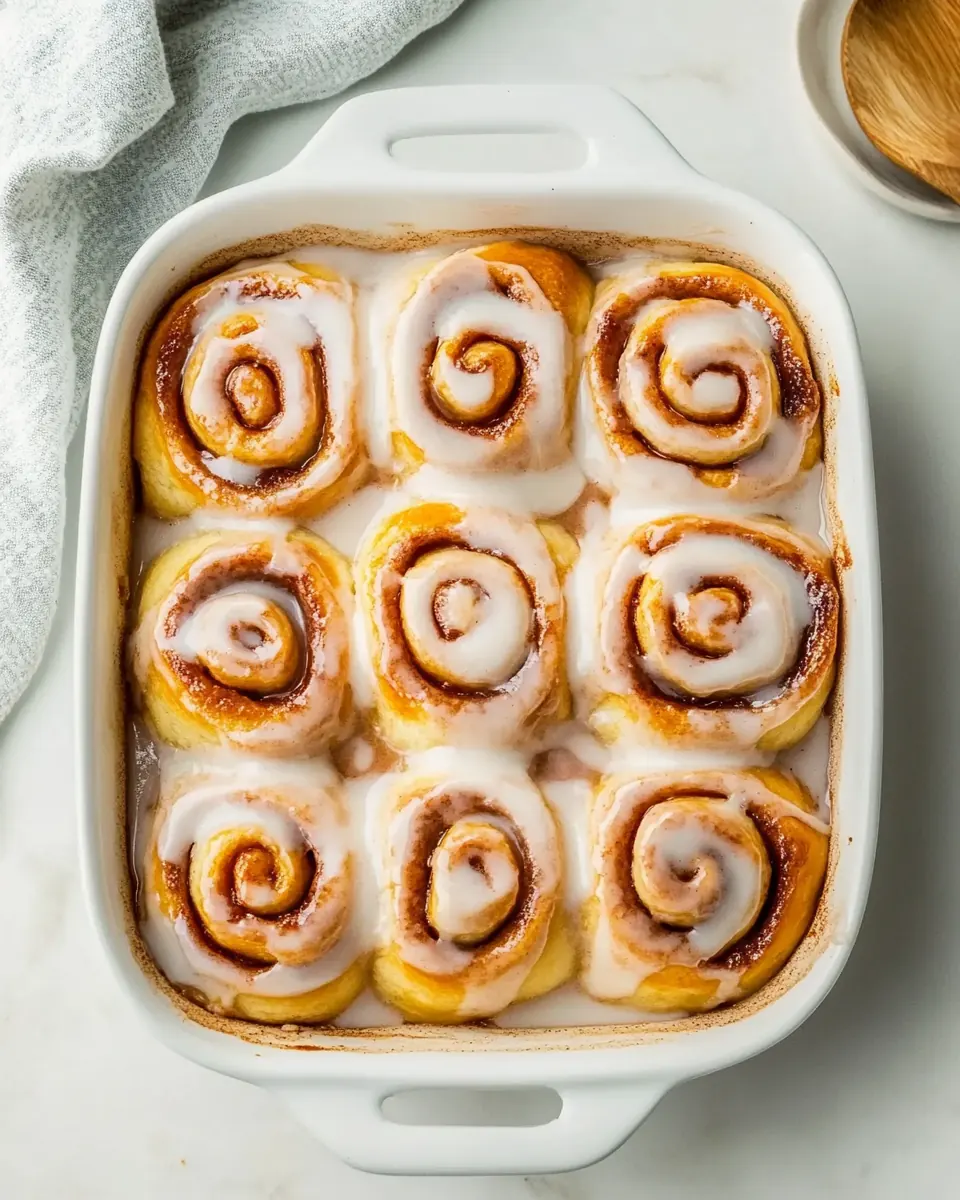
45 Minute Cinnamon Rolls deliver warm, gooey spirals packed with buttery cinnamon flavor in under an hour. These quick, soft rolls are perfect for an easy weekend brunch or a last minute treat, offering bakery style texture with minimal fuss. Make them for guests or a cozy family morning, and enjoy the irresistible aroma and sticky glaze that make them impossible to resist.
Prep Time 30 minutes
Cook Time 15 minutes
Total Time 45 minutes
Servings: 12 cinnamon rolls
Course: Breakfast
Cuisine: American
Calories: 200

Ingredients
  

  • 2 and 3/4 cups all-purpose flour Provides structure and bulk to the dough, forming the gluten network when mixed and kneaded; measures ensure proper hydration and texture for a tender, yet sturdy roll. Use at room temperature and sift if needed to avoid lumps and ensure consistent measurement for predictable results.
  • 3 tablespoons granulated sugar Adds sweetness to the dough, feeding the yeast for a mild rise and balancing savory notes; also contributes to browning during baking for an appealing crust. Dissolve evenly into the wet ingredients to distribute flavor and promote proper fermentation.
  • 1 teaspoons salt Enhances flavor and controls yeast activity by moderating sweetness; also strengthens gluten and improves dough handling when properly incorporated. Sprinkle evenly into the dry mix to ensure consistent seasoning throughout the dough.
  • 1 package instant yeast, 1 packet = 2 and 1/4 teaspoons Leavens the dough rapidly by producing carbon dioxide when hydrated, creating light, airy rolls in a short time frame; instant yeast can be mixed directly with dry ingredients for convenience. Verify freshness by checking the packet date to ensure reliable rising.
  • 1/2 cup water Hydrates the flour and activates the yeast, creating the dough matrix; water temperature should be warm but not hot to avoid killing the yeast. Add gradually to reach the correct dough consistency while combining other wet ingredients.
  • 1/4 cup milk Contributes to tenderness, richness, and flavor in the dough through fat and lactose; warm milk helps activate yeast and improves browning. Use at the specified temperature to ensure proper dough development and a soft crumb.
  • 2 tablespoons unsalted butter Adds richness and flavor to the dough while contributing to tenderness; melted or softened butter integrates into the dough to create a supple texture. Incorporate evenly so the fat coats flour particles, resulting in a finer crumb.
  • 1 large egg Provides structure, moisture, and emulsification; egg helps bind ingredients, enrich the dough, and contribute to color and tenderness. Beat lightly before adding to ensure even distribution and proper incorporation into the wet mixture.
  • 1/4 cup 1/2 stick unsalted butter, softened to room temperature Creates a soft, spreadable filling base that blends with sugar and cinnamon to produce moist, flavorful swirls; room-temperature butter whips easily into a smooth paste. Soften fully to avoid lumps and ensure even spreading over rolled dough.
  • 2 tablespoons ground cinnamon Delivers warm, aromatic spice essential to classic cinnamon rolls, balancing sweetness and imparting signature flavor throughout the filling. Mix thoroughly with sugar and butter to ensure an even flavor distribution in each roll.
  • 1/4 cup brown sugar Sweetens and moistens the filling while adding a deep, caramel-like flavor that complements cinnamon; packs slightly for accurate measurement. Combine with butter and cinnamon to form a cohesive filling that melts into the dough during baking.
  • 1 cup powdered sugar Creates a smooth, sweet glaze that adds sweetness and a silky finish to the baked rolls; powdered sugar dissolves easily for a lump-free icing. Whisk with liquid until glossy and pourable, adjusting thickness to preference.
  • 1 teaspoon vanilla extract Introduces warm, floral notes and enhances overall sweetness and depth in the glaze; small amounts significantly elevate flavor. Add to the icing gradually to achieve a balanced, aromatic finish without overpowering sweetness.
  • 2 -3 tablespoons milk or coffee Adjusts icing consistency for desired thickness and adds a subtle flavor if using coffee; small amounts allow control over pourability and texture of the glaze. Stir in a tablespoon at a time until the glaze reaches a smooth, drizzling consistency suitable for topping rolls.

Equipment

  • 9-inch casserole dish

Method
 

  1. In a large bowl, mix the flour, the sugar, salt, and yeast together until evenly dispersed. Set aside. In a small microwavable bowl, heat the water, milk, and butter together in the microwave until the butter is melted (about 30-45 seconds). Stir the butter mixture into the flour mixture. Add the egg and knead with hand or with stand mixer for 3-4 minutes or until the dough is no longer sticky. Place in a lightly greased bowl and let rest for about 5 minutes.: The moment you combine the warm liquid with the dry flour you will smell a faint toasty sweetness, and the dough will begin to feel cohesive and slightly tacky. Mixing evenly ensures each pinch of dough has a bit of yeast and salt, which makes for an even rise. When kneading, listen for the quiet shift in texture as the dough becomes smoother, and you will see it pull away from the bowl sides. The five minute rest allows the gluten to relax so rolling is easier, which is especially helpful in a quick recipe. A common mistake is overheating the liquid, which can kill the yeast, so test the warmth with your finger it should be warm but not hot. If the dough still clings to your hands after kneading, sprinkle a touch more flour to avoid overworking it.
  2. Preheat the oven to 200 degrees and turn off after 10 minutes or just before placing rolls in oven.: You will create a gentle, warm environment for the rolls to proof without rushing the yeast into collapse. The slight humidity and warmth coax the dough to puff up softly, which is key for a tender interior. When you open the oven door after the ten minutes you should feel a comfortable warmth that is noticeably milder than baking heat. Avoid setting the oven too hot or leaving it on as that drives rapid rise and then collapse, resulting in dense rolls. If your kitchen is already very warm, skip the oven proofing and let them rise at room temperature for the same period.
  3. After the dough has rested for 5 minutes, roll it out in a 15×9 inch rectangle. Spread the softened butter on top. Mix together the cinnamon and sugar and sprinkle it all over the dough. Roll up the dough tightly and cut into 9 (large) even pieces. Place in a lightly greased 9-inch or square pan (or cut into 12 small pieces and place in a 9×13 pan) and lightly cover with aluminum foil or plastic wrap.: Rolling the dough thin and even creates uniform layers that bake consistently into soft spirals. When you spread the softened butter , the dough should feel cool yet pliable, and the filling should appear as a thin, even blanket over the surface. As you roll, keep a light, steady pressure so the log is tight without squeezing out the filling. Cutting cleanly with a sharp knife or unflavored floss gives neat spiral edges. A frequent error is rolling unevenly, which produces some rolls thicker and undercooked while others brown too fast, so check the rectangle dimensions as you roll. If the butter oozes out, it may have been too soft; chill briefly and continue.
  4. Place the cinnamon buns in the oven to rise for 20 minutes (with the oven off). After 20 minutes, keep the buns in the oven (REMOVE THE FOIL OR PLASTIC) and turn on the oven to 375 F. Bake the cinnamon rolls for an additional 15-20 minutes or until golden. Remove from oven and top with glaze.: During the passive 20 minute rise you will notice the buns gain volume and become pillowy to the touch, and the cinnamon aroma will intensify. Removing the cover before turning the oven on prevents trapped steam from making the tops soggy, and the instant switch to 375 F creates that golden surface while preserving a soft interior. Watch for a warm honey color developing on the tops, and when you jostle the pan gently the rolls should feel set but springy. A common pitfall is overbaking which dries the centers, so check at 15 minutes and remove once golden. If the tops brown too quickly, tent with foil briefly.
  5. Mix the powdered sugar, vanilla, and 2 tablespoons milk together until smooth and lump free. Drizzle over warm rolls.: The glaze comes together silky and glossy, and when you drizzle it over hot rolls it will melt slightly and form a sweet sheen that seeps into the edges. Whisk until you see no specks or lumps, and adjust with the extra milk a teaspoon at a time until it pours slowly like thick cream. The warm rolls will steam as you glaze them, giving a lovely glossy finish that looks inviting and tastes decadent. Avoid making the glaze too runny or it will pool excessively; if that happens, whisk in a touch more powdered sugar to thicken. Slice into the rolls while warm to appreciate the gooey center and the contrast of tender dough and sweet glaze.
Notes

  • Change the swirl size to make larger or smaller rolls by cutting nine or twelve pieces, which adjusts bake time and portion size while preserving the same flavors.
  • Switch the liquid in the glaze between milk or coffee to give a subtle flavor shift, using coffee for a deeper note that complements the cinnamon.
  • Control sweetness by adjusting the brown sugar in the filling slightly, reducing for less sweetness or adding a tablespoon for a more caramel like center.
  • Make ahead strategy by assembling rolls and refrigerating them covered, then bake the next morning from chilled for a fresh bakery feel with minimal morning effort.
  • Adjust the butter temperature so softened butter spreads smoothly without tearing the dough, keeping it cool enough to stay in place but pliable for even coverage.