Preheat oven to 350 degrees F and add cupcake liners to pan.: Take a moment to preheat fully so the first cupcakes start baking at the right temperature, which gives an even rise and predictable baking time. You will notice the oven warming and a dry, slightly metallic scent from the heating elements, which is normal. Placing liners in the tin ensures uniform shapes and prevents sticking. A common mistake is not positioning the rack in the center of the oven, which can cause uneven browning; avoid opening the oven often while baking.
In a large mixing bowl, beat together the cake mix, egg whites, buttermilk, and oil. Mix on low until it is smooth, turn up mixer to medium and beat for 2 minutes.: As the ingredients combine, the batter will become glossy and smooth, with no dry pockets of mix. You may hear the mixer humming steadily and see the batter thicken slightly as it aerates. This step hydrates the dry mix and blends the liquids so the texture is uniform. If you overmix at high speed you can develop excess air, which leads to large holes, so stick to the instructed speeds and times.
Divide batter into 3 bowls, you should have about 1 1/4 cups of batter in each bowl.: Portioning the batter evenly ensures consistent cupcake size and uniform baking across the tray. Use a measuring cup for accuracy; each bowl should feel equally heavy when lifted. Visual cues include a smooth surface in each bowl and similar volume. A common slip is uneven division, which causes some cupcakes to finish earlier; if one bowl is noticeably smaller, redistribute slightly.
Color one with red and one with blue food coloring.: Add food coloring in small increments and mix until you reach the shade you want, watching the hue deepen as you stir. The batter will darken a bit as it absorbs the dye, and gel colors give the richest tones with minimal liquid. Stir gently to keep air pockets small and maintain a velvety texture. Avoid adding too much liquid dye, because it can thin the batter and impact rise and texture.
Transfer each color of batter to a disposable decorator bag to make it easier to fill cupcakes.: Filling bags makes piping tidy and controlled, especially when working with three colors. You will feel the weight of the batter in the bag and can control flow with steady pressure. If you lack pastry bags, a resealable plastic bag with a trimmed corner works fine. Watch out for leaks at the seam if you reuse an older bag; twist the top securely before squeezing.
Squeeze equal amounts of each color of batter into cupcake liners.: As you squeeze, the colors will pool side by side and create a layered or marbled effect inside the liner. You can feel the resistance change as the liner fills, and the visual cue is a roughly dome shaped batter mound centered in each cup. Work steadily so colors stay defined, and if they begin to merge too much, adjust pressure or reduce the amount in the next liners. Avoid overfilling, as this causes spillover and uneven baking.
Bake at 350 degrees F for 12-14 minutes or until a toothpick inserted in the center comes out clean.: While baking you will notice a sweet, bready aroma filling the kitchen and small domes rising gently. Check at the earliest time to avoid dryness; the toothpick test ensures the centers are set without overbaking. If you see excessive browning on top before the centers are set, your oven may run hot, so reduce temp slightly next time. Resist opening the oven frequently during the first portion of baking as it can cause the cupcakes to sink.
Cool completely on a wire rack.: Cooling lets the cupcake crumb set so frosting will glide smoothly without melting into the cake. You will feel warmth radiating from the tin, and the tops will firm as they drop to room temperature. Transfer each cupcake carefully to avoid denting the top, and allow full cooling before decorating to prevent sliding frosting. A common mistake is frosting warm cupcakes, which leads to runny decorations and messy presentation.
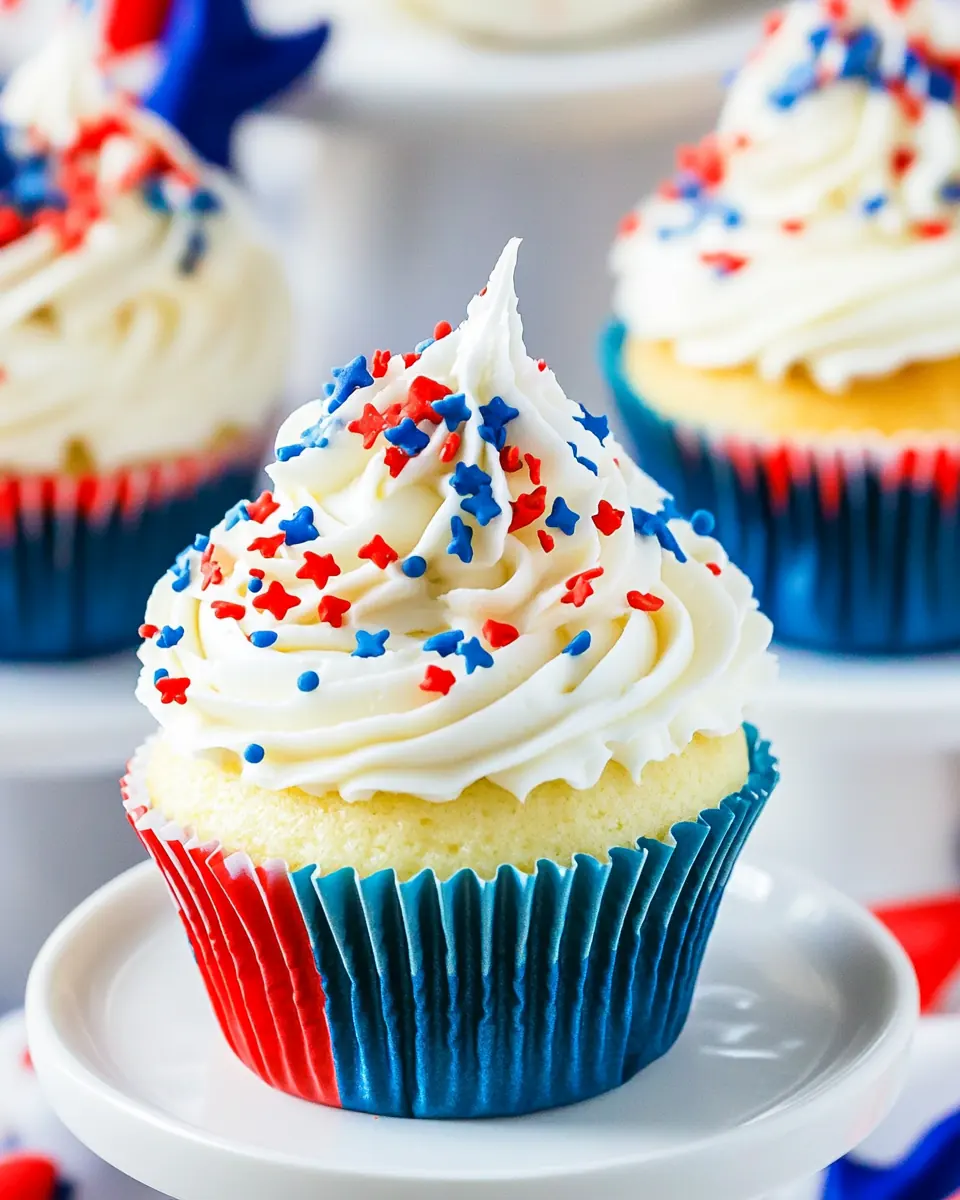
Decorate with frosting of your choice, and add sprinkles or other decorations.: When frosting, the texture should be smooth and spreadable, offering slight resistance as your spatula moves across the top. Pipe or spread the frosting to your preferred style, and press sprinkles gently so they adhere. The visual cue of a clean peak or smooth swirl tells you the frosting is the right consistency. If the frosting is too soft, chill briefly to firm up; if too stiff, stir in a tiny splash of liquid to loosen it.