Prepare the artichokes by trimming off the stems around the stem if needed. Cut off most of the stem leaving about 1 inch on the artichoke. Slice the top tip of the artichoke, and trim the rest of the stems with kitchen shears if needed.: The smell of fresh artichokes is green and slightly vegetal as you work, with a faint earthy sweetness. Use a sharp knife to remove the tough outer stem and trim to about one inch, creating a clean base so the artichoke sits level. If you remove too much stem you can lose edible flesh, so trim conservatively. A common mistake is leaving long stems that prevent stable placement in the pot, causing uneven boiling. When trimmed correctly, the surface should look moist and freshly cut, not dried out.
Bring a large pot of water to a boil and place the prepared artichokes in the water. Boil for 25-30 minutes. Carefully remove the artichokes from the boiling water.: You will notice the weight shift as you remove excess stem, the head becomes easier to maneuver and the trimmed base helps even cooking later. The exposed cut surface should glisten slightly, indicating freshness. Avoid jagged cuts that can tear leaves, and if the stem is fibrous, pare it more gently to avoid stringy pieces. Too much removal wastes tender flesh, while too little can leave a chewy base after cooking.
Slice each artichoke in half and use a spoon to remove the fuzzy choke from the center. Immediately rub the entire artichoke with the sliced lemon wedges to prevent discoloration.: When you slice the pointed top a fresh citrus aroma from nearby lemon will contrast the mild vegetal scent. Removing the top helps steam penetrate and reduces the cooking time a bit. Use kitchen shears for jagged thorns, cutting cleanly so the leaves loosen uniformly. A mistake here is leaving sharp tips that can burn when using the Air Fryer , so trimming neatly improves both safety and final texture.
Drizzle both sides of the artichoke generously with olive oil. It helps to get it inside the crevices. Season with salt and pepper.: As you shear, listen for a slight tearing sound and observe leaves that fall away easily, indicating the artichoke is ready for boiling. The shears let you get into narrow areas and remove any tough fibers. Over trimming can expose too much interior and dry out the edible parts during the air frying stage, so trim just enough to remove the hardest bits. Keep a bowl of lemon water nearby to place trimmed pieces if you pause, preventing browning.
Place artichokes with the sliced side faced down onto the basket of the air fryer.: The pot will steam and release a vegetal perfume as the water returns to a boil, and you want vigorous bubbling so heat penetrates the dense layers. Boiling helps collapse some of the fibrous structure so the frying step focuses on texture, not tenderness. A frequent error is using too small a pot, which causes overcrowding and uneven cooking. Make sure the artichokes are mostly submerged for uniform softening.
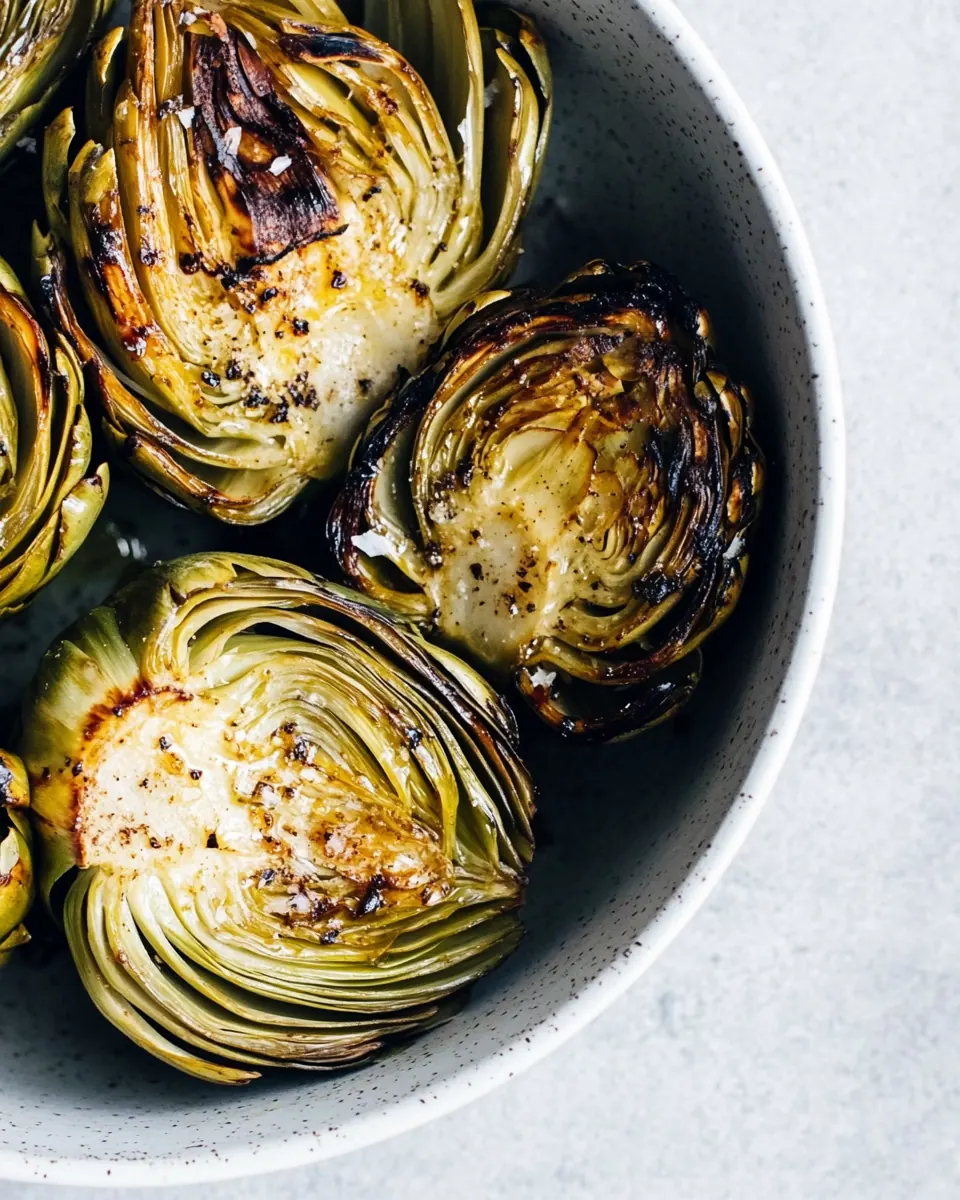
Select the air fryer temperature to be 340 degrees Fahrenheit. Cook for 10 minutes. Open the basket, flip the artichokes, and cook for an additional 2 minutes. Adjust the time depending on the size of the artichoke. Test for doneness and continue to cook until tender. If it darkens too quickly, slightly lower the temperature of your air fryer.: During the simmer the kitchen will fill with a mellow, almost sweet aroma from the artichokes , and you will notice leaves soften and darken slightly. Test doneness by pulling a leaf near the center, it should come away with a tender base. If you undercook, the Air Fryer finish will crisp the outside but leave the heart tough, so resist the urge to shorten this step. Overcooking can waterlog the hearts, making them mushy when air fried.
Serve with your favorite dipping sauce and a squeeze of fresh lemon.: Lift them with tongs and observe steam rising, and if you touch the base lightly it should yield to pressure. Drain them thoroughly because excess surface water prevents browning later. A common pitfall is leaving them wet, which leads to steaming instead of crisping in the Air Fryer . Set them on a rack or towel for a few minutes to dry before slicing.
Slice each artichoke in half and use a spoon to remove the fuzzy choke from the center: When exposed, the interior has a softer, mildly sweet aroma, and scraping out the choke reveals the pale heart. Use a small spoon to scoop carefully and rinse briefly if needed, but avoid rinsing too aggressively which can cool and moisten the flesh. Forgetting to remove the choke will leave an unpleasant texture in the center. After cleaning, rub the cut flesh with the lemon to halt browning and add lift to the flavor.
Immediately rub the entire artichoke with the sliced lemon wedges to prevent discoloration: The citrus scent will pop, and the acid protects the exposed flesh while adding a bright note. Work the lemon into crevices, concentrating on the cuts and base. If you miss spots, oxidation will cause greying which is cosmetic but less appealing. Make sure you use both halves so every surface is coated.
Drizzle both sides of the artichoke generously with olive oil: The oil should shimmer on the surface and settle into crevices, carrying herbs or seasonings if you had them. As it heats in the Air Fryer , the oil promotes Maillard style browning and a satiny finish. Over-oiling can pool and smoke, while too little oil gives no crispness, so aim for an even coat that soaks into the layers without excess runoff.
It helps to get it inside the crevices: When oil penetrates between the leaves, you will hear a faint sizzle as the air fryer crisps those edges and a toasty aroma will develop. Work the oil in with your fingers or a brush for even coverage. A mistake is assuming surface oil is enough, the interior crevices need attention for balanced texture. Properly oiled crevices produce caramelized edges and a richer mouthfeel.
Season with salt and pepper: As you sprinkle kosher salt and pepper , you will notice the scent of pepper bloom and the salt drawing out a touch of moisture, which helps crisping. Season evenly so each bite is balanced, tapping off excess to avoid overly salty spots. Over seasoning up front can be hard to remedy, so measure and taste when possible.
Place artichokes with the sliced side faced down onto the basket of the air fryer: Laying them sliced side down encourages direct contact for browning and concentrates heat on the heart. You may hear a low hiss as residual moisture meets the hot basket. Crowding the basket is the primary mistake here, which prevents air circulation and leads to uneven results. Leave breathing room between halves so hot air moves freely.
Select the air fryer temperature to be 340 degrees Fahrenheit: At this heat you will achieve gentle browning without burning the edges, and the aroma will shift from olive oil to toasted notes as sugars concentrate. If your machine runs hot, reduce the temp a bit to avoid charring. Many people crank the temperature too high and end up with blackened leaves before the center is warm, so follow the listed temperature for balanced cooking.
Cook for 10 minutes: During this period you will detect a toasty scent developing and the edges will tighten and darken slightly, producing a pleasant crunch. This stage builds surface color while preserving inner tenderness. The most common error is skipping the midway check, which can miss uneven browning. Keep an eye on progression so you can adjust as needed.
Open the basket, flip the artichokes, and cook for an additional 2 minutes: Flipping completes even browning and allows any trapped steam to escape, intensifying crispness. Listen for a change in sound as the air fryer resumes, a lighter sizzle indicates moisture has mostly evaporated. If you skip flipping, one side may be softer than the other. Turn gently so the halves keep their structure.
Adjust the time depending on the size of the artichoke: Larger heads may need extra minutes, and you will notice a deeper aroma and firmer texture as they finish. Use a fork to test the heart for tenderness; it should offer little resistance. Avoid overcooking which makes the heart dry and stringy. If edges darken too quickly, reduce the temperature slightly and add minutes instead.
Test for doneness and continue to cook until tender: The final check is sensory, a tender heart with a slightly crisp outer edge and a fragrant lemon lift. If it needs more time, add short increments to avoid overshooting. A common mistake is relying solely on time without testing, leading to inconsistent batches. Trust the tactile test and the visual cues for best results.
If it darkens too quickly, slightly lower the temperature of your air fryer: When you lower the heat you preserve color without sacrificing tenderness, and the scent will remain bright instead of burnt. Adjust in small steps and monitor. The usual error is overreacting and reducing too much, which slows browning and yields a pale finish, so tweak carefully.
Serve with your favorite dipping sauce and a squeeze of fresh lemon: The final sensory flourish is the bright acidity of squeezed lemon , which lifts the oil and salt into harmony, and a dipping sauce adds contrast. Presentation matters, scatter a few lemon wedges and watch steam curl as you bring it to the table. Avoid heavy sauces that overwhelm the delicate heart, instead choose something complementary so the artichoke remains the hero.